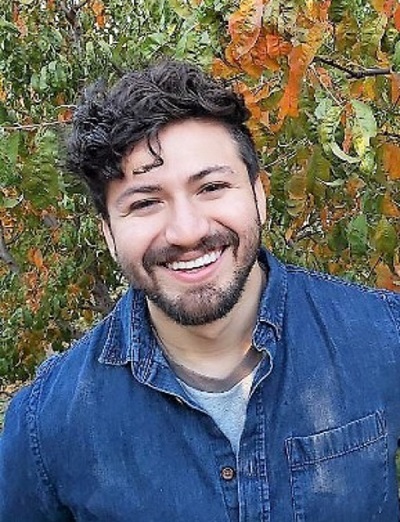
Michael S. Barker is an Associate Professor and Associate Department Head in the Department of Ecology and Evolutionary Biology at the University of Arizona. He leads the Bioinformatics Degree Program and has held academic roles since 2011. His research focuses on the origins of biodiversity through genomic events like polyploidy and hybridization, integrating computational tools with molecular and phylogenetic approaches. Education: Ph.D., Evolutionary Biology, Indiana University (2009) M.S., Botany, Miami University (2003) B.S., Biology, Denison University (2001) Research interests include genomic evolution, with studies on Brassica crops, Selaginella lycophytes, and macroevolutionary patterns across eukaryotes. His work bridges micro- and macroevolutionary scales to understand genome-driven diversity. Awards include the Botanical Society of America’s Emerging Leader Award (2016) and the NSERC-BRITE Postdoctoral Fellowship (2009–2010). He contributes to editorial roles, including editing a Special Issue on polyploidy in the American Journal of Botany . His lab collaborates widely, generating genomic data to explore evolutionary processes. While no specific grants or advising details are listed, his leadership roles highlight active mentorship and program development.
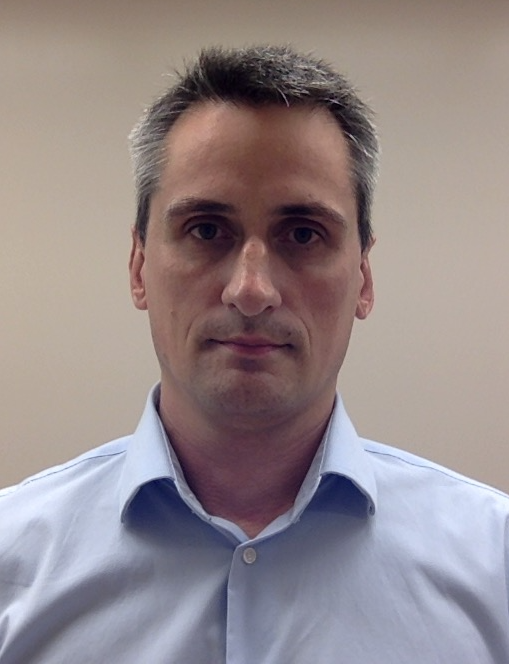
Professor Jian Zhang is a Professor of Statistics at the University of Kent's School of Mathematics, Statistics and Actuarial Science. His research focuses on non-parametric and high-dimensional statistics, bioinformatics, computational biology, statistical genetics, neuroimaging methods, and Bayesian modeling. He has advised students including Jie Li and Tong Wang. His work spans theoretical advancements and applied methodologies across diverse fields such as genomics, neuroimaging, and biomedical data analysis. Publications highlight contributions to Bayesian inference, neuroimaging techniques, and statistical genetics. Notable collaborations include studies on mixture models for genetic association analysis and beamforming methods for functional connectivity. He holds an ORCID iD and is based at Canterbury Campus, University of Kent.
Prof. Dr. Eline Slagboom is a Professor of Molecular Epidemiology at Leiden University Medical Center (LUMC), leading the Molecular Epidemiology section within the Department of Biomedical Data Sciences. She chairs the LUMC Medical Research Profile on Ageing and the Dutch Society for Research on Ageing (DUSRA). As Principal Investigator of the Leiden Longevity Study, her work focuses on aging mechanisms and metabolomics. She holds a Fellowship at the Max Planck Institute for Biology of Ageing and serves on national/international committees including BBMRI-NL and the Welcome Trust. Research Interests: Molecular mechanisms of aging, longevity determinants, and population-based epidemiological studies. Her lab integrates genomic, metabolomic, and clinical data to understand healthy aging processes. Grants & Collaborations: Leads major studies like the Leiden Longevity Study and collaborates internationally through initiatives like BBMRI-NL's metabolomics steering. Active in conference organization and scientific leadership roles.
Dr. Hannah Carter is a Professor of Medicine at the University of California San Diego (UCSD), affiliated with the School of Medicine and the Department of Biomedical Informatics. She specializes in computational modeling of tumor genomics, focusing on how DNA mutations influence cellular processes and cancer development. Her research integrates high-dimensional genomic data to identify cancer drivers and improve precision medicine approaches. Education: MEng in Electrical and Computer Engineering (University of Louisville, 2004), PhD in Biomedical Engineering (Johns Hopkins University, 2012). Research interests include cancer genomics, bioinformatics tool development, and the application of network approaches to oncology. Key projects include NIH-funded studies on tumor mutation stratification and immune surveillance disruption in cancer. Publications span computational methods for variant analysis (e.g., CHASM toolkit) and mechanistic studies linking genomic changes to cellular behavior. Her work has been recognized through awards like the NIH Early Independence Award (2013) and the Azrieli Global Scholar distinction (2017). Labs and affiliations include the Division of Biomedical Informatics and Division of Medical Genetics at UCSD. She leads collaborative initiatives on genomic variation impacts in pancreatic beta cells and cancer-immune interactions.
Gaurav Sharma is a Professor at the University of Rochester, holding joint appointments in the Department of Electrical and Computer Engineering, Computer Science, and Biostatistics and Computational Biology. He is also a Distinguished Researcher at the Goergen Institute for Data Science and Artificial Intelligence. His research focuses on Data Analytics, Cyber Physical Systems, Signal and Image Processing, Computer Vision, Media Security, and Communications. Previously, he served as Director of the Center for Emerging and Innovative Sciences (2008-2010) and held roles at Xerox Research (1996-2003). He earned a PhD in Electrical and Computer Engineering from North Carolina State University (1996), alongside degrees from Indian institutions including the Indian Institute of Science and IIT Roorkee. Education: PhD (NCSU), M.S. Applied Mathematics (NCSU), M.S. Electrical Communication Engineering (IISc), B.Eng (IIT Roorkee) Awards: Fellow of IEEE, SPIE, and IS&T; Elected Sigma Xi member Editorial Roles: Editor-in-Chief of IEEE Transactions on Image Processing (2018-2020) and Journal of Electronic Imaging (2011-2015) Leadership: Chair of IEEE Signal Processing Society committees and SPIE/EI conferences His research spans interdisciplinary areas like medical imaging analytics, cybersecurity in IoT systems, and computational methods for biomedical applications. Recent work includes studies on cardiac mortality patterns, viral protein inhibition, and federated learning for privacy-sensitive healthcare tasks. Dr. Sharma’s contributions to academic governance include roles on IEEE publication committees and strategic planning boards, reflecting his commitment to advancing technical standards and open science practices.
Fadil Santosa is a Professor and the Yu Wu and Chaomei Chen Department Head of Applied Mathematics and Statistics at Johns Hopkins University (JHU). He is also affiliated with the Ralph S. O’Conner Sustainable Energy Institute, SNF Agora Institute, and the Data Science and AI Institute. His research focuses on inverse problems, wave phenomena, photonics, optimal design, and mathematical modeling. He holds a BS in Mechanical Engineering from the University of New Mexico (1976) and MS/PhD in Theoretical and Applied Mechanics from the University of Illinois at Urbana (1977/1980). Recent research projects include optimizing experiment design for inverse problems, developing models for direct air capture of CO 2 , and studying plasmons in graphene. He has pioneered work on bar code decoding algorithms and multifocal optical device design, with two patented innovations. Santosa has been honored with the 2023 SIAM Distinguished Service Award and the 2023 JHU Diversity Award. His work bridges academia and industry through initiatives like the Math-to-Industry Boot Camp. He actively mentors students via community-based projects, such as applying applied math to optimize Baltimore’s food distribution systems. Current technical interests span photonic band gaps, EIT imaging, and machine learning applications in biological systems. Key Affiliations: Applied Mathematics & Statistics Department Head, Sustainable Energy Institute Researcher Patents: Multifocal optical device design, Symbol-based bar code decoding Labs/Teams: Leads multidisciplinary teams in inverse problem research and sustainability modeling
Nathan Croft is a Senior Lecturer in Biochemistry & Molecular Biology at Monash University, Australia. He transitioned to Monash in 2012 after postdoctoral work at the University of Melbourne. His research focuses on MHC antigen processing pathways, T cell immunity, and developing bioinformatics tools for immunopeptidomics. He holds a PhD from the University of Birmingham (2009), where he studied Epstein-Barr Virus immune evasion. Research Interests: Nathan's work bridges immunology and bioinformatics, with a focus on understanding how MHC-peptide abundance influences T cell responses to pathogens and tumors. Key areas include peptide repertoire mapping, immunopeptidome analysis, and developing computational tools like Immunolyser and MHCpLogics. His projects address viral immunology, cancer antigen discovery, and drug-induced antigen modifications. Grants & Collaborations: He co-led an NHMRC-funded project (2015–2019) on T cell recognition of virus-infected cells. Collaborations span institutions globally, with notable work on SARS-CoV-2 antigen analysis and N-glycan remodelling in MHC-II presentation. Education: PhD in Immunology (University of Birmingham, 2009). Academic Background: Postdoctoral positions at the University of Melbourne (2009–2012) before joining Monash. Professional Activities: Member of Monash's Biochemistry & Molecular Biology unit (2018–2020). Actively supervises PhD students and contributes to open-access research dissemination.
Dr. Roland Wittler is a researcher at the Faculty of Engineering , Bielefeld University , Germany, specializing in Genome Informatics . He has held key roles such as Coordinator of Doctoral Studies (since 2024), Scientific Coordinator for the Graduate School 'Digital Infrastructure for the Life Sciences' (DILS), and coordinator for bioinformatics PhD programs. PhD in Computational Biology (Bielefeld University, 2010) DFG scholarship recipient (2006–2009) Prior research assistant at Simon Fraser University (2010) His research focuses on phylogenomics , gene cluster analysis , and alignment-free sequence comparison . He pioneered methods using colored de Bruijn graphs for reference-free phylogeny reconstruction and DARRC for pan-genome compression. His work spans from gene order evolution to high-throughput sequencing data structures . The 15 most recent publications show trends in phylogenomic clustering k-mer-based pangenome modeling and graph-based genomic alignment He contributes to computational methods for genome analysis, including algorithms for detecting overlapping deletions and optimizing pan-genome storage via Bloom filter trunks. His work bridges theoretical algorithm design and practical bioinformatics applications .
Dmitry Korkin is a Professor of Computer Science at Worcester Polytechnic Institute (WPI) and holds the prestigious Harold L. Jurist '61 and Heather E. Jurist Dean's Professor title. He maintains strong interdisciplinary connections across campus, with formal affiliations in Bioinformatics & Computational Biology, Data Science, Biology & Biotechnology, and Mathematical Sciences departments. His educational background includes: Postdoctoral training in Bioinformatics & Computational Biology at the University of California, San Francisco (2007) PhD in Computer Science from the University of New Brunswick, Canada (2003) MS in Applied Mathematics from Moscow State University, Russia with High Distinction (1999) Professor Korkin leads an interdisciplinary research program at the intersection of computer science and biology. His lab specializes in applying machine learning, data mining, and massive data analytics to investigate molecular mechanisms underlying complex diseases including cancer, diabetes, and autism, as well as deadly infections like pandemic flu. The research integrates multi-omic, systems, and structural biology data to develop comprehensive models of disease mechanisms. A distinctive aspect of his work involves developing hardware-optimized algorithms for large-scale genome evolution analysis, enabling studies of animal and plant genomes at unprecedented scale. The lab maintains strong collaborative ties with experimental biologists to validate computational predictions through wet-lab experiments. His publication record demonstrates a clear evolution from foundational work in protein structure analysis toward increasingly complex systems biology applications. Early research focused on protein binding sites and structural classification, while more recent work addresses host-pathogen interactions and pandemic virus structure. The lab's work on SARS-CoV-2 represents a significant pivot toward immediate public health applications, developing what has been described as a 'periodic table' of structural elements for the virus. Key recognition: Harold L. Jurist '61 and Heather E. Jurist Dean's Professor Professor Korkin has secured multiple research grants including WPI President's Research Catalyst Grants and seed funding for early-stage projects. His work on SARS-CoV-2 structure was published in Viruses and featured in Nature Neuroscience. He maintains active collaborations both nationally and internationally, with research findings covered by major media outlets including Spectrum News 1, Phys.org, and Nautilus magazine. Notably, his lab's structural analysis of the COVID-19 virus led to a unique collaboration with Scottish artist Angela Palmer, resulting in a sculptural model displayed at the Oxford Museum of Natural History. He directs the Korkin Lab (korkinlab.org), which maintains a strong focus on computational approaches to biological problems. Beyond research, Professor Korkin has demonstrated significant humanitarian engagement, opening his home to the family of Ukrainian professor Vitaly Yurkiv amid the Russian invasion and working to help find academic positions for displaced Ukrainian scholars in the United States. His office is located in Unity Hall, Room UH460, and he can be reached at dkorkin@wpi.edu.
Dr. Beatriz Galindo-Prieto is a Researcher at Imperial College London's School of Public Health (Faculty of Medicine), part of the Environmental Toxicology Group within the Environmental Research Group. She specializes in developing multiblock/multi-omics and multivariate data analysis methods, with a focus on big data interpretation, variable selection, and applications in environmental health and bioinformatics. Her current projects include analyzing air pollution effects on health via RNA-seq datasets (UKRI NERC-funded) and policy studies on urban air quality. Affiliations include the MRC Centre for Environment and Health, and NIHR Health Protection Research Units in Environmental Exposures and Chemical/Radiation Hazards. Education: MSc in Chemistry (University of the Balearic Islands) and PhD in Chemometrics (Umeå University, Sweden). Her PhD involved novel variable selection algorithms for multivariate data (VIPOPLS, VIPO2PLS, MB-VIOP). Post-PhD roles include postdoctoral fellowships at NTNU (Norway) and Weill Cornell Medical College (USA), focusing on machine learning for big data in neuroscience and epidemiology. She has taught undergraduate/graduate courses and co-supervised students. Research Interests: Combining chemometrics, bioinformatics, and machine learning to address societal challenges. Key areas include multivariate data analysis for environmental systems, neurodegenerative diseases (Alzheimer’s), and real-time epidemic modeling (Ebola, COVID-19). She emphasizes interdisciplinary collaboration across analytical chemistry, systems biology, and public health policy. Grants & Funding: UKRI NERC, ERCIM (Big Data Cybernetics project), and institutional support from Imperial College London. Her work bridges academia and real-world applications, aiming to translate computational methods into actionable insights for health and environmental policy. Labs/Teams: Active in the Environmental Toxicology Group at Imperial, collaborating with the MRC Centre and NIHR units. Her lab develops novel methodologies for data fusion, visualization, and predictive modeling in complex systems.
Dr. Yongqun He is a Professor at the University of Michigan Medical School with primary affiliation in the Unit for Laboratory Animal Medicine (ULAM) and joint appointments in the Department of Learning Health Sciences and Department of Microbiology and Immunology. He holds affiliations with the Rogel Cancer Center, MIDAS, and other institutions. He earned his D.V.M. from Jiangxi Agricultural University (China) and Ph.D. in Biomedical and Veterinary Sciences from Virginia Tech (USA). His research focuses on computational medicine, ontology development, vaccinology, and microbiology. He pioneered Vaccine Informatics, developed tools like VO, Ontobee, and Ontofox, and contributed to Kidney Precision Medicine through ontologies like KTAO. He has mentored numerous students and serves on NIH review panels, international conferences, and advisory boards. His work includes over 300 publications, with recent topics on ontology-based vaccine design, AI applications, and kidney disease modeling. Education: D.V.M. (1991), M.S. Veterinary Medicine (1996), Ph.D. Biomedical Sciences (2000) from China Agricultural University and Virginia Tech. Research: Integrates AI, ontology, and bioinformatics to study vaccines, pathogens, and kidney diseases. Services: NIH grant reviewer, organizer of international ontology workshops (VDOS, CELLS), and editorial board member for journals like Frontiers in Cellular and Infection Microbiology .
Sneha D. Goenka is an Assistant Professor at Princeton University in the Department of Electrical and Computer Engineering, with associated faculty status in the Computer Science department. She earned her Ph.D. from Stanford University (2024) and dual B.Tech./M.Tech. degrees from IIT Bombay (2017). Her research bridges computer systems architecture and computational genomics to develop accelerated genomic pipelines. Education : Ph.D. (Electrical Engineering, Stanford 2024), Dual Degree (IIT Bombay 2017) Her work focuses on optimizing genomic data processing through hardware-software co-design, achieving speedups in clinical and evolutionary genomics. She led the development of the world's fastest genome diagnosis technique using nanopore sequencing and cloud computing. Recent publications highlight her expertise in GPU/FPGA acceleration (SegAlign, Darwin-WGA) and ultra-rapid variant detection pipelines. Her research has been published in top venues like Nature Biotechnology , New England Journal of Medicine , and SC/HPCA conferences . Scientific Awards : Stanford Centennial TA Award (2024) ACM Heidelberg Laureate Forum Young Researcher (2024) Forbes 30 Under 30 (Science) (2023) NVIDIA Graduate Fellow (2022) Cadence Women in Technology Scholar (2021) She advises students in her lab and has collaborated with institutions like Stanford Medicine, NVIDIA Research, and D.E. Shaw Research. She also contributed to the Pratham satellite project at IIT Bombay.
Jordan Knapp-Wilson is a Researcher affiliated with the Institute of Plant Breeding, Genetics and Genomics (IPBGG) within the College of Agricultural & Environmental Sciences. Their work focuses on advancing 3D phenotyping techniques for fruit tree architecture using terrestrial laser scanning (TLS) and computational modeling. Specializes in peach tree morphology and crown architecture analysis Develops novel quantitative indices for plant phenotyping Applies TLS technology for high-resolution agricultural monitoring Recent research emphasizes computational modeling of tree architecture to improve genetic trait mapping and precision agriculture strategies. Their work bridges plant biology with advanced imaging technologies to enhance crop breeding programs. Focus areas: Genotype-phenotype correlations, precision phenotyping, agricultural robotics integration
Alexey Petrov is an Associate Professor in the Department of Biological Sciences at Auburn University, affiliated with the College of Sciences and Mathematics. His research focuses on the molecular mechanisms of protein synthesis, particularly ribosome dynamics and translational regulation. His research interests lie at the intersection of biochemistry, biophysics, and molecular biology. He investigates how ribosomes achieve high-speed and high-fidelity protein synthesis, how mRNA structure and modifications regulate translation, and how viral elements hijack the translational machinery. His lab employs cutting-edge single-molecule fluorescence techniques and biochemical assays to dissect these processes in real time. The recent publications highlight a strong focus on ribosome translocation, initiation, elongation fidelity, and the impact of mRNA modifications such as 2′-O-methylation and m6A on translation dynamics. His work frequently involves the study of viral internal ribosome entry sites (IRES), providing insights into alternative translation mechanisms. The research is characterized by a deep mechanistic and kinetic understanding of translation, often revealing multiple parallel pathways and dynamic conformational changes. Alexey Petrov received his B.S. from Moscow State University, Russia, followed by a Ph.D. from the University of Maryland, College Park, under Dr. Jonathan Dinman. He completed his postdoctoral training with Dr. Joseph D. Puglisi at Stanford University, where he pioneered single-molecule studies of translation. Postdoctoral fellow with Dr. Joseph D. Puglisi, Stanford University Ph.D. with Dr. Jonathan Dinman, University of Maryland, College Park B.S., Moscow State University, Russia He leads an active research group within Auburn University's Biophysics Cluster, established in 2017. His lab is dedicated to advancing the single-molecule toolbox by developing new instrumentation and data analysis pipelines to make these powerful techniques more accessible. While specific grants are not listed, his publication record in top journals suggests a well-funded and productive research program. He mentors students and postdoctoral researchers in biochemical and biophysical methods, contributing to the training of the next generation of scientists.
Dr. Chibundu Ngozi Ezekiel is a Senior Researcher at the Institute of Bioanalytics and Agro-Metabolomics within the Department of Agricultural Sciences at the University of Natural Resources and Life Sciences, Vienna (BOKU). Previously, he served as Professor and Associate Professor of Food Microbiology and Mycotoxicology at Babcock University, Nigeria (2018-2022) and held roles at the Food and Agriculture Organization of the United Nations. Education: Ph.D. in Mycology/Mycotoxicology (University of Ibadan, 2009-2013), M.Sc. in Microbiology (University of Ibadan, 2005-2007), B.Sc. in Microbiology with First Class Honours (Babcock University, 2000-2004) Research Interests: Focus on mycotoxin contamination in food systems, microbiome interactions in agricultural products, and food safety in sub-Saharan Africa. Key areas include dietary exposure assessment, probiotic applications for toxin reduction, and molecular characterization of fungal communities. Recent Research Trends: His 15 most recent publications (2024-2025) span mycotoxin biomonitoring in infants, probiotic strain genomics, cereal contamination analysis, and microbiome-exposome interactions. Studies emphasize analytical methodologies (LC-MS/MS, MALDI-TOF), global health implications, and risk assessment frameworks. Scientific Awards & Fellowships Brigitte Gedek Science Award for Mycotoxin Research (2023) Top 50 Food Safety Expert Globally (2023) No. 2 Food Safety Expert in Africa (2021-2023) EU MycoRed Fellowship (2010) Babcock University First Class Graduate Assistantship (2005) Academic Service: Editorial Board Member for Mycotoxin Research (2023), Associate Editor for Frontiers in Sustainable Food Systems (2019), and reviewer for 20+ journals including Food Control , Environment International , and World Mycotoxin Journal . Active in EU-China-Safe and FoodSafeR advisory boards.