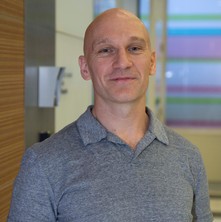
Associate Professor Adam Irwin is an NHMRC Emerging Leadership Fellow and Associate Professor in Infectious Diseases at the University of Queensland (UQ) and Queensland Children’s Hospital. He holds positions within the UQ Centre for Clinical Research, Faculty of Health, Medicine and Behavioural Sciences. His work focuses on early sepsis recognition, antimicrobial stewardship, and pediatric infectious diseases. Dr. Irwin completed his medical degree at the University of Birmingham and his PhD in 2016 from the University of Liverpool’s Institute of Infection and Global Health. He has led initiatives like the Queensland Paediatric Sepsis Program, recognized with a Global Sepsis Alliance Award and Queensland Health Excellence Awards. His research spans sepsis pathway implementation, antimicrobial resistance trends, and rapid diagnostic tools. Notable grants include NHMRC funding for studies on multi-drug resistant infections and Children’s Hospital Foundation support for genomics and antimicrobial stewardship projects. He supervises PhD candidates in areas like bloodstream infections and molecular diagnostics. Dr. Irwin collaborates across institutions, contributing to projects such as the RAPIDS Study Group and the PAEDS surveillance network. Awards include the NHMRC Emerging Leadership Fellowship and recognition for sepsis program excellence. His work emphasizes translating research into clinical practice, improving outcomes for critically ill children through evidence-based protocols and innovative diagnostics.
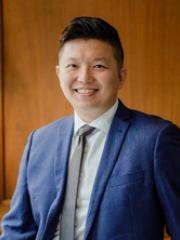
Dr. Amin Sakzad is an Associate Professor in the Department of Software Systems & Cybersecurity at Monash University's Faculty of Information Technology. His research focuses on lattice-based cryptography, wireless communications, and post-quantum security protocols. He holds a PhD in Applied Mathematics from Amirkabir University of Technology (2011) and has held academic roles at Carleton University and Monash since 2012. Dr. Sakzad’s expertise spans lattice coding theory, MIMO systems, and privacy-preserving technologies for genomic databases and blockchain applications. He leads multiple ARC-funded projects, including work on secure databases (SRDBMS) and post-quantum cryptographic primitives for FinTech and energy sectors. His research has been recognized through awards such as the FIT Dean’s Award for Teaching Excellence (2021). Key collaborations include projects on blockchain security (CollinStar Lab), genomic data privacy, and energy market cybersecurity. His work addresses UN SDGs through contributions to quality education (SDG 4) and industry innovation (SDG 9). Recent publications highlight advancements in lattice-based cryptography (e.g., CRYSTALS-Kyber variants), privacy-preserving energy trading, and secure blockchain protocols like FPPW watchtower systems. His research bridges theoretical cryptography with practical implementations in embedded systems and 5G telecommunications. Grants: 16 active/completed projects including $1.2M in ARC funding Advising: Supervising PhD projects on lattice applications in post-quantum crypto and blockchain Labs: Core member of Monash’s Software Defined Telecommunications (SDT) Lab and CollinStar Lab
Professor Ryan Ko is a leading academic in Cyber Security at the University of Queensland (UQ), serving as Chair and Director of the UQ Cyber Research Centre, Director of Research at the School of Electrical Engineering and Computer Science, and a member of UQ's Academic Board. He holds a BEng (Computer Engineering) and PhD from Nanyang Technological University, Singapore. His research focuses on data provenance, industrial control systems (ICS) security, privacy-preserving technologies, and AI-driven cybersecurity solutions. Ko has pioneered initiatives such as the UQ Cyber Centre, interdisciplinary cybersecurity education programs (MCyber, PGDipCyber), and the Oceania Cybersecurity Challenge. He has attracted over AUD 20 million in competitive grants as lead investigator, including the NZ$12.2M STRATUS project. Ko’s work spans industry and policy, including advisory roles with INTERPOL, governments, and NGOs. He has authored over 100 publications, contributed to ISO standards (e.g., ISO/IEC 21878), and co-founded cybersecurity startups. Awards include Fellowships from the Australian Computer Society and Queensland Academy of Arts and Sciences, and the CSA Ron Knode Service Award. Education: Bachelor of Engineering (Computer Engineering) (Hons.), Nanyang Technological University (2005) PhD in Computer Science, Nanyang Technological University (2011) Awards: Fellow, Australian Computer Society (2016) Fellow, Queensland Academy of Arts and Sciences (2020) Young Professional Award, Singapore Government (2018) Grants & Leadership: AUD 20M+ lead investigator grants; NZ$12.2M STRATUS project (2014–2018) Established UQ Cyber Centre (2019) and NZ’s first cybersecurity graduate program (2012) His research emphasizes returning data control to users, with applications in agriculture, energy, and critical infrastructure. Ko’s contributions include patents, open-source tools (e.g., Kali Linux), and frameworks like TrustCloud for cloud accountability.
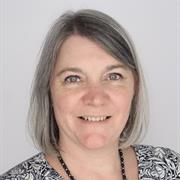
Vijini Mallawaarachchi is a Research Fellow in Bioinformatics at Flinders University's Flinders Accelerator for Microbiome Exploration (FAME). His research focuses on developing computational methods for metagenomic analysis, particularly viral genome recovery from metagenomes. He holds a PhD in Computer Science from the Australian National University (2022) and a BSc in Computer Science and Engineering (Honours) from the University of Moratuwa, Sri Lanka (2018). Education: Doctor of Philosophy (Computer Science), Australian National University, 2018–2022 Bachelor of Science (Computer Science & Engineering, Honours), University of Moratuwa, 2014–2018 Research Interests: Metagenomics, algorithms for genome recovery, bacteriophage discovery, machine learning applications in bioinformatics, and software engineering for computational biology. His work emphasizes leveraging assembly graphs and computational models to analyze microbial communities and viral genomes. Grants & Awards: 2025: National Computational Merit Allocation Scheme Grant (Co-CI) - A$412,000 2025: ARC Discovery Projects Grant (Co-CI) - A$685,781 2024: Outstanding PhD Thesis Award (ABACBS) 2023: Australian Society for Microbiology Early Career Award Professional Engagement: Active member of ISMB, ISVM, ACM, IEEE, ABACBS, ASM, and RSE AU/NZ. Supervises HDR and Honours students in bioinformatics and computational biology. Labs & Tools: Leads projects at FAME, developed tools like GraphBin, Phables, and ConDiGA for metagenomic analysis. Collaborates on open-source initiatives like the cogent3 Python APIs.
Professor Ibrahim Khalil is a faculty member in the School of Computing Technologies at RMIT University, Melbourne, Australia. He holds a PhD in Computer Science from the University of Bern (2003) and has extensive industry experience in Silicon Valley focusing on secure network protocols. His research spans Security, Privacy, Federated Learning, Blockchain, Quantum Computing, and Distributed Systems. He leads high-impact projects funded by ARC grants (DP250100582, DP220100215, etc.) and international initiatives like the EU’s SELFY project. His work addresses challenges in secure AI data analytics, privacy-preserving systems, and critical infrastructure protection. Khalil supervises PhD/Masters students on topics ranging from federated learning security to quantum-enhanced machine learning. Education: PhD in Computer Science (University of Bern, 2003); prior roles at EPFL, Osaka University, and industry tech hubs. Research Interests: Privacy-Preserving Technologies Blockchain Applications in Healthcare and Supply Chains Quantum Computing for Machine Learning Secure Edge Computing and Federated Learning IoT Security and Critical Infrastructure Protection Grants & Collaborations: Over 10 major grants since 2017, including ARC Discovery/Linkage Projects and international partnerships (QNRF, EU). Notable projects include Privacy-Aware Digital Twins for Critical Infrastructure and Federated Learning frameworks for GenAI models. Advising & Labs: Active supervisor of 25+ research projects since 2013, focusing on anomaly detection, secure data analytics, and blockchain-based systems. Collaborates with industry partners on defense and healthcare tech.
Professor Karin Verspoor is the Dean of the School of Computing Technologies at RMIT University in Melbourne, Australia. She previously held roles as Director of Health Technologies and Deputy Head of the School of Computing and Information Systems at the University of Melbourne, and as Scientific Director of Health and Life Sciences at NICTA's Victoria Research Laboratory. Her research focuses on applying artificial intelligence methods to biomedical discovery and clinical decision support, particularly through natural language processing of clinical texts and biomedical literature. Affiliations: RMIT University (STEM College), Australian Alliance for Artificial Intelligence in Health (Victorian Node Lead) Industry Experience: Intelligenesis/Webmind Corp., Applied Semantics, Los Alamos National Laboratory, National ICT Australia Research Interests: Artificial Intelligence in Medicine Biomedical Natural Language Processing Health Informatics Computational Biology Cheminformatics Her work emphasizes cross-modal data integration, EHR analytics, and AI-driven clinical tools to address challenges in healthcare outcomes, musculoskeletal disorders, and infectious disease surveillance. Advising & Grants: Supervises research on AI-based decision-making frameworks, EHR data quality, and chemical knowledge extraction. Leads projects funded by initiatives like CANAIRI (Collaboration for Translational AI in Healthcare). Labs & Collaborations: Co-founder of the Australian Alliance for AI in Health, advancing national AI healthcare policy and translational research.
Professor David Taubman is a distinguished academic serving as Professor and Deputy Head of School (Research) at the School of Electrical Engineering and Telecommunications (EE&T) at the University of New South Wales (UNSW) in Sydney, Australia. He is also co-director of Kakadu Software Pty. Ltd. and its affiliates Kakadu R&D and Kakadu GPU. With a career spanning over three decades, Professor Taubman has made significant contributions to the field of image and video compression, most notably as the author of the EBCOT coding algorithm adopted in the JPEG2000 international standard. Professor Taubman earned his B.Sc. in Mathematics and Computer Science (1986) and B.E. (Medal) in Electrical Engineering (1988) from the University of Sydney, followed by an M.Sc. (1992) and Ph.D. (1994) in Electrical Engineering from the University of California at Berkeley. His professional journey includes engineering work at the Electricity Commission of N.S.W. (1988-1990), research positions at Hewlett-Packard Laboratories in Palo Alto (1994-1998), and an academic career at UNSW where he progressed from Senior Lecturer (1998-2003) to Associate Professor (2004-2009) and finally to Professor (2009-present). He has held various leadership roles including Head of the EE&T Telecommunications Research Group (2003-2014), Head of the EE&T Signal Processing Research Group (2014-present), Director of Research for the School of EE&T (2011-2016), and Deputy Head of School (Research) since 2017. Professor Taubman's research interests center on image and video compression, with particular expertise in JPEG2000 standards and implementations. His work spans signal processing, wavelet transforms, scalable video coding, motion modeling, and multimedia systems. He has pioneered numerous compression algorithms and frameworks, including the EBCOT coding algorithm that became central to the JPEG2000 standard. His recent research focuses on efficient motion modeling with cuboidal partitioning, learned lifting-based transform structures, and high-throughput implementations of JPEG2000 for video applications. His work bridges theoretical foundations with practical implementations, as evidenced by the commercially successful Kakadu Software tools that have garnered around 500 commercial licensees. Analysis of Professor Taubman's recent publications reveals a consistent focus on advancing compression technologies with particular emphasis on scalability, efficiency, and adaptability. His work spans traditional image compression (JPEG2000 extensions), video coding (cuboid-based partitioning for UHD/360-degree video), and emerging applications (nanopore sequencing data compression). A notable trend is the integration of machine learning techniques with traditional compression frameworks, as seen in his work on learned lifting-based transform structures. His research maintains strong connections to real-world applications across diverse domains including medical imaging, astronomical data processing, and genomic sequencing. IEEE Fellow Engineers Australia Fellow (by invitation) Professor Taubman has served as Associate Editor for the IEEE Transactions on Image Processing for two four-year appointments (2003-2005 and 2010-2013). He has been actively involved in numerous research grants focused on image and video compression technologies, particularly those related to the JPEG2000 standard and its extensions. His work has received significant industry support, reflected in his consultancy with various U.S., Japanese, and Australian corporations. He has also contributed to international standards development as a member of Standards Australia Technical Committee MS-065 (mirroring ISO TC42 on Digital Photography) and as a constitutional member of Standards Australia Technical Committee IT-029 (Coded Representation of Picture, Audio and Multimedia/Hypermedia Information). Professor Taubman co-directs Kakadu Software Pty. Ltd. and its research affiliates Kakadu R&D and Kakadu GPU, which have developed the commercially successful Kakadu Software tools for JPEG2000. His research group at UNSW focuses on advanced image and video compression techniques, with particular expertise in wavelet-based methods, scalable coding, and motion modeling. The group maintains strong industry connections and has contributed significantly to the development and standardization of image compression technologies worldwide.
Professor Daniel Catchpoole serves as Deputy Head of School (Research) at the School of Computer Science, University of Technology Sydney (UTS), holding dual appointments at UTS and The Children's Hospital at Westmead. With over 20 years of research experience, he bridges computational sciences and pediatric cancer research through the Biomedical Data Science Lab in the Australian Artificial Intelligence Institute. His work integrates data analytics, artificial intelligence, and software development with molecular cancer biology to transform pediatric cancer treatment pathways. PhD in Cancer Cell Biology, University of New South Wales (1991-1995) Founding Fellow, Royal College of Pathologists Australasia (2010-present) Head, Children's Hospital at Westmead Tumour Bank (2001-present) Professor Catchpoole's research focuses on translational applications of genomics in childhood cancers, particularly acute lymphoblastic leukemia and neuroblastoma. His work combines high-throughput genomic technologies with advanced computational analysis to develop systems biology approaches for cancer patient assessment. Recent projects explore virtual reality applications for complex genomic data visualization and copper chelation therapies to enhance neuroblastoma immunotherapy. His research has received significant funding from Cancer Institute NSW, Sony Foundation, ARC, and NHMRC. His publication record spans biomedical data science, cancer genomics, and virtual reality applications in oncology. Recent work demonstrates leadership in 3D latent diffusion models for tumor segmentation, biobank economics, and innovative immunotherapies. His research consistently addresses the critical need for actionable knowledge from complex multidimensional biomedical data. Editorial Board Member, Cancers (2023) Associate Editor, Innovations in Digital Health, Diagnostics and Biomarkers (2019) Founding member and first President, Australasian Biospecimens Network Association Professor Catchpoole has supervised 17 Honours students (including 6 First Class Honours), 3 MSc students, and 12 PhD candidates across multiple institutions, with 6 current PhD students. His collaborative research bridges UTS's Faculty of Engineering and IT with The Children's Cancer Research Unit at The Children's Hospital at Westmead. Significant research funding includes Cancer Institute NSW grants, Sony Foundation VR projects, and ARC Discovery Projects focused on genomic data analysis and clinical decision support systems. His leadership extends to building frameworks for translational research, managing biobanks and clinical data linkages, and navigating governance requirements for cancer research. The Tumour Bank at Kids Research, CCRU, represents his long-standing commitment to pediatric cancer infrastructure development.
Fabio Zanini is an Associate Professor at the University of New South Wales (UNSW) , leading a research group focused on computational biology , single-cell approaches , and transcriptomic analysis across diseases like severe dengue , neonatal lung disease , cancer , and marine biology . He previously conducted postdoctoral research at Stanford University (2016-2019) and earned a PhD in Bioinformatics from the Max Planck Institute for Developmental Biology and the University of Tuebingen (2015). Current Affiliation: Group leader, UNSW Previous Training: Postdoc (Stanford), PhD (Max Planck/University of Tuebingen) His research spans single-cell RNA sequencing , computational virology , developmental cell biology , and bioinformatics tool development , with recent work on: Severe dengue progression (viral-host interactions, immune signatures) Lung development (endothelial cell diversity, hyperoxia-induced injury) Cancer genomics (mutant HSC clones, AZA therapy response) Marine biology (plankton transcriptomics, evolutionary analysis) Bioinformatics (HTSeq 2.0, northstar algorithm) Recent scientific awards include grants from the Chan Zuckerberg Initiative ($270,000), NIH R01 (multiple), ARC Discovery Grant , and NHMRC Ideas Grant . Notable contributions include: Northstar - Cell classification algorithm SpectralSeq - Hyperspectral-transcriptomic integration Tabula Muris - Mouse aging atlas He has supervised research into hematopoietic stem cell regulation , lung vascular development , and autophagy in viral infections , with collaborations across Stanford , University of Sydney , and Harvard .
Professor Xue Li is a faculty member in the School of Electrical Engineering and Computer Science at the University of Queensland. His research focuses on machine learning, data mining, and their applications in healthcare, materials science, and computer vision. He has authored over 300 publications, including seminal works on knowledge graph completion, video quality enhancement, and alloy design using machine learning. His work bridges theoretical advancements with real-world applications, such as clinical diagnosis andTinyML systems. Key research interests include graph representation learning, medical informatics, and efficient algorithms for multimedia data. Notable contributions include developing commonsense-enhanced relation extraction models and frameworks for compressed video reconstruction. His research also addresses challenges in federated learning and privacy-preserving genomics. Prof. Li has collaborated extensively with industry and academia, contributing to projects in RFID systems, electronic nose pattern recognition, and cybersecurity. His work is published in top-tier venues like IEEE Transactions and ACM conferences. Despite no listed awards, his prolific output underscores academic impact.
David Lo is the OUB Chair Professor of Computer Science at Singapore Management University's School of Computing and Information Systems, where he directs the Information Systems and Technology Cluster and the Center for Research on Intelligent Software Engineering. An ACM Fellow, IEEE Fellow, and ASE Fellow, his research focuses on AI for Software Engineering (AI4SE), leveraging machine learning, data mining, and NLP to enhance software analytics and automation. Research Highlights: AI4SE, code LLMs, human-AI synergy in software engineering, software reliability, and empirical studies of practitioner pain points Awards: IEEE TCSE Distinguished Service Award, university-wide Teaching Excellence Award, Outstanding Graduate Supervisor Award, 2 Test-of-Time Awards, and 11 ACM SIGSOFT/IEEE TCSE Distinguished Paper Awards Leadership: General Chair of ASE'16 and MSR'22, PC Co-Chair for ASE'20, FSE'24, and ICSE'25, ACM SIGSOFT Executive Committee member His work has received over 20 awards, 37,000 citations, and an H-index of 100. As an educator, he has mentored trainees who became faculty and R&D experts globally.
Professor Caroline Ford is a leading researcher at the University of New South Wales, serving within the School of Women's and Children's Health and the Adult Cancer Program at the Lowy Cancer Research Centre. She leads the Gynaecological Cancer Research Group (GCRG), which focuses on understanding the development, spread, and treatment of gynaecological cancers, with particular emphasis on ovarian and endometrial cancer. Established in 2010 after international postdoctoral fellowships at the University of Toronto and Lund University, her laboratory has maintained consistent competitive research funding for over 13 years. Her research spans Cancer Cell Biology with specific expertise in ovarian cancer, endometrial cancer, endometriosis, metastasis mechanisms, ascites biology, and cell-free DNA analysis. Major projects include developing an early detection test for ovarian cancer and identifying key targets for anti-metastatic therapies. The GCRG works closely with clinicians at the Royal Hospital for Women and conducts studies involving biospecimen collection from women with gynaecological cancers. Professor Ford has pioneered innovative in vitro organotypic models of ovarian and endometrial cancer for pre-clinical drug testing. Her publication record shows consistent focus on ROR1/ROR2 receptors, Wnt signaling pathways, and cell-free DNA applications in cancer diagnostics. Recent work has emphasized liquid biopsy techniques using ascites fluid, 3D cancer models, and computational approaches to predict treatment outcomes. She has published extensively on the molecular mechanisms of gynaecological cancers and their clinical applications. Superstar of STEM (2017) Women's Agenda Award for Female Leader in Science, Medicine & Health (2018) Professor Ford actively supervises PhD students including Kate Gunther and Bonnie Werner, and co-supervises Zoe Phan. She convenes UNSW's General Education course on Personalised Medicine and developed Australia's first MOOC on this subject. She serves as Chair of the ANZGOG Uterine Tumour Type Working Group and Research Chair of Cure Cancer Australia. Her community engagement includes founding the STEMMinist Book Club and leading the 'Ovaries. Talk About Them' campaign to raise awareness about ovarian cancer.
Dr. Yanjun Zhang is an Honorary Research Fellow at the School of Electrical Engineering and Computer Science, The University of Queensland. His research focuses on privacy-preserving technologies, federated learning, cybersecurity in IoT systems, and machine learning security. He holds a PhD in Privacy-Preserving Sharing for Genome-Wide Analysis from The University of Queensland (2021). Education: PhD in Information Technology, School of Information Technology and Electrical Engineering, The University of Queensland (2021) Research Interests: Designing secure collaborative machine learning frameworks Defending against adversarial attacks in cyber-physical systems Privacy preservation in distributed genomic and medical data analysis Compliance and ethics in virtual personal assistant applications Key Contributions: Developed privacy-preserving federated learning frameworks (AgrAmplifier, PrivColl) Conducted foundational studies on evasion attacks in IoT systems Created datasets for analyzing malicious browser extensions and Alexa skills Labs/Teams: Active contributor to UQ Cyber initiatives, including the 2021-2022 Seed Funding project on federated deep learning for medical imaging.
Dr. Bei Bei is an Associate Professor at the School of Psychological Sciences, Monash University, and an NHMRC Emerging Leadership (EL2) Fellow. She leads the Behavioural Sleep Medicine service, research, and training at Monash University Healthy Sleep Clinic, focusing on individual differences in sleep-wake behaviors, sleep-mental health relationships, and community dissemination of evidence-based sleep interventions. Doctor of Psychology (Clinical), University of Melbourne PhD, University of Melbourne Her research spans six major areas: Sleep-wake circadian rhythm disorders Cognitive Behavioral Therapy for Insomnia (CBT-I) Psychological/behavioral aspects of sleep Sleep-mental health interactions (mood, anxiety) Adolescent sleep patterns and wellbeing Perinatal/postpartum sleep interventions for women Recent publications (2024-2025) address: Insomnia treatment mechanisms in depression comorbidity Neurodevelopmental impacts of circadian factors Pregnancy-related insomnia risk identification Adolescent sleep facilitators/barriers Integrated models for youth depression and sleep across continents She also contributes to: Antifungal drug tolerance mechanisms RNA polyadenylation dynamics Mitochondrial RNA stability in cancer 3' UTR splice variants in rare diseases Awarded the NHMRC Emerging Leadership (EL2) Fellowship and Early Career Research Grant , Dr. Bei serves on editorial boards for Sleep Medicine Reviews, Sleep, and Behavioral Sleep Medicine journals.
Lionel Hebbard is a Professor in the Department of Molecular and Cellular Biology at James Cook University's College of Medicine and Dentistry. His research spans hepatocellular carcinoma mechanisms, metabolic liver disease, and cancer therapeutics with significant contributions to adiponectin biology and sarcopenia assessment in cardiac surgery. James Cook University (Current) Department of Molecular and Cellular Biology College of Medicine and Dentistry Senior Researcher in Liver Cancer Biology His research focuses on hepatocellular carcinoma pathogenesis , particularly adiponectin signaling pathways and liver cancer stem cells. He investigates non-alcoholic fatty liver disease progression to cancer, metabolic drivers of tumorigenesis, and therapeutic targeting using aptamer-based delivery systems. Recent work explores sarcopenia quantification via CT imaging for cardiac surgery risk prediction, demonstrating clinical translation of his molecular findings. His lab employs advanced techniques including CRISPR screening (TARGET-SL platform), in vitro cancer models, and murine tumor systems. Analysis of his 15 most recent publications reveals strong emphasis on translational liver cancer research (60%), cardiac surgery complications (20%), and emerging biotechnologies (20%). Key trends include adiponectin's dual roles in fibrosis and tumorigenesis, sarcopenia as a surgical biomarker, and aptamer-based targeting of cancer stem cells. His work consistently bridges molecular mechanisms with clinical applications, particularly in hepatocellular carcinoma diagnostics and treatment. He mentors multiple doctoral students and early-career researchers including Rhys Gillman and Miriam Wankell. His research is supported by continuous funding from Australian NHMRC and international collaborations with George Jacob (Westmead Institute), Qiao Liang (Bentham Books), and Ranscht Barbara (T-cadherin studies). He leads the Hepatic Cancer Biology laboratory focusing on: Liver cancer stem cell characterization Adiponectin receptor signaling in HCC Metabolic drivers of tumor progression Novel drug delivery systems for liver cancer Translational sarcopenia assessment tools