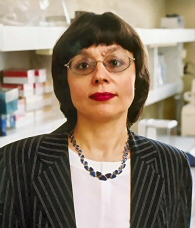
Olga Dontsova is a Full Professor at Moscow State University (MSU) in the Faculty of Chemistry. She serves as Head of the Division of RNA Structure and Function at the Belozersky Institute of Physico-Chemical Biology and Head of the Chair of Chemistry of Natural Compounds. Her research spans molecular biology, bioorganic chemistry, and RNA-based mechanisms. Research Focus: She investigates structure-functional relationships in ribonucleoprotein complexes, with emphasis on translation machinery, transfer-messenger RNA (tmRNA) interactions with ribosomes, RNA methyltransferases, and telomerase's role in cancer. Her team pioneered a chemical-biochemical-genetic approach to map mRNA topography in ribosomes, elucidate trans-translation dynamics, and characterize novel RNA-modifying enzymes. Scientific Contributions: Developed a molecular dynamic model for trans-translation Discovered unique yeast telomerase with unconventional properties Investigated functional roles of modified RNA residues in translation Honors: Member of Academia Europaea (2014) Corresponding Member of Russian Academy of Sciences (2006) European Academy Award for Young Scientists (1994) Grants & Leadership: Her work has been funded by HHMI, HFSP, CRDF, INTAS, RFFI, and Russian Ministry of Science and Education. She chairs the Biology Panel of the Russian Scientific Foundation and serves on editorial boards for Biochimie, Russian Journal of Molecular Biology, and Acta Naturae. Teaching: As a supervisor of 21 Ph.D. students and numerous diploma projects, she teaches advanced courses at MSU while maintaining an active research program.
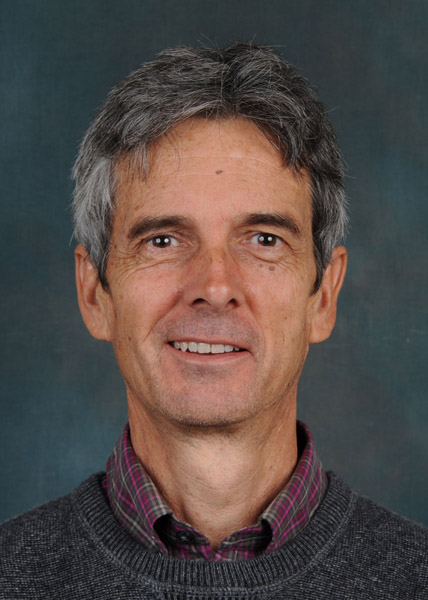
Florian Huber is a Research Associate at Paracelsus Medical University's Institute of Pharmacology and Toxicology, investigating molecular mechanisms of genetic hearing disorders. His work focuses on ubiquitin-proteasome regulation of pendrin (SLC26A4) variants associated with Pendred syndrome. Recent studies demonstrate how proteasome inhibitors rescue function of pathogenic pendrin mutants, offering therapeutic pathways for hearing restoration. Huber develops experimental and computational approaches to map degradation pathways of membrane transport proteins. He supervises medical doctoral candidates and teaches pharmacology in graduate programs.
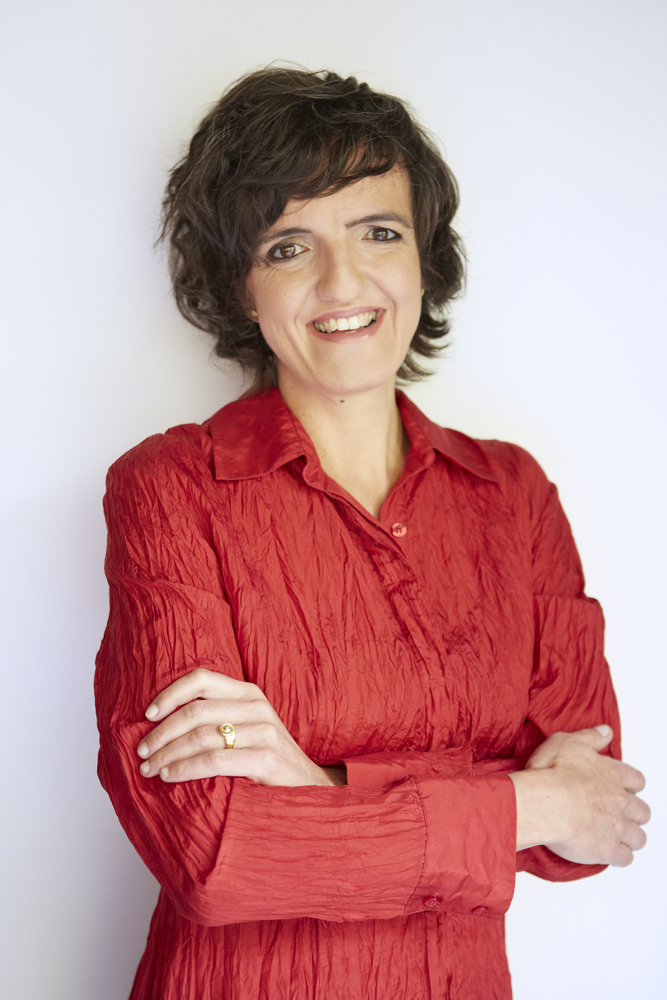
Christian Friedrich Wilhelm Becker is a full Professor at the University of Vienna, holding a position within the Faculty of Chemistry and the Department of Biological Chemistry. His research profile shows extensive activity in protein chemistry and biochemistry, with particular focus on post-translational modifications and their implications in disease mechanisms. His work bridges chemical biology, biochemistry, and biomedical applications, contributing significantly to the academic and research landscape at one of Europe's oldest and most prestigious universities. Faculty of Chemistry, University of Vienna Department of Biological Chemistry Active research leader with numerous ongoing projects Significant publication record spanning multiple disciplines Professor Becker's research primarily focuses on protein chemistry, particularly post-translational modifications and their role in protein function and dysfunction. His work spans multiple interconnected areas including ubiquitination, protein aggregation, prion protein behavior, and biomimetic approaches to protein analysis. His research has significant implications for understanding neurodegenerative diseases and developing novel therapeutic approaches. The fingerprint analysis of his work shows strong connections to biochemistry, molecular biology, and chemistry, with particular emphasis on cysteine chemistry, glycosylation, and amino acid modifications. Analysis of Professor Becker's recent publications (2021-2025) reveals a consistent research trajectory focused on protein modification techniques and their biological implications. His work shows increasing sophistication in chemical biology approaches to study protein function, with particular emphasis on ubiquitination pathways and protein aggregation mechanisms. The integration of chemical synthesis methods with biological analysis represents a hallmark of his research approach. His publications span high-impact journals in biochemistry, chemical biology, and peptide science, demonstrating the interdisciplinary nature of his contributions. Professor Becker has received notable recognition for his research contributions, most prominently the Cathay Award in 2020. This award acknowledges his significant contributions to the field of protein chemistry and chemical biology. His work appears to have practical applications in therapeutic development, particularly in the areas of targeted protein degradation and immunotherapy, which likely contributed to this recognition. Cathay Award (2020) Professor Becker leads multiple significant research projects, including 'Targeted protein degradation - from small molecules to complex organelles' (2020-2024), 'Taktira: Development of an improved, low-side-effect and sustainable immunotherapy' (2019-2023), and 'Structure Zoom: Zooming in on protein functional sites with atomic resolution' (2018-2021). These projects demonstrate substantial grant funding and collaborative research efforts across multiple institutions. His active participation in 290 recorded activities through 2025 indicates a highly engaged research program with numerous collaborators and trainees. Targeted protein degradation project (2020-2024) Taktira immunotherapy project (2019-2023) Structure Zoom project (2018-2021) Professor Becker's research environment includes a robust team of collaborators and junior researchers, as evidenced by the numerous co-authored publications and activities. His work intersects with multiple research groups studying protein function, modification, and therapeutic applications. The international collaboration network shown in his profile indicates significant engagement with researchers across multiple countries, creating a dynamic research ecosystem focused on advancing protein science and its biomedical applications.
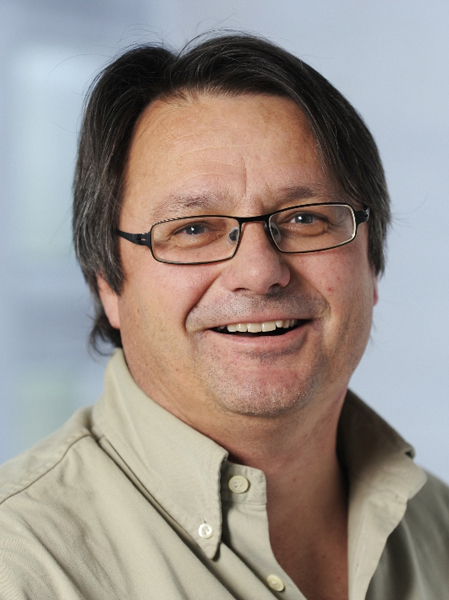
Philip Poole is a Professor of Plant Microbiology at the University of Oxford's Department of Plant Sciences and Senior Research Fellow at Somerville College. His research focuses on plant-microbe interactions, nitrogen fixation, and rhizosphere microbiology. He has led major international projects including the BBSRC-NSF Synthetic Symbioses program (2014-2019) and the India-UK Nitrogen Fixation Consortium (2016-2019). With 26 grants as PI from the UK's BBSRC, he has secured over £10.5 million in funding. His work includes pioneering bacterial Lux biosensors for metabolite analysis, transcriptomics under sterile conditions, and metatranscriptomics in soil to study microbiome-plant interactions. Current projects model nitrogen fixation biochemistry in legume nodules and investigate rhizobia lifecycle transitions from rhizosphere colonization to symbiotic bacteroid differentiation. He co-directs the Oxford Centre for Plants for the 21st Century and serves on editorial/advisory boards for Microbiology UK, The Journal of Bacteriology, and Pivot Bio. His contributions include elucidating the ammonia-alanine pathway for nitrogen secretion and demonstrating symbiotic auxotrophy dependencies in bacteroids. Key achievements include developing global mutagenesis strategies (INSeq) and advancing understanding of microbial community structures in the rhizosphere. His research integrates molecular, genetic, and systems biology approaches to address global challenges in sustainable agriculture.
Martin Laimer serves as Associate Professor and 1st senior physician at Paracelsus Medical University in Salzburg, Austria, with dual appointments in the Department of Dermatology and Allergology and the Research Program of Molecular Therapy of Genodermatoses. His clinical and research work focuses on rare genetic skin disorders, particularly various forms of epidermolysis bullosa. With over 179 research outputs spanning more than two decades, he has established himself as a leading expert in the field of genodermatoses and rare skin diseases. Dr. Laimer's research interests center on clinical trials for rare dermatological conditions, molecular therapies for epidermolysis bullosa, and the challenges of conducting research on ultra-rare diseases. His work addresses critical issues in trial design, patient recruitment, and treatment efficacy for conditions affecting small patient populations. He has particular expertise in epidermolysis bullosa simplex, epidermolysis bullosa dystrophica, and associated squamous cell carcinoma. His recent publications demonstrate a consistent focus on advancing clinical trial methodologies for rare diseases, with significant contributions to understanding treatment approaches for epidermolysis bullosa variants. His research spans molecular genetics, clinical dermatology, and therapeutic interventions, with an emphasis on translating basic science discoveries into clinical applications. Dr. Laimer has led multiple research projects, including EB Clinical Research initiatives in 2019 and 2022 as principal investigator, and served as co-principal investigator for a dual-center phase II trial on losartan for recessive dystrophic EB. His collaborative work extends to statistical methodology development for rare disease trials, reflecting his commitment to improving research approaches in this challenging field. As an active contributor to the academic community, Dr. Laimer has organized significant conferences including the ÖADF Summer School in 2023 and the 5th Austrian Congress for Rare Diseases in 2015. His leadership in these events underscores his role as a central figure in advancing rare disease research and clinical practice in Austria.
Shaul Pollak is an Assistant Professor at the Division of Microbial Ecology within the Centre for Microbiology and Environmental Systems Science at the University of Vienna. His research focuses on bacterial interactions in ecosystems, particularly their roles in plant pathogen protection and carbon cycling across soil and marine environments. He leads a research group investigating how microbial processes scale from genetic mechanisms to planetary biogeochemical cycles. His primary research interests include microbial community assembly, bacterial metabolism of complex biopolymers, and evolutionary genomics of marine cyanobacteria. Current projects leverage genomic dark matter to predict soil carbon fluxes, examine plant-bacteria interactions under environmental change, and explore the diversity of Prochlorococcus marinus. His interdisciplinary approach integrates genomics, high-throughput experiments, and machine learning to bridge ecological and evolutionary theory. Analysis of his 2022-2025 publications reveals consistent themes in microbial community dynamics, with emphasis on polysaccharide degradation mechanisms, phage-bacteria interactions, and genomic predictors of bacterial metabolic functions. His work demonstrates how bacterial trade-offs and cross-feeding structures shape ecosystem processes from ocean biogeochemistry to human gut microbiome organization. Dr. Pollak actively recruits PhD students and postdoctoral researchers through university stipend programs, with current group members including Thomas Gaehtgens, Gerhard Gruber, Jyothsna Pujar, Qi Qi, Lior Shachar, Marco Sing, and Joana Valèrio. His laboratory maintains active collaborations across soil and marine microbial ecology projects, with research infrastructure supported by University of Vienna resources and external funding.
Silvia Arber holds a joint appointment as Full Professor for Neurobiology/Cell Biology at the Biozentrum, University of Basel, and serves as Senior Group Leader at the Friedrich Miescher Institute (FMI) in Basel, Switzerland. Her laboratory investigates the organization, function, and development of neuronal circuits controlling motor behavior, with a particular focus on how these circuits enable precise movement control. Arber obtained her PhD in 1996 from the Friedrich Miescher Institute under Pico Caroni, followed by postdoctoral training with Thomas Jessell at Columbia University (1996-2000), where she studied transcription factors in spinal cord neuronal differentiation. Her educational background includes Biology II studies at the Biozentrum of the University of Basel with graduation in Cell Biology (1987), a diploma thesis at the FMI (1990), and graduate work at the FMI (1992). Her research program centers on elucidating how neuronal circuits orchestrate accurate motor behavior in response to sensory cues and voluntary movement initiation. Using mouse as a model system, her laboratory employs multi-faceted approaches including advanced mouse genetics, viral technologies for transsynaptic circuit tracing, optogenetics and pharmacogenetics for functional manipulation, quantitative behavioral analysis, electrophysiology, and gene expression profiling. Her work has revealed precise synaptic interactions within dedicated motor circuit modules throughout the nervous system and how these impact function, with implications for understanding diseases causing motor deficits and spinal cord injury. Analysis of Arber's publication record shows a consistent focus on motor circuit organization, with particular emphasis on transcriptional control mechanisms, circuit connectivity mapping, and the relationship between developmental processes and functional circuit organization. Her work bridges molecular, cellular, and systems neuroscience, providing fundamental insights into how the nervous system controls movement. The Brain Prize (2022) Elected to the National Academy of Sciences of the United States (2020) Physiological Society Annual Review Prize Lecture (2019) Pradel Research Award (2018) W. Alden Spencer Award (2018) Louis-Jeantet Prize for Medicine (2017) ERC Advanced Grant (2010-2015) EMBO Member (2005) EMBO Young Investigator Award (2001) While specific students are not listed in the provided materials, Arber's laboratory has received significant research funding including an ERC Advanced Grant (2010-2015) and multiple prestigious awards supporting her research program. Her laboratory at the Biozentrum (Room 11.038) collaborates closely with the Friedrich Miescher Institute, where she serves as Senior Group Leader. The research group employs cutting-edge technologies for neural circuit analysis and has contributed fundamental insights into motor circuit organization, with implications for understanding and potentially treating movement disorders and spinal cord injuries.
Georges Gielen is Full Professor in the Department of Electrical Engineering (ESAT) at KU Leuven, Belgium, and part-time Research Director at imec. He has held multiple leadership roles including Chair of ESAT Department (2012-2013, 2020-2024) and Vice-Rector for Science, Engineering & Technology (2013-2017). His academic career spans over 30 years at KU Leuven, progressing from Assistant to Full Professor. His research focuses on analog and mixed-signal integrated circuit design automation , with expertise in CAD tools, design optimization, sensor interfaces, and neuromorphic systems. His work bridges hardware design with machine learning, particularly in hardware-efficient AI implementations and biomedical applications. He has pioneered techniques for automated analog circuit sizing, topology synthesis, and reliability-aware design in nanometer CMOS. Gielen has received numerous accolades including the IEEE CAS Mac Van Valkenburg Award (2015), IEEE CAS Charles Desoer Award (2020), and EDAA Achievement Award (2021). He holds an ERC Advanced Grant AnalogCreate and is an IEEE Fellow since 2002. As a prolific scholar, he has chaired major conferences including DATE (2006), ICCAD (2007), and ESSCIRC (2017). He has graduated over 55 PhD students through the MICAS research group at KU Leuven, currently supervising 13 doctoral candidates. His research team collaborates extensively with imec and industry partners on cutting-edge projects in carbon-aware AI accelerators, uncertainty-aware design, and neuromorphic sensor interfaces.
Bernhard Aichernig is an Associate Professor at the Institute of Software Engineering and Artificial Intelligence. His work bridges formal methods, model-based testing, and artificial intelligence, with a focus on automata learning, digital twins, and AI-assisted programming. Institution: Institute of Software Engineering and Artificial Intelligence Key Research Areas: Model-Based Testing, Automata Learning, AI-Driven Verification His research explores the integration of machine learning into formal verification, enabling scalable testing of complex systems like IoT devices and reinforcement learning agents. Recent projects include AI-Augmented DevOps frameworks (AIDOaRT) and digital twin validation (LearnTwins). Notable scientific awards include multiple best paper recognitions at SEFM (2020, 2021) and the TAYSIR Competition first place (2023). His publications emphasize hybrid approaches combining genetic programming, SMT solving, and neural networks for system modeling. 2025 : AI-assisted programming, timed automata via domain knowledge 2024 : Stochastic environment modeling, Git system learning 2023 : Reinforcement learning under partial observability, digital twins for VPN servers He actively contributes to testing frameworks like AALpy and investigates explainable AI for fault diagnosis in cyber-physical systems.
Matthias Peter is a Professor of Biochemistry at ETH Zurich, leading research into mechanisms governing cell growth and division. His laboratory focuses on ubiquitin-dependent regulation of DNA replication and mitosis, and autophagy's role in cellular quality control. He chairs the Department of Biology (2011-2015) and holds leadership roles in Switzerland's research infrastructure, including Vice Chair of ScopeM's microscopy platform. His academic career includes roles at ISREC (1996-2002) and postdoctoral training at UCSF (1991-1996). Education: PhD in Biochemistry from ISREC (1991), ETH Zurich diploma in Gene Technology (1987). Research interests span molecular mechanisms of cell division, ubiquitin systems, and autophagy. Awards include ERC Advanced Grant (2011) and UBS Excellence in Research (2002). Leadership: Member of Swiss National Research Council, SNF selection committee, and SWTR council. Over 20 years of committee service in national research programs. His lab's work is published in top journals like Science, Nature, and Molecular Cell.
Carmen Birchmeier is a Full Professor at the Medical Faculty of Charité - Universitätsmedizin Berlin and a leading researcher at the Max Delbrück Center for Molecular Medicine (MDC). She coordinates the MDC Neuroscience Program and serves on the Executive Board of the NeuroCure Cluster of Excellence. Her research focuses on developmental biology, cell signaling, and the molecular mechanisms underlying nervous system and muscle development. Education: PhD in Molecular Biology from the University of Zürich (1984), followed by postdoctoral training at Cold Spring Harbor Laboratory (1984–1989). She established her independent research group at the Max Delbrück Lab in Cologne (1989–1995) before moving to Berlin. Research Interests: Investigates signal transduction pathways (e.g., Notch, ErbB, and c-Met) in developmental processes, including neural crest cell migration, muscle progenitor cell differentiation, and Schwann cell myelination. Her work bridges molecular genetics, mouse models, and cellular biology to uncover mechanisms of tissue formation and disease. Awards: Recipient of the Leibniz Award (2002) and EMBO Membership (2001). Her contributions to developmental neurobiology have been recognized internationally. Leadership & Grants: Deputy Speaker of SFB 665 (Developmental Disturbances of the Brain), DFG Fachkollegium Member, and advisor to multiple institutes including the Max Planck Institute for Biophysical Chemistry. Her work spans academic and clinical research collaborations. Labs/Teams: Heads the Signal Transduction/Developmental Biology Research Group at MDC, focusing on interdisciplinary approaches to understand developmental disorders and regenerative medicine strategies.
Nicolas Donin is a Professor and Chair of Musicology at the University of Geneva and a Senior Researcher at IRCAM (Paris), leading the 'Analysis of Musical Practices' team within STMS Labs. He specializes in interdisciplinary musicology, focusing on 20th- and 21st-century musics, compositional processes, and the intersection of music history with social sciences. Elected to the Academy of Europe in 2020, he has held key roles such as Head of IRCAM’s Research Group and Pedagogical Board Member at the Ecole des Hautes Etudes en Sciences Sociales. His research explores post-Wagnerian listening practices, post-spectral aesthetics, and ethnography of creative processes. He led major French research programs (MuTeC, GEMME) and founded the Tracking Creative Process in Music conference series. Over 100 publications span music analysis, composition theory, and interdisciplinarity, with edited volumes like *L’Analyse musicale, une pratique et son histoire* (2009) and *Théories de la composition musicale au XXe siècle* (2013). As an associate member of Oxford University’s Faculty of Music and the Centre de Recherche sur les Arts et le Langage, he contributes to musicological discourse and institutional leadership. His work bridges empirical research, historical analysis, and social science methodologies.
Alvar Agusti is a Full Professor of Medicine at the University of Barcelona, Spain, since 2020. His career spans leadership roles including Chair of the Board of Directors at the Global Initiative for Obstructive Lung Disease (GOLD) and former Director of the Respiratory Institute at Hospital Clinic, Barcelona (2009–2021). He pioneered the National Spanish Network of Excellence in Respiratory Research (CIBERES) from 2003 to 2011. MD (1979) and PhD (1985) in Medicine, University of Barcelona Fogarty Scholar (NIH) at the University of Chicago (1989–1991) His research focuses on chronic airway diseases (COPD, asthma), lung function trajectories, immune senescence, systems medicine, and organ interactions (e.g., hepato-pulmonary syndrome). Recent work explores COPD comorbidities, biomarkers, and long-term outcomes in respiratory disorders. His 2021 publications span COPD, asthma, lung function phenotypes, and cross-disciplinary themes like epigenetics , clinical trials , and COVID-19 comorbidities . Key contributions include stratification of respiratory diseases and biomarker discovery in cohorts like ECLIPSE and NOVELTY. Scientific accolades include membership in the Royal National Academy of Medicine of Catalunya (2021), Honorary Fellow of the European Respiratory Society (2018), and the Lilly Foundation award for clinical research (2018). He has delivered 493 invited lectures and authored 552 publications with an h-index of 95.
Professor Yi Lyu is a faculty member at the Department of Hepatobiliary Surgery, College of Medicine, Xi’an Jiaotong University, with extensive leadership roles including Vice President of the university and Director of the First Affiliated Hospital. His research bridges hepatobiliary surgery, magnetic surgery, and biomedical engineering, focusing on innovative surgical devices and transplantation immunity. Bachelor's, Master’s, and Doctorate in Clinical Medicine and General Surgery from Xi’an Medical College Postdoctoral training in Surgery at Nippon Medical School Hospital, Tokyo His research interests span hepatobiliary surgery, magnetic surgery applications, cancer therapy, transplantation immunity, and biomedical engineering. Recent work emphasizes magnetic devices for vascular reconstruction during liver transplantation and immunomodulation via nanotherapeutics. Article trends reflect a strong focus on magnetic surgical technologies (6/15), cancer-related applications (4/15), and immune/gut microbiome interactions (3/15). High-impact publications (IF >15) include work on nanotherapeutics for muscle regeneration and catalytic systems in alkaline seawater. 2023 : Editor-in-Chief of Magnetic Medicine , National Key R&D Program grant (¥12M) 2022 : National Teaching Achievement Award, Annals of Surgery publications 2018 : Chinese Medical and Technology Award, NSFC Project grant 2015 : Ministry of Education Technology Invention Award
Roberto Bassi is a Full Professor of Plant Physiology and Biochemistry at the University of Verona's Department of Biotechnology. His career spans prestigious roles including Visiting Professorships at institutions like Jülich Research Centre and Chinese Academy of Sciences. He holds advanced academic positions such as Chairman of the Molecular Biotechnology PhD program and Vice-President of the International Society of Photobiology. Education: 1977: Laurea degree in Biology, University of Padua 1978-1983: Fellowships at Institute of Microbiology and Institute of Botany, University of Padua Research focuses on Photosynthesis mechanisms and light energy regulation Membrane protein folding dynamics Carotenoid biosynthesis and photoprotection Bioenergy applications in algae Awards include the Baccarini-Melandri Award (1996), Helmholtz-von Humboldt Award (2009), and membership in the Italian National Academy of Sciences (2012). He has authored 220+ papers (H-index 74) and contributed to 35 book chapters. Leadership roles: Editorial boards of journals like Molecular Plant and BMC Plant Biology Governmental biosafety committee member International conference organizer (5 events) His work bridges fundamental plant biology with applied research in sustainable bioenergy and stress-resistant crops.