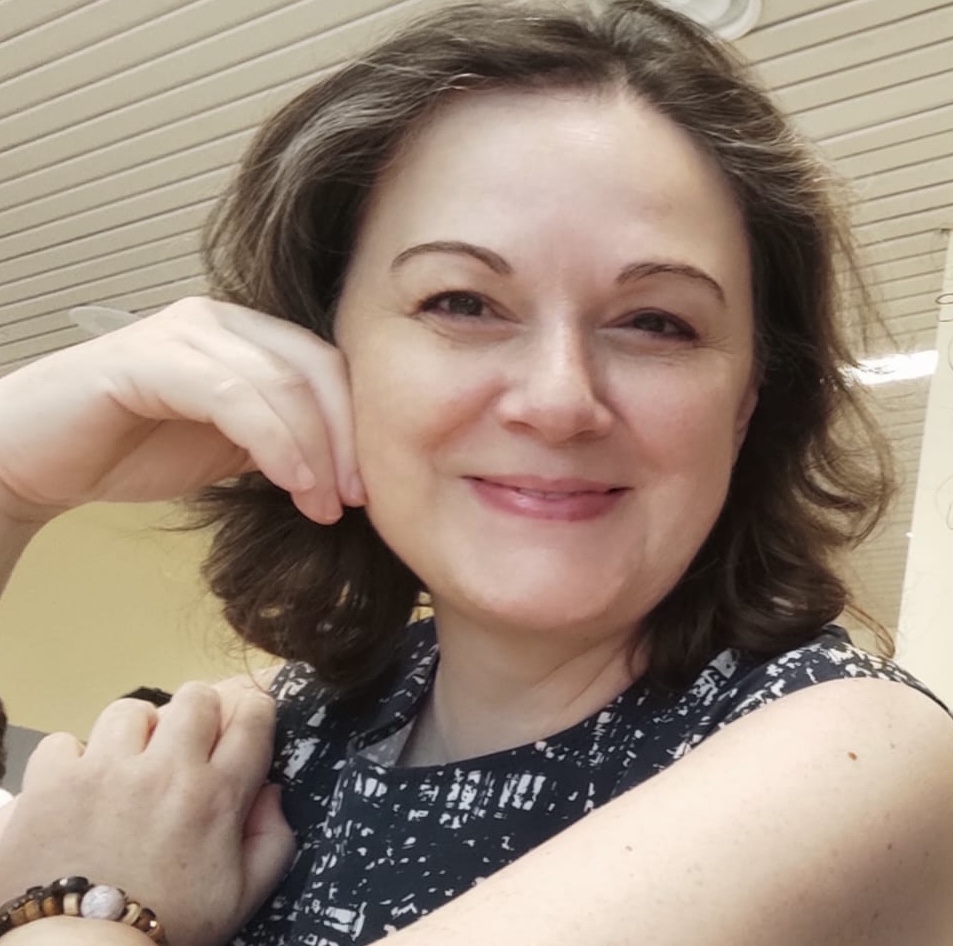
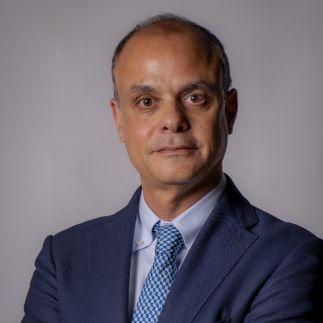
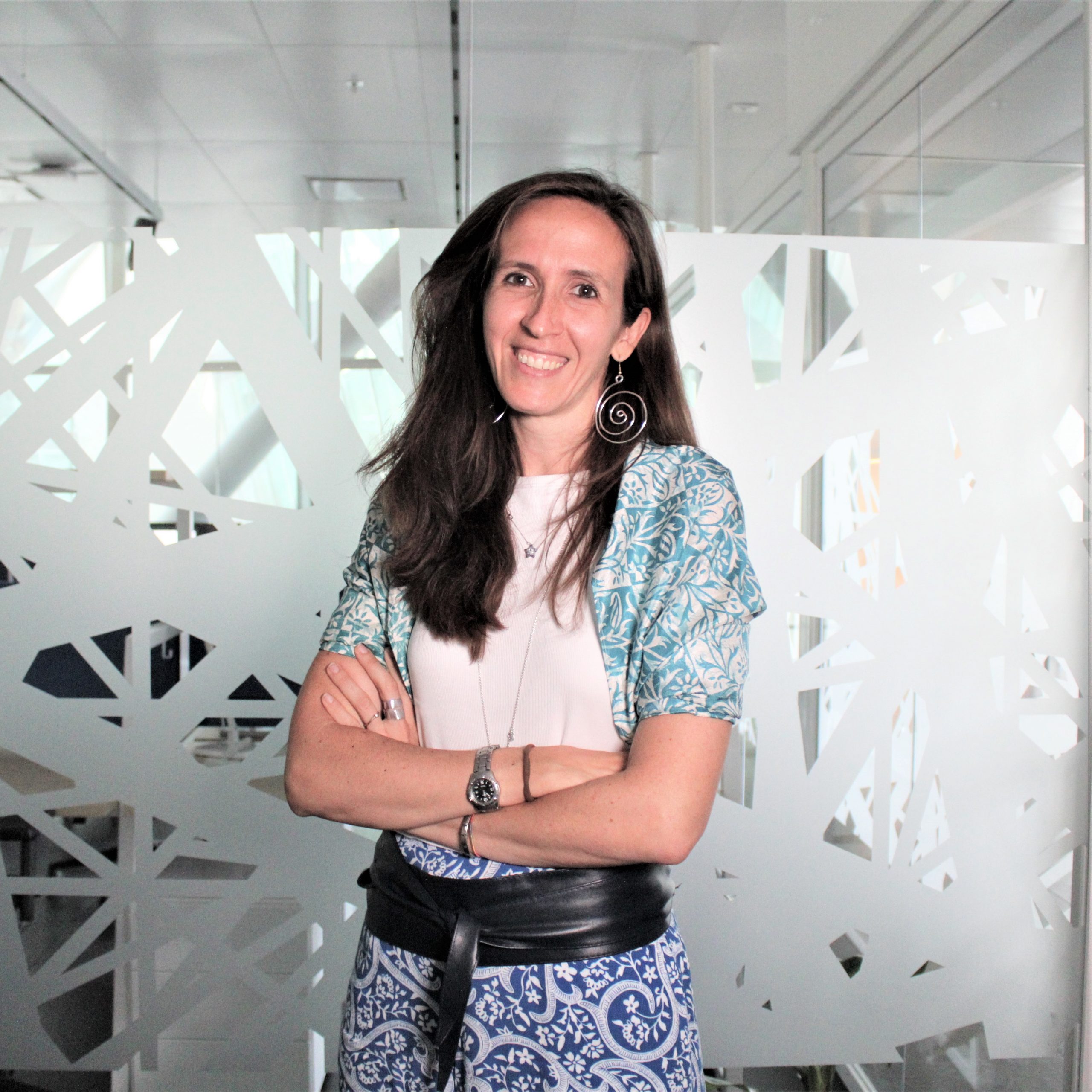
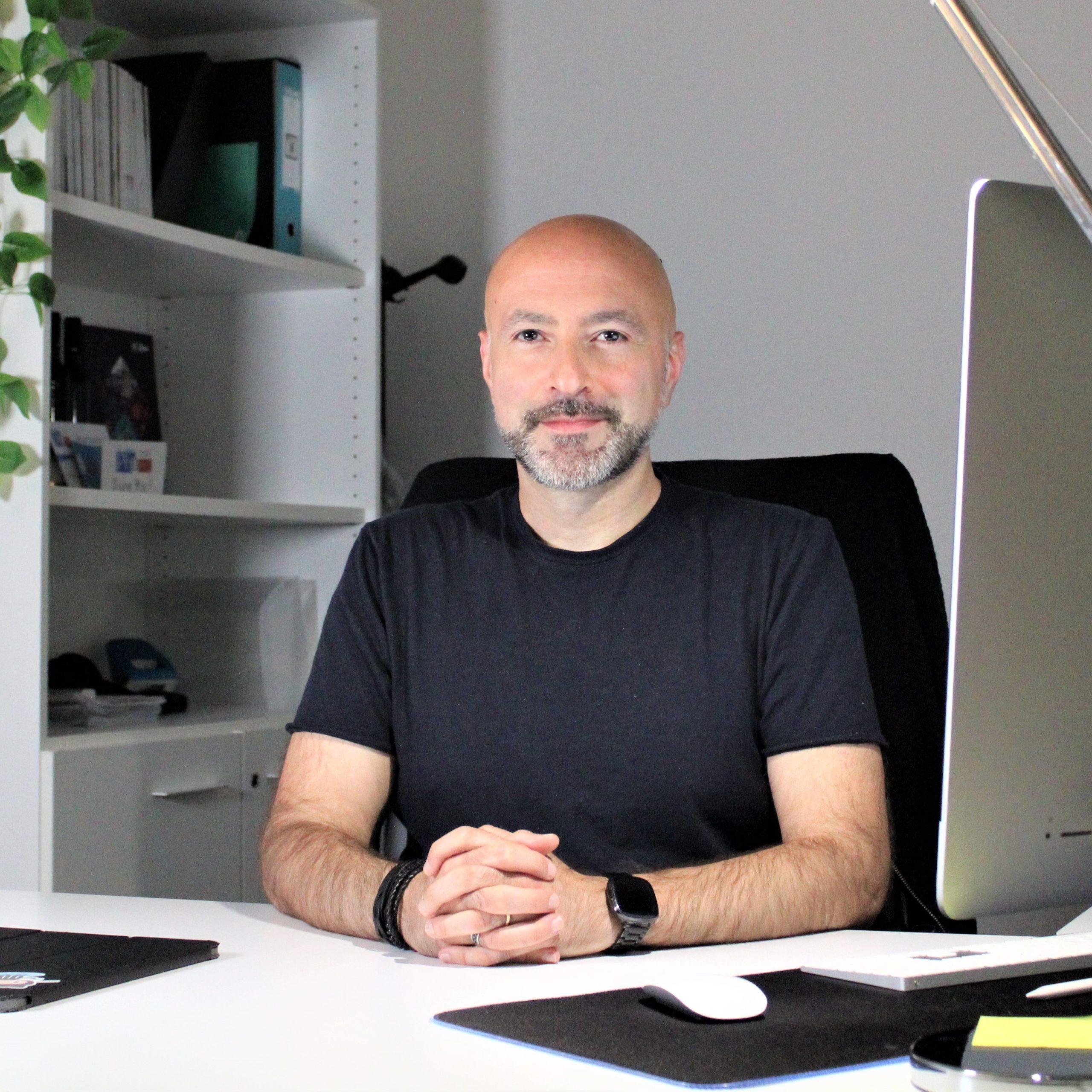
Federica Tomao is an Associate Professor at the Department of Maternal, Child and Urological Sciences within Sapienza University of Rome. She actively teaches and supervises courses in Medicine and Surgery , Nursing , and Midwifery programs across multiple institutions. Current faculty member with academic rank Teaching roles in 6th, 3rd, and 2nd year courses Specialized in gynecologic oncology Research Focus : Her work spans ovarian cancer, breast cancer, and endometrial cancer, emphasizing chemotherapy optimization, precision medicine, and radiomics. Notably, she contributes to understanding PARP inhibitors, immune checkpoint therapies, and fertility preservation techniques in cancer survivors. Recent Publications highlight advancements in sarcopenia analysis, BRCA testing, and radiogenomic nomograms. These studies demonstrate her commitment to bridging imaging and molecular data for improved cancer management. Email : federica.tomao@uniroma1.it
Anna Gottard is an Associate Professor of Statistics at the University of Florence, where she leads the Department of Statistics, Computer Science, and Applications. She directs the Florence Center for Data Science (FDS) and participates in the Technical Scientific Committee of the Tuscan Center for Big Data, Data Science, and AI (CBDAI). Her research focuses on multivariate statistical models, particularly graphical models, and extends to statistical machine learning, fair models, and directional data analysis. She is an Associate Editor for the Journal of the Royal Statistical Society Series A (JRSSA) and Statistical Methods & Applications (SMA). Her recent work includes Bayesian approaches for mixed graphical models, uncertainty-aware classification trees, and methodological advancements in latent uncertainty models. Her contributions span theoretical developments and applied research in interdisciplinary areas like biostatistics and sustainability. Her research interests emphasize bridging statistical theory with practical applications, including fairness in machine learning, interpretable models, and tree-based methodologies. She has actively contributed to open-source software, notably the Mix3Trees R package for mixed-effect tree models. Her work addresses challenges in variable selection, graphical model inference, and ethical AI practices. Current projects explore Bayesian frameworks for complex data structures and methodological improvements in graphical model interpretability. Anna has advised on interdisciplinary collaborations, such as studies on GDPR compliance in biobanking and epidemiological modeling of the SARS-CoV-2 pandemic in Tuscany. She collaborates with institutions like the CBDAI to advance data science applications in regional policy and healthcare. Her research trajectory reflects a commitment to both foundational statistical theory and real-world problem-solving across diverse domains.
Matteo Bolner is a Post-Doctoral Research Fellow at the University of Bologna's Department of Agricultural and Food Sciences, specializing in livestock genomics and metabolomics. He holds a PhD in Agricultural and Food Sciences (defended March 2025) and an International Master in Bioinformatics from the University of Bologna. His research integrates genomic and metabolomic data to improve livestock sustainability, particularly in pig production systems. Key focuses include identifying metabolic pathways influencing production traits, analyzing pig viromes for disease outbreaks, and leveraging big data for One Health applications. His educational background includes a Biological Sciences degree (2018) and a bioinformatics master's (2021). He interned at CINECA's SCAI department, focusing on HPC software containerization. Current affiliations include membership in the Animal and Food Genomics group, where he explores genomic solutions for breed conservation and sustainable production. Research trends in his articles emphasize multi-omics integration to understand pig metabolism, stress responses, and breed-specific adaptations. He also applies genomics to authenticate food products and enhance conservation strategies for endangered livestock breeds like the Mora Romagnola pig. His work bridges animal science, computational biology, and agricultural sustainability. Notable contributions include developing genomic tools for honey bee population analysis and creating a catalog of mitochondrial insertions in pig genomes. Future directions involve advancing metabolomics-based precision livestock farming and applying big data analytics to livestock One Health challenges.
Gianfranco Anfora is a Full Professor at the University of Trento, affiliated with both the Department of Civil, Environmental and Mechanical Engineering and the Center Agriculture Food Environment (C3A), where he serves as Deputy Dean. His research focuses on agricultural entomology, biological control, and sustainable pest management. Key expertise areas include integrated pest control, semiochemicals, and viticulture-related challenges. Anfora teaches courses on biopesticides, vine protection, and eco-sustainable management of invasive species. His research emphasizes vibrational communication in pests like Halyomorpha halys and Drosophila suzukii, exploring non-chemical control strategies such as sterile insect techniques and biological control agents. Collaborative projects include classical biological control programs targeting invasive species in vineyards and果园. Anfora’s work often bridges ecology and applied pest management, addressing climate and landscape impacts on agricultural practices. Recent studies highlight innovations in vibrational mating disruption, substrate-borne signaling, and radiation effects on pest behavior. His contributions aim to balance productivity, environmental sustainability, and regulatory compliance within agri-food systems. No scientific awards are explicitly mentioned, but his extensive publication record reflects significant contributions to entomological and agricultural research.
Prof.ssa Elda Favari is a Full-Time Associate Professor of Pharmacology at the Department of Food and Drug, University of Parma, Italy . Her research focuses on atherosclerosis physiology , cholesterol metabolism , and cellular cholesterol efflux processes . She has collaborated with international institutions in the USA , Australia , and Switzerland . PhD in Pharmacology and Toxicology (University of Parma, 2005) Academic Editor for the journal Medicine Member of Italian Society of Pharmacology , European Lipoprotein Club , and International Atherosclerosis Society Her scientific contributions include over 50 peer-reviewed publications , an H-index of 23 , and 16 Q1-journal publications from the last 15 years. Key research areas cover reverse cholesterol transport , PCSK9 mechanisms , and HDL functionality in diseases like familial hypercholesterolemia , cancer , and autoimmune disorders . Recent Google Scholar publications (2023-2025) examine: HDL modulation through nutraceuticals and 3D-printed devices Immune checkpoint inhibitors in relation to lipid profiles PCSK9-lomitapide interactions in genetic lipid disorders Anti-ApoA-1 IgGs as atherogenic factors 2000: AstraZeneca Grant at SISA Congress 2011: National Research Grant for Lupus Study She has held institutional roles including Student Orientation Delegate and serves on scientific committees for international congresses. Teaching spans Toxicology , Anticancer Chemotherapy , and Pharmacovigilance across Pharmacy , Food Safety , and Drug Sciences programs.
Hannes Schuler is a Tenured Associate Professor of Agricultural and Forest Entomology at the Faculty of Agricultural, Environmental and Food Sciences, Free University of Bozen-Bolzano (UniBZ). His research focuses on the evolutionary ecology of insect pest species, with particular emphasis on host-microbe interactions and symbiont-mediated adaptations. He leads the Schuler Lab and is a member of the Competence Centre for Plant Health at UniBZ. Dr. Schuler's primary research interests include: Evolutionary ecology of insect pest species Microbial symbionts and their impact on host ecology and evolution Population genomics of invasive insect species Sustainable pest management approaches Tripartite interactions between phytoplasma, vectors, and microbiomes His research combines genomic and population genomic approaches with in vivo experiments in laboratory and semi-field settings. Dr. Schuler's lab has made significant contributions to understanding the role of bacterial symbionts in invasion processes, particularly in fruit flies (Rhagoletis species), psyllids, and bark beetles. Recent work has focused on the microbiome of invasive species, symbiont-mediated adaptations, and the development of sustainable pest control strategies that reduce chemical pesticide use. Dr. Schuler has edited a special issue of the journal Insects titled "Insect Symbionts: Evolution and Application," which features 11 publications spanning topics from symbiont-driven seasonal adaptation to Wolbachia-mitochondrial DNA associations. His research has been presented at numerous international conferences including the European Conference of Entomology and the Population Genetics Group Meeting, with recent presentations at CNIE 2025 in Siena covering apricot aphids, olive fly symbionts, and psyllid symbionts. Among his notable achievements: Successful supervision of multiple PhD students including Maja, Juan, and Giulia Calia Securing funding for multiple research projects on insect symbionts and pest management Establishing international collaborations with researchers across Europe Organizing lab activities and mentoring junior researchers Dr. Schuler actively supervises Master's and PhD students, teaches courses on plant protection, theory of scientific method, and plant and livestock health, and maintains an active research program with multiple ongoing projects investigating the role of symbionts in invasion biology and sustainable pest management.
Pier Giorgio Petronini is a Full Professor of General Pathology at the University of Parma, leading the Experimental Oncology Laboratory within the Department of Medicine and Surgery. He has held research positions at the Pasteur Institute in Paris and serves on the Novartis Oncology Advisory Board, as Academic Editor for PLOS ONE, and reviewer for multiple journals. Scientific Director of Chiara Tassoni Association for Leukemia Research and Augusto per la Vita Association Member of Italian Society of Cancerology, European Association for Cancer Research, and American Society for Investigative Pathology His research focuses on translational molecular oncology in lung, breast cancer, and malignant pleural mesothelioma, emphasizing preclinical therapeutic strategies. Key projects include targeting CDK4/6, EGFR, and PD-L1 pathways, with recent work on metabolic adaptations in drug-resistant cancers. Selected publications highlight advancements in: CDK4/6-PI3K/AKT/mTOR combination therapy for TNBC FGFR2-MEK synergy in cancers of unknown primary PD-L1-STAT signaling in NSCLC angiogenesis He coordinates grants from AIRC, Novartis, AstraZeneca, and Chiesi Farmaceutici, and holds patents for irreversible EGFR and MDR1 inhibitors.
Gabriele Capurso is an Associate Professor of Medicine at Vita-Salute San Raffaele University's School of Medicine, Department of Gastroenterology (Disciplinary Sector MEDS-10/A). He teaches Gastroenterology across multiple sections of the Master's Degree in Medicine and Surgery program for the 2025-2026 academic year. His research focuses on pancreatic cancer , IPMN progression , autoimmune pancreatitis , and endoscopic interventions . Key contributions include leading the Italian Chronic Pancreatitis Registry (ITARECIPE) and developing risk-stratification models for IPMN surveillance. His work bridges clinical practice and translational research, emphasizing diagnostic delays, smoking-related progression risks, and endoscopic management of pancreaticobiliary disorders. Analysis of his 2024-2025 publications reveals a concentrated effort on pancreatic disease outcomes, with prominent themes in malignant transformation biomarkers, endoscopic technique validation, and multicenter cohort studies. His research consistently targets improving survival metrics through optimized diagnostic pathways and personalized treatment protocols. Capurso served on Sapienza University of Rome's Oncology doctoral college (2014-2018, cycles 30-34), mentoring PhD candidates. His leadership in national registries and prospective studies like CABRIOLET_Pro demonstrates active engagement in collaborative clinical research infrastructure.
Dr. Kathleen Curtius is an Assistant Professor in the Department of Medicine at the University of California San Diego (UCSD), affiliated with the Division of Biomedical Informatics and the UCSD Moores Cancer Center. She leads the Quantitative Cancer Control laboratory, focusing on early cancer detection and prevention through mathematical modeling and multi-scale data analysis. Previously, she held a Medical Research Council Rutherford Fellowship at Barts Cancer Institute (London) and completed postdoctoral training in Prof. Trevor Graham's lab. Her research integrates applied mathematics, computational biology, and clinical oncology to address cancer evolution and screening strategies. Education: PhD in Applied Mathematics, University of Washington (2015) MS in Applied Mathematics, University of Washington (2011) BS in Mathematics, UCLA (2010) Research Interests: Mathematical oncology Cancer evolution modeling Epigenetic drift analysis Screening optimization Multiscale tumor dynamics Her work bridges disciplines to develop predictive tools for early cancer detection and personalized surveillance strategies. Publications: Recent work includes studies on metagenomic data bias (Nature Communications 2025), AI-driven cancer biomarker discovery (JCI Insight 2022), and computational models of Barrett's esophagus progression (Gut 2020). Her research emphasizes translational applications in clinical oncology and public health. Awards: Recognized with the 2024 Leah Edelstein-Keshet Prize, 2022 AGA Research Scholar Award, and 2018 MRC Rutherford Fellowship. Her work has been cited over 1,000 times across key oncology journals. Funding: Principal Investigator on NIH grants (R01CA270235, I01BX005958) supporting projects on Barrett's esophagus modeling and colitis-associated colorectal cancer surveillance optimization. Collaborates with clinicians, geneticists, and computational biologists to advance cancer control efforts. Labs/Teams: Leads the Quantitative Cancer Control Lab at UCSD, part of the Bioinformatics and Systems Biology division. Active in interdisciplinary initiatives like the Moores Cancer Center's Cancer Control Program.
Francesca Ieva serves as Associate Head of the Health Data Science Centre at Human Technopole and Associate Professor of Statistics at the Politecnico di Milano, where she leads the MOX - Modeling and Scientific Computing laboratory within the Department of Mathematics. She also co-leads the Di Angelantonio & Ieva Group, a collaborative research team focused on integrating molecular data with clinical information to advance precision medicine. Dr. Ieva received her PhD in Mathematical Models and Methods for Engineering in 2012. Her academic journey has positioned her at the forefront of health data science, bridging statistical methodology with biomedical applications. Her research focuses on statistical learning in biomedical sciences, with particular emphasis on developing advanced models for integrating complex clinical data to inform predictions in clinical decision-making. Francesca's work spans multiple domains including: Development of novel survival analysis techniques for healthcare applications Integration of DNA methylation data for cardiovascular risk prediction Application of machine learning to clinical pathway analysis in mental health Innovative approaches to polygenic risk scoring incorporating SNP interactions Development of radiomics models for cancer prognosis and treatment response Analysis of Dr. Ieva's recent publications reveals a strong trend toward federated learning approaches in healthcare data analysis, reflecting growing concerns about data privacy while maintaining analytical power. Her work increasingly integrates multiple data types (genomic, epigenetic, imaging, and clinical records) to create more comprehensive patient profiles for precision medicine applications. A notable pattern is her focus on translating complex statistical models into clinically actionable tools that can directly inform patient care and healthcare policy decisions. As Associate Head of the Health Data Science Centre at Human Technopole, Dr. Ieva oversees a research group comprising epidemiologists, statisticians, and data scientists working collaboratively to bridge the gap between genotype and phenotype. The Di Angelantonio & Ieva Group develops innovative studies that integrate biomolecular data with medical records, imaging, and portable medical device data. Her team utilizes both existing healthcare data and newly generated population-based studies, applying novel analytical methods that integrate clinical epidemiology with health research to improve data interpretation. Dr. Ieva actively mentors several PhD students including Andrea Lampis, Katherine Marie Logan, Alessia Mapelli, Michela Carlotta Massi, and Andrea Mario Vergani. Her research has been supported by collaborations with major healthcare institutions and likely receives funding from research councils and health technology initiatives, though specific grant details are not provided in the available information.
Professor Ellie (Eleanor) Barnes is a leading academic in hepatology and experimental medicine at the University of Oxford, affiliated with the Nuffield Department of Medicine, the Translational Gastroenterology Unit, the Ludwig Institute for Cancer Research, the Jenner Institute, and the Oxford NIHR Biomedical Research Centre. She leads a multidisciplinary research group focused on applied immunology in liver disease, including cancer and viral hepatitis. Her research spans vaccine development for hepatitis C and B, early detection of hepatocellular carcinoma (HCC), pathogenesis of IgG4-related disease, and stratified medicine approaches in chronic liver conditions. She leads major national and international consortia such as STOP-HCV and DeLIVER, integrating viral sequencing, host genetics, immune profiling, and biomarker discovery. The recent publications highlight a strong focus on HCV persistence post-treatment, metabolic liver disease in HBV, and innovative clinical trials for HCV elimination. Her work emphasizes translational impact, combining cutting-edge genomics, immunology, and clinical experimental medicine. Fellow of the Academy of Medical Sciences (FMedSci) Fellow of the Royal College of Physicians (FRCP) Prof. Barnes oversees a portfolio of clinical studies as NIHR CLRN lead for hepatology in the Thames Valley and collaborates with industry partners like Vaccitech. Her team also develops non-invasive liver imaging and novel blood-based DNA detection methods (e.g., TAPS) for early cancer diagnosis. She mentors a research group and contributes to science communication and gender equity in STEM.
Maria Rosaria Capobianchi is a distinguished professor of Molecular Biology at Saint Camillus International University of Health and Medical Sciences (Unicamillus) in Rome, where she contributes to the Master’s Degree in Medicine and Surgery. She has held key leadership roles at the National Institute for Infectious Diseases "L. Spallanzani," including Director of the Virology Laboratory and Director of the Department of Epidemiology, Preclinical Research, and Advanced Diagnostics. She is actively involved in the WHO Collaborating Center for Highly Infectious Diseases and collaborates with WHO, ECDC, and the Italian Ministry of Health. Her research focuses on virology, molecular biology, emerging infections, antiviral defense mechanisms, and innovative diagnostic methods . She has led and participated in numerous national and international research projects funded by European, US, and regional bodies. Her work spans pathogenesis, viral evolution, host immune responses, and public health preparedness. The analysis of her recent publications reveals a strong emphasis on SARS-CoV-2, including viral variants, vaccine effectiveness, immune response dynamics, genomic surveillance, and diagnostic innovation. Her work integrates molecular virology with clinical and epidemiological insights, contributing significantly to pandemic response and preparedness. Her scientific honors include: Knight of Merit of the Republic Inclusion in the "Top Italian Scientists" list by Via-Academy She has mentored numerous researchers and students through her leadership in research projects and academic roles, though specific advisees are not listed. She has been a consultant to the National Transplant Center on viral infections in transplantation and has contributed to public health policy and training initiatives. Her work continues to influence clinical virology, infectious disease management, and global health security. She is affiliated with: Laboratory of Virology, INMI "L. Spallanzani" Department of Epidemiology, Preclinical Research and Advanced Diagnostics, INMI WHO Collaborating Center for Clinical Care, Diagnosis, Response, and Training on Highly Infectious Diseases
Francesco Iorio is a Research Group Leader in Computational Biology at Human Technopole (Milan, Italy), leading research in computational cancer pharmacogenomics and therapeutic target discovery. He holds a PhD from the University of Salerno and TIGEM (Naples), focusing on computational methods for drug discovery. Previously, he was a Senior Bioinformatician at EBI, leading CRISPR-Cas9 screen analyses across cancer cell lines to identify synthetic lethalities and therapeutic targets. He led the Cancer Dependency Map Analytics team at Wellcome Sanger Institute, developing algorithms for integrating large-scale cancer datasets. Since 2019, he serves as a Scientific Advisor to the Cancer Research Horizon–AstraZeneca Functional Genomics Centre. His research integrates computational methods with experimental data to uncover cancer dependencies, drug mechanisms, and biomarkers. Key contributions include tools like CRISPRcleanR for bias correction in CRISPR screens, and CELLector for selecting cancer cell line models. His work spans pharmacogenomics, functional genomics, and CRISPR technologies, with a focus on translating findings into clinical applications. Publications highlight advancements in CRISPR screen analysis, cancer dependency mapping, and drug repositioning. Current projects aim to advance precision medicine through computational frameworks for understanding tumor heterogeneity and therapeutic vulnerabilities.
Francesco Rotondo is an Associate Professor at the Department of Civil, Environmental, and Architectural Engineering (DICEA) within the School of Engineering at Università Politecnica delle Marche. His research focuses on urban planning, regeneration, and sustainable development. Role: Associate Professor Department: DICEA University: Università Politecnica delle Marche Research Areas: Urban Regeneration, Placemaking, Circular Economy Rotondo’s work emphasizes participatory urbanism, ecological transition, and resilient public space design. Recent publications explore tactical urbanism in Italy, statistical analysis for circular economy policies, and cultural heritage integration in territorial planning. He engages with international research frameworks like Horizon Europe and contributes to national projects such as the National Recovery and Resilience Plan (NRRP). His outreach includes teaching roles in engineering programs and collaborations on seismic resilience in Central Italy.
Valentina Bugelli is an Associate Professor at the Department of Medicine and Surgery, School of Medicine, University of Parma. She teaches Forensic Medicine, Forensic Histopathology, Patient Safety, and Sensitive Communication in Health across Medicine and Surgery, Dental Medicine, Biomedical Laboratory Techniques, and allied health programs since 2019/2020. Her research centers on forensic pathology applications including age estimation, sudden death analysis, and trauma biomechanics. She investigates high-altitude cardiac events, pediatric forensic cases, and skydiving-related injuries through case reports and systematic reviews, bridging clinical practice with legal medicine in Italian contexts. Recent publications (2024-2025) emphasize practical forensic methodologies for age progression, sudden unexpected pediatric death, altitude-related cardiac mortality, and parachute trauma. Her work consistently addresses medicolegal challenges through empirical case studies and literature reviews, highlighting Italy-specific forensic practices.