Jie DingView profile
Associate Professor
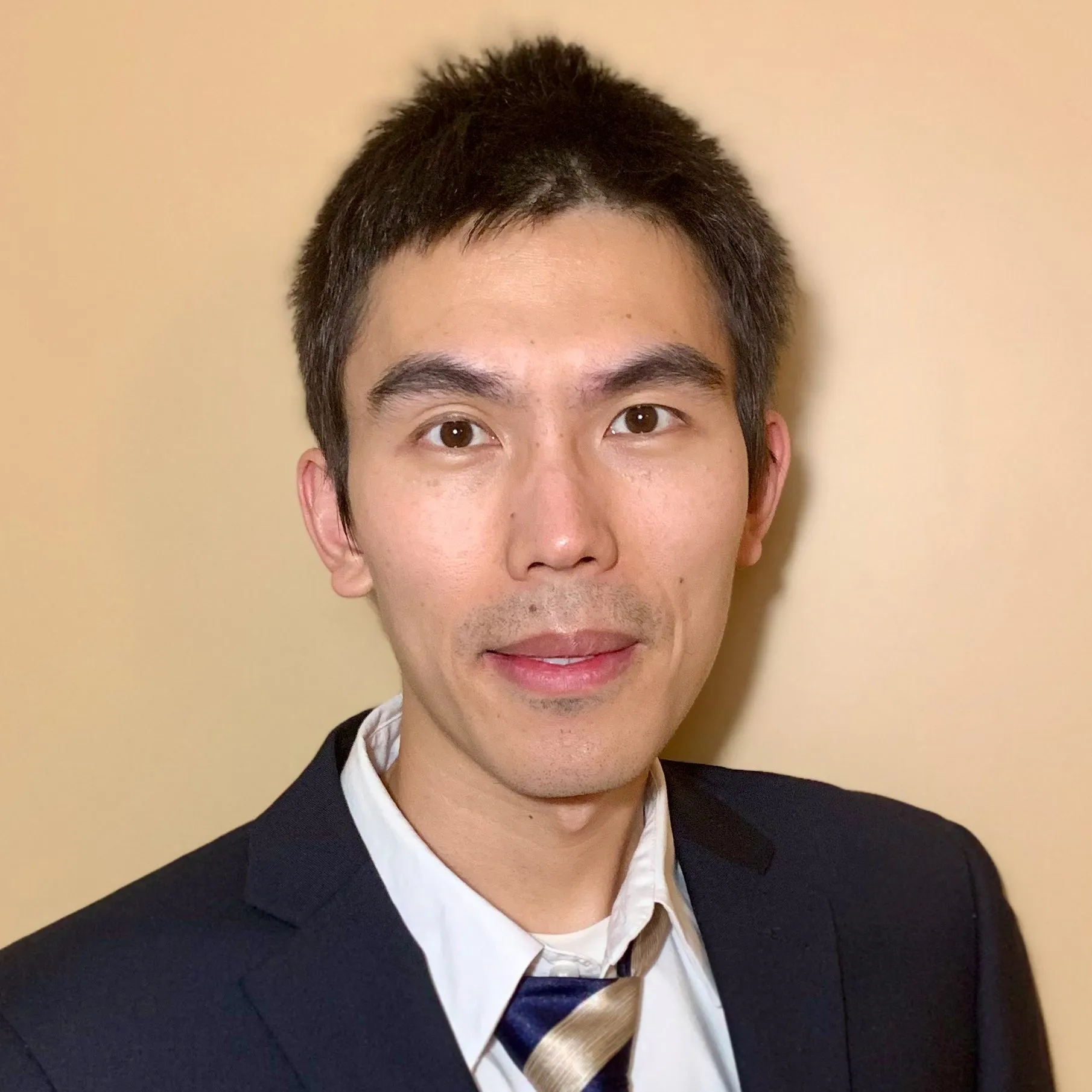
Jie Ding is an Associate Professor at the University of Minnesota's School of Statistics with graduate faculty appointments in Electrical Engineering, Computer Science, and the Data Science Program. He serves as a core faculty member of the Data Science and AI Hub and holds an Amazon Scholar position with the Amazon AGI Team focusing on foundation model training. His educational background includes a Ph.D. in Engineering Sciences from Harvard University (2017), postdoctoral work at Duke University (2018), and a B.S. from Tsinghua University where he participated in both the Math & Physics Academic Talent Program and Electrical Engineering program. Ding's research sits at the intersection of artificial intelligence, statistics, and scientific computing, with focus areas including Agentic AI for autonomous data science workflows, AI Foundations for interpretability and trustworthiness, Scalable Modeling for broader AI accessibility, Decentralized and Collaborative AI systems, and AI Safety addressing privacy and security concerns. He developed the STAT 8931 Generative AI course with open-source materials available at genai-course.jding.org . His recent publications demonstrate strong activity across multiple AI subfields, particularly in value alignment (MAP framework), AI safety mechanisms, federated learning innovations, and statistical foundations for modern AI systems. The breadth of venues (ICML, ICLR, NeurIPS) indicates significant impact across the AI research community. NSF CAREER Award (2024) Army Early Career Program (Young Investigator) Award (2023) Cisco Research Award (2022-25) AWS Cloud Credits for Research (2021-22) Meta/Facebook Faculty Research Award (2021-22) UMN Thank-A-Teacher Teaching Award (2019-20) Ding leads the Agentic AI for Data Science Benchmark initiative, collaborating with University of Minnesota colleagues and Minnesota industry partners to evaluate AI agent capabilities across healthcare, insurance, retail, energy and other sectors. His research group actively recruits PhD students interested in AI/Statistics intersections, with focus on developing theoretically grounded yet practically impactful AI systems.