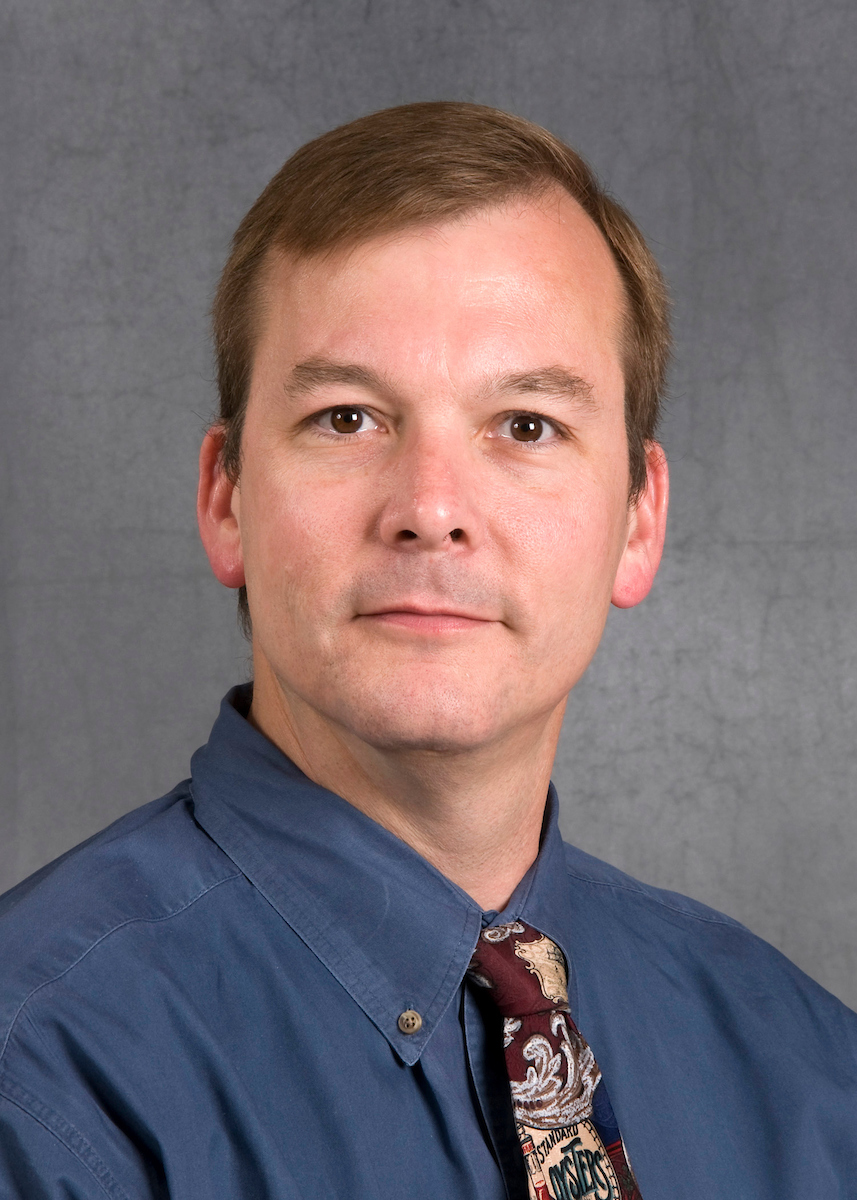
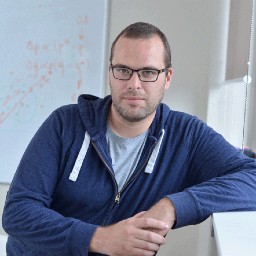
Russell Carr , PhD, is a Professor at Mississippi State University's College of Veterinary Medicine. Holding a PhD in Animal Physiology (MSU, 1994) and MS in Biological Sciences (MSU, 1990), he focuses on neurotoxicology, pesticide mechanisms, and endocannabinoid system interactions. His career spans 30+ years studying organophosphate effects on neurotransmitter systems across developmental stages. Key Research Areas: Organophosphate pesticide neurotoxicity Endocannabinoid system disruption Developmental neurochemical impacts Cross-species enzyme inhibition Recent Publications (2023-2021) reveal trends in nanochannel CBD delivery systems, chlorpyrifos-induced proteomic changes in amygdala, and multi-omics approaches to pesticide-immune interactions. Earlier works establish foundational knowledge on cholinesterase inhibition kinetics and age-dependent toxicity profiles. Notable Contributions: Elucidated mechanisms of endocannabinoid enzyme inhibition by pesticides, demonstrated neurochemical impacts of low-dose exposures, and developed comparative models across species (rodents, fish).
Professor Jenny Morton is a leading neurobiologist at the University of Cambridge , Department of Physiology, Development and Neuroscience. Her research focuses on Huntington's disease using sheep and mouse models , investigating neurodegeneration , circadian rhythm disruption , and cognitive impairments . She serves as Director of Studies in Medicine and Veterinary Medicine at Newnham College. Professor of Neurobiology (Cambridge, 2018) Director of Studies, Newnham College Her lab develops translational animal models to study disease progression through neurophysiological recordings , EEG analysis , and magnetic resonance imaging . Recent work includes executive function assessment in sheep and pharmacological interventions for neurodegenerative symptoms. Key publications reveal trends in sleep disorder research , neural oscillation abnormalities , and environmental enrichment effects on Huntington's disease progression. The lab maintains a Cambridge MRI database for animal models and explores biomarker development through metabolic profiling.
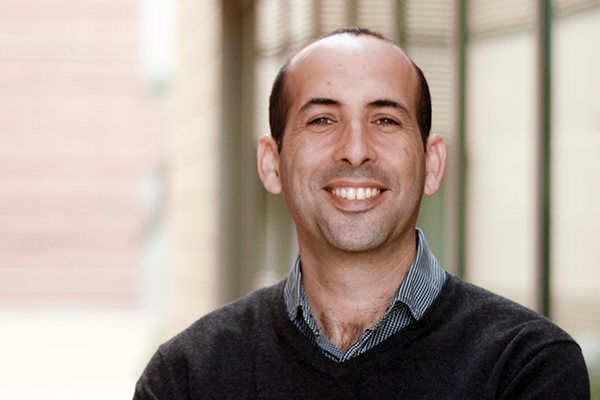
Dr. Eran Halperin is a Professor at the University of California, Los Angeles, affiliated with the School of Engineering (Computer Science Department) and the School of Medicine (Human Genetics, Computational Medicine, Anesthesiology). His research bridges computational biology, genomics, and machine learning, with a focus on developing statistical methods to analyze big medical data for disease prediction and treatment. Developed open-source software tools like FEAST, ReFACTor, and Bisque Recipients of prestigious awards including Rothschild Fellowship and ISCB Fellow (2021) Research Interests: Computational Genomics: Applying machine learning to genomic data (methylation, RNA expression) for disease understanding. Machine Learning in Medicine: Creating deep learning architectures for ophthalmology, anesthesiology, and acute care applications. Medical Data Science: Integrating electronic health records with genomic datasets for predictive modeling. Scientific Recognition: Rothschild Fellowship Technion-Juludan Research Prize Krill Prize in Science Elected ISCB Fellow (2021) Dr. Halperin's lab collaborates across disciplines, utilizing software platforms such as GLINT (methylation analysis) and MTV-LMM (microbiome prediction). His work has received funding from NIH, NSF, and international foundations.
Dr. Kimia Witte is a Lecturer in Biomedical Engineering at the University of Strathclyde, UK, actively accepting PhD students. Her research focuses on innovative biomedical engineering approaches including stem cell manipulation using physical stimuli, biomaterial development for tissue regeneration, and diagnostic tool design. She specializes in creating bioinstructive environments for controlling cell behavior and developing novel biomaterial platforms. Research Focus Witte's core research integrates: Stem cell engineering using acoustic/physical stimulation Development of smart biomaterials for tissue regeneration Microfluidic platforms for diagnostic applications Mechanobiology approaches for clinical diagnostics Her work bridges fundamental biomaterial science with clinical applications in regenerative medicine and diagnostic technologies. Research Trends Analysis of her 12 most recent publications reveals: Strong focus on stem cell-microenvironment interactions Increasing emphasis on translationally-oriented research Development of novel diagnostic platforms Interdisciplinary approaches combining engineering, biology and materials science Progressive refinement of biomaterial systems Awards and Recognition Witte has received recognition for her scientific contributions including 1 prize (specific award unnamed in available data). Her publications show significant impact with multiple articles receiving 20+ citations. Academic Activities Maintains active research program with 18 projects and 3 datasets. Contributes to academic community through peer-reviewed publications and conference presentations. Collaborates with researchers across materials science, cell biology and clinical medicine disciplines.
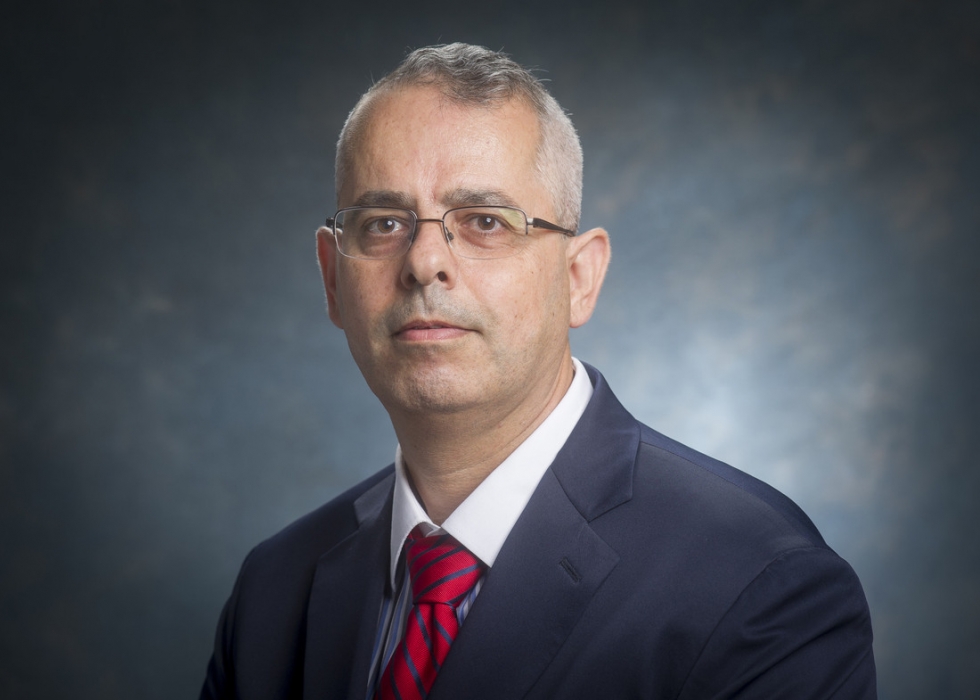
Dr. Rafet Al-Tobasei serves as an Associate Professor in the Department of Computer Science at Middle Tennessee State University (MTSU), where he applies computational methodologies to solve complex biological problems in aquaculture species. His research bridges computer science and genomics to address critical challenges in fisheries science and genetic improvement programs. His academic credentials include: Ph.D. in Computer Science, Middle Tennessee State University (2017) M.A. in Computer Science, Middle Tennessee State University (2011) M.S. in Computer Science, Middle Tennessee State University (2011) B.S. in Computer Science, Tennessee State University (2007) Dr. Al-Tobasei's research program focuses on developing and implementing bioinformatics tools for aquaculture genomics, with particular emphasis on rainbow trout and Nile tilapia. His expertise spans RNA sequencing analysis, Genome-Wide Association Studies (GWAS), Single Nucleotide Polymorphism (SNP) discovery, Long non-coding RNA (lncRNA) characterization, DNA methylation profiling, and Chromatin Immunoprecipitation Sequencing (ChIP-Seq) data interpretation. He investigates molecular mechanisms underlying economically important traits including muscle growth, fillet quality, disease resistance, and stress response. Analysis of his publication record reveals consistent thematic progression in aquaculture genomics: early work established foundational genomic resources for rainbow trout, followed by sophisticated GWAS applications for trait mapping, and recent integration of multi-omics approaches (transcriptomics, epigenomics, and lipidomics). His research increasingly emphasizes practical breeding applications, with significant contributions to genomic selection methodologies using reduced-density SNP panels and advanced statistical models. While specific awards and grants aren't documented in the source material, his extensive publication record in high-impact journals like BMC Genomics and Scientific Reports demonstrates substantial scholarly impact. His collaborative network spans multiple institutions and includes frequent co-authorship with leading aquaculture geneticists, indicating active participation in the research community and likely involvement in mentoring graduate students through research projects.
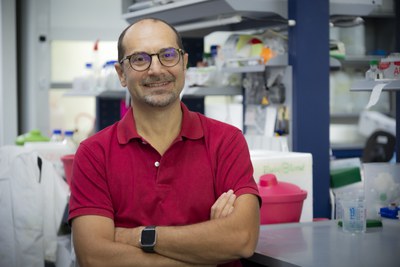
Diego di Bernardo is a Full Professor of Biomedical Engineering at the University of Naples Federico II and Principal Investigator at TIGEM, serving as Coordinator of the Genomic Medicine Program and Head of the Bioinformatics Core. His work bridges engineering and biological sciences to advance disease understanding and therapeutic development. His educational background includes a Laurea cum laude in Electronic Engineering from the University of Naples Federico II (1997) and a PhD in Medical Physics from the University of Newcastle School of Medicine (2001), funded by a European Commission Marie Curie Fellowship. Postdoctoral training followed at the Wellcome Trust Sanger Center and Boston University. Di Bernardo's research integrates Biomedical Engineering, Control Engineering, and Molecular Biology to pioneer Biomolecular Control. His lab develops microfluidics platforms for real-time cellular analysis and computational approaches for gene network reverse engineering and drug repositioning. Current work focuses on single-cell transcriptomics to combat drug resistance in cancer and engineer stress-response pathways for bioproduction optimization. His publication record demonstrates consistent innovation in computational biology, with recent work emphasizing pan-cancer transcriptomics, microfluidics-based cell control, and bioinformatics tool development for pathway analysis. The research trajectory shows increasing integration of engineering principles with genomic medicine. Scientific recognition includes: Marie Curie Fellowship He advises PhD students including Clarissa Poles and Virginia Fusco, leading a multidisciplinary team of postdocs and bioinformaticians. Major funding sources include Telethon, AIRC, Italian Ministries, HFSP, and EU programs such as Re-MEND (2023-2027) for mental health resilience and iPC (2019-2023) for pediatric cures. His TIGEM laboratory operates cutting-edge microfluidics and bioinformatics facilities to engineer living systems, with current projects targeting super-producer cell lines for biological drugs and viral vectors while reducing production costs through stress-response re-engineering.
Ulrich Klostermeier is a researcher at the Institute of Clinical Chemistry and Laboratory Medicine, University Medical Center Hamburg-Eppendorf (UKE). His scientific work spans hemostasis, thrombosis research, and molecular mechanisms of coagulation disorders. Hematology Clinical Chemistry Stem Cell Research Translational Medicine His research focuses on thrombophilia , venous thromboembolism , and genetic regulation in both pediatric and adult populations. Key projects include investigations into protein C/S deficiencies , NOD2 interactions , and hemostatic biomarkers . Recent publications demonstrate expertise in translational thrombosis research , with significant contributions to understanding prothrombotic polymorphisms and stem cell applications in cardiac regeneration. Collaborative work includes international cohort studies and multicenter clinical research. Methodologically, he employs transcriptional profiling , mutation analysis , and animal models for studying blood coagulation dynamics. His scientific work has been published in journals covering hematology, molecular biology, and clinical chemistry. Key research trends: Thrombosis risk stratification Genetic basis of coagulation disorders Comparative pediatric/adult hemostasis Translational approaches to cardiac repair Computational transcriptional analysis Developmental biology applications
Eva Henriette Gottwein is an Associate Professor in the Department of Microbiology-Immunology at Northwestern University's Feinberg School of Medicine. Her research is primarily focused on Kaposi's sarcoma-associated herpesvirus (KSHV) and its role in viral oncogenesis, particularly as it relates to cancers that develop in immunocompromised individuals. She maintains active affiliations with the Robert H. Lurie Comprehensive Cancer Center and the Simpson Querrey Institute for Epigenetics, which provide critical infrastructure and collaborative opportunities for her work. Dr. Gottwein earned her PhD from Heidelberg University in Germany in 2005. Her laboratory investigates the molecular mechanisms by which KSHV causes cancer, with particular emphasis on viral microRNAs and their role in host cell manipulation. Her research spans both KSHV-infected B cells (which can lead to primary effusion lymphoma) and endothelial cells (which drive Kaposi's sarcoma). Her research interests center on understanding how KSHV-encoded microRNAs contribute to viral pathogenesis and oncogenesis. Specifically, her lab investigates KSHV-mediated B cell transformation in primary effusion lymphoma, mechanisms of KSHV-mediated endothelial cell deregulation, identification of drug targets for KSHV-associated cancers, and the targets and functions of KSHV-encoded microRNAs. Her team has pioneered the use of CRISPR screening technology to identify essential genes in primary effusion lymphoma, revealing novel therapeutic targets including IRF4, cyclin D2, MDM2, MCL1, and cellular FLIP. Analysis of Dr. Gottwein's recent publications reveals a consistent focus on viral oncogenesis with particular emphasis on molecular mechanisms of KSHV infection. Her work bridges virology, cancer biology, and molecular genetics, with increasing application of cutting-edge genomic technologies like CRISPR screens. Her research demonstrates a clear trajectory from basic molecular mechanisms toward identification of therapeutic targets for KSHV-associated malignancies. Dr. Gottwein actively mentors several graduate students in the Medical Biochemistry and Pharmacology (MBP) and Developmental Genetics and Molecular Biology (DGP) programs, including Shreya Jambardi, Neil Kuehnle, and Jesus Ortega. Her laboratory maintains active collaborations with researchers at institutions including the Heinrich Pette Institute in Hamburg, reflecting the international nature of virology research. While specific grant information isn't detailed in the provided materials, her extensive publication record in high-impact journals suggests successful funding from major research agencies. The Eva Gottwein Laboratory maintains a strong presence within Northwestern's research ecosystem, with particular connections to cancer research centers. Her team works at the intersection of virology and oncology, focusing on mechanistic studies with translational potential. The lab's work on CRISPR screens has positioned them at the forefront of identifying novel therapeutic targets for primary effusion lymphoma, an area with significant unmet clinical need.
Marko Djordjevic is an Associate Professor at the Faculty of Biology, University of Belgrade. His research spans computational biology of infectious diseases, bacterial immune systems (CRISPR/Cas and restriction-modification systems), and quantitative understanding of infection progression with applications to SARS-CoV-2 and computational physics of quark-gluon plasma. Diploma in Physics, Faculty of Physics, University of Belgrade, Serbia. PhD in Biophysics and Bioinformatics, Department of Physics, Columbia University, USA. Postdoctoral training at the Mathematical Biosciences Institute, Ohio State University, USA. Djordjevic's research focuses on nonlinear regulatory dynamics of bacterial immune systems, their role in horizontal gene transfer, and modeling infection progression under social mitigation measures. His secondary interest in computational physics examines quark-gluon plasma dynamics via high-p⊥ observables and tomography. His recent publications address CRISPR/Cas regulation, restriction-modification systems, and SARS-CoV-2 transmissibility drivers. Grants from the Serbian Ministry of Science, Science Fund of Serbia, EU Marie Curie IRG, and Swiss National Science Foundation support his work.
Greg J. Bashaw is a Professor of Neuroscience at the Perelman School of Medicine, University of Pennsylvania. He directs a research lab focused on molecular mechanisms of axon growth and guidance, particularly at the nervous system midline. His work spans Drosophila embryonic CNS and mouse spinal cord systems, investigating evolutionary conserved pathways like Slit-Robo and Netrin-DCC. Education: B.A. in Biology from Brown University (1990), Ph.D. in Biological Sciences from Stanford University (1997) under Bruce Baker Key Research Areas: Axon guidance, neural circuit assembly, receptor signaling, transcriptional regulation, and developmental neuroscience His laboratory explores non-canonical receptor roles, transcriptional networks in motor connectivity, and receptor degradation pathways. Awards include the Jane Glick Memorial Graduate Student Teaching and Mentoring Award, NIH NINDS Research Program Award (R35), and NSF grant (IOS-1355181) supporting both research and science outreach. Recent publications highlight discoveries in Robo-WAVE complex interactions, human DCC variants in mirror movement disorders, and receptor trafficking mechanisms. Collaborative work with institutions like Harvard, Johns Hopkins, and Cold Spring Harbor Laboratory demonstrates interdisciplinary impact. Scientific Awards Jane Glick Memorial Graduate Student Teaching and Mentoring Award NIH NINDS Research Program Award (R35) NSF grant renewal (IOS-1355181) Louis Flexner Neuroscience Thesis Prize Tom Kadesch Genetics Thesis Prize Saul Winegrad Award for Outstanding Dissertation Training Legacy 15+ PhD graduates in neuroscience, genetics, and molecular biology Lab alumni now hold academic positions at Yale, Harvard, and international institutions NSF-funded DrosoPHILA outreach program with Philadelphia high schools
HACER MURATOĞLU is a Professor at the Department of Molecular Biology and Genetics , Karadeniz Technical University . Her research focuses on Microbiology , Virology , and Molecular Biology , particularly the study of entomopoxviruses and iridoviruses. She has contributed significantly to understanding viral protein functions, including protein kinases, glycosyltransferases, and nucleases, with applications in biological control and host-pathogen interactions . Her research spans several subfields: Viral Protein Kinases and Their Substrate Specificity Glycosyltransferase Enzymatic Activities Baculovirus Vector Engineering Bacterial Pathogens in Insect Pests Transcriptome-Based Pathogen Discovery Viral Pathogenesis Mechanisms She has received funding from TUBITAK and Higher Education Institutions for projects such as: Vaccine Development for SARS-CoV-2 Functional Analysis of AMEV Protein Kinases Iridovirus Gene Expression Studies Her work has been peer-reviewed for journals like Turkish Journal of Biology and Turkish Journal of Botany .
Caroline Schild-Poulter is a Professor and Scientist at the Robarts Research Institute, affiliated with the Schulich School of Medicine & Dentistry at Western University in London, Ontario, Canada. She leads research in the Molecular Medicine department, specifically within the Vascular and Brain Health Group, focusing on DNA damage response mechanisms and their implications in cancer development. Education: Undergraduate in Biology at the University of Lausanne, Switzerland (Major in Molecular Biology) Master's and PhD at the University of Lausanne (Topic: Mechanisms regulating gene expression) PhD training included a 2-year stage at the National Institutes of Health, Bethesda, USA Dr. Schild-Poulter's research program centers on DNA repair/signaling pathways activated by double-stranded DNA breaks, one of the most dangerous forms of DNA damage. Her work specifically investigates how DNA gets repaired and how apoptosis is activated when repair is not completed. Her research has significant implications for understanding cancer development, stroke, and aging processes. She has made notable contributions to understanding the roles of RanBPM in controlling apoptosis in response to DNA damage and how the DNA repair factor Ku functions to repair and signal from double-stranded DNA breaks. Analysis of her publication record shows consistent focus on DNA repair mechanisms, with recent work expanding into RNA-mediated immunity and protein degradation pathways. Scientific Awards: Natural Sciences and Engineering Research Council Canada (NSERC) Discovery Accelerator Award (DAS) Post-doctoral Fellowship, Medical Research Council of Canada and the Arthritis Society Post-doctoral Fellowship, Association pour la Recherche sur le Cancer (France) Fellowship, Centre National de la Recherche Scientifique (France) Post-doctoral Fellowship, Swiss National Science Foundation (Switzerland) Dr. Schild-Poulter has received significant research funding through competitive grants, including the prestigious NSERC Discovery Accelerator Award which supports her innovative work in DNA repair mechanisms. Her research program has led to numerous publications in high-impact journals and has contributed significantly to our understanding of genomic instability and cancer development. While specific students aren't listed in the available information, her position as a Professor suggests she mentors graduate students and postdoctoral fellows in her laboratory, contributing to the next generation of molecular biologists and cancer researchers. Dr. Schild-Poulter is a key member of the Molecular Medicine research group at Robarts Research Institute, where she maintains an active laboratory investigating DNA damage response pathways. Her work bridges basic molecular mechanisms with potential clinical applications in cancer treatment and prevention, particularly focusing on the critical balance between DNA repair and programmed cell death that prevents malignant transformation.
Monika Maurhofer is a Professor at the Department of Environmental Systems Science, ETH Zurich , specializing in multitrophic interactions within the rhizosphere. Her research bridges plant pathology, microbial ecology, and biological control of plant diseases and insect pests. 1988: Dipl. sc. nat., ETH Zurich 1993: Dr. sc. nat., ETH Zurich Research focuses on biocontrol pseudomonads and their molecular interactions with plants, fungi, and insects. Key projects include: Understanding Pseudomonas protegens mechanisms in rhizosphere colonization Comparative genomics of entomopathogenic bacteria Developing disease-suppressive compost diagnostics Investigating microbial consortia for pest control 2024-2025 publications highlight her work on entomopathogenic pseudomonads and nematode-bacteria symbiosis , with applications in sustainable agriculture. She received the Golden Owl Award for teaching excellence in 2014 and 2017. Current collaborations include Syngenta Crop Protection and interdisciplinary teams at University of Zurich and University of Basel.
Hugh Clarke, PhD is a Senior Scientist at the RI-MUHC, Glen site and a Professor in the Department of Obstetrics and Gynecology at McGill University 's Faculty of Medicine and Health Sciences. His research focuses on oocyte development within ovarian follicles. Research Interests: Oocyte growth and maternal molecule storage Germ cell-somatic cell communication Environmental toxin effects on oocyte quality Intercellular signaling mechanisms mRNA regulation during maturation Chromatin remodeling at fertilization Publications (2015-2024) reveal expertise in reproductive biology, with key projects examining: EGFR signaling in follicular decoupling mTOR pathway in follicle communication CNOT6-mediated mRNA deadenylation Transzonal projection architecture Epigenetic inheritance patterns Actin's role in meiotic processes Location: Lab F3-50, Royal Victoria Hospital, Montreal, QC H3A 1A1
Korneel Hens is a Senior Research Fellow at Oxford Brookes University's School of Biological and Medical Sciences, specializing in Drosophila genetics and gene regulatory networks. His work bridges molecular biology, genomics, and evolutionary studies. Current project: TFTag (2022-2027, £1.14M BBSRC-funded) to create a Drosophila transcription factor library. Key collaborations: Biotechnology & Biological Sciences Research Council, interdisciplinary teams in neuroscience and genomics. Research focuses on: Transcriptional control mechanisms in Drosophila insulin-producing cells Apoptotic pathway evolution in aphids Functional characterization of gene regulatory networks Comparative studies between insect and human angiotensin-converting enzymes Chromatin dynamics during development Evolutionary conservation of molecular pathways His publications span top journals like Molecular Ecology , PLoS Genetics , and Cell Reports , with over 15 recent articles demonstrating sustained research productivity. Awards include significant BBSRC grant funding for large-scale Drosophila studies. Advising activities and student supervision details are not explicitly mentioned. He contributes to technical innovations like yeast one-hybrid screening methods and primer databases for qPCR.