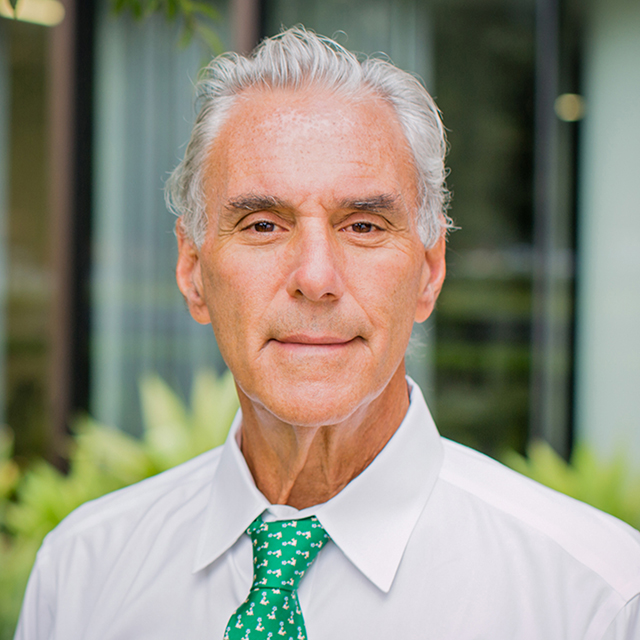
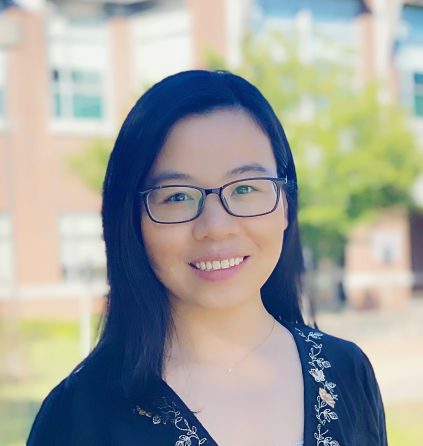
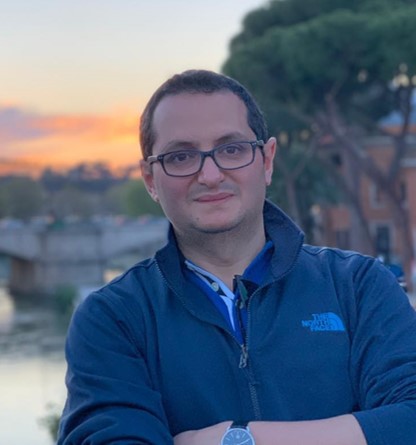
Mitchel S. Berger is a Professor of Neurological Surgery at the University of California, San Francisco (UCSF) School of Medicine , serving as Director of the Brain Tumor Center and co-Director of the Adult Brain Tumor Surgery Program . His clinical expertise spans brain and spinal cord tumors, tumor-related epilepsy, and advanced techniques like Gamma Knife radiosurgery and brain mapping. With a focus on glioblastoma and neurosurgical oncology, Berger's work integrates molecular profiling , awake craniotomy , and AI-driven diagnostics . Harvard College (1975) - Bachelor's Degree University of Miami Leonard M. Miller School of Medicine (1979) - Medical Degree His research interests emphasize improving surgical outcomes through precision neurosurgery , metabolic imaging , and targeted therapies . Recent publications highlight applications of 5-aminolevulinic acid , CRISPRoff epigenetic editing , and deep learning algorithms for glioma classification. Trends in his work include multicenter collaboration , standardized tissue sampling , and AI integration in intraoperative decision-making. Berger's leadership roles include UCSF Residency Training and participation in NIH-funded grants such as P01CA118816 and P50CA097257. He contributes to neurosurgical education and clinical trial design , with affiliations to the American Association of Neurological Surgeons and American Board of Neurological Surgery .
Professor Joaquim de Ciurana Gay is a faculty member at the University of Girona in the Department of Mechanical and Industrial Construction Engineering , leading research in Manufacturing Process Engineering since 2009. He heads the Process, Product and Production Engineering Research Group (GREP) , with over 100 peer-reviewed articles and 12 book chapters focusing on biomedical device design, additive manufacturing, and machining optimization. Education: PhD in Industrial Engineering (UPC, 1997); Postdoctoral training at Rutgers University, Cranfield University, and Université du Québec à Trois-Rivières. Research Interests include additive manufacturing , machining process characterization , design methodologies , and industrial collaboration . His recent biomedical projects emphasize cell culture systems and medical device prototyping . Publications highlight trends in hybrid manufacturing , AI-driven process optimization , and sustainable biomedical design . Scientific Awards: Award for Scientific Collaboration with Companies (ASCAMM Centre Tecnològic, 2011) Teaching Innovation: Authored educational materials and led projects integrating industry partnerships into academic training. Labs & Teams: Director of GREP, fostering knowledge transfer through collaboration agreements with industrial partners.
Ziru Li is a Faculty Scientist I at the MaineHealth Institute for Research (MHIR) and an affiliated faculty member of the Graduate School of Biomedical Science and Engineering (GSBSE) at the University of Maine. She is actively involved in cutting-edge research on metabolism, bone biology, and bariatric surgery outcomes. Education: Ph.D. in Clinical Medicine, Peking University, 2014 Postdoctoral Training, University of Michigan-Ann Arbor Dr. Li's research focuses on the biological mechanisms of obesity and metabolic regulation, with a particular interest in the gut-bone axis and bone marrow adipose tissue. Her work investigates how bariatric surgeries such as vertical sleeve gastrectomy influence bone density and marrow composition, uncovering key roles for signaling molecules like G-CSF and sclerostin. She employs molecular, genetic, and physiological approaches in mouse models to dissect metabolic pathways involving mTOR, Wnt/β-catenin, and adipocyte lipolysis. Her recent publications reveal a strong trend in understanding how adipose tissues—particularly bone marrow adipocytes—function as active endocrine and metabolic organs. These studies span disciplines including endocrinology, cell biology, and metabolic surgery, highlighting her interdisciplinary approach. Key themes include adipocyte-bone crosstalk, energy homeostasis during caloric deficit, and therapeutic targeting of bone loss post-surgery. Dr. Li has not been mentioned with any scientific awards in the provided text. She mentors graduate students through her affiliation with the GSBSE program, contributing to the training of future biomedical scientists. Her research is supported by collaborative grants, particularly with leading institutions such as the University of Michigan and MaineHealth. She is based at the MHIR facility in Orono, Maine, and maintains active collaborations across the GSBSE network, including the University of New England and The Jackson Laboratory. Dr. Li leads a research laboratory focused on metabolic regulation and bone health, working within a statewide consortium that promotes transdisciplinary innovation in biomedical science.
Dr. Lionel B. Ivashkiv is a leading academic and physician-scientist, serving as Professor of Medicine and Immunology at Weill Cornell Medicine and holding dual leadership roles as Chief Scientific Officer at Hospital for Special Surgery (HSS) and Director of the David Z. Rosensweig Genomics Research Center at HSS. His research bridges basic science and translational medicine, focusing on cytokine signaling, epigenetic regulation of inflammation, and therapeutic targets for musculoskeletal disorders. Education : MD from Harvard Medical School, Residency at NYU/Bellevue Hospital, Fellowship at Brigham and Women's Hospital Dr. Ivashkiv's laboratory investigates how cytokines like IFN-γ, IFN-α, IL-10, and TNF regulate innate immune and stromal cell functions (macrophages, osteoclasts, synovial fibroblasts). Key themes include: Jak-STAT signaling crosstalk Epigenomic mechanisms in inflammatory gene expression Macrophage reprogramming (priming/tolerance) Autoimmune disease pathogenesis (rheumatoid arthritis, lupus) Translational genomics (RNA-seq, ChIP-seq, ATAC-seq) Precision medicine approaches for individualized therapies His team employs innovative methods combining bacterial artificial chromosomes (BACs) with CRISPR-Cas9 to study human autoimmunity-associated genes like A20/TNFAIP3 . Recent publications highlight discoveries in: Cytokine-driven inflammation in arthritis and implant failure Lipid metabolism regulation in T cells Novel strategies for preventing peri-implant fibrosis Interferon-γ and PGE2-cAMP axis interactions Epigenetic modulation of immune cell phenotypes Mechanosensing in plasmacytoid dendritic cells Scientific honors include election to the Association of American Physicians and American Society for Clinical Investigation , alongside multiple awards from the Arthritis Foundation and NIH . He leads multidisciplinary teams studying clinical challenges such as: Rheumatoid arthritis flares and therapy resistance Orthopedic implant aseptic loosening Total knee replacement complications Spine degeneration and pain
Nathalie Caron is a researcher with a Doctor of Science degree from Université de Mons (UMons), awarded in 2007. Her research focuses on nephrology and metabolic disorders, particularly obesity-induced kidney disease mechanisms. She serves as Principal Investigator on projects examining renal lipid accumulation, AMPK signaling pathways, and adipose tissue biology. Her research interests center on: Kidney lipid metabolism and lipotoxicity Sex differences in renal diseases AMPK pathway activation in metabolic disorders Adipose tissue physiology and glucose homeostasis Experimental models of nephropathy Recent publications (2021-2023) demonstrate her work in lipidomics, aristolochic acid nephropathy, and therapeutic exercise interventions. Her articles frequently appear in journals including Biology of Sex Differences , Nature Communications , and Frontiers in Medicine . She actively participates in academic activities including thesis examinations and international conferences such as the ERA-EDTA Congress. Her work contributes to Sustainable Development Goals related to health and wellbeing.
Jessica K. Tyler, Ph.D. is a Professor of Pathology and Laboratory Medicine at Weill Cornell Medical College. She serves as Principal Investigator of the Laboratory of Epigenetics and Genomic Integrity and has been at Weill Cornell Medicine since 2015, after previously serving as a Tenured Professor at the University of Colorado School of Medicine and as a CPRIT Rising Star at MD Anderson Cancer Center. Dr. Tyler's research focuses on the molecular basis of genome stability, chromatin function, and longevity. Her lab uses budding yeast as a model system to study aging processes due to its conserved evolutionary pathways with humans. The Tyler lab investigates how epigenetics and chromosomal processes regulate DNA stability, why genome instability increases during aging, and how these processes contribute to cancer and neurodegenerative disorders. Current projects include studying aging and anti-aging mechanisms, epigenetics, and genomic integrity. Her laboratory has made significant contributions to understanding chromatin dynamics in DNA repair, including the discovery that the tardigrade protein Dsup can protect yeast genomes from damage and extend longevity. The lab's research combines molecular genetics in budding yeast, tissue culture studies, biochemistry, and next-generation sequencing approaches. Dr. Tyler has received numerous scientific awards including being named a Fellow of the American Association for the Advancement of Science (2017), a National Academy of Sciences Kavli Fellow (2011), and recipient of the AACR Woman in Cancer Research Charlotte Friend Memorial Award (2009). Fellow of The American Association for the Advancement of Science (2017) National Academy of Sciences Kavli Fellow (2011) University of Glasgow Tenovus Medal (2010) AACR Woman in Cancer Research Charlotte Friend Memorial Award (2009) Leukemia and Lymphoma Society Scholar (2005) Hans Krebs Prize in Biochemistry (1990) Dr. Tyler actively mentors students and postdocs, with numerous alumni now in academic and industry positions. She has been awarded multiple NIH grants including research on chromatin's role in the repair of radiation-induced damage and discovering molecular mechanisms that determine replicative lifespan. Her laboratory collaborates with researchers across institutions and maintains active participation in scientific symposiums focused on epigenetic regulation and genome integrity.
Martin Smith is an Assistant Professor at the Université de Montréal in the Department of Biochemistry and Molecular Medicine . His research focuses on harmonizing genomic technologies and artificial intelligence for precision medicine and functional genome annotation , particularly using single-molecule sequencing and computational biology approaches. PhD in Genomics from University of Queensland (2012) Postdoctoral work at Garvan Institute of Medical Research Director of Genomic Technologies Program at Kinghorn Centre for Clinical Genomics (2017) His research initiatives include transcriptomic profiling using real-time nanopore sequencing , with projects funded by the NSERC , FRQS , Génome Québec , and the Cole Foundation . He supervises M.Sc. student Kristina Atanasova and collaborates with interdisciplinary teams in pediatric acute leukemia and COVID-19 research. Research Highlights : Clonal and transcriptional landscape of lymphocytes Real-time classification of leukemias Evolutionary RNA structure analysis AI-enhanced immunopeptidomics High-resolution RNA sequencing methods Scientific Awards : CSIRO Pre-Incubator Performance Award Palmer Foundation Innovation Award Megabase DNA Sequencing Prize Robert Cedergren Bioinformatics Poster Prize Martin Smith is recognized for developing bioinformatics tools like DotAligner and SLOW5 , and will direct the Ramaciotti Centre for Genomics at UNSW Sydney starting 2024. His work bridges biotechnology and high-performance computing to advance precision medicine applications for conditions including Leishmania and acute leukemia .
Hendrik-Jan Megens is an Assistant Professor in Animal Breeding and Genetics at Wageningen University & Research (WUR), Netherlands, affiliated with the Wageningen Institute for Advanced Studies (WIAS). His dr.ir. title reflects a Dutch engineering doctorate, and he maintains an active research profile with over 200 publications and 51 datasets. His work integrates genomic analysis with conservation and aquaculture applications across vertebrate species. Research interests focus on: Genomic consequences of inbreeding in fragmented populations Environmental adaptation mechanisms in aquaculture species Structural variants in chromosome evolution Functional annotation of deleterious mutations Epigenetic regulation in reproductive transitions Genotype-environment interactions in growth traits Recent publications (2023-2025) reveal dual expertise in wildlife conservation (European wild boar, sharks) and aquaculture genomics (tilapia, seabream, oysters). Key trends include application of long-read sequencing (Pore-C) for structural variant detection, pCADD-based prioritization of causal mutations, and investigation of polyploidy effects in teleost fish. His work bridges fundamental evolutionary questions with practical breeding challenges. Megens has co-supervised 12 research projects including five PhD candidates: S. Ousley: Super corals project (reef restoration genomics) G. Kuguru: Black tipped reef shark diversity (Maldives) A. Blasweiler: AquaFAANG (fish health immunology) X. Yu: Nile tilapia adaptation architecture H. van Kruistum: Livebearing fish reproductive genomics He leads projects on genomic tools development (pCADD) and contributes to international consortia like the European Reference Genome Atlas. His team collaborates across WUR's Animal Breeding and Genetics group, focusing on translating genomic findings into conservation strategies and sustainable aquaculture practices through field studies and computational pipelines.
Luigi Naldini is Full Professor of Cell and Tissue Biology and Gene and Cell Therapy at the Vita-Salute San Raffaele University School of Medicine and Scientific Director of the San Raffaele Telethon Institute for Gene Therapy (SR-Tiget) in Milan, Italy. He also leads the Novel Gene Therapy Strategies and Targeted Cancer Gene Therapy units at SR-Tiget. His work has been foundational in the field of gene therapy, particularly in the development of lentiviral vectors for clinical applications. MD, University of Turin (1983) PhD in Cell and Tissue Biology, University of Turin (1987) Post-doctoral fellow, Yossi Schlessinger Lab, USA Luigi Naldini's research focuses on gene and cell therapy , with a strong emphasis on lentiviral vectors , genome editing , stem cell biology , and cancer gene therapy . His laboratory has pioneered the safe and efficient delivery of therapeutic genes using modified lentiviruses, enabling clinical breakthroughs in genetic diseases and oncology. His work also explores hematopoietic stem cell function , immunological tolerance induction , and tumor angiogenesis . His research has significantly contributed to the development of artificial nucleases for targeted genome editing, bridging basic science with clinical translation. Although specific article titles are not listed in the provided text, Naldini’s body of work—over 280 publications with an h-index of 101—spans the fields of gene therapy , oncology , stem cell biology , and genetic engineering . His publications frequently appear in top-tier journals and have been recognized through repeated selection as top abstracts at ASGCT and ESGCT annual meetings (1999–2012). The overarching trend in his research is the translational application of gene transfer technologies to treat previously incurable diseases. Luigi Naldini has received numerous scientific honors and awards, including: Louis-Jeantet Prize for Medicine (2019) Global Health Pioneer Award (2019) Beutler Prize, American Society of Hematology (2017) ERC Advanced Investigator Grant (2009) EMBO Membership (2008) ASGCT and ESGCT Outstanding Achievement Awards Honorary doctorate from Vrije University, Brussels (2015) Naldini has secured significant research funding, including the prestigious ERC Advanced Grant, and has co-founded three biotech companies— Genenta (Nasdaq-listed), Epsilen Bio (acquired by Chroma Medicine), and Genespire —demonstrating strong innovation and entrepreneurial leadership. He has mentored numerous young scientists, many of whom now lead research programs at top institutions worldwide. His advisory roles span global entities including the FDA, WHO, EMA, Novartis, Sanofi, and Editas. Luigi Naldini leads multiple research units at the San Raffaele Telethon Institute for Gene Therapy (SR-Tiget) , including the Novel Gene Therapy Strategies Unit and the Targeted Cancer Gene Therapy Unit . His lab has been instrumental in translating gene therapy from bench to bedside, with a strong focus on clinical applications. The institute serves as a hub for cutting-edge research in gene and cell therapy under his scientific direction.
Assoc. Prof. Dr. Ayşegül Kuşkucu is an academic staff member at Yeditepe University Faculty of Medicine , Department of Medical Genetics . She holds a PhD in Genetics from Istanbul University (2008) and a specialization in Molecular Cytogenetics from Université Montpellier I (2009). Current research focuses on miRNA regulation in chordomas, cancer stem cells, and metabolic-genetic interactions in cancer models Key projects include TÜBİTAK-funded studies on PD-L1 CAR-NK cell therapy, caloric restriction epigenetics, and amniotic cell differentiation Her award includes First Place Oral Presentation at the International Medical Genetics Congress She supervises PhD and Master's theses on topics like obesity genetics, stem cell differentiation, and cancer epigenetics. Her work appears in journals such as Biological Research , Neurology India , and Gene , with recurring themes in oncomiR profiling , hypoxia-related polymorphisms , and genetic counseling . Administrative roles include Department Chair (2013) and Faculty Board Membership (2021). She actively participates in societies like the European Society of Human Genetics and Medical Genetics Association .
Mohammad Mehrmohammadi is an Associate Professor with Tenure in Biomedical Engineering at Wayne State University, holding Adjunct Appointments in Electrical and Computer Engineering, and Obstetrics and Gynecology. He is a scientific member and part of the research steering committee at the Molecular Imaging Program at Karmanos Cancer Institute. B.Sc. in Electrical Engineering from Sharif University of Technology (Tehran, Iran) M.Sc. in Electrical and Computer Engineering from Illinois Institute of Technology (Chicago, IL) Ph.D. in Biomedical Engineering from the University of Texas at Austin (Austin, TX) Post-doctoral Fellow at Mayo Clinic College of Medicine (Rochester, MN) His research focuses on biomedical ultrasound and optical imaging , including functional/cellular/molecular ultrasound imaging , photoacoustic imaging , and ultrasound tissue elastography . He specializes in designing and clinically validating novel ultrasound modalities for cancer detection, maternal-fetal care, and image-guided interventions, combining nano-biotechnology and bioinstrumentation . His scientific achievements include securing grants such as the Department of Defense Breakthrough Award (2018) , DMC Foundation Grant (2020) , and Karmanos Cancer Institute Seed Grant (2017) . He has received multiple accolades, including the Excellence in Teaching Award (2017) and MTRAC Kickstart Award (2018) . Excellence in Research Award (2020) DMC Foundation Award (2019) MTRAC Kickstart Award (2018) Outstanding Faculty Award (2018) DoD CDMRP Breakthrough Award (2017) Technology Development Incubator Award (2017) Excellence in Teaching Award (2017) Karmanos Seed Grant (2017) University Research Grant (2017-2018) SPIE Medical Imaging Best Poster Award (2016) As director of the Functional and Molecular Ultrasound Imaging Laboratory , he leads interdisciplinary teams developing advanced imaging technologies. He also contributes to editorial boards and technical committees for journals like Ultrasound in Medicine and Biology and conferences such as SPIE Medical Imaging.
Prof. Dr. Karsten Niehaus serves as Head of the Proteome and Metabolome Research Group at the Center for Biotechnology (CeBiTec) and Faculty of Biology, University of Bielefeld. His research focuses on proteomics and metabolomics applications in plant-microbe interactions, bacterial stress responses, and disease model systems. His laboratory employs advanced mass spectrometry imaging and cell phenotyping technologies to investigate molecular responses in crops like sugar beet and grapevines under abiotic stress conditions, as well as in cancer models where differentiation therapy impacts tumor malignancy. The group also explores microbial biotechnology through Xanthomonas campestris studies on xanthan production and stress adaptation. Selected publications highlight innovations in 3D microfluidics for biomarker detection and bioinformatics platforms like MetHoS for metabolomics data analysis. His work appears in journals covering Frontiers in Plant Science , Scientific Reports , and Journal of Experimental Botany . Contact: kniehaus@cebitec.uni-bielefeld.de | Office: UHG W7-117
Patrina Paraskevopoulou is a Professor of Inorganic Chemistry at the National and Kapodistrian University of Athens , where she has been affiliated since 2009. Her academic journey at the same institution includes roles as Lecturer (2009), Assistant Professor (2015), Associate Professor (2019), and Full Professor (2023). PhD in Inorganic Chemistry/Catalysis (2003, NKUA) MSc in Inorganic Chemistry/Catalysis (2000, NKUA) BSc in Chemistry (1998, NKUA) Her research spans three core areas: Synthetic Inorganic Chemistry : Transition metal clusters, redox-active ligands, and nanostructured materials Homogeneous Catalysis : Oxidation reactions, atom-transfer processes, and polymerization mechanisms Nanoporous Materials : Metal-doped aerogels for environmental, biomedical, and energy applications Recent publications highlight her work on: Alginate-based aerogels for nuclear waste removal Biopolymer aerogels for sustainable packaging Carbon aerogels for electrochemical energy storage Metathesis polymerization mechanisms Biomedical implant monitoring via ultrasound Scientific Recognition : CAS REGISTRY Innovator (2023) DAAD Research Stay Scholarship (2017-2018) Multiple Greek State Scholarships (academic excellence) She has supervised numerous PhD, MSc, and undergraduate theses while serving as Guest Editor for Polymers and Frontiers in Chemistry . Her laboratory has received funding exceeding €1,000,000 through national and European projects.
Dr. Arinjay Banerjee is an Adjunct Professor in the Department of Biochemistry & Molecular Biology within the Faculty of Medicine at the University of Saskatchewan, and a Research Scientist and Principal Investigator at the Vaccine and Infectious Disease Organization (VIDO). He holds the Canada Research Chair in Zoonotic Virus and Animal Reservoirs and leads the Laboratory of Zoonotic Viruses and Comparative Immunology. His research focuses on three interconnected themes: Coronavirus-host interactions in wildlife reservoirs (especially bats) Viral pathogenesis in human spillover species Development of vaccines and therapeutics against emerging viruses Using interdisciplinary approaches including functional genomics, cell culture models, organoids, and comparative immunology, his work bridges virology, immunology, and disease ecology. Analysis of recent publications reveals consistent focus on: Molecular mechanisms of viral tolerance in bats SARS-CoV-2 and MERS-CoV pathogenesis Novel vaccine platforms Development of innovative models (e.g., bat cell lines, organ-on-chip systems) One Health approaches to emerging zoonoses Significant scientific recognitions include: King Charles III Coronation Medal (2025) Canadian Society for Virology Early Career Researcher Award (2024) Governor General’s Gold Medal for doctoral thesis (2019) NSERC Postdoctoral Fellowship (2019-2021) Michael G. DeGroote Fellowship (2018-2019) Dr. Banerjee leads an active research team comprising postdoctoral fellows, PhD candidates, and MSc students investigating viral pathogenesis and immunity. The laboratory participates in several scientific consortia including the Canadian Pandemic Preparedness Hub and Global One Health Academy.
Harvey Lodish is a Founding Member of the Whitehead Institute and Professor of Biology and Biological Engineering at the Massachusetts Institute of Technology. His research spans molecular cell biology with direct applications to medicine, particularly in understanding the basic mechanisms of red blood cell formation and adipocyte biology. Dr. Lodish earned his PhD from Rockefeller University in 1966 under Dr. Norton Zinder and completed postdoctoral research with Nobel laureates Drs. Francis Crick and Sydney Brenner. He joined the MIT faculty in 1968, becoming Professor of Biology in 1976 and Professor of Biological Engineering in 1999. Lodish's research focuses on the interface between molecular cell biology and medicine, with four primary areas: red blood cell development, red cell engineering, long non-coding RNAs, and adipocyte biology. His laboratory pioneered the cloning of the first mammalian glucose transport protein (GLUT1), the insulin-responsive GLUT4, and the erythropoietin receptor. More recently, his lab has characterized microRNAs and lncRNAs involved in red blood cell and fat cell development, with implications for diabetes, obesity, and blood disorders. His laboratory, which operated from 1968 to 2019, made groundbreaking contributions to understanding cellular mechanisms with direct medical relevance. Analysis of his recent publications shows a continued focus on molecular mechanisms of blood cell production and adipose tissue biology, with particular emphasis on transcriptional regulation and signaling pathways. Fellow of American Association for the Advancement of Science (1986) Elected member of the National Academy of Sciences (1987) Fellow of the American Academy of Arts and Sciences (1999) President, American Society for Cell Biology (2004) Mentor Award in Basic Science, American Society of Hematology (2010) Wallace H. Coulter Award for Lifetime Achievement in Hematology MITx Prize for Teaching and Learning in MOOCs (2021) Lodish has mentored numerous students and postdocs, with two of his postdoctoral fellows receiving Nobel Prizes and eight students and fellows becoming Members of the National Academies of Sciences or Medicine. He continues to teach undergraduate and graduate courses in biotechnology and advises companies in cell and gene therapies for rare diseases. His laboratory made significant contributions to understanding molecular mechanisms of red blood cell formation and adipocyte biology, with direct implications for treating diabetes, obesity, and blood disorders. Lodish also serves on the Board of Trustees of Boston Children's Hospital and was Chair of the Scientific Advisory Board of the Massachusetts Life Sciences Center.