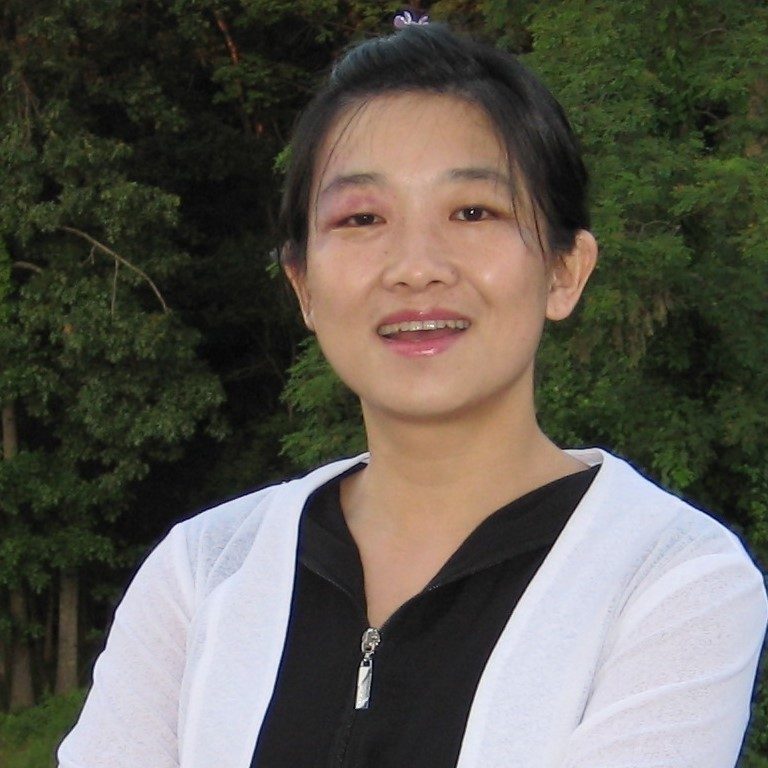
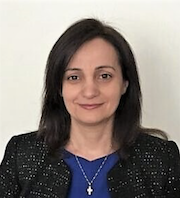
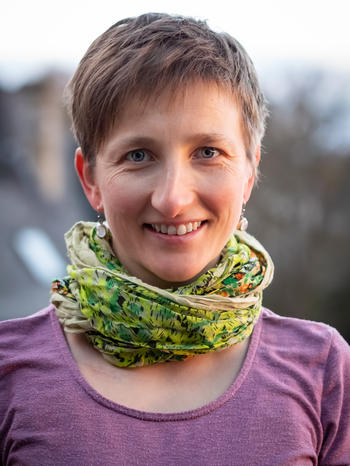
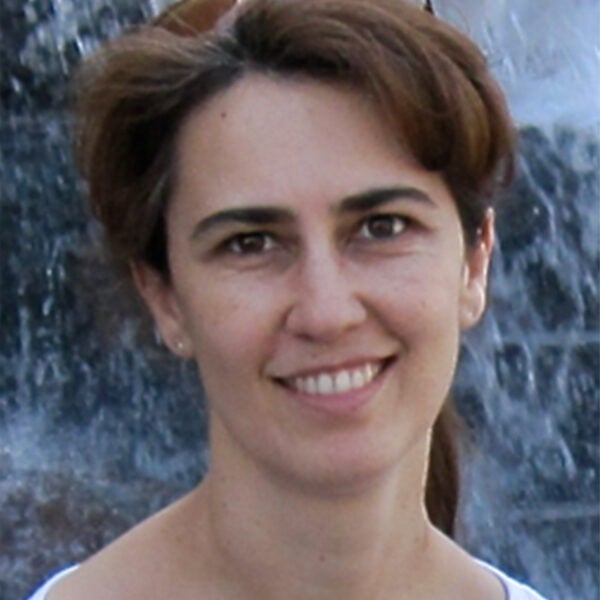
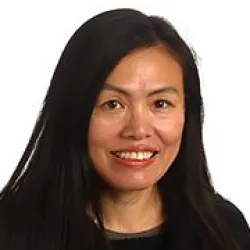
Guanghua Xiao is a Professor at the O'Donnell School of Public Health with secondary appointments in the Departments of Bioinformatics and Biomedical Engineering at UT Southwestern Medical Center. His work focuses on developing computational models and algorithms for big data analysis in biomedical contexts, particularly for predicting patient outcomes and treatment responses.
Dr. Matteo Degiacomi is a Visiting Associate Professor in the Department of Physics at Durham University. His research focuses on integrative computational methods combining machine learning and molecular dynamics simulations to model biomolecular systems at near-atomistic resolution. Education: MSc in Computer Science (2008), PhD in computational biophysics (2012) from EPFL. His work leverages ion mobility , cross-linking , SAXS , and electron microscopy data to study protein assembly mechanisms. Recent publications highlight applications in virology , nanomaterials , and membrane protein dynamics . He develops open-source tools like ClayCode and JabberDock . Scientific awards include a Swiss National Science Foundation Early Postdoc Mobility Fellowship (2013-2017) and an EPSRC Junior Research Fellowship (2017-2020). He supervises postgraduate researchers Ajeeth Kanagarajan , Breanna Voss , and Listra Ginting .
Phil Bates is an Associate Professor at Washington State University (WSU), affiliated with the College of Agricultural, Human, and Natural Resource Sciences (CAHNRS) and the Department of Plant Sciences. His research focuses on plant lipid metabolism, specifically understanding fatty acid flux dynamics in storage and membrane lipids across diverse plant species such as Arabidopsis, soybean, canola, and Physaria fendleri. He employs biochemical, genetic, and omics approaches, including isotopic tracing, to identify metabolic bottlenecks and engineer designer oils for food, biofuel, and industrial applications. Bates holds a Ph.D. from Michigan State University (2008). His work emphasizes interdisciplinary collaboration, with recent projects involving the Danforth Plant Science Center and the University of Alberta. He leads the Bates Lipid Lab, which investigates lipid remodeling mechanisms, stress responses, and metabolic reprogramming in oilseeds. Research interests include optimizing oilseed traits for biotechnological use, developing analytical methods for lipid quantification, and elucidating gene regulation in lipid biosynthesis pathways. His lab’s discoveries, such as the TAG remodeling mechanism in Physaria fendleri, advance efforts to produce industrially valuable oils with tailored fatty acid compositions. Despite no explicitly listed awards, his contributions to plant lipidomics and metabolic engineering are widely recognized in peer-reviewed journals. His outreach includes maintaining an active Bluesky profile and lab Facebook group, highlighting the lab’s scientific missions and challenges in lipid research.
Liqing Zhang is a Professor in the Department of Computer Science at Virginia Polytechnic Institute and State University (Virginia Tech), part of the College of Engineering. His research focuses on bioinformatics, data analytics, and machine learning applications in genomics and environmental science. He holds a Ph.D. in molecular evolution from the University of California, Irvine, and a B.S. in biochemistry from Lanzhou University, China. His work emphasizes antibiotic resistance gene analysis, metagenomic data processing, and predictive modeling for environmental and public health challenges. Notable contributions include developing computational tools like CIWARS for antibiotic resistance surveillance and MetaCompare for risk assessment. His research also explores viral genomics, wastewater-based epidemiology, and interdisciplinary approaches to microbiome-related diseases. Zhang’s publications span 2025 to 2017, with recent work addressing antibiotic resistance tracking in wastewater, machine learning-driven pathogen identification, and multi-omics integration for Alzheimer’s prediction. He collaborates on projects involving microbial ecology, environmental health risks, and computational infrastructure for bioinformatics workflows.
Gabriel Loeb, MD, PhD is an Assistant Professor at the University of California, San Francisco (UCSF) School of Medicine , where he operates as a physician-scientist specializing in genetic kidney diseases . His research integrates human genetics , genomics , and novel kidney disease models to identify molecular mechanisms in chronic kidney disease and Autosomal Dominant Polycystic Kidney Disease (ADPKD). Clinically, he focuses on familial and genetic kidney disease care at the UCSF Nephrology Faculty Practice . Education BS in Biology (2005), Stanford University MD (2015), Cornell PhD in Immunology (2015), Cornell/Rockefeller/Sloan Kettering Internal Medicine Residency (2018), Brigham and Women's Hospital/Harvard Medical School Nephrology Fellowship (2021), UCSF Research Interests center on leveraging human genetic variation to decode kidney disease mechanisms, with a focus on ADPKD and tubule epithelial regulatory elements . His work explores cell type-specific genomics , polycystin channel function , and urine multiomics for non-invasive diagnostics. Recent Publications highlight advancements in ADPKD mechanistic understanding , urine-based liquid biopsies , and genomic deep learning model limitations . Key journals include Nature Genetics , Nature Communications , and bioRxiv . Grants & Programs Laboratory for Genomics Research Innovation Award (2024–2025) Physician Scientist Scholars Program, UCSF (2021–2026)
Peter Sestoft is a Professor at the IT University of Copenhagen (ITU), leading the Computer Science Department since 2017. His primary roles include academic leadership, research in programming languages and software engineering, and teaching. He holds a PhD in Computer Science from the University of Copenhagen (1991) and has held academic positions at institutions like the Royal Veterinary and Agricultural University and the Technical University of Denmark before joining ITU in 1999. His research focuses on programming languages, functional and managed object-oriented languages, parallel programming, compilers, and spreadsheet implementation technologies. He has developed influential tools like the C5 Generic Collection Library for C# and Moscow ML, a Standard ML implementation. His work on Funcalc and Corecalc advanced spreadsheet technology with user-defined functions and efficient recalculation algorithms. Key contributions include over 30 publications, including books on programming language concepts and Java/C# syntax. He has led major research projects such as 'Popular Parallel Programming' (P3) and 'Probabli' for actuarial calculations. His academic service includes roles on national grant committees and international conference organizing committees. Notable advising includes PhD students like Andrzej Wasowski (ITU Professor) and David Christiansen (Director of Haskell Foundation). His work has been recognized through grants exceeding 25 million DKK and collaborations with institutions like Microsoft Research and Harvard University.
Maria Luisa Savo Sardaro is a Researcher at Northwestern University, holding a PhD in Genetics from Tuscia University (Italy). She also serves as an Assistant Professor in Food Microbiology at San Raffaele University in Rome and completed a Postdoctoral Research Fellowship at Parma University. Her research focuses on the impact of fermented and non-fermented foods on gut microbiota composition, particularly linking microbiota evolution to human health outcomes. She specializes in molecular biology and microbiological techniques for pathogen and fermentative bacteria identification, with an emphasis on probiotic and prebiotic applications in food systems. Education: PhD in Genetics, Tuscia University (Italy) Postdoctoral Fellowship, Parma University Research Interests: Maria Luisa investigates microbial dynamics in fermented foods, gut microbiota interactions, and their implications for health. Her work integrates molecular diagnostics, metagenomics, and food science to advance understanding of probiotic efficacy and fermentation processes. Current projects include studying microbiome diversity in animal populations and developing rapid screening methods for beneficial bacterial strains. Publications: Over 13 peer-reviewed articles since 2016, covering topics like microbial community analysis, fermentation optimization, and prebiotic effects. Her work bridges fundamental microbiology with applied food science, addressing both ecological and clinical questions. Grants and Advising: No specific grants or advising roles listed in the provided text. She collaborates with institutions globally on microbiology and food safety initiatives. Labs/Teams: Affiliated with Northwestern’s Anthropology department research groups, though her primary lab work occurs at Parma University and San Raffaele University. Active member of interdisciplinary teams studying food microbiology and human health intersections.
Diane M. Beckles is an Associate Professor in the Department of Plant Sciences at the University of California, Davis. She is also an Associate Postharvest Biochemist, focusing on how pre- and postharvest environmental factors influence fruit and cereal quality and yield. Her research employs a multidisciplinary approach, integrating biochemistry, molecular biology, transcriptomics, metabolomics, and applied physics/chemistry. Her work has included genetic diversity studies of Coffea canephora in Nigeria, reclassifying coffee genotypes through genotyping-by-sequencing. Key research areas include abiotic stress tolerance in crops (e.g., chilling injury in fruits like tomato, pineapple, and cucumber), root system architecture under nitrogen deficiency, and postharvest storage technologies. She leads the Diane Beckles Lab, which explores starch metabolism, gene editing applications, and crop improvement. Recent publications emphasize genome-wide association studies (GWAS) for disease resistance and stress tolerance in cucumber, methylome/transcriptome analyses in tomato, and wild emmer wheat introgression for nitrogen tolerance. Her work bridges fundamental plant biology with applied agricultural solutions to reduce postharvest losses and enhance crop resilience.
Lydia Herzel is an Assistant Professor in the Department of Biochemistry at the Freie Universität Berlin, affiliated with the Department of Biology, Chemistry, Pharmacy. Her research focuses on RNA dynamics, particularly mRNA regulation in fungi and bacteria, combining biochemistry, bioinformatics, and molecular biology. She leads the Herzel Group, which explores co-transcriptional RNA regulation and its impact on gene expression outcomes. The group employs advanced RNA sequencing and biochemical techniques to study transcriptome diversity and regulatory mechanisms. Her work spans topics such as RNA splicing, mRNA decay, and the interplay between transcription and post-transcriptional processes. Key areas include understanding how regulatory mechanisms influence fungal pathogenesis (e.g., Candida albicans) and bacterial gene expression. She collaborates on projects involving synthetic biology, codon usage, and functional genomics. Recent studies highlight her group’s contributions to understanding spliceosome function in morphogenesis and the development of novel clathrin inhibitors. She actively mentors students, including Javier Callís Creus, a former bachelor’s thesis student. The lab seeks motivated researchers interested in integrating biochemistry, microbiology, and bioinformatics. Her research has been published in high-impact journals such as Nature Reviews Molecular Cell Biology , Nucleic Acids Research , and mBio . Her work bridges fundamental biology with biomedical applications, aiming to translate regulatory insights into therapeutic strategies.
Dr. Asolina Braun is a Senior Research Fellow at the Department of Biochemistry & Molecular Biology, Monash University. She actively supervises PhD students and contributes to research in Skin Immunology Psoriasis Pathogenesis Immunopeptidomics Tissue-Resident Memory T Cells . Education : Biology, Hannover Medical School Doctoral Degree in Immunology (Hannover Medical School, Germany, 2011–2014) Postdoctoral Fellowship with Francis Carbone and Thomas Gebhardt (Germany, 2014–2018) Research Focus : Her work explores HLA-Cw6-dependent antigen presentation and TRM cell survival factors in psoriasis, aiming to develop tolerization strategies for autoinflammatory skin diseases. She also pioneered tactile science communication methods for psoriasis outreach. Key Projects : Leading Psoriasis Antigen Triggers (2023–2025) Investigating Influenza Immune Cross-Protection (2024–2027) Validating HLA-Cw6 Antigen Presentation (2020–2022) Awards & Roles : DFG Fellowship Treasurer, Australian and New Zealand Society for Immunology (2018–2022) Executive Committee Member Collaborations span institutions in Australia, Germany, and Denmark, with expertise in flow cytometry , mass spectrometry , and MHC-peptide interactions .
Mihaela Pertea, PhD, is an Associate Professor in the Department of Biomedical Engineering at Johns Hopkins University, with affiliations in Genetic Medicine and the Computer Science department. She leads the Pertea Lab, focusing on computational methods for analyzing genomic and transcriptomic data to understand cellular function, particularly in gene finding, alternative splicing, and RNA-seq analysis. Her work integrates machine learning and statistical techniques to improve gene annotation and maintain genomic catalogues. Education: PhD in Computer Science (Johns Hopkins University, 2001); multiple degrees from University of Bucharest (BS in Psychology, BS and MS in Computer Science). Affiliations: Center for Computational Biology at Johns Hopkins. Research interests include developing algorithms for transcriptome assembly, splice site prediction (e.g., Splam tool), and tools like StringTie for RNA-seq analysis. Her lab’s work has contributed to genome projects of malaria parasites, nematodes, and other pathogens. Recent achievements include an AIMBE College of Fellows recognition (2025) and innovations in AI-driven gene splicing analysis. Publications span over 70 peer-reviewed articles, emphasizing computational biology tools and genomic studies. Notable collaborations include work on the ENCODE project and genome sequencing of Plasmodium falciparum. Her lab’s tools (e.g., CHESS, GFF Utilities) are widely used in genomic research.
Andres Salumets is a Professor of Reproductive Medicine at the Department of Clinical Science, Intervention and Technology, Karolinska Institutet. His research focuses on molecular mechanisms underlying reproductive health, including endometrial biology, assisted reproduction technologies, and environmental influences on fertility. He leads studies on uterine fluid extracellular vesicles, genomic analysis of reproductive disorders, and the impact of endocrine disruptors on reproductive tissues. Salumets collaborates with multidisciplinary teams to translate findings into clinical applications, such as improving non-invasive prenatal testing (NIPT) and developing probiotics for male reproductive health. His work integrates cutting-edge technologies like AI-driven histology analysis, single-cell RNA sequencing, and genome-wide association studies (GWAS). Key research areas include polycystic ovary syndrome (PCOS), endometriosis, and recurrent implantation failure (RIF). Recent studies explore phthalate effects on endometrial cells and novel therapies for breast cancer using natural extracts. Salumets' research bridges basic science with clinical practice, aiming to enhance assisted reproduction outcomes and address global infertility challenges.
Associate Professor Jean (Jiayu) Wen holds positions at The Australian National University (ANU), including Group Leader of The Wen Group, ARC Future Fellow, and Deputy Director of The Shine-Dalgarno Centre for RNA Innovation. She specializes in computational and molecular biology, focusing on RNA regulation, gene expression, and cancer genomics. Her affiliations include ANU’s Division of Genome Sciences and Cancer, and the Centre for Computational Biomedical Sciences. Education: BEng in Electronic Engineering (Beijing), MSc in Computer Science (Lakehead University), PhD in Computational Biology (ANU). Postdoctoral training at Copenhagen University and Memorial Sloan-Kettering Cancer Center. Research interests span RNA structures, microRNA biogenesis, transcriptome dynamics, and epigenetic regulation. Her work addresses intragenomic conflicts, cancer mechanisms, and neural development. Notable projects include RNA-based machine learning models for RNA-RNA interactions and immune cell differentiation studies. Publications highlight contributions to RNA interference pathways, tumor development, and Drosophila genetics. Awards include the ARC Future Fellowship. She leads interdisciplinary teams advancing computational and experimental approaches in genomics and systems biology.
Prof Scott Keogh is a Professor in Evolutionary Biology at the Australian National University (ANU), affiliated with the Division of Ecology & Evolution within the Research School of Biology. He holds leadership roles such as former Head of Division (2012–2019, 2023) and Interim Director of the Research School of Biology (2020–2021). His research focuses on evolutionary processes in reptiles and amphibians, particularly molecular phylogenetics, comparative biology, and conservation. He has supervised 15 PhD students, 15 honours students, and hosted multiple postdoctoral researchers through his lab, which emphasizes interdisciplinary approaches and fieldwork. Keogh completed his BS at the University of Illinois (1991), MS at Illinois State University (1993), and PhD at the University of Sydney (1997). He joined ANU in 1998 after an Australian Research Council Postdoctoral Fellowship. His lab’s research spans four core areas: molecular phylogenetics, comparative evolutionary biology, behavioral ecology, and conservation biology. Notable projects include studies on Australian blindsnakes, skinks, pythons, and frogs, with a focus on arid zone species and conservation genetics. His research has addressed topics like morphological evolution in reptiles, the impact of climate change on biodiversity, and the genetic basis of reproductive strategies. He has secured grants for projects such as the conservation of the Southern Corroboree Frog and studies on Australian frog phylogeography. His lab actively collaborates internationally and uses cutting-edge genomic tools for species delimitation and conservation planning. Keogh’s work has led to over 174 publications and 7625 citations, with recent studies emphasizing phylogenomics, niche conservatism, and invasive species biology. His lab’s activities are detailed on their website, which includes Twitter feeds and awards won by lab members. He advocates for rigorous taxonomy and genomic approaches to address the biodiversity crisis.
Prof Alison Rodger is a Professor in the Research School of Chemistry at The Australian National University, where she leads research in biophysical spectroscopy. Formerly at Macquarie University (2017–2024) and the University of Warwick (1990s–2017), she specializes in developing advanced spectroscopic techniques for biomacromolecule analysis. Her work integrates circular dichroism, linear dichroism, and Raman methods to study nucleic acids, proteins, and membrane systems. She co-directs the ARC-funded Industrial Transformation Training Centre in Facilitated Advancement of Australia’s Bioactives (FAAB) and runs an open-access biophysical spectroscopy lab. Key awards include Fellowships from the Australian Academy of Science (2021) and Royal Society of Chemistry (2000), and recognition in the Analytical Science Power List (2015). Education: BSc, PhD, DSc (Sydney University) MA (Oxford) DSc (Warwick) BA (Chester) Research Interests: Development of polarized-light spectroscopies for biomacromolecule analysis, including electronic/circular dichroism, Raman spectroscopy, and hybrid techniques. Applications span protein-DNA interactions, membrane biophysics, and biopharmaceutical characterization. She invented five spectroscopic techniques, including micro-volume Couette flow linear dichroism and fluorescence-detected linear dichroism. Awards & Roles: Fellow of the Australian Academy of Science Fellow of the Royal Society of Chemistry Emeritus Professor (University of Warwick) Recipient of Science Teachers of NSW Dedicated Service Award Consultant to European Science Foundation CASPER project Advising & Grants: Supervises PhD students in interdisciplinary biophysical chemistry. Led the EPSRC-funded Molecular Organisation and Assembly in Cells DTC at Warwick. Currently co-directs the ARC FAAB Centre, focusing on bioactive product characterization. Labs & Collaborations: Operates an open-access biophysical spectroscopy lab supporting academic and commercial users. Collaborations span mathematics, medicine, and engineering, with projects on DNA knotting, antimicrobial peptides, and nanomaterials for biosensing.