Aleksandar Antanasijevic is a Tenure Track Assistant Professor at the School of Life Sciences (SV) at EPFL, leading the Antanasijevic Lab focused on Virology and Structural Immunology. His research integrates structural biology, computational methods, and immunology to design vaccines and antibody therapies against emerging viral pathogens like HIV, influenza, and bunyaviruses. He holds affiliations with the Doctoral Program in Molecular Approaches to Living Organisms and serves on the SV Faculty Council and SV-SSV Teaching Committees. Key research themes include: Development of antiviral antibodies and vaccines for pathogens such as enteroviruses and arenaviruses Structural analysis of immunodominance mechanisms to enhance vaccine efficacy Innovative cryo-electron microscopy techniques for antibody response profiling Teaching responsibilities include courses in Biological Chemistry, Structural Biology, and Scientific Literature Analysis. He supervises 4 doctoral/master's students and collaborates with the EPFL labs in advancing structural immunology methodologies. The lab’s work has led to recent publications in Nature Communications , Science Advances , and eLife .
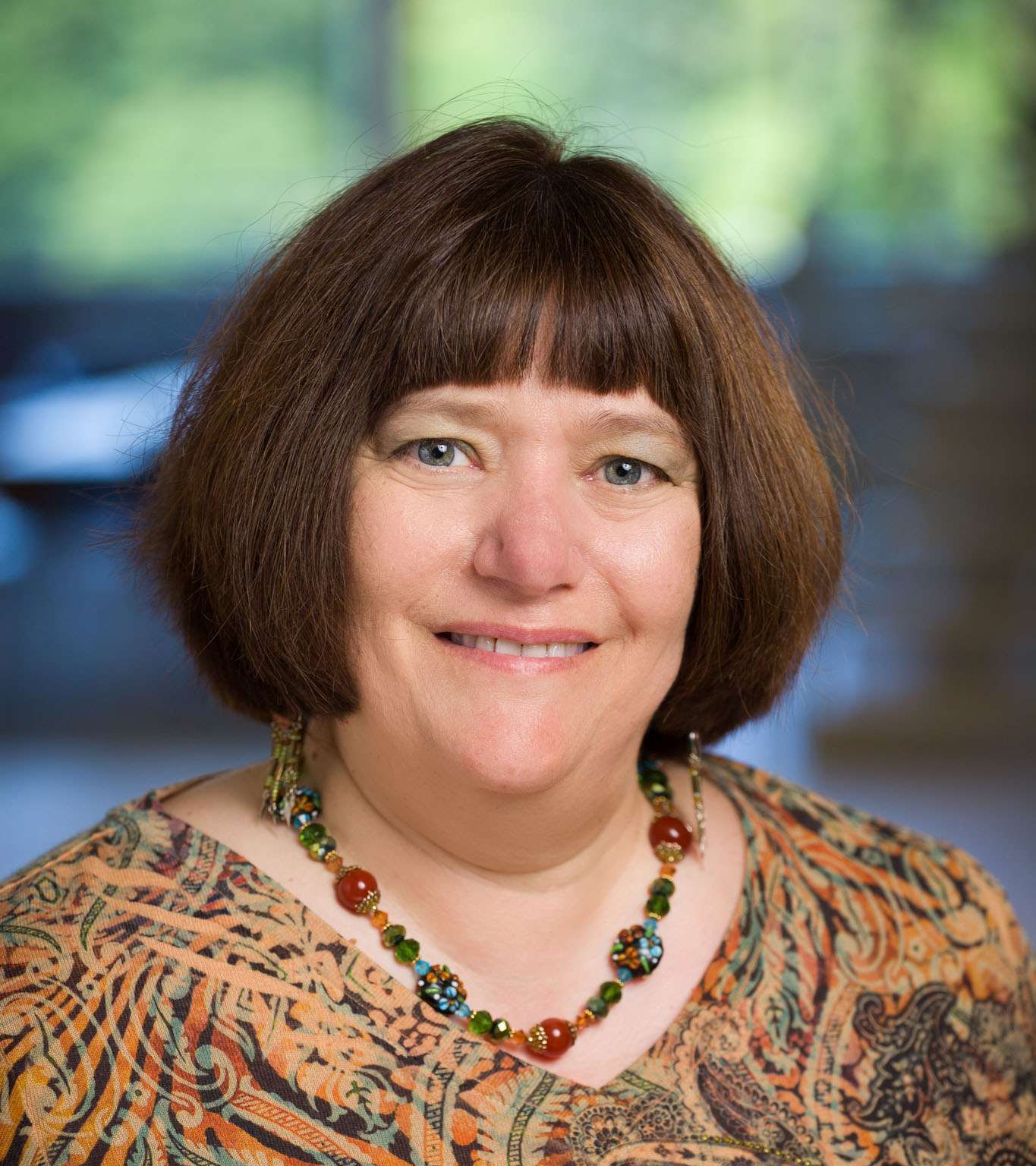
Lisa Ann Cirillo is an Associate Professor in the Department of Cell Biology, Neurobiology and Anatomy (CBNA) at the Medical College of Wisconsin, where she also serves as Assistant Dean for Basic Science Curriculum. Her research focuses on molecular mechanisms underlying liver development and function, particularly the role of chromatin structure in regulating gene expression. She holds a PhD from the University of Illinois at Chicago (1996) and completed postdoctoral training at Brown University and Fox Chase Cancer Center. Her laboratory investigates how forkhead transcription factors like FoxO1 remodel chromatin to enable gene expression critical for liver metabolism and development. Key areas include insulin-regulated genes, hepatic differentiation using human induced pluripotent stem cells, and epigenetic interactions between transcription factors. Techniques employed include chromatin immunoprecipitation, nucleosome analysis, and cellular modeling systems. Dr. Cirillo’s work bridges basic science and clinical application, addressing metabolic disorders and liver pathologies through mechanistic studies of chromatin regulation. Her contributions have advanced understanding of transcription factor cooperation, post-translational modification effects on chromatin binding, and viral-host interactions involving histone dynamics.
Sara Suliman is an Assistant Professor in Residence at the University of California, San Francisco (UCSF), affiliated with the UCSF Center for Tuberculosis Initiatives. Her research focuses on understanding host factors influencing tuberculosis (TB) progression, integrating systems biology approaches like genome-wide association studies and metabolomic profiling. She leads efforts to identify genetic and immunological biomarkers predicting TB risk and treatment outcomes. Her work spans epidemiological studies in high-burden countries (e.g., Peru, Kenya) and translational research on immune profiling technologies. Key collaborations include the Global Forum on Tuberculosis Vaccines and the Coronavirus Standards Working Group. She has published extensively on TB pathogenesis, BCG vaccine mechanisms, and co-infections with SARS-CoV-2. Research Highlights: Discovery of RISK6, a 6-gene transcriptomic signature predicting TB progression Identification of metabolic dysregulation as a TB susceptibility factor Development of age-specific host biosignatures for pediatric TB diagnosis Investigation of viral-TB co-infection dynamics Her team employs cutting-edge single-cell profiling and CRISPR-Cas9 knockout models to dissect immune cell states associated with TB progression. She advocates for community-driven research prioritization and equitable global health solutions.
Andre Catic, M.D., Ph.D., is an Assistant Professor & CPRIT Scholar in Cancer Research at the Huffington Center on Aging, Baylor College of Medicine. He holds a Medical Degree from the University of Ulm (Germany) and a PhD from Harvard University (2006). His research focuses on protein quality control mechanisms regulating gene expression, metabolism, and aging, with applications to cancer and stem cell biology. He leads the Catic Lab, employing techniques such as biochemistry, genome-wide screens, and next-generation sequencing to study proteostasis in health and disease. Education: MD, University of Ulm (1999) PhD, Harvard University (2006) Research Interests: His work investigates how protein degradation pathways influence gene regulation, mitochondrial activity, and blood stem cell aging. Projects include understanding nuclear protein turnover in cancer, proteostasis in myeloid leukemias, and mechanisms linking mRNA decay to hematopoietic aging. The lab utilizes mammalian models, in vivo systems, and advanced techniques like ChIP-seq and metabolic assays. Funding: Current grants include support from NIDDK (R01DK115454) and CPRIT. His lab collaborates with the Dan L Duncan Comprehensive Cancer Center and receives funding from the National Institute on Aging and the Ted Nash Long Life Foundation. Awards: CPRIT Scholar in Cancer Research (2014) Advisees/Grants: Prior roles include Instructor in Medicine at Massachusetts General Hospital (2007–2014) and Post-doctoral training at Harvard Stem Cell Institute and Whitehead Institute/MIT. His lab actively explores translational opportunities to modulate transcription factor turnover for therapeutic intervention in aging-related diseases. Labs/Teams: Primary Investigator of the Catic Lab, affiliated with Baylor’s Molecular and Cellular Biology department and the Huffington Center on Aging. Collaborations span stem cell biology, oncology, and mitochondrial research.
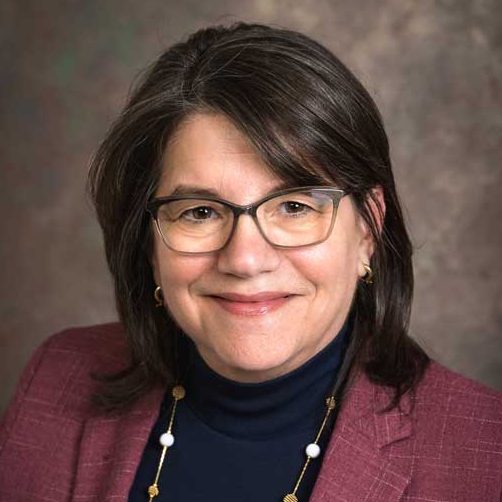
Dr. Altijana Hromić-Jahjefendić serves as Associate Professor and Dean of the Faculty of Engineering and Natural Sciences (FENS) at the International University of Sarajevo, where she leads the Genetics and Bioengineering Department. Her dual role combines academic leadership with active research in molecular and cellular biology, focusing on translational applications in disease mechanisms. Her educational background includes: Ph.D. in Natural Sciences (Dr. rer. nat.) from the University of Graz, Austria (2017) Her research program centers on cancer biology (particularly melanoma and lymphoma) and enzyme biochemistry , with growing emphasis on SARS-CoV-2 pathogenesis and long COVID mechanisms . She employs genomic, proteomic, and biochemical approaches to investigate molecular targets like PRAME/BAP1 in melanoma and nucleocapsid protein in thrombosis. Her work bridges basic science with therapeutic development, evident in studies on benzoxazole derivatives for lymphoma and prebiotics for gut restoration. Analysis of her 2023-2025 publications reveals three dominant research trajectories: (1) viral immunobiology covering variant evolution, immune evasion, and long COVID pathophysiology; (2) cancer genomics focusing on melanoma biomarkers and immunotherapy targets; and (3) biomolecular engineering involving protein hydrogels and hybrid constructs. This interdisciplinary scope spans virology, oncology, and materials science, frequently published in high-impact journals including MDPI series, Nature Scientific Reports, and PLoS One. She currently leads two major initiatives: DeepGreenInno Project : Funded by the European Institute of Innovation and Technology (role: Senior Researcher and IUS Project Coordinator) IVENT Project : Funded by Sarajevo Canton's Ministry of Education, Science, and Youth (role: Project Coordinator) As Dean and lab leader, she oversees interdisciplinary teams investigating the microbiome-autoimmunity interface in post-viral syndromes, novel cancer therapeutics, and protein engineering applications. Her leadership extends to curriculum development and research infrastructure within FENS, positioning her at the nexus of academic administration and cutting-edge biomedical discovery.
Dr. Patrick Naughton is a Senior Lecturer in Medical Microbiology at the School of Biomedical Sciences, Ulster University. He holds academic positions including Course Director for the MSc Biomedical Science and Module Coordinator for Pathophysiology, Biomedical Professional Practice, and Quality Management. With a PhD from the University of Aberdeen (1998), he has extensive postdoctoral experience across institutions in the UK and Denmark. His research focuses on bacterial pathogenicity, antibiotic resistance, probiotics, and biosurfactant applications. He has over 70 publications and serves as a grant reviewer for organizations like the MRC and ANR. Awards include Fellowships from the Institute of Biomedical Science, Royal Society of Biology, and Higher Education Academy. His work bridges fundamental microbiology with clinical and environmental applications, emphasizing antimicrobial strategies and microbial ecology. Education: PhD in Microbiology, University of Aberdeen (1998) Postdoctoral Experience: Rowett Institute (Aberdeen), Foulum Research Centre (Denmark) Teaching: Medical Microbiology, Pathophysiology, Biomedical Professional Practice Research interests span bacterial interactions with diet, Salmonella pathogenesis, and biosurfactant-based therapies. He explores how environmental factors influence microbial behavior, particularly in aquatic and clinical contexts. Recent projects address antibiotic resistance hotspots, probiotic efficacy, and skin-compatible antimicrobial agents. His lab investigates biofilm dynamics and the development of novel antimicrobial solutions. Key awards highlight his contributions to biomedical science education and research, reflecting his dual focus on academic excellence and real-world applications.
Stephanie Reedy is an Agriculture Research Specialist at the University of Kentucky’s Martin-Gatton College of Agriculture, Food and Environment, based at the Gluck Equine Research Center. Her research focuses on equine health, particularly in infectious diseases, immunology, and aging-related physiological changes. Key areas include equine influenza epidemiology, vaccine development, immune responses to vaccination, and hormonal/endocrine dysfunction in aging horses. Reedy contributes to diagnostic methodologies for equine diseases, including antigen detection and serological testing. Her work spans from laboratory-based studies of viral culture and molecular diagnostics to field investigations of disease transmission and vaccine efficacy. She has published extensively on topics such as H3N8 influenza variants, inflamm-aging mechanisms, and the impact of pharmacological agents on immune function. Her involvement with the Gluck Equine Research Center underscores her role in advancing translational research for equine health. While no formal student advisement or awards are listed, her contributions lie in peer-reviewed publications and technical advancements in veterinary diagnostic and immunological research.
Esther Biswas-Fiss is a Professor and Chair in the Department of Medical & Molecular Sciences at the University of Delaware's College of Health Sciences. Her research focuses on genetic variations and their impact on protein function, particularly in inherited retinal diseases and viral oncogenesis. She holds a Ph.D. in Molecular Bioscience from Rutgers University, an M.S. in Biochemistry from the University of Maryland, and a B.S. in Chemistry from the University of Washington. Her laboratory investigates the molecular genetics of inherited macular degeneration, aiming to correlate genetic mutations with disease phenotypes. She also explores the role of genetic variation in HPV-mediated oncogenesis. Key projects include studying ABCA4 protein structure-function relationships and viral DNA replication mechanisms. Recent publications highlight advancements in ABCA4 variant analysis, tick-borne pathogen surveillance, and HPV replication mechanisms. She has pioneered methods like virus-like particles for assessing genetic variant pathogenicity and employs computational tools for in silico modeling of protein interactions. Her work bridges basic molecular research with clinical applications in retinal disease and infectious oncology. Dr. Biswas-Fiss leads the Medical & Molecular Sciences department, overseeing undergraduate and graduate programs in applied molecular biology, medical diagnostics, and biotechnology. Her interdisciplinary approach fosters innovation in both education and translational research.
Rashid Bashir is a Professor at the University of Illinois Urbana-Champaign , holding appointments in Bioengineering , Mechanical Science and Engineering , Electrical and Computer Engineering , and Materials Science and Engineering . He serves as Dean of the Grainger College of Engineering and is affiliated with multiple institutions including the Beckman Institute for Advanced Science and Technology , National Center for Supercomputing Applications (NCSA) , and Coordinated Science Laboratory . Bioengineering Mechanical Science and Engineering Electrical and Computer Engineering Materials Science and Engineering Carl R. Woese Institute for Genomic Biology Molecular and Integrative Physiology His research spans nanoscale and microscale engineering , with a focus on CRISPR-based pathogen detection , nanopore biosensors , point-of-care diagnostics , and biohybrid robotic systems . Recent work includes amplification-free pathogen detection in blood samples and graphene-based multimodal sensors . Key awards include National Academy of Medicine Member (2023), American Academy of Arts and Sciences (2024), AAAS Fellow (2011), AIMBE Fellow (2010), and the AIMBE Professional Impact Award (2021). His work has been highlighted in 16 news outlets and cited in 22 Mendeley readers . He leads the Health Care Engineering Systems Center and Biomedical and Translational Sciences initiatives, driving translational research at the intersection of engineering and biology.
Dr David J Allen is an Associate Professor in Virology at the University of Surrey, affiliated with the School of Veterinary Medicine and the Department of Comparative Biomedical Sciences. He holds a BSc (Hons) in Virology and Immunology from the University of Warwick and a PhD from the London School of Hygiene and Tropical Medicine. His research focuses on RNA virus infections, particularly enteric viruses like norovirus, rotavirus, and hepatitis E virus, as well as emerging pathogens such as Crimean-Congo Hemorrhagic Fever Virus (CCHFV). Dr Allen's work emphasizes molecular epidemiology, virus-host interactions, and diagnostic tool development for low-resource settings. He collaborates with organizations like the World Health Organization and the Global Polio Eradication Initiative. His recent research includes high-resolution melt (HRM) assays for SARS-CoV-2 variant detection and machine learning applications in virology. Teaching includes modules on veterinary medicine and disease pathology. He leads the Allen Laboratory, which explores viral emergence mechanisms and population-level immunity. Notable contributions include studies on norovirus strain evolution, enterovirus circulation dynamics, and poliovirus environmental surveillance in the UK. His publications span 2016–2025, addressing viral diagnostics, outbreak modeling, and global health challenges, with a focus on bridging molecular research and public health impact.
Saurabh Kulkarni serves as Assistant Professor in the Department of Cell Biology at the University of Virginia, holding a courtesy appointment with the Center for Membrane and Cell Physiology. His research integrates quantitative cell biology and functional genomics to investigate cilia assembly mechanisms, centriole biogenesis, and the molecular basis of human birth defects using Xenopus models. The lab employs cutting-edge techniques including super-resolution imaging, CRISPR-Cas9, and biomechanical analysis to address fundamental questions in developmental biology. Dr. Kulkarni completed his Ph.D. in Biology at the University of Cincinnati in 2012 followed by postdoctoral training at Yale University School of Medicine until 2019. His educational trajectory established expertise in molecular developmental biology and quantitative approaches to cellular organization. Research focuses on three interconnected pillars : Cilia Dynamics - Uncovering how cells construct sensory and motile cilia critical for developmental signaling Centriole Regulation - Deciphering cellular mechanisms for counting and positioning centrioles in multiciliated cells Birth Defect Modeling - Using Xenopus to validate genetic variants causing hydrocephalus, congenital heart disease, and respiratory disorders These investigations leverage high-throughput genomics, CRISPR screening, and mechanobiology to bridge basic science with clinical applications for congenital anomalies. Analysis of his 15 most recent publications (2014-2025) reveals evolving emphasis from endocrine signaling in metamorphosis toward cilia/centriole mechanobiology. Key trends include Piezo1-mediated mechanotransduction in centriole scaling, CRISPR-based disease modeling for ciliopathies, and integration of AlphaFold for protein structure prediction. His work consistently connects cellular organelle dynamics to human congenital disorders affecting heart, lung, and brain development. No individual scientific awards or fellowships are documented, though several publications received notable recognition including F1000 recommendations, research highlights, and media coverage across Phys.org and EurekAlert. Dr. Kulkarni mentors graduate students (Angelo Arrigo, Savanna Hinson) and postdoctoral researchers within NIH T-32 funded training programs including Biomedical Sciences and Medical Scientist Training. The lab operates within UVA's Developmental Genomics Center and Child Health Research Center, utilizing resources from multiple institutional affiliations to pursue translational research goals. The Kulkarni Lab maintains state-of-the-art facilities including NIKON AX-R and LEICA SP8 confocal microscopes, custom mechanical stretchers, and microinjection systems. The team employs diverse models from Xenopus embryos to stem cell organoids, supported by computational biology pipelines and collaborations with Inova Health System for clinical translation.
Dr. Max Cryle is a Research Professor in the Department of Biochemistry and Molecular Biology at Monash University, affiliated with the Monash Biomedicine Discovery Institute and EMBL Australia (Victorian Node). He holds an NHMRC Career Development Fellowship and is an associate investigator at the Australian Research Council Centre of Excellence in Advanced Molecular Imaging. His research focuses on glycopeptide antibiotic biosynthesis and developing novel antimicrobial agents through multidisciplinary approaches combining synthetic chemistry, biochemistry, structural biology, and enzyme catalysis. Education: PhD in Chemistry, University of Queensland (2006). Research Interests: Engineering enzymes for non-ribosomal peptide synthesis, crosslinking mechanisms in natural products, and overcoming antibiotic resistance. His group investigates how cytochrome P450 enzymes and other biosynthetic pathways generate complex molecules, with applications in drug discovery. Grants & Projects: Active projects include engineering glycopeptide antibiotic biosynthesis, developing immunotherapies, and leading the ARC Centre of Excellence for Innovations in Peptide and Protein Science. He has secured funding from NHMRC, EMBL Australia, and international collaborations. Awards: NHMRC Career Development Fellowship (2018), Emmy Noether Program (DFG), Human Frontiers Science Program Fellowship. Lab & Collaborations: Collaborates globally on antibiotic resistance and peptide engineering. Supervises students in biochemistry and molecular biology, contributing to over 112 research outputs since 2003.
Gerald Mc Inerney is a Professor at the Department of Microbiology, Tumor and Cell Biology, Karolinska Institutet. He leads the 'Regulation of Gene Expression during Viral Infection' research group, focusing on early interactions between viruses and host cells using alphaviruses and SARS-CoV-2 as models. His work explores cellular pathways like autophagy, stress responses, and interferon systems in viral infections. He is involved in teaching at KI, including courses on immunology, microbiology, and biomedical research programs. His research also contributes to the CoroNAb consortium for developing SARS-CoV-2 neutralizing nanobodies. Research interests include viral-host cell interactions, antiviral mechanisms, and molecular biology. Recent studies highlight SARS-CoV-2 protein interactions, stress granules in neurodegeneration, and antibody responses to viral variants. Mc Inerney’s lab is supported by grants such as the 2024 Swedish Research Council funding for virology research. He holds a Docent degree from Karolinska Institutet (2013). His laboratory is based in Solna, Sweden, and collaborates on projects like alpaca nanobody development and alphavirus replication dynamics.
A. James Link is a Professor of Chemical and Biological Engineering at Princeton University, serving as Director of Graduate Studies. His research focuses on engineering peptides and proteins using bioorthogonal chemistry and lasso peptide systems. Link earned his BSE from Princeton University and PhD from Caltech. His lab investigates antimicrobial lasso peptides, RiPPs, and their applications in drug discovery and molecular machines. Education: BSE (Princeton, 2000), MS (Caltech, 2002), PhD (Caltech, 2006) Affiliations: Andlinger Center for Energy and the Environment, Department of Chemistry, Department of Molecular Biology, Omenn-Darling Bioengineering Institute Research Interests: Protein engineering, lasso peptide biosynthesis, antimicrobial agents, RiPP enzymology Key achievements include developing genome-mining algorithms for lasso peptides and discovering novel compounds like ubonodin. His work bridges chemistry, biology, and engineering to address challenges in health and sustainability. Recent publications highlight advances in lasso peptide structure prediction (LassoPred), anti-thrombosis peptide inhibitors, and RiPP biosynthesis mechanisms. Awards include Sloan and NSF CAREER fellowships. Grants & Awards: Alfred P. Sloan Fellowship (2013-15), DuPont Young Professor (2011), NSF CAREER Award (2010) Lab Activities: Engineering lasso peptides for molecular machines, developing high-throughput screening tools, and exploring RiPP-based antibiotics
Dr. Fabrizio Pennacchio is a Lecturer at the Department of Health Sciences and Technology at ETH Zürich, affiliated with the Professur Angew. Mechanobiologie. His research focuses on mechanobiology, nuclear mechanics, and hematology, particularly investigating the interplay between cellular mechanics, protein interactions, and disease mechanisms. His work explores platelet functionality in hemophilia treatment, nuclear volume regulation, and the role of chromatin condensates in diseases like Kabuki Syndrome. He has developed methods such as N2FXm for studying nuclear-cytoplasmic volume dynamics and employs computational tools to analyze cell migration and mechanosensing. His recent articles highlight trends in recombinant Factor VIII interactions with platelets, nuclear mechanobiology, and the impact of tissue fluidification on cancer immunology. These studies bridge basic science with translational applications in biomedical engineering and clinical hematology. Dr. Pennacchio’s contributions include advancing understanding of mechanical signaling in cells and tissues, with potential implications for therapeutic development and disease modeling.