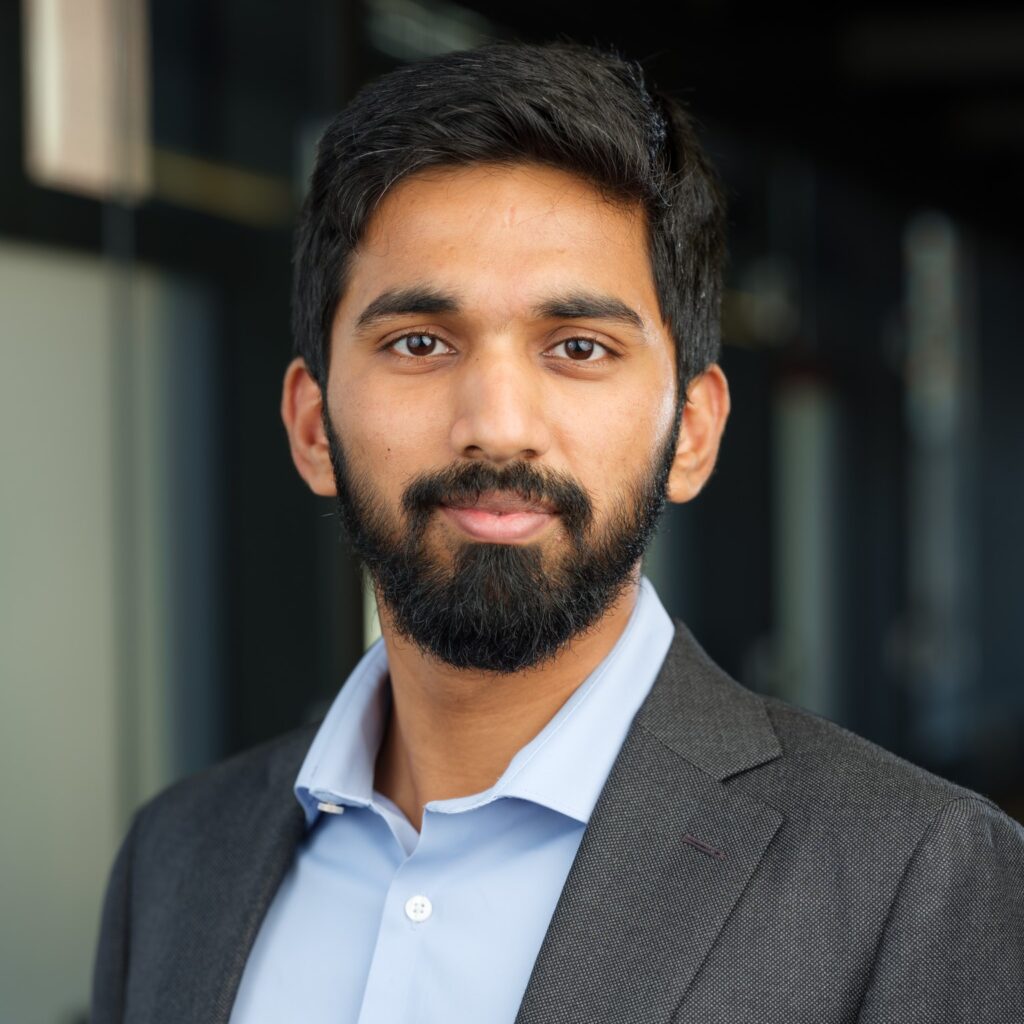
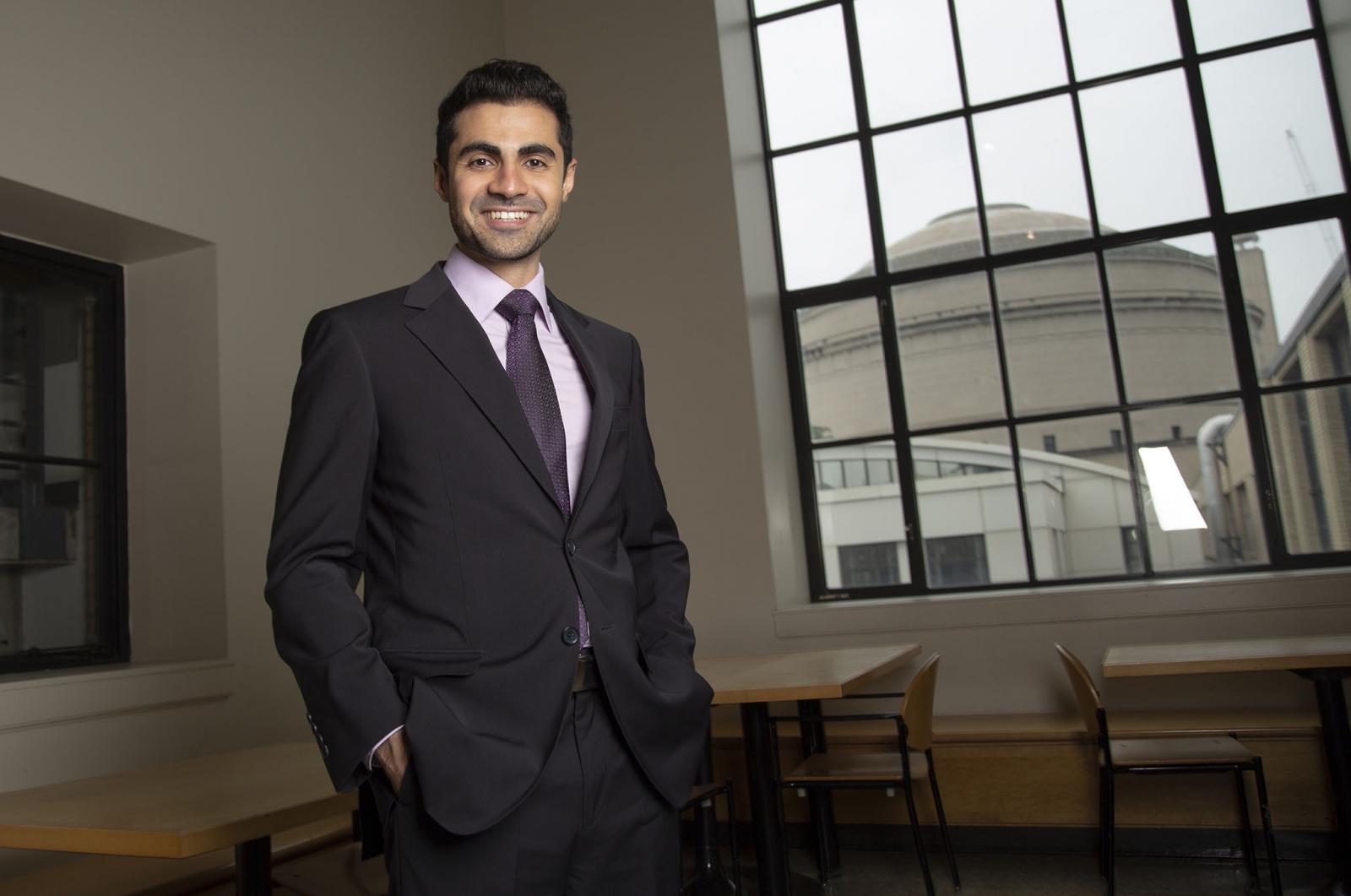
Prof. Michael Moor is a tenure-track Assistant Professor for Medical AI at ETH Zurich's Department of Biosystems Science and Engineering in Basel. Previously, he conducted postdoctoral research at Stanford University under Prof. Jure Leskovec, focusing on medical foundation models. His work spans causal learning, multimodal AI, and sepsis prediction. Moor holds an MD from the University of Basel and a PhD from ETH Zurich's Machine Learning and Computational Biology Lab under Prof. Karsten Borgwardt. Research Interests: Generalist medical AI models Multimodal medical reasoning Zero-shot and few-shot learning Clinical causal inference Retrieval-augmented language models Sepsis prediction systems Key Achievements: Published foundational work in Nature (2023) on generalist medical AI Developed Med-Flamingo multimodal model (2023) Zero-shot causal learning framework accepted to NeurIPS 2023 (Spotlight) International sepsis prediction study with 156k ICU patients (2023) Lab Activities: Leads ETH's Medical Foundation Models group, collaborating with Stanford HAI and NASA Ames. Active in creating medical AI benchmarks like AgentClinic and developing retrieval-augmented systems like Almanac.
Perla Maiolino serves as an Associate Professor in Engineering Science at the University of Oxford and Principal Investigator of the Soft Robotics Lab (SRL) within the Oxford Robotics Institute. Her academic foundation includes BEng, MEng, and PhD degrees in Robotics and Automation from the University of Genoa, where she pioneered CySkin technology for distributed tactile sensing in robots—later exhibited at the Science Museum in London. She expanded her expertise during a 2017-2018 postdoctoral fellowship at Cambridge University's Biologically Inspired Robotics Lab, focusing on soft robotics and tactile perception. Dr. Maiolino's research centers on developing artificial skin systems, soft robotic actuators, and distributed sensing architectures. Her work bridges biological inspiration with engineering innovation to create robots capable of safe human interaction and dexterous manipulation in unstructured environments. Key contributions include compliant beaded-string jamming mechanisms for anthropomorphic fingers, monolithic 3D-printed soft pneumatic arms (JAMMit!), and distributed time-of-flight sensor networks for robotic self-awareness. Recent publications (2024-2025) reveal a strong convergence of tactile sensing with machine learning, featuring optical flow for gesture recognition, diffusion models for artificial skin simulation, and zero-shot sim-to-real transfer techniques. Her team has made significant advances in multi-modal sensing integration, variable stiffness actuation, and scene flow estimation for robots operating in dynamic surroundings. Scientific Awards No specific awards were documented in the provided institutional materials. Advising and Grants While her leadership of the Soft Robotics Lab implies active student supervision and grant management, detailed information about advisees or funded projects was not included in the source documentation. Labs and Teams As Principal Investigator of the Soft Robotics Lab at Oxford Robotics Institute, Dr. Maiolino directs research on tactile perception systems, soft actuation mechanisms, and sensor-integrated robotic structures. The lab's work focuses on applications requiring safe physical interaction, including healthcare robotics and human-robot collaboration scenarios, with emphasis on multi-material 3D printing and embedded sensing technologies.
Dinesh Jayaraman is an Assistant Professor at the University of Pennsylvania, with primary and secondary appointments in the Department of Computer and Information Science (CIS) and Electrical and Systems Engineering (ESE), respectively. He leads the Perception, Action, and Learning (PennPAL) Research Group at the GRASP Laboratory, focusing on interdisciplinary research at the intersection of robotics, machine learning, and computer vision. Research Interests: Robotics, computer vision, reinforcement learning, and autonomous systems. Recent Publications: His work explores vision-language models for robotic tool use, symmetry-based control acceleration, articulated object modeling, and in-context learning frameworks. Awards: Recipient of the 2022 NSF CAREER Award for innovative contributions to robotics and AI. Teaching: Co-teaching a robot-learning seminar (CIS 7000/ESE 6800) with Antonio Loquercio in Spring 2025. Students: Advising PhD candidates including Edward Hu, Arjun Krishna, and co-advised students with Osbert Bastani, Vijay Kumar, and Rajeev Alur.
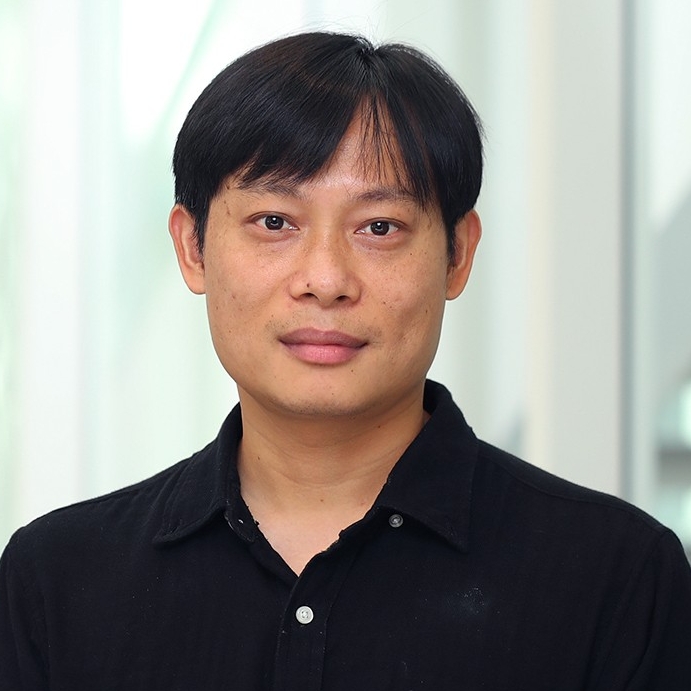
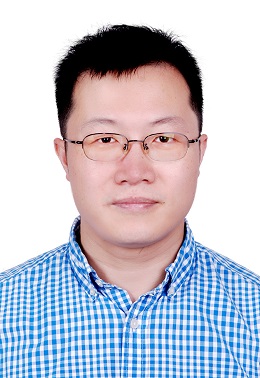
Yi Fang is an Associate Professor of Computer Engineering and an affiliated Associate Professor of Computer Science at New York University Abu Dhabi (NYUAD), and a Global Network Associate Professor at NYU Tandon. He is a core faculty member in the Division of Engineering, specializing in Electrical and Computer Engineering. His research is centered at the intersection of Embodied AI, Robotics, and AI-driven assistive technologies, with strong support from agencies such as the US NSF, UAE ADEK, and ASPIRE. PhD, Purdue University Yi Fang's research interests span 3D Computer Vision, Multimedia Processing, Machine Learning, Deep Learning, and Embodied AI . He focuses on AI-driven perception, learning, and real-world applications, particularly in engineering, medicine, and accessibility. His lab, the Embodied AI and Robotics (AIR) Lab, develops intelligent robotic systems that integrate perception, learning, and decision-making to solve complex societal challenges. His work emphasizes large-scale visual computing, deep visual learning, and cross-domain/multimodal foundation models , with recent innovations in assistive AI for the Deaf and Hard-of-Hearing community. The 15 most recent publications reflect a consistent focus on 3D vision, sketch-based 3D retrieval, point cloud learning, and assistive computer vision . His work leverages deep learning, adversarial training, metric learning, and generative models to bridge modalities such as sketches, depth images, and 3D models. There is a clear trend toward cross-modal understanding, unsupervised representation learning, and real-world assistive applications , especially for visually impaired individuals. Yi Fang actively contributes to the academic community as an Area Chair for top-tier conferences including CVPR, ECCV, ICCV, IJCAI, and IROS. He also serves in peer review and mentoring roles, shaping the future of AI and robotics research. As a dedicated educator, he teaches foundational and advanced courses such as Computer Vision, Applied Machine Learning, Data Structures, and Capstone Design . He mentors students through research seminars and honors projects, fostering innovation and technical excellence. His research is supported by major grants from US NSF, UAE ADEK, and ASPIRE, enabling high-impact interdisciplinary collaborations. He founded and directs the Embodied AI and Robotics (AIR) Lab at NYU Abu Dhabi, a dedicated research space for developing intelligent systems that seamlessly integrate perception, learning, and decision-making. The lab promotes interdisciplinary collaboration across engineering, medicine, and social sciences, advancing the frontiers of Embodied AI.
Danica Kragic is a Professor of Computer Science at the School of Electrical Engineering and Computer Science at the Royal Institute of Technology (KTH) in Stockholm, Sweden. She serves as the Director of the Centre for Autonomous Systems and leads the Robotics, Perception and Learning Lab at KTH. Her research focuses on advancing robotics capabilities through computer vision and machine learning approaches. MSc in Mechanical Engineering from the Technical University of Rijeka, Croatia (1995) PhD in Computer Science from KTH (2001) Professor Kragic's research primarily centers on robotics, computer vision, and machine learning, with particular emphasis on robotic manipulation, grasp planning, and human-robot interaction. Her work bridges theoretical foundations with practical applications, exploring how robots can understand and interact with objects in complex environments. She investigates how visual and tactile sensing can be integrated to improve robotic perception and manipulation capabilities, with applications ranging from industrial automation to assistive robotics. Her recent publications demonstrate a strong focus on advanced grasp planning techniques, tactile sensing for manipulation, and mathematical representations for robotic control. Kragic's research shows increasing integration of machine learning approaches with traditional robotics frameworks, particularly in the areas of grasp synthesis, object recognition, and human-robot collaboration. Her work spans theoretical contributions in mathematical representations of grasps to practical implementations of robotic systems capable of adapting to novel objects and situations. 2007 IEEE Robotics and Automation Society Early Academic Career Award IEEE Fellow ERC Starting Grant (2012) Member of The Royal Swedish Academy of Sciences Member of The Royal Swedish Academy of Engineering Sciences Honorary Doctorate from Lappeenranta University of Technology Professor Kragic's research has been supported by major funding bodies including the EU, Knut and Alice Wallenberg Foundation, Swedish Foundation for Strategic Research, and Swedish Research Council. While specific student names aren't listed in the provided information, her publication record suggests extensive mentorship of PhD students and postdoctoral researchers in robotics and computer vision. Her lab, the Robotics, Perception and Learning Lab, serves as a hub for interdisciplinary research connecting computer science, engineering, and cognitive science perspectives on robotic systems. As Director of the Centre for Autonomous Systems at KTH, Kragic oversees a major research initiative focused on advancing autonomous technologies. Her Robotics, Perception and Learning Lab brings together researchers working on visual perception, machine learning, and robotic manipulation, with particular emphasis on developing systems that can understand and interact with objects in unstructured environments. The lab's work spans theoretical foundations of robotic manipulation to practical implementations of systems capable of learning from experience.
Dr. Herb Lin is the Hank J. Holland Fellow in Cyber Policy and Security at the Hoover Institution and Senior Research Scholar for Cyber Policy and Security at the Center for International Security and Cooperation (CISAC), both at Stanford University. He also serves as Chief Scientist, Emeritus for the Computer Science and Telecommunications Board of the National Academies, where he worked from 1990 to 2014, and as Adjunct Senior Research Scholar and Senior Fellow in Cybersecurity at Columbia University's Saltzman Institute for War and Peace Studies. Dr. Lin received his doctorate in physics from MIT, providing him with a strong technical foundation that informs his policy work at the intersection of technology and national security. His academic background bridges the gap between deep technical understanding and policy application in the cybersecurity domain. Dr. Lin's research focuses on the policy dimensions of cybersecurity and cyberspace, with particular emphasis on offensive cyber operations as instruments of national policy, information warfare, and influence operations affecting national security. His work addresses critical challenges at the intersection of emerging technologies like artificial intelligence, quantum computing, and their implications for nuclear security, election integrity, and democratic processes. He has been instrumental in analyzing how cyber capabilities are transforming traditional security paradigms and how policy frameworks must adapt to these changes. His extensive publication record reveals a consistent focus on the evolving relationship between cyber capabilities and national security strategy. Lin's work demonstrates increasing attention to the implications of artificial intelligence for warfare, the vulnerabilities created by quantum computing for current cryptographic systems, and the growing threat of cyber-enabled information warfare to democratic institutions. His research trajectory shows a progression from traditional cybersecurity issues toward the broader implications of digital technologies for national and international security. Member of Science and Security Board of Bulletin of the Atomic Scientists Served on President Obama's Commission on Enhancing National Cybersecurity (2016) Regular congressional testimony on cybersecurity matters Contributor to Stanford Emerging Technology Review As a mentor and collaborator, Dr. Lin works extensively with policymakers, military officials, and technology experts to translate complex cybersecurity concepts into actionable policy recommendations. His approach emphasizes practical solutions to emerging threats while recognizing the technical limitations and policy constraints that shape real-world security outcomes. Dr. Lin is associated with multiple research initiatives including Stanford's Center for International Security and Cooperation and the Stanford Emerging Technology Review, which aim to connect technological advances with policy considerations for national security decision-makers.
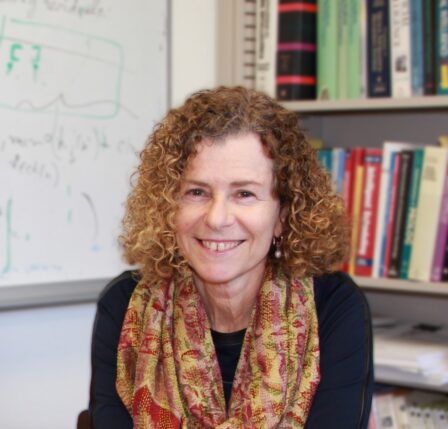
Rina Dechter is a Professor of Computer Science at the University of California, Irvine (UCI), affiliated with the Donald Bren School of Information and Computer Sciences (ICS). She specializes in automated reasoning, probabilistic and constraint-based graphical models, and causal inference. Dechter has held leadership roles, including Co-Editor-in-Chief of Artificial Intelligence since 2011 and editorial board memberships in journals such as the Constraint Journal and Journal of Machine Learning Research . Education : Ph.D., Computer Science, University of California, Los Angeles (UCLA) M.S., Applied Mathematics, Weizmann Institute B.S., Mathematics and Statistics, Hebrew University of Jerusalem Research Interests : Dechter’s work focuses on computational aspects of automated reasoning, constraint processing, probabilistic reasoning, and causal inference. She develops efficient algorithms for graphical models, emphasizing tractable reasoning tasks and anytime search strategies. Her recent projects include causal decision-making frameworks funded by a $5M NSF grant. Awards : Presidential Young Investigator Award (1991) AAAI Fellow (1994) ACP Research Excellence Award (2007) ACM Fellow (2013) Elected to the American Academy of Arts & Sciences (2025) Grants & Collaborations : She leads a multi-institutional NSF-funded project on causal foundations of AI decision-making. Her work emphasizes trustworthiness in AI through causal models, with applications in robotics and public health.
Christoph Keplinger serves as Managing Director of the Max Planck Institute for Intelligent Systems (MPI-IS) in Stuttgart, Germany, leading the Robotic Materials Department since 2020 and assuming overall institute leadership in 2023. He holds dual academic appointments as Honorary Professor at the University of Stuttgart and Eminent Visiting Professor of Soft Robotics at the University of Colorado Boulder, establishing him as a pivotal figure in bridging fundamental materials science with advanced robotics. His interdisciplinary approach integrates physics, chemistry, and engineering to pioneer breakthroughs in soft robotic systems. Keplinger's academic foundation includes a PhD in Soft Matter Physics from Johannes Kepler University Linz, Austria, followed by postdoctoral research at Harvard University focusing on mechanics and chemistry of soft materials. This unique background enabled his transition into robotics innovation, particularly in electrohydraulic actuation systems. His research program centers on three synergistic pillars: (I) soft robotics development through novel actuator technologies like HASEL artificial muscles; (II) energy capture mechanisms using soft materials; and (III) functional polymers engineered for robotic applications. This work produces transformative hardware that mimics biological functionality, with significant implications for human-robot interaction, medical devices, and sustainable robotics systems. His group employs cutting-edge materials synthesis and characterization techniques to create lifelike robotic components. Analysis of recent publications reveals dominant trends in wearable haptic interfaces, electrohydraulic actuation systems, and tremor-suppression technologies. The research consistently leverages HASEL (Hydraulically Amplified Self-healing Electrostatic) technology to achieve muscle-like performance in soft actuators, with applications spanning from fingertip haptic feedback to underwater manipulation systems. This trajectory demonstrates a clear progression from fundamental material properties toward practical implementations in medical rehabilitation and human augmentation. His exceptional contributions have earned prestigious recognition: 2017 Packard Fellowship for Science and Engineering, awarded for high-impact interdisciplinary research 2021 Alexander von Humboldt Professorship (declined to remain at MPI-IS), Germany's most valuable international research award 2013 EAPromising European Researcher Award from the European Scientific Network for Artificial Muscles As principal investigator, Keplinger leads a dynamic interdisciplinary research group while securing competitive funding for frontier projects. His entrepreneurial vision materialized in 2018 through co-founding Artimus Robotics, where he serves as Chief Science Officer to commercialize HASEL technology. This dual commitment to academic research and industry translation exemplifies his dedication to real-world impact, particularly in creating biodegradable and sustainable soft robotic solutions. The Robotic Materials Department operates state-of-the-art facilities for materials fabrication, robotic integration, and haptic interface development. The team maintains strong collaborations across MPI-IS departments and external institutions including the University of Colorado Boulder, fostering innovation in sustainable robotics through initiatives like biodegradable electrohydraulic actuators. Current projects focus on wearable tremor suppression systems, electrohydraulic locomotion platforms, and energy-autonomous soft robots that address critical challenges in medical rehabilitation and human augmentation.
Yaser Sheikh is an Associate Professor at the Robotics Institute of Carnegie Mellon University (on leave) and Director of the Facebook Reality Lab, Pittsburgh . He holds appointments in the Mechanical Engineering Department and focuses on ' metric telepresence ' for AR/VR interactions. His research spans machine perception , computer vision , computer graphics , and machine learning , with applications in social behavior modeling and dynamic 3D reconstruction. University: Carnegie Mellon University Roles: Associate Professor (Robotics Institute), Director (Facebook Reality Lab) Contact: yaser@cs.cmu.edu, yasers@fb.com Research Interests include: Computer Vision: Pose estimation, 3D reconstruction, camera calibration Computer Graphics: Face/Hand animation, photorealistic rendering Machine Learning: Neural rendering, unsupervised learning for landmark detection AR/VR: Telepresence, immersive social interactions Notable Trends in Publications reveal a focus on real-time pose estimation (e.g., OpenPose), dynamic 3D reconstruction , and codec avatars for VR/AR. Recent works emphasize universal priors and neural rendering for photorealistic avatars. Scientific Awards include: Popular Science’s Best of What’s New Award Honda Initiation Award (2010) Best Paper Awards: WACV (2012), SCA (2010), ICCV THEMIS (2009) Hillman Fellowship for Excellence in Computer Science Research (2004) Advising and Grants: He has advised numerous PhD students (e.g., Hanbyul Joo, Tomas Simon) and received funding from the National Science Foundation , DARPA, and industry partners like Intel , Disney , and Honda . Labs & Teams: Leads the Facebook Reality Lab in Pittsburgh, collaborating with institutions like Carnegie Mellon University and Disney Research.
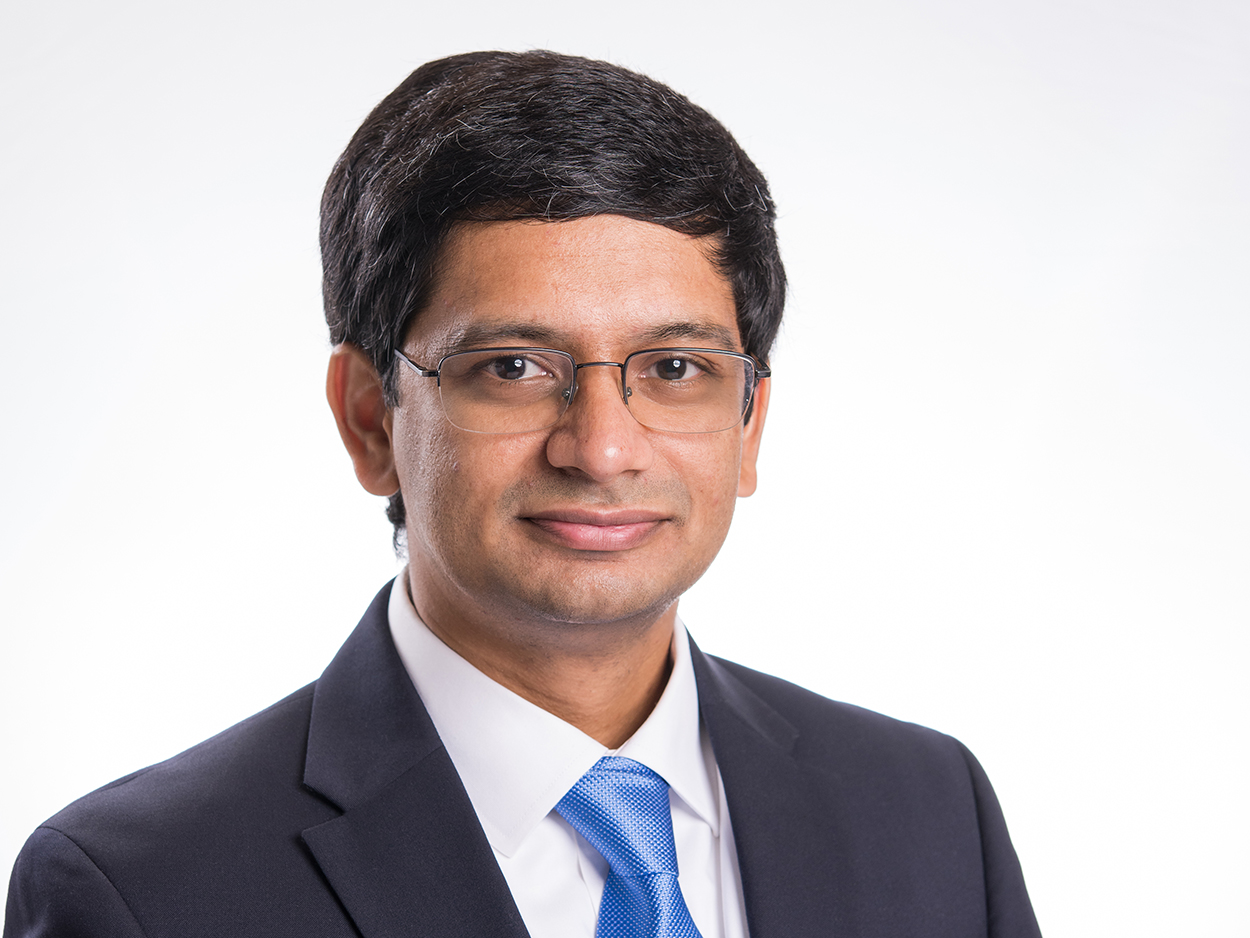
Navid Azizan is the Alfred H. (1929) and Jean M. Hayes Career Development Assistant Professor at Massachusetts Institute of Technology (MIT), holding dual appointments in the Department of Mechanical Engineering (in Control, Instrumentation & Robotics) and the Schwarzman College of Computing's Institute for Data, Systems & Society (IDSS). He is also a Principal Investigator in the Laboratory for Information & Decision Systems (LIDS), and a faculty member of the MIT Statistics and Data Science Center, the Center for Computational Science and Engineering, and the Operations Research Center. Dr. Azizan received his PhD in Computing and Mathematical Sciences from the California Institute of Technology (Caltech) in 2020, his MSc in Electrical Engineering from the University of Southern California in 2015, and his BSc in Electrical Engineering with a minor in Physics from Sharif University of Technology in 2013. Prior to joining MIT, he completed a postdoc at Stanford University's Autonomous Systems Laboratory and was a research scientist intern at Google DeepMind. His research spans the intersection of machine learning, systems and control, mathematical optimization, and network science. Dr. Azizan's work focuses on developing principled learning and optimization algorithms for reliable intelligent systems, with applications to autonomy and sociotechnical systems. His research has significant implications for creating trustworthy AI systems that can operate effectively in complex, uncertain environments. Dr. Azizan's recent publications demonstrate a strong focus on uncertainty quantification, reliable AI systems, constrained optimization, and control-oriented learning. His work bridges theoretical foundations with practical applications, particularly in autonomous systems where safety and reliability are paramount. His research group has made notable contributions to areas including neural network verification, multi-agent reinforcement learning, and adaptive inference techniques for large language models, with several papers featured on MIT News and selected for oral presentations at top conferences. Alfred H. (1929) and Jean M. Hayes Career Development Professorship (2025-present) Frank E. Perkins Award for Excellence in Graduate Advising (2025) List of Outstanding Academic Leaders in Data from the CDO Magazine (2024, 2023) Amazon Science Hub Research Award (2023) Outstanding UROP Faculty Mentor (2023) Esther and Harold E. Edgerton (1927) Career Development Chair (2022-2025) Information Theory and Applications (ITA) Gold Graduation Award (2020) Dr. Azizan has been recognized for his excellence in graduate advising, receiving the Frank E. Perkins Award for Excellence in Graduate Advising in 2025. During the pandemic, he founded and co-organized the 'Control meets Learning' virtual seminar series, connecting researchers across disciplines. His work has attracted significant research funding from industry partners including Google, Amazon, and MathWorks, supporting both fundamental research and practical applications in reliable intelligent systems. The Azizan Lab at MIT brings together researchers from mechanical engineering, computer science, and applied mathematics to tackle challenges at the intersection of learning and control. The lab emphasizes both theoretical foundations and practical implementations, with a particular focus on developing algorithms that provide guarantees of performance and safety. Current research directions include uncertainty quantification in AI systems, constrained optimization for neural networks, and control-oriented learning for autonomous systems, with applications spanning robotics, transportation, and complex sociotechnical systems.
Fei-Fei Li is the Sequoia Capital Professor in Computer Science at Stanford University and Founding Co-Director of the Stanford Institute for Human-Centered AI (HAI). She holds courtesy appointments in the Graduate School of Business and is a Senior Fellow at HAI. Her work bridges AI research with interdisciplinary applications in healthcare, robotics, and policy. Dr. Li pioneered the ImageNet dataset, instrumental in the AI revolution, and co-founded World Labs to advance spatial intelligence and generative AI. Education: B.A. in Physics, Princeton University (1999) Ph.D. in Electrical Engineering, Caltech (2005) Doctorate (Honorary), Harvey Mudd College (2022) Research Interests: AI ethics, computer vision, robotic learning, healthcare applications, and human-AI collaboration. Her teams developed frameworks like MOMA for activity recognition and BEHAVIOR for embodied AI benchmarks. She advocates for diversity in tech and co-founded AI4All to mentor underrepresented students. Key Contributions: ImageNet and ImageNet Challenge Stanford Vision and Learning Lab (SVL) Policy advisory roles for U.S. Senate, UN Secretary-General, and California Governor Labs & Initiatives: Leads the People, AI & Robots Group (PAIR), Partnership in AI-Assisted Care (PAC), and the Human-Centered AI Institute. Her work emphasizes ethical AI deployment and societal impact. Awards: VinFuture Prize (2024), IEEE Fellow, National Academy memberships (Engineering, Medicine, Arts & Sciences), and recognition as one of Time’s AI100 Influencers.
Dr. Zhu Lailai serves as Assistant Professor in the Department of Mechanical Engineering at the National University of Singapore (NUS), appointed in January 2020. His research bridges fundamental fluid mechanics with cutting-edge engineering applications through computational and theoretical approaches. Dr. Zhu holds a PhD from KTH Royal Institute of Technology (Sweden) and completed postdoctoral training at Princeton University. His research program centers on: Low-Reynolds-number fluid-structure interactions and bio-inspired adaptive systems Active matter dynamics (Janus colloids, active droplets, flagella/cilia) Intelligent fluids integrating machine learning for fluid dynamics Microrobotics with reinforcement learning-based chemotactic navigation Non-Newtonian/multiphase flows and microfluidics applications Analysis of his 2017-2025 publications reveals a clear trajectory toward AI-enhanced fluid mechanics, evolving from foundational theoretical models to machine learning integration. Recent work emphasizes foundation models for fluid dynamics prediction and topology-adaptive microrobotic navigation, demonstrating interdisciplinary convergence of physics, AI, and bionics. Scientific Awards: No major scientific awards specified in source materials Advising and Grants: While specific advisees and grants aren't detailed, his active publication record across high-impact journals (Nature Communications, Journal of Fluid Mechanics) indicates ongoing supervised research and likely grant funding through NUS and collaborative projects. Research Group: Dr. Zhu leads a computational/theoretical research team at NUS investigating active and intelligent fluids, with current projects on PCM thermal systems, microrobotic navigation, and active matter phase transitions, collaborating with experimentalists globally.
Prof. Senthold Asseng is a Professor of Digital Agriculture at the Technical University of Munich (TUM), leading the Hans Eisenmann Forum for Agricultural Sciences since 2021. His research focuses on climate-plant-soil systems modeling, addressing global food security, sustainable agriculture, and digital technologies like vertical farming and autonomous robotics. He holds a PhD from Humboldt University Berlin and habilitation from TUM, with prior roles at CSIRO Australia and the University of Florida (as Full Professor and Director of the Florida Climate Institute). His honors include AAAS Fellow, Web of Science Highly Cited Researcher, and multiple teaching/mentorship awards. Education: BSc/MSc in Agronomy & Horticulture, Humboldt University Berlin (1989-1990) PhD in Agronomy, Humboldt University Berlin (1994) Habilitation in Agronomy, TUM (2004) Research Interests: Climate change impacts on crops, digital agriculture technologies, systems analysis for autonomous farming, and vertical farming sustainability. His work integrates modeling, robotics, and environmental control to enhance agricultural resilience and productivity. Awards: AAAS Fellow (2019) Highly Cited Researcher (2019) UF Research Foundation Professor (2016-2019) Grants & Leadership: Led interdisciplinary projects like AgMIP-Wheat, SECC, and FAO advisory roles. Active in editorial roles for journals like Global Change Biology and Environmental Research Letters . Labs/Teams: Chair of Digital Agriculture at TUM, collaborating on projects like Smartfield and Proteins4Singapore , focusing on automation, controlled environment agriculture, and climate-smart solutions.
Ferdinando Fioretto is an Assistant Professor of Computer Science at the University of Virginia, leading the Responsible AI for Science and Engineering (RAISE) group. His research focuses on foundational challenges in AI, privacy, fairness, and the intersection of machine learning and optimization. He holds a dual PhD in Computer Science from the University of Udine and New Mexico State University. Affiliations: University of Virginia (current), Syracuse University (former), Georgia Institute of Technology (postdoc), University of Michigan (research fellow) Education: PhD (Udine & NMSU), B.S. (University of Parma) Research Interests: Machine Learning, Responsible AI, Optimization, Differential Privacy, Algorithmic Fairness. His work emphasizes practical applications in energy systems, court scheduling, and privacy-preserving machine learning. Recent projects include neuro-symbolic diffusion models, fairness-aware optimization, and privacy guarantees in LLMs. Grants & Funding: NSF CAREER Award, Google Faculty Research Award, Amazon Research Award, NVIDIA Academic Grant, and grants from the LaCross Institute and 4-VA. His group collaborates with institutions like George Mason University and Virginia Tech. Key Awards: NSF CAREER (2022), IJCAI Early Career Spotlight (2022), Caspar Bowden PET Award (2022), ACP Early Career Researcher Award (2021) Labs/Teams: RAISE group at UVA, focused on trustworthy AI, fair optimization, and privacy-preserving systems. Active in organizing workshops like NeurIPS Algorithmic Fairness and AAAI Privacy-Preserving AI.
Joydeep Biswas is an Associate Professor in the Computer Science Department at the University of Texas at Austin, where he serves as the Director of the Autonomous Mobile Robotics Laboratory (AMRL). He is also affiliated with Texas Robotics, the UT Machine Learning Laboratory, and UT Good Systems. Previously, he was an Assistant Professor in the College of Information and Computer Sciences at the University of Massachusetts Amherst. Dr. Biswas earned his PhD in Robotics from Carnegie Mellon University in 2014 and his B.Tech in Engineering Physics from the Indian Institute of Technology Bombay in 2008. His educational background has provided him with a strong foundation in both theoretical and applied aspects of robotics and artificial intelligence. Dr. Biswas's research focuses on enabling long-term autonomy for mobile robots operating in human environments. His work spans robot perception, motion planning, control systems, and AI, with the ultimate goal of creating self-sufficient autonomous mobile robots that can perform tasks accurately and robustly in real-world settings. He is particularly interested in perception, planning, and failure recovery for autonomous mobile robots, which supports his vision of having autonomous service mobile robots deployed at campus-to-city scale, both indoors and outdoors, performing assistive tasks over deployments spanning years. His IJCAI 2019 Early Career Spotlight talk summarizes much of his research to date and ongoing interests. His recent research has shown a strong trend toward social navigation, human-robot interaction, and the application of machine learning techniques to robotics problems. There's a clear progression from fundamental robotics research toward more complex, real-world applications that require robots to understand and navigate human social spaces effectively. His work increasingly integrates large language models and other advanced AI techniques with traditional robotics approaches, as evidenced by his recent publications on topics like preference-conditioned navigation, social navigation benchmarks, and instruction-following navigation systems. Dr. Biswas has received numerous prestigious awards including the NSF CAREER Award (2021), J.P. Morgan Faculty Research Award (2019), Amazon Research Award (2019), and a grant from Northrop Grumman Mission Systems (2018). These awards recognize his innovative contributions to the field of robotics and autonomous systems. As a dedicated educator and mentor, Dr. Biswas actively supervises PhD and master's students, with his PhD student Sadegh Rabiee winning the student poster award at the Northrop Grumman University Symposium 2019. He has secured significant grant funding from the National Science Foundation for projects including 'Introspective Perception and Planning for Long-Term Autonomy' and 'Interactive Synthesis and Repair For Robot Programs,' demonstrating his ability to secure competitive research funding and his commitment to advancing the field. Dr. Biswas leads the Autonomous Mobile Robotics Laboratory (AMRL), which serves as a hub for interdisciplinary research in mobile robotics. The lab has developed notable resources such as the UT Campus Object Dataset (CODA) for 3D perception research and SOCIALGYM, a framework for benchmarking social robot navigation. His team regularly deploys robots on the UT Austin campus and in urban environments to test and refine their approaches in realistic settings, bridging the gap between simulation and real-world application.