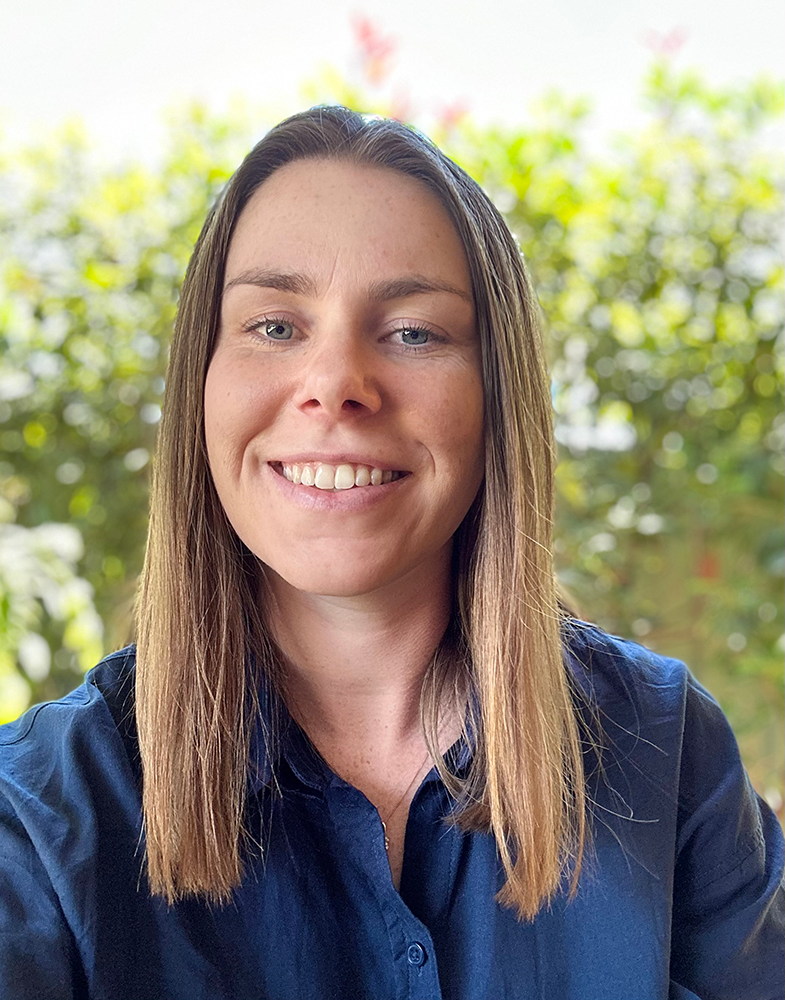
Dr. Emma Lynch is a Lecturer in Ruminant Production at the School of Environmental and Rural Science , University of New England. Her research focuses on evaluating novel feedstuffs and their impacts on ruminant production, meat quality, and sensory attributes. Education PhD in Ruminant Nutrition, Charles Sturt University Bachelor of Animal Science (Hons), Charles Sturt University Research Interests encompass meat science , ruminant nutrition , protein supplementation , and alternative feed sources . Her work investigates how feed composition affects animal performance, nutrient digestibility, and meat quality, with a notable emphasis on canola meal and hemp biomass in ruminant diets. Recent publications highlight trends in feedstuff evaluation , rumen physiology , and meat quality assessment . She employs comparative methodologies (in vivo, in sacco, in vitro) to study digestibility and uses sensory panels to evaluate consumer preferences. Scientific Memberships NSW Branch Secretary, Australian Association of Animal Sciences (AAAS) Australian Intercollegiate Meat Judging Association Contact : elynch20@une.edu.au
Wei Deng is an Associate Professor and Deputy Head of School (Research) in the School of Biomedical Engineering at the University of Technology Sydney (UTS). Her research focuses on cancer nanotechnology, nanobiotechnology, and gene engineering, with significant contributions to radiation-activated chemotherapy (RAC) via liposomes and CRISPR-based therapies. She has pioneered treatments for rectal and breast cancers, including the development of patented RAC systems that reduce chemotherapy toxicity. Her work has led to the founding of biotech startup EosGene Pty Ltd for diabetic retinopathy therapies. Deng holds a PhD from Macquarie University and has attracted over $3.7M in grants from ARC, NHMRC, and Cancer Institute NSW. She leads interdisciplinary teams and contributes to global collaborations, including partnerships with UNSW and HK Winhealth Pharma Group. Her research spans drug/gene delivery systems, CRISPR biosensors, and nanoparticle engineering, emphasizing translational medicine and industrial challenges. Education: PhD in Biomedical Engineering, Macquarie University (Sydney) Leadership Roles: Deputy Head of School, Research; Co-founder of EosGene Pty Ltd Awards: DECRA Fellowship (ARC), Cancer Institute NSW Career Development Fellowship Key Projects: RAC liposomes (Patents US 12036282, Europe 3720422), CRISPR-based pathogen sensors, X-ray triggered PDT platforms Her research bridges nanotechnology and clinical applications, with 62 refereed publications (h-index 26) and 87% in top-tier journals. She actively supervises postgraduate research in CRISPR therapies, CAR T cell engineering, and targeted drug delivery.
Cormac Fay is a Research Fellow in Artificial Intelligence for Smart Cities at the School of Computing and Information Technology (SCIT), University of Wollongong, within the Faculty of Engineering and Information Sciences. His roles include affiliations with the SMART Infrastructure Facility and the ARC Centre of Excellence for Electromaterials Science. Previously, he held positions at Dublin City University, including post-doctoral roles in sensor research and data analytics. He holds a PhD in Engineering from Dublin City University (2013), an M.Eng. in Telecommunications Engineering (2007), and a B.Eng. in Mechatronic Engineering (2005). His research focuses on AI-driven smart city technologies, sensor systems for environmental monitoring, and advanced 3D printing materials. Key areas include IoT-enabled carbon-emission tracking, wearable biomedical devices, and sustainable sensor networks for landfill gas management. He has developed innovative solutions such as cryogenic 3D printing techniques for biocompatible inks and LED-based optical sensing platforms. Dr. Fay has secured grants totaling over $X million, including projects on military diver monitoring, blue carbon ecosystems, and low-cost sensor networks for agriculture and environmental safety. His work integrates interdisciplinary approaches, bridging materials science, biomedical engineering, and environmental engineering. Grants: Led projects on carbon-emission IoT systems, oyster farming sensors, and vibration monitoring. Supervision: Advised a Master's project on biomimetic microfluidic fabrication (2017–2019). Labs/Teams: Collaborates with the SCIT, SMART Infrastructure Facility, and global institutions like École Polytechnique Fédérale de Lausanne.
Dr. Thuc Vo is an Associate Professor in Civil Engineering at La Trobe University, Australia. His expertise lies in structural engineering, composite materials, and machine learning applications. He previously held roles at Northumbria University (UK) and Airbus’ Advanced Composite Training and Development Centre. His research focuses on shear deformation theories for composite structures and machine learning for structural engineering. He has authored over 120 publications in prestigious journals and conferences. Education & Experience: Associate Professor, La Trobe University (2019–present) Senior Lecturer & Program Leader in Civil Engineering, Northumbria University (2013–2019) Lecturer at Airbus’ Advanced Composite Training and Development Centre/Wrexham Glyndwr University (2011–2013) Research Associate, University of Liverpool (2010–2011) Research Interests: Composite material analysis (FGMs, nanoporous materials) Machine learning for structural prediction Vibration and buckling analysis Advanced beam and plate theories Collaboration & Supervision: Offers supervision for masters/PhD students and collaborates on industry projects. His work bridges theoretical mechanics with data-driven approaches, addressing challenges in smart materials and structural optimization.
Harry Al-Wassiti is a Research Fellow in Drug Delivery Disposition & Dynamics at Monash University. He serves as Primary Chief Investigator on multiple research projects focused on mRNA vaccine development and delivery systems, and is an active member of the Monash RNA expert group. His research interests span several key areas in pharmaceutical sciences and vaccine development: mRNA vaccine technology and manufacturing Lipid nanoparticle delivery systems SARS-CoV-2 variants and immune responses Novel vaccine formulations to overcome immune imprinting Gene delivery mechanisms for therapeutic applications PEG-lipid alternatives for mRNA stabilization Dr. Al-Wassiti's recent publications demonstrate a strong focus on advancing mRNA vaccine technology, particularly in developing more effective delivery systems and understanding immune responses. His work bridges fundamental pharmaceutical science with practical vaccine development applications, contributing significantly to pandemic preparedness and response. His research shows particular expertise in how mRNA delivery to lymphoid organs drives immune responses and how membrane-anchored receptor-binding domains can overcome immune imprinting. He has been recognized for his expertise through multiple media contributions in 2021 discussing mRNA vaccine technology, including commentary on vaccine rollout strategies and scientific principles behind mRNA vaccines. His work has been cited in numerous academic publications with several papers receiving double-digit Scopus citations. Dr. Al-Wassiti leads or co-leads several major research initiatives: Next-generation mRNA manufacturing and analysis technologies (2024-2027) Development of novel mRNA products for clinical trials (2023-2028) RaRtech: rapid mRNA manufacturing technology for pandemics (2022-2025) Designing non-viral gene delivery system based on adenovirus core (2016-2018)
Adam Butt is an Associate Professor in the Research School of Finance, Actuarial Studies & Statistics at The Australian National University. His work focuses on actuarial education and retirement income systems, particularly superannuation and financial decision-making. He has held grants from CSIRO Data 61 and the Centre for International Finance and Regulation, examining topics like retirement living standards and superannuation defaults. Education: Bachelor of Commerce (BCom) Master of Health Economics (MHE) Doctor of Philosophy (PhD) Fellow of the Institute of Actuaries of Australia (FIAA) Senior Fellow of the Higher Education Academy (SFHEA) Research Interests: Adam's research explores retirement income design, superannuation systems, investment strategies for retirees, and actuarial education. Recent work includes analyzing age pension means-testing impacts, retirement portfolio optimization, and pandemic-driven investment behavior. Grants & Projects: CSIRO Data 61: Superannuation and retirement living standards analysis CIFR: Default superannuation arrangements study ANU Projects: Includes retirement income strategy design, dynamic programming applications, and actuarial education reviews Advisory Role: Registered to supervise research students in actuarial and financial domains. His work bridges academic research with practical policy implications for retirement systems.
Orlagh Feeney is a Research Fellow and Nanomedicine team lead in the Porter Group at Monash Institute of Pharmaceutical Sciences (MIPS), Monash University. She specializes in advanced drug delivery systems with a focus on cancer and autoimmune diseases, emphasizing translational research derived from her six-year pharmaceutical R&D experience in Ireland. Her research interests include controlling pharmacokinetics, lymphatic exposure, and targeted drug delivery strategies such as active targeting and stromal modification. She leads projects like the 'Role of Hyaluronan in Antigen and Immune Cell Trafficking' and developed disease models for solid cancers and collagen-induced arthritis. Key contributions include studies on polymer nanorod-drug conjugates, intestinal lymphatic drug delivery, and lymphatic targeting of immunotherapies. She co-edited a Molecular Pharmaceutics special issue on Australasian innovations and serves as a peer reviewer. Feeney's work aligns with UN SDGs addressing good health and well-being, leveraging lymphatic pathways to enhance therapeutic efficacy in oncology and autoimmune therapies.
Christina Gertrude Yap is a Senior Lecturer in Metabolic Medicine at the Jeffrey Cheah School of Medicine and Health Sciences (JCSMHS), Monash University Malaysia. She is actively involved in research, teaching, and academic leadership, with a focus on diabetic nephropathy, metabolic disorders, and medical education. She supervises PhD students and leads multiple research projects in diabetes and obesity. PhD in Biomedical Sciences, Monash University (2012) Graduate Certificate in Higher Education, Monash University (2015) Dr. Yap's research centers on identifying early biomarkers for metabolic syndromes, particularly diabetic nephropathy, with a focus on CYP2E1 and other endogenous molecules. Her work integrates proteomics, metabolomics, and animal models to explore pharmacokinetics, xenobiotic interactions, and translational applications. She also investigates teaching and learning methodologies in medical education. Her recent publications (2021–2025) span diabetes, neuroprotection, obesity, and public health, with a strong emphasis on mechanistic studies and clinical translation. Articles explore hippocampal neuroprotection in diabetic rats, social determinants of obesity, and vaccine mechanisms, reflecting a multidisciplinary approach bridging basic science and public health. Scientific awards include: Best Mention Award, 14th Biological Science Congress (2009) Best Presentation Award, 5th World Congress on Diabetes and Metabolism (2014) First Prize and Best Presentation Award, Monash CSJB Research Week and World Congress on Clinical Trials in Diabetes (2017) Seed Grant Award, Monash University (2024) Dr. Yap has been a PhD supervisor since 2011 and is currently accepting new students. She has secured multiple research grants, including active projects on renal protection in type 2 diabetes and anti-obesity effects of natural compounds. Her leadership roles include coordinating physiology and hematology in the MBBS program and serving on the Student Support Committee. She is a member of the Malaysian Scientific Association and the Malaysian Society of Pharmacology & Physiology. She leads a research team focused on metabolic medicine, utilizing advanced analytical techniques and collaborative networks to advance understanding of diabetes and obesity. Her lab integrates molecular biology, animal models, and clinical data to develop early diagnostic tools and therapeutic strategies.
Professor Kalpit Shah is a distinguished Chemical Engineer at RMIT University, serving as Deputy Head of Research & Innovation in the Department of Chemical and Environmental Engineering. He leads strategic research initiatives and industry engagement, fostering innovation in waste-to-energy and resource conversion. His roles include Deputy Director of the ARC Training Centre for Transforming Biosolids and leader of the Bioenergy theme at the TREMS Hub. With 24 years of industry and academic experience, he has pioneered technologies like PYROCO, advancing biosolids to biochar, and secured over $44.5M in funding. His team at the iRWT research group focuses on thermochemical, hydrothermal, and biological processes for circular economy solutions. Supervising 24 HDR students and mentoring researchers, he has authored over 160 journal articles, including 87% in Q1 journals, with an H-index of 44 and 6,213 citations. Research Interests: - Thermochemical conversion of biomass and waste. - Advanced carbon materials (biochar, hydrochar). - Pollutant remediation and PFAS management. - Circular economy and resource recovery. - Bioenergy production and pyrolysis technologies. Key Projects: PYROCO technology for biosolids-to-biochar conversion. ARC Training Centre collaborations on biosolids innovation. Hydrothermal processing of sewage sludge. Development of Ag-modified solvochar for multi-heavy metal removal. Funding & Grants: $44.5M secured over 12 years, including ARC grants, government, and industry partnerships. Collaborations span 28 industry partners and 4 universities nationally. Labs & Teams: Leads the iRWT group at RMIT’s $8M pilot facility, focusing on low-emission processes and circular economy technologies.
Professor Luke Connal is a full professor at the Research School of Chemistry at the Australian National University (ANU), where he leads the Connal Group. He joined ANU in 2017 after serving as a Senior Lecturer at the University of Melbourne. Currently, he holds an ARC mid-career industry fellowship and serves as the chair of the Royal Australian Chemical Institute (RACI) polymer division. Professor Connal is also an associate editor for the Royal Society of Chemistry journal "Molecular Systems Design and Engineering" and co-founder of two spin-out companies focused on polymer technologies. Professor Connal received his Bachelor of Chemical Engineering and PhD in polymer chemistry from the University of Melbourne, Australia. Following his doctoral studies, he completed a post-doctoral position with Professor Frank Caruso at the University of Melbourne, developing new techniques for the self-assembly of polymers. He then held a joint Sir Keith Murdoch postdoctoral Fellowship and Australian Linkage International Fellowship at the University of California, Santa Barbara, working with Professor Craig Hawker. Professor Connal's research focuses on the development of molecular design concepts to create new materials for diverse applications, including artificial skin and tissues, sustainable polymers and surfactants, additive manufacturing electronics, and water harvesting. His core competencies center around advanced polymer design, self-assembly, and catalysis . His group explores four main research themes: Catalysis, Functional Materials and Interfaces, Soft Matter, and Supramolecular Chemistry . They develop innovative materials such as enzyme-inspired polymer catalysts, smart polymers for 3D printing, and polymer electrolytes for energy storage applications. Analysis of Professor Connal's recent publications reveals a strong focus on developing biomimetic materials and responsive polymers. His work bridges fundamental polymer chemistry with practical applications in environmental remediation, healthcare, and sustainable technologies. A notable trend is the increasing emphasis on CO2 capture technologies through enzyme-inspired catalysts and hydrogel systems. His group has also made significant contributions to 3D printing of functional materials , particularly self-healing gels and pH-responsive polymers. The research demonstrates a consistent trajectory toward creating smart, responsive materials with applications addressing global challenges in sustainability and healthcare. David Syme Research Prize (2020) Grimwade Prize in Industrial Chemistry (2019) Professor Connal actively supervises multiple PhD students including Lilian Boton, Jason Buchanan, Sandra Jestin, Saif Rahaman, Peidong Shen, Ming Li Tan, Moki Thanusing, and Jekaterina Viktorova. His current research is supported by several significant grants including projects on sustainable and compostable plastic alternatives, multimaterial 3D printed antenna arrays, developing vitrimers as next-generation reusable plastics, multi-material 3D printing, and smart materials for atmospheric water management. These projects demonstrate his commitment to translating fundamental polymer research into practical solutions for environmental and technological challenges. The Connal Group at ANU operates at the intersection of polymer chemistry and materials science, developing innovative solutions across multiple domains. Their laboratory work focuses on creating new polymers with applications spanning artificial skin development, sustainable packaging alternatives, atmospheric water harvesting, and advanced electronics. The group's unique approach combines biomimicry principles with cutting-edge polymer synthesis techniques to create materials with precisely controlled properties. Current projects include developing strong and self-healing polymer materials for biological applications, expanding 3D printing capabilities for functional materials, creating fully recyclable or compostable plastics, and designing thermoresponsive polymer desiccants for sustainable water harvesting.
Kate Dooley is a Lecturer in Physiotherapy at Charles Sturt University's School of Allied Health, Exercise and Sports Sciences, Orange campus, specializing in musculoskeletal physiotherapy practice. She commenced her academic role in July 2021, teaching third-year students in courses PHS313 and PHS314 while maintaining active clinical research engagement. Her educational qualifications include a Bachelor of Physiotherapy with Honours (BPhysio(Hons)) and a Doctor of Philosophy (PhD) awarded on 15 February 2022. Her doctoral research quantified movement strategy differences in male athletes with historical groin pain during agility running tasks. Dr. Dooley's research centers on sports injury prevention mechanisms, particularly groin and hamstring pathologies in athletes, utilizing advanced biomechanical analysis and functional MRI techniques. She pioneers clinician-driven research translation through the Research In Practice Network (RIPN), addressing implementation barriers between evidence and clinical settings while advancing value-based care frameworks for musculoskeletal conditions. Analysis of her 15 most recent publications (2022-2025) reveals three dominant research trajectories: (1) biomechanical investigations of groin/hamstring injuries using motion capture and functional MRI; (2) development of high-value care consensus statements for musculoskeletal physiotherapy; and (3) methodological innovations in practice-based research networks that empower clinicians as co-researchers. Her work consistently bridges elite sports science with community clinical practice. Scientific recognition includes: Inaugural Change One Thing Award (2023) from Charles Sturt University for integrating LGBTQIA+ content into physiotherapy curricula As a research leader, she co-supervises Honours students and secured US$295k through the 'HAMI' grant (funded by GE Healthcare and NBA Orthopaedics), coordinating multi-site collaborations across six Australian universities. Her grant portfolio emphasizes methodological development in functional MRI and 3D motion capture biomechanics, with ongoing focus on athlete movement strategy analysis. She directs methodological development for the RIPN steering committee—a clinician-researcher partnership generating practice-relevant studies across regional Australia—and leads the 'HAMI' collaboration's functional MRI arm, solving technical challenges in scanning anteromedial thigh structures through industry partnerships with GE Healthcare.
Dr. Ong Yong Sze is a Lecturer at Monash University Malaysia’s School of Pharmacy, specializing in precision oncology and nanomedicine. She holds a PhD in Pharmacology (2019) and a Bachelor of Biomedical Science (2013), both from Universiti Putra Malaysia. Her research focuses on cancer nanomedicine, natural product-based therapeutics, and environmental health risk assessment, with a commitment to developing low-toxicity therapies and addressing environmental pollutants’ health impacts. She has received prestigious awards, including the PeerJ Award for Best Poster (2021) and Oral Presentation Award (2025). Education: PhD in Pharmacology, Universiti Putra Malaysia (2019) Bachelor of Biomedical Science, Universiti Putra Malaysia (2013) Research Interests: Her work bridges nanotechnology, natural pharmacology, and toxicity studies. Key areas include engineering targeted nanoparticle drug delivery systems, exploring plant-derived anticancer compounds, and evaluating environmental pollutants like microplastics. Her interdisciplinary approach aims to enhance therapy precision while ensuring patient safety. Grants & Projects: She leads and collaborates on projects such as Development of a 3D Metastatic Breast Cancer-on-Chip Model (2023–2025) and Engkabang as High-Quality Cosmeceuticals (2023–2026), focusing on drug delivery, gut health, and functional foods. Lab & Teams: Her lab integrates nanomedicine and environmental toxicology, with collaborations spanning Malaysia, Portugal, and Taiwan. She actively organizes workshops on cell culture and drug discovery, furthering academic engagement.
Professor Colin Pouton is Theme Leader for Drug Delivery, Disposition and Dynamics at Monash Institute of Pharmaceutical Sciences. His research spans stem cell applications in drug discovery, mRNA therapeutic delivery systems, and lipid-based formulations. He focuses on differentiating pluripotent stem cells into brain cells for modeling neurodegenerative diseases like Parkinson's and Alzheimer's. His team designs advanced lipid nanoparticle systems for nucleic acid delivery and oral peptide administration. Professor Pouton teaches extensively in Monash's BPharm, MPharm, and BPharm Sci programs, covering virology, biotechnology, and molecular biology. He currently supervises 16 PhD students and contributes to curriculum development. His research has secured multiple grants for mRNA vaccine development, including the Victorian Pre-clinical mRNA Innovation Incubator project. Recent publications explore nanoparticle stabilization strategies and immune response mechanisms in mRNA vaccines.
Professor Benu Adhikari is a faculty member in the School of Science at RMIT University, Australia. He holds honorary positions including Visiting Professor at Jiangnan University (China), Adjunct Professor at Soochow University (China), and Adjunct Distinguished Professor at the China Academy of Agricultural Sciences (Beijing). His research focuses on food engineering, emulsions, encapsulation technologies, biodegradable packaging, and food drying processes. Key projects include developing plant-based dairy alternatives, biodegradable films from agricultural waste, and texture-modified foods for the elderly. He supervises numerous research projects on topics like 3D-printed food from mushroom waste, sodium reduction in food systems, and encapsulation of bioactive compounds. His work integrates advanced materials science, sustainable processing, and food innovation. Professor Adhikari is an editorial board member of Sustainable Food Technology and Drying Technology . Research interests span food engineering fundamentals (rheology, thermal processing), emulsion stability mechanisms, micro/nano encapsulation of heat-sensitive ingredients, and biodegradable packaging development. His lab explores novel applications of plant and algal proteins, lignin-based materials, and AI-driven food supply chains. Over 400+ research outputs highlight contributions to food science, materials engineering, and sustainable technologies. Collaborations with industry and global institutions drive applied research in food safety, nutrition, and circular economy practices. Recent innovations include hemp protein-curcumin conjugates, AI-optimized fresh food logistics systems, and 3D-printed texture-modified foods for dysphagia management. His work addresses global challenges in food security, sustainability, and aging population nutrition through interdisciplinary approaches.
Professor Elil Renganathan is a full-time Professor at Monash University's Jeffrey Cheah School of Medicine and Health Sciences in Malaysia. He is a leading expert in public health and health policy with over three decades of global experience, including extensive leadership roles at the World Health Organization. His work bridges academic research, national policy development, and international health collaboration, particularly within ASEAN and with UN agencies. Education: PhD in Medicine, University of London (Awarded: 1 January 1992) MSc in Clinical Tropical Medicine, University of London (Awarded: 1 September 1987) DTM&H in Tropical Medicine, Royal College of Physicians (Awarded: 1 June 1987) MD in Medicine, University of Bonn, Germany (Awarded: 3 November 1986) His research focuses on strengthening public health systems, health policy formulation, global health diplomacy, and organizational learning. He emphasizes evidence-based governance and strategic planning in health systems, contributing significantly to Malaysia’s national health agenda, including the Health White Paper. His work integrates program evaluation with policy innovation to improve health outcomes across diverse settings. The recent research output reflects a strategic focus on health workforce planning and policy development in Malaysia, indicating a strong orientation toward actionable public health solutions and regional preparedness, especially in the context of public health emergencies in ASEAN. Scientific Awards and Honors: No specific awards listed in the provided text. Professor Renganathan actively advises national and international bodies. He serves as an Independent Director at ProtectHealth Corporation Malaysia, Co-Chair at the Ministry of Health Malaysia, and member of the Advisory Board for the European Global Health Research Institutes Network. He is also a Steering Committee Member at WHO Headquarters. His current research includes leading a policy hub project for public health emergencies in ASEAN, supported by institutional and governmental collaboration. He is involved in high-level policy labs and strategic networks, including collaborations with the Ministry of Health Malaysia, WHO, and ASEAN health sector initiatives, focusing on governance, emergency preparedness, and health diplomacy.