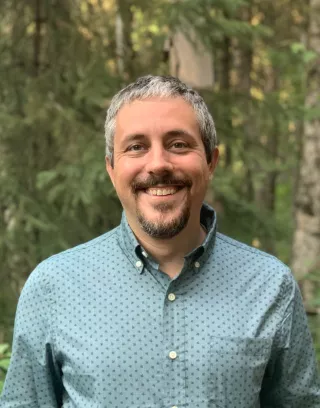
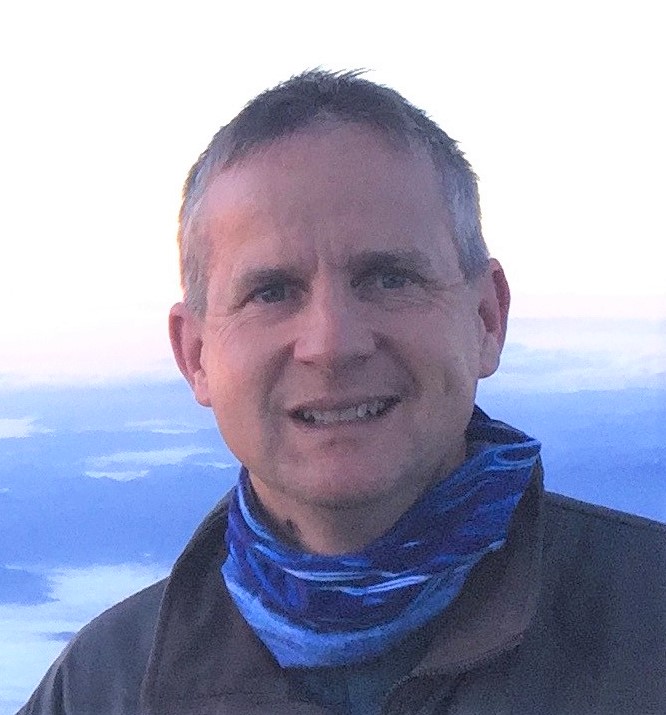
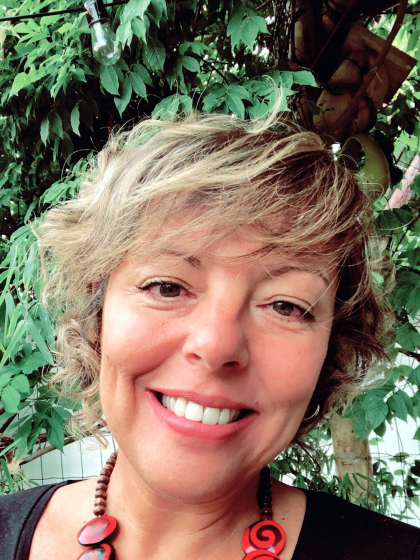
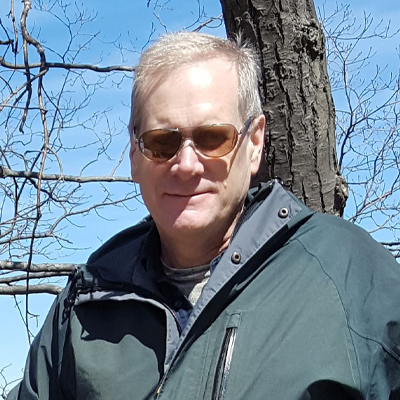
Jörg Bohlmann is a Professor in the Department of Forest and Conservation Sciences at the University of British Columbia , affiliated with the Michael Smith Laboratories, Botany Department (Faculty of Science), and Wine Research Centre. His research spans genomics, biochemistry, and chemical ecology of plant specialized metabolism, focusing on terpenoids and phenolics for applications in forest health and bioproducts. Research Streams : Plant defense against insects/pathogens, metabolic engineering of bioproducts, forest genomics, and molecular evolution of terpenoid pathways. Collaborations : National and international partnerships with academia, government, and biotech industries. Recent Publications highlight genomic insights into Western Redcedar (2023), including its low genetic diversity and adaptation mechanisms despite self-fertilization. Earlier work (2001–2022) covers conifer defense systems, Arabidopsis terpenoid pathways, cannabis flavor genetics, and mass spectrometry infrastructure. Scientific Awards include: NSERC E.W.R. Steacie Fellow (2015), Fellow of the Royal Society of Canada (2015), Feodor Lynen Postdoctoral Fellowship (1995–1998), and Distinguished University Scholar (UBC). Funding Sources : NSERC (Discovery/Strategic grants), CFI, Genome Canada/BC, provincial/federal agencies. Labs & Facilities : Michael Smith Laboratories (UBC), National Centre of Excellence, Forest Sciences Centre, and a dedicated mass spectrometry lab for metabolite analysis.
Philippe Christe is an Associate Professor in the Department of Ecology and Evolution at the University of Lausanne (UNIL), Faculty of Biology and Medicine. His research centers on host-parasite interactions, with a focus on bats, birds, and their ectoparasites, integrating behavioral, physiological, and genetic approaches. He leads the Christe Group, which investigates evolutionary and ecological dynamics in host-parasite systems, particularly avian malaria and bat-mite relationships. He is actively involved in conservation initiatives, including the Jorat Peri-Urban Nature Park, and collaborates with KORA on human-wildlife interactions. Bachelor's degree in biology, UNIL (1989) PhD in Zoology and Animal Ecology, UNIL (1994) Philippe Christe’s research interests lie at the intersection of parasitology, evolutionary ecology, and conservation biology. He investigates how host defenses evolve in response to parasitic pressures, examining trade-offs between immunity and life history traits such as reproduction and survival. His work often integrates field studies with experimental and molecular techniques. Key model systems include Parus major (great tit) and Culex pipiens in avian malaria, and bat species with their ectoparasitic mites. He also explores broader ecological interactions, including predator-prey dynamics and wildlife conservation in human-modified landscapes. His recent publications reflect a strong emphasis on disease ecology, wildlife conservation, and molecular methods. Articles span topics such as avian malaria transmission, lynx population dynamics, snow leopard behavior, and habitat fragmentation effects on insects. These works employ advanced techniques like DNA metabarcoding, spatial modeling, and long-term monitoring, demonstrating a trend toward interdisciplinary, data-driven ecological research with direct conservation applications. Dubois Foundation Prize for an educational CD-Rom on bats (2004) Communication Award from the Faculty of Biology and Medicine of UNIL (2017) Philippe Christe has supervised numerous PhD and Master’s students, contributing significantly to training the next generation of ecologists and evolutionary biologists. His group collaborates widely with institutions such as the Museum of Zoology in Lausanne and KORA, and participates in large-scale conservation projects involving snow leopards, lynx, and bats. He has been involved in research grants related to host-parasite coevolution, wildlife monitoring, and conservation strategies. His leadership in establishing the Jorat Peri-Urban Nature Park and involvement in the UNIL Interdisciplinary Center for Mountain Research highlight his commitment to applied science and environmental stewardship. He leads the Christe Group, which conducts research on host-parasite coevolution, with a focus on bats and their ectoparasites, and birds affected by avian malaria. The group combines fieldwork, laboratory experiments, and molecular analyses, and includes post-docs, PhD students, and technical staff. Collaborations extend to researchers in Bern, Paris, and Spain, fostering an international and interdisciplinary research environment.
Ross Meentemeyer is a Professor and Director of the Center for Geospatial Analytics at North Carolina State University, affiliated with the Department of Forestry and Environmental Resources in the College of Natural Resources. He holds a Ph.D. in Geography from the University of North Carolina, Chapel Hill (2000) and a B.S. in Geography from the University of Georgia (1993). His research focuses on geospatial analytics, ecological forecasting, biological invasions, and forest health, with a strong emphasis on integrating geospatial data and modeling to address environmental challenges. Dr. Meentemeyer's work includes developing decision-support tools for pest management, climate adaptation, and land-use planning. Notable projects involve forecasting invasive species spread via international trade, creating open-source geospatial platforms, and modeling floodplain development risks. He collaborates extensively with federal agencies like USDA, DOI, and NPS to translate research into practical solutions. His grants include multi-million dollar NSF and USDA-funded initiatives addressing plant disease pandemics, agricultural pest threats, and geospatial infrastructure development. Key outcomes include the PAdb system for pandemic prediction and the FUTURES model for urbanization forecasting. He also leads efforts to enhance stakeholder engagement through participatory modeling tools like Tangible Landscape. Research contributions span 20+ years, with over 100 peer-reviewed articles on topics like viewscape modeling, river water dynamics, and wildfire-epidemic interactions. His work bridges ecological and social sciences, emphasizing actionable solutions for sustainable land management and climate resilience.
Ana Maria Velez is an Associate Professor at the Department of Entomology, University of Nebraska-Lincoln. Her research focuses on insect responses to chemical stressors, particularly RNA interference (RNAi) and Bt toxins for pest management. With a 80% research and 20% teaching appointment, she leads the Insect Toxicology Lab and teaches courses like 'Toxins in the Environment' and 'Insecticide Toxicology.' Education: Ph.D. in Entomology, University of Nebraska-Lincoln, 2013 M.S. in Entomology, Universidad Nacional de Colombia, 2009 B.S. in Biology, Pontificia Universidad Javeriana, Colombia, 2006 Her research spans molecular, organismal, and population levels to evaluate transgenic crops and RNAi technologies. Key areas include resistance mechanisms, non-target effects, and risk assessment frameworks. She has extensive publications on western corn rootworm and fall armyworm, emphasizing sustainable pest control. Her work also addresses sublethal impacts on non-target species like monarch butterflies and honeybees. Recent articles highlight RNAi delivery optimization, Bt resistance dynamics, and ecological impacts of insecticides. Her lab collaborates on patents for RNAi-based pest suppression methods targeting chromatin remodeling and developmental genes. Scientific Awards Distinguished Multicultural Alumni (2019) DuPont Young Professor Award (2016) International Congress of Entomology Travel Awards (2016) Widaman Trust Distinguished Graduate Assistant (2011) Milton E. Mohr Teaching Fellowship (2012) The Vélez Arango Lab investigates durability and safety of insect control technologies, with emphasis on RNAi and Bt crops. Their work informs integrated pest management (IPM) systems and regulatory frameworks.
Dr. Jonathan Cale is an Assistant Professor in the Department of Forest Ecology and Management at the University of Northern British Columbia, affiliated with the NRES Graduate Program. His research program merges basic and applied approaches to investigate fungal ecology and forest pathology, focusing on how fungus-tree interactions influence forest health challenges. Specializes in forest fungi roles across disturbance stages: development, impact, and recovery Key interests: emerging forest diseases, climate change impacts on fungi, bark beetle-fungus interactions, chemical defense mechanisms Supervises graduate students in Biology and Forestry (MSc NRES) and serves as a media-contactable expert in Forest Pathology His recent publications address topics such as fungal community dynamics in disturbed forests, chemical defense responses in pines, and bark beetle-fungus coevolutionary mechanisms. No scientific awards are mentioned in the provided text.
Bo Lu is a Professor of Biostatistics and Statistics at The Ohio State University. His research focuses on advancing early detection technologies for forest pathogens and pests using spectroscopy, machine learning, and metabolomics. He specializes in understanding plant defense mechanisms against invasive species and climate-driven disease dynamics. Key research areas include: Non-invasive disease diagnostics via FT-IR/Raman spectroscopy Machine learning applications in plant health monitoring Molecular basis of plant-pathogen interactions Environmental risk modeling for emerging forest diseases Notable projects include developing early detection systems for ash dieback, beech leaf disease, and soybean cyst nematode infestations. His work integrates statistical modeling with biochemical analysis to improve forest biosecurity strategies globally. He advocates for international collaboration in addressing the global forest health crisis through improved diagnostic frameworks and resistance breeding programs.
Darrell Ross is a Professor in Entomology at the School of Natural Resource Sciences , North Dakota State University . Previously, he held professorial roles at Oregon State University in the Department of Forest Ecosystems and Society and served as Director of the Richardson Hall Quarantine Facility from 2006–2019. His academic journey began with a PhD in Entomology from the University of Georgia (1990), an MS in Forest Ecology from Oregon State University (1985), and a BS in Forest Science from Pennsylvania State University (1981). PhD , Entomology, University of Georgia, 1990 MS , Forest Ecology, Oregon State University, 1985 BS , Forest Science, Pennsylvania State University, 1981 Dr. Ross specializes in forest entomology, focusing on bark beetle ecology, pheromone-based management strategies, and biological control of invasive species like the hemlock woolly adelgid. His work integrates chemical ecology with forest health assessment and ecological restoration. His research emphasizes pheromone applications (e.g., MCH) for bark beetle control, predator-prey dynamics in biological control of adelgids, and habitat manipulation for pest management. Recent studies address biodegradable pheromone formulations, predator phenology for invasive species control, and post-outbreak ecological impacts on pollinators. At Oregon State University, he directed the Richardson Hall Quarantine Facility, contributing to large-scale forest protection strategies. Current work at NDSU continues his legacy in integrating chemical signaling with forest ecosystem management.
Professor Owen Lewis is a Professor of Ecology and Tutorial Fellow at Brasenose College, University of Oxford. His research focuses on community ecology and conservation biology, particularly in tropical rainforests, emphasizing biodiversity maintenance, species interactions, and climate change impacts. He holds an MA (Oxford) and PhD (Leeds) and has led the Ecology and Conservation Section in the Department of Biology since 2007. His teaching includes ecology, entomology, and conservation biology across undergraduate years, alongside supervising fourth-year research projects. Lewis organizes annual tropical field courses in Sabah, Malaysian Borneo. His research explores insect-driven ecosystems, invasive species, and human-ecosystem interactions. Notable contributions include studies on parasitoid communities under climate change, ant invasion dynamics, and seed predation in tropical forests. He leads the Community Ecology Research Group, collaborating internationally on biodiversity conservation and ecosystem functioning. His work integrates field experiments, molecular analyses, and ecological modeling to address global environmental challenges. Education: MA in Biological Sciences, St. Hugh's College, Oxford PhD in Population Ecology of Butterflies, University of Leeds Research Interests: Tropical biodiversity, insect-plant interactions, climate change effects, and conservation strategies in modified ecosystems. He prioritizes functional and community-level approaches to understand ecosystem resilience. Publications: Over 100 peer-reviewed articles, with recent focus on experimental climate impacts, food web structures, and invasive species effects. His work bridges theoretical and applied ecology, influencing conservation policies. Awards & Grants: Not explicitly listed, but his leadership roles and extensive publications suggest recognition in ecological research. Advising & Grants: Supervises undergraduate and postgraduate students, coordinates field courses, and secures grants for tropical research. Collaborates with institutions like the Smithsonian Tropical Research Institute and the Natural History Museum (London). Labs & Teams: Heads the Community Ecology Research Group, focusing on tropical forest biodiversity, functional ecology, and conservation biology. The group’s website highlights ongoing projects and international collaborations.
Michelle Leishman is a Professor and Director of the Smart Green Cities Research Centre and Australian Harmony Centre for Ecosystem Futures at Macquarie University's School of Natural Sciences. Her work bridges urban ecology, plant conservation, and climate change adaptation through projects like Which Plant Where (with Hort Innovation), urban greening initiatives (with Sydney Water), and ecosystem restoration (with Botanic Gardens of Sydney). Her research focuses on urban greenspace and plant-environment interactions , particularly invasive species impacts , vegetation responses to climate change , and ecosystem restoration . She has published extensively on topics like urban tree resilience , riparian vegetation recovery , and plant-pathogen dynamics . Her recent work includes biostimulant applications for drought tolerance and myrtle rust susceptibility in Australian flora. Michelle is a Fellow of both the Royal Society of NSW and the Australian Academy of Technological Sciences and Engineering . She received the 2022 NSW Premier's Prize for Biological Sciences and the 2017 BHERT Award for Outstanding Collaboration , reflecting her leadership in applied ecological research.
Joana Falcao Salles is a Professor in the Faculty of Science and Engineering at the University of Groningen, leading the Salles Lab focused on Microbial Community Ecology. Her research integrates ecological and evolutionary theories to understand microbial community formation and their environmental impacts. She holds a PhD from Leiden University (2005) and has held academic positions since 2008. She serves as Treasurer on the Executive Board of the International Society for Microbial Ecology (ISME). Her expertise spans microbial ecology in soils, plants, and animals, with a focus on microbial diversity, invasion dynamics, and symbiotic relationships. Key projects include studying salt marsh microbiomes, plant-microbe interactions in agriculture, and the role of microbiomes in host immunity. She has secured grants for initiatives like PotatoMETAbiome and INSECTFEED, advancing sustainable agriculture and circular economy solutions. Salles has published over 150 peer-reviewed articles, with recent work on microbial solutions to climate change, antibiotic resistance, and gut-brain axis interactions. Her lab collaborates globally, addressing challenges in environmental sustainability and public health.
Dr. Matt Castle is a Researcher affiliated with the University of Cambridge , specializing in interdisciplinary approaches to food security and plant sciences. He serves as the Head of Bioinformatics Training and Head of PSLS Biostatistics Initiative within the Department of Plant Sciences . His work spans multiple domains, including plant disease modelling, infectious disease dynamics, and global governance of food systems. Research Themes: Modelling for Food Security, Plant Disease Modelling, Food Landscapes, Political Economy of Hunger His recent publications highlight expertise in ecological and agricultural modelling, with a focus on: Aflatoxin contamination in maize Urban forest pest dynamics Climate-driven range expansions Size-structured ecosystem resilience While his work intersects with food supply chains, land resources, and health, no specific scientific awards or student advisement details were listed in available public records.
Hannes Schuler is a Tenured Associate Professor of Agricultural and Forest Entomology at the Faculty of Agricultural, Environmental and Food Sciences, Free University of Bozen-Bolzano (UniBZ). His research focuses on the evolutionary ecology of insect pest species, with particular emphasis on host-microbe interactions and symbiont-mediated adaptations. He leads the Schuler Lab and is a member of the Competence Centre for Plant Health at UniBZ. Dr. Schuler's primary research interests include: Evolutionary ecology of insect pest species Microbial symbionts and their impact on host ecology and evolution Population genomics of invasive insect species Sustainable pest management approaches Tripartite interactions between phytoplasma, vectors, and microbiomes His research combines genomic and population genomic approaches with in vivo experiments in laboratory and semi-field settings. Dr. Schuler's lab has made significant contributions to understanding the role of bacterial symbionts in invasion processes, particularly in fruit flies (Rhagoletis species), psyllids, and bark beetles. Recent work has focused on the microbiome of invasive species, symbiont-mediated adaptations, and the development of sustainable pest control strategies that reduce chemical pesticide use. Dr. Schuler has edited a special issue of the journal Insects titled "Insect Symbionts: Evolution and Application," which features 11 publications spanning topics from symbiont-driven seasonal adaptation to Wolbachia-mitochondrial DNA associations. His research has been presented at numerous international conferences including the European Conference of Entomology and the Population Genetics Group Meeting, with recent presentations at CNIE 2025 in Siena covering apricot aphids, olive fly symbionts, and psyllid symbionts. Among his notable achievements: Successful supervision of multiple PhD students including Maja, Juan, and Giulia Calia Securing funding for multiple research projects on insect symbionts and pest management Establishing international collaborations with researchers across Europe Organizing lab activities and mentoring junior researchers Dr. Schuler actively supervises Master's and PhD students, teaches courses on plant protection, theory of scientific method, and plant and livestock health, and maintains an active research program with multiple ongoing projects investigating the role of symbionts in invasion biology and sustainable pest management.
Stephen Teale serves as Professor and Chair of the Department of Environmental Biology at the State University of New York College of Environmental Science and Forestry (SUNY-ESF), located in Illick Hall. His leadership spans academic administration and active research in forest entomology and chemical ecology. Teale's research centers on chemical signaling in forest insects, particularly pheromone systems of invasive species like Sirex noctilio (woodwasp) and Anoplophora glabripennis (Asian longhorn beetle). His work integrates chemical ecology with forest conservation, focusing on invasive species management through pheromone-based detection and biological control. Key themes include cuticular hydrocarbon communication, host-parasitoid interactions, and resin defense mechanisms in conifers. His publications demonstrate consistent expertise in identifying sex pheromones, optimizing chemical lures, and analyzing tri-trophic interactions between insects, fungi, and host trees. His recent publications reveal strong emphasis on invasive cerambycid beetles and siricid woodwasps, with frequent collaborations across North America and China. Notable contributions include the identification of female-produced pheromones in Anoplophora glabripennis and discovery of dual-attractant systems involving Amylostereum areolatum fungi. Research trends show progression from fundamental pheromone chemistry to applied pest management solutions. Teale actively mentors graduate students, currently advising Michaela Fitzgerald (PhD candidate in Environmental & Forest Biology). His teaching portfolio includes Entomology (EFB 352), Chemical Ecology (EFB 412/612), Insect Physiology (FCH 440), and Forest Health (EFB 570). As department chair, he shapes curriculum in forest entomology and chemical ecology. His scholarly impact is evident through 50+ publications since 1981, including the co-edited volume Forest Health: An Integrated Perspective (Cambridge University Press, 2011). Current research continues to address urgent forest health challenges through chemical ecology approaches.
Kathie Therese Hodge is an Associate Professor at Cornell University's School of Integrative Plant Science, specializing in fungal systematics and plant/insect pathogens. She leads the Cornell Plant Pathology Herbarium (CUP), a globally significant biodiversity repository with 300,000+ specimens. Her research focuses on fungal biodiversity, mycotoxin production in food systems, and evolutionary relationships among fungi. She also serves as Associate Director of Teaching for the School. Education: Ph.D. (1998), M.S. (1993) from Cornell University; B.Sc. (1990) from University of Toronto. Teaching includes courses like 'Magical Mushrooms, Mischievous Molds' and field-based 'Mushrooms of Field and Forest,' reaching over 300 undergraduates annually. Research Interests: Fungal classification and evolution Pathogens impacting global food systems Biohybrid robotics using fungal networks Public outreach on mycology Notable Achievements: 2024 Donald C. Burgett Distinguished Advisor Award Recipient of NSF-funded herbarium digitization projects Pioneered Paecilomyces niveus research linking fungal spoilage to patulin contamination Outreach: Leads New York State 'Peck' mushroom foray, maintains the Cornell Mushroom Blog and @cornellfungi Instagram, and advises on mushroom poisoning emergencies.
Lucia Zappalà is a Full Professor of General and Applied Entomology at the University of Catania's Department of Agriculture, Food and Environment (Di3A) since 2020. She serves as University Delegate for International Relations since 2019 and President of the European University Alliance EUNICE since 2024. Her research focuses on Hymenoptera parasitoids, integrated pest management (IPM), and pesticide effects on natural enemies. She is a member of the Italian Entomological Society's Agricultural Entomology section and the Italian National Academy of Entomology. PhD in Agricultural Entomology (University of Naples Federico II, 2001) Postdoctoral fellowship at University of Florida (2003) University of Catania faculty since 2006 Visiting professor at UC Berkeley (2015) Her research spans biological control agent discovery, pesticide risk assessment, and invasive pest management across Mediterranean agroecosystems. She has published over 300 indexed articles (h-index 37) on parasitoid-pest interactions and sustainable control strategies. Recent work examines botanical extract compatibility with natural enemies and essential oil-based plant defenses . She contributes to Phytoparasitica and European Journal of Entomology editorial boards. Scientific awards include a 2003 postdoctoral fellowship. She has served as Principal Investigator for national (FIR, PRIN) and international (FP7, ARIMNET 2) projects, and contributes to EFSA's Plant Health Panel. Her laboratory (Biocontrol Lab, Di3A) conducts applied entomology research on invasive Hemiptera and quarantine pest evaluations .