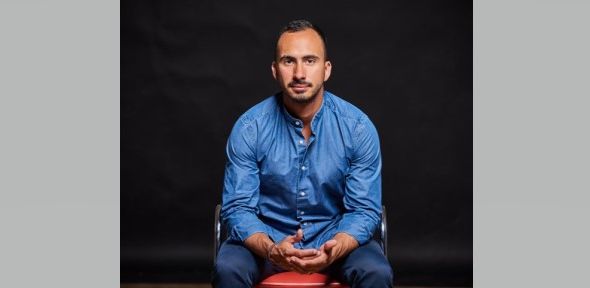
Carlos FonsecaView profile
Assistant Professor
Dr. Carlos Fonseca serves as Assistant Professor in Postcolonial Latin American Literature and Culture at the University of Cambridge's Faculty of Modern and Medieval Languages and Linguistics. He holds dual college appointments as Fellow of Trinity College and College Lecturer at Newnham College, where he contributes to interdisciplinary dialogues on Latin American cultural production through literature, art, and philosophical frameworks. Education: PhD from Princeton University Fonseca's research centers on Caribbean and Central American literary traditions, postcolonial theoretical frameworks, and avant-garde histories. His work critically examines intersections between art history, philosophy, and literary production, with particular focus on eco-humanities approaches to historical catastrophes and archival practices. He investigates how natural disasters and political ruptures become narrative tropes in Latin American cultural expression, emphasizing postcolonial reimaginings of history and identity. His publications reveal a trajectory from historical analyses of Latin American independence movements to contemporary explorations of forensic aesthetics and colonial legacies. The monograph 'The Literature of Catastrophe' establishes foundational eco-historical frameworks, while novels like 'Austral' expand into posthuman ecologies and ethnographic avant-garde traditions, demonstrating consistent engagement with memory, revolution, and postcolonial futurity. Scientific Awards: National Prize of Culture of Costa Rica (Essay Category) for 'La lucidez del miope' Dr. Fonseca actively supervises graduate research, welcoming MPhil and PhD candidates studying Latin American literature, postcolonial theory, and interdisciplinary cultural analysis. His current projects 'The Buried Archive' and 'At the Brink of Dawn' indicate significant research funding in forensic anthropology and postcolonial visual culture, though specific grant details remain undisclosed. He maintains strong institutional engagement through the Centre of Latin American Studies (CLAS). His scholarly activities extend to collaborative networks including the Cambridge Translation Studies Network and Cambridge Language Sciences, where he contributes to cross-disciplinary initiatives in cultural preservation and linguistic diversity.