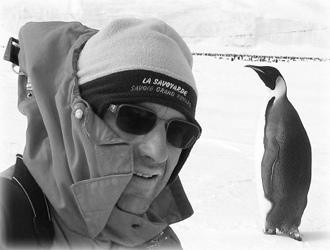
Martin CartwrightView profile
Senior Lecturer
Dr. Martin Cartwright is a Chartered Psychologist and Senior Lecturer at City St George's, University of London, where he serves as Programme Director for the MSc Health Psychology / Psychology & Health and MSc in Health Services Research. He joined City University (now City St George's) in November 2010 after working at University College London. His academic journey includes a PhD from King's College London, an MSc in Health Psychology, and a BSc (Hons) in Psychology, all from Staffordshire University. Dr. Cartwright's research focuses on self-management of long-term conditions (heart failure, diabetes, COPD), quality of life assessment, technology for health (telehealth, telecare, mobile apps), help-seeking behavior, and screening behavior. His methodological approach spans quantitative, qualitative, and systematic review methods. His recent publications (2021-2025) demonstrate a strong focus on digital health interventions, particularly for children with developmental language disorders, diabetic retinopathy screening, and patient deterioration recognition systems. His work shows a clear trajectory toward developing and evaluating complex healthcare interventions that integrate technology with clinical practice. Clinical Doctoral Research Fellow, National Institute of Health Research (2019-present) Member, British Psychological Society Board of Scholars, British Journal of Health Psychology As an educator, Dr. Cartwright leads multiple modules including HRM004 Developing Complex Interventions and PHM004 Social Determinants of Health, and lectures on research methods, epidemiology, and advanced statistics. He chairs the Programme Committee and Staff-Student Liaison Committee for the Health Services Research & Management cluster. His supervision of PhD students spans topics including autism interventions, vocabulary development for children with language disorders, and tools for assessing midwives' clinical skills. His research often involves collaborations with NHS trusts and other academic institutions, particularly evident in his work on diabetic retinopathy screening with the EROS Study Group.