Björn Pasternak is a Research Professor leading the Pharmacoepidemiology group at the Department of Medicine, Solna, Karolinska Institutet. His team specializes in large-scale registry studies focused on adverse drug effects, with research programs in pediatric pharmacoepidemiology, safety of diabetes medications, and rapid assessment of drug safety concerns. The group leverages high-quality epidemiological methods to inform evidence-based clinical decisions. Pasternak's research interests span pharmacoepidemiology, drug safety, diabetes outcomes, cardiovascular risk, and perinatal health. His work utilizes nationwide registries to evaluate real-world drug effects, socioeconomic disparities in treatment, and long-term outcomes of chronic therapies. Key focuses include GLP-1 receptor agonists, SGLT2 inhibitors, antibiotic use in pregnancy, and opioid safety. Recent publications demonstrate strong emphasis on Scandinavian cohort studies of diabetes medications (GLP-1 agonists, SGLT2 inhibitors) and their associations with thyroid cancer, liver events, intestinal obstruction, and cardiovascular/renal outcomes. Other trends include perinatal pharmacovigilance (antibiotics, acid-suppressive drugs) and neurodegenerative risks in athletes.
Susanne Iwarsson is a Professor in Gerontology and Care for Older People at Lund University's Faculty of Medicine, holding the Mary and Seved Ribbing Professorship since 2005. She also serves as Director of the Centre for Ageing and Supportive Environments (CASE) and Coordinator of the Swedish National Graduate School for Competitive Science on Ageing and Health (SWEAH). Her academic journey includes a PhD in Medical Science (1997) and promotions to Associate Professor (1999) and Professor (2003). She has held leadership roles such as Pro-dean of the Faculty of Medicine (2006-2011) and Coordinator of the strategic research area MultiPark (2012-2014). Her research focuses on environmental gerontology, housing accessibility, and proactive ageing strategies. Key contributions include the Housing Enabler assessment tool and studies on ageing populations' participation in society. She has supervised 18 PhD students and 6 licentiates, with ongoing supervision of 4 current PhD candidates. Major projects include the Home, Health and Disability longitudinal study (2002-present) and the UserAge program exploring user participation in ageing research. Awards include the Excellent Teaching Practitioner title (2010) and Doctor Honoris Causa. Her work addresses UN Sustainable Development Goals related to health, sustainable cities, and reduced inequalities. Collaborations span universities in Sweden, Finland, Latvia, and the U.S., with partnerships in healthcare and municipal sectors.
Olof Bälter is a Professor in Computer Science at KTH Royal Institute of Technology, affiliated with the Division of Media Technology and Interaction Design within the School of Electrical Engineering and Computer Science. He is the founder of the Technology-Enhanced Learning research group and holds a focus on learning engineering and human-computer interaction. His research interests center on technology-enhanced learning , question-based learning , learning analytics , AI in education , and inclusive pedagogy . A consistent theme in his work is improving efficiency in education and daily life through digital tools. He developed the Pure Question-Based Learning (Pure QBL) methodology, a digital Socratic approach that enhances student engagement and learning outcomes. His work extends to wellness in education through initiatives like walking seminars, and he investigates digital interventions for mental health, such as online Cognitive Behavioral Therapy (CBT) courses. His recent publications highlight trends in AI-generated educational content , learning efficiency , digital pedagogy , and inclusive course design , with applications in computer science education, language instruction, and global development. His research often employs experimental and data-driven methods, including randomized controlled trials and learning analytics. Teacher of the Year at the Surveying program KTH's Pedagogical Prize Higher Education Hero STINT Excellence in Teaching Scholarship (2008 and 2013) Olof Bälter has supervised numerous courses in programming, computer science, media technology, and learning engineering. He has collaborated with institutions such as Stanford University, Williams College, Region Stockholm, Stockholm University, and organizations like Promobilia and Begripsam. His projects aim to scale effective learning methods globally and make education more accessible and efficient. He leads research on the effectiveness of Pure QBL for students with ADHD and is involved in developing digital tools for health literacy and professional development in Ethiopia and Rwanda. His work bridges theory and practice, aiming to transform educational delivery through innovation and evidence-based design.
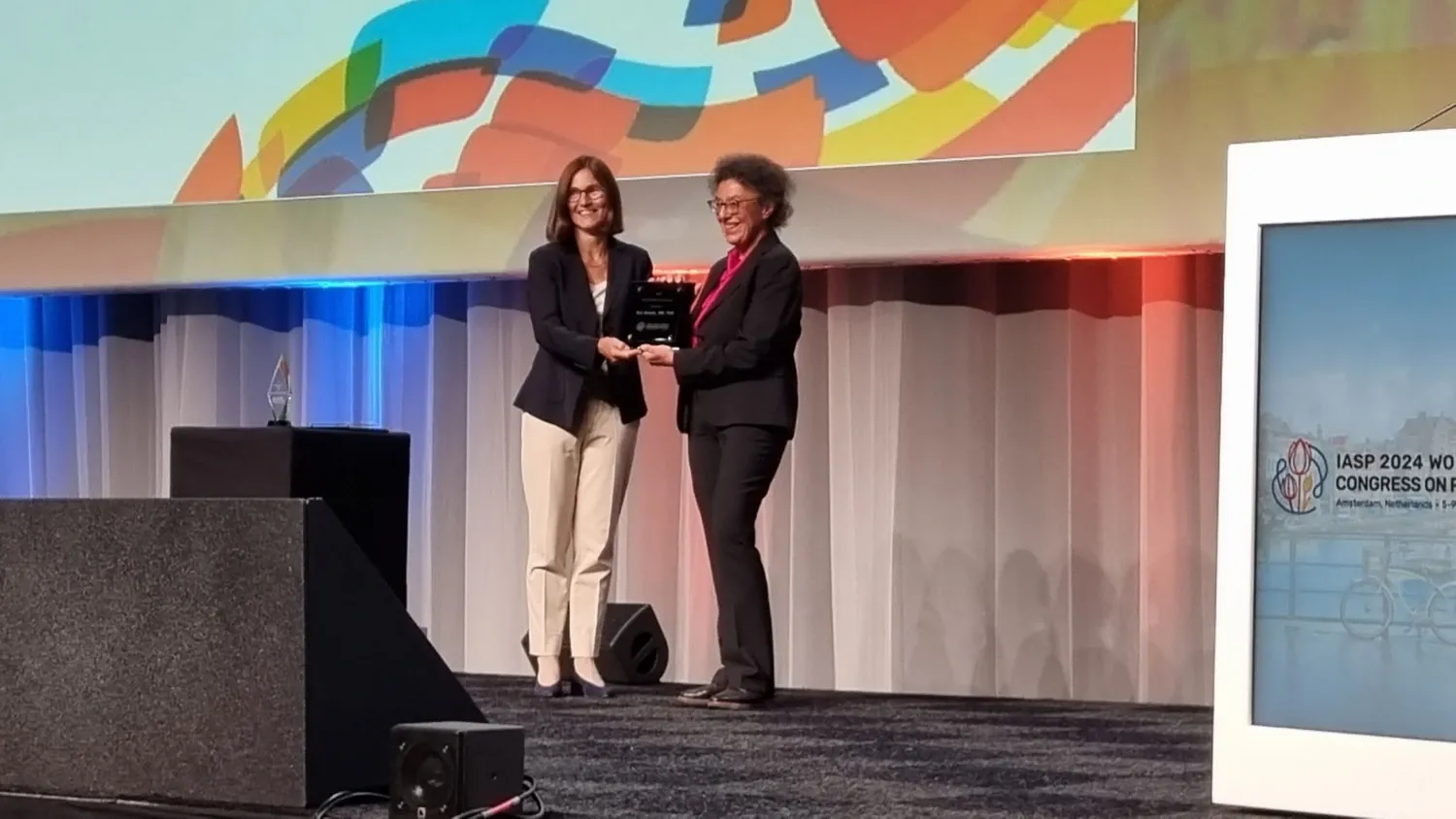
Professor Eva Kosek holds dual academic positions as Professor of Clinical Pain Research at Karolinska Institutet (since 2015) and Uppsala University (since 2020). She is affiliated with the Department of Clinical Neuroscience and leads the Mechanisms of Pain and Treatment Research Group . Her roles include senior consultant at Uppsala University Hospital's Pain Center. Education: MD from Uppsala University (1986), PhD from Karolinska Institutet (1996). Specializations: Rehabilitation Medicine (1998), Pain Relief (2001). Academic promotions: Associate Professor at Karolinska (2004), Full Professor (2015). Research Focus: Chronic pain mechanisms, neuroimmune interactions, fibromyalgia, and autoimmune pathways. Key projects include the RAFT trial (Rituximab for fibromyalgia autoantibody therapy) and the BACPAP consortium for low back pain phenotyping. She chairs IASP's Terminology Task Force, introducing the 'nociplastic pain' concept. Key Contributions: Discovered anti-satellite glial cell IgG antibodies in fibromyalgia patients, linked to symptom severity. Pioneered neuroimaging studies on pain modulation circuits. Authored over 300 publications, with recent work on cerebrospinal fluid biomarkers and lipid metabolite profiles. Awards: 2024 Roland Melzack Lecture Award from IASP. Recognized for redefining pain taxonomy and translational research. Grants: Active funding includes Swedish Research Council grants on fibromyalgia autoimmunity, environmental exposures, and neuroinflammation. Total grants exceed SEK 100M over her career. Labs/Teams: Leads a multidisciplinary team at Karolinska's Pain Research Center, collaborating internationally on translational pain studies. Active in biobanking initiatives like the Swedish Chronic Pain Biobank.
Professor Ian Cousins is a leading researcher in the Department of Environmental Science at Stockholm University, specializing in the study of persistent organic pollutants, particularly per- and polyfluoroalkyl substances (PFAS). With over 200 peer-reviewed publications and recognition as a Highly Cited Researcher in 2018 and 2020, his work has significantly influenced environmental policy and scientific understanding of chemical pollution. BSc (Hons) in Chemistry, University of York (1989) Master's in Environmental Management, University of Surrey (1991) PhD in Environmental Science, Lancaster University (1998) Prof. Cousins' research focuses on the sources, transport, fate, and exposure pathways of contaminants in the environment, with particular emphasis on PFAS. His work combines experimental and modeling approaches to investigate how these persistent chemicals move through ecosystems, with recent studies examining sea spray aerosol transport of PFAS and their global distribution. His research has contributed to understanding PFAS as a planetary boundary issue, demonstrating that environmental contamination by these substances has exceeded safe operating limits. Prof. Cousins' extensive publication record shows a clear trend toward addressing the complex challenges of PFAS pollution, including their environmental behavior, risk assessment methodologies, regulatory frameworks, and the application of the essential-use concept for phasing out non-essential PFAS applications. His work spans fundamental environmental chemistry to policy-relevant research that has directly influenced European environmental decision-making. Highly Cited Researcher (2018, 2020) Listed among 30 EU politicians and professionals with greatest impact on European environmental policy (2023) Associate Editor of Environmental Science and Technology (2020-present) Associate Editor of Environmental Au (2021-present) Prof. Cousins actively supervises master's students focusing on organic pollutants and has coordinated major research projects including PERFORCE3, a Europe-wide doctoral training program on PFAS, and ZeroPM, targeting PFAS and persistent, mobile substances. His research has been supported by multiple European Union Horizon 2020 grants, reflecting the significance and impact of his work on global environmental challenges. He leads a research group that works closely with analytical chemists to better understand the behavior of PFAS and other contaminants, contributing to the development of evidence-based approaches for managing chemical pollution and protecting environmental and human health.
Urban Johnson is a Professor at Halmstad University's School of Health and Welfare, specializing in sports psychology with a focus on sustainable participation in sports, health, and physical activity. His research examines psychological aspects of sports injury (pre- and post-injury) and healthy athletic engagement, particularly through pandemic-era studies of Swedish upper secondary sport students. Johnson's research interests center on: Psychological mechanisms in sports injury rehabilitation and prevention Adolescent athlete mental health and dropout dynamics Pandemic impacts on sport education systems Gender-specific responses to athletic challenges Longitudinal behavioral patterns in youth sports His work integrates qualitative analysis of student-athlete experiences with clinical psychology frameworks. His publication trends reveal intense focus on pandemic-related disruptions (2020-2025), with 12 of 15 recent articles examining COVID-19's impact on student-athletes, teachers, and sports systems. Key thematic clusters include: Sport injury psychology (ACL re-ruptures, prevention) Adolescent mental health during crises Fun/motivation dynamics in youth sports Cross-contextual leadership challenges Johnson actively supervises students at basic, advanced, and doctoral levels while teaching methodology courses. His collaborative projects include the Karolinska Football Injury Cohort Study and consensus statements on sport injury psychology. Current work emphasizes cocreation of injury prevention programs and psychological support services for elite handball.
Vladimir Bastidas is a Senior Lecturer in Competition Law and Head of Department at the Department of Law, Uppsala University. He has held this position since 2013 after previously serving as a Senior Lecturer in Law at Örebro University, with expertise spanning EU competition law, intellectual property, and legal economics. Education: PhD in Law, Stockholm University (2011); Thesis: EU competition law rules on technology transfer agreements His research centers on EU competition law, particularly Articles 106-108 TFEU concerning privileged undertakings, while exploring intersections with intellectual property, healthcare, and digital innovation. He examines state aid law dynamics and economic implications of competition frameworks. Recent publications (2021-2023) reveal a pronounced focus on applying competition law to emerging sectors, including digital ecosystems (Google Android), biotechnology (human genome editing), and algorithmic pricing. His work consistently bridges traditional legal principles with novel technological challenges. Scientific awards: No scientific awards mentioned Advising and grants: No information provided on graduate students advised No research grants documented No laboratory or research team affiliations are specified in available materials.
Sven Bölte is a Professor at Karolinska Institutet where he leads the research group focused on Autism, ADHD and other developmental neurological conditions as part of the Center for Neurodevelopmental Disorders (KIND). His work bridges clinical research, education, and practical implementation of evidence-based approaches for neurodevelopmental conditions. Professor Bölte's research spans multiple domains within neurodevelopmental disorders, with particular emphasis on implementing the International Classification of Functioning, Disability and Health (ICF) Core Sets for autism and ADHD using digital solutions. His group has developed and evaluated social skills training programs (KONTAKT, SKOLKONTAKT, iKONTAKT) for autistic children and adolescents, conducted twin research through the Roots of Autism and ADHD Twin Study in Sweden (RATSS), and advanced diagnostic instruments for autism, ADHD, social cognition, and adaptive behavior. His recent publications reveal a strong focus on translating research into practice, with significant work on strengths-based approaches, social inclusion, neurodiversity-affirmative assessment, and the development of practical tools for clinicians and educators. The research demonstrates increasing attention to adult experiences of autism, cross-cultural validation of interventions, and the integration of digital technology in assessment and intervention. Bölte's group also delivers extensive educational components for professionals through KI-Utbildning (Assignment Education), making it one of the largest providers of training on diagnosis and support for individuals with developmental neurological conditions within Karolinska Institutet. His work frequently addresses policy implications, as evidenced by participation in Swedish parliamentary discussions about autism and ADHD.
Miroslaw Staron is a Professor of Interaction Design and Software Engineering at Chalmers University of Technology. He maintains a unique 50/50 work arrangement, spending half his time on field research at Ericsson while holding his academic position. His research bridges academic theory with industrial practice through collaborations with major companies including Volvo Car Corporation and Volvo Information Technology. His research spans several key areas in software engineering: Software metrics and measurement systems in industry Model driven software development and empirical studies Defect prediction in software projects Requirements engineering in model-based development Applications of AI and machine learning in software engineering Automotive software development and security Staron's recent work demonstrates a strategic shift toward integrating AI technologies into software engineering processes, with particular focus on automotive applications. His publications from 2024-2025 reveal expertise in generative AI applications for code review automation, testing methodologies, and requirements engineering, showing how these technologies can transform traditional software development practices while addressing domain-specific challenges in automotive systems. Current research projects include: Kvantdatorer för framtidens mobilitetslösningar (2025-2027) Automatiserad och designoptimerad programvarukonstruktion/kodgenerering (2025-2029) Förvandla fordonsarkitektur med hjälp från AI (2021-2023) Arkitektonisk design och verifiering/validering av system med maskininlärning komponenter (2020-2024) With 78 publications documented in Chalmers' research database, Staron has established himself as a significant contributor to evidence-based software engineering research with strong industrial relevance.
Mattias Brunström serves as Assistant Professor of Cardiology and Associate Professor of Epidemiology at Umeå University's Faculty of Medicine within the Department of Public Health and Clinical Medicine, Section of Cardiology. He is concurrently a resident physician at Norrlands University Hospital and holds leadership roles as chairman of Sweden's national hypertension working group and scientific secretary of the Swedish Society for Hypertension, Stroke and Vascular Medicine, with active participation in the European and International Societies of Hypertension. His academic foundation includes a 2018 PhD thesis examining blood pressure-lowering treatment effects across different blood pressure levels through systematic reviews and meta-analyses of randomized clinical trials. This doctoral work established his expertise in evidence-based cardiovascular therapeutics and epidemiological methodology. Dr. Brunström's research program centers on cardiovascular disease risk factors, with specialized focus on hypertension pathophysiology and aortic diseases. His group investigates how adolescent blood pressure levels predict future cardiovascular events, examining interactions with obesity, physical fitness, and diabetes to improve risk stratification. They also analyze differential effects of antihypertensive drug classes on cardiovascular outcomes and study risk factors for aortic dissection/rupture to optimize preventive surgical interventions. This work addresses critical gaps in managing the world's leading cause of death, where uncontrolled hypertension contributes to 10 million annual fatalities despite effective treatments. Analysis of his 2024-2025 publications reveals dominant themes in hypertension guideline development, treatment threshold controversies, and cardiovascular risk assessment. His work frequently challenges conventional approaches (e.g., questioning excessive treatment of 'elevated' blood pressure in elderly patients) while advancing evidence for lifestyle interventions and beta-blocker utility. Methodologically, his research leverages large cohort studies (including 1.4 million enlistee data), systematic reviews, and international collaborations through societies like ESH and ISH to translate epidemiological findings into clinical practice. Dr. Brunström leads multiple funded research initiatives including 'Remission of type 2 diabetes through eHealth' (2022-2028) and 'VIPviza' (2013-2027), directing a multidisciplinary team that bridges clinical cardiology, epidemiology, and public health. His advisory role extends to national guideline committees and international hypertension societies where he shapes clinical practice through evidence synthesis and position papers. Based at Norrlands University Hospital's Cardiology Section, his research group operates within Umeå University's strong cardiovascular research ecosystem, maintaining active collaborations with the Swedish National Diabetes Register and international consortia. Their work emphasizes real-world applicability, examining topics like bedtime dosing of antihypertensives and self-report diagnostic tools to overcome barriers in hypertension control where only 25% of affected individuals achieve target blood pressure levels.
Lena Wahlberg is an Associate Professor at the Department of Law, Lund University, and a Senior Lecturer within the Faculty of Law. As Deputy Head of Department and a core member of the Law, Evidence and Cognition (LEVIC) research group, she bridges legal theory with medical and scientific disciplines. Active in interdisciplinary projects (2015-2020 VBE program, 2022-2025 ethics review system project) Supervises doctoral students in international law and medical law Teaches evidence assessment, medical law, and legal theory Her research examines: Ontological differences between legal and scientific reasoning Epistemic gaps in medical evidence for legal decisions Ad hominem arguments in expert witness evaluations Science-policy interfaces in healthcare regulation UN Sustainable Development Goals (Substance Classification, Law, Philosophy) Interdisciplinary collaboration between law, medicine, and social sciences Recent work focuses on EU health data frameworks, abortion law reforms, and reimagining ethics review systems. Her publications span 92 outputs across legal philosophy, medical law, and regulatory theory. Collaborations include: Harvard Medical School Carnegie-Mellon University Swedish National Board for Medical and Social Evaluation (SBU) Faculty of Medicine, Lund University Funding sources: Swedish Research Council Riksbanken Jubileumsfond Söderberg Foundations Crafoord Foundation Key activities: Mock trial participant (2025), public debates, and EU healthcare policy presentations.
Jan Bergström is Assistant Professor of Clinical Psychology at Stockholm University's Department of Psychology, where he serves as Director of Studies for the Postgraduate Psychotherapist Program and Head of the Stockholm University Psychology Clinic. His research focuses on self-help based CBT and digital psychological interventions, with particular emphasis on clinical behavior analysis, psychotherapy supervision, Behavioral Activation for depression, exposure-based interventions for anxiety/OCD, and Functional Analytic Psychotherapy (FAP). He also investigates metatheoretical aspects of psychotherapy and mental health treatment mechanisms. Research group: Clinical psychology, neuroscience and health Key clinical interests: Mental health problems in neurodiverse populations (autism, ADHD) His publications demonstrate extensive work on internet-delivered therapies for panic disorder, OCD, and depression, including comparisons of blended vs full treatment modalities. He has developed non-heteronormative psychometric instruments like the revised Social Interaction Anxiety Scale (SIAS). Current projects include ZeroOCD smartphone app development for OCD treatment and iMERAT emotion recognition training for adolescents. The academic literature shows his focus on treatment efficacy, therapist time optimization (47% reduction in blended models), and functional analytic approaches to mental health classification. His cross-disciplinary work combines psychological theory with technology-mediated solutions, bridging clinical practice, neuroscience, and digital health innovations.
Henrik Andershed is a Professor of Psychology and Criminology at Örebro University, holding an adjunct professorship part-time. He earned his PhD in Psychology from Örebro University in 2002, with a thesis on antisocial behavior in adolescence. He has been a key figure in developing criminological research, including founding the Criminology program at Örebro University. His research focuses on identifying youth groups with criminal behavior to tailor interventions, psychopathy, and risk/protective factors for crime and psychosocial issues. He leads longitudinal studies like the SOFIA study (tracking child development) and the IDA program (spanning six decades of participant data). Andershed has authored over 100 scientific works and advises institutions like the Swedish National Board of Health and Welfare. His awards include the SKAPA Prize 2019 for the EMBRACE system, a tool for crime prevention analysis. He also co-founded Embrace Safety, commercializing evidence-based crime prevention strategies.
Thomas O'dell is a Professor of Ethnology at Lund University's Department of Arts and Cultural Sciences within the Faculty of Humanities and Theology. Based at Helgonavägen 3 in Lund (Room LUX:C416), he maintains an active research profile focusing on the intersection of cultural and economic processes. His work spans three primary research domains: the cultural economy (particularly tourism and heritage institutions), mobility in modern society, and transnational cultural flows with emphasis on American influence in Sweden. His research demonstrates consistent engagement with cultural economy dynamics, examining how heritage institutions navigate hybrid markets where public missions intersect with private-sector business models. Recent projects like Understanding the Conditions Facing Heritage in a Hybrid Market (2017-2018) and Hip Heritage and Museum Practices (2023) employ ethnographic methods to analyze institutional adaptation strategies. His scholarship reveals growing emphasis on sustainability and community engagement , evident in works examining DIY repair cultures, sustainable living practices, and democratic participation in religious spaces. O'Dell's publication record shows strong thematic continuity since his 1997 doctoral dissertation on Americanization in Sweden, while progressively incorporating contemporary concerns like marketization of heritage and sustainable transitions. His collaborations with Lizette Gradén represent a significant research partnership spanning multiple projects funded by entities including the Swedish National Heritage Board and the Church of Sweden. Current activities include examining heritage practices through traditional crafts like thatching and analyzing how budget constraints affect cultural prioritization in museums.
Eva Ekvall Hansson is a Professor and Assistant Head of the Department of Health Sciences at Lund University. She leads the research group 'Human Movement: Health and Rehabilitation' and serves as a Research Team Manager. Her roles include membership in the LU Profile Area: Proactive Ageing and chairmanship of the Med-service Board. She teaches physiotherapy and medical sciences programs at Lund University, while maintaining clinical practice at Skåne University Hospital's ENT department two half-days weekly. Her research focuses on dizziness, vertigo, balance deficits, falls prevention, osteoarthritis, stroke rehabilitation in primary care, and higher education methodology. Collaborations include the LOAD osteoarthritis network and Ear-Nose-Throat research groups. She has supervised 9 doctoral works and leads projects like ORAF (hip fracture rehabilitation) and SaVE-A-Fall (vestibular adaptation). Key projects include studying wearable devices for osteoarthritis patients, post-COVID mobility impacts, and pediatric physiotherapy methods. Her work contributes to UN Sustainable Development Goals related to health and well-being.