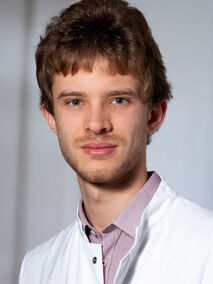
Jonas Fischer is the head of the Explainable Machine Learning group at the Max Planck Institute for Informatics, Department of Computer Vision and Machine Learning. His research focuses on interpreting complex machine learning models, particularly in genomics and healthcare, aiming to enhance robustness and alignment with human decision-making. Prior to his role at MPI, he was a postdoctoral fellow at Harvard University's Department of Biostatistics, where he worked on interpretable models for gene regulatory systems in cancer. Education: PhD in Computer Science from Saarland University (2022), with a thesis titled More than the sum of its parts , exploring the intersection of pattern mining and deep learning. He has contributed to advancing methods in neural network pruning, federated learning, and low-dimensional embeddings (e.g., dtSNE, Mercat). His work bridges computational biology, data mining, and machine learning, with applications in DNA methylation analysis, graph-based differential networks, and biomedical informatics. Key research areas include: (1) Explainable AI and neural network interpretability, (2) Biomedical applications of machine learning (e.g., gene regulatory networks, cancer genomics), (3) Low-dimensional embeddings and visualization techniques, (4) Federated learning for privacy-preserving collaborative models, and (5) Pattern mining for error analysis in NLP and classification tasks. Publications span top venues like NeurIPS, ICLR, Bioinformatics, and Genome Biology. His group develops tools such as BONOBO for omics data integration and node2vec2rank for scalable graph analysis. He actively collaborates with biomedical researchers to address challenges in data-driven healthcare and precision medicine.
Dr. Pascal Syren is a **Researcher** and **Resident** at Heidelberg University Hospital (UKHD), affiliated with the **Department of Cardiology, Angiology, and Pulmonology** and the **Heidelberg Center for Cardiac Arrhythmias**. His academic role includes contributing to the **Group of Molecular and Translational Cardiac Electrophysiology**, focusing on epigenetic and molecular mechanisms underlying cardiac arrhythmias and heart failure. He holds a PhD from Heidelberg University (2021) on histone deacetylases' influence in cardiac electrophysiology. **Research Interests**: Cardiac electrophysiology, epigenetic regulation (HDACs), ventricular and atrial arrhythmias, echocardiography, and translational cardiology. His work spans basic science to clinical applications, emphasizing ion channel remodeling and therapeutic targets for heart rhythm disorders. **Awards**: Recipient of the **Ernst & Berta Grimmke Foundation Research Grant (2023–2024)** and **Otto-Hess Scholarship (2017–2018)** from the German Cardiac Society. His research bridges molecular mechanisms with clinical cardiology, with contributions to understanding HDAC2's role in action potential dynamics. **Publications**: Over 8 peer-reviewed articles (2016–2025) in journals like *Basic Research in Cardiology* and *Cells*, focusing on histone deacetylase pathways, atrial fibrillation, and ventricular arrhythmia models. Recent work explores neonatal cardiomyocyte electrophysiology and TREK-1 potassium channels in heart failure. **Affiliations**: Active member of the **German Cardiac Society (DGK)** and **European Society of Cardiology (ESC)**, contributing to interdisciplinary cardiac arrhythmia research at Heidelberg's medical faculty.
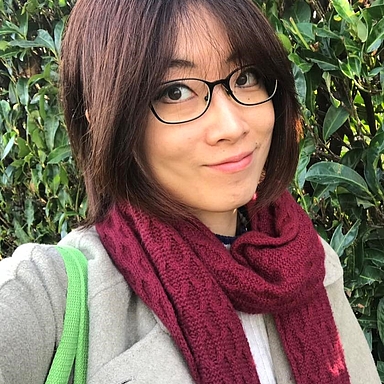
Qiaowei Pan is a Researcher at the University of Lausanne , focusing on Evolution and Ecology . They have held a Guest Researcher role at the Institute of Molecular Biology gGmbH (IMB) in Mainz, Germany since 2023, and a Postdoctoral Researcher position at the University of Lausanne since 2018. Education: PhD in Molecular and Evolutionary Biology (2014-2018), INRAe, University of Rennes II, France Erasmus Mundus Master in Evolutionary Biology (MEME) (2012-2014), University of Groningen (Netherlands) & University of Montpellier II (France) BSc in Biology (2008-2012), University of North Carolina-Chapel Hill, USA Research Interests: Qiaowei Pan's work centers on the intersection of molecular genetics , evolutionary biology , and developmental biology , particularly in sex determination mechanisms across diverse animal models. Their studies span non-coding RNA regulation , sex chromosome evolution , and signal transduction pathways like TGF-β in reproductive systems. Publication Trends: Recent articles highlight expertise in sex determination systems (5/12 publications), genomic approaches (6/12), and fish developmental evolution . Collaborative work includes computational methods ( RADSex workflow ) and comparative studies across ant , goldfish , catfish , and cavefish models. Labs & Teams: Currently affiliated with the Keller-Valsecchi group at IMB and the Department of Evolution and Ecology at the University of Lausanne.
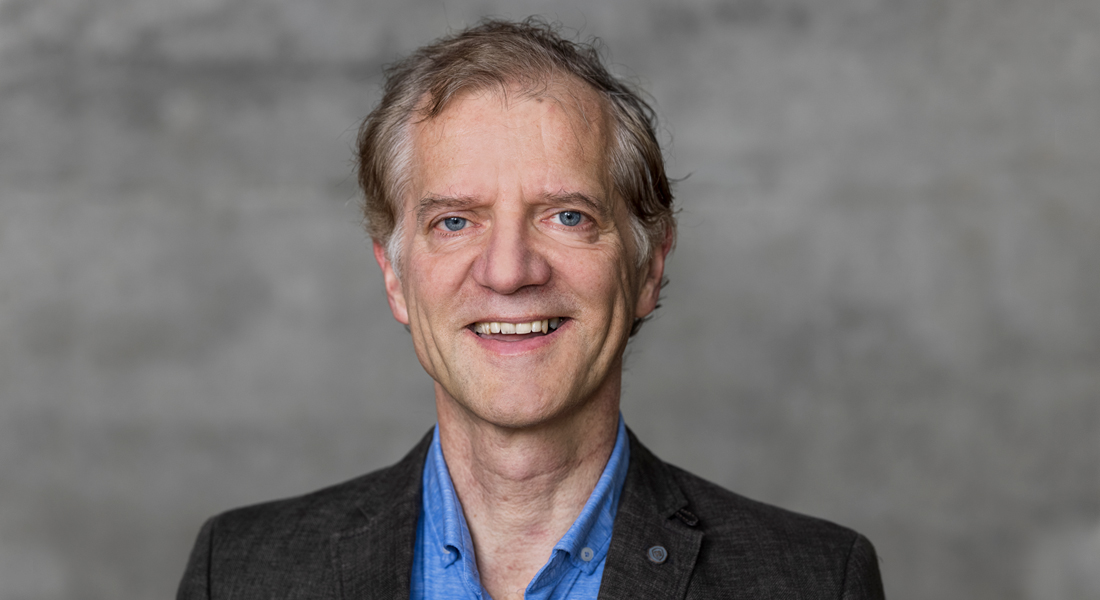
Professor Matthias Mann is a world-leading scientist serving as Director of the Proteomics and Signal Transduction department at the Max Planck Institute of Biochemistry in Martinsried, Germany, and Director of the Proteomics department at the Novo Nordisk Foundation Center for Protein Research, Faculty of Health Sciences, University of Copenhagen, Denmark. With an h-index exceeding 277 and over 350,000 citations, he is recognized as the highest cited German researcher and one of the most influential scientists globally in proteomics. His educational background includes: Ph.D. in Chemical Engineering from Yale University (1988) Master's Degree in Physics from Georg August University Göttingen (1984) Bachelor's of Arts in Mathematics from Georg August University Göttingen (1982) Professor Mann's research focuses on advancing mass spectrometry-based proteomics to understand biological systems at the protein level. His work spans technological developments in mass spectrometry, bioinformatics and computational analysis, signal transduction and posttranslational modifications, and clinical proteomics applications for disease diagnosis and treatment. The Mann lab has pioneered groundbreaking methods like SILAC for quantitative proteomics and MaxQuant for proteome data analysis. Their vision is to translate proteomics knowledge into clinical practice for predictive, diagnostic, and preventive medicine, with recent work focusing on AI-guided platforms for analyzing proteomes from minimal tissue samples. Analysis of Professor Mann's recent publications reveals a strong trend toward clinical applications of proteomics, particularly in cancer research, metabolic diseases, and neurodegenerative disorders. His work increasingly integrates spatial proteomics, single-cell resolution techniques, and artificial intelligence approaches to uncover disease mechanisms and identify potential biomarkers, with a clear shift from basic technology development toward direct clinical applications and personalized medicine. Professor Mann has received numerous prestigious awards throughout his career: 2025: Elected member of the American National Academy of Sciences 2024: Dr. H.P. Heineken Award for Biochemistry and Biophysics 2023: Otto Warburg Medal 2019: Nominated member of the Bavarian Academy of Sciences 2013: Elected member of Leopoldina German National Academy of Sciences 2012: Körber European Science Award, Louis-Jeantet Foundation Prize for Medicine, Ernst Schering Prize, and Leibniz Prize Professor Mann leads a highly collaborative research team involved in multiple international networks including the Bill & Melinda Gates Foundation, Michael J. Fox Foundation for Parkinson's Research, CLINSPECT-M, and Munich Heart Alliance. His lab has mentored numerous successful researchers, with several former postdocs receiving prestigious ERC Starting Grants. The Mann group has developed innovative clinical proteomics pipelines for analyzing archived tissue specimens and body fluids, aiming to identify protein markers for early detection of diseases such as diabetes and cancer. The Mann lab operates across two major research centers with state-of-the-art mass spectrometry facilities. Their Clinical Knowledge Graph platform integrates multi-omics data with extensive metadata, creating an ecosystem for machine learning applications in proteomics. Current research focuses on developing highly sensitive methods that can profile thousands of proteins from minimal cell samples, enabling the identification of critical disease-related proteins and supporting the development of individualized therapies.
Rhenish Friedrich Wilhelm University of BonnGermany
Prof. Waldemar Kolanus leads the Molecular Immunology and Cell Biology department at the University of Bonn's Life & Medical Sciences Institute (LIMES) . His research bridges immunoregulation , stem cell dynamics , and metabolic stress responses in immune cells. Unit 2 member at LIMES Principal investigator in SFB 704 and ImmunoSensation Cluster Leads a multidisciplinary lab with postdocs, PhD students, and technical staff His work focuses on intracellular signaling pathways connecting immune activation to tissue homeostasis, particularly through: Cytohesin proteins in integrin-mediated adhesion and migration TRIM71 in stem cell regulation and congenital hydrocephalus High-salt environments affecting macrophage function Publication trends show expertise in immune cell migration , genetic models , and chemical inhibition , with frequent use of mice and zebrafish for in vivo studies. Key articles explore: TRIM71's dual role in auditory development and germ cell maintenance Cytohesin family's Golgi regulation and insulin signaling Ruxolitinib's off-target migration inhibition of dendritic cells Contact details: Address: LIMES Institute, Carl-Troll-Straße 31, Bonn Email: kolanus.sekretariat@uni-bonn.de Phone: +49 228 73-62788
Konstantinos Anastassiadis is a Professor at the Center for Molecular and Cellular Bioengineering (CMCB) of Dresden University of Technology , leading the Stem Cell Engineering group at the Biotechnology Center (BIOTEC) . His research focuses on unraveling molecular pathways regulating stem cell self-renewal and lineage commitment, with a strong emphasis on genetic engineering tool development and epigenetic mechanisms during cellular reprogramming. The lab utilizes mouse and human embryonic stem cells, neural stem cells, mesenchymal stromal cells, and induced pluripotent stem cells (iPSCs) in their investigations. Core Research Areas: Molecular regulation of stem cell fate Epigenetic mechanisms (e.g., UTX/UTY histone demethylases) Genetic engineering tool development (Flp, Dre, Vika recombinases, CRISPR protocols) Conditional immortalization systems for rare cell expansion Publications highlight his contributions to understanding: Role of histone methyltransferases (MLL1, MLL2, Setd1b) in hematopoiesis and cancer Epigenetic regulation during mouse development and spermatogenesis Genetic tools for protein tagging, transposon-mediated BAC transgenesis Interactions between stem cells and niche microenvironments Transcriptional and mechanical markers during reprogramming Collaborations span immunology , developmental biology , and bioinformatics . The lab actively participates in teaching activities at CMCB and maintains a focus on translational applications of stem cell research.
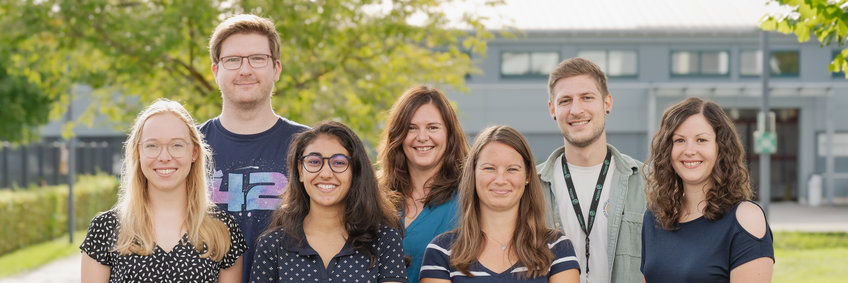
Prof. Dr. Markus Meissner is a Professor at the Faculty of Veterinary Medicine, Ludwig Maximilian University of Munich, leading the Chair of Experimental Parasitology. His research focuses on the molecular mechanisms of host cell invasion and modulation by Apicomplexan parasites, particularly Toxoplasma gondii and Plasmodium species. Research Group: Meissner Laboratory Location: Lena-Christ-Str. 48, 82152 Planegg-Martinsried Contact: markus.meissner@lmu.de His work investigates the secretory pathway of parasites, vesicular trafficking systems, and essential genes involved in host cell invasion and intracellular development. Toxoplasma gondii serves as a model organism for studying Apicomplexan biology, including nuclear division and CRMP complex functionality. Recent publications highlight the role of Rab GTPases in protein trafficking, chromatin remodeling in Plasmodium, and actin dynamics in parasite motility. Articles span topics such as egress factors, Golgi pathways, and lineage-specific organelle emergence, reflecting a multidisciplinary approach combining molecular biology, cell biology, and evolutionary analysis. The Meissner Lab includes PhD students (Peipei Qin, Yuan Song, Ella Schadt, Vitoria Catschor dos Santos) and postdocs (Dr. Wei Li, Dr. Miriam Rafajlovic). Research is conducted in Lena-Christ-Str. 48, Planegg-Martinsried, with a focus on experimental systems for studying parasite mechanisms.
Dr. Angelika Rambold is a Group Leader at the Max Planck Institute of Immunobiology and Epigenetics in Freiburg, Germany, heading the Laboratory for Metabolic Organelle Networks in Immunology within the Department of Developmental Immunology. Previously affiliated with the University of Münster's Center for Molecular Biology of Inflammation (ZMBE) and Institute of Medical Biochemistry until January 2025, she investigates how intracellular organelle networks regulate immune cell function during inflammation, infection, and metabolic stress. Her research centers on dynamic interactions between mitochondria, lysosomes, lipid droplets, and autophagosomes during cellular adaptation to nutrient deprivation and pathogen challenge. Key interests include organelle communication mechanisms in immune cell activation, metabolic reprogramming in T cells and macrophages, and how defects in organelle networks drive primary immunodeficiencies like Chediak-Higashi syndrome. She employs advanced live-cell microscopy, super-resolution imaging, metabolomics, and single-cell transcriptomics to dissect these processes in primary immune cells and human disease models. Analysis of her publication record reveals consistent focus on mitochondrial dynamics as a central regulator of immune cell metabolism and fate determination. Landmark studies demonstrate TFEB-mediated itaconate synthesis for bacterial control in macrophages and coordinated organelle network responses during starvation, establishing critical links between organelle communication, immunometabolism, and disease pathogenesis across multiple immune cell types. Dr. Rambold serves as a supervisor in the Cells in Motion International Max Planck Research School (CiM-IMPRS) Graduate Programme, mentoring PhD students in interdisciplinary research. Her laboratory maintains active collaboration with the Center for Chronic Immunodeficiency (CCI) at the University of Freiburg to translate basic findings on organelle-mediated immune defects into clinical insights for patient-oriented research.
Bertram Müller-Myhsok is a Research Professor and Research Group Leader at the Max Planck Institute of Psychiatry in Munich, Germany. His research focuses on statistical genetics and transcriptomic data analysis in psychiatric disorders, particularly major depression, PTSD, schizophrenia, and their treatment responses. He integrates machine learning with genetic and clinical data to develop predictive models and stratified treatment approaches. Professional activities include leadership roles in the International Max Planck Research School for Translational Psychiatry and collaborations with institutions like the Institut du Cerveau (Paris) and Bernhard Nocht Institute (Hamburg). His work spans genetic epidemiology, psychiatric genomics, and precision medicine, with over 400 publications in high-impact journals. Key research areas include identifying genetic risk factors for mental disorders, developing polygenic scores, and leveraging omics data to uncover disease mechanisms. He leads projects like Psych-STRATA, a Horizon Europe-funded initiative advancing personalized psychiatry through pharmacogenomics.
Prof. Dr. Susanne Foitzik is a Professor of Evolutionary Biology at Johannes Gutenberg University Mainz since 2010, where she leads the Evolution & Behavioral Ecology of Ants research group at the Institute of Organismic and Molecular Evolution (IOME). Previously, she was Professor in Behavioral Ecology at LMU Munich (2004-2010) and Assistant Professor in Zoology at the University of Regensburg (2000-2004). She earned her PhD in Biology from Julius Maximilian University, Würzburg in 1998. Her research integrates approaches from behavioral ecology through genomics to epigenetics, focusing on ants as model organisms to study complex social behaviors. Host-parasite coevolution and social parasitism in ants Molecular mechanisms underlying division of labor Reversal of the fecundity-longevity trade-off in social insects Gene regulation in phenotypic plasticity Evolution of chemical communication systems Analysis of her recent publications (2022-2025) reveals a strong focus on molecular mechanisms of social behavior, with particular emphasis on host-parasite interactions, epigenetic regulation of behavior, and genomic adaptations in social insects. Her work increasingly combines transcriptomic, proteomic, and functional genomic approaches to understand the molecular basis of social evolution. Among her notable scientific achievements: Speaker of Research Training Group 2626 GenEvo: Gene Regulation in Evolution (2019-present) Speaker of EES Master Program funded by VW foundation (2007-2010) DAAD Fellow at State University of New York (1992-93) Prof. Foitzik has supervised numerous PhD students and postdocs, including Maide Macit, Tom Sistermans, and Marcel Caminer. Her research is supported by multiple DFG-funded projects investigating host-parasite coevolution, the role of gene regulation in division of labor, and parasite interference in host gene expression. She serves as Handling Editor for Biology Letters and previously served on the editorial board of Insectes Sociaux. Her research group operates within the Institute of Organismic and Molecular Evolution (IOME) at Mainz, with laboratory facilities at the Biozentrum I. The group collaborates extensively with researchers across Germany and internationally, including partnerships with institutions in Frankfurt, Freiburg, Bristol, and Tel Aviv.
Prof. Dr. Kathrin Schumann is an Assistant Professor at the Technical University of Munich (TUM), leading the 'Engineering Immune Cells for Therapy' group within the TUM School of Medicine and Health. Her research focuses on CRISPR-based engineering of human immune cells to develop novel therapies for autoimmune and tumor diseases. She holds a doctorate from the Max Planck Institute of Biochemistry and has conducted postdoctoral research at the University of California, San Francisco, under Professors Alex Marson and Jeffrey Bluestone. Dr. Schumann’s academic career includes a Presidential Postdoc Fellowship at Novartis (Basel) and a tenure-track appointment at TUM since 2018. Her work emphasizes genomic editing of T cells to study gene function and improve cell therapy safety. Key research themes include CRISPR-mediated gene silencing, T cell receptor engineering, and HIV-host interaction studies. Education: Bachelor/Master in Biochemistry, University of Tübingen PhD, Max Planck Institute of Biochemistry (Martinsried) Postdoc, University of California, San Francisco (UCSF) Her research has yielded breakthroughs in CRISPR applications for T cell therapy, including PD-1 disruption to enhance anti-tumor efficacy and targeted editing of T cell receptors. Awards include a DFG research grant (2016). Notable achievements include the development of CRISPR ribonucleoprotein platforms for primary T cells and insights into metabolic checkpoints in T cell exhaustion. Her lab collaborates globally to translate CRISPR-based discoveries into clinical therapies.
Leibniz Institute for Psychology InformationGermany
Prof. Dr. Silvia Schneider is a distinguished Professor of Clinical Child and Adolescent Psychology at Ruhr University Bochum, where she serves as Director of the Research and Treatment Center for Mental Health (FBZ). She also coordinates the Bochum-Marburg site of the German Center for Mental Health (DZPG). Previously, she held professorial positions at the University of Basel, where she served as Dean of the Psychology Faculty. Her academic career spans over three decades with significant contributions to child and adolescent mental health research. Dr. Schneider earned her doctorate from Philipps-University Marburg in 1992 with highest honors (summa cum laude) for her dissertation on "Psychological Transmission of Panic Syndrome." She completed her habilitation at Technical University Braunschweig in 2002. Her academic qualifications include board certification as a Psychological Psychotherapist (1999) and specialized credentials in behavioral therapy for children and adolescents (1998). Dr. Schneider's research primarily focuses on the etiology, prevention, and treatment of emotional disorders in childhood and adolescence. Her work examines familial transmission of emotional disorders, clinical baby and infant research, and diagnosis of mental disorders across the lifespan. She has pioneered research on anxiety disorders, particularly separation anxiety, and has developed innovative treatment approaches including exposure-based therapies. Her current work increasingly integrates neurobiological perspectives with clinical interventions, examining brain-behavior relationships in anxiety disorders through neuroimaging studies. Her extensive publication record demonstrates a consistent focus on child and adolescent mental health, with recent work expanding into digital interventions, virtual reality therapies, and large-scale multicenter studies examining anxiety disorders from both clinical and neurobiological perspectives. Her research bridges basic science with clinical application, maintaining a strong focus on evidence-based interventions for children and families. Visiting Professor at Anxiety and Depression Research Center, UCLA (2015-2016) Visiting Scholar at Center for the Treatment and Study of Anxiety, University of Pennsylvania (2009-2010) Honorary Professorship at University of Surrey Roehampton (2003-2010) Swiss National Science Foundation Professorship (2003-2006) DFG Habilitation Scholarship (1998-2001) Cassianeum Educational Foundation Dissertation Prize (1994) Dr. Schneider has successfully secured substantial research funding from major German and international funding bodies including the German Research Foundation (DFG), German Federal Ministry of Education and Research (BMBF), and Swiss National Science Foundation. Her current projects include "The Role of Parents in Child Development in the Context of Immigration" (DFG), "Mobile Research Laboratory" (DFG), and "Improving Mental Health in Refugee Families" (BMBF). As Director of the FBZ, she leads a large interdisciplinary team conducting cutting-edge research while providing evidence-based clinical services. As Director of the Research and Treatment Center for Mental Health (FBZ) at Ruhr University Bochum, Dr. Schneider oversees a comprehensive research infrastructure supporting studies from basic developmental science to clinical interventions. The FBZ serves as a hub for interdisciplinary collaboration across psychology, psychiatry, and neuroscience, with particular strengths in anxiety disorders research, early intervention, and innovative treatment approaches including digital health solutions.
Philipp Neumann is a Professor and Chair of High-Performance Computing at Helmut Schmidt University since 2019. Previously, he held roles including Senior Researcher at the German Climate Computing Center (2016–2019), Postdoc at the University of Hamburg (2017–2019), and completed his Habilitation in Scientific Computing at TU Munich (2019). He transitioned to DESY/Universität Hamburg in May 2024. Education : PhD (Dr. rer. nat.) in Scientific Computing at TU Munich (2008–2013) Habilitation in Scientific Computing at TU Munich (2019) Studies in Technomathematics at Friedrich-Alexander University Erlangen-Nuremberg (2003–2008) Research Interests focus on high-performance computing, parallel and distributed systems, computational science, and applications in climate modeling. His work bridges computational methods with medical challenges, including surgical simulation training, wound healing mechanisms, and gastrointestinal pathology. Professional Activities include leadership roles in major conferences such as steering committee member for ISPDC (since 2021) and program committee roles in IPDPS, ICCS, and IEEE Cluster. He also managed the DFG priority program SPPEXA (2013–2016). Labs/Teams include the Chair for High-Performance Computing at Helmut Schmidt University and collaborations with the German Climate Computing Center. His current work at DESY/Universität Hamburg likely expands these computational efforts into interdisciplinary research.
University Medical Center Hamburg-EppendorfGermany
Prof. Dr. med. Franz Lennard Ricklefs is a Senior Physician and Head of the Working Group at the Department of Neurosurgery, University of Hamburg Faculty of Medicine. He is a Medical Specialist in Neurosurgery with cross-disciplinary expertise in neuro-oncology, molecular pathology, and extracellular vesicle research. Affiliations: University Medical Center Hamburg-Eppendorf (UKE), European Liquid Biopsy Society (ELBS), International Consortium on Meningiomas (ICOM) Research Interests: His work focuses on neurosurgical oncology, particularly glioblastoma and meningioma pathobiology. He investigates DNA methylation patterns, extracellular vesicle biomarkers, and liquid biopsy implementation in clinical neuro-oncology. Additional interests include surgical outcomes for epilepsy and aneurysm management. Article Trends: Over the last decade, Dr. Ricklefs has published extensively on: Extracellular vesicle applications as liquid biopsy markers DNA methylation subclasses for glioblastoma and meningioma Multicenter surgical outcome benchmarking Immune evasion mechanisms in neuro-oncology Technological innovations in neurosurgical visualization Molecular characterization of rare CNS tumors Professional Contributions: He co-authored the MISEV2023 guidelines for extracellular vesicle studies and participates in international consensus reviews for meningioma classification. His collaborations span institutions across Europe and North America.
Leibniz Institute for Zoo and Wildlife ResearchGermany
Dr. Andrew Bassett serves as Head of the Cellular and Gene Editing Research group at the Wellcome Sanger Institute, where he develops cutting-edge genome engineering techniques using human pluripotent stem cells to investigate neurodegenerative diseases including Alzheimer's and Parkinson's. His work focuses on scaling genetic screening approaches and improving CRISPR specificity for modeling complex disease mechanisms. His academic training includes: PhD at the MRC Laboratory of Molecular Biology (MRC-LMB) with Andrew Travers on chromatin remodelling in heterochromatin formation Postdoctoral research with David Baulcombe at the University of Cambridge studying small RNA roles in chromatin modification Additional postdoctoral work with Chris Ponting at the MRC Functional Genomics Unit (MRC-FGU) in Oxford, where he pioneered CRISPR applications in Drosophila Bassett's research program centers on developing advanced genome engineering methodologies for precise modulation of gene expression networks during development and neurodegeneration. His group specializes in creating complex editing events (SNPs, paired knockouts, enhancer perturbations) within iPSC-derived models, with particular emphasis on epigenetic regulation and transcriptional control. Current projects integrate single-cell 'omics and phenotypic assays to decode genetic causes of neurodegenerative disorders through the OpenTargets consortium. Analysis of his 15 most recent publications reveals dominant trends in CRISPR technology development (35%), neurodegenerative disease modeling (30%), and single-cell functional genomics (25%). His work consistently bridges methodological innovation with disease mechanism studies, increasingly incorporating multi-omics approaches and expanding into cancer immunology and infectious disease applications since 2022. As group leader, Bassett mentors postdoctoral researchers and PhD students while securing major funding for genome engineering initiatives. His team operates within the Sanger Institute's Cellular Operations division and maintains critical partnerships with the OpenTargets consortium for therapeutic target validation. The laboratory specializes in high-throughput screening platforms using iPSC-derived neural and microglial models, with recent methodological advances including scSNV-seq and ONE-STEP tagging systems that significantly enhance precision genome editing capabilities.