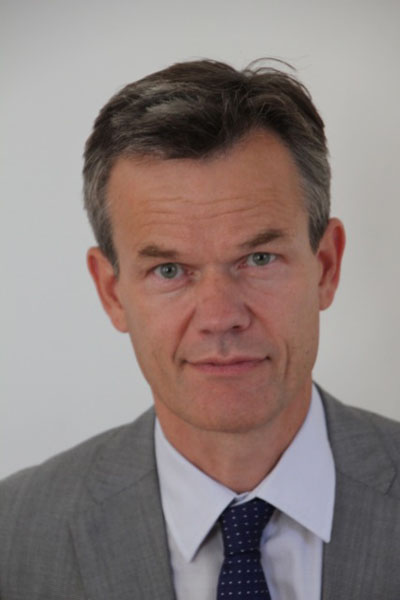
Kristian Helin is Chief Executive and President of The Institute of Cancer Research (ICR), London, and a Professor with affiliations at the University of Copenhagen and Memorial Sloan Kettering Cancer Center. He founded/directed the Biotech Research & Innovation Centre (BRIC), Centre for Epigenetics, and Danish Stem Cell Center. His research focuses on epigenetic regulation, cancer biology, and stem cell differentiation. Education: Ph.D. Molecular Biology, University of Copenhagen (1991) M.Sc. Chemical Engineering, Technical University of Denmark (1988) Research Interests: Helin's work deciphers molecular mechanisms in cancer, emphasizing epigenetic drivers (e.g., H3K4/H3K36 methylation), transcriptional control, and therapeutic targeting. His lab identified E2F transcription factors, linked epigenetic dysregulation to leukemia/lymphoma, and develops drugs targeting kinases/epigenetic enzymes. Research spans acute myeloid leukemia, B-cell lymphoma, and solid tumors using CRISPR screens and preclinical models. Publication Trends: Recent articles (2023-2025) focus on epigenetic therapy, chromatin remodeling, and kinase signaling in cancer. Key themes include targeting NSD1/KDM5C/RIOK2 enzymes, combination therapies (EZH2/DOT1L inhibitors), and metabolic regulation in leukemia. Studies bridge basic mechanisms (enhancer regulation, insulator accessibility) with translational applications. Awards: Anders Jahre Prize (2014), ERC Advanced Grant (2011), Novo Nordisk Prize (2008) Memberships: Academia Europaea, Royal Danish Academy, EMBO Leadership: Helin co-founded EpiTherapeutics (acquired by Gilead) and leads the Epigenetics and Cancer lab at ICR. His team investigates AML pathogenesis and chromatin complexes like HUSH/NURF. Grants include ERC funding and innovation prizes.
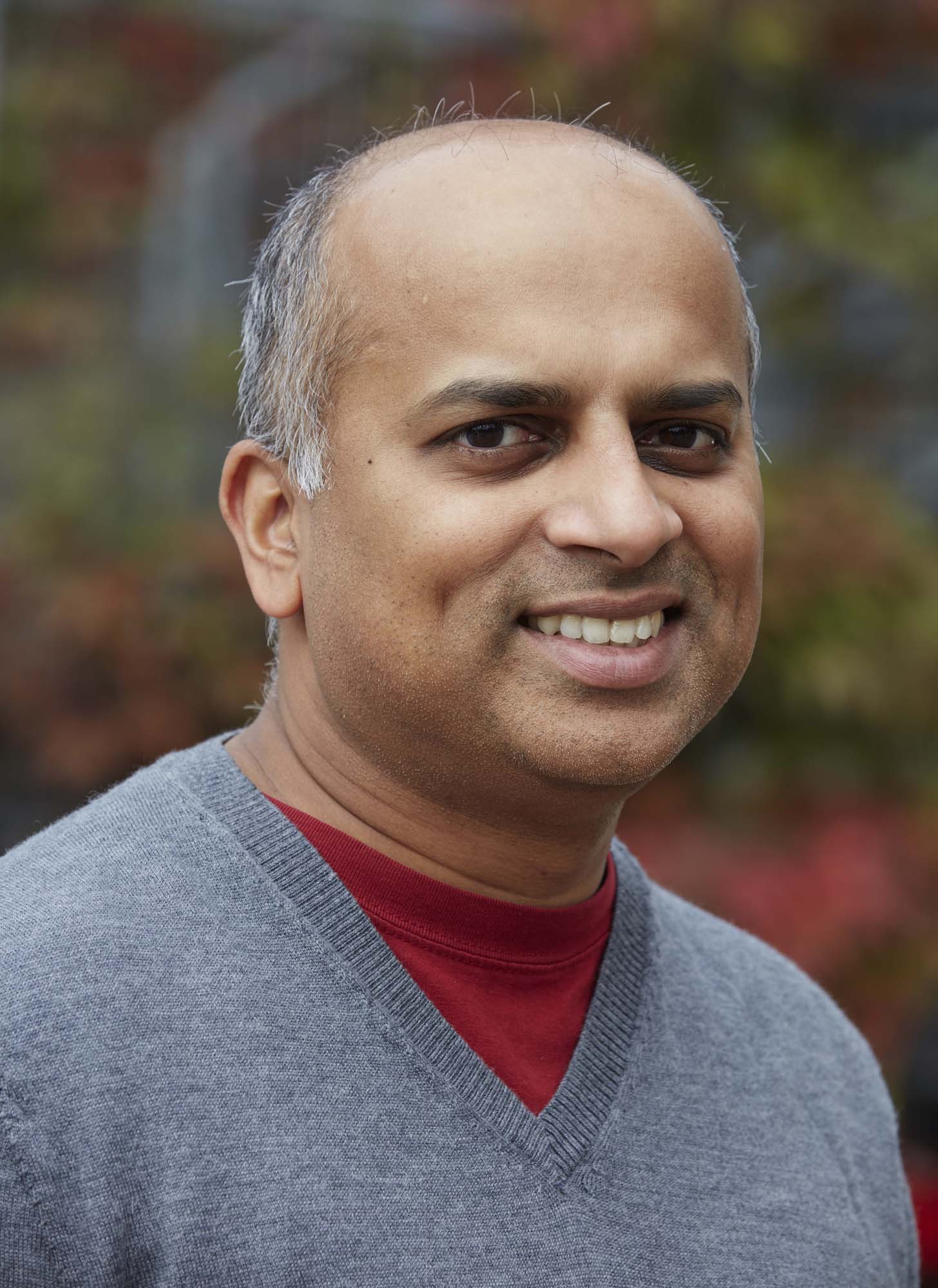
Ramesh Shanmughom Pillai is a Full Professor at the Department of Molecular Biology, University of Geneva, Switzerland. He holds additional roles as a Visiting Professor at the University of Kumamoto, Japan, and has been a Group Leader at EMBL Grenoble and a postdoctoral fellow at the Friedrich Miescher Institute. His research focuses on RNA modifications, epigenetics, and piRNA pathways in germline biology. Pillai has received prestigious awards including the ERC Consolidator Grant and The RNA Society Scaringe Award. Education: BSc Botany (University of Kerala, India) MSc Biotechnology (IIT Roorkee, India) PhD in Cell Biology (University of Bern, Switzerland) Research Interests: Pillai’s work centers on RNA biology, particularly the role of RNA modifications (e.g., m6A, m6Am) in development and fertility. He investigates piRNA biogenesis, transposon silencing, and the molecular mechanisms of RNA-protein interactions. His studies bridge biochemistry, genetics, and structural biology to elucidate how RNA molecules regulate critical biological processes. Teaching & Service: At the University of Geneva, he teaches Molecular Biology courses (BSc/MSc levels) and advises 5 PhD students and 4 postdocs. He chairs the ERC Consolidator Grant Review Panel and organizes major conferences like the PIWI/piRNAs Meeting and Swiss RNA Workshop. Pillai also serves on editorial boards for Nucleic Acids Research and RNA . Awards: ERC Consolidator Grant (2015) Best PhD Thesis Award (2003) RNA Society Scaringe Award (2005) Grants & Labs: Funded by ERC Starting and Consolidator Grants, his lab explores RNA modification networks in germ cells. Former trainees include Professors Simon Conn (Flinders University) and Hao Wu (CAS, China).
Professor Nikolaus Pfanner, a leading figure in mitochondrial biogenesis and protein transport, has held the Chair of Biochemistry and Molecular Biology at the Institute of Biochemistry and Molecular Biology, University of Freiburg, since 1992. His leadership roles include serving as President of the German Society for Biochemistry and Molecular Biology (2009–2011) and Council Member of the University of Freiburg (since 2008). His research focuses on the targeting, translocation, and folding of mitochondrial proteins , biogenesis of mitochondria , and protein structure and function . Key contributions include elucidating the TOM complex’s role in protein import and the SAM complex in β-barrel assembly. Recent publications explore mitochondrial import stress , complexome analysis , and MIMAS mega-assembly . His work integrates structural biology , proteomics , and kinase regulation . Awarded the Leibniz Prize (2004), Stein and Moore Award (2014), and Hector Research Award (2011), Pfanner is a member of EMBO , Leopoldina , and Academia Europaea . He has mentored numerous researchers, including Thomas Becker , Chris Meisinger , and Nils Wiedemann . His lab receives funding from the Deutsche Forschungsgemeinschaft (DFG) and EXZ BIOSS (since 2010).
University of Natural Resources and Life Sciences ViennaAustria
Simone Bachleitner is a Researcher at the Institute of Microbiology and Microbial Biotechnology within the Department of Biotechnology and Food Science at University of Natural Resources and Life Sciences, Vienna (BOKU) . Her work focuses on fungal genetics, epigenetic regulation, and metabolic engineering of yeast for organic acid production. She actively investigates chromatin structure's role in secondary metabolite gene expression in Fusarium species and develops engineered Komagataella phaffii strains for bio-based acid production from methanol. Her research bridges molecular biology, industrial biotechnology, and plant pathology. Recent publications highlight her contributions to: H3K27me3 epigenetic regulation in plant pathogens Mxr1/Mit1 transcriptional activation for lactic acid production Nonribosomal peptide synthetase cluster analysis in Fusarium Methanol-based itaconic acid bioprocess optimization She supervises graduate students and contributes to collaborative projects funded by the Austrian Science Fund (FWF) and European Commission.
University of Natural Resources and Life Sciences ViennaAustria
Joseph Strauss is a Full Professor at the University of Natural Resources and Life Sciences Vienna (BOKU), leading the Institute of Microbial Genetics. With a career spanning over three decades, he has focused on fungal genetics, epigenetics, and bioactive metabolite discovery, particularly in filamentous fungi and pathogens. His work bridges fundamental research with applications in agriculture, medicine, and environmental biotechnology. Research Focus: Epigenetic regulation of fungal secondary metabolism, chromatin dynamics, bioactive compounds, nitrate signaling, and microbial interactions. Projects: Leads multiple grants from Austrian Science Fund (FWF), European Commission, and industry partners, including studies on chromatin engineering, fungal biotechnology, and toxin biosynthesis. His recent publications highlight advancements in chromatin proteomics, fungal pathogenicity, and novel bioactive molecules like luteapyrone and rasfonin. Articles emphasize broad disciplines such as Fungal Genetics, Epigenetics, and Natural Product Discovery, with subfields including secondary metabolite clusters, histone modifications, and stress response mechanisms. Scientific Awards: 2021 - Keratinophyton straussii fungal species named after him 1999 - START Preis 1995 - EMBO Stipendium 1994 - OTTO LOEWI Stipendium He has supervised over 69 theses and contributed to 186 publications, reflecting his leadership in fungal genomics and its applications. Projects like 'Bioaktive Mikrobielle Metaboliten' and 'TASSMATA' underscore his commitment to translating research into sustainable solutions.
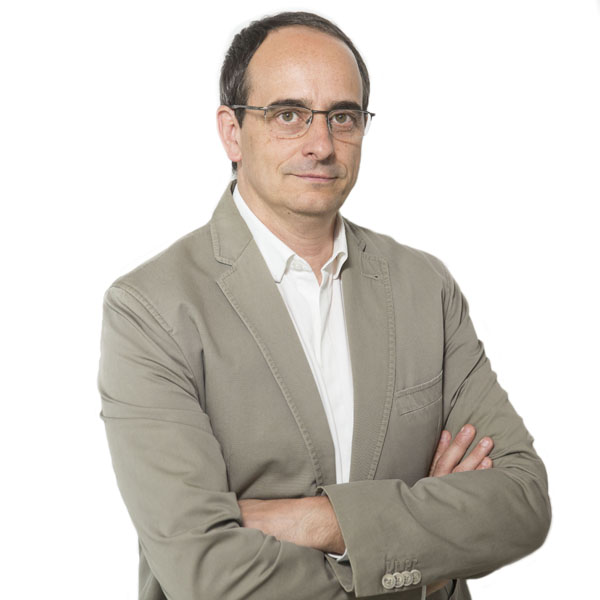
Francesc Posas is a Full Professor at Universitat Pompeu Fabra (UPF) and Director of IRB Barcelona since 2018. He co-leads the Cell Signaling Research Group and has held leadership roles including Head of the Department of Experimental and Health Sciences (2007-2013) and Vice-rector for Science Policy (2013-2017). Doctorate in Biochemistry and Molecular Biology (UAB, 1995) Postdoctoral Fellow at Harvard University (1996-1998) His research focuses on cellular adaptive responses , particularly MAP kinase pathways and stress signaling in yeast and mammals. Recent work explores synthetic biology and biological computation. His publications span top journals including Nature , Science , and Molecular Cell . Scientific Awards : ICREA Acadèmia Award (2009-2023) Carmen y Severo Ochoa Award (2011) EURYI Young Investigators Award (2004) EMBO Membership (2006) Best PhD Thesis Award (UAB, 1995) He has received multiple teaching and research evaluations from Catalan and Spanish governments. His work has been cited over 7,000 times with an h-index of 43 (Web of Science) or 50 (Google Scholar).
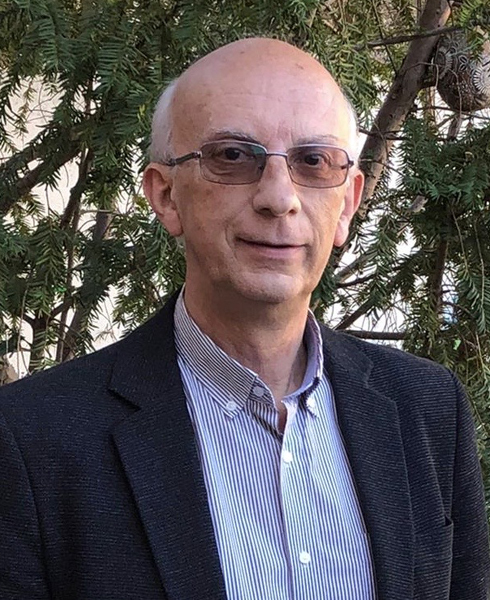
Crisanto Gutierrez is a distinguished Professor at the Spanish National Research Council (CSIC) and Head of the Genome Dynamics and Function Program at the Center for Molecular Biology Severo Ochoa in Madrid, Spain. With over three decades of academic service since 1982, he has held progressive academic ranks from Assistant Professor to his current full Professor position since 2002, establishing himself as an internationally recognized leader in plant molecular biology. His pioneering research focuses on the interplay between chromatin dynamics, DNA replication, and cell proliferation in plants, utilizing multidisciplinary approaches across cellular, molecular, genetic, and genomic domains. Gutierrez achieved seminal breakthroughs including the discovery of the retinoblastoma (Rb) tumor suppressor protein in plants and deciphering geminivirus DNA replication mechanisms coupled to the cell cycle. His work primarily employs Arabidopsis thaliana as a model system to investigate fundamental biological processes, with particular expertise in endoreplication, epigenetics, chromatin organization, and root development. Analysis of his recent publications reveals a consistent trajectory exploring chromatin organization's role in genome function, with increasing emphasis on epigenetic regulation of DNA replication origins and their developmental implications. His research bridges fundamental cell cycle mechanisms with plant-specific adaptations, demonstrating how chromatin landscapes dictate replication timing and transcriptional activity across different tissue types. Honors and awards include: EMBO Council Member (2020) ERC Advanced Grant PLANTGROWTH (2019-2024) Research Prize from Fundacion Carmen y Severo Ochoa (2008) Membership in the Royal Academy of Medicine and Surgery of Cadiz (2009) EMBO Membership (1998) Gutierrez maintains an active research program with continuous competitive funding since 1993, including his current European Research Council Advanced Grant. He has trained over 60 PhD and postdoctoral researchers, nine of whom now lead independent laboratories worldwide. His editorial leadership includes positions at EMBO Journal , EMBO Reports , and Plant Journal , while his advisory roles extend to research institutes in France, Spain, and Argentina. He serves on prestigious evaluation panels including LABEX (France) and the ERC Consolidator Grant Life Sciences panel.
Professor Keith Godfrey is a leading academic in the field of developmental origins of health and disease (DOHaD), affiliated with the University of Southampton’s MRC Lifecourse Epidemiology Unit. He holds roles such as Co-Director of the NIHR Southampton 1000DaysPlus Global Nutrition Research Group and Honorary Visiting Professor at the National University of Singapore. His work focuses on epigenetic mechanisms linking fetal and early-life nutrition to lifelong health outcomes, including obesity and metabolic diseases. Positions: Professor of Epidemiology & Human Development (2005–present) Director, Centre for Developmental Origins of Health and Disease (2011–present) Nutrition Theme Lead, NIHR Southampton Biomedical Research Centre (2017–present) Key Contributions: Pioneered research on fetal nutrition’s role in adult diseases (DOHaD) Characterized epigenetic changes linked to obesity risk via ANRIL gene Championed public health initiatives like LifeLab to improve health literacy Research Interests: Professor Godfrey’s work integrates molecular mechanisms (e.g., DNA methylation), clinical interventions (e.g., gestational vitamin D supplementation), and population-level health strategies. His studies emphasize developmental plasticity’s role in adapting to environmental cues, with implications for aging, metabolic disorders, and infectious disease control. Awards: MBE (2021), Fellowship of The Academy of Medical Sciences (2020) Clarivate Highly Cited Researcher (2018) Advisory Roles: Chief Investigator for international preconception nutritional trials Member of EU H2020 DynaHealth Project’s Scientific Advisory Board (2016) His interdisciplinary approach bridges clinical, epidemiological, and public health research, with a focus on translating findings into actionable interventions to improve health equity across generations.
Kelvin J. A. Davies is a Professor at the Davis School of Gerontology and College of Letters, Arts & Sciences , University of Southern California . He holds the James E. Birren Endowed Professor of BioGerontology and is Dean of Faculty & Research at USC's Davis School of Gerontology. Born in London, UK; educated at Liverpool, Lancaster, University of Wisconsin (M.Sc. 1976), and University of California at Berkeley (Ph.D. 1981) Established field-defining research on oxidative stress , protein degradation , and mitochondrial Lon protease function in aging-related pathologies Davies' research explores oxidative stress adaptation , protein oxidation and proteolysis , and age-related decline in stress response . His work on the Nrf2 signal transduction pathway and RCAN1 gene has transformed understanding of Alzheimer's and Down syndrome mechanisms. The lab's studies on mitochondrial Lon protease and proteasome regulation establish critical links between environmental oxidants, aging, and neurodegenerative diseases. He has received seven honorary doctorates and eight fellowships , including from the American Association for the Advancement of Science and Royal Society of Medicine . Awards highlight his lifetime achievements in redox biology , mentoring excellence (Andrew W. Mellon Foundation), and scientific leadership in founding journals like Free Radical Biology & Medicine . Davies has mentored 28 graduate students and 30 postdoctoral fellows . As founding President of the California Philharmonic Orchestra and Director of the S.T.A.R. program , he combines scientific and community impact through arts and education outreach to disadvantaged youth.
Thomas Carell is a Professor of Organic Chemistry at the Faculty of Chemistry and Pharmacy, Ludwig Maximilian University of Munich, Germany, a position he has held since 2003. He has established himself as a leading researcher in the fields of epigenetics, DNA repair mechanisms, and prebiotic chemistry. His work bridges chemistry and biology, with significant contributions to understanding epigenetic modifications and the origins of life. Dr. Carell's educational background includes chemistry studies at Münster and Heidelberg Universities, where he completed his PhD under Professor Staab. He then pursued postdoctoral research at MIT with Professor J. Rebek, focusing on chemical compound libraries and projects bridging chemistry and biomedicine. Professor Carell's research interests center on the chemical analysis of epigenetic modifications and processes, particularly focusing on DNA/RNA lesion processes using nucleotide analogues, tracers, and high-end mass spectrometry. His laboratory has made groundbreaking contributions to understanding prebiotic chemistry and the origins of life, developing innovative technologies for non-canonical nucleoside and nucleotide synthesis. A significant portion of his work explores the organic chemistry of modified nucleosides and nucleotides, with implications for understanding fundamental biological processes and potential therapeutic applications. His research has evolved from early work on nucleic acid chemistry at ETH Zurich to pioneering studies on photolyase reactions and DNA repair at Marburg, culminating in his current work on epigenetic control mechanisms and prebiotic chemistry at LMU Munich. His extensive publication record demonstrates a consistent trajectory of high-impact research, with articles appearing in top-tier journals including Nature, Science, and Cell. The research themes span from fundamental organic chemistry to biological applications, with a particular emphasis on epigenetic mechanisms and prebiotic chemistry. His most recent work suggests an early RNA-peptide world, potentially revolutionizing our understanding of life's origins, building on his earlier discoveries regarding DNA lesion-induced mutations, DNA repair mechanisms, and epigenetic control via oxidative DNA methylation. Professor Carell's scientific achievements have been recognized with numerous prestigious awards: Supervisory Board member of BASF SE (2019) Alexander Todd-Hans Krebs Lectureship, Royal Society of Chemistry (2017) Windaus Memorial Lecture, Göttingen (2017) Inhoffen-Medal for Excellence in Natural Product Research of the Helmholtz Society (2016) Gait-Lecture Award, Royal Society of Chemistry (2014) Werdelmann Lecture, University-Essen Duisburg (2013) Melvin Calvin Lecture in Organic Chemistry, University of California, Berkeley (2011) Šorm Award of the Academy of Sciences of the Czech Republic (2011) Order of Merit from the Federal Republic of Germany (2010) Van 't Hoff Lecture, Royal Dutch Academy of Sciences (2009) Ferdinand Lecture, University of Sheffield (2008) Otto Bayer Award, Bayer Schering Foundation (2008) Philip Morris Research Award (2006) Gottfried Wilhelm Leibniz Award of the DFG (2004) Lady Davis Award, Technion, Israel (2004) Pasteur Medal of the JCO, Ecole Polytechnique (2001) Professor Carell leads an active research group (the Carell Group) at LMU Munich, supervising numerous PhD and Master's students working at the intersection of chemistry and biology. His laboratory has secured significant research funding to support their innovative work on epigenetic modifications, DNA repair mechanisms, and prebiotic chemistry. The group maintains strong international collaborations, as evidenced by Professor Carell's numerous visiting professorships at institutions worldwide, including University Descartes in Paris, Australian National University, Consiglio Nazionale delle Ricerche in Bologna, and Technion Israel Institute of Technology. The Carell laboratory operates state-of-the-art facilities for organic synthesis, mass spectrometry, and molecular biology, enabling their interdisciplinary research approach. The group consists of chemists, biochemists, and molecular biologists working collaboratively to address fundamental questions in chemical biology. Professor Carell's election to the Supervisory Board of BASF SE in 2019 highlights the translational impact of his research and his standing in both academic and industrial chemistry communities.
Prof. Cedar Howard is a distinguished Professor of Molecular Biology at the Hebrew University Medical School. His career spans decades of groundbreaking research in DNA methylation, gene regulation, and epigenetics, with significant contributions to understanding chromatin structure and transcriptional repression. Research Focus: His work primarily explores DNA methylation mechanisms Epigenetic gene silencing Chromatin dynamics CpG island regulation Transcriptional control Cancer epigenetics Scientific Contributions: His research on methylation patterns in higher organisms, transcriptional repression, and Polycomb-mediated epigenetic marks has shaped modern molecular biology. Notable publications include studies on DNA methylation inheritance, chromatin accessibility, and cancer-related methylation changes. Awards & Honors: Wolf Prize in Medicine (2008) Israel Prize in Biology (1999) Gairdner International Award (2011) Emet Prize in Medicine (2009) Member, Israel Academy of Sciences (2003)
Pawel Swietach is Professor of Physiology at the University of Oxford, Head of the Proton Transport Group (DPAG), and Handa Tutorial Fellow at Corpus Christi College. His work bridges cardiac physiology , cancer pH biology , and blood oxygen transport , with a focus on acid-base regulation and its therapeutic implications. PhD in Physiology (Oxford, 2004) First Class BA in Physiological Sciences (Oxford, 2001) His research uncovers how pH gradients govern cell function in heart and cancer, including: Proton-calcium crosstalk in cardiomyocytes Metabolic adaptation to acidosis in tumors Biochemical control of oxygen release in stored blood His 15 most recent publications (2020-2025) span Nature Reviews Cancer , Nature Cardiovascular Research , and Cell Reports , focusing on acid-driven oncogenesis, histone modifications from propionate metabolism, and novel methods for imaging oxygen transport. Key findings include tumor-stroma acid exchange via gap junctions and nuclear pH's role in cardiac gene expression. Honors include: ERC Consolidator Grant (2017) Royal Society University Research Fellowship (2008-2016) CRUK-U.S. Fulbright Scholar (2018) Academia Europaea membership (2024) He leads cross-disciplinary projects funded by British Heart Foundation, ERC, MRC, and industry partners, translating pH biology into clinical tools like FlowScore for blood storage quality assessment.
Margit Cichna-Markl is a Professor at the University of Vienna's Faculty of Chemistry, specifically within the Institute of Analytical Chemistry. With over 122 publications and active research spanning from 2000 to the present, she maintains a significant academic presence with recent publications extending into 2025. Her research focuses on analytical chemistry applications in food science and molecular biology, specializing in DNA-based authentication methods for food products. Key areas include DNA barcoding, high-resolution melting analysis, and metabarcoding techniques for detecting food adulteration and verifying species authenticity in complex food matrices. Dr. Cichna-Markl's work demonstrates a strong trend toward developing molecular methods for food authentication, with recent publications focusing on EU-authorized edible insects, seafood identification, and plant species detection in processed foods. Her research bridges analytical chemistry with practical food safety applications, contributing significantly to food fraud prevention and regulatory compliance. She has been actively involved in research projects including mycotoxin analysis (2004-2007) and has presented numerous lectures and posters on food authentication techniques, with recent activities documented through November 2024.
Elke H. Heiß is an Associate Professor at the University of Vienna , affiliated with the Faculty of Life Sciences and the Department of Pharmaceutical Sciences, Division of Pharmacognosy . Her research focuses on molecular mechanisms of natural products in cellular stress resistance, redox balance regulation, and metabolic immunomodulation. Key research areas include: AMPK-Nrf2 signaling crosstalk in cellular homeostasis Impact of biogenic compounds on glucose homeostasis and cellular bioenergetics Metabolic regulation of macrophage polarization Molecular pharmacology of indirubin derivatives in cardiovascular disease Current projects investigate: FWF Project P33778 (2021-2026): AMPK-mediated phosphorylation of Nrf2 targets FWF Project P32600 (2019-2024): Metabolic immunomodulation by natural products FWF Project P29392 (2016-2019): AMPK-Nrf2 interactions in stress response Her work combines chemical biology approaches with metabolic profiling to uncover novel therapeutic strategies for chronic diseases and aging-related conditions.
Jonathan Flint is currently the Billy and Audrey Wilder Professor of Psychiatry and Neuroscience at the University of California, Los Angeles (UCLA). He has held prominent positions including Wellcome Trust Principal Fellow and Michael Davys Professor of Neuroscience at the University of Oxford, where he was also a Fellow of Merton College. His research focuses on quantitative genetics, animal behavior, and genomics, particularly in the context of major depressive disorder and psychiatric genetics. Key research areas include genome-wide association studies for psychiatric disorders, behavioral genetics in mouse models, and understanding the molecular basis of complex traits. His work bridges human and mouse genetics to elucidate the genetic architecture of anxiety and depression. Scientific awards and honors include: 2008 Fellow of the Royal College of Psychiatrists (UK) 2009 Fellow of the Academy of Medical Sciences (UK) 2010 EMBO membership 2014 Medal from The Genetics Society (UK) 2019 Fellow of the Royal Society (UK) His publications span high-impact journals like Nature and Nature Genetics , reflecting a focus on advanced sequencing techniques, parent-of-origin effects, and translational genetics from mouse models to human psychiatric conditions.