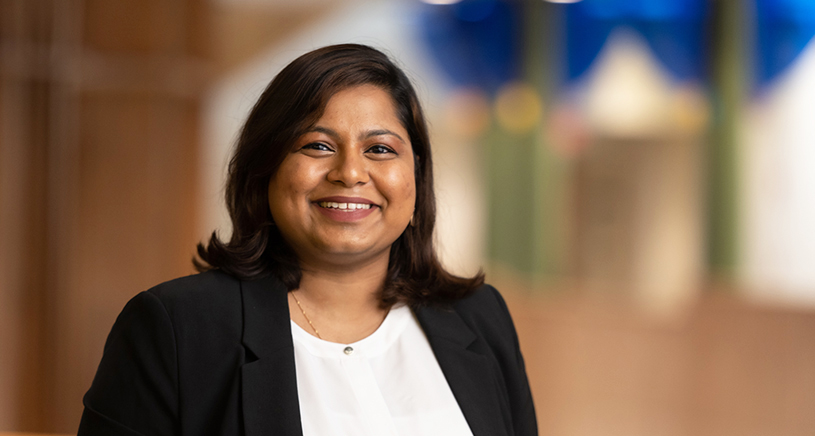
Sumana Sharma is a Wellcome Career Development Fellow and Group Leader at the MRC Weatherall Institute of Molecular Medicine (University of Oxford). Her research focuses on T-cell signaling and next-generation immunotherapy design , particularly through inhibitory receptor signaling manipulation . PhD in genetic screening (Wellcome Sanger Institute, University of Cambridge) Postdoc in computational analysis (EMBL-EBI, Cambridge) Former Sir Henry Wellcome Postdoctoral Fellow (MRC-TIDU, Oxford) Her work integrates CRISPR-based functional genomics , omics technologies , and primary T-cell editing to uncover regulatory mechanisms in immune suppression. Key contributions include developing CEN-tools for cancer gene analysis and creating high-throughput assays for T-cell signaling. Recent publications span 2025-2015 , emphasizing T-cell antigen detection , inhibitory signaling , and transcriptional reprogramming . Her research trends combine structural immunology , computational genomics , and therapeutic engineering . Wellcome Career Development Award Sir Henry Wellcome Postdoctoral Fellowship Her lab uses multidisciplinary approaches to study immune regulation in cancer and chronic infections , with potential applications in autoimmune disease and tumor immunotherapy .
Richard Salisbury is a CRUK Clinical Research Training Fellow at the University of Oxford, affiliated with Hertford College. His research focuses on molecular mechanisms in haematological malignancies, particularly Chronic Myelomonocytic Leukaemia (CMML). His core research interests include: Haematology Oncology Epigenetics Cancer Research Stem Cell Biology Molecular Biology Salisbury investigates TET2 loss-of-function mutations (present in 60% of CMML patients) using multiomic single-cell profiling. His work demonstrates that TET2-mutant haematopoietic stem and progenitor cells (HSPCs) are epigenetically reprogrammed to hijack emergency myelopoiesis pathways, causing hypersensitivity to bone marrow niche cytokines like M-CSF. Current research aims to identify druggable pathways for novel anti-cancer therapies in CMML. No scientific awards were mentioned in the source material. No information regarding student advising or research grants was provided in the available text.
Dr. Henry H. Roehl is a Senior Lecturer at the School of Biosciences , University of Sheffield. His career spans over 25 years in academic roles, including Lecturer at University of Sheffield (2002-present) and Postdoctoral Fellow at Max-Planck-Institut, Tuebingen (1997-2002). PhD in Genetics (University of Wisconsin-Madison, 1994-1997) Masters in Genetics (University of Wisconsin-Madison, 1990-1994) B.S. in Biology (Antioch College, 1983-1988) His research focuses on regenerative biology using zebrafish models to understand: (1) cellular recruitment during regeneration, and (2) signaling pathways initiating regenerative processes. Current studies explore molecular pathways guiding tissue regeneration, particularly in skeletal and craniofacial development. Recent publications highlight his work on Tetraspanin Cd9b's role in fertility , Wnt/FGF signaling synergy , and Hedgehog-dependent osteoblast differentiation . Over 20 years of publications demonstrate consistent contributions to developmental biology and regenerative medicine. Dr. Roehl supervises PhD students Yuqi An and Yuchang Liu , and has secured grants from BBSRC and Leverhulme Trust. He also serves as Founding Secretary of the International Society for Regenerative Biology since 2020.
Nicholas Brady is an Assistant Professor of Pathology and Laboratory Medicine at Weill Cornell Medicine's Graduate School of Medical Sciences, where he leads the Brady Lab. The lab focuses on neuroendocrine prostate cancer (NEPC) and lineage plasticity in castration-resistant prostate cancer (CRPC), employing in vitro and in vivo models for mechanistic studies. Education: Bachelor's in Physics from Boston University Ph.D. from the University of Minnesota under Dr. Kathryn Schwertfeger, studying mammary gland development and JAK/STAT signaling in breast cancer Postdoctoral training at Weill Cornell Medicine with Dr. David Rickman on N-Myc in NEPC Brady Lab's research investigates chromatin state changes driving NEPC progression and identifies transcriptional regulators cooperating with epigenetic alterations. Current projects include Regulation of chromatin states during progression to NEPC , Identifying novel transcriptional drivers , and Understanding the tumor microenvironment . His work utilizes human prostate cancer cell lines, patient-derived organoids, and transgenic mice with single-cell next-generation sequencing. Scientific Awards: MTOR Training Program Fellow (2018-2019) American Cancer Society Postdoctoral Fellowship (2021-2022) JumpStart Research Career Development Award (2021-2024) NCI Transition Career Development Award (K22) (2024) Brady's research has been supported by grants including the WCM JumpStart Program, WCM SPORE in Prostate Cancer Career Enhancement Program, and targeted tumor heterogeneity research funding. His publications reflect expertise in chromatin biology, lineage plasticity, and prostate cancer genomics.
Dr. Xin Jiang is a Senior Research Fellow at the School of Biotech & Biomolecular Science, University of New South Wales (UNSW), specializing in structural biology and biochemistry. He investigates membrane protein mechanisms and their therapeutic applications, particularly focusing on malaria and cancer metabolism. PhD in 2017 from Tsinghua University under Prof. Yigong Shi Postdoctoral training at Princeton University (2018) with Prof. Nieng Yan Joined UNSW in 2019 Research interests include: Decoding Plasmodium membrane proteins for antimalarial drug development Exploring lipid/cholesterol biogenesis mechanisms in collaboration with BABS senior lipid researchers Publications highlight expertise in glucose/lactate transporters, the Warburg effect, and transporter inhibition strategies. His work spans structural analysis of the Plasmodium falciparum hexose transporter, monocarboxylate transporters, and dual inhibitors targeting malaria and cancer metabolism.
Dr. Simon Maksour serves as the Race Against Dementia – Dementia Australia Research Foundation Research Fellow (2025-2030) within the School of Medical Sciences at the University of Sydney's Faculty of Medicine and Health. His research bridges molecular neuroscience and therapeutic development for neurodegenerative disorders. Dr. Maksour's research focuses on modeling neurodegenerative diseases using induced pluripotent stem cells (iPSCs) to generate neural cells and organoids. His work spans Alzheimer's disease , Motor Neuron Disease , Friedreich's ataxia , Vanishing White Matter disease , Huntington's disease , and Parkinson's disease . Current projects target microglia-specific therapies for Alzheimer's disease, including gene therapy validation in advanced stem cell models and microglial cell replacement strategies. His publication record demonstrates consistent output in high-impact journals, with recent first-author papers in BMC Biology (2025), Frontiers in Cellular Neuroscience (2024), and Antioxidants & Redox Signaling (2024). Research themes include: Neurosciences and Mental Health Healthy Ageing Cellular/Molecular mechanisms of neurodegeneration Therapeutic interventions for dementia Dr. Maksour received the Australasian Society for Stem Cell Research (ASSCR) Rising Star Award for his contributions to stem cell modeling of neurodegenerative conditions. His work has been featured in media outlets including 2GB Sydney and UOW communications. As an active supervisor, he offers PhD and honours projects in microglia-targeted Alzheimer's therapies, microglial replacement strategies, and neuroprotective compound screening using brain organoids. His Race Against Dementia Fellowship provides dedicated funding through 2030 for developing novel therapeutic approaches.
Zhongjian Cheng, PhD, is an Assistant Professor in the Department of Cardiovascular Sciences at Temple University's Lewis Katz School of Medicine. His research focuses on diabetes-mediated cardiovascular complications, particularly the mechanisms of vascular injury, endothelial dysfunction, and myocardial repair. He investigates extracellular vesicles/exosomes from diabetic cells and their modification via genetic, epigenetic, and metabolite approaches to enhance regenerative properties. Education: PhD from University of Helsinki; Postdoctoral fellowship at University of Calgary Affiliation: Member of the Aging + Cardiovascular Discovery Center Dr. Cheng's work spans diabetic cardiovascular complications , extracellular vesicle biology , epigenetic modifications , and non-coding RNA (circular RNA, miRNA). His studies use animal models to explore vascular relaxation impairments , myocardial infarction , and heart failure mechanisms. His recent publications highlight exosome-based therapeutics for heart failure, epigenetic sex differences in cardiac repair, and circRNA/miRNA roles in macrophage and endothelial cell function. Key awards include multiple American Heart Association grants .
Prof. Semra Demokan is a faculty member at Istanbul University, Institute of Oncology, Department of Basic Oncology. She holds a Professor rank and has been active since 2017. Her academic journey includes postdoctoral research at Johns Hopkins University, School of Medicine, and degrees from Bogazici University and Istanbul University. Doctorate: Oncological Biology and Immunology, Istanbul University Postgraduate: Oncological Biology and Immunology, Istanbul University Undergraduate: Molecular Biology and Genetics, Bogazici University Research interests span Oncology , Molecular Biology of Cancer , Epigenetics , Genetics , and Clinical Medicine . She focuses on DNA methylation , gene expression profiling , and epigenetic biomarkers in head and neck/oral cancers. Her 15 most recent publications (2023-2010) cover epigenetic mechanisms in cancer, gene expression analysis , DNA repair pathways , and biomarker validation . Key subtopics include head and neck squamous cell carcinoma , oral cancer methylomics , microRNA interactions , and tumor suppressor gene regulation . Advisory roles include supervising 17 postgraduate theses (2024-2017) on topics like SETD2 expression in parotid tumors , TXNIP gene in oral cancer , and mitochondrial biogenesis in oral lesions . She participates in institutional management as Head of Department (2013-present) and coordinates Erasmus programs.
Gregory Verdine is the Erving Professor of Chemistry at Harvard University, with primary appointments in the Departments of Stem Cell and Regenerative Biology and Chemistry and Chemical Biology. He is a pioneering figure in chemical biology, DNA repair mechanisms, and therapeutic modality development, particularly known for inventing stapled peptides that target previously "undruggable" proteins. Verdine also serves as Chairman of the Board of Directors at WaVe Life Sciences and President/CEO of FogPharma, while maintaining advisory roles at institutions like Memorial Sloan-Kettering Research Institute and National Cancer Institute. Harvard University (Stem Cell and Regenerative Biology, Chemistry and Chemical Biology) Founder/Co-Founder of 8 biotech companies (Enanta, Gloucester, Tokai, WaVe, Eleven Biotherapeutics, Warp Drive Bio, Aileron, FogPharma) Non-Profit Leadership: Gloucester Marine Genomics Institute and Gloucester Biotechnology Academy Research focuses on chemical biology and genomic stability , with key discoveries in: Molecular mechanisms of epigenetic DNA methylation Genotoxic DNA damage surveillance pathways Design of stapled peptides for protein-protein interaction modulation Applications in oncology (β-catenin, Ras, RAB25 targeting) Advancing nucleotide excision repair systems Antisense oligonucleotide stereochemical optimization His 15 most recent publications (2013-2024) reveal trends in: Covalent enzyme inhibitors Genomic modality discovery Ubiquitin ligase reprogramming Protein structure remodelling Allele-selective genetic therapies DNA lesion recognition mechanisms Awards include the 2024 AACR Award for Excellence in Chemistry in Cancer Research and Nobel Laureate Signature Award . He has translated academic research into clinical applications through multiple FDA-approved drugs (romidepsin, paritaprevir) and currently leads FogPharma's Cell-Penetrating Miniprotein platform. Academic collaborators span Harvard, MIT, and major biomedical research institutions.
Fernando Camargo, Ph.D. , is a Professor of Stem Cell and Regenerative Biology at Harvard University and a Principal Faculty member of the Harvard Stem Cell Institute . His lab is based at Children’s Hospital Boston , where he investigates fundamental mechanisms of adult stem cell biology , organ size regulation , and cancer pathogenesis . Education: Ph.D., Baylor College of Medicine (2004) Prior Positions: Whitehead Fellow, Whitehead Institute for Biomedical Research (2004-2009) Research Interests include: YAP/TAZ signaling in organ growth and regeneration Single-cell lineage tracing to map hematopoietic and intestinal stem cell dynamics Epigenetic barriers to cellular reprogramming Mechanotransduction in intestinal stem cells Crosstalk between Hippo and metabolic pathways (e.g., glutamine/nucleotide synthesis) Stem cell aging and tumor suppression via transcriptional regulators Recent Articles reveal expertise in: 2025: Epigenetic regulation in liver reprogramming 2023: Multimodal single-cell profiling and mechanotransduction in gut stem cells 2022: Aging-dependent transcriptional control in hematopoiesis 2020: In vivo stem cell imaging and Hippo-metabolism integration 2018: Hippo pathway genomic analysis in cancer Scientific Awards: 2009 V Foundation Scholar NIH Director’s New Innovator Award Lab Members include researchers developing innovative technologies for live-cell imaging and CRISPR-based lineage tracing , with clinical translation efforts in bone marrow transplantation and liver disease therapies.
Ya-Chieh Hsu is Professor of Stem Cell and Regenerative Biology at Harvard University, a Principal Faculty Member at the Harvard Stem Cell Institute, and an associate member of the Broad Institute. She leads the Hsu Laboratory, which focuses on understanding the principles and molecular nature of cell-cell interactions governing development, regeneration, and injury repair using mammalian skin as a model system. Dr. Hsu completed her Ph.D. at Baylor College of Medicine, where she studied pathways controlling organ size using Drosophila as a model. For her postdoctoral research, she worked in Elaine Fuchs' laboratory at the Rockefeller University, where she delineated the lineage hierarchy of hair follicle cells and investigated how signals from stem cell progeny regulate hair follicle stem cells. Dr. Hsu's research centers on stem cell biology with particular emphasis on transit-amplifying cells. Her work has revealed how these cells function as key communicators between stem cells and their niche, coordinating tissue production and regeneration. She discovered that hair follicle transit-amplifying cells secrete Sonic Hedgehog to promote dermal adipocyte precursors to make more adipocytes, enabling coordinated tissue growth during regeneration. Her research has important implications for understanding chemotherapy side effects and developing regenerative therapies. Dr. Hsu's publications demonstrate a consistent focus on stem cell niches and tissue regeneration, with increasing exploration of stress responses, metabolic regulation of stem cells, and neuro-dermal interactions in recent years. She has pioneered approaches to studying cell-cell communication in complex tissue environments, moving from basic developmental biology toward translational applications. Pew Biomedical Scholars Award Smith Family Award for Excellence in Biomedical Research Basil O'Connor Starter Scholar Award Smith Family Foundation Odyssey Award American Cancer Society Research Scholar Award Harvard's Roslyn Abramson Award for excellence and sensitivity in undergraduate teaching Dr. Hsu is an active mentor who emphasizes finding compatible team members with an adventurous spirit. She serves as associate director of the Developmental and Regenerative Biology (DRB) program in the Biological and Biomedical Sciences (BBS) PhD program and participates in multiple PhD programs across Harvard. Her teaching includes courses such as 'From Cells to Tissues, in Sickness and in Health' and 'Critical Analysis and Experimental Approaches in Developmental Biology,' where she emphasizes primary literature and hands-on laboratory experiences. The Hsu Laboratory, established in 2014, has grown from an initially empty space into a thriving research environment. Dr. Hsu emphasizes that the first group of lab members set the tone for the lab culture and helped her become a better mentor. The lab takes a multidisciplinary approach, combining genetic, molecular, and imaging techniques to study the mammalian skin system with its diverse cell types and multiple populations of somatic stem cells.
Valerie Tornini is an Assistant Professor at the Department of Integrative Biology and Physiology and the Institute for Society and Genetics within the College of Letters and Science at the University of California, Los Angeles (UCLA). Her research bridges fundamental biological mechanisms with ethical frameworks to address developmental and regenerative biology. Education: Not explicitly stated in the text. Research Interests Dr. Tornini focuses on understanding molecular mechanisms governing cell identity and chromatin regulation in vertebrate development, particularly neural systems. Her work explores micropeptides encoded by long non-coding RNAs and their role in neurodevelopment , regeneration , and evolutionary innovation . She also investigates bioethical implications of biomedical research and advocates for diversity, equity, and inclusion in science. Publication Trends Her recent publications emphasize zebrafish models to study organ regeneration (heart, bone, fins), micropeptide functions , and genetic networks . Key themes include chromatin accessibility , cell proliferation dynamics , and ethical dimensions of translational research. Labs & Collaborations She leads the Tornini Lab at UCLA, collaborating extensively with researchers like AJ Giraldez and KD Poss . Her team utilizes genome engineering , single-cell technologies , and confocal imaging to decode gene regulatory logic in development.
Bambarendage Pinithi Upekka Perera is a Researcher at the University of Michigan School of Public Health , affiliated with the Environmental Health Sciences department and Environmental Epigenetics and Nutrition Lab . She holds a PhD in Biological Sciences from Louisiana State University (2016) and a BS in Biological Sciences from the University of New Orleans (2011). Her research focuses on environmental epigenetics, non-coding RNA (piRNA), genomic imprinting, and developmental toxicology. PhD, Biological Sciences, Louisiana State University, 2016 BS, Biological Sciences, University of New Orleans, 2011 Dr. Perera's work explores how environmental toxicants like lead , phthalates , and bisphenol A alter epigenetic mechanisms such as DNA methylation , histone modifications , and piRNA expression , linking these changes to human health outcomes like neurodevelopmental disorders and late-onset diseases . Her recent publications highlight tissue- and sex-specific epigenetic responses to developmental exposures. She is actively involved in teaching through courses like EHS 687/688: Environmental Health Sciences Professional Development and has secured NIH funding for projects on imprinted gene regulation by lead exposure . Dr. Perera collaborates with Dr. Dolinoy's team on applying piRNA-based tools for epigenome editing in environmental health.
Rosa Bacchetta is a Research Professor of Pediatrics at Stanford University, specializing in Stem Cell Transplantation and Regenerative Medicine. She is a member of multiple interdisciplinary institutes, including Bio-X, SPARK at Stanford, and the Maternal & Child Health Research Institute. Key research areas: Immunology, FOXP3 mutations, and IPEX syndrome. Develops curative strategies for autoimmune diseases through gene therapy, CRISPR-based editing, and epigenetic diagnostics. Active in translational medicine, with a focus on regulatory T cells (Tregs) and cellular therapies. Her publications highlight advancements in understanding immune dysregulation, Treg instability, and novel treatments for rare pediatric disorders. She contributes to clinical trials targeting IPEX syndrome and αβ-depleted HSCT.
Crystal Mackall is the Ernest and Amelia Gallo Family Professor at Stanford University, holding dual appointments as Professor of Pediatrics and Medicine. She serves as Founding Director of the Stanford Center for Cancer Cell Therapy, Director of the Parker Institute for Cancer Immunotherapy at Stanford, and Leader of the Cancer Immunology and Immunotherapy Program at the Stanford Cancer Institute. Member, Bio-X Member, Maternal & Child Health Research Institute Member, National Academy of Medicine Her research focuses on advancing T cell-based immunotherapies for pediatric and adult cancers through: Basic immunology studies of T cell exhaustion Development of novel CAR T-cell platforms Targeting tumor microenvironment barriers Synthetic biology applications for cell engineering Key clinical trials include GD2-CAR for diffuse intrinsic pontine glioma (NCT04196413) and CD22-CAR as salvage therapy for CAR19-resistant leukemias. Her work has demonstrated regional CNS delivery superiority and developed inducible CAR platforms. Scientific honors include: Lloyd Old Award (2025) Edward Netter Leadership Award (2023) Nobility in Science Award (2022) Richard V. Smalley Award (2021) She has advised numerous doctoral and postdoctoral researchers while leading industry partnerships with co-founded companies like Lyell Immunopharma and ACCESSforKIDS, a nonprofit for pediatric cell therapy commercialization.