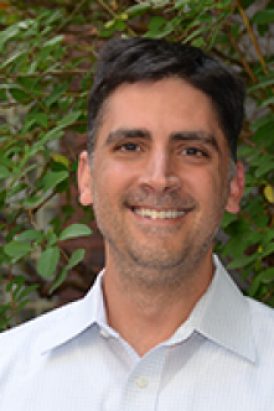
James B. Kaper is a Professor and Chair of the Department of Microbiology & Immunology at the University of Maryland School of Medicine. He serves as Vice Dean for Academic Affairs and previously held leadership roles as Senior Associate Dean (2014–2019) and Chair (2007–present). His research focuses on the molecular pathogenesis of diarrheagenic Escherichia coli and Vibrio cholerae , including vaccine development and bacterial-host interactions. Education: BS (1973) and PhD (1979) in Microbiology from University of Maryland; Postdoc in Molecular Pathogenesis at University of Washington (1979–1981) Dr. Kaper’s work has led to the creation of live attenuated cholera vaccines, including CVD 103-HgR, the first licensed recombinant bacterial vaccine. His lab investigates bacterial genetics, intestinal colonization, and immune system activation, particularly TLR5 response to V. cholerae flagellin. He has authored 303 peer-reviewed articles and 68 book chapters. His research has been funded continuously by NIAID since 1982. Key publications include foundational work on V. cholerae vaccines (1984), genomic structure (1998), and quorum sensing in EHEC/EPEC (1999). His lab’s recent studies focus on phosphotyrosine proteomics (2013) and pathogenicity island regulation (2007). Scientific awards: Fellow, American Academy of Microbiology (1994); NIH Merit Award (2004); ASM DC White Award (2019) Editorial roles: Editor-in-Chief, EcoSal (2006–present); Associate Editor, International Journal of Medical Microbiology (2000–present) As an academic leader, Dr. Kaper has mentored over 60 graduate students and postdoctoral fellows. He holds multiple patents for cholera vaccines and E. coli diagnostics, including U.S. Patents 4,935,364; 5,399,494; and 6,204,004. His lab at UMSOM combines basic science with translational applications for enteric disease prevention.
Manuel R. Amieva is a Professor at Stanford University School of Medicine , holding joint appointments in Pediatrics - Infectious Diseases and Microbiology & Immunology . He is also a member of the Maternal & Child Health Research Institute (MCHRI) . His clinical practice at Stanford Medicine Children's Health focuses on pediatric infectious diseases. Education: Medical Education: Stanford University School of Medicine (1997) Fellowship: Stanford University Pediatric Infectious Disease Fellowship (2004) Internship & Residency: Stanford Health Care at Lucile Packard Children's Hospital (1998-1999) Dr. Amieva's research investigates host-pathogen interactions at epithelial barriers, with specific expertise in Helicobacter pylori , Listeria monocytogenes , Salmonella enterica , and Staphylococcus aureus . His lab develops innovative organoid culture systems with controlled polarity to study microbial colonization and oncogenic mechanisms. Key discoveries include: H. pylori's manipulation of epithelial junctions via the CagA protein Listeria's exploitation of cell extrusion sites for invasion Staphylococcus toxin interactions with adherens junctions Gastric stem cell activation by pathogens Recent publication trends show continued leadership in infectious disease mechanisms (2020-2025), with a focus on: Pathogen-specific epithelial breach strategies Organoid modeling of viral/bacterial interactions Redox-dependent host factor regulation Single-cell spatial transcriptomic analyses Multi-institutional educational frameworks His scientific collaborations span disciplines including: Gastric cancer genomics initiatives COVID-19 lung infection models Stem cell-microbe interactions Medical education reform projects Dr. Amieva maintains active clinical research while mentoring students in both the Microbiology & Immunology and Pediatrics programs. His lab at Stanford employs advanced 3D confocal microscopy and organ-on-a-chip technologies to visualize epithelial colonization dynamics.
Professor Francis Butler is a Full Professor at University College Dublin's School of Biosystems and Food Engineering, where he has been since 1990. His academic roles include research leadership in food safety, food chain integrity, and microbial risk assessment. He leads the UCD Institute for Food and Health and the UCD Centre for Food Safety as a Principal Investigator. Education: BE, Grad Dip University Teaching & Learning, MBA, and PhD from University College Dublin. Research Focus: His work centers on food safety hazards, quantitative risk assessment, and next-generation sequencing for pathogen identification. Recent projects include Listeria monocytogenes growth modeling, norovirus in oysters, and hepatitis E in pork products. He has secured over €6 million in research grants, including EU-funded projects like FOODINTEGRITY and SIGMACHAIN. Awards & Recognition: European Food Safety Authority Fellowship, Marie Sklodowska-Curie Fellowship, and UCD Teaching Grant. He coordinates international educational programs, including the UCD MSC Food Safety and Risk Analysis. Professional Activities: Member of EFSA advisory committees, editorial boards (e.g., Microbial Risk Analysis ), and international conference chairs. His work bridges academia, industry, and policy to enhance food safety standards globally.
William John Moss is a Professor in the Department of Epidemiology at the Johns Hopkins Bloomberg School of Public Health, where he also holds joint appointments in International Health and Molecular Microbiology and Immunology. He serves as Executive Director of the International Vaccine Access Center (IVAC) and Deputy Director at the Johns Hopkins Malaria Research Institute. His work spans multiple centers including the Center for Global Health, Center for Humanitarian Health, and Johns Hopkins Vaccine Initiative. Dr. Moss earned his MD from Columbia University in 1984 and his MPH in 1995. As a pediatrician with subspecialty training in infectious diseases, he has conducted extensive field research across multiple countries including Ethiopia, Kenya, South Africa, Zambia, Zimbabwe and India. His research focuses on the epidemiology and control of childhood infections in resource-poor settings, with particular emphasis on measles-HIV interactions, malaria transmission in southern Africa, serosurveillance for immunization programs, and care of HIV-infected children in rural Zambia. His recent work (2024-2025) demonstrates continued focus on measles epidemiology, malaria transmission dynamics, and vaccine implementation research, with numerous publications examining immunity gaps, human mobility patterns, and malaria vector biology in African settings. Scientific Awards: Wyeth-Lederle Vaccines and Pediatrics Young Investigator Award in Vaccine Development (1999-2001) Gustave J. Martin Innovative Research Fund Fellow (2001) Advising, Mentoring and Teaching Recognition Award (2007-2008) Dr. Moss leads multiple research projects including studies on HIV-infected children's immune reconstitution, malaria transmission dynamics in southern Zambia, and strengthening immunization systems through serosurveillance. His work bridges clinical medicine, epidemiology, and public health policy to address critical challenges in global infectious disease control.
Prof. Ilse Dewachter is the head of the Biomed Neuroscience research group at Hasselt University (UHasselt), specializing in Alzheimer’s therapy and prevention for over 25 years. Her work focuses on multi-targeted therapies targeting tau, inflammation, and ApoE, alongside pioneering research into disease prevention via blood-based biomarkers. Recent studies explore a protective APOE3ch mutation that halted Alzheimer’s progression in a patient, offering hope for new treatments. Research Interests: - Alzheimer’s disease mechanisms (Abeta, tau, inflammation) - Multi-target therapies and biomarker development - Neurodegenerative disease prevention strategies - Genetic mutations impacting disease progression Articles Overview: Her most recent work (2025-2022) addresses neuroinflammation, tau propagation models, and AI-driven neuroimaging. Key themes include APOE genetics, blood-brain barrier dynamics, and exercise impacts on cognition. Funding & Grants: Current projects require significant investment for advanced biomarker equipment and clinical trials. A notable €300,000 grant funded research on brain lipid metabolism’s role in Alzheimer’s. Labs & Teams: Leads the BIOMED Neuroscience group at UHasselt, collaborating internationally on preclinical models and drug development.
Professor Roland J. Pieters is a distinguished academic at Utrecht University's Faculty of Science, where he serves as a full Professor in the Department of Chemical Biology and Drug Discovery. With over two decades of experience at the institution, he has progressed from Assistant Professor (1998) to Associate Professor (2005) and ultimately to Full Professor (2010-present). His research group is internationally recognized for groundbreaking work at the intersection of carbohydrate chemistry, chemical biology, and drug discovery, with particular emphasis on developing novel therapeutic approaches against bacterial infections and pathogenic mechanisms. Full Professor, Utrecht University (2010-present) Associate Professor, Utrecht University (2005-2010) Assistant Professor, Utrecht University (1998-2005) NWO Talent Post-doctoral Fellow, ETH-Zürich (1995-1996) Postdoctoral Researcher, University of Groningen (1996-1998) Professor Pieters earned his M.Sc. in Organic Chemistry from the University of Groningen in 1990, where he worked with Professor Ben Feringa, and completed his Ph.D. at MIT in 1995 under the supervision of Professor Julius Rebek Jr. His doctoral research focused on molecular recognition and template effects in bisubstrate systems, establishing the foundation for his lifelong interest in molecular interactions. Professor Pieters' research primarily centers on glycodrugs and the strategic interference with protein-carbohydrate interactions using multivalent systems of varying architectures. His laboratory has made significant contributions to understanding how rigid spacers in multivalent ligands can dramatically enhance binding affinity to target proteins, with applications against viral and bacterial adhesion proteins, toxins, galectins, and glycosidases. A particular focus has been on developing inhibitors for Pseudomonas aeruginosa lectin LecA, cholera toxin, influenza virus hemagglutinin, and more recently, SARS-CoV-2 spike protein interactions with host cell receptors. His group also pioneered the use of glyco- and peptide-microarrays for high-throughput screening of carbohydrate-protein interactions and drug discovery, particularly in the area of O-GlcNAcylation research. The publication record of Professor Pieters demonstrates consistent innovation in the field of multivalent carbohydrate-based therapeutics. His recent work (2020-2024) shows a strategic expansion into viral pathogenesis (particularly influenza and SARS-CoV-2), immune modulation through glycan recognition, and novel approaches to vaccine development. A notable trend is the increasing sophistication of multivalent architectures, moving from simple divalent systems to tetra- and hexavalent ligands with precisely engineered spatial arrangements. His research bridges fundamental chemical principles with practical therapeutic applications, maintaining strong connections to pharmaceutical development while advancing basic science understanding of carbohydrate-mediated biological processes. Professor Pieters' scientific achievements have been recognized with prestigious awards including a Fellowship from the Royal Netherlands Academy of Arts and Sciences (KNAW) in 1999 and a VICI personal grant from the Netherlands Organisation for Scientific Research (NWO) in 2008. These competitive awards reflect the significance and innovation of his research program. He has also served on editorial advisory boards, notably as Section Editor-in-Chief for Chemical Biology in the journal Molecules (2018-2022), contributing to the scholarly community through peer review and academic leadership. Fellowship of Royal Netherlands Academy of Sciences (KNAW), 1999 VICI, personal grant, NWO, 2008 Section Editor-in-Chief Chemical Biology for Molecules (2018-2022) Throughout his career, Professor Pieters has coordinated significant research projects including the EU project POLYCARB and secured competitive funding that has sustained his innovative research program. His laboratory has fostered numerous collaborations across Europe and internationally, creating a vibrant research environment that has trained many scientists now working in academia and industry. His research on multivalent carbohydrate systems represents a sustained intellectual contribution to chemical biology with direct relevance to developing new anti-infective strategies and therapeutic approaches. Professor Pieters leads an active research group within Utrecht University's Department of Chemical Biology and Drug Discovery, situated in the David de Wied Building. His laboratory maintains strong connections with other research groups both within Utrecht University and internationally, particularly in the fields of glycobiology, infectious diseases, and drug discovery. The research environment he has cultivated emphasizes interdisciplinary approaches, combining synthetic chemistry, biophysical analysis, and biological testing to address fundamental questions in carbohydrate-mediated biological processes with therapeutic applications.
Dr. Ali Nazmi is an Assistant Professor in the Department of Animal Sciences and the Food for Health Discovery Theme at The Ohio State University. He holds affiliations within the College of Food, Agricultural, and Environmental Sciences (CFAES). His research focuses on nutritional immunology, host-pathogen interactions in poultry and pigs, and the metabolic roles of intestinal immune cells. Nazmi obtained his B.Sc. in Poultry Production and M.Sc. in Poultry Breeding from Ain Shams University (Egypt), followed by a Ph.D. in Animal Biology from UC Davis (2017). He completed postdoctoral training in mucosal immunology at Vanderbilt University Medical Center before joining OSU in 2021. His recent work includes studies on intraepithelial lymphocytes in intestinal health, enteric disease resistance in poultry, and swine T cell biology. Key publications address mechanisms of necrotic enteritis in chickens, unconventional T cell subsets, and cytokine regulation in colitis models. Collaborations span avian immunology, swine immunology, and semen cryopreservation techniques. Education: B.Sc. (Ain Shams), M.Sc. (Ain Shams), Ph.D. (UC Davis) Postdoc: Vanderbilt University Medical Center (mucosal immunology) Key Research Themes: Nutritional Immunology, Mucosal Immunity, Avian/Porcine Health
Dr. Oluwabunmi (Bunmi) Olaloye is an Assistant Professor of Pediatrics in the Division of Neonatology at Yale School of Medicine. She holds appointments in Neonatal-Perinatal Medicine and is affiliated with the Janeway Society. Her academic background includes an MD from Rutgers New Jersey Medical School, pediatrics residency at University of Texas Medical Branch, and neonatology fellowship at University of Pittsburgh Medical Center. Dr. Olaloye's research focuses on immune dysfunction underlying neonatal intestinal diseases such as necrotizing enterocolitis (NEC) and spontaneous intestinal perforation (SIP). Using cutting-edge techniques like single-cell RNA sequencing and mass cytometry, her work identifies biomarkers and therapeutic targets to improve outcomes for premature infants. Key research areas include fetal immune system maturation, placental immune interactions, and gestational age-specific inflammatory responses. Her publication record spans 12 peer-reviewed articles between 2019-2025, emphasizing translational immunology and neonatal pathophysiology. Notable contributions include defining immune cell trajectories in preterm infants and developing gating guidelines for high-dimensional cytometry data. Current projects involve constructing immune cell atlases across human lifespans and investigating nutritional interventions for intestinal disorders. Laboratory affiliations include the Laboratory for Surgery, Obstetrics & Gynecology where she explores neonatal mucosal immunity. Her work integrates clinical observations with systems immunology approaches to address critical gaps in understanding prematurity-associated gastrointestinal pathologies.
Ashley Moseman serves as an Assistant Professor of Integrative Immunobiology and Assistant Professor of Cell Biology at Duke University School of Medicine. She holds significant affiliations as a Faculty Network Member of the Duke Institute for Brain Sciences and a Member of the Duke Cancer Institute. Her pioneering research examines the delicate balance between neuronal function and immune protection at the olfactory neuroepithelial barrier, where sensory neurons directly interface with the external environment while protecting the central nervous system from pathogens. Dr. Moseman completed her Ph.D. at Harvard University in 2011, establishing the foundation for her interdisciplinary career at the intersection of immunology and neuroscience. Her research program focuses on understanding how immunological surveillance operates at the unique olfactory barrier, where neurons must contact the external environment to perform chemosensory functions while preventing pathogens from entering the CNS. The Moseman Lab employs cutting-edge multiphoton intravital imaging to visualize immune responses in vivo, revealing dynamic cellular interactions during viral infections and responses to pathogens like Naegleria fowleri. Current projects investigate olfactory barrier mechanisms, neuroimmune crosstalk, host-pathogen dynamics, and immune responses to deadly neurotropic pathogens. Analysis of Dr. Moseman's publication record demonstrates a cohesive research trajectory centered on neuroimmunology and mucosal defense mechanisms. Her work spans fundamental immunological processes, host-pathogen interactions at neural interfaces, and translational applications for understanding neurological complications of infections. A significant portion of her recent research addresses SARS-CoV-2-related olfactory dysfunction and the immunological basis of pathogen invasion through the olfactory system into the central nervous system. Dr. Moseman has secured substantial research funding including 'Using tissue-specific Naegleria opportunism to dissect olfactory immunity' (2025-2030), 'Characterizing olfactory plasma cell dynamics and survival niche within the upper airway' (2024-2029), and the 'Advanced Immunobiology Training Program for Surgeons' (2019-2029). She actively contributes to graduate education through the Medical Scientist Training Program (2022-2027) and teaches advanced immunology courses including IMMUNOL 736 and IMMUNOL 494. The Moseman Lab represents a leading center for neuroimmunology research, utilizing in vivo imaging to visualize immune responses within the central nervous system. Their work has significant implications for understanding how pathogens breach neurological barriers and how the immune system protects the brain while preserving essential sensory functions, with potential applications for treating neurological infections and inflammatory conditions.
Julian Guttman is a Professor in the Department of Biological Sciences at Simon Fraser University (SFU), specializing in Cellular Microbiology. He serves as Editor-in-Chief of the journal Cytoskeleton . His research focuses on bacterial infections' molecular mechanisms, particularly how pathogens like Listeria monocytogenes , E. coli , and Salmonella manipulate host cell cytoskeletons (actin, microtubules) to invade, spread, and cause disease. Key areas include actin-based motility, pathogen-induced membrane protrusions, and therapeutic development. His lab actively recruits undergraduate, graduate students, and postdoctoral fellows. Education: BSc (University of Western Ontario), MSc and PhD (University of British Columbia). He has published extensively on host-pathogen interactions, with recent work on Listeria's caveolin-mediated spreading, KATNAL1-driven microtubule disassembly by Klebsiella, and cyclophilin A's role in Salmonella invasion. His work bridges microbiology, cell biology, and structural biology to combat infectious diseases.
Professor Ruth Zadoks is a faculty member at the Sydney School of Veterinary Science, University of Sydney. She holds academic positions in the Sydney Institute of Agriculture and Sydney Southeast Asia Centre, and is involved with the Sydney Infectious Diseases Institute. Her research focuses on antimicrobial resistance, zoonotic diseases, bovine health, and One Health principles. Notable projects include investigations into Japanese encephalitis transmission dynamics, antibiotic use in East African livestock, and molecular epidemiology of Group B Streptococcus. Recent grants include studies on microbial spillover in aquaculture and precision feeding in broiler chickens. Her work integrates veterinary and public health perspectives, addressing issues like anthrax impacts in rural Africa, tilapia-borne zoonoses, and diagnostic innovations for bovine mastitis. Over 118 peer-reviewed publications highlight her contributions to aquatic pathogen genomics, food safety, and livestock disease ecology. Recent grants (2024): - Revealing microbial spillover drivers in aquaculture (SSEAC Incubator) - Sustainable Precision Feeding in Broiler Chickens (AgriFutures) - ASEAN Antimicrobial Resistance Network (DFAT-funded) Labs/Teams: Affiliated with Sydney Infectious Diseases Institute and collaborates across interdisciplinary One Health networks.
Dr. Byeonghwa Jeon is an Associate Professor in the Division of Environmental Health Sciences at the University of Minnesota. His research focuses on antibiotic resistance mechanisms, stress tolerance in foodborne pathogens, and development of antimicrobial alternatives such as bacteriophages and antioxidant-based therapies. Education: PhD in Veterinary Medical Sciences, University of Tokyo, Japan MSc in Food Science and Biotechnology, Lund University, Sweden BSc in Food Science and Technology, Seoul National University, Korea Postdoctorate in Veterinary Microbiology and Preventive Medicine, Iowa State University Dr. Jeon's research employs molecular biology, genomics, and microbial ecology to study Campylobacter jejuni, a leading enteric pathogen, with emphasis on stress responses, biofilm formation, and antibiotic resistance. His work aims to develop interventions to disrupt bacterial survival pathways and reduce public health impacts. Recent publications highlight his exploration of antioxidant-mediated antimicrobial synergy, cold tolerance mechanisms, and phage-based control of multidrug-resistant bacteria. Key collaborations include researchers from South Korea, Canada, and the U.S. Areas of investigation include: Stress tolerance in foodborne pathogens Molecular mechanisms of antibiotic resistance Bacteriophage applications for STEC and Salmonella Oxidative stress and biofilm regulation Wall teichoic acid roles in Listeria Adjuvant strategies for bacitracin against MRSA
Dr. Gajender Aleti serves as an Assistant Professor in the Department of Agricultural and Environmental Sciences within the College of Agriculture at Tennessee State University (TSU), having joined the institution in August 2022. His academic appointment bridges agricultural sciences, environmental health, and biomedical research through interdisciplinary microbiome studies. His educational credentials include a PhD in Microbial Ecology from the Austrian Institute of Technology & The University of Natural Resources and Life Sciences, Vienna; an MSc in Bioinformatics from the University of Abertay Dundee; an MSc in Biotechnology from Osmania University, India; and a BSc in Botany, Zoology, and Chemistry from Osmania University. Dr. Aleti's research program investigates critical interactions between diet, the gut microbiome, and host health, with three core pillars: Understanding diet-microbiome-gut health interactions Characterizing bioactive small molecules produced by gut microbiota Elucidating gut microbiome-nervous system communication (Gut-Brain Axis) Analysis of his 15 recent publications (2016-2022) reveals a strong translational focus spanning human health contexts (salivary/gut microbiomes in depression, obesity, OCD, and oral cancer) and agricultural applications (rhizosphere microbiomes, bioremediation). His work predominantly employs mass spectrometry-based metabolomics and genomic data mining within large collaborative frameworks, demonstrating methodological innovation in multi-omics integration. While no specific scientific awards are documented in the provided materials, his publication record in journals like Nature Communications , Nature Methods , and BMC Microbiology reflects significant scholarly impact. His research is supported by active grants enabling investigations into microbiome-host dynamics across diverse physiological systems. Dr. Aleti actively mentors graduate researchers within TSU's Department of Agricultural and Environmental Sciences, contributing to the university's research infrastructure through laboratory-based investigations of microbial community dynamics and molecular mechanisms in health and disease contexts.
V Stalin Raj serves as an Associate Professor in the School of Biology at the Indian Institute of Science Education and Research (IISER) Thiruvananthapuram, where he leads research on coronavirus virology and host-pathogen interactions. Previously, he worked as a Scientist at Erasmus Medical Center in Rotterdam, Netherlands (2010-2017) and completed postdoctoral training at the University of Liege, Belgium. Dr. Raj earned his PhD in Biotechnology from the University of Madras in 2007, with thesis research on White Spot Syndrome Virus and Monodon Baculovirus affecting farmed Penaeus monodon. His academic journey includes a BSc in Microbiology (1999) from the University of Madras and an MSc in Biotechnology (2001) from Madurai Kamaraj University. His primary research focuses on coronavirus entry mechanisms, virus-host interactions, and vaccine development. Dr. Raj is particularly known for his work identifying dipeptidyl peptidase 4 (DPP4) as the functional receptor for MERS-CoV, published in Nature (2013). His laboratory investigates how coronaviruses like MERS-CoV and SARS-CoV-2 enter host cells, with emphasis on developing broad-spectrum antivirals and thermostable vaccines suitable for resource-limited settings. Current projects explore natural compounds like EGCG from green tea as potential inhibitors of viral entry across multiple coronavirus strains. Analysis of his recent publication record reveals a strong focus on coronavirus spike protein interactions, neutralizing antibody development, and innovative vaccine platforms. His work spans fundamental virology to translational applications, with increasing emphasis on addressing challenges posed by SARS-CoV-2 variants and the need for broadly reactive coronavirus countermeasures. Scientific Recognition Co-author on multiple high-impact papers in Nature , Science , The Lancet Infectious Diseases , and PNAS Key contributor to identifying DPP4 as the MERS-CoV receptor, a fundamental discovery in coronavirus research Recipient of postdoctoral fellowships at University of Liege and research opportunities at prestigious institutions including Erasmus MC Dr. Raj serves as a journal referee for Emerging Infectious Disease (CDC), Eurosurveillance (ECDC), Journal of Virological Methods, and other prominent virology publications. His research program at IISER Thiruvananthapuram focuses on developing thermostable vaccine platforms and investigating mechanisms of viral entry inhibition, with particular attention to making coronavirus countermeasures accessible in resource-limited settings worldwide.
Matthew Chapman is a Professor and Associate Chair for Graduate Studies in the Department of Molecular, Cellular, and Developmental Biology (MCDB) at the University of Michigan. His research focuses on bacterial amyloid fibers, particularly curli, which are critical for biofilm formation and pathogenesis in enteric bacteria. He investigates the structural, functional, and biogenic mechanisms of curli, exploring their roles in microbial survival, disease, and interactions with human proteins like α-synuclein. Dr. Chapman earned his Ph.D. from Indiana University (1999) and completed postdoctoral training at Washington University in St. Louis (1999-2003). His work bridges microbiology, biochemistry, and structural biology, employing techniques such as microscopy, genetics, and biochemical assays. Recent articles highlight advancements in understanding curli’s role in inhibiting amyloid formation, microbial warfare, and neurodegenerative disease connections. The lab’s findings underscore curli’s dual role as both a functional microbial structure and a potential contributor to human pathologies. Collaborative efforts aim to develop anti-biofilm strategies and elucidate amyloid dynamics across kingdoms. No scientific awards are explicitly listed, though his extensive publication record reflects sustained academic impact. The Chapman Lab actively engages in interdisciplinary research, with projects spanning biofilm engineering and host-pathogen interactions.