Dr. Mary Ann Hunter is Associate Professor in Education at University of Tasmania, specializing in arts-based enquiry and transformative educational practice. Her work explores creative ecologies and reflective supervision frameworks for educators, examining how curiosity and nomad creativity shape learning across formal and informal contexts. Research examines: Arts-based peacebuilding methodologies Reflective supervision for educational leaders Creative ecologies in learning environments Arts-sustainability education connections Community cultural development She leads international networks including IMPACT (initiative for conflict transformation) and coordinates interdisciplinary research projects evaluating arts-based programs like Terrapin Puppet Theatre's dementia care initiative and APRA AMCOS's Songmakers residency program. Honors include the Australian Philip Parsons Prize for Research and Excellence in Leadership Award from the Australian Council for Educational Leadership.
Professor Zoheir Sabeur is Professor of Data Science and Artificial Intelligence at Bournemouth University (2019–present) and Head of the Processes and Behaviour Understanding (PRO_BU) Research Group. He concurrently serves as Visiting Professor of Data Science at Colorado School of Mines (2017–present) and held the position of Science Director at the IT Innovation Centre, University of Southampton (2009–2019). Over three decades he has led more than 30 large-scale projects as Principal Investigator, securing over £12 million of funding from the European Commission, UKRI, DSTL, NERC, EPSRC and industry. Education PhD in Theoretical Physics, University of Glasgow (1990) MSc in Theoretical Physics, University of Glasgow (1986) BSc First-Class Honours in Physics and Applied Mathematics, Université d'Oran (1984) Advanced Leadership Programme, Ashridge Business School (2011) Research Interests Professor Sabeur’s research focuses on the fundamental theory and application of data science and artificial intelligence to understand complex human, natural and industrial processes and behaviours. His work spans multi-modal sensing, big-data analytics and machine-learning algorithms that extract actionable knowledge from large heterogeneous datasets. Application domains include: Healthcare: AI-driven diagnostics and prognostics for chronic diseases such as COPD, asthma and cancers through omics and phenotypic data integration. Environmental & Climate: Earth-observation analytics for wildlife migration and climate-change impact assessment using satellite data and global grid systems. Maritime & Cyber-Physical Security: Real-time risk assessment for shipping in extreme environments, smart-city safety and critical-infrastructure protection using computer vision and sensor fusion. Recent research has produced novel AI classifiers that analyse lung-auscultation audio signals to grade COPD severity, as well as digital-twin frameworks for detecting malicious behaviour in urban spaces. Scientific Awards & Recognition Fellow of the British Computer Society (FBCS) Fellow of the Institute of Marine Engineering, Science & Technology (FIMarEST) Chartered Engineer (CEng) and Chartered Physicist (CPhys) Multiple ORS Awards (1987, 1988, 1989) Grants & Doctoral Supervision Professor Sabeur has secured and led more than 40 funded projects since 1996, including recent grants such as INSIGHT (NIHR, 2024) and S4AllCities (H2020, 2020). He currently supervises three ongoing PhD students at Bournemouth University and has successfully graduated three others, covering topics from computational hydrodynamics to AI-based respiratory-disease analytics. He welcomes enquiries from prospective postgraduate researchers interested in data science, AI and interdisciplinary applications under schemes such as UKRI and Horizon Europe.
Dr. Alison Croasdale serves as a Lecturer in Digital Media: Education at University College London's Institute of Education, specifically within the Culture, Communication & Media department and based at the UCL Knowledge Lab. She teaches across both undergraduate and postgraduate programs, focusing on the intersection of digital media and educational practice. Dr. Croasdale holds an undergraduate degree in English Literature with specialization in Gothic literature, followed by two Master's degrees: Critical Theory from Manchester Metropolitan University (2008) and Digital Media, Culture and Communication from UCL's Institute of Education (2016). Prior to her academic career, she spent ten years as a secondary school middle leader and teacher of English and Media in East London, providing valuable practical experience that informs her research and teaching. Her research interests focus on the intersection of digital media and English teaching methodologies, particularly examining how digital approaches can enhance student engagement with challenging literary texts. She explores the evolution of teaching practices through a postdigital lens and investigates non-professional videogame design as both a creative process and analytical tool for education. Her work bridges traditional literary studies with contemporary digital practices, with particular attention to how game design principles can illuminate classic texts like Shakespeare's Macbeth. Dr. Croasdale has presented numerous conference papers on innovative teaching approaches, including 'Creating and Recreating Game Time' at the University of Exeter (2023), 'Full of sound and fury: Teaching Macbeth through Game Design' for BritGrad (2022), and 'GCSEs to Undergraduate: Managing Student Transition' at the University of Keele (2019). Her recent publications examine postdigital videogame literacies and the application of game design principles to educational contexts. As an educator, she serves as module leader for 'Moving Image Production' (postgraduate) and 'Media Education in Schools' (undergraduate), while also contributing to 'Digital Media: Enquiry' and 'Creativity: from Theory to Practice in English, Media and Drama.' She supervises dissertations and reports on the MA Digital Media: Education program, guiding students in exploring the creative and analytical potentials of digital media in educational contexts.
Dr. Katherine Rogers is a Senior Lecturer in the School of Nursing and Midwifery at Queen’s University Belfast. Her research focuses on bioscience education for healthcare professions and cancer-related projects, with a particular emphasis on pharmacology and epidemiology. She holds a PhD and has authored/edited over 10 textbooks and numerous peer-reviewed articles. Notable awards include the Rising Star Teaching Award (2011) and Senior Fellow of the Higher Education Academy (2021). Dr. Rogers supervises PhD students in healthcare education and oncology, with current projects exploring disaster management education and enquiry-based learning in midwifery. Her pedagogical work emphasizes student engagement through innovative methods like podcasts, digital games, and interprofessional physiology events. She co-designed a pancreatic cancer awareness game and led the Physiology Health Check initiative. Professional activities include academic promotions mentoring and involvement in the Queen’s Communities and Place (QCAP) STEAM Summer Scheme. Dr. Rogers has mentored several successful students, including Fatmah Kreedi (Kuwaiti nurse education) and Anita Byrne (midwifery curriculum innovation). Her lab collaborations span pancreatic cancer awareness and clinical competency evaluation. She is actively involved in the Chronic Illness and Palliative Care Research Initiative and open to PhD applicants in bioscience education or cancer-focused research.
Dr. Kristen Jones-Bonofiglio is an Associate Professor and Director of the School of Nursing at Lakehead University. She also serves as Director of the Centre for Health Care Ethics within the Faculty of Health & Behavioural Sciences. Her work bridges nursing practice with ethical frameworks, focusing on moral distress and compassionate care. Academic Background: PhD in Educational Studies (Cognition & Learning Stream), Lakehead University MPH in Nursing Specialization, Lakehead University BScN, Lakehead University Research Focus: Dr. Jones-Bonofiglio's research addresses ethical decision-making in health care, moral distress, teaching compassion in nursing, substance use in inpatient settings, and digital storytelling. She integrates theory with practical applications, such as patient care planning using computer-aided design. Publication Trends: Recent works include pandemic ethics, rural health care frameworks, nurse practitioner retention, and patient-oriented research. Many publications analyze moral distress in acute and community settings, while others explore digital storytelling and educational innovations. Scientific Contributions: AMS Phoenix Fellow Co-editor of Health Care Ethics through the Lens of Moral Distress (2020) Editorial Board, Global Bioethics Enquiry Leadership & Collaboration: She leads the Centre for Health Care Ethics and contributes to EPID@Work Research Institute. Her affiliations include the Centre for Research on Aging & Health. She supervises student theses and emphasizes interdisciplinary collaboration.
Alan Hindle is a Senior Lecturer at the University of Wolverhampton's School of Pharmacy & Life Sciences, with expertise in Clinical Pharmacy Practice . He has extensive experience in practice-based education and case-based learning approaches, focusing on cardiology and liver disease within pharmacy therapeutics. BSc in Pharmacy (1990) Postgraduate Diploma from Keele University (2003) PG Cert in Learning and Teaching in Higher Education PG Cert in Professional Learning in Education His research centers on enquiry-based learning and case-based learning in pharmacy education, practice-based education , assessment systems (including electronic portfolios), and medicines management for patient safety. He has pioneered non-modular, theme-based curricula and team-based learning (TBL) in MPharm programs. Alan's publications highlight themes in pediatric pharmacotherapy , interprofessional prescribing , clinical teaching , educational technology , and pharmacy education reform . He is a Fellow of the Higher Education Academy and earned a Postgraduate Diploma with Distinction from Keele University. He has held leadership roles in course accreditation , served on the University Quality Panel , and contributed to regulatory body engagements as a member of the GPhC MPharm accreditation team (2007-2016). His work bridges pharmacy education and clinical practice through innovations in teaching and assessment.
Robin Adams is Professor of Engineering Education and Director of Engineering Education Undergraduate Degree Programs at Purdue University. She leads research on design education and interdisciplinary collaboration within the College of Engineering. Research focuses on developing innovative approaches to engineering education, including design thinking pedagogy, cross-disciplinary teamwork, and mentorship models. Her work examines how students develop design expertise through reflective practice and how educators can facilitate effective learning partnerships. Recent publications explore trade-off decision protocols, uncertainty management in design tasks, and frameworks for implementing NGSS engineering practices. She serves on the Undergraduate Advisory Council (UGAC), shaping curriculum development initiatives. Her blog 'xdisciplinary-thinking-practice' documents ongoing work in transforming engineering education through situated learning approaches and evidence-based pedagogical innovations.
Dr Florence Gabriel is an Enterprise Fellow at UniSA Education Futures, University of South Australia, with expertise in education policy, mathematics curriculum design, and learning analytics. She leads research initiatives addressing self-regulated learning, STEM equity, and student wellbeing in primary and secondary education. Her academic roles include Research Degree Supervisor and involvement with the Centre for Change and Complexity in Learning (C3L). She has received significant funding including a $491k grant from the Commonwealth Department of Employment and Workplace Relations for gender equity initiatives in STEM. Florence’s work spans global education frameworks (OECD Learning Compass 2030), primary school interventions (self-regulated learning trials), and wellbeing screening tools (WEC project). She collaborates internationally on topics like climate education and algorithmic decision-making trustworthiness. Her research emphasizes actionable solutions through mixed-methods approaches, linking educational theory to practical classroom strategies. Notable projects include reducing mathematics anxiety through enquiry-based learning and developing scalable interventions for academic success.
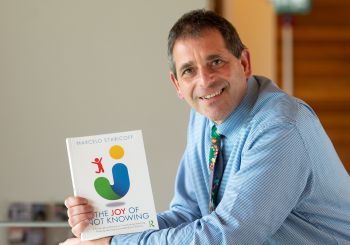
Dr Marcelo Staricoff is an Assistant Professor in Primary Education at the University of Sussex School of Education and Social Work (ESW), where he serves as Course Leader for the Masters in Education program and BA Primary & Early Years Course (BAPEYE) with Qualified Teacher Status. He also leads the Department's Bolashak Scholars initiative from Kazakhstan, acts as External Examiner for Durham University's Primary Education program, and represents Sussex on the UK-Uzbekistan Education Forum. Former research scientist and primary school headteacher Author of two influential educational books International consultant for UNICEF and Coram Life Education Active in educational policy through APPG and IAFOR Recognized with two major fellowships (Chartered College of Teaching & HEA) His work emphasizes creative, critical and philosophical thinking in multicultural classrooms, with a focus on bilingual education and values-led leadership. He promotes lifelong learning dispositions through his JONK approach, which has inspired schools across England and international initiatives. Recent publications include explorations of AI in education and multilingual pedagogy. Awards include being named Founding Fellow of the Chartered College of Teaching (2019) and Higher Education Academy Fellowship (2023). He actively contributes to educational discourse through speaking engagements and charity work, including chairing the Global Empathy Conference.
Senior University Lecturer Hannah Kaihovirta (Docent, PhD, M.A.) holds an academic position at the Faculty of Education of the University of Helsinki , specializing in Swedish-language teacher education with a focus on arts and crafts. She also serves as an Associate Professor at Åbo Akademi University and has held visiting research appointments at NTNU Trondheim . Education : Doctor of Philosophy in Art Education, Åbo Akademi (2009) Master of Arts in Drama Education, Åbo Akademi (2008) Master of Arts in Visual Arts, University of Art and Design Helsinki (2004) Docent in Fine Arts Education, Åbo Akademi (2003) Research interests center on arts-focused learning environments , multimodal/digital/hybrid pedagogy , and diversity in education . Her work explores: Visual methods in teacher training (VISLU project) Arts interventions in special education (EMOS#SOME project) Policy development for multilingual and socially equitable education (DIMISO framework) Materialist ontologies in contemporary art pedagogy Blended learning spaces for creative disciplines Scientific contributions include leadership of three major projects: SKAPA - Strategic visual arts education development (2024-2026) ART INTERVENTION - Arts in comprehensive school reform (2023-2025) VISLU - Visual methods in teacher education (2023-present) Scientific awards highlight her mentorship excellence, including the 2013 Handledarpris . Her supervision extends to master's and doctoral researchers across institutions like Aalto University and Åbo Akademi.
Christopher Collier serves as a Senior Lecturer in Primary Science at Bath Spa University's School of Education, where he teaches on the Education Studies programme and leads modules including Environment and Education and Understanding Classrooms. He acts as a dissertation tutor and Academic Advisor while contributing to the Centre for Research in Scientific and Technological Learning and Education (CRiSTLE). His academic background includes a BA (Joint Honors) in Geology and Biology from the University of Keele, a PGCE from University College Chichester, and an MSc in Hydrogeology from University College London. Prior to academia, he worked as a primary school teacher (including assistant headteacher and science subject leader) and as an environmental geologist. Collier's research centers on science and environmental education with specific focus on assessment of science in primary schools, transition between educational stages, and creativity in science teaching. His work examines teacher assessment practices, development of creative pedagogies, and integration of technology like dataloggers for science enquiry skills. Current scholarship investigates assessment without levels and eco-monitoring for data interpretation skills. Analysis of his 15 most recent publications reveals consistent focus on primary science assessment frameworks, teacher development resources, and creative pedagogical approaches. His work bridges practical classroom applications with theoretical assessment models, particularly through the Teacher Assessment in Primary Science (TAPS) project, while increasingly incorporating technology-enhanced learning tools. Professional activities include extensive consultancy funded by the Primary Science Teaching Trust and AstraZeneca Science Teaching Trust, focusing on science assessment and eco-monitoring projects. He serves as a governor for a teaching federation in Somerset and has completed evaluations for initiatives like the Active Learning in Primary Science project. Collier actively participates in research networks through CRiSTLE and regularly presents at major conferences including ASE Annual Conferences and ICASE World Conferences, maintaining strong connections with both academic and practitioner communities in science education.
Dr. Jennifer McNeill is a Professor and Reader in the School of Nursing and Midwifery at Queen's University Belfast, part of the Faculty of Medicine, Health & Life Sciences. She specializes in maternal and child health, midwifery education, and public health roles for midwives. Her research focuses on optimizing clinical outcomes and improving midwifery practices through evidence-based approaches. Dr. McNeill has leadership roles including Lead Midwife for Education and membership in the International Confederation of Midwives Research Standing Committee. Her research interests encompass midwifery education, systematic reviews, and interventions to reduce prenatal stress and anxiety. She has supervised numerous PhD students in areas like continuity of midwifery care and midwifery leadership preparation. Dr. McNeill has been awarded grants for studies such as the APPLE Project and the Positive Minds for Premature Parents initiative. Key achievements include membership on the Board of Directors of TinyLife and contributions to maternity care policy. Her work aligns with UN Sustainable Development Goals, particularly regarding maternal and child health. Research Highlights: Over 60 publications since 2006, focusing on maternal health, midwifery education, and public health interventions. Grants: Projects funded by HSC R&D Office, TinyLife, and the Big Lottery. Awards: Recognized for contributions to healthcare leadership and team excellence at Queen's University. Dr. McNeill collaborates internationally, including projects in Thailand, and serves on editorial boards and advisory panels for midwifery organizations.
Patrik Johansson is a Lecturer at Stockholm University's Department of Teaching and Learning, specializing in history didactics and social studies education. His research focuses on historical source interpretation, inquiry-based teaching, and intercultural perspectives in primary/secondary education. He teaches history, social studies, philosophy, and English at Globala Gymnasiet while leading two major research projects: one examining inquiry-based teaching funded by the School Research Institute, and another supported by the Swedish Research Council. Department of Teaching and Learning, Stockholm University Globala Gymnasiet (High School Lecturer) Research groups: Social Studies Education, Teaching Development Research. His work bridges disciplinary knowledge and students' life-world perspectives, particularly in understanding trust issues and civic narrative competencies. Key methodologies include educational design research, variation theory, and content-focused conversation analysis. Recent publications highlight historical source interpretation (2024), trust in democratic institutions (2023), system geographical webbing for sustainability (2022), and intercultural learning through Viking age artefacts (multiple years). He advocates using material culture to activate historical consciousness and improve critical thinking. Teaching innovations: Developed design principles for historical inquiry, including authentic questions, focus on interpretation, and material culture use. Collaborates with museum educators and teachers in projects like 'The common space' to incorporate heritage into education while addressing migration and cultural encounters.
Dr. Ben Abell is a Senior Lecturer in Plant Biochemistry at Sheffield Hallam University, leading research in biomolecular sciences. He holds a BSc from the University of Cambridge and a PhD from the University of Calgary, followed by postdoctoral research at the University of Manchester. His research focuses on protein and RNA trafficking within cells, with projects addressing viroid RNA import into chloroplasts, membrane protein translational control, and tail-anchored protein targeting. His work is funded by BBSRC, EPSRC, and the Biochemical Society, utilizing techniques like confocal microscopy and ellipsometry analysis. Dr. Abell also actively contributes to academic governance as a programme leader for Integrated Masters degrees in Biology and Chemistry. His teaching integrates research-driven enquiry-based learning, particularly in plant physiology, biotechnology, and molecular biology. He collaborates with researchers across institutions including McGill University, Oregon Health and Science University, and Loughborough University on projects ranging from mathematical modeling to oil body studies. Dr. Abell serves on the editorial board of Frontiers in Plant Science and reviews for multiple international journals, demonstrating his commitment to advancing scientific communication. Recent publications highlight advancements in understanding eIF2B’s role in neurological diseases, amyloid fibril interactions, and innovative teaching methodologies. His research group supports undergraduate research initiatives, bridging academic training with postgraduate pathways.
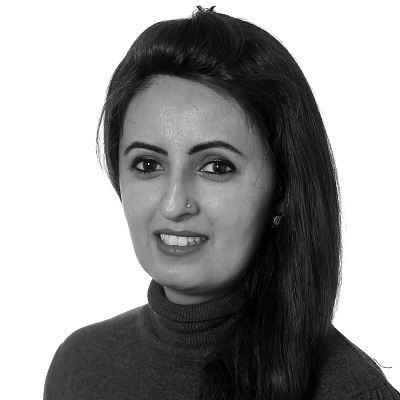
Sukhvinder Hara is a Senior Lecturer in the Department of Computer Science at Middlesex University. Her research focuses on electronic security, digital forensics, blockchain engineering, and financial inclusion challenges in digital systems. She holds a position in Hendon Town Hall and can be contacted at s.hara@mdx.ac.uk (Office: TG03). Her research interests include IoT security, digital forensic methodologies, blockchain applications for healthcare and finance, and mitigating risks of digital financial exclusion. Notable projects examine pandemic-era cybersecurity challenges, decentralized application frameworks, and regulatory compliance in blockchain systems. Publications span 2014–2025, emphasizing cybersecurity education, IoT forensic guidelines, and digital inclusion strategies. Recent work highlights the intersection of EdTech commodification, pandemic-era financial exclusion, and blockchain-based quality audits in healthcare. Collaboration enquiries should contact Dr Aboubaker Lasebae (research) or Prof Juan Augusto (PhD guidance). Teaching inquiries go to Dr Serengul Smith. No specific grants or labs are explicitly listed in available texts.