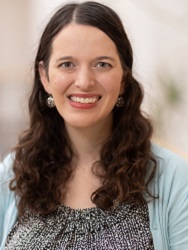
Tammy Barry is a Professor in the Department of Psychology at Washington State University and serves as Dean of the Graduate School and Vice Provost for Graduate Education. Her research focuses on biologically-based and contextual correlates of child externalizing behaviors, including ADHD, aggression, and autism-related disruptive behaviors. Ph.D. in Clinical Psychology (Child Emphasis) - University of Alabama (2000) B.A. in Communication - University of Alabama B.S. in Psychology - University of Alabama at Birmingham Barry's work examines neuropsychological functioning, child temperament, parental psychopathology/stress, parenting practices, socioeconomic factors, and individual differences like narcissism and psychopathy. Her lab investigates the measurement and latent structure of externalizing behavior disorders through interdisciplinary research involving psychophysiological, behavioral, and social data. Recent publications highlight her expertise in autism spectrum disorder, attention-deficit/hyperactivity disorder, and family dynamics. She has directed studies on mindfulness interventions, reward sensitivity, and reporting discrepancies in anxiety symptoms among children with ASD, presented at conferences like WPA, ISAR, and ABCT. No scientific awards explicitly mentioned Barry has mentored numerous graduate students and supervised the Child Externalizing Behaviors (CEB) Lab. The lab is not currently recruiting for Fall 2025 due to her sabbatical cycle. Her former students have transitioned to postdoctoral fellowships and clinical roles across the U.S.
Professor Stuart Johnstone is a prominent researcher and educator in the School of Psychology at the University of Wollongong. He has held academic positions at UOW since 1999, progressing from Lecturer to his current role as Professor since 2018. He previously served as Deputy Head of School (Teaching and Learning) from 2020-2023 and Acting Head of School in 2024. He also maintains a Visiting Professor position at Zhejiang Normal University's Faculty of Special Education since 2018. His educational background includes a PhD and Bachelor of Science (Honours Class I) from the University of Wollongong, followed by post-doctoral work at the University of Sydney's Department of Psychological Medicine. He is a Registered Psychologist with the Australian Health Practitioner Regulation Agency (2001-2022). Johnstone's research focuses on neurophysiological approaches to understanding and treating ADHD, particularly using brain electrical activity measures to improve assessment and diagnosis. His work spans biological psychology, psychophysiology, and developmental psychology, with emphasis on neurocognitive training interventions for children with ADHD. He has developed innovative approaches to ADHD assessment that incorporate EEG measurements alongside traditional clinical evaluations. His publication record demonstrates consistent focus on ADHD neurophysiology, with recent work expanding into cross-cultural applications, portable EEG technology for educational settings, and animal-assisted interventions. His research shows growing emphasis on practical applications of neurocognitive assessment and training, with increasing attention to remote delivery methods and cross-cultural validity of interventions. UOW Vice-Chancellors Award for Outstanding Achievement in Research Commercialisation (2013) UOW Vice-Chancellors Award for Global Strategy (2018) Johnstone actively supervises numerous PhD students, with current projects examining sleep patterns in ADHD, human-dog interactions for wellbeing, and test anxiety in school children. His research is supported by multiple grants including external funding from the Prevention Research Support Program and internal University of Wollongong grants focused on neurocognitive assessment and training. His work has strong international collaboration, particularly with Chinese institutions. He coordinates courses in Biological Psychology and Psychophysiology and has developed international educational programs in Singapore. His research group focuses on translating neurophysiological findings into practical assessment tools and interventions for ADHD, with recent work emphasizing portable technology and cross-cultural applications.
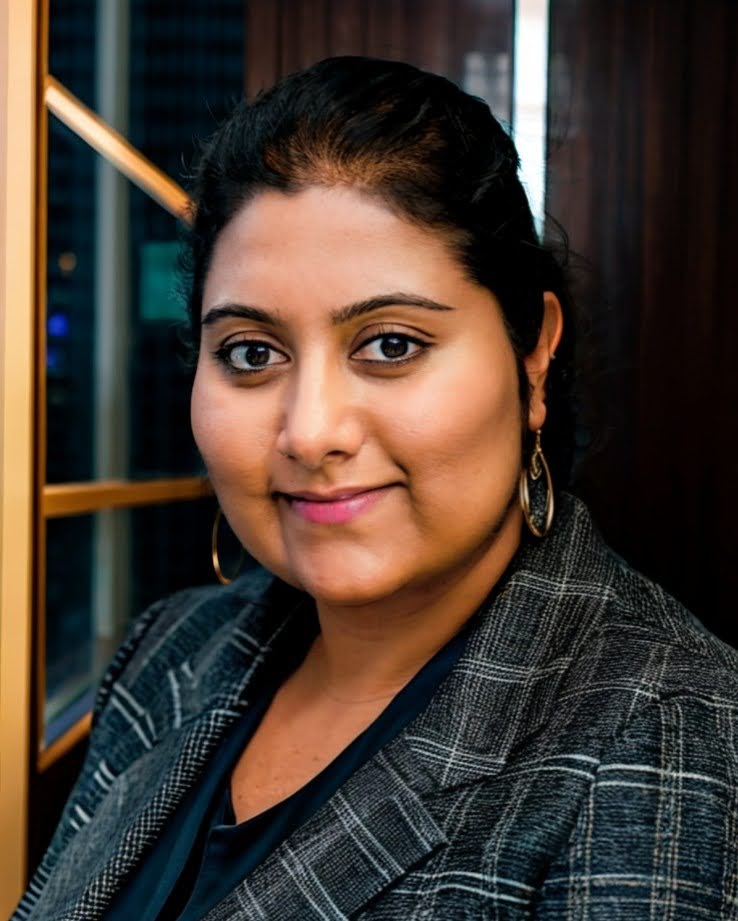
Chantal Mérette is a Professor at Laval University's Faculty of Medicine in the Department of Psychiatry and Neuroscience. She serves as a Researcher at the Quebec Mental Health Institute Research Center, Director of the Clinical and Cognitive Neuroscience division at CERVO Brain Research Center, and Director of the Neuroscience Biostatistics Platform. Her research focuses on developing and applying biostatistical methods for neuroscience data analysis. Key interests include biomarker discovery for neurodevelopmental disorders (schizophrenia, bipolar disorder, depression), genetic risk factors, clinical trial design, and prediction modeling. She leads a team specializing in database development, study power analysis, and advanced statistical methodologies for neuroscience research. Dr. Mérette's work spans multiple domains including insomnia treatment efficacy, neurodevelopmental trajectories in at-risk youth, childhood neglect impacts on psychosis development, and genetic variants in suicidal behavior. Her research has produced clinical trials on omega-3 supplementation, tele-rehabilitation, and exercise interventions for psychiatric conditions. She directs the Neuroscience Biostatistics Platform which provides end-to-end methodological support for neuroscience research, from study design to publication. The platform specializes in clinical trial conceptualization, confounding factor analysis, prediction modeling, and non-inferiority testing. Her collaborative work has advanced psychiatric knowledge through endophenotype and biomarker identification for neurodevelopmental diseases. Current projects include developing electroretinogram-based clinical decision tools and studying psychosocial impacts of pandemic restrictions through the MAVIPAN cohort study.
Associate Professor Kai-Hsiang Chuang is a Principal Research Fellow at the School of Biomedical Sciences within the Faculty of Health, Medicine and Behavioural Sciences at the University of Queensland. He is also affiliated with the Queensland Brain Institute and the Centre for Advanced Imaging. His research focuses on understanding brain networks, developing advanced imaging techniques, and translating these findings to improve diagnosis and intervention for neurological disorders. Dr. Chuang received his Ph.D. in electrical and biomedical engineering from the National Taiwan University, Taiwan, in 2001. His doctoral research focused on improving the detection of brain activity using functional magnetic resonance imaging (fMRI). Ph.D. in Electrical and Biomedical Engineering, National Taiwan University (2001) Dr. Chuang's research spans multiple areas of brain imaging and neuroscience. His primary focus is on functional brain mapping , where he develops in vivo imaging techniques including functional MRI and multimodal integration with optogenetics, calcium imaging, and electrophysiology. He applies these techniques in both humans and animal models to improve understanding and intervention of brain function, disease processes, and treatment effects. Another key area is brain networks in learning, memory, and dementia . His work explores how brain network wiring and activity underpin cognition and behavior, with particular focus on understanding the causal relationship between brain network activity and memory formation. He develops techniques to modulate behavior by manipulating brain network activity. More recently, Dr. Chuang has expanded into brain waste clearance research, studying the brain's fluid drainage system that clears waste and toxic molecules like amyloid plaques. His lab is developing imaging techniques to track this system's function and understand its regulatory mechanisms, which could provide new treatment targets for dementia. Analysis of Dr. Chuang's recent publications reveals a strong focus on advancing functional MRI techniques for brain network analysis, particularly in rodent models. His work consistently bridges basic neuroscience with clinical applications, especially in understanding memory formation and dementia. A notable trend is the development of multimodal approaches that combine fMRI with optogenetics, calcium imaging, and electrophysiology to establish causal relationships in brain networks. His research increasingly addresses the translation of preclinical findings to human applications, with growing emphasis on Alzheimer's disease mechanisms and potential interventions. Dr. Chuang serves on the editorial boards of multiple prestigious journals including Frontiers in Neuroscience: Brain Imaging Methods , Imaging Neuroscience , and Scientific Reports , reflecting his standing in the field. Editorial Board Member, Frontiers in Neuroscience: Brain Imaging Methods Editorial Board Member, Imaging Neuroscience Editorial Board Member, Scientific Reports Dr. Chuang is actively involved in research supervision, currently serving as Principal Advisor for one PhD student working on "Developing imaging and neuro-technologies for decoding memory formation" and Associate Advisor for two other PhD projects. He has successfully completed supervision of three PhD students on topics related to resting-state networks, memory consolidation, and functional MRI. ARC Discovery Projects (2024-2028): "Decoding the brain network of memory formation" ARC Training Centre for Innovation in Biomedical Imaging Technology (2017-2024) NHMRC-NIH BRAIN Initiative Collaborative Research Grants (2016-2023) Universities Australia - Germany Joint Research Co-operation Scheme (2017-2018) Mater Medical Research Institute Limited grant for mindfulness-based cognitive therapy research (2017-2020) Dr. Chuang leads the Functional and Molecular Neuroimaging Group at the Queensland Brain Institute. His laboratory focuses on understanding the functional connectome of the brain and developing functional and molecular imaging techniques to study brain connectivity associated with behavior. The group has developed various MRI techniques to track neuronal connections, map large-scale brain synchrony, and quantify cerebral blood flow and metabolism in vivo. His research team collaborates extensively with other experts at UQ and internationally, including collaborations with Associate Professor Darryl Eyles, Professor Jürgen Götz, Professor Tianzi Jiang, Dr. Fatima Nasrallah, Professor Linda J. Richards, Professor Pankaj Sah, Professor Elizabeth Coulson, Dr. Patricio Opazo, Professor Feng Liu, and Professor Markus Barth.
Dr. Mayumi L Prins is a Professor in the Department of Neurosurgery at the David Geffen School of Medicine at UCLA. With a PhD in Neuroscience from UCLA (1996), she has established herself as a leading researcher in traumatic brain injury, particularly focusing on pediatric and adolescent populations. Her research interests include: Traumatic Brain Injury pathophysiology and recovery mechanisms Cerebral metabolism following brain injury Ketone metabolism and alternative energy substrates in neuroprotection Sex differences in brain injury responses Pediatric and adolescent brain injury Neurodegenerative processes following trauma Dr. Prins's extensive publication record demonstrates consistent contributions to understanding brain injury mechanisms and potential therapeutic interventions. Her work spans basic science investigations using animal models to clinical applications, with a strong emphasis on translating findings to improve patient outcomes. A significant portion of her research examines how dietary interventions, particularly ketogenic approaches, might support brain recovery after injury by providing alternative energy substrates when normal glucose metabolism is impaired. She has secured multiple NIH R01 grants as Principal Investigator, including: "Timing Of Exercise In Concussed Rat Athletes" (2019-2024) "Cerebral Substrate Support After Traumatic Brain Injury" (2018-2023) "Age-Dependent Ketone Metabolism After Brain Injury" (2005-2009) Dr. Prins maintains active collaborations with researchers across UCLA and other institutions, particularly with Dr. Christopher Giza and other members of the UCLA Brain Injury Research Center. Her work has significant implications for sports medicine, pediatric neurology, and neurocritical care, with potential applications for improving outcomes in patients suffering from traumatic brain injuries.
Mark T. W. Ebbert, PhD, is an Associate Professor at the University of Kentucky's Sanders-Brown Center on Aging, where he leads the Ebbert Lab. His work focuses on developing biomarkers for neurodegenerative diseases, particularly Alzheimer's disease (AD), leveraging cutting-edge genomic and transcriptomic techniques. He co-leads efforts in the Alzheimer's Disease Research Center's Biomarker Core, aiming to integrate neuroimaging, fluid biomarkers, and genomic data for precision medicine applications. Key research interests include analyzing genetic variants, long-read sequencing for disease resilience, and understanding inflammation's role in neurodegeneration. He has presented at high-profile venues like the Markesbery Symposium, discussing topics such as using long-read sequencing to identify AD biomarkers. His lab has produced over 55 publications, with a focus on resolving genomic 'dark regions' and improving biomarker accuracy through innovative methods like RNApysoforms visualization tools. Collaborating with interdisciplinary teams, Dr. Ebbert explores the interplay between genetics, epigenetics, and environmental factors in neurodegenerative diseases. His work bridges basic science and clinical translation, emphasizing the importance of genomic data integration for advancing AD diagnosis and treatment strategies.
Tade Souaiaia serves as Assistant Professor of Cell Biology at SUNY Downstate Health Sciences University's School of Graduate Studies. His research integrates computational biology with mental health investigations, focusing on gene expression dynamics in development and psychiatric disorders. He teaches graduate-level statistics and algorithm analysis courses delivered virtually via YouTube. Dr. Souaiaia's primary research centers on computational method development for multi-omics integration (gene expression, isoform-level data, microRNA, ChIP-Seq) to unravel schizophrenia etiology. His secondary research applies kinematic modeling to athletic performance (sprint/long jump), connecting cellular mechanisms with environmental training models. This dual focus bridges molecular neuroscience with practical biomechanics applications. Analysis of his 2020-2025 publications reveals three dominant research trajectories: (1) Psychiatric genetics through multi-ancestry studies of autism/schizophrenia, (2) Polygenic risk score innovation (notably BridgePRS for cross-ancestry portability), and (3) Primate neurogenomics investigating anxious temperament via orbitofrontal cortex and amygdala transcriptomics. His work consistently emphasizes translational applications of computational genomics to mental health. No scientific awards were documented in the provided materials. Dr. Souaiaia teaches Scientific Computing in Python (GRSC 6974) and Graduate Statistics (GRSC 0120), with virtual instruction accessible on YouTube. While specific grant details and student advising records are unreported, his laboratory actively develops computational frameworks for psychiatric genomics. His research program demonstrates strong interdisciplinary collaboration between neuroscience, psychiatry, and bioinformatics teams. He leads a research laboratory specializing in computational analysis of multi-omics datasets, with particular emphasis on primate brain tissue studies. The lab develops novel algorithms for integrating genomic, transcriptomic, and epigenomic data to model mental health disorders, maintaining active partnerships with neuroscience and clinical psychiatry research groups.
Ali Azarbarzin, Ph.D., serves as Associate Professor of Medicine at Harvard Medical School and Lead Investigator in the Division of Sleep and Circadian Disorders within the Departments of Medicine and Neurology at Brigham and Women's Hospital. His work focuses on advancing precision medicine approaches for sleep-disordered breathing through physiological phenotyping and novel therapeutic development. Dr. Azarbarzin's research centers on obstructive sleep apnea pathophysiology, with specific emphasis on hypoxic burden quantification, autonomic cardiovascular responses, and upper airway collapse mechanisms. His investigations explore how physiological traits like arousal threshold, loop gain, and collapsibility interact to determine disease severity and treatment response, particularly for hypoglossal nerve stimulation and pharmacotherapies. Current studies examine the impact of metabolic interventions (e.g., tirzepatide) on sleep apnea outcomes and the role of digital health technologies in remote monitoring. Analysis of his recent publications reveals a strong trend toward biomarker-driven risk stratification, moving beyond traditional apnea-hypopnea index metrics. Key themes include hypoxic burden as a superior predictor of cardiovascular events, site-specific upper airway collapse patterns guiding surgical interventions, and combinatorial pharmacotherapies targeting multiple pathophysiological pathways. His work increasingly integrates multi-ethnic cohort data and real-world evidence to address health disparities in sleep apnea outcomes. As Lead Investigator of the Division of Sleep and Circadian Disorders at Brigham and Women's Hospital, Dr. Azarbarzin directs a translational research program that bridges basic physiological investigations with clinical trials, leveraging advanced techniques including drug-induced sleep endoscopy, polysomnographic endotyping, and wearable sensor technology to develop personalized treatment algorithms for sleep-disordered breathing.
Nils Eiel Steen is a Professor at the Centre for Precision Psychiatry , Faculty of Medicine, University of Oslo . With a focus on psychiatric genetics and immune biomarkers , his work bridges schizophrenia research , bipolar disorder , and metabolic psychiatry . Genetic overlap between mental disorders and immune/metabolic traits Neuroinflammatory mechanisms in psychosis Neuroimaging-genetics integration Sex-specific pharmacological responses His recent publications reveal trends in: Linking cerebellar morphology to mental illnesses Mapping inflammatory-cognitive subgroups Identifying genetic pleiotropy across psychiatric and neurological conditions Elucidating infectious triggers in severe mental disorders Collaborations span Oslo University Hospital units and international consortia, with emphasis on translational neuroscience and precision medicine .
Todd E. Scheetz is a Professor of Ophthalmology and Visual Sciences, Electrical and Computer Engineering, and Biomedical Engineering at the University of Iowa, where he also holds the Roy J. Carver, Jr. Chair in Bioinformatics and Computational Biology. His interdisciplinary work bridges engineering, genetics, and vision science. Education: BS in Electrical Engineering, University of Iowa MS in Electrical and Computer Engineering, University of Iowa PhD in Genetics, University of Iowa Dr. Scheetz's research focuses on bioinformatics and computational systems for analyzing genotype-phenotype relationships. His lab uses next-generation sequencing and large-scale image datasets (up to tens of terabytes) to discover novel endophenotypes in ocular diseases. Key areas include drusen phenotypes, optic nerve morphology, gene expression patterns, mutation detection, and regulatory genomics. He applies machine learning and algorithmic analysis to advance precision ophthalmology. His recent publications highlight trends in polygenic risk scoring for glaucoma, machine learning-based prediction of disease onset, CRISPR gene therapy in glaucoma models, and functional genomics of LOXL1 in exfoliation syndrome. These works reflect a strong integration of genetics, computational biology, and clinical ophthalmology. Scientific Awards: The Roy J. Carver, Jr. Chair in Bioinformatics and Computational Biology Dr. Scheetz is actively involved in research mentorship and grant-funded projects, though specific students and grants are not listed. He is affiliated with major research institutes including the Institute for Vision Research, Holden Comprehensive Cancer Center, and the Iowa Institute of Human Genetics. His work is instrumental in advancing genetic diagnostics and computational tools for eye disease. Research Affiliations: Center for Bioinformatics and Computational Biology Holden Comprehensive Cancer Center Institute for Vision Research Iowa Institute for Biomedical Imaging Iowa Institute of Human Genetics John and Marcia Carver Nonprofit Genetic Testing Laboratory Genetics Graduate Program Neuroscience Center
Laura Raffield, PhD, is an Assistant Professor in the Department of Genetics at the UNC School of Medicine, University of North Carolina at Chapel Hill. Her research focuses on genetic epidemiology and human genomics, particularly in understudied populations, to understand inherited and environmental risk factors for cardiometabolic diseases, Alzheimer’s disease, and related quantitative traits. She co-leads collaborative efforts such as the Jackson Heart Study Genetics Working Group and the NHLBI TOPMed Multi-Omics working group. Dr. Raffield’s work emphasizes multi-omics integration (transcriptomic, epigenomic, proteomic, metabolomic) to link genetic variants to molecular function. She has received grants including a U01 from the NIA to study racial disparities in Alzheimer’s disease mechanisms and a subcontract from UTSW Medical Center for proteomic profiling in the Jackson Heart Study. Her lab actively publishes on topics like polygenic risk scores, clonal hematopoiesis, and inflammation-cardiovascular links. Recent studies include characterizing Duffy-null genotype effects and proteomic associations with cognitive impairment. Key collaborations involve TOPMed, CHARGE, and PAGE consortia. Dr. Raffield advises students like Micah Hysong (Blood Advances publication) and Madeline Gillman (proteomic trajectory research). Her lab focuses on improving genomic representativeness for precision medicine equity, including leadership in the PRIMED consortium for polygenic risk scores in diverse populations.
Dr. Gayathri Pandey is an Assistant Professor in the Department of Psychiatry & Behavioral Sciences at SUNY Downstate Health Sciences University. She specializes in social neuroscience, focusing on the interplay between social relationships, brain function, and mental health across the lifespan, with a particular emphasis on alcohol use disorders and resilience mechanisms. NIH-sponsored TRANSPORT fellowship recipient First PRODiG faculty in Psychiatry & Behavioral Sciences K01 award from NIA/NIAAA Co-investigator on multiple R01 and U01 grants Her research integrates biopsychosocial approaches to examine familial risk factors, neurocognitive biomarkers, and social-environmental influences on mental health. She has received recognition for her work on parent-child bonding's protective role in neurocognitive health among high-risk offspring, featured in Psychology Today , Neuroscience News , and the Thriving Minds podcast. Dr. Pandey's interdisciplinary training spans clinical psychology, neuroscience & education, and social & personality psychology. She employs advanced neuroimaging techniques, polygenic risk scores, and machine learning to analyze developmental trajectories of resilience and risk in substance use disorders. Principal Investigator for K01-AA030610 (2024-2029): Interplay of parenting, genetics, and brain function in alcohol use disorder Co-Investigator for COGA (Collaborative Study on the Genetics of Alcoholism) and other NIH-funded projects
Mallar Chakravarty is an Associate Professor in the Department of Psychiatry at McGill University's Faculty of Medicine and an Associate Member of the Department of Biomedical Engineering. He serves as Director of the Brain Imaging Centre at the Douglas Research Centre and leads the Computational Brain Anatomy (CoBrA) Laboratory. His work bridges computational neuroscience, psychiatry, and biomedical engineering to advance understanding of brain structure and function. Dr. Chakravarty received his Bachelor's Degree in Electrical Engineering from the University of Waterloo and his PhD in Biomedical Engineering from McGill University. He completed postdoctoral fellowships in Aarhus, Denmark and jointly at the Rotman Research Institute, Mouse Imaging Centre (MICe), and Hospital Sick Children in Toronto, Canada. Between fellowships, he worked at the Allen Institute for Brain Science in Seattle, WA, USA. His research focuses on computational neuroanatomy, specifically examining how brain anatomy changes through development, aging, and in illness. The CoBrA Lab investigates brain maturation through adolescence, the normal aging process, and alterations in brain anatomy related to neurodegenerative disorders such as Alzheimer's and Parkinson's disease, as well as neurodevelopmental disorders like schizophrenia. The lab develops sophisticated computational techniques to automatically analyze the geometric complexity of brain anatomy using MRI and other imaging modalities. Analysis of Dr. Chakravarty's recent publications reveals a strong emphasis on hippocampal and striatal morphology, brain development across the lifespan, and computational methods for neuroanatomical analysis. His work consistently bridges basic neuroscience with clinical applications, particularly in psychiatric and neurodegenerative disorders. The publications demonstrate expertise in multi-atlas segmentation, high-resolution MRI atlas development, and longitudinal neuroimaging analysis. Fonds de recherche du Québec – Santé (FRQS) Research Scholar, Junior 2 Fonds de Recherche Santé Québec – Young Investigator Award Junior 1 Sertuener Award for best scientific work in pain research in Germany 2016 CCNP Young Investigator Award 2023 Member to the College of New Scholars, Artists, and Scientists Dr. Chakravarty actively mentors a diverse team of researchers including neuroscientists, computer scientists, engineers, and physicists. His lab has secured significant funding from multiple sources including FRQS, CIHR, and private foundations such as the TD Ready Commitment for Digital Mental Health research. The lab is known for its commitment to open science, publicly disseminating algorithms and atlases to promote reproducible research. The Computational Brain Anatomy (CoBrA) Laboratory operates within the Cerebral Imaging Centre at the Douglas Mental Health University Institute. The lab's multi-disciplinary approach combines expertise from neuroscience, computer science, engineering, and physics to understand brain structure-function relationships through health and illness. Their work has contributed significantly to the field of computational neuroanatomy and its applications in mental health research.
Sergio Baranzini is a Professor in the Department of Neurology at the University of California, San Francisco (UCSF) School of Medicine and a member of the UCSF Weill Institute for Neurosciences. With a distinguished career spanning over two decades at UCSF, Dr. Baranzini has established himself as a leading researcher in multiple sclerosis (MS) and neuroimmunology. Dr. Baranzini earned his BS/MS and PhD in Biochemistry/Biotechnology and Human Molecular Genetics from the University of Buenos Aires, Argentina, completing his PhD with honors in 1997. He then pursued postdoctoral training in neurogenetics at UCSF before joining the faculty in 2003. His research focuses on the genetic, genomic, and immunological aspects of multiple sclerosis, with particular emphasis on the gut-brain axis and microbiome's role in neuroinflammation. Dr. Baranzini's research employs a multidisciplinary approach integrating wet lab techniques (including DNA microarrays, proteomics, and laser capture microdissection) with dry lab analytical approaches (bioinformatics, complexity theory, and mathematical modeling). His work has revealed critical insights into MS pathogenesis, particularly how gut microbiota influences disease development and progression. Recent groundbreaking studies have demonstrated how specific gut bacteria from MS patients can trigger MS-like disease in animal models and how microbial metabolites affect remyelination processes. His laboratory has secured significant funding through multiple NIH grants, including as Principal Investigator on projects examining the genetic basis of MS progression and post-GWAS approaches to identify cell-specific genetic pathways underlying MS risk. As evidenced by his extensive publication record in top-tier journals including Science, Nature, and PNAS, Dr. Baranzini's work represents some of the most innovative research in neuroimmunology and MS pathogenesis. National Multiple Sclerosis Society (US) Advanced Postdoctoral Fellowship (2001) National Multiple Sclerosis Society (US) Harry Weaver Neuroscience Scholar Award (2009-2014) Department of Neurology UCSF Endowed Chair in Neurology (2010) National Multiple Sclerosis Society Stephen C. Reingold Award (2015) Department of Neurology UCSF Distinguished Professorship in Neurology I (2019) Department of Neurology UCSF Neurology Research Incentive Program 2 (N-RIP2) (2023) Barancik Prize for Innovation in Multiple Sclerosis Research (2024) Dr. Baranzini serves as an ad-hoc reviewer for numerous specialized journals and is an elected member of the American Neurological Association. His laboratory (iMSMS) actively collaborates with interdisciplinary teams worldwide to integrate knowledge across research domains through systems biology approaches. His current NIH-funded research explores automated evidential support from raw data for relay agents in biomedical knowledge graph queries and investigates the genetic basis of progression in multiple sclerosis.
Susan Y. Bookheimer, PhD, is Professor-in-residence in the Department of Psychiatry and Biobehavioral Sciences at the David Geffen School of Medicine, University of California, Los Angeles. From 2008 to 2024 she held the endowed Joaquin M. Fuster Chair in Cognitive Neuroscience and currently directs or co-directs several large-scale NIH consortia including the UCLA site of the Adolescent Brain Cognitive Development (ABCD) Study, the Lifespan Human Connectome Project in Aging, and newly funded initiatives on resilience to Alzheimer’s disease in centenarians. Education & Training Details of formal degrees are not provided in the source text; however, her continuous NIH funding since 1995 and leadership roles imply advanced research training in clinical neuroscience and neuroimaging. Research Focus Dr. Bookheimer’s work integrates multimodal neuroimaging (fMRI, sMRI, DTI, PET, EEG) with genetics, cognitive testing, and clinical phenotyping to understand: Typical and atypical brain development across the lifespan Neurobiological underpinnings of autism spectrum disorder and sensory phenotypes Early detection and prediction of Alzheimer’s disease and age-related cognitive decline Neuroplasticity and cognitive outcomes following epilepsy surgery Effects of environmental adversity, stress, and social support on brain networks Scientific Awards & Honors Joaquin M. Fuster Chair in Cognitive Neuroscience, UCLA (2008–2024) Principal or Co-Principal Investigator on >15 active NIH grants totaling >$100 M Over 230 peer-reviewed publications with >25,000 citations (Google Scholar metrics) Grants & Consortia Leadership Dr. Bookheimer currently leads or co-leads the following major NIH projects: U19AG073585 – Vulnerability and Resiliency in the Aging Adult Brain Connectome (AABC) U19AG073172 – Resilience/Resistance to Alzheimer’s Disease in Centenarians and Offspring (RADCO) R01AG073480 – Modulation of Hippocampal Circuitry with Focused Ultrasound in Amnestic MCI P50HD103557 – UCLA Intellectual and Developmental Disabilities Research Center U01DA050987 – ABCD-USA Consortium Research Project Site at UCLA U01AG052564 – Mapping the Human Connectome During Typical Aging U01MH109589 – Mapping the Human Connectome During Typical Development In addition, she has served as PI on prior awards including P50HD055784 (Autism Center), R01AG013308 (Alzheimer’s Risk), and P30HD004612 (IDDRC). Laboratories & Teams Dr. Bookheimer directs the UCLA Brain Mapping Center (part of the Ahmanson-Lovelace Brain Mapping Center) and co-directs imaging cores for both the UCLA IDDRC and the ABCD Study. Her multidisciplinary teams include post-doctoral fellows, graduate students, research staff, and collaborators across neurology, radiology, psychology, and genetics departments.