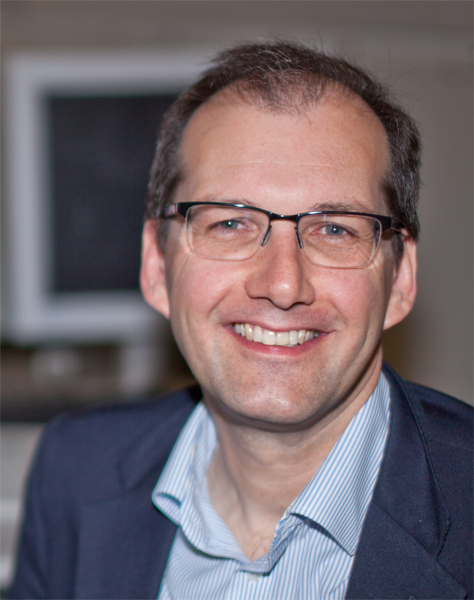
Professor Paul Midgley is a leading academic in Materials Science at the University of Cambridge's Department of Materials Science and Metallurgy, serving as Professor since 2007 and Head of Department from 2018–2020. He is a Fellow of Peterhouse College and holds multiple prestigious awards, including the Royal Society Fellowship and the Ernst Ruska Prize. Education: PhD in Physics (University of Bristol, 1991), MSc (Distinction) in Semiconductor Materials (1988), BSc (Hons) Physics (1987). Administration: Director of the Wolfson Electron Microscopy Suite, and active on various University committees including Research, Teaching, and REF. His research focuses on advanced electron microscopy techniques such as convergent beam diffraction, electron tomography, and nanostructure analysis, with applications in nanoscale materials science and 3D reconstruction using compressed sensing. He has pioneered methods like precession electron diffraction and multi-dimensional electron microscopy, contributing to fields like plasmonic nanoparticles and catalytic materials. Key Research Themes: Electron crystallography, nanomaterial characterization, energy materials, and defect analysis in perovskites. Midgley has delivered over 20 invited/plenary lectures globally, including at EUROMAT, the Welch Symposium, and the John Cowley Memorial Lecture. His grant income exceeds £16M as Principal Investigator. Labs/Teams: Leads the Wolfson Electron Microscopy Suite and collaborates internationally on microscopy advancements and materials innovation.
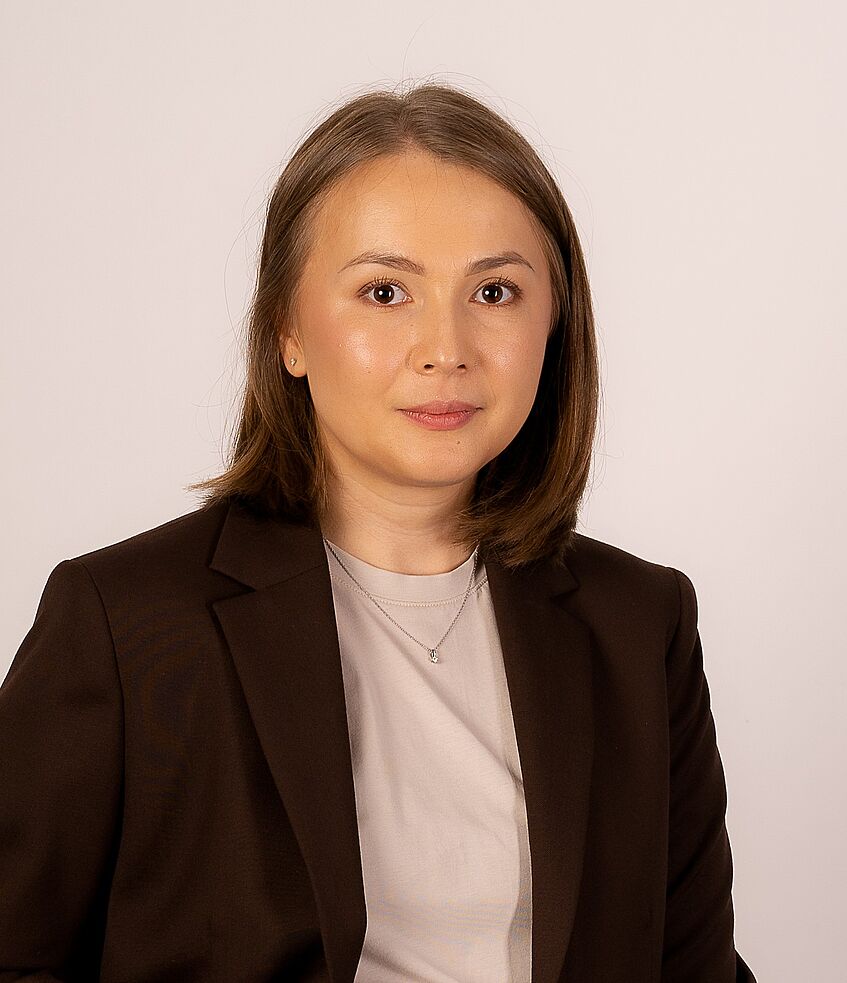
Thomas Pichler is a Professor in the Faculty of Physics, specializing in electronic material properties with a focus on carbon-based nanomaterials. His research explores carbon nanotubes, graphene, and novel 1D nanostructures synthesized within confined environments. Key areas include the synthesis, characterization, and functionalization of nanoconfined materials such as carbyne chains and graphene nanoribbons. He leads projects involving advanced electron microscopy techniques (e.g., TEM-EELS) for studying electronic and vibrational properties at the nanoscale. Collaborations span international institutions, contributing to UN Sustainable Development Goals through materials for environmental sensors and energy applications. Recent projects include developing flexible formaldehyde sensors using carbon nanotube composites and advancing momentum-resolved electron spectroscopy for low-dimensional materials. He coordinates the Doctoral College Advanced Functional Materials (DCAFM), fostering interdisciplinary research in nanomaterials. His work bridges fundamental physics with applied nanotechnology, with over 210 publications and sustained research funding over two decades. Research highlights include: Synthesizing carbyne chains within carbon nanotubes and studying their vibrational anharmonicity Investigating electronic properties of graphene and its hybrid structures Developing novel gas sensors through nitrogen-doped carbon nanotubes Pioneering TEM-EELS techniques for momentum/energy-resolved analysis
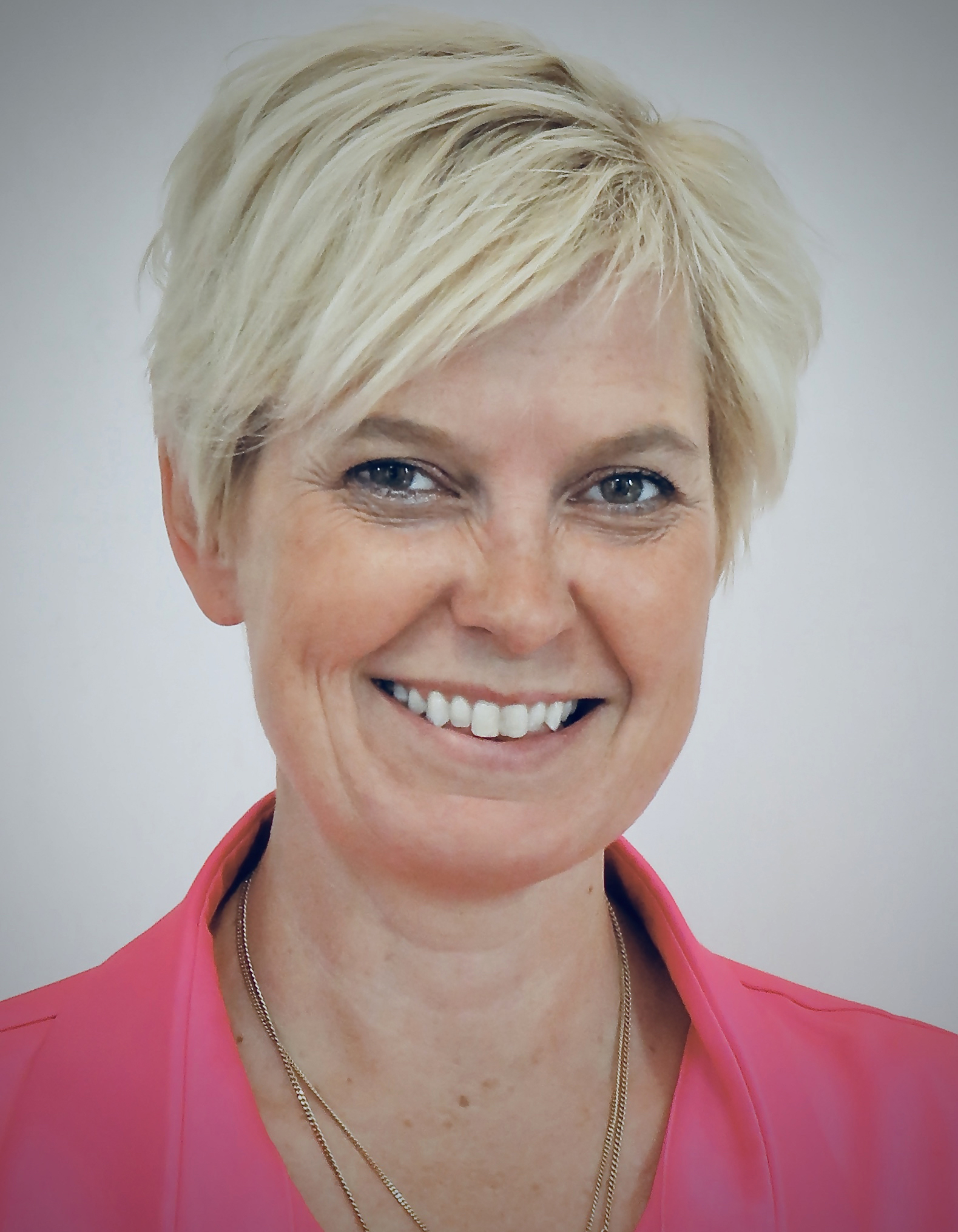
Toma Susi is an Associate Professor at the University of Vienna's Faculty of Physics, leading the Physics of Nanostructured Materials group. With a doctorate from Aalto University (2011) and a FWF Lise Meitner fellowship (2013-2015), they now focus on atomic-scale materials engineering through electron microscopy and computational modeling. PhD in Materials Science (2011, Aalto University) FWF Lise Meitner Fellow (2013-2015, University of Vienna) ERC Starting Grant recipient (2017) for atomic precision materials engineering Research spans: electron beam manipulation of 2D materials, defect engineering for novel properties, and multislice simulations in microscopy. Collaborative projects include ATMEN (Atomic Precision Materials Engineering) and open science initiatives. Key article trends: Electron microscopy for atomic-scale characterization 2D materials (graphene, MoS2, hBN) under irradiation Computational methods for STEM/TEM simulations Open science tools (abTEM, GPAW) Scientific awards: ERC Starting Grant (2017) FWF Lise Meitner Fellowship Current projects: Time-dependent neutralization of highly charged ions Positronium interferometry ATMEN (Atomic Precision Materials Engineering)
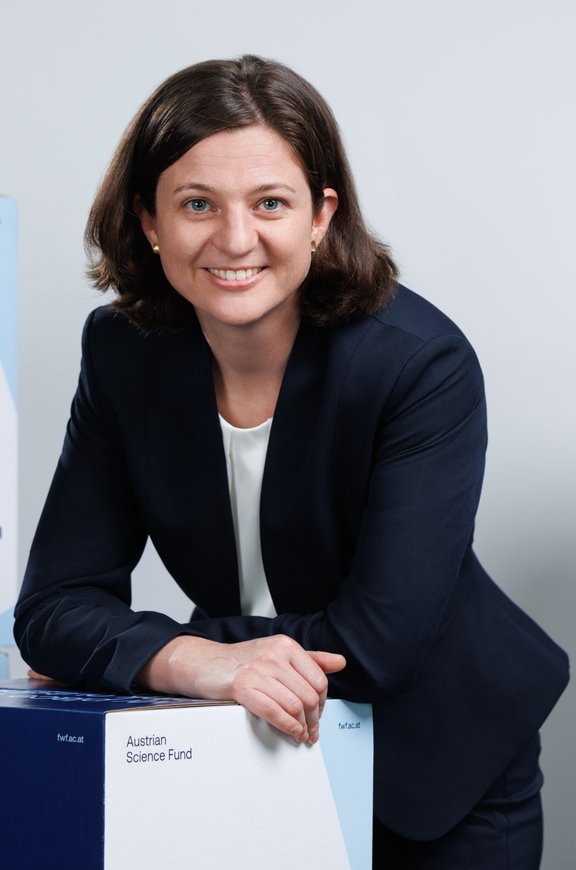
Nadiia Gumerova , PhD, is a researcher at the Institute of Biophysical Chemistry under the Faculty of Chemistry at the University of Vienna , Austria. Her work focuses on polyoxometalate chemistry, including targeted synthesis, structural analysis, and biomedical applications. She has published extensively on aqueous speciation, metal-substituted polyoxometalates, and their interactions with proteins and biological systems. PhD in Inorganic Chemistry (2014), Donetsk National University Post-doctoral fellow (2019–present), University of Vienna Lise Meitner fellow (2017–2019), University of Vienna Her research interests encompass polyoxometalate design, structural transformations in biological environments, and development of bioactive materials. Recent work includes studies on vanadate-protein interactions, antibiotic activity of Preyssler-type clusters, and enzyme inhibition by polyoxotungstates. Publications (15 most recent) highlight trends in polyoxometalate speciation under varying ionic strengths, biomedical applications of Anderson-Evans and Keggin-type derivatives, and structural insights into metal-substituted tungsten clusters. Keywords span Inorganic Chemistry , Biochemistry , and Materials Science . Grants include the FWF Meitner Program M2203 (2017–2019) and FWF Stand-Alone Project P33927 (2021–2023). She collaborates with the RompelLab and contributes to interdisciplinary projects applying inorganic chemistry in biological contexts.
Sara Bals is a Full Professor in the Department of Physics at the Faculty of Science, University of Antwerp, Belgium. She has held this position since 2018, following her progression from Assistant Professor (2007-2012), Associate Professor (2012-2014), to Professor (2014-2018). She serves as the head of EMAT (Electron Microscopy for Materials Science), which comprises 7 principal investigators, about 25 postdoctoral researchers, and more than 30 PhD students. Additionally, she coordinates the "Nanolab" Centre of Excellence, composed of 6 research groups. Dr. Bals earned her Bachelor's degree in Physics from the University of Antwerp (1995-1997) with Great Distinction, followed by a Master's degree (1997-1999) with Greatest Distinction. She completed her PhD in Physics at the same institution (1999-2003) with Greatest Distinction and special honors, focusing on superconducting thin films and tapes under Professor Gustaaf Van Tendeloo. From 2003-2004, she conducted postdoctoral research at the National Center for Electron Microscopy in Berkeley, USA, working with Professor Christian Kisielowski on electron tomography for materials science. Sara Bals is an internationally recognized expert in electron tomography and advanced electron microscopy techniques for nanomaterials characterization. Her research focuses on developing and applying electron tomography to study functional nanomaterials at the atomic scale. By combining state-of-the-art electron microscopy with advanced 3D reconstruction algorithms, her group measures the positions and chemical nature of individual atoms in nanomaterials. A significant advancement in her work involves performing these measurements under realistic conditions, including heating, liquid, or gas flow experiments to investigate nanomaterials under working conditions. Her research spans multiple areas including chiral nanomaterials, in situ 3D characterization of nano materials, atomic resolution electron tomography, quantitative electron tomography, and the study of nanoparticles and ultra-small clusters using aberration-corrected (S)TEM. Her publication record demonstrates a strong focus on advancing electron microscopy techniques and applying them to cutting-edge nanomaterials research. The most recent publications show increasing emphasis on chiral nanostructures, perovskite materials, in-situ characterization techniques, and advanced computational methods for image reconstruction. Her work bridges fundamental materials science with practical applications in energy conversion, catalysis, and optoelectronics. Dr. Bals has received numerous prestigious awards and honors for her contributions to science: 2021: ACS Nano Lectureship Award 2020: Elected member of the Royal Flemish Academy of Belgium for Science and the Arts (Natural Sciences) 2020: European Microscopy Society Award 2018-2024: ERC Consolidator Grant (PE5 - Synthetic Chemistry and Materials) 2017-2020: Francqui Research Professor 2016: Laureate of the Academy for Natural Sciences awarded by the Royal Flemish Academy 2015: Finalist of the Science Talent of 2015 competition 2013-2018: ERC Starting Grant (PE4 - Physical and Analytical Chemical Sciences) As principal investigator, Dr. Bals has secured significant research funding, including two European Research Council grants (Starting and Consolidator). She serves as promotor for numerous European and national projects. Her mentorship has guided the research of many PhD students and postdoctoral researchers within EMAT. Her group's expertise in nanoscale characterization is essential for investigating beam-sensitive materials like perovskites under working conditions. Dr. Bals leads the EMAT research group, a world-renowned center for electron microscopy of materials. The group specializes in advanced electron microscopy techniques, particularly electron tomography for 3D characterization of nanomaterials. As coordinator of the "Nanolab" Centre of Excellence, she oversees a collaborative effort involving 6 research groups focused on nanoscience and nanotechnology research.
Assoc. Prof. Dr.techn. Dipl.-Ing. Stefan Löffler is an academic at TU Wien, affiliated with the USTEM (Electron Microscopy) group and Atominstitut. His career includes roles as Assistant Professor (2018–2023), Habilitation (2023), and current position as Associate Professor since 2023 (likely a typo for 2023). He holds a Dipl.-Ing. (MSc) from TU Wien and Uppsala University (2009) and a PhD (Dr. techn.) from TU Wien (2013). Postdoc positions included TU Wien and the Canadian Centre for Electron Microscopy at McMaster University (2015–2016). Research focuses on electron vortex beams, energy-loss magnetic chiral dichroism (EMCD), orbital mapping, and quantum phenomena in electron microscopy. His work bridges materials science, catalysis, and quantum mechanics, addressing topics like CO₂ conversion, nanomaterials, and superconductivity. Over 60 peer-reviewed papers and contributions to high-impact journals like Nature Communications and Physical Review Letters reflect his interdisciplinary impact. Key techniques developed include orbital mapping via 4D energy-filtered STEM and quantum logic gates using electron vortices. His group collaborates globally, with projects on catalytic materials for CO₂ utilization and advanced electron microscopy instrumentation for sub-nanometer resolution. Current research trends emphasize quantum imaging, energy storage materials, and theoretical foundations of electron optics. He teaches and advises in materials characterization and quantum phenomena, with labs at TU Wien’s Freihaus and Atominstitut locations. Future work includes exploring topological quantum states and improving EMCD applications for magnetic material analysis.
Thomas Rath is a Senior Scientist at the Institute for Chemical Technology of Materials (ICTM) at Graz University of Technology, Austria. He holds a PhD in Industrial Chemistry and has conducted postdoctoral research at Imperial College London and within the Christian Doppler Laboratory for Nanocomposite Solar Cells. His work focuses on organic and hybrid solar cells, particularly lead-free perovskite systems and solution-processable nanomaterials. His research integrates X-ray scattering , interface engineering , and photovoltaic performance analysis . Key projects include PorM@S (FWF) and HALOMAT (Horizon Europe). He has co-authored over 80 peer-reviewed articles, emphasizing non-fullerene acceptors , semiconductor synthesis , and device stability . Major collaborations span Imperial College London , TU Graz , and FFG-funded initiatives . Current efforts target biocompatible solar cells , crystallization mediators for tin perovskites, and multifunctional energy systems combining storage and conversion. His 2025 publications highlight advancements in fluorene-based acceptors and nickel sulfide synthesis .
Ao.Univ.Prof. Dr.techn. Werner Wolfgang is an Associate Professor at TU Wien's Department of Atomic and Plasma Physics. His primary affiliation is with the research group E134-03, focusing on atomic and plasma physics. He leads projects such as EUSpecLab and studies low-energy electron interactions with materials. His research interests center on low-energy electron emission, coincidence spectroscopy, and surface analysis of 2D materials and polymers. He explores electron scattering, inelastic mean free paths, and spectroscopic techniques like EPES and XPS for nanoscale metrology. Wolfgang has advised numerous students, including Philipp Ziegler, Olga Ridzel, and Vytautas Astašauskas, whose theses cover topics like graphene characterization and polymer analysis. His work bridges experimental and computational methods, contributing to advancements in surface physics and material science. Key projects include investigating electron affinity in PMMA and studying energy deposition in 2D materials. He collaborates on metrology initiatives and contributes to international conferences on surface and interface analysis.
Simone Pokrant serves as a University Professor in the Department of Chemistry and Physics of Materials at Paris Lodron University Salzburg (PLUS), leading cutting-edge research in advanced materials for energy applications. Her work spans battery technology, photoelectrochemistry, and nanoscale characterization, with significant contributions to silicon-based anodes, renewable energy materials, and transmission electron microscopy techniques. Her research focuses on materials science for sustainable energy solutions , particularly in developing next-generation battery systems and photoelectrochemical devices. Key areas include silicon-based lithium-ion battery anodes with nanoporous silica scaffolds, degradation mechanisms in energy conversion devices, and plasmonic nanostructures for advanced imaging. She has pioneered cryo-TEM methodologies for biological and solid-state materials analysis, significantly enhancing nanoscale imaging capabilities through the BioMat-TEM facility. Analysis of her 85 publications reveals strong emphasis on practical energy storage solutions and advanced characterization techniques . Recent work (2023-2025) shows increasing focus on hybrid battery systems, plastic waste electrochemical reforming, and precise morphological control of photocatalytic materials. Her publications predominantly appear in high-impact journals like ACS Omega and ACS Sustainable Chemistry & Engineering, demonstrating consistent contributions to materials chemistry and electrochemical engineering. Professor Pokrant actively engages in science communication through media appearances including ORF's Mittagsjournal and public lectures on Salzburg's energy transition. She participates in Scientists4Future Salzburg initiatives, connecting research with societal impact in environmental and energy policy domains. Her current leadership includes five major research projects: ReBi (additive manufacturing, 2022-2027), Degradation processes in photoelectrochemical devices (2021-2025), BioMat-TEM microscopy facility (2021-2025), and Silano battery research (2020-2024). These projects demonstrate sustained research momentum with €2 million invested in the BioMat-TEM facility and cross-border collaborations with Bavarian institutions. She directs the newly implemented cryo-TEM facility at PLUS, enabling atomic-scale imaging of both biological and solid-state materials. Her TEM Workshop series demonstrates commitment to advancing microscopy capabilities within the university community, while her role in Scientists4Future Salzburg connects fundamental research with societal energy transition challenges.
Christian Wolff serves as a Researcher at the Photovoltaics and Thin Film Electronics Laboratory (PV-LAB) within the Institute of Microengineering at EPFL's School of Engineering. He leads a research group pioneering advancements in perovskite-based photovoltaics, specializing in tandem solar cell architectures that achieve record efficiencies while addressing stability challenges for commercial deployment. His academic foundation includes a Physics doctorate from the University of Potsdam focused on halide perovskite solar cells, preceded by undergraduate studies at Ludwig-Maximilians-Universität München investigating nanoparticulate photocatalysts for water splitting. This was followed by EPFL postdoctoral research funded by a Marie Skłodowska-Curie fellowship. Wolff's research program centers on pushing the boundaries of photovoltaic efficiency through innovative materials engineering. Key thrusts include developing stable perovskite-silicon tandem configurations, mastering degradation mechanisms in halide perovskites, and creating scalable fabrication techniques for industrial translation. His work integrates advanced spectroscopy with device physics to optimize carrier management and photon harvesting. Analysis of his 2025 publications reveals a concentrated focus on perovskite-silicon tandem systems, with dominant themes in large-area manufacturing (60 cm 2 modules), interface engineering for stability, and novel light management strategies. The research demonstrates strong industrial relevance through solutions addressing scalability, UV degradation, and economic viability while maintaining scientific rigor in materials characterization. Recognition for his contributions includes: Marie Skłodowska-Curie Actions individual fellowship Carl-Ramsauer-Price from the Physical Society of Berlin Multiple publication and conference awards Wolff actively mentors the next generation of photovoltaic researchers, currently supervising six PhD candidates while having successfully graduated Guesnay Quentin Jean-Marie Armand. His group operates within EPFL's PV-LAB, which maintains strategic partnerships with semiconductor manufacturers to accelerate technology transfer. Current projects focus on exceeding 30% efficiency in commercial-scale tandem modules while solving operational stability challenges through advanced encapsulation and material design. The PV-LAB under Wolff's leadership combines fundamental materials research with applied engineering, utilizing state-of-the-art thin-film deposition and characterization facilities. The team's collaborative approach bridges academic discovery and industrial implementation, with recent work emphasizing manufacturable solutions for next-generation solar technologies.
Gregor Trimmel serves as a Professor at the Institute of Chemical Technology of Materials, Graz University of Technology (TU Graz). His academic profile is defined by expertise in Chemical Technology of Organic Substances and Macromolecular Chemistry and Technology, with research centered on sustainable photovoltaic materials and degradable polymers. His research program focuses on three interconnected domains: Development of water-degradable epoxy resins and bio-polyester/rubber compounds for environmentally sustainable applications Synthesis and optimization of non-fused-ring acceptors (fluorene-based, perylene-based) for high-efficiency organic solar cells Crystallization engineering of lead-free tin perovskite solar cells to overcome efficiency and stability limitations Analysis of his 2023-2025 publications reveals a strategic pivot toward environmentally conscious photovoltaics, with 68% of recent work dedicated to lead-free alternatives and degradation mechanisms. His methodology emphasizes nano-scale characterization (STEM-EELS) and crystallization control to achieve simultaneous improvements in device performance and environmental compatibility. Scientific Awards: No awards or fellowships documented in available sources His extensive publication record (50+ papers 2020-2025) indicates active supervision of graduate students and likely substantial grant funding, though specific details remain unreported. Current advising focuses on organic electronics, perovskite materials, and sustainable polymer systems. As a core faculty member of TU Graz's Institute of Chemical Technology of Materials, he contributes to interdisciplinary research teams developing next-generation photovoltaic technologies, with facilities supporting materials synthesis, thin-film fabrication, and advanced optoelectronic characterization.
Dr. Elisabeth Gruber is a Principal Investigator at the Department of Ion Physics and Applied Physics, University of Innsbruck, Austria, since 2024. Previously, she held a Principal Investigator position under the FWF-Hertha-Firnberg program (2020-2023) and conducted post-doctoral research at Aarhus University (2017-2020) and TU Wien (2013-2017). Her work spans molecular, atomic, and surface physics with interdisciplinary links to astrophysics and biophysics. Ph.D. Technical Physics (with distinction), TU Wien (2017) M.Sc. Technical Physics (with distinction), TU Wien (2012) B.Sc. Technical Physics (with distinction), TU Wien (2009) Her research interests include: Molecular Physics: Optical spectroscopy, mass spectrometry, photophysics of (bio)molecules, molecular relaxation processes Astrophysics: Diffuse interstellar bands, molecular dynamics in space-like environments Biophysics: Charge exchange, energy loss processes, ion-surface interactions Cold Physics: Cluster formation, helium nanodroplets, superfluid systems Surface Physics: Surface nanostructuring, 2D materials, high-resolution imaging (AFM, TEM, STEM) Her publications and grants reflect expertise in ion physics, molecular spectroscopy, and 2D material interactions. Recent articles focus on diffuse interstellar bands (2025), fullerene dimerization (2024), and retinal photoisomerization (2019-2022), combining experimental and computational methods. Scientific honors include: 2025 EPS Young Scientist Prize 2025 FWF-ASTRA Award 2024 FWF-Elise-Richter Grant 2020 FWF-Hertha-Firnberg Grant 2017 Hannspeter-Winter and Loschmidt-Prizes She has supervised 9 Bachelor’s, 7 Master’s, and 3 Ph.D. students since 2012 and led projects at institutions like European XFEL, HZDR, and TU Wien. Outreach activities include public panel discussions on graphene and invited talks on molecular physics.