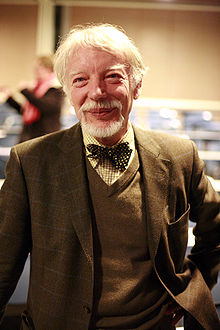
Jan AssmannView profile
Professor
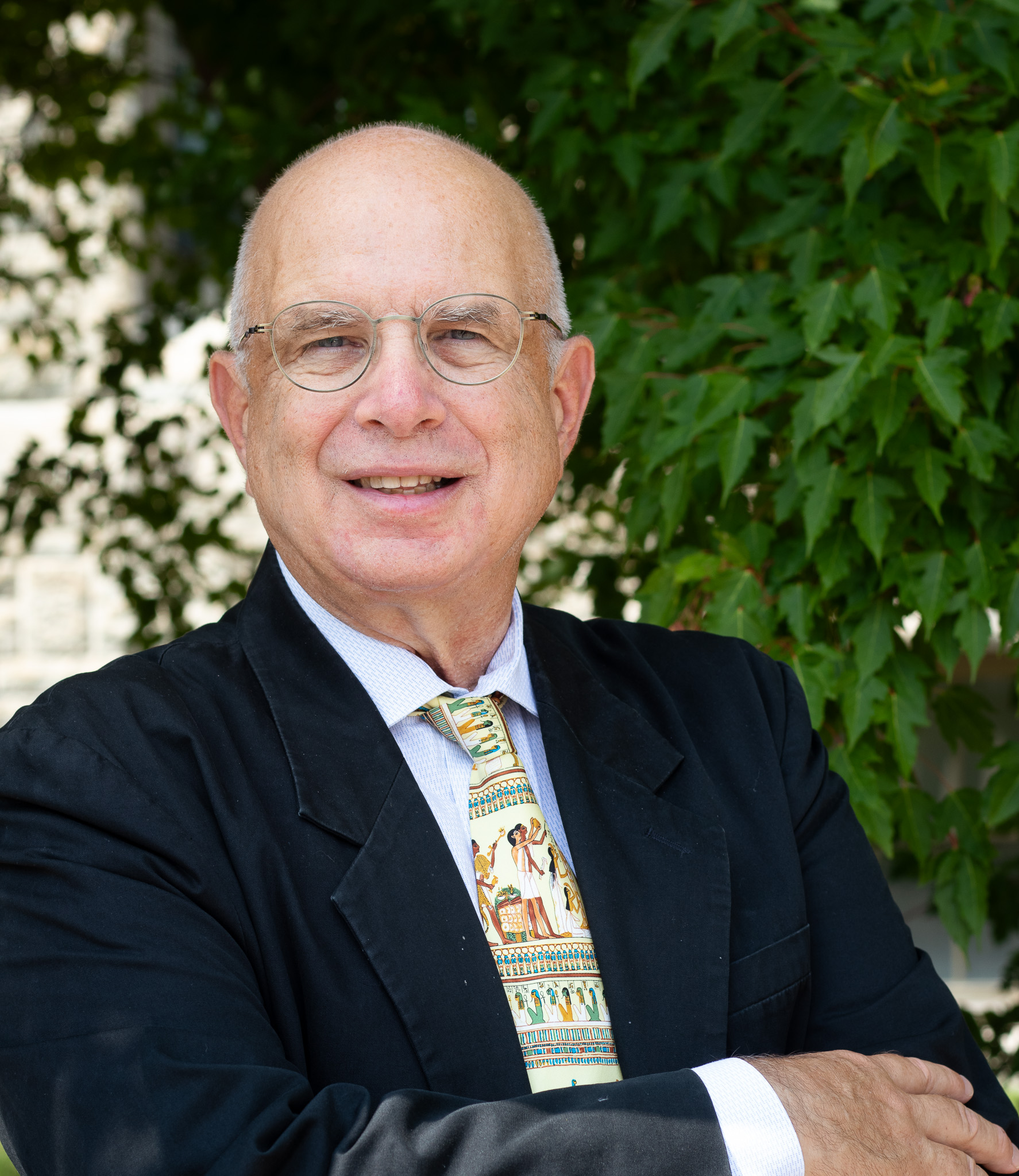
Jan Assmann (1938–2024) was a renowned Egyptologist and cultural theorist, serving as Professor of Egyptology at the University of Heidelberg (1976–2003) and later as Honorary Professor at the University of Konstanz. He held visiting professorships worldwide, including at Yale, Collège de France, and the Hebrew University of Jerusalem. His research focused on Egyptian religion, cultural memory, and the origins of monotheism. He led the DFG-funded 'Ramesside Officials' Graves' project in Thebes, producing foundational work on Egyptian funerary practices and religious texts. He authored over 50 monographs and 600 essays, earning international acclaim and numerous awards, including the Balzan Prize (2017) and the Peace Prize of the German Book Trade (2018). His academic legacy includes shaping Heidelberg's Egyptology program and mentoring future leaders in the field. Education: Studied Egyptology, Classical Archaeology, and Greek Studies at Munich, Heidelberg, Paris, and Göttingen. Habilitated in 1971. Key Projects: Epigraphic fieldwork in Theban necropolis; cultural memory studies with wife Aleida Assmann. Research Interests: Egyptian theology, cosmography, Ma’at, funerary liturgies, and the reception of ancient Egypt in later cultures. His work bridged Egyptology with broader cultural theory, influencing disciplines beyond archaeology. Awards & Honors: Recipient of Germany's highest civilian honors, including the Grand Cross of the Federal Cross of Merit, and international accolades for interdisciplinary scholarship. Legacy: Focused on fostering interdisciplinary dialogue and practical fieldwork education. His teachings emphasized connecting textual analysis with archaeological context, inspiring generations of scholars. The Heidelberg Institute continues his tradition of integrating field archaeology with philological rigor.