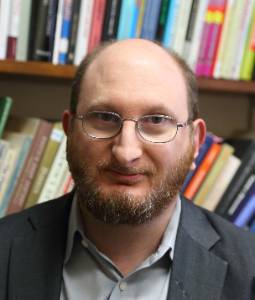
Winnie Wong is a Professor of Rhetoric at the University of California, Berkeley. Her research focuses on art history, particularly exploring themes of fakes, forgeries, and authorship through interdisciplinary approaches. She examines the global artistic networks of Hong Kong, Guangzhou, and Shenzhen, challenging Western narratives of Chinese artistic practices. Wong holds a PhD from MIT's History, Theory + Criticism program and was a Harvard Society of Fellows Junior Fellow. Her major works include Van Gogh on Demand: China and the Readymade (2014, Joseph Levenson Prize winner), Learning from Shenzhen (2017), and a forthcoming book on Canton trade portraitists. She teaches courses like Theory of the Copy and Rhetoric of the Image , mentoring undergraduates through the Undergraduate Research Apprentices program and advising PhD students in art history and visual studies. Wong's research has been supported by grants from Mellon Foundation, ACLS, SSRC, and others. Her work has been translated into multiple languages and appears in journals like Current Anthropology and Law & Literature . She frequently discusses her work on podcasts and collaborates with museums including M+ and the Asian Art Museum.
Lillie Padilla is an Assistant Professor of Spanish Linguistics at Sam Houston State University's Department of World Languages and Cultures. Holding a Ph.D. and M.A. in Spanish Linguistics from Arizona State University alongside a Bachelor of Arts from the University of Ghana, her research explores interdisciplinary connections between: Afro-Latinx representation in educational materials Discourse analysis and language ideologies Sociolinguistic studies in Equatorial Guinea Critical race theory applications in language teaching Her work focuses on Spanish subject pronoun expression patterns in multilingual contexts and curriculum development for inclusive pedagogy. Recent publications examine: Representation gaps in Spanish language textbooks Methodological challenges in Equatorial Guinea research Critical discourse analysis of Netflix's Elite series Intersectional representation of Afro-Latinx women Scientific achievements include: Finalist for American Association of Linguistics 2025 award for co-edited volume Representation, Inclusion and Social Justice in World Language Teaching Padilla's research continues to shape conversations about linguistic diversity and marginalized voices in language education through both empirical studies and theoretical frameworks.
University of California, Los AngelesUnited States
Yunxiang Yan is a Professor in the Department of Anthropology at the University of California, Los Angeles (UCLA). His work focuses on China and Cultural Anthropology , with specific expertise in Economic Anthropology , Family and Kinship , and Individualization . Education: Ph.D. in Social Anthropology from Harvard University (1993). Yan’s research explores the intersection of social change , moral theory , and family dynamics in modern China. His ethnographic studies in rural villages provide foundational insights into exchange theory and cultural globalization . Recent publications analyze food safety , medical ethics , and moral crises in China, reflecting his interdisciplinary approach combining anthropology, sociology, and philosophy. Articles span themes like intergenerational intimacy , political oppression , and networked social structures . Scientific Awards: Guggenheim Fellowship Levenson Prize-winning Research Yan’s work bridges local Chinese studies with global anthropological discourse. He has held positions at the Chinese University of Hong Kong, Johns Hopkins University, and UCLA since 1996. His career reflects a commitment to documenting the lives of ordinary people, rooted in his early experiences as an expelled villager during Maoist China. Contact: yan@anthro.ucla.edu
Haiyan Lee serves as the Walter A. Haas Professor of the Humanities and Professor of East Asian Languages and Cultures and of Comparative Literature at Stanford University. She has held these positions since joining Stanford in 2009, and currently serves as Chair of the East Asian Languages and Cultures department (2020-present). Her academic journey includes previous teaching appointments at the University of Colorado at Boulder and the University of Hong Kong, along with post-doctoral fellowships at Cornell University and Harvard University. Lee's research spans multiple interdisciplinary fields with particular focus on modern Chinese literature and cultural production. Her work bridges literary studies with law, philosophy, cognitive science, affect theory, gender studies, and environmental humanities. She has developed influential theoretical frameworks including the concept of "high justice" and "low justice" in Chinese legal imagination. Her current research explores animism, cognition, and the Chinese environmental imagination, extending her longstanding interest in human-animal relations. Lee's publications reveal a consistent trajectory examining Chinese cultural production through innovative theoretical lenses. Her recent work shows increasing engagement with legal theory, environmental humanities, and cognitive approaches to literature. She has produced significant scholarship on Chinese concepts of justice, love, and the stranger, moving across historical periods from early 20th century to contemporary China. Biennial Book Prize, Honorable Mention, International Society for Chinese Law and History (ISCLH) (2024) Humanities Seed Grant, Stanford School of Humanities and Sciences (2023-2025) Bass Fellowship in Undergraduate Education, Stanford University (2022-2027) Joseph Levenson Book Prize, The Association for Asian Studies (2009) Professor Lee actively mentors doctoral students across multiple disciplines, serving as dissertation advisor, co-advisor, and committee member for students working at the intersection of Chinese studies, law, literature, and cultural theory. Her teaching includes courses across East Asian humanities, comparative literature, and interdisciplinary environmental studies. She has received significant research support including the Frederick Burkhardt Residential Fellowship from the American Council of Learned Societies and a residency at the Center for Advanced Study in the Behavioral Sciences.
Sigrid Schmalzer is a Professor of History at the University of Massachusetts Amherst, specializing in the history of science and modern China. She holds a Ph.D. in History and Science Studies from the University of California, San Diego (2004). Her research bridges the social, cultural, and political dimensions of science in China, with a focus on the intersections of agriculture, activism, and revolutionary movements. Schmalzer is the author of *Red Revolution, Green Revolution: Scientific Farming in Socialist China* (2016), winner of the Joseph Levenson Book Prize, and *The People's Peking Man: Popular Science and Human Identity in Twentieth-Century China* (2008), recipient of the Allan Sharlin Award. Her current projects include a book on agricultural heritage in the People’s Republic of China and leadership roles in organizations like the Critical China Scholars and Science for the People. She co-edits the *Activist Studies of Science and Technology* series for UMass Press, emphasizing socially engaged scholarship. Schmalzer also serves as Co-President of the MSP faculty union at UMass Amherst. Research interests span the history of science activism, transnational movements, and the legacy of Maoist science. Notable awards include the Freeman Book Award (2018) for her children’s book *Moth and Wasp, Soil and Ocean*, which integrates science education with historical narratives. Her work often critiques capitalist and authoritarian structures while advocating for science as a tool for justice and sustainability. Recent publications explore themes like agroecology, science policy, and the global dimensions of China’s scientific history. She teaches courses on modern China, science in society, and radical science movements, blending interdisciplinary approaches to engage students in critical analysis of historical and contemporary issues.
Massachusetts Institute of TechnologyUnited States
Esther Duflo is the Abdul Latif Jameel Professor of Poverty Alleviation and Development Economics at the Massachusetts Institute of Technology (MIT), where she is affiliated with the Department of Economics within the School of Humanities, Arts, and Social Sciences. She co-founded and co-directs the Abdul Latif Jameel Poverty Action Lab (J-PAL) and holds the position of Chaire, Pauvreté et politiques publiques at the Collège de France. Duflo also serves as President of the Paris School of Economics, demonstrating her significant international influence in economic policy and research. Her educational background includes first degrees in history and economics from Ecole Normale Superieure, Paris, followed by a Ph.D. in Economics from MIT in 1999. This strong foundation has enabled her to become one of the most influential economists of her generation. Duflo's research focuses on understanding the economic lives of people living in poverty, with the explicit aim of informing effective social policy design and evaluation. Her work spans critical areas including health, education, financial inclusion, environmental sustainability, and governance. What distinguishes her approach is the rigorous application of randomized controlled trials to evaluate development interventions, bringing scientific precision to poverty alleviation efforts. Her research methodology has revolutionized how economists approach development questions, moving beyond theoretical models to evidence-based policy recommendations. Her scholarly output demonstrates remarkable breadth and impact, with publications spanning from technical academic papers to influential books for general audiences. Duflo's work consistently bridges the gap between academic research and practical policy applications, with recent publications addressing contemporary challenges including climate change adaptation, pandemic response, and economic policy for hard times. Her research trends reveal a deepening commitment to translating complex economic concepts for broader audiences while maintaining scholarly rigor. Sveriges Riksbank Prize in Economic Sciences in Memory of Alfred Nobel (2019, with Abhijit Banerjee and Michael Kremer) Princess of Asturias Award for Social Sciences (2015) A.SK Social Science Award (2015) Infosys Prize (2014) John Bates Clark Medal (2010) MacArthur 'Genius Grant' Fellowship (2009) Member of the National Academy of Sciences (2017) Duflo has supervised numerous graduate students and collaborated extensively with researchers worldwide through J-PAL, which has grown into a global network conducting field experiments across multiple continents. Her grant portfolio includes substantial funding from major foundations and government agencies supporting large-scale development research. Beyond traditional academic advising, Duflo has mentored a generation of development economists through J-PAL's training programs and field research opportunities. Her primary institutional home is the Abdul Latif Jameel Poverty Action Lab (J-PAL), which she co-founded at MIT. J-PAL has grown into a major research center with offices worldwide, connecting academic researchers with policymakers to ensure that program evaluations inform real-world decisions. Duflo also leads research teams at the Collège de France and the Paris School of Economics, creating a transatlantic network focused on evidence-based poverty reduction strategies.
Matthew Louis Mauriello is an Assistant Professor in the Department of Computer and Information Sciences at the University of Delaware , where he directs the Sensify Lab . He holds a PhD in Computer Science from the University of Maryland (2018) and completed postdoctoral work at Stanford University (School of Medicine, 2020; School of Public Policy & Environmental Engineering Department, 2019). Research interests span Human-Computer Interaction (HCI), Ubiquitous Computing, and User-Centered Design with applications in: Sustainability Human-Building Interaction Wearable Technology Personal Informatics Educational Game Design Mental Health Interventions Recent publications highlight trends in stress monitoring (skin-like biosensors, workplace wellbeing), energy auditing (thermography systems), and educational technology (block-based programming tools for teachers). His work appears in ACM CHI, ACM Human-Computer Interaction, and Building and Environment. Scientific awards include: Best Paper Honorable Mention, CHI 2016 Best Paper Honorable Mention, CHI 2015 Best of WebSci'18 Teaching at University of Delaware encompasses courses like Educational Game Design Operating Systems Advanced Web Technologies Computing for Social Good with a focus on project-based learning and systems thinking.
Michael Kremer is a University Professor in Economics at the University of Chicago, holding positions in the Kenneth C. Griffin Department of Economics, the College, and the Harris School of Public Policy. He is the 2019 Nobel Laureate in Economic Sciences for pioneering experimental methods to address global poverty. Kremer earned his Ph.D. from Harvard University in 1992 and has been affiliated with the University of Chicago since 2020. His research focuses on development economics, field experiments, and policies impacting education, health, water, and agriculture in developing countries. He directs the Development Innovation Lab and leads the Development Economics Center at Chicago, emphasizing evidence-based solutions to poverty. Kremer’s work combines rigorous academic inquiry with practical policy applications, bridging theoretical economics and real-world interventions. Awarded the MacArthur Fellowship in 1997 and a Fellow of the American Academy of Arts and Sciences since 2003, Kremer’s contributions have shaped modern development economics. He has collaborated extensively with institutions worldwide, advocating for randomized controlled trials (RCTs) to evaluate social programs. His interdisciplinary approach integrates insights from economics, public policy, and experimental methods, fostering global partnerships to combat poverty effectively.
Dr. Corey T. Callaghan is an Assistant Professor in the Department of Wildlife Ecology and Conservation at the University of Florida . Based at the Fort Lauderdale Research and Education Center , his research focuses on global change ecology using big data from citizen science platforms like eBird and iNaturalist, combined with geospatial analyses and macroecological theory . Ph.D. (2019) from UNSW Sydney M.S. (2015) from Florida Atlantic University B.S. + B.S. (2013) from Canisius College His work examines urban ecology , including how species traits influence urban tolerance across birds, amphibians, and butterflies. He develops adaptive sampling frameworks to optimize citizen science data collection while addressing biases. Current projects analyze human-nature interactions through citizen science participation, secondary data in photographs, and machine learning for biodiversity monitoring. He actively contributes to conservation strategies for urban biodiversity and data-driven restoration efforts . Recent publications highlight his expertise in cross-taxa comparisons , continental-scale analyses , and ecosystem service quantification . He leads the Global Ecology Research Group at the University of Florida, emphasizing collaborative science and open-source methodologies .
Ronald C. Lasky is a Professor of Engineering at Dartmouth College's Thayer School of Engineering and a Senior Technologist at the Indium Corporation. His academic roles include teaching courses such as ENGM 187: Technology Innovation and Entrepreneurship and ENGS 155: Intermediate Thermodynamics . Dr. Lasky holds a BS in Engineering Physics from Cornell University (1970), an MS in Applied Mathematics from Binghamton University (1974), and a PhD in Materials Science from Cornell University (1986). His research focuses on process optimization, electronic assembly, materials science, and environmental compliance. Notable contributions include work on lead-free solder assembly and Lean Six Sigma methodologies. He received the Member of Technical Distinction Award from the SMTA in 2021. Dr. Lasky actively engages with industry, exemplified by his collaboration with Galanz in China, exploring modern manufacturing practices and infrastructure. His insights on global supply chains and technological advancements highlight his dual academic and professional expertise.
Joseph A. November is an Associate Professor in the Department of History at the University of South Carolina, affiliated with the McCausland College of Arts and Sciences. His research focuses on the history of biomedical computing, distributed computing, and the intersection of technology and medicine. He holds a Ph.D. from Princeton University (2006), an M.A. from the University of Chicago (2002), and a B.A. from Hamilton College (1997). His work includes the award-winning book Biomedical Computing: Digitizing Life in the United States (2012), which explores the co-development of biomedicine and computing technologies. Current projects include Revolutions@home , examining distributed computing in protein folding research, and a biography of computing pioneer Robert S. Ledley. He has received grants from the NSF, NIH, and the Charles Babbage Institute. Teaching interests span the history of science and technology, including courses on the history of medicine, digital humanities, and the role of games in historical education. He actively contributes to professional organizations like SHOT and the History of Science Society. Awards include the Computer History Museum Prize (2013) and the National Institutes of Health DeWitt Stetten Fellowship (2007-2008). His research bridges historical analysis with contemporary issues in technology and biomedical ethics.
David Silver is a Professor of Computer Science at University College London and Principal Research Scientist at DeepMind, leading the Reinforcement Learning Research Group. His pioneering work in deep reinforcement learning has revolutionized artificial intelligence through breakthroughs in computer game-playing algorithms. His educational background includes: Bachelor's and Master's degrees from Cambridge University (1997, 2000) PhD in Computer Science from the University of Alberta (2009) Silver specializes in deep reinforcement learning where algorithms learn through trial-and-error in interactive environments. His research combines deep neural networks with reinforcement learning strategies to solve complex decision-making problems. He is renowned for developing AlphaGo (defeating Go world champion Lee Sedol in 2016), AlphaZero (mastering Chess, Shogi and Go through self-play), and AlphaStar (conquering Starcraft II). His work demonstrates unprecedented generality in game-playing AI and has catalyzed industry-wide adoption of reinforcement learning techniques. Analysis of his publications reveals a consistent trajectory toward self-supervised learning systems. His 2015-2016 Nature papers established foundational architectures combining neural networks with Monte Carlo tree search, shifting the field from human-data dependency toward pure self-play methodologies. This evolution enabled superhuman performance across diverse game domains while minimizing domain-specific knowledge. His scientific awards include: ACM Prize in Computing (2019) for breakthrough advances in computer game-playing Marvin Minsky Medal (2018) for outstanding achievements in AI Royal Academy of Engineering Silver Medal (2017) for UK engineering contributions Mensa Foundation Prize (2017) for best AI scientific discovery Silver's research has generated significant real-world impact beyond gaming, including optimizing the UK power grid, reducing Google data center energy consumption, and planning European Space Agency probe trajectories. While not explicitly documented in advising roles, his leadership at DeepMind fosters collaborative research environments that train next-generation AI scientists through high-impact projects. As lead of DeepMind's Reinforcement Learning Research Group, Silver directs cutting-edge work extending deep reinforcement learning to robotics, complex real-world systems, and multi-agent environments. Current initiatives focus on transferring game-playing breakthroughs to industrial automation and scientific discovery applications.
Eric Van Young is a distinguished Professor of History at the University of California, San Diego (UCSD), specializing in colonial and 19th-century Latin American history, particularly Mexico. He has held significant roles, including Chair of the Department of History (2000-2004) and Interim Dean of the Division of Arts and Humanities (2007-2008). His research focuses on rural history, peasant movements, cultural history, and biographical studies of key figures like Lucas Alaman. He earned his B.A. from the University of Chicago (1967), M.A. and Ph.D. from UC Berkeley (1968, 1978). Education: B.A. (University of Chicago), M.A. & Ph.D. (UC Berkeley) Roles: Professor of History, Department Chair, Interim Dean His research explores Mexico’s colonial and early national periods, emphasizing rural economic structures, popular rebellions, and the intersections of culture and politics. Current projects include a biography of Lucas Alaman and a synthetic history of Mexico (1750-1850). He has authored numerous books, including Writing Mexican History (2012) and The Other Rebellion (2001), alongside over 100 articles. His work bridges economic and cultural historiography, offering critical insights into regional dynamics and the construction of national identity. Van Young’s scholarly contributions include editorial roles for journals and book series, as well as extensive peer review for academic publishers. His interdisciplinary approach addresses themes like messianic movements, state formation, and the legacy of colonial institutions in modern Mexico.
Arvind Parkhe is a Laura H. Carnell Professor of Strategy and International Business at Temple University’s Fox School of Business. He previously taught at Indiana University’s Kelley School of Business (1989–2003) and holds degrees from IIT Bombay (B.Tech.), Georgia State University (MBA), and Temple University (Ph.D.). His research focuses on strategic alliances, global supply chains, international joint ventures, and trust in cross-border partnerships. He has published in top journals like the Academy of Management Journal and Strategic Management Journal, earning awards such as the AIB Best Dissertation Award (1990) and JIBS Decade Award (2001). Teaching excellence spans all academic levels: recognized as outstanding faculty for Ph.D., MBA, and undergraduate programs. Service leadership includes Vice President of the Consortium for Undergraduate International Business Education (2014), Chair of Fox’s Strategic Management Department (2010–2020), and Managing Director of Fox MBA Programs (2005–2010). He received Temple’s Musser Outstanding Service Award (2012) and Faculty Service Excellence Award (2012). Key research contributions emphasize interorganizational networks, global competitive strategies, and trust mechanisms in alliances. His work bridges theory and practice, addressing challenges in global business operations and strategic collaboration.
Prof. Ahmet Atay holds the rank of Professor of Communication Studies at the College of Wooster, serving as Program Chair of Global Media & Digital Studies and liaison to the Digital Visual Storytelling Pathway. His academic journey includes degrees from Marmara University (B.A., 1998), Ohio University (M.A., 2001), University of Northern Iowa (M.A., 2003), and Southern Illinois University (Ph.D., 2009). His research focuses on transnational communication, digital media's societal impact, cultural identity formation in global contexts, and queer diasporic experiences. He actively explores media representation of gender/sexuality, critical pedagogy, and autoethnography as research methodologies. Notable projects include editing works on millennial media ecology, intercultural communication pedagogy, and transnational queer cinema. Teaching responsibilities include courses on intercultural communication, mediated gender studies, and digital storytelling for social justice. He has held leadership roles in professional organizations like the National Communication Association and Central States Communication Association. Prof. Atay's recent publications emphasize digital ethnography, decolonizing communication studies, and queer pedagogy innovations. His work bridges theoretical frameworks with practical educational applications, addressing contemporary issues like diversity in academia and media's role in shaping cultural narratives.