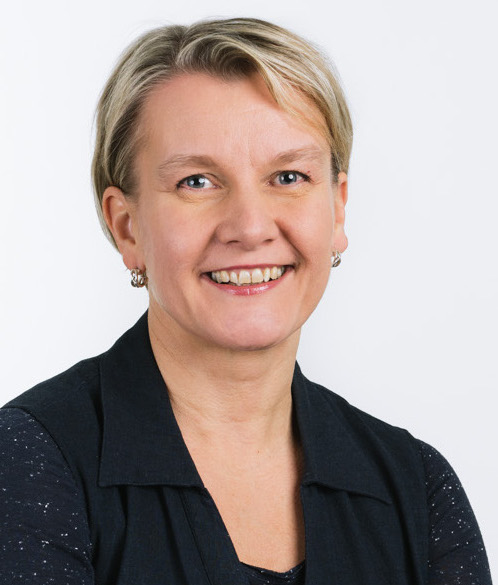
Virpi Roto is a Senior Lecturer at Aalto University's Department of Design (School of Arts, Design and Architecture). She specializes in Experience Design for business-to-business industries, focusing on transforming technology companies into experience providers through co-design and service design methodologies. Key research domains: Human-AI interaction, sustainable futures, and workplace experience design Collaboration hubs: Leads the Encore research group Global influence: Top-cited academic in UX research Her work explores the intersections between User Experience , Customer Experience , and Employee Experience , with a particular emphasis on automation maturity and sociomaterial approaches to transparency in remote teams. Recent publications highlight trends in Human-AI team dynamics and experience-driven industrial systems . She actively bridges Design Fiction with ethical awareness in co-design workshops and develops frameworks for measuring long-term UX. Virpi collaborates with researchers across Finland, Sweden, and international institutions, frequently co-authoring with experts like Philippe Palanque, Matthias Baldauf, and Wendy Ju.
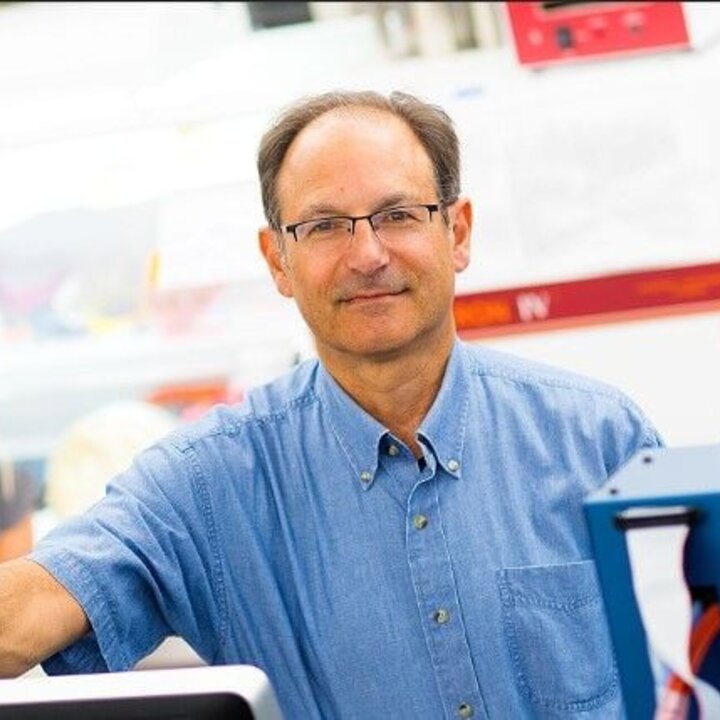
Peter B Reich is a Research Professor in the Department of Forest Resources at the University of Minnesota's College of Food, Agricultural and Natural Resource Sciences. He is affiliated with the Minnesota Invasive Terrestrial Plants and Pests Center and maintains an active research program focused on plant ecology, biodiversity, and ecosystem responses to environmental change. His work spans multiple scales from leaf physiology to ecosystem dynamics, with particular emphasis on forest, prairie, and savanna ecosystems. Dr. Reich's research interests center on understanding how biodiversity influences ecosystem function, particularly in the context of climate change. His work examines plant traits, photosynthetic processes, and the mechanisms by which diverse plant communities enhance productivity and stability. He investigates how ecosystems respond to elevated CO2, warming, and other global change factors, with significant focus on Minnesota ecosystems as model systems for understanding broader ecological principles. His fingerprint analysis reveals strong expertise in grassland ecology, elevated CO2 effects, biodiversity-ecosystem function relationships, photosynthesis, and plant diversity. Analysis of his recent publications (2020-2025) shows a clear trend toward integrating remote sensing approaches with traditional ecological methods to understand biodiversity effects on ecosystem function. His work increasingly focuses on spectral reflectance of trees as an indicator of climate change impacts, stomatal optimization under multiple stressors (drought, heatwaves, elevated CO2), and the long-term responses of ecosystems to environmental change. The research spans theoretical ecology, applied conservation, and climate change mitigation strategies, with strong connections to UN Sustainable Development Goals related to climate action and life on land. Dr. Reich has secured substantial research funding, including multiple active NSF grants such as the Biodiversity Stabilizes Ecosystems project (2023-2027), a project on leaf respiration-photosynthesis relationships with Australian National University (2022-2026), and the BII-Implementation project on plant biodiversity (2020-2026). He is also a key participant in the long-term LTER project studying multi-decadal ecosystem responses (2019-2026). His collaborative network is extensive, with frequent co-authorship with colleagues including Sarah Hobbie, Forest Isbell, Jeannine Cavender-Bares, Rebecca Montgomery, and Adam Stefanski. His work has significant real-world impact, as evidenced by media coverage of his research on saving Minnesota's North Woods from climate change.
Prof. Eleftherios H. Drosinos is a Professor at the Agricultural University of Athens , specializing in Food Safety and Quality Management Systems . He teaches undergraduate and postgraduate courses in these areas and leads research initiatives focused on microbial quality control, HACCP systems, and ISO 9000 series standards. Education: Graduated from the Agricultural University of Athens; Ph.D. from Bath University (UK). His research explores microbial interactions in food systems, particularly pathogenic and spoilage microorganisms, with a strong emphasis on Lactiplantibacillus plantarum and Listeria monocytogenes dynamics across various substrates. He has published extensively on topics like sourdough microbiota, cheese safety, and antimicrobial strategies under the One Health framework. Recent publications (2024) highlight advancements in food spoilage detection, GMO monitoring, and microbial ecology. His work spans both experimental studies and reviews, addressing food safety in retail, fermented products, and fresh-cut vegetables. He directs the Laboratory of Food Quality Control and Hygiene , contributing to standardization and regulatory compliance in the food sector.
Antti-Jussi Olavi Evertsen is an Assistant Professor in the Department of Physics at the Norwegian University of Science and Technology (NTNU), under the Faculty of Natural Sciences. His research bridges marine biology and ecological studies, focusing on biodiversity, taxonomy, and symbiotic relationships in marine species. University: Norwegian University of Science and Technology School: Faculty of Natural Sciences Department: Department of Physics Email: jussi.evertsen@ntnu.no Dr. Evertsen’s research interests encompass: Nudibranchia Taxonomy: Documenting species diversity and distribution, including rediscoveries and taxonomic reassessments. Marine Symbiosis: Investigating photosynthetic chloroplast retention in sacoglossan sea slugs and their ecological implications. Climate Impact Studies: Assessing climate consequences on marine ecosystems and participating in restoration initiatives. Microplastic Research: Analyzing microplastic presence in intertidal zones and its ecological effects. Seaweed Utilization: Exploring edible marine plants and sustainable harvesting practices. His publications and presentations highlight trends in Norwegian nudibranch diversity, chloroplast functionality in gastropods, and the intersection of marine ecology with public education. He frequently contributes to community events like Forskningsdagene, Trøndersk Matfestival, and Barnas Store Fjæredag, emphasizing hands-on learning and outreach. While no scientific awards are explicitly mentioned in the provided texts, Dr. Evertsen’s collaborative projects with institutions like SINTEF and his mentorship roles in academic theses underscore his contributions to marine science and education.
James W Roy is an Adjunct Associate Professor in the Department of Earth, Environment & Society at McMaster University . His research focuses on groundwater-surface water interactions , contaminant transport , and ecological impacts of urban and industrial groundwater plumes . He employs advanced geophysical techniques (e.g., DC-IP imaging) and chemical tracers (e.g., artificial sweeteners) to study hydrological processes in alpine , agricultural , and urban stream systems . Key research areas include: Groundwater contamination by PFAS, road salts, and septic systems Aquatic ecosystem exposure to chloride and nutrient plumes Biogeochemical cycling of phosphorus, nitrogen, and carbon Hydrological modeling of glacial moraine and riparian zones Recent publications (2023-2025) emphasize freshwater salinization , toxicity assessments , and long-term groundwater monitoring . No formal awards or student advisories are documented in the provided materials.
Professor Craig Radford at the University of Auckland's Faculty of Science specializes in Marine Science with a focus on sensory systems and underwater soundscapes. Holding a PhD from Auckland , MSc from Canterbury , and BSc from Waikato , his research examines sensory physiology in fish and crustaceans, vocal communication mechanisms, and anthropogenic sound impacts. Current teaching includes Marine 702 Techniques in Marine Science and BioSci 334 - The Biology of Marine Organisms Postgraduate supervision topics span lateral line function, multisensory processing, ontogenetic hearing changes, and ecoacoustic indices His work on passive acoustic monitoring (149+ outputs) reveals trends in marine bioacoustics, particularly in shark hearing physiology , crustacean sound detection , and anthropogenic noise mitigation . Key collaborations exist with marine technologists and statisticians for developing machine learning boat classification systems and ecoacoustic biodiversity metrics. Research extends to auditory evoked potential thresholds across elasmobranchs, shark sleep electrophysiology , and global soundscape synthesis projects. Current projects include analyzing recreational boat noise impacts in Hauraki Gulf and investigating directional hearing mechanisms in sharks using advanced bioimaging techniques.
Professor Adriana Verges is a leading marine ecologist at UNSW Sydney's School of Biological, Earth & Environmental Sciences and the Sydney Institute of Marine Science. Her research integrates climate change science with innovative marine ecosystem regeneration strategies, particularly focusing on kelp forests and seagrass meadows. Her primary research interests include: Climate change impacts on temperate marine ecosystems Tropicalization processes and range-shifting species Kelp forest and seagrass conservation/restoration Public engagement in marine restoration through participatory art-science initiatives Ecosystem service valuation of marine forests Her recent publications (2023-2025) demonstrate a strong focus on kelp forest conservation challenges, tropicalization effects on temperate reefs, seagrass restoration techniques, and global assessments of marine forest ecosystems. The research consistently addresses climate change impacts while developing practical restoration methodologies like Operation Crayweed and Green Gravel. Scientific recognition includes: Green Globe Award (2017) for Operation Crayweed UNSW Emerging Thought Leader Prize (2019) WINGS Women of Discovery Award (2024) Verges directs the Kelp Forest Alliance and co-founded Operation Crayweed and Operation Posidonia, pioneering community-based marine restoration projects that have restored seaweed forests and seagrass meadows across New South Wales. Her work uniquely bridges rigorous science with public engagement through art-science collaborations.
Robert Hutkins serves as the Khem Shahani Professor in Food Science and Technology at the University of Nebraska-Lincoln, where he is affiliated with the Department of Food Science and Technology. His research program centers on the microbiological aspects of food systems with direct implications for human health, particularly through probiotic and prebiotic interventions. Hutkins' research spans food microbiology, gut microbiome dynamics, and fermented food ecosystems. He investigates how dietary components—especially live microbes and prebiotic fibers—modulate gut microbial communities and influence health outcomes. Key projects include clinical trials on probiotics for lactose intolerance, development of antimicrobial food packaging using essential oils, and classification frameworks for prebiotic compounds. His work bridges fundamental microbial ecology with practical applications in functional food development. Analysis of his 15 most recent publications (2022-2025) reveals three dominant trends: 1) Clinical validation of probiotic strains for digestive health conditions, 2) Mechanistic studies on prebiotic-microbe interactions using in vitro and genomic approaches, and 3) Population-level assessments of live microbe consumption through NHANES data. His leadership in ISAPP consensus statements on prebiotics and synbiotics demonstrates his role in shaping scientific standards for the field. Current work increasingly focuses on personalized nutrition strategies based on individual microbiome responses to dietary interventions.
Julyan Arbel is an Associate Researcher (chargé de recherche) at Inria Grenoble in the Statify team and a member of Laboratoire Jean Kuntzmann at Université Grenoble Alpes. He holds a PhD in Applied Mathematics from Université Paris-Dauphine and graduated from École Polytechnique and ENSAE. He defended his Habilitation à Diriger des Recherches (HDR) in 2019. Research Interests His work spans Bayesian Statistics (approximations, computation, nonparametrics, extreme value theory, objective Bayes) and Bayesian Machine Learning (Bayesian neural networks, variational inference), with applications in environmental science and neuroscience. Key focus areas include: Statistical methods for ecological modeling and species distributions Integration of biotic interactions in predictive frameworks Bayesian approaches to machine learning challenges Publications Overview Recent articles (2022-2025) demonstrate a strong focus on statistical ecology, including species distribution modeling, biotic interactions, community ecology, and biodiversity conservation. Methodological innovations center on joint species distribution models and Bayesian computational techniques applied to environmental datasets. Academic Service Associate Editor: Statistics and Computing (2025–present) Associate Editor: Bayesian Analysis (2019–present) Associate Editor: Australian and New Zealand Journal of Statistics (2019–present) Associate Editor: Statistics & Probability Letters (2019–present) Associate Editor: Statistical Methods & Applications (2024–present) Former Associate Editor: Computational Statistics & Data Analysis (2020–2023) Students Supervised PhD students: Giovanni Poggiato Daria Bystrova Minh Tri Lê Théo Moins Teams Statify Research Team, Inria Grenoble Laboratoire Jean Kuntzmann, Université Grenoble Alpes
Kurt Smemo is an Associate Professor and Director of the Environmental Studies and Sciences Program at Skidmore College since 2015. His research focuses on terrestrial ecosystem ecology and biogeochemistry, particularly microbial processes in forests and wetlands under global environmental change. Education: B.S. (University of Montana), M.S. (University of Illinois), Ph.D. (Cornell University) Research interests include: Below-ground microbial processes affecting productivity and nutrient cycling Greenhouse gas emissions from soils Plant-soil feedback mechanisms Impacts of atmospheric deposition on forest ecosystems Professional memberships include the American Geophysical Union, Ecological Society of America, and Soil Science Society of America.
Fiona Catherine Chambers is a Full Professor of Education at University College Cork (UCC), Ireland, with over 30 years of transformative experience in the field. She is an internationally recognized leader at the intersection of sport, education, and innovation. Her leadership roles include President of AIESEP, Vice-President of CEREPS, UNESCO CIGEPS Observer, and Expert Advisor for UNESCO's Global Observatory for Gender Equality in Sport. In March 2025, she was awarded the status of Honorary Network Member of Network 18 Research in Sport Pedagogy by the European Educational Research Association Council. Professor Chambers' research spans three key areas: sport, innovation, and education, with a particular focus on research for social impact. Her work encompasses sport pedagogy, physical education, design thinking, digital wellbeing, motor competence, and physical literacy. She has pioneered numerous initiatives including StrategicDesign@UCC (founded in 2020), the Master of Arts and Postgraduate Diploma in Innovation through Design Thinking, the Global Design Challenge for Sport and Physical Activity, AIESEPConnect, Made2Move, and All Island All Active. Her publications reveal a consistent focus on wellbeing, physical activity, and innovative pedagogical approaches in education. Her research portfolio demonstrates a strong emphasis on addressing complex societal challenges through transdisciplinary methodologies, particularly human-centered design thinking. Professor Chambers has secured millions in funding for her projects from various sources including the Higher Education Authority, ERASMUS, and Horizon Europe. Her work bridges theory and practice, empowering individuals across sectors to tackle societal challenges through innovative thinking and collaborative action. Honorary Network Member of Network 18 Research in Sport Pedagogy (awarded March 2025) 2023 inaugural Women in Business in Sport award Consistently recognized among the 50 most influential women in Irish sport Professor Chambers has secured substantial research funding for numerous projects, including the PGDip Innovation Through Design Thinking (€1,440,000 from HEA), Spring 3.0 (€75,000 from ERASMUS), and Icehearts Europe (€252,807 from Horizon Europe). As a two-time TEDx speaker, she has demonstrated the powerful impact of combining strategic leadership with passionate advocacy. Her expertise is sought globally, reflected in Visiting Professor appointments across four international institutions and ongoing consultancy work with universities, sporting organizations, and global businesses. Through StrategicDesign@UCC and initiatives like Made2Move and the Global Design Challenge, Professor Chambers has created platforms that bring together academics, practitioners, and students to address complex challenges in sport, physical activity, and education. Her transdisciplinary approach has fostered collaborations across multiple sectors and institutions, both nationally and internationally, creating a vibrant ecosystem for innovation and research in education and sport.
Giovanni Zenezini is a Fixed-term tenure-track Assistant Professor at Politecnico di Torino's Department of Management and Production Engineering (DIGEP), affiliated with both the College of Management and Production Engineering and the College of Mechanical, Aerospace and Automotive Engineering. His academic activities include teaching courses such as 'Modeling Complex Systems in Engineering and Management' and 'Supply Chain Management' across multiple degree programs. His research focuses on logistics optimization and systems engineering, with primary expertise in: Agent-based modeling and system dynamics for complex systems Urban logistics and sustainable city freight solutions Warehouse automation and Industry 4.0 implementations Supply chain digitalization and Physical Internet concepts Sustainability assessments in logistics networks Analysis of recent publications (2019-2025) reveals consistent focus on logistics innovation, with 73% addressing optimization methodologies, 60% featuring simulation modeling approaches, and 47% examining urban freight solutions. The works demonstrate growing integration of digital technologies like IoT and digital twins in logistics systems. Dr. Zenezini currently supervises three PhD candidates: Francesca Saba (Management and Production Engineering) Massimo Rebuglio (Management, Production and Design) Anna Treves (Urban and Regional Development) His research group actively investigates logistics digitalization, warehouse automation, and urban freight impact assessment through projects with industry partners.
Alva H. Taylor serves as Associate Professor of Business Administration at the Tuck School of Business, Dartmouth College, where he has been tenured since 2010. He holds the dual leadership roles of Senior Associate Dean for Executive Learning and Faculty Director of the Glassmeyer/McNamee Center for Digital Strategies, Tuck's flagship initiative examining how digital technology impacts business strategy. Previously, he served as Assistant Professor (2000-2005) and Associate Professor (2005-2009) at Tuck, and as Visiting Assistant Professor at Kellogg Graduate School of Management (1997-2000). Professor Taylor earned his PhD from Stanford University's Graduate School of Business in 2000, following an MBA, ME, and BS from Cornell University in 1984, 1983, and 1982 respectively. Before academia, he worked as a Senior Manager at KPMG's consulting division, specializing in business strategy and information technology for growing companies. His research focuses on innovation processes, entrepreneurship, technological change, and strategic decision-making in fast-changing environments . Taylor has made significant contributions to understanding how organizations manage creative groups for sustained innovation, organizational learning in information-rich environments, and digital transformation in traditional enterprises. His work with comic book creators demonstrated that creators with cross-genre experience achieve greater success than specialists, highlighting the value of diverse experience in creative fields. His recent scholarship examines how nonprofits can implement digital-first strategies to enhance social impact, emphasizing the importance of aligning technology with organizational mission. Taylor teaches courses including Design Thinking for Strategic Innovation and Strategic Change in the Turbulent Digital Age in both MBA and Executive Education programs. He designed and directs the Digital Excellence for Minority Entrepreneurs Executive Education Program in partnership with Google, demonstrating his commitment to inclusive digital transformation. His research has been featured in prominent publications including the Wall Street Journal and Stanford Social Innovation Review, where he emphasizes that digital strategy must begin with a clear understanding of organizational goals before technology implementation. As Faculty Director of the Center for Digital Strategies, Taylor leads initiatives that bring together executives, academics, and students to advance management theory and practice in the networked economy. The Center explores technology's impact on product development, supply chains, marketing, and business model transformation, addressing challenges throughout the extended enterprise including globalization, information security, and organizational change. Under his leadership, the Center has hosted events like the Dartmouth AI Conference and developed programs that bridge academic research with corporate application.
Thomas Suesse is a Senior Lecturer at the School of Mathematics and Applied Statistics, University of Wollongong, with a career spanning institutions in Germany, New Zealand, and Australia. His academic journey includes a M.Sc. in Mathematics from Friedrich-Schiller-University Jena (2003) and a PhD in Statistics from Victoria University of Wellington (2008). Education: M.Sc. in Mathematics (FSU Jena, 2003), PhD in Statistics (VUW, 2008) His research focuses on Statistics, particularly Categorical Data Analysis, Social Network Modeling, and Spatial Statistics. Recent work explores variational Bayes inference for spatial autoregressive models, environmental extreme value detection algorithms, and the impact of missing data in statistical models. His publications span topics in public health, environmental science, and educational methodology. Key trends in his 15 most recent articles (2021-2025) include advancements in spatial statistics, applications of social network analysis to finance, and educational research comparing laboratory teaching objectives. He has also contributed to understanding pandemic effects on child health and activity patterns. Scientific Awards: 2008 VUW PhD thesis submission award; 2005-2008 VUW Postgraduate Scholarship. Thomas co-supervises PhD students on topics like spatial autoregressive modeling with missing data and variance estimation in mixture models. He has secured internal grants for computational infrastructure upgrades and studies on child movement behaviors. His professional affiliations include the Statistical Society of Australia.
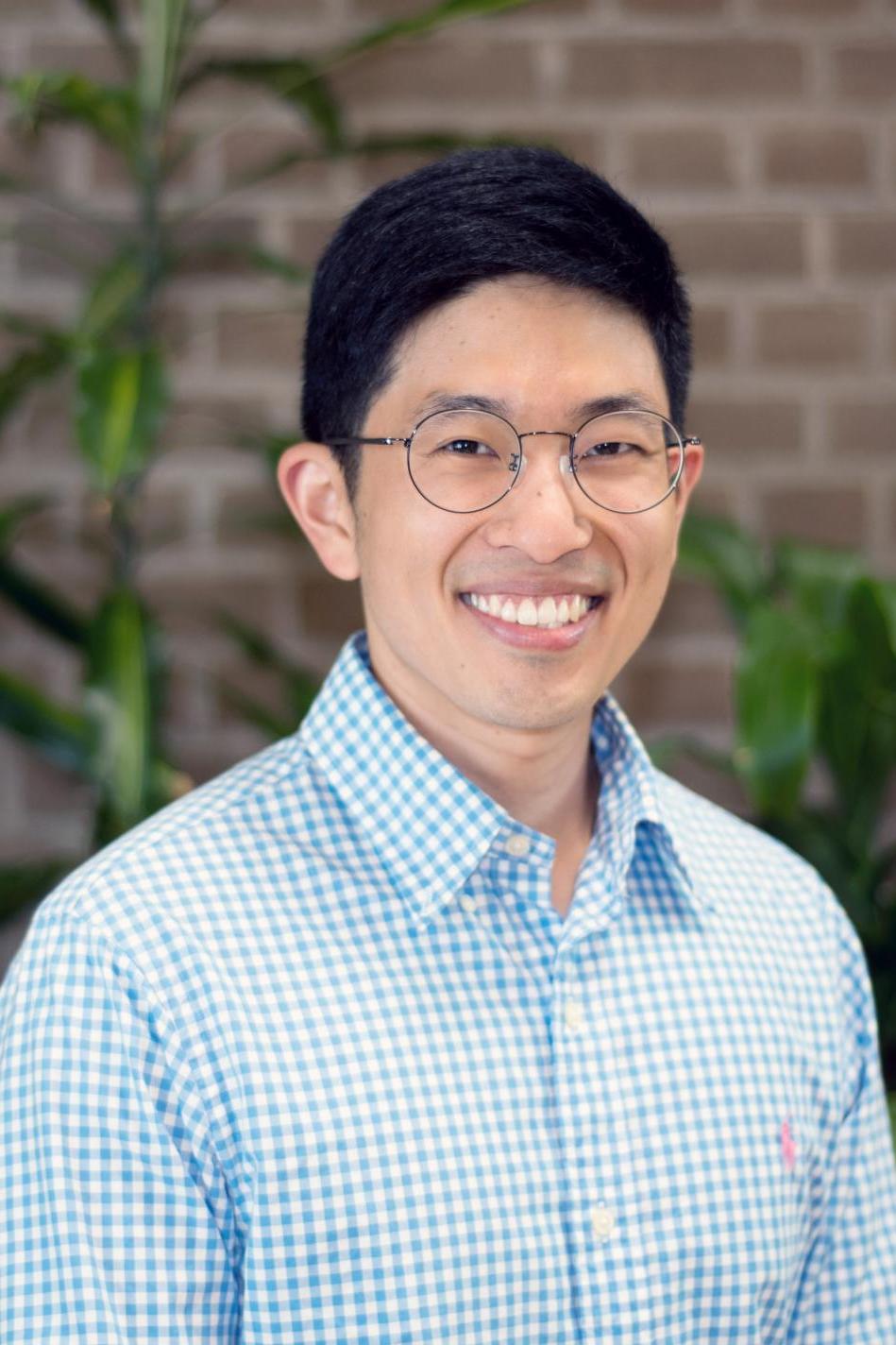
Kris Kim is an Associate Professor, Teaching Stream in the Department of Physical & Environmental Sciences at the University of Toronto Scarborough (UTSC). His academic role focuses on undergraduate teaching and curriculum development in chemistry, particularly in analytical chemistry and introductory chemistry courses such as CHMB16H3 and CHMA11H3. His research interests span multiple disciplines including polymer chemistry, nanomaterials, and chemical education. He has contributed to advancements in block copolymer self-assembly, nanoscale material characterization, and the development of virtual laboratory tools for remote education. His work also intersects with biomedical applications, such as studying integrin roles in cancer progression and exploring biopesticides for sustainable aquaculture. Kim’s publications reflect a strong focus on merging educational innovation with cutting-edge research, including the design of open-source laboratory equipment and collaborative initiatives like the Chemistry Teaching Fellowship Program. His interdisciplinary approach bridges chemistry with environmental science, materials engineering, and biomedical research.