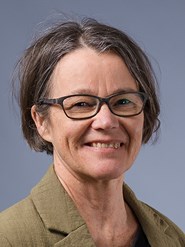
Yan BornéView profile
Associate Professor
Yan Borné serves as Associate Professor and Associate Researcher at Lund University's Faculty of Medicine, with specialized expertise in Nutrition Epidemiology. He is actively affiliated with two major research initiatives: EpiHealth (Epidemiology for Health) and EXODIAB (Excellence of Diabetes Research in Sweden), reflecting his dual focus on population health and metabolic disorders. Dr. Borné's research spans critical areas of nutritional epidemiology, with particular emphasis on diet-disease relationships across multiple domains including cardiovascular health, diabetes, dementia, and mental health outcomes. His work frequently employs large-scale population-based cohort studies to investigate how dietary patterns - particularly ultraprocessed food consumption, dairy intake, and adherence to structured dietary indexes like EAT-Lancet - influence disease development and progression. The research integrates advanced methodologies including metabolomics and proteomics to identify biomarkers linking dietary exposures to health outcomes. Analysis of recent publications reveals a strong trend toward investigating the systemic effects of diet across multiple organ systems, with growing attention to mental health outcomes alongside traditional physical health endpoints. His work demonstrates increasing methodological sophistication through integration of omics technologies with traditional epidemiological approaches. Dr. Borné actively supervises doctoral research through multiple projects including 'Metabolic characterization of high sugar consumers' and 'The role of sugar intake in cardiovascular disease prevention,' indicating substantial involvement in training the next generation of researchers. His work has attracted significant attention, with several publications picked up by hundreds of news outlets and referenced across multiple social media platforms. He contributes to major collaborative research initiatives including 'Ultra-processed foods and cardiometabolic diseases in the Swedish population,' demonstrating leadership in contemporary nutrition research questions with significant public health implications. His research aligns with multiple UN Sustainable Development Goals, particularly those related to health and well-being.