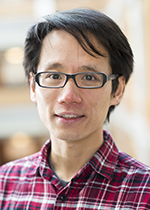
Thomas Preiss is a Professor of RNA Biology at the John Curtin School of Medical Research (JCSMR), Australian National University (ANU), and serves as Director of the Shine-Dalgarno Centre for RNA Innovation and the National Therapeutic mRNA Platform. He holds a Ph.D. from the University of Newcastle upon Tyne and has extensive postdoctoral experience at the European Molecular Biology Laboratory (EMBL). His research focuses on RNA-level gene regulation, particularly in eukaryotes, with applications to cancer and cardiac biology. Key affiliations include the Division of Genome Sciences and Cancer and leadership roles in collaborative research groups. Education Bachelor of Chemistry (1986-1991), Philipps-Universität, Marburg (Germany), and University of Bristol (UK) Ph.D. (1992-1995), University of Newcastle upon Tyne (UK) Habilitation in Biochemistry (1995-2002), EMBL, Heidelberg (Germany) Research Interests His group investigates RNA processing, modification, and interactions, with a focus on translational control mechanisms. Projects include studying RNA methylation (e.g., m5C and m6A), ribosome dynamics, and the role of RNA dysregulation in diseases like cancer. Techniques employed range from classical molecular biology to cutting-edge 'omics approaches. Publications Recent work highlights advancements in RNA modification profiling, translational control, and therapeutic mRNA applications. Key themes include the interplay between RNA modifications and translation efficiency, as well as the development of novel sequencing methods for studying ribosome interactions. Labs & Teams He leads the Preiss Group - RNA Biology and collaborates with the Shirokikh and Hannan groups on protein biosynthesis, translational control, and cancer therapeutics. The National Therapeutic mRNA Platform under his direction advances mRNA-based therapies.
Daniela Delneri is Professor of Evolutionary Genomics at the University of Manchester's Division of Evolution, Infection and Genomics. Her research investigates evolutionary processes in yeast using genomic approaches to study chromosomal rearrangements, hybrid species, and environmental adaptation. She leads projects funded by BBSRC, Wellcome Trust, and Royal Society focusing on genotype-phenotype relationships in model systems. Research areas include: Genomic rearrangements and adaptive evolution Hybrid yeast genome engineering Non-coding RNA functions Environmental systems biology Metabolic network modeling Her publication portfolio shows strong emphasis on yeast genomics (45%), fungal pathogenetics (25%), metabolic modeling (15%), and fermentation biotechnology (15%). Recent work highlights genome-scale metabolic reconstructions, antifungal target discovery, and cold adaptation mechanisms. She directs the yeast evolutionary genomics laboratory with research associates and PhD students. Collaborative projects include Manchester Synthetic Biology Research Centre initiatives and international yeast genome consortia. Her group develops high-throughput methods for functional genomics and directed evolution applications.
Shuran Song is an Assistant Professor of Electrical Engineering at Stanford University, with a courtesy appointment in Computer Science. She leads the Robotics and Embodied Artificial Intelligence Lab (REAL@Stanford), focusing on algorithms enabling robots to learn through physical interaction with the world. Her research spans manipulation, perception, and embodied AI, emphasizing generalizable skills for assistive robotics. Affiliations: Stanford University School of Engineering Labs: REAL@Stanford Research highlights include work on dexterous manipulation, deformable object handling, cross-embodiment learning, and robotic systems like TidyBot and ToddlerBot. Notable awards include Best Paper at ICRA 2024 and Amazon Robotics Best Systems Paper Award (2018). Key publications (2023-2025) address topics such as diffusion policies, embodiment generalization, and robot teaching interfaces. She teaches courses like EE/CS227 (Robot Perception) and leads workshops at top conferences (RSS, ICRA, CoRL).
Dr. Michael Kilgard is the Margaret Fonde Jonsson Professor and Interim Executive Director of the Texas Biomedical Device Center at the University of Texas at Dallas (UTD). He holds a Ph.D. in Neuroscience from UCSF (1998) and a B.A. in Molecular and Cellular Biology from UC Berkeley (1993). His primary affiliation is with the School of Behavioral and Brain Sciences, where he leads research on neural plasticity mechanisms for treating neurological and psychiatric conditions. His research focuses on vagus nerve stimulation (VNS) paired with sensory/motor training to enhance recovery from stroke, spinal cord injury, tinnitus, PTSD, and neuropathy. Notable achievements include FDA approval of VNS for stroke rehabilitation and development of implantable VNS devices 50x smaller than existing models. Kilgard has published over 130 peer-reviewed papers in Nature , Science , and Neuron , holds 25 U.S. patents, and his work is funded by DARPA, NINDS, and the W.W. Caruth Jr. Foundation. Key awards include the UT Regents Outstanding Teaching Award (2009), Chancellor’s Council Teaching Award (2008), and NIDCD grants. His lab, Dr. Kilgard's Lab, collaborates on translational projects like RePlay rehabilitation systems and closed-loop neuromodulation algorithms. Current efforts target PTSD treatment via VNS-enhanced exposure therapy and spinal cord injury recovery through closed-loop VNS-motor training pairings. Patents include systems for brain plasticity stimulation (Patent 6,221,908, 1998) and paired VNS-motor therapy for stroke (Patents 8,700,145 and 9,333,355). Recent clinical trials demonstrated safety and efficacy in chronic stroke and spinal cord injury patients.
Andrea Tanzer is a researcher at the Max Perutz Labs, Department of Biochemistry and Cell Biology. Her work focuses on RNA biology, particularly RNA structure and function, non-coding RNA, and bioinformatics tools for genomic analysis. She leads the RNALands project (2015–2019), developing methods for RNA folding landscape analysis. Her research contributes to understanding RNA editing mechanisms, epigenetic regulation, and host-pathogen interactions. Key research interests include RNA structure prediction, transcriptome-wide analyses, and the role of RNA modifications in gene regulation. Tanzer has presented on topics such as RNA bioinformatics, structureomics, and G-quadruplexes in RNA. Her work bridges computational methods and experimental biology, with applications in both fundamental science and biomedical diagnostics. Notable contributions include the RNAxplorer tool for RNA structure sampling and collaborations on the GENCODE project. Media highlights include coverage of her work on mouse genome applications for human diagnostics.
Jayeeta Basu, PhD, is an Assistant Professor in the Departments of Neuroscience and Physiology and Psychiatry at the NYU Grossman School of Medicine. Her research focuses on understanding the cellular and circuit mechanisms underlying long-term memory formation and sensory processing, particularly examining interactions between the hippocampus and entorhinal cortex. She holds a PhD from Baylor College of Medicine. Her work combines electrophysiology, imaging, and genetic approaches to study spatial and contextual learning in mice. Key areas include hippocampal-entorhinal circuit dynamics, synaptic plasticity, and dendritic integration. The Basu Lab utilizes cutting-edge tools like optogenetics and in vivo calcium imaging to dissect neural circuitry. Recent publications highlight discoveries in hippocampal feedback circuits, protein disease modeling, and neural oscillation interactions. Collaborations include projects with Claudia Clopath (Imperial College) on computational modeling and Cliff Kentros (Norwegian University of Science and Technology) on cell-type specific manipulations.
Quentin Perrenoud is an Associate Research Scientist in the Department of Neuroscience at Yale School of Medicine. His research focuses on cortical interneurons, neural rhythms, and seizure mechanisms, with significant work on VIP interneurons, cholinergic arousal, and neurovascular coupling. Research Interests include: Cortical Rhythmic Activity Interneuron Functional Diversity Seizure-Induced Consciousness Impairment Neurovascular Response Mechanisms Frequency Spectrum Analysis of Neural Dynamics Laminar Organization of Cortical Circuits Recent Publications demonstrate expertise in: Mouse models of focal seizures Gamma oscillations in visual processing Molecular profiling of parvalbumin and nNOS interneurons Perineuronal net composition 5-HT3 receptor-mediated vascular responses Comparative analysis of cortical and hippocampal GABAergic neurons
Ralph Isberg is a Professor at Tufts University School of Medicine in the Department of Molecular Biology and Microbiology, with over 30 years of expertise in bacterial pathogenesis. His research focuses on invasive pathogens like Yersinia pseudotuberculosis and Legionella pneumophila , investigating mechanisms of host cell invasion, intracellular survival, and antibiotic resistance. PhD in Molecular Biology from Harvard University (1984) BA in Biology from Oberlin College (1977) His work addresses critical questions in pathogenesis: how pathogens penetrate epithelial cells, survive in macrophages, and utilize host interactions during infection. Recent publications emphasize antibiotic resistance in Acinetobacter baumannii and ubiquitin manipulation by Legionella effectors. His scientific awards include: Election to the National Academy of Sciences (2009) Grants from NIH, U.S. Department of Defense, and Binational Science Foundation fund his exploration of metal acquisition, effector protein functions, and antibiotic sensitization strategies. Teaching includes advanced courses in cell biology and bacterial-host interactions.
Frank F. Soldner, M.D., is an Assistant Professor in the Dominick P. Purpura Department of Neuroscience and Department of Genetics at Albert Einstein College of Medicine. His research focuses on neurodegenerative diseases, particularly Parkinson's, using innovative approaches combining induced pluripotent stem cells (iPSCs), CRISPR/Cas9 genome editing, and systems biology. He develops patient-specific cellular models to study disease mechanisms and identify therapeutic targets. Key research areas include: (1) Functional analysis of genetic risk variants in non-coding regions, (2) Epigenetic regulation in disease progression, (3) High-throughput screening of compounds using engineered neurons, and (4) 3D organoid models for neurodegenerative disorders. His work bridges basic science and translational medicine, emphasizing disease modeling with genetic precision. Publications highlight contributions to α-synuclein toxicity mechanisms, CRISPR-based disease modeling, and single-cell epigenetic analysis. His lab collaborates extensively with genomic databases and employs cutting-edge tools like genome-scale screens to uncover disease pathways. Current studies investigate lipidomic changes in Parkinson's and mitochondrial quality control mechanisms.
Jacques Klein is Full Professor of Software Engineering and Mobile Security at the University of Luxembourg. His research bridges software engineering principles with security challenges in modern computing environments. Research focuses on software security, mobile systems analysis, and increasingly on large language model applications for program analysis. Recent work examines Android ecosystem security, infrastructure-as-code vulnerabilities, and AI-enhanced program repair techniques. Klein's 2025 publications demonstrate strong emphasis on LLM capabilities for automated compliance checking, malware detection, and program understanding. The research combines empirical software engineering with AI methodologies to address security and maintenance challenges.
George Deodatis is the Santiago and Robertina Calatrava Family Professor of Civil Engineering and Professor of Earth and Environmental Engineering at Columbia University. He holds a joint appointment with The Earth Institute. His research focuses on probabilistic methods, uncertainty quantification, and multi-hazard risk assessment for civil infrastructure systems, including climate change adaptation strategies. He has served as Chair of the Department of Civil Engineering and Engineering Mechanics from 2013 to 2019. Education: B.Sc. (5-year Diploma) in Civil Engineering from the National Technical University of Athens (1982), M.S. and Ph.D. in Civil Engineering from Columbia University (1984 and 1987). Professional roles include Assistant/Associate Professorships at Princeton University before joining Columbia in 2002. Leadership roles included President of the International Association for Structural Safety and Reliability (2009-2013) and President of the ASCE Engineering Mechanics Institute (2017-2019). Research interests emphasize stochastic process simulation for earthquake, wind, and ocean engineering applications, structural reliability, and climate resilience. Key achievements include pioneering work on stochastic field simulation and risk assessment methodologies. Awards include the ASCE Alfred M. Freudenthal Medal (2024), Distinguished Member of ASCE (2023), and multiple teaching awards from Columbia and Princeton. His work bridges theoretical advancements with practical applications in infrastructure resilience. Grants and collaborations involve NSF funding and interdisciplinary projects on climate adaptation. Active in professional societies including ASCE and IASSAR. Research teams focus on stochastic modeling, risk mitigation, and environmental engineering challenges.
Katherine A. Fitzgerald is a Professor and Vice Chair of Medicine at UMass Chan Medical School, where she also serves as Chief of the Division of Innate Immunity and holds the Worcester Foundation for Biomedical Research Chair III. She has joint appointments in the T.H. Chan School of Medicine, the Morningside Graduate School of Biomedical Sciences across multiple departments including Immunology and Microbiology, Interdisciplinary Graduate Program, MD/PhD Program, Postbaccalaureate Research Education Program, and Translational Science. UMass Chan Medical School, Department of Medicine T.H. Chan School of Medicine Morningside Graduate School of Biomedical Sciences Dr. Fitzgerald received her B.Sc. in Biochemistry in 1995 from University College Cork, Ireland and her PhD in Biochemistry in 1999 from Trinity College Dublin, Ireland. After completing a post-doctoral fellowship at Trinity College Dublin, she joined UMass Chan as an Instructor and has since become a tenured Professor, establishing herself as a leading researcher in innate immunity. Dr. Fitzgerald's research focuses on the innate immune system, specifically investigating the molecular basis of inflammatory responses during infection and in inflammatory diseases. Her laboratory studies nucleic acid sensors, inflammasomes, and long non-coding RNAs in immunity and inflammation. The overarching goal of her work is to determine how innate immune sensing and signaling contribute to infectious, inflammatory, and autoimmune diseases in humans. Her expertise spans multiple areas including the cGAS-STING pathway, inflammasome activation, and the role of non-coding RNAs in immune regulation. Analysis of Dr. Fitzgerald's recent publications reveals a strong focus on the cGAS-STING pathway and its role in various disease contexts, including viral infections, autoimmune conditions, and cancer. Her work also prominently features research on inflammasomes, pyroptosis, and the role of long non-coding RNAs in immune regulation. There is a clear translational emphasis in her research, with multiple studies exploring therapeutic applications of modulating innate immune pathways. Dr. Fitzgerald has received numerous prestigious awards and honors for her contributions to immunology: 2022 Thermofischer Meritorious Career Award, American Association of Immunologists 2021 Elected Member, National Academy of Sciences 2021 Elected member, National Academy of Medicine 2020 Elected member, Royal Irish Academy 2020 Elected Fellow, American Academy of Microbiology 2018 Women in Science and Health Achievement Award 2018 Alumni Achievement Award, University College Cork 2015 Saint Patricks Day Medal 2014 Milstein Award for Excellence in Interferon and Cytokine research Dr. Fitzgerald has extensive service both locally at UMass Chan and nationally, including service on the Massachusetts Center For Pathogen Readiness, NIAID Board of Scientific Councillors, Burroughs Wellcome Fund Pathogenesis of Infectious Diseases, and the Cancer Research Institute. She previously served as President of the International Cytokine and Interferon Society. Her laboratory actively welcomes graduate students and postdoctoral fellows, with rotation opportunities available through the various graduate programs at UMass Chan. Dr. Fitzgerald leads the Program in Innate Immunity at UMass Chan Medical School, which brings together researchers studying various aspects of innate immune recognition and signaling. Her laboratory is at the forefront of research on DNA sensing pathways, inflammasome biology, and the role of non-coding RNAs in immune regulation, with findings that have significant implications for understanding and treating infectious, inflammatory, and autoimmune diseases.
Dr. David R. Corey is a Professor in the Department of Pharmacology and Biochemistry at the University of Texas Southwestern Medical Center. He holds a BA in Chemistry from Harvard University and a PhD in Chemistry from the University of California at Berkeley, with postdoctoral training in Pharmaceutical Chemistry at University of California at San Francisco (1990-1992). Education: BA in Chemistry from Harvard (1985), PhD in Chemistry from UC Berkeley (1990). Academic Appointments: Joined UT Southwestern as Assistant Professor (1992), promoted to Associate (2003) and Full Professor (2003) in Pharmacology; secondary appointment in Biochemistry since 1996. Dr. Corey’s research focuses on RNA interference (RNAi), antisense oligonucleotides, and nucleic acid therapeutics. His work spans gene regulation, neurodegenerative diseases (e.g., spinal muscular atrophy, Friedreich’s ataxia, Fuchs’ dystrophy), and molecular mechanisms of miRNA and gene expression modulation. Recent studies highlight nuclear RNAi applications, chromatin-associated RNA targeting, and therapeutic strategies for repeat expansion disorders. Analysis of his publications reveals trends in RNA-based therapies, including allele-selective inhibition , non-coding RNA targets , and delivery optimization to tissues like the cornea and nervous system. Key challenges addressed include miRNA-guided silencing, R-loop dynamics, and translating oligonucleotide activation from cell culture to animal models.
Alvin Cheung is an Associate Professor in the Department of Computer Science at the University of California, Berkeley, where he is a member of the Data Systems and Foundations group and Programming Systems group. He also participates in the Sky Computing Lab and SpeciaLIzed Computing Ecosystems (SLICE) Lab, and serves as a faculty affiliate at the Berkeley Institute for Data Science. His research spans database systems, programming languages, and software engineering with applications across various domains. Professor Cheung's research focuses on creating systems that bridge the gap between data management and programming languages. His work centers on three main themes: verified lifting techniques for inferring program properties; designing new data processing and programming language techniques; and improving end-user data programming experiences through novel interfaces and code generators. His research integrates formal methods, deep learning, and program synthesis to solve practical challenges in data-intensive applications. His publications reveal a strong trend toward leveraging machine learning, particularly large language models, to enhance code generation, optimization, and understanding. Recent work increasingly focuses on verified approaches that combine formal reasoning with neural techniques, addressing challenges in database systems, compiler design, and programming language theory while maintaining correctness guarantees. ACSIC Rock Star Award (2025) AITO Dahl Nygaard Junior Prize (2024) VLDB Early Career Research Contributions Award (2023) Army Research Office Young Investigator Award (2022) Office of Naval Research Young Investigator Award (2021) Sloan Research Fellowship (2019) DOE Presidential Early Career Award for Scientists & Engineers (2019) Professor Cheung has advised numerous doctoral and master's students who have gone on to positions at leading technology companies including AWS, OpenAI, Microsoft Research, and Adobe Research. His research has been generously supported by multiple federal agencies including the National Science Foundation, Department of Energy, Office of Naval Research, Army Research Office, and Intel Corporation, reflecting the significance and impact of his work across both academic and industrial settings. He leads research efforts in the EPIC Data Lab, Sky Computing Lab, and SLICE Lab, where his team develops innovative approaches to data management, programming systems, and specialized computing ecosystems. Current projects focus on applying verified lifting techniques, developing new data processing frameworks, and creating user-friendly interfaces for data programming across diverse application domains.
A. Kevin Tang is a Professor of Electrical and Computer Engineering (ECE) at Cornell University, affiliated with the School of ECE. His research focuses on computer networks, control systems, optimization, and information theory. He teaches advanced courses such as ECE 5800 (Control and Optimization of Information Networks) and ECE 6960 (Interplay between Economics and Systems). His work bridges theoretical foundations and practical network applications, including network coding, distributed control, and protocol design. Recent contributions address privacy-preserving data sharing, network routing stability, and optimization techniques for heterogeneous systems. Tang’s publications span top venues like NeurIPS, ICML, NSDI, and IEEE Transactions. His research group explores cutting-edge topics in networked systems, with applications to distributed storage, software-defined networking, and multipath communication protocols. He advises on interdisciplinary projects combining control theory, optimization, and networking. His lab collaborates closely with industry partners to translate theoretical insights into real-world network solutions.