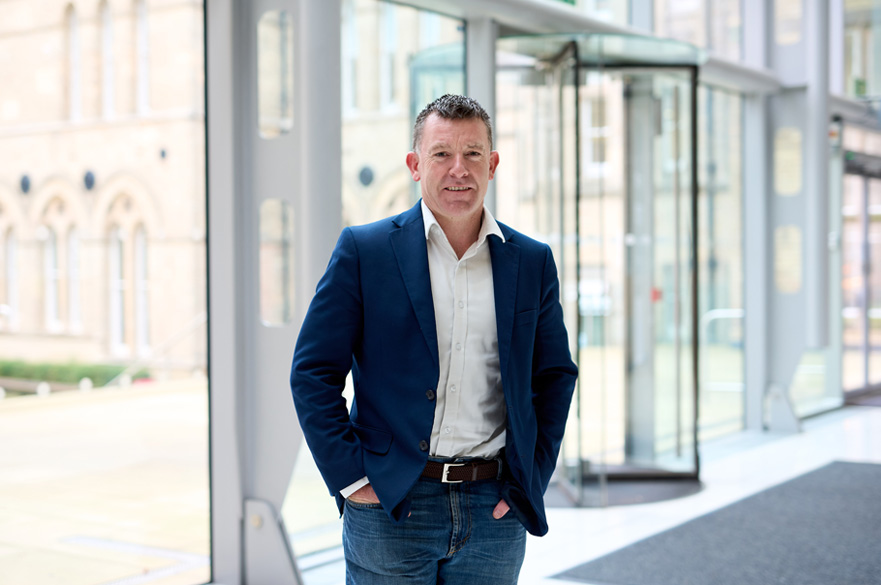
Brian Harman is a Senior Lecturer in the Department of Marketing at Nottingham Business School, Nottingham Trent University. With extensive experience teaching at UK and Irish higher education institutions, including the University of Reading, De Montfort University, University of Limerick, and the National University of Ireland, Brian is a Fellow of the Higher Education Academy and has served as External Examiner for Postgraduate Marketing programs at Bournemouth University (2020-2024). His pedagogical approach integrates research insights, earning recognition for innovative teaching practices. Consumer behavior Consumer psychology Persuasion techniques Behavioral science applications Brian’s research explores how consumers can achieve happier, healthier, and more sustainable lives through adaptive marketplace strategies. His work spans diverse contexts, including endurance athletics, social marketing for road safety, and psychological principles for consumer decision-making. He actively participates in the Marketing and Consumer Studies Research Centre and welcomes PhD applications focused on consumer behavior themes. Recent publications highlight his interdisciplinary approach, combining psychology with marketing in areas such as pandemic resilience among athletes, fear appeals for public safety campaigns, and behavioral insights for everyday consumer decisions. Brian’s industry background as a market researcher enriches his academic contributions.
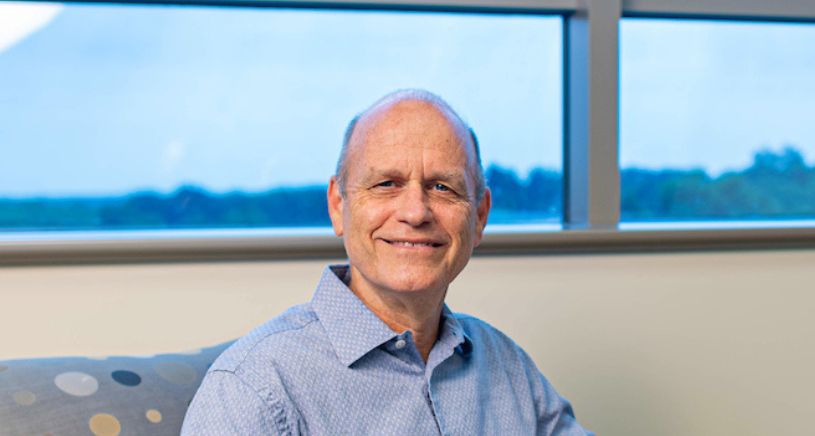
Dr Stuart Sharp is a Senior Lecturer in Animal Ecology at the Lancaster Environment Centre , focusing on the intersection of animal behavior , population ecology , and conservation . His research spans wild birds (e.g., dippers, common sandpipers, African river martins) and mammals (e.g., meerkats, sun bears), with an emphasis on how environmental quality and change affect ecology and life history. Current projects include a long-term study of dippers in Yorkshire Dales National Park (since 2013), solar park impacts on ecosystems, and conservation of tropical mammals. He teaches BSc modules in biology, ecology, and zoology , including field courses in Spain and Kenya. In PhD supervision , he welcomes proposals on avian or mammalian ecology. Recent publications highlight environmental noise effects on bird song, solar park impacts on soil and ecosystems, and kin cooperation in social birds. His grants include funding from NERC, ENVISION, and the Birdfair/RSPB Endangered Bird Fund. Research collaborations involve institutions like the Jane Goodall Institute and Cambridge University’s Kalahari Meerkat Project. He has supervised PhD students Noelia Dominguez Alvarez , Catrin Eden , and Lucy Treasure at Lancaster.
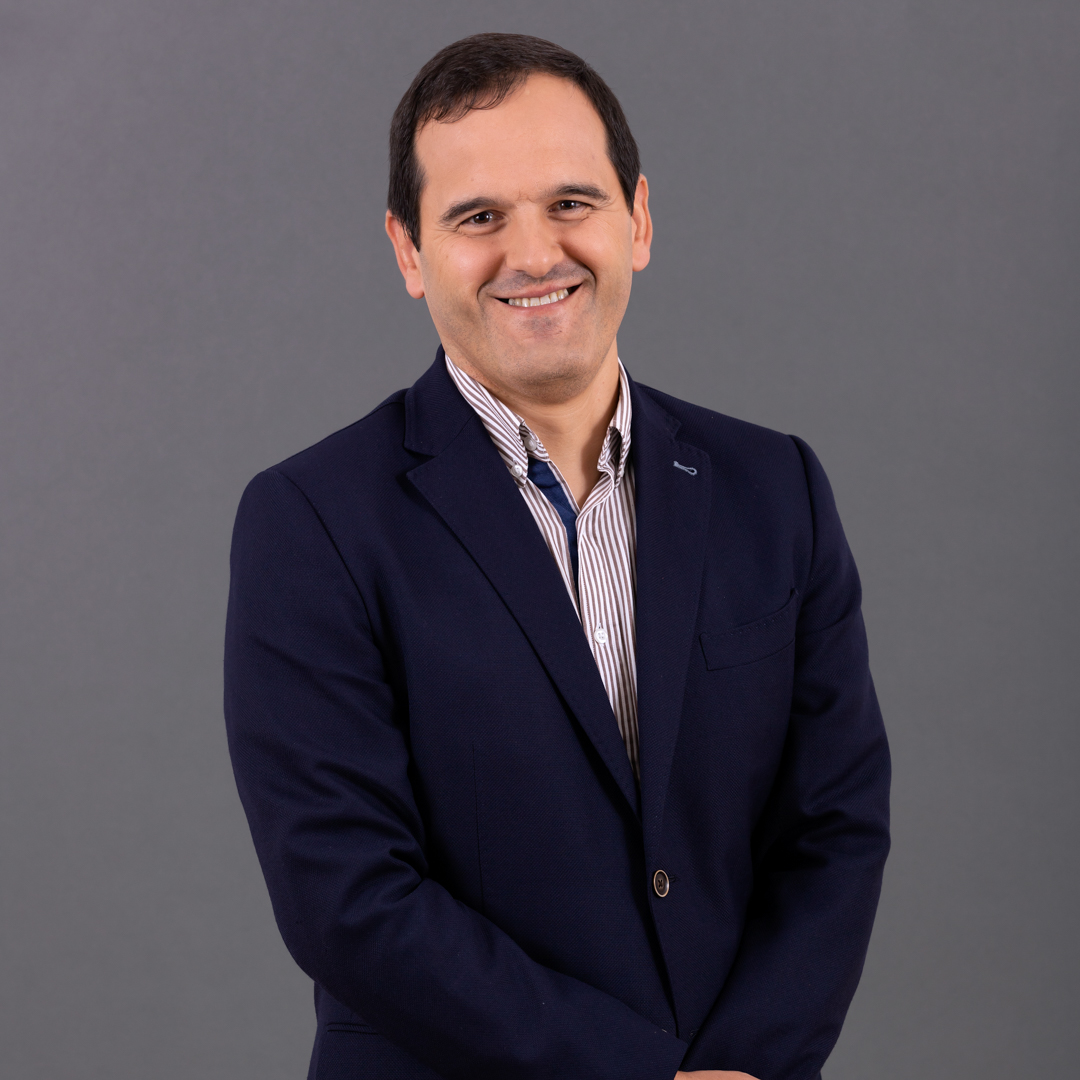
Joseph N.S. Eisenberg, PhD, MPH is Professor of Epidemiology and Professor of Global Public Health at the University of Michigan School of Public Health . A leading infectious-disease epidemiologist, Eisenberg integrates theoretical transmission modelling with large-scale field studies to understand how environmental and social determinants drive water- and vector-borne disease dynamics across the globe. Education PhD, University of California, Berkeley/San Francisco, 1992 MPH, University of California, Berkeley, 1991 BS, University of California, Berkeley, 1982 Research Focus Eisenberg’s work centres on infectious disease epidemiology , particularly the environmental determinants of waterborne and vector-borne pathogens. His group develops dynamic transmission models that move microbial risk assessment from static individual-based calculations to population-based frameworks capable of capturing feedbacks between human behaviour, climate, infrastructure and pathogen spread. Empirical validation of these models occurs through multi-country collaborations in Ecuador (birth cohort, dengue mapping, zoonotic E. coli), Mexico (waste-water irrigation), Israel (poliovirus environmental surveillance), Ethiopia (urban water-system risk) and Kenya (WASH impacts). Recent Publication Trends Over 2024–2025 Eisenberg has published extensively on dengue and Zika transmission in Ecuador, WASH intervention modelling , antimicrobial resistance in enteric E. coli , and COVID-19 epidemiology . These works combine high-resolution field data (human landing catches, multiplex PCR diagnostics, eye-tracking neurodevelopment assessments) with advanced computational approaches (agent-based models, Bayesian spatial risk mapping, mechanistic QMRA), underscoring a commitment to methodological innovation grounded in real-world public-health problems. Scientific Awards & Recognition While no specific prizes are enumerated in the supplied text, Eisenberg’s sustained funding from the CDC (recent $17.5 M award establishing the Michigan Integrated Center for Outbreak Analytics and Modeling – MICOM) and repeated publication in PNAS , American Journal of Epidemiology and other high-impact journals attest to significant peer recognition. Advising & Grants Eisenberg mentors graduate students and post-doctoral researchers across epidemiology, biostatistics and global health. Active funding includes: CDC / MICOM – Michigan Integrated Center for Outbreak Analytics and Modeling (Principal Investigator) National Institutes of Health – Environmental influences on child diarrheal disease and the microbiome (Co-Investigator) NSF – Coupled natural-human systems: road development and infectious disease in Ecuador (Principal Investigator) Laboratories & Teams Eisenberg directs the EcoDess: Environmental Change and Diarrheal Disease in Ecuador research platform, coordinating interdisciplinary teams in Ann Arbor and field stations in Esmeraldas and Quito provinces. He is affiliated with the University of Michigan Center for Global Health Equity and the Global Public Health IDEAS initiative , fostering cross-campus collaborations in modelling, microbiology and social epidemiology.
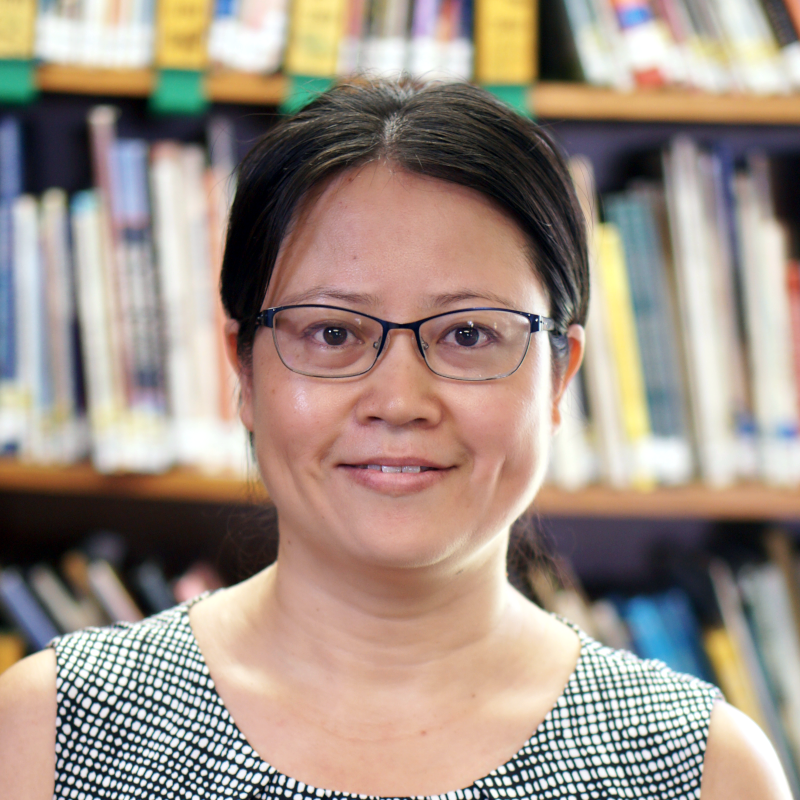
Theodore Ho is a Postdoctoral Fellow at Stanford University, currently affiliated with the Deisseroth Lab. His research bridges stem cell biology, aging, and neuroscience through advanced optical techniques and metabolic analysis. Education: Joint BA/MA in Human Developmental and Regenerative Biology/Bioengineering from Harvard University; PhD in Biophysics from UCSF. Research Interests focus on the molecular mechanisms of stem cell aging, autophagy, and inflammation in hematopoietic systems, alongside neural circuit dynamics controlling behavior. Recent work explores cardiogenic influences on affective states and metabolic interventions in cellular aging. Scientific Trends from his publications highlight autophagy's role in preserving stem cell function, inflammation-driven aging in blood systems, and neural circuit manipulation via optogenetics. Key subfields include IL-1 signaling , lysosome activation , and targetable drivers of aging . Labs: Deisseroth Lab at Stanford University.
Dr. Timothy J. Collier is a Professor of Translational Neuroscience at Michigan State University College of Human Medicine, where he serves as Director of the Michigan State University Udall Center of Excellence in Parkinson's Disease Research. He holds dual appointments in the MSU Neuroscience Program and MSU BioMolecular Science Gateway Faculty, with his laboratory based at the Grand Rapids Research Center. Dr. Collier received his undergraduate training in psychology at the University of Minnesota (B.A., 1974) and completed his graduate studies in psychology and neuroscience at Northwestern University (M.S., 1979; Ph.D., 1983). He conducted postdoctoral training at the University of Rochester with Dr. John Sladek Jr., focusing on cell transplantation in animal models of Parkinson's disease and aging. His research program investigates the fundamental relationship between aging and neurodegenerative diseases, particularly Parkinson's disease. Dr. Collier's laboratory employs a range of models from primary cell culture to nonhuman primates, with current projects examining cellular senescence mechanisms, progerin and klotho gene effects on neurodegeneration, and repurposing existing drugs for Parkinson's treatment. His work bridges basic neuroscience with translational applications, emphasizing how aging serves as an active driver rather than merely a risk factor for neurodegenerative conditions. Analysis of Dr. Collier's recent publications reveals a strong interdisciplinary focus spanning neuroscience, cardiology methodology, and statistical approaches to clinical research. His work demonstrates consistent contributions to understanding Parkinson's disease mechanisms while also advancing methodological approaches in clinical trial design, particularly in cardiology. The integration of aging biology with neurodegenerative disease processes represents a distinctive hallmark of his research program. Dr. Collier maintains active collaborations across multiple research groups studying Parkinson's disease, including the Counts Lab, Gordon Lab, Kanaan Lab, Lipton Lab, Morgan Lab, Sammi Lab, Sortwell Lab, Steece-Collier Lab, and Vega Lab at Michigan State University. His technical expertise encompasses primary neuronal cultures, stereotaxic surgery, immunohistochemistry, brain tissue microdissection, behavioral evaluations of motor performance in rodents, and stereology. These methodologies support his laboratory's investigation of both fundamental mechanisms of neurodegeneration and potential therapeutic interventions.
Professor Mirella Yani-De-Soriano is a Professor of Marketing at Cardiff Business School , where she also serves as Pathway Convenor for the MSc Social Science Research Methods (SSRM) in Management and Business Studies. Her academic career follows significant management and consultancy experience at international corporations. Cardiff Business School, Cardiff University MSc Social Science Research Methods (SSRM) Pathway Convenor Her research focuses on Transformative Consumer Research , particularly examining online addiction behaviors, cross-cultural consumer dynamics, and emotional responses in retail environments. She has published extensively in leading journals like European Journal of Marketing , Journal of Business Ethics , and Computers in Human Behavior . Notable projects include analyzing facial expression impacts on Airbnb bookings and macro-social marketing interventions for public health. Recent work includes modeling gaming addiction in eSports (2025) and cross-cultural co-creation outcomes (2019). Her research consistently explores emotional drivers , trust mechanisms , and ethical consumption across diverse markets. Supervision: Actively supervises PhD and MSc students, including Edward Davies. Contact: Yani-De-SorianoM@cardiff.ac.uk
Sergio Alejandro Useche Hernandez is an active Assistant Professor specializing in transportation safety and traffic psychology, with 134 publications reflecting deep expertise in human behavioral factors within mobility systems. His research spans road safety compliance, sustainable transport adoption, and mental health impacts across diverse populations including cyclists, delivery workers, and public transport users. His primary research interests focus on the intersection of psychology and transportation engineering, particularly sensation seeking in vulnerable road users, gender disparities in mobility choices, and technology-induced distractions. He employs advanced methodologies including Structural Equation Modeling (SEM), cross-cultural surveys, and systematic literature reviews to investigate phenomena like e-scooter adoption barriers in developing countries and mental health outcomes among transport workers. Key contributions include the validated SSC scale for cyclist risk assessment and frameworks for evaluating sustainable mobility policies through interdisciplinary lenses. Analysis of his 15 most recent publications (2024-2026) reveals three dominant trends: (1) growing emphasis on digital distractions across transport modes (cycling, motorcycling, driving), (2) sophisticated gender-based analyses of mobility barriers and safety outcomes, and (3) methodological innovation through integrated theoretical frameworks like TPB-UTAUT. His work consistently bridges academic rigor with policy relevance, particularly regarding last-mile delivery risks and post-crash psychological recovery. While no specific scientific awards are documented in the source material, his extensive publication record in high-impact journals (e.g., Accident Analysis and Prevention , Transportation Research Part F ) demonstrates significant scholarly recognition. The absence of listed advisees suggests primary focus on independent or collaborative research rather than graduate supervision, though his faculty position implies potential mentoring activities. His work shows strong alignment with European mobility policy initiatives and cross-national studies spanning Spain, Australia, Latvia, and the Dominican Republic, indicating robust international collaboration networks.
Zachary Doerzaph is an Associate Professor in Virginia Tech’s Department of Biomedical Engineering and Mechanics, and serves as Executive Director of the Virginia Tech Transportation Institute (VTTI) and President of the Global Center for Automotive Performance and Simulation (GCAPS). His research focuses on automotive safety, connected/automated vehicles, driver behavior, and infrastructure design. He leads a multidisciplinary team addressing next-gen transportation challenges through advanced technologies like big data analytics and AI. Education : Ph.D. Industrial and Systems Engineering (2007), Virginia Tech M.S. Industrial and Systems Engineering (2004), Virginia Tech B.S. Mechanical Engineering (2001), University of Idaho Research Interests : Connected/automated vehicle systems Driver-vehicle interaction Risk prediction and mitigation Infrastructure safety design Human factors in transportation Key Contributions : Developed PREPARES rear-end collision mitigation system Advanced LiDAR/radar fusion for vehicle sensing Guided automated vehicle handover studies Testified on autonomous tech impacts to U.S. Senate (2018) Awards : Virginia Business 100 (2022) Virginia Tech Distinguished Leader in Research (2021, 2023) Labs/Initiatives : Virginia Tech Transportation Institute Global Center for Automotive Performance and Simulation
Pasi Lautala is a Professor in the Department of Civil, Environmental, and Geospatial Engineering at Michigan Technological University (Michigan Tech) and currently serves as the Associate Dean for Research. He holds a BS from Tampere University of Technology (Finland) and MS/PhD from Michigan Tech. His research focuses on rail and highway transportation engineering, with emphasis on grade crossing safety, multimodal logistics, sustainability, railway capacity analysis, and engineering education development. Since 2007, Lautala has directed the Rail Transportation Program (RTP) within the Michigan Tech Transportation Institute (MTTI), expanding rail research collaborations across disciplines. He leads over $10M in external research funding, including projects on trespasser safety, freight logistics, and lifecycle analysis. Lautala is a key figure in rail education revitalization, serving as Rail Group Chair at the Transportation Research Board (TRB) and advising the Michigan Commission for Supply Chain Logistics. His teaching spans courses like Transportation Engineering, Railroad Design, and Logistics Management. Lautala has advised numerous undergraduate and graduate projects, emphasizing industry partnerships. Recent contributions include developing in-vehicle auditory alerts for rail crossings and AI-driven safety systems like RAIILS. Key collaborations include the Federal Railroad Administration (FRA) on grade crossing safety ($641K+ projects), U.S. DOT on rail modal analysis, and Battelle on connected vehicle systems. He mentors the Tracks to the Future youth program and co-leads international rail education initiatives.
Prof. Dr. Matthias Basedau is a leading academic in African studies and conflict analysis. He serves as Director of the GIGA Institute for African Affairs and Professor at the University of Hamburg (§ 17 Professur). His career spans roles as Head of GIGA's Violence and Security Programme (2005–2015), Visiting Professor at PRIO, and Research Fellow at GIGA since 2002. Education : Political Science, Psychology, Sociology at Heidelberg University; PhD in 2001. Research Interests : Resource conflicts, religion and violent conflict, civil-military relations, political institutions in Sub-Saharan Africa. Recent Publications : Focus on oil sector governance, interreligious peace mechanisms, and foreign fighter mobilization. His work addresses key challenges in African countries like Mali, Niger, Chad, and Botswana, with projects funded by DFG, Volkswagen Foundation, and BMZ. He actively contributes to policy debates through media interviews and academic lectures.
Patrick T. Hurley is an Assistant Professor in the Environmental Studies Program at Ursinus College , where he investigates intersections of political ecology, environmental conservation, and land-use change. His work bridges First World political ecology with global resource conflict dynamics, focusing on urban-rural gradients and exurban development. Expertise in mining opposition and amenity migration Research on urban foraging and social-ecological resilience Recipient of Ursinus Mellon Summer Research Grant Recent publications analyze urban forests as provisioning ecosystems, exploring foraging practices among Russian-speaking immigrants in NYC (2022), social-ecological memory in Philadelphia (2024), and urban greenspace governance (2020). His scholarship links local land struggles to global neoliberalism patterns, particularly in Turkey’s Kaz Dağları region (2018). Hurley’s work integrates ethnobotany, environmental justice, and critical urban studies. He examines how marginalized communities navigate resource access, with projects like the Ursinus Food Forest (2022) demonstrating practical applications of cultural-ecological reconnections.
Ayan Orujov is a Lecturer in Finance at Bangor Business School, affiliated with the Institute of European Finance’s Credit Risk and Accounting & Governance groups. He holds a PhD in Finance from the University of Bristol (2016), an MSc in Finance and Investment (2011), and a BSc in Applied Mathematics and Cybernetics from Baku State University (2010). His research focuses on retail investor behavior, corporate governance, political risk, and gender diversity in corporate boards. He teaches Advanced Corporate Finance, Financial Techniques, and Corporate Finance for the Chartered Banker MBA. Research Interests: Corporate political activism and retail investor reactions Retail investor psychology and fintech impacts Gender diversity in boardrooms Corporate sustainability and ESG integration His recent work explores socio-political activism effects (e.g., Black Lives Matter), gender diversity policy effectiveness, and pandemic-driven trading behaviors. He serves on editorial boards for Journal of Corporate Finance , British Accounting Review , and International Review of Financial Analysis . Supervised PhDs include studies on investor welfare and corporate governance dynamics. Contributions to UN SDGs include advancing responsible consumption (SDG 12) and gender equality (SDG 5) through corporate governance research.
Nuno Fernandes Crespo is an Associate Professor at the Department of Strategic Management and Marketing, Lisbon School of Economics & Management (ISEG), University of Lisbon. He holds a PhD in Management (2013), a Master's in Management and Industrial Strategy (2004), and a Bachelor's in Management (1999) from ISEG. His research focuses on International Business, Entrepreneurship, and Strategic Agility in international new ventures (INVs), particularly during crises. He has published extensively in journals like International Business Review , Journal of International Management , and Technological Forecasting & Social Change . His 15 most recent works (2023–2025) explore themes including: Business model innovation during crises Supplier-country image effects in B2B marketing Sustainable entrepreneurship in family firms Digitalization and early internationalization strategies Country-of-origin stereotypes in industrial marketing Dynamic capabilities in INVs He supervises Master's students in topics spanning internationalization, digital transformation, family business strategy, and innovation. Professional roles include coordinating the Master's in Management and Industrial Strategy (2016–2022), serving on ISEG’s Executive Commission, and leading the Doctoral Program in Management (2018–2022). His methodology integrates empirical research, mixed methods, and configurational approaches.
Baoyan Cheng is Professor and Graduate Chair in the Department of Educational Foundations at the University of Hawaiʻi at Mānoa’s College of Education. She specializes in comparative and international education, with particular attention to Chinese education systems, global student mobility, and equity in higher education. Education Ed.D. International Education, Harvard University (2007) Ed.M. International Education, Harvard University (2002) M.A. International Education Policy, University of Maryland, College Park (2001) M.A. English Language and Literature, Wuhan University (1999) B.A. Wuhan University of Technology (1996) Research Interests Her research interrogates how globalization reshapes education, focusing on Chinese students’ international mobility, equity in higher-education financing, and the interplay between Confucian and liberal-arts educational traditions. She examines cultural capital transmission through exchange programs and the sociocultural adaptation of “parachute kids” studying abroad. Publication Trajectory Across nearly two decades, Cheng’s scholarship spans policy analyses of student-loan schemes, empirical studies on Beijing middle-school students’ overseas aspirations, and philosophical explorations of Confucian cosmopolitanism in liberal-arts curricula. Recent work couples large-scale surveys with qualitative accounts to illuminate how transnational education shapes identity, citizenship, and social stratification. Books & Major Works The New Journey to the West: Patterns of Chinese Students’ International Mobility (2020, with Lin & Fan) Student Loans in China: Efficiency, Equity and Social Justice (2011) Presentations & Leadership As Graduate Chair, she mentors doctoral students, directs thesis committees, and organizes research-methods workshops. She has delivered keynote addresses at CIES, PESA, and AERA conferences, and maintains active collaborations with scholars in China, Japan, and Slovenia.
Barton Wechsler is Dean Emeritus of the Truman School of Public Affairs and Director Emeritus of the Institute of Public Policy at the University of Missouri. He holds a professorship in the College of Arts and Science, specializing in public leadership, strategic planning, and organizational theory. His career includes leadership roles as Dean of the Muskie School of Public Service at the University of Southern Maine and prior faculty positions at the University of Illinois and Florida State University. His research focuses on strategic management in public organizations, human resource dynamics, and governance reforms. He has published in journals like Public Administration Review and Administration and Society , and served on editorial boards for key public affairs journals. Wechsler has provided extensive consulting and technical assistance to U.S. government agencies and nonprofits, emphasizing practical application of administrative theory. His scholarship spans decades, addressing topics from organizational commitment to performance government. Notable works include analyses of strategic planning in state agencies and case studies on reinventing government structures. He has contributed to debates on public trust, fraud prevention, and innovative leadership strategies in diverse academic and policy contexts.