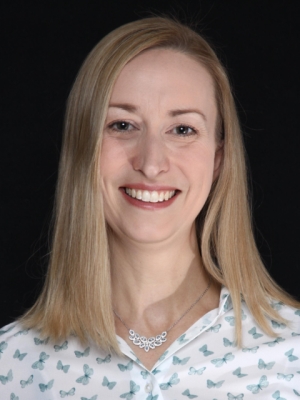
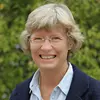
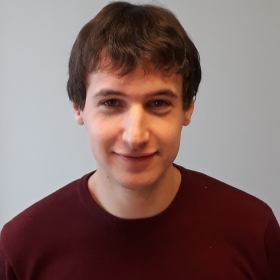
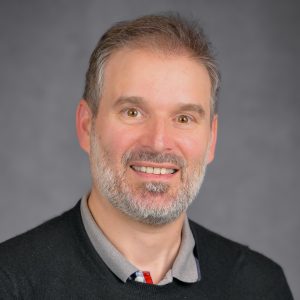
Prof. Dr. Andrea Burden is a Lecturer in the Department of Chemistry and Applied Biosciences at ETH Zürich, specializing in pharmacoepidemiology and drug safety. Her research focuses on optimizing drug therapies, particularly in osteoporosis treatment, diabetes management, and opioid deprescribing strategies. She leads studies on medication safety profiles, including JAK inhibitors and GLP-1 receptor agonists, and evaluates real-world evidence for treatment efficacy and fracture risk. Her work integrates pharmacovigilance data from global sources like the WHO VigiBase, alongside population-based cohort analyses. Key areas include: Pharmacoepidemiological analysis of drug utilization trends Development of clinical decision-support frameworks Investigation into drug-induced adverse events Evaluation of healthcare cost implications for fracture management Her studies often employ advanced statistical methods such as propensity score matching and cohort studies to assess outcomes in rheumatoid arthritis, diabetes, and postoperative pain management. Dr. Burden collaborates with international registries and healthcare systems to translate epidemiological findings into clinical guidelines.
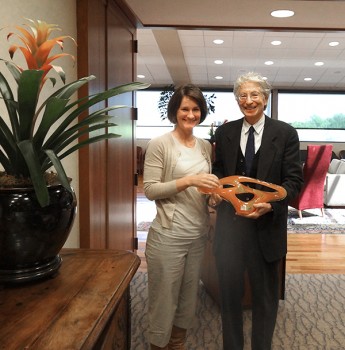
Dr. Christa McIntyre is an Associate Professor in the Department of Neuroscience at The University of Texas at Dallas (UTD), affiliated with the School of Behavioral and Brain Sciences. She holds roles including Cognition and Neuroscience Program Head (2016–2017) and Neuroscience Program Head (2014–2016). Her research focuses on neural mechanisms underlying stress effects on memory and fear extinction, particularly exploring how emotional arousal influences synaptic plasticity and memory consolidation. Dr. McIntyre earned a B.A. in Psychology from American University (1994), a Ph.D. in Psychobiology from the University of Virginia (2000), and completed a Postdoctoral Fellowship in Neurobiology at the University of California, Irvine (2006). She joined UTD in 2006 as an Assistant Professor, advancing to her current rank in 2013. Her research employs techniques like in vivo microdialysis, immunohistochemistry, and optogenetics to study amygdala-hippocampal interactions in memory storage. Key areas include PTSD treatment via vagus nerve stimulation (VNS), which her work has shown enhances fear extinction and generalization across sensory modalities. Recent studies also investigate VNS applications for autism spectrum disorder and migraine relief through glucocorticoid signaling modulation. Dr. McIntyre has received notable awards, including the Aage Møller Teaching Award (2013) and multiple NIH grants totaling over $3.5 million. Her lab, the Neurobiology of Learning and Memory Lab, collaborates on patents related to paired plasticity and VNS-enhanced exposure therapy. Current research emphasizes translating preclinical findings into clinical tools for anxiety and memory disorders.
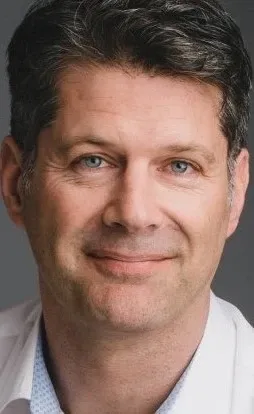
Daniel Lundqvist is Professor of Neuroimaging at Karolinska Institutet, appointed to this position effective November 1, 2024. He is affiliated with the Department of Clinical Neuroscience within the Faculty of Medicine and serves as Director of the Centre for Imaging Research (CIR) at BioClinicum. Additionally, he leads the Swedish node of the EU project "TEF-Health - Testing and Experimentation Facilities for Health AI and Robotics" and is the Scientific Director of NatMEG - the National Facility for Magnetoencephalography. His Multimodal Brain Imaging research group investigates how brain structure, function, and neurochemistry shape human consciousness, perception, decisions, and actions. Lundqvist earned his Doctor of Philosophy from Karolinska Institutet's Department of Clinical Neuroscience in 2003 and was awarded Docent (Associate Professor equivalent) status in 2016. His academic progression includes Senior Research Specialist (2021-2024) before his promotion to full Professor of Neuroimaging. Dr. Lundqvist's research centers on advancing magnetoencephalography (MEG) and on-scalp MEG technologies to elucidate neuronal brain activity. His work bridges cognitive, affective, and clinical neuroscience with a focus on both fundamental brain mechanisms and clinical applications. He combines two complementary approaches: one focused on his own research projects investigating the brain-mind relationship, and another aimed at promoting the imaging ecosystem across Karolinska Institutet, Karolinska University Hospital, and Europe. His research spans epilepsy, Parkinson's disease, emotion processing, social neuroscience, and the development of novel neuroimaging methodologies, with increasing integration of AI and computational approaches in recent years. His recent publications demonstrate a strong focus on advancing MEG technology for clinical applications, particularly on-scalp MEG. His work spans diverse neurological and psychiatric conditions while developing innovative imaging methodologies. A significant thread through his research is the application of advanced imaging techniques to understand both healthy brain function and neurological disorders, with particular emphasis on Parkinson's disease, epilepsy, and emotion processing. The cognitive neuropsychiatry of prediction systems in psychosis (Swedish Research Council, 2024-2026) CAPSI - Cancer related major depression treated with a single dose of psilocybin (Swedish Research Council, 2023-2026) TEF HEALTH (VINNOVA, 2022-2027) Finding a cognitive needle in a neural haystack (Swedish Research Council, 2022-2024) HD-MEG: High-definition neuroimaging for understanding the brain in health & disease (Swedish Research Council, 2022-2025) NatMEG: On-Scalp MEG Platform (Swedish Research Council, 2021-2025) Lundqvist has supervised doctoral and master students as part of his extensive teaching contributions across neuroscience education and brain imaging methods. His leadership extends to directing major research facilities and collaborative projects, including his role as National Node lead for TEF-HEALTH, which received over SEK 100 million in EU funding. His Multimodal Brain Imaging group forms part of the Brain & Mind academic environment that brings together cognitive neuroscience researchers using various brain imaging techniques to understand brain function in health and disease.
Graham Wheeler is an Honorary Senior Lecturer at Imperial College London's School of Public Health (part of the Faculty of Medicine), where he teaches on the MPH course. He holds degrees from the University of Warwick, London School of Hygiene & Tropical Medicine, and Peterhouse, Cambridge, with a PhD focused on adaptive designs in oncology clinical trials. His career includes roles as Deputy Head of Statistics (2021–present) and Acting Head of Statistics (2022) at Imperial’s Clinical Trials Unit, followed by a 2022 appointment as Statistics Director at GSK’s Specialty and Primary Care division. Education: PhD in Biostatistics (Warwick/London School of Hygiene), MSc/ BSc from Cambridge and Warwick. Professional experience includes post-doctoral work at the MRC Biostatistics Unit, a Senior Statistician role at UCL’s Cancer Trials Centre, and visiting research at Columbia University (funded by MRC). Research focuses on clinical trial design (adaptive methods, phase I/II trials), oncology, and public health interventions. Key areas include combination therapies, dose-finding algorithms, and statistical innovations in drug development. He has contributed to tools like MoDEsT (dose-escalation analysis) and the PANDA adaptive designs toolkit. Publications emphasize methodological advancements in clinical trials, including Bayesian adaptive designs, harm reporting in RCTs, and cost-effectiveness analyses of behavioral programs. His work spans oncology, hematology, and infectious disease, with a strong emphasis on translating statistical innovations into practical clinical applications. Current roles involve leading statistical strategy at GSK while maintaining academic ties at Imperial. No formal student advisees are listed, though his trial leadership roles likely involve collaborative mentoring. Grants and funding details are not explicitly stated in the text.
Dr. Fraser Brims serves as a Clinical Associate Professor at the University of Western Australia Medical School within the Centre for Respiratory Health. His academic work is deeply integrated with clinical practice and research in respiratory medicine, particularly focusing on lung cancer and asbestos-related diseases. His institutional affiliations include the National Centre for Asbestos Related Diseases and the Lung Cancer Clinical Quality Data Platform (LUCAP) in Western Australia. Brims' research interests span lung cancer screening, mesothelioma, low-dose CT imaging, and asbestos-related diseases. His work significantly contributes to Sustainable Development Goals related to good health and well-being. He has developed expertise in managing screen-detected nodules and has been instrumental in establishing clinical quality indicators for thoracic cancer care across Australasia. His research bridges clinical practice with population health approaches to improve early detection and management of respiratory cancers. His recent publications demonstrate a strong focus on lung cancer screening implementation, with particular attention to risk assessment, incidental findings in CT imaging, and long-term outcomes of asbestos exposure. Brims has contributed to developing practical clinical guidelines for managing pulmonary nodules and establishing quality metrics for thoracic cancer care through consensus processes. Brims is actively involved in multiple research projects, including leading the Support for the Lung Cancer Clinical Quality Data Platform (LUCAP) through the Western Australia Department of Health (2025-2028) and serving as an investigator in the National Centre for Asbestos Related Diseases. His other significant projects include research on palliative care for mesothelioma, ultra low dose CT in silicosis screening, and comparative imaging studies for silicosis detection. His collaborative network spans Australia and Canada, with significant contributions to international lung cancer screening initiatives. Brims works closely with major institutions including Sir Charles Gairdner Hospital, Royal Perth Hospital, and Insurance & Care NSW, demonstrating strong translational research capabilities connecting academic medicine with clinical practice and health policy.
Aukje Lamonica serves as Professor and Internship Coordinator in the Department of Public Health at Southern Connecticut State University's School of Health and Human Services. Her academic profile centers on public health education and behavioral research with specialized expertise in addiction studies, particularly focusing on vulnerable populations including suburban women and mothers experiencing substance use disorders. Her research program critically examines the social determinants of addiction through qualitative methodologies, investigating opioid and methamphetamine use patterns, harm reduction strategies, and the impact of social policies on marginalized communities. Key themes include the intersection of criminal justice involvement with maternal health, social capital dynamics in recovery, and the lived experiences of people who use drugs, with consistent emphasis on translating findings into practical public health interventions. Recent publications (2020-2025) demonstrate escalating focus on the opioid crisis among suburban mothers, analyzing treatment barriers during the pandemic, overdose circumstances, and child separation consequences. Her work consistently employs ethnographic approaches to document structural vulnerabilities while advocating for trauma-informed, gender-responsive care systems that address socioeconomic barriers to recovery. She has secured internal university funding including a $1,000 SCSU grant (2013) for developing online school health education courses. Her scholarly engagement includes extensive conference presentations at major sociological and public health forums where she addresses qualitative methodology applications in addiction research and technology-enhanced pedagogy.
Prof. Dr. Annette Kopp-Schneider is Head of Department at the German Cancer Research Center (DKFZ) and affiliated with the Faculty of Medicine at the University of Heidelberg. She holds a professorial rank and leads research in medical biometry with a focus on clinical trial methodology in precision oncology. Diploma in Mathematics, RWTH Aachen, 1984 Dr. rer. nat. in Mathematics, RWTH Aachen, 1987 Habilitation in Medical Biometry, University of Heidelberg, 1997 Her research interests include clinical trials for precision oncology , dose-response modeling , and biologically based mechanistic modeling of cell systems . She develops advanced statistical methods for trial design, particularly in pediatric oncology and settings with small sample sizes. Her work emphasizes rigorous control of type I error when borrowing historical data and optimal experimental designs for drug combinations. The recent publications reflect a strong trend in methodological biostatistics , particularly in Bayesian and frequentist approaches to clinical trial design , external data incorporation , and transparent evaluation in biomedical image analysis . Her contributions span oncology, toxicology, and translational medicine, with a consistent focus on statistical rigor and reproducibility. She has contributed to major initiatives such as the Pediatric Precision Oncology INFORM Registry, advancing personalized treatment for children with cancer. Her methodological work supports fair comparisons in hybrid and single-arm trials and improves the reliability of challenge-based research in medical imaging. Prof. Kopp-Schneider is actively engaged in grant-funded research and mentoring within her department. She leads a team focused on biostatistical innovation in clinical research, particularly in oncology settings where data are sparse and traditional designs face limitations. She is involved in collaborative teams working on biomedical image analysis challenges and pediatric cancer registries. Her lab contributes to open science through toolkits for challenge analysis and transparent reporting guidelines like BIAS (Transparent Reporting of Biomedical Image Analysis Challenges).
Tom Braeckevelt is a Research Fellow at Ghent University, Belgium, working within the computational materials science group led by Prof. Veronique Van Speybroeck. Based at Tech Lane Ghent Science Park (Technologiepark 46, Zwijnaarde), he collaborates extensively with experimental teams including Prof. Johan Hofkens (photophysics) and Prof. Sara Bals (electron microscopy), bridging theoretical modeling with advanced characterization techniques to solve stability challenges in next-generation photovoltaics. Education: PhD in Materials Science, Ghent University (2018). Dissertation: Designing 2D hybrid organic-inorganic perovskites for game-changing photovoltaics , supervised by Prof. Veronique Van Speybroeck and Dr. Kurt Lejaeghere. His research centers on perovskite stability mechanisms through multiscale computational modeling (DFT, machine learning potentials, molecular dynamics) integrated with experimental validation (TEM, GIWAXS, spectroscopy). Key focus areas include phase transition kinetics, strain engineering, doping strategies, and interfacial design for cesium lead halide perovskites. This work addresses critical barriers to commercial solar cell deployment, particularly ambient-condition stability and efficiency retention. From 2019-2025, Dr. Braeckevelt co-authored 13 high-impact publications including Science (2019), Nature Communications (2022), and ACS Nano (2025), demonstrating progression from fundamental phase transition studies to machine learning-enhanced stability solutions. Recent work expands into covalent organic frameworks and rare-event sampling algorithms, reflecting methodological diversification while maintaining photovoltaic applications as the core driver. No scientific awards or fellowships were documented in the source materials. Supported by institutional research grants at Ghent University, Dr. Braeckevelt has presented findings at 8+ international conferences including PSCO19 (Lausanne), ICAMM (Rennes), and DFT2022 (Brussels). His invited talk at the 2025 Eindhoven Psiflow workshop highlights growing recognition in machine learning for perovskites. No student supervision roles were indicated in current position. He operates within Ghent's integrated materials research ecosystem, contributing to cross-disciplinary projects that combine computational prediction with nanoscale characterization to accelerate renewable energy technology development.
Mauro Gasparini is a Full Professor at the Department of Mathematical Sciences (DISMA) of Polytechnic University of Turin. He serves as Director of DISMA since 2019, Member of Academic Senate, and co-leader in the SmartData@PoliTO Big Data Laboratory. His career spans academia and industry, including roles at Purdue University (Assistant Professor 1992-1996) and Novartis (Senior Statistician 1996-1998). He has been Editor of Biometrical Journal (2012-2015) and maintains referee activities across international journals. PhD from University of Michigan (1992, Dirichlet process applications) Academic leadership: Department Director, Editorial boards, ISTAT Advisor Research spans Bayesian methodology with biomedical applications Maintains collaborations with Novartis, Chiesi, and research centers His research interests focus on Bayesian inference , Biostatistics , and Clinical trials methodology, particularly addressing issues in pharmaceutical development, genomic data analysis, and medical decision-making. Recent work includes vaccine efficacy modeling, optimal imaging timing for cancer diagnostics, and adaptive trial designs. Key publication trends show interdisciplinary applications in Statistics in Medicine , Biometrics , and Statistical Methods in Medical Research , with emphasis on biomedical data science, Bayesian adaptive methods, and clinical decision support systems. Scientific contributions include: Editor, Biometrical Journal (2012-2015) Advisor, Italian National Institute of Statistics (2020-2024) Leadership in multiple research projects (NODES, SORGENTE, IDEAS) As PhD advisor, he supervises students in: Shaoshi Tang (Clinical trial modeling) Saeed Sani (Biomedical data analysis) Marco Ratta (Genomic statistics) Luca Rondano (Bayesian methods) Vittorio Zampinetti (Tumor DNA sequencing) Fulvio Di Stefano (Evidence-based decision statistical methods) He leads research projects in pharmaceutical statistics, genomic surveillance, and spatial risk assessment frameworks, with recent emphasis on SARS-CoV-2 analysis and cancer progression modeling.
Olaf Klungel is Professor of Pharmacoepidemiologic Methods and head of the Division of Pharmacoepidemiology & Clinical Pharmacology at Utrecht University's Faculty of Science. He also serves as adjunct professor of Pharmacoepidemiology at the University of Southern Denmark in Odense. His work focuses on developing and improving methods for observational drug research, with applications primarily in the post-registration phase of drug development. Professor Klungel's research spans multiple areas of pharmacoepidemiology, with particular expertise in cardiovascular diseases, diabetes, hypertension, and drug safety. His work has contributed significantly to understanding the benefits and harms of various medications, including findings on the impact of genetic variants in the renin-angiotensin system on diabetes risk, the beneficial effects of thiazide diuretics in preventing ischemic stroke, and the increased risk of autoimmune diseases associated with statin use. His research methodology expertise includes self-controlled study designs and the evaluation of observational drug research. Professor Klungel is actively involved in numerous international collaborations and networks. He represents his division in the European Network of Centres for Pharmacoepidemiology and Pharmacovigilance (ENCePP), serves as Director of Benefit/Risk Assessment domain in EU2P steering committee, and is Principal Investigator of the EU Pharmacoepidemiology & Pharmacovigilance Research Network. His leadership extends to having served as Past President of the International Society for Pharmacoepidemiology (ISPE) and as a current member of the Methodology Working Party of the European Medicines Agency (EMA). His extensive publication record, with over 350 peer-reviewed papers, book chapters, and research reports, demonstrates consistent contributions to pharmacoepidemiology and drug safety research. Recent work has focused on vaccine safety, particularly related to COVID-19 vaccines, self-controlled study designs, and the safety of various drug classes including antidiabetic medications, anticoagulants, and disease-modifying therapies for multiple sclerosis. Past President of the International Society for Pharmacoepidemiology (ISPE) Member of the Methodology Working Party of EMA Director of Benefit/Risk Assessment domain in EU2P steering committee Principal Investigator of the EU Pharmacoepidemiology & Pharmacovigilance Research Network Professor Klungel teaches pharmacoepidemiology and pharmacotherapy to medical and pharmacy students at Utrecht University. His leadership extends to directing the Utrecht Summer Course in Pharmacoepidemiology & Drug Safety and contributing to the Utrecht Master Epidemiology program. His international collaborations include the European Programme in Pharmacovigilance & Pharmacoepidemiology (Eu2P), ENCePP, and the IMI GetReal project.
Jean-Baptiste Woillard is a Professor of Medical Pharmacology at the Faculty of Medicine in Limoges and serves as the head of the "Pharmacometrics and Artificial Intelligence" functional unit within the Department of Pharmacology, Toxicology, and Pharmacovigilance at the University Hospital of Limoges. He also functions as deputy director at Inserm U1248 "Pharmacology & Transplantation" and is actively involved with the International Association of Therapeutic Drug Monitoring and Clinical Toxicology (IATDMCT), where he previously served as president of the Pharmacometrics Committee. His professional affiliations include membership in the European Association for Clinical Pharmacology and Therapeutics (EACPT) and the French Society of Pharmacology and Therapeutics (SFPT). Dr. Woillard obtained his PharmD from the University of Toulouse in 2004, followed by a Master's degree in Pharmacology in 2007, and completed his Ph.D. in Pharmacogenetics and Pharmacokinetics in 2011. His academic progression includes positions as Assistant Professor (2010-2014), Associate Professor (2014-2023), and Professor (since 2023) within the Pharmacology, Toxicology Department at the University Hospital of Limoges/INSERM U1248. His research focuses on pharmacometrics modeling, artificial intelligence applications in personalized medicine, and pharmacogenetics. Dr. Woillard's work centers on the personalization of treatments, particularly concerning immunosuppressants in organ transplantation. His research encompasses pharmacogenetic and pharmacodynamic studies, development of pharmacokinetic models, statistical modeling, and the application of machine learning methods to therapeutic drug monitoring. Since 2019, his research has increasingly incorporated AI methodologies to optimize drug dosing and treatment outcomes. Analysis of Dr. Woillard's recent publications reveals a strong emphasis on applying machine learning to pharmacokinetic modeling and therapeutic drug monitoring across various medications including immunosuppressants, antibiotics, and antivirals. His work demonstrates a consistent trajectory toward developing sophisticated algorithms for dose individualization, with particular focus on mycophenolate, tacrolimus, ganciclovir, and daptomycin. The research shows increasing integration of AI techniques with traditional pharmacometric approaches to create more precise dosing strategies. IFCC-Gérard Siest Young Scientist Award (2020) for Distinguished Contributions in Pharmacogenetics Recipient of 1.8 million euros funding through the French PEPR framework for developing multi-scale pharmacological digital twins Dr. Woillard has published over 130 articles in peer-reviewed international scientific journals, delivered more than 30 presentations at national and international conferences, and has been invited to give over 40 academic and industry talks. He leads a significant research consortium focused on developing multi-scale pharmacological digital twins, demonstrating his leadership in securing substantial research funding. His work bridges clinical practice with advanced computational methodologies to improve patient outcomes through personalized medicine approaches. As head of the "Pharmacometrics and Artificial Intelligence" functional unit at the Department of Pharmacology, Toxicology, and Pharmacovigilance (CHU of Limoges), Dr. Woillard directs research efforts focused on treatment personalization, particularly for immunosuppressants in organ transplantation. His team collaborates extensively within the Inserm U1248 unit "Pharmacology & Transplantation," working on both fundamental pharmacological research and clinical applications of their findings. The research group maintains active collaborations with international organizations including the IATDMCT and EACPT.
Jesper Hallas is Professor of Clinical Pharmacology at the University of Southern Denmark's Department of Public Health , where he leads pharmacoepidemiological research. He established the Odense University Pharmacoepidemiologic Database (OPED) in 1990, enabling comprehensive prescription drug tracking for 1.2 million Southern Danes. Academic credentials: MD (University of Copenhagen, 1984) Key collaborations: Odense University Hospital clinical units, General Practice Research Unit , and International Society for Pharmacoepidemiology (Chair, 2012-2015) His research focuses on drug safety , adverse drug reactions , and prescription pattern analysis . Current projects examine cardiovascular drug effects (statins, beta-blockers), drug repositioning for abdominal aortic aneurysms, and academic movement break interventions (PauseNørd study). Recent publications highlight 2025 findings on: Rimegepant adoption patterns Statin dose-response in aortic aneurysms Preoperative dental screening effectiveness Antithrombotic drug safety NSAID cardiovascular risks Vaccine effectiveness monitoring His work employs self-controlled designs , sequence symmetry analysis , and registry-based cohort studies , with particular emphasis on Danish health registries for real-world evidence generation. Scientific recognition includes: Ridder af Dannebrog (2018) - Royal Danish honor Faculty Teaching Prize (2010) Current affiliations involve active leadership in pharmacoepidemiological research networks and advisory roles in major studies like the DANCAVAS trial and BRAHMS observational study .
Sandra P. Susanibar-Adaniya serves as Assistant Professor of Medicine in the Hematology-Oncology division at the Perelman School of Medicine, University of Pennsylvania. She practices clinically at the Abramson Cancer Center within the Hospital of the University of Pennsylvania, specializing in multiple myeloma and immunotherapy management for adult patients. Her institutional affiliations include active roles in the U.S. Myeloma Immunotherapy Consortium and Penn Medicine's hematology research infrastructure. Education and training: Medical Degree: National University of San Marcos Residency: Hospital Nacional Edgardo Rebagliati Martins Residency: University of Arkansas for Medical Sciences Fellowship: Hospital of the University of Pennsylvania (Hematology-Oncology) Dr. Susanibar-Adaniya's research focuses on optimizing immunotherapies for multiple myeloma, with particular emphasis on real-world outcomes of teclistamab and CAR-T cell therapies. Her work systematically addresses critical gaps in treatment access and safety across diverse populations, including elderly patients, racial/ethnic minorities, and those with comorbid conditions like renal impairment. She leads multi-center investigations into therapy-related complications and demographic disparities, translating findings into clinical practice improvements through high-impact publications. Analysis of her 2024-2025 publications reveals a dominant focus on teclistamab applications across complex clinical scenarios. Key thematic clusters include demographic disparity research (25% of output), specialized population management (elderly/renal impairment; 30%), immunotherapy complication profiles (20%), and cross-disease therapeutic applications (15%). Her work consistently leverages multi-center consortium data to generate real-world evidence influencing clinical decision-making. Scientific contributions: 10 peer-reviewed publications in 2024-2025 Leadership in U.S. Myeloma Immunotherapy Consortium Focus on health equity in advanced myeloma therapeutics High-impact journal placements including Blood Cancer Journal and Journal for ImmunoTherapy of Cancer Dr. Susanibar-Adaniya maintains active clinical research programs through the Abramson Cancer Center, with current investigations centered on immunotherapy safety optimization and disparity reduction. Her mentorship focuses on translational research methods for hematology fellows, though formal student advising isn't documented. Funding appears consortium-driven through multi-institutional collaborations rather than individual R01 grants. As a core member of Penn's hematology-oncology division, she contributes to both clinical service delivery and research infrastructure. Her work with the U.S. Myeloma Immunotherapy Consortium represents a significant collaborative platform for generating real-world evidence that directly informs treatment guidelines for novel immunotherapies in complex myeloma cases.
Feng Yu is a Senior Lecturer in Statistics at the School of Mathematics, University of Bristol, focusing on probability and statistical methods. Research interests include Bayesian inference, statistical hypothesis testing, machine learning applications in medical research, and interdisciplinary work with biomedical engineering. Key contributions involve developing methods for multiple comparison procedures, dose-finding trials, and 3D printing parameter optimization using AI. Recent publications highlight trends in integrating statistical rigor with biomedical innovation, spanning clinical trials, dose-finding studies, and additive manufacturing for bone scaffolds and implants. Collaborations include work on hybrid systems for tissue regeneration. Projects include "Girsanov Transformation and the Rate of Adaptation" (2011-2013), exploring probabilistic models in evolutionary biology. Affiliations are centered on the University of Bristol, with no scientific awards mentioned.
Dr. Francisco Medina Bautista serves as a Clinical Instructor in the Department of Veterinary Clinical Sciences at the LSU School of Veterinary Medicine, Louisiana State University. He joined the faculty on July 1, 2025, bringing specialized expertise in veterinary anesthesia and pain management for both equine and small animal patients. His academic journey began with a Doctor of Veterinary Medicine (DVM) from the University of Cordoba, Spain in 2020, followed by significant research contributions at Spanish institutions before transitioning to his current role at LSU. Dr. Medina's research program centers on advancing pain management strategies through the development and rigorous evaluation of novel regional anesthesia techniques. His work integrates strong pharmacokinetic foundations to ensure evidence-based clinical implementation, with particular emphasis on ultrasound-guided nerve blocks and multimodal analgesia protocols. This research directly informs his clinical practice and teaching methodology, creating a cohesive approach to improving patient outcomes in veterinary anesthesia. His recent publications (2024-2025) demonstrate consistent focus across three interconnected domains: regional anesthesia technique development (especially ultrasound-guided approaches), pharmacokinetic evaluation of analgesic drugs across species, and clinical analysis of anesthetic complications with emphasis on safety protocols. This publication trajectory reflects his commitment to bridging experimental research with practical clinical application. Dr. Medina has secured substantial research funding through multiple grants at University of Córdoba totaling €88,390 (2021-2024), including studies on distraction osteogenic surgeries (€41,140), pharmacokinetics of intravenous paracetamol (€17,000), evaluation of long-acting buprenorphine in cats (€21,150), and hemodynamic monitoring technology (€9,000). These projects established his research credentials prior to joining LSU, where he is positioned to expand his funding portfolio. Within the LSU veterinary anesthesia team, Dr. Medina contributes to both clinical service and educational programs. His teaching emphasizes simulation-based and case-oriented methods for veterinary anesthesia and pharmacology, with particular focus on practical application of regional techniques. While no dedicated laboratory is specified, his work involves close collaboration with clinicians and researchers across veterinary pharmacology and surgery disciplines to translate research findings into clinical practice.