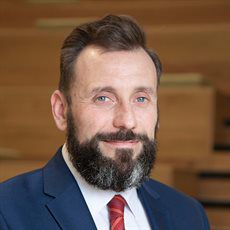
Professor Karl Dearn is the Head of the School of Engineering and a Professor of Mechanical Engineering at the University of Birmingham. With over 20 years of industrial and academic experience, he specializes in tribology, mechanical engineering design, and polymer engineering. He leads the Mason Institute of Tribology, a research group focused on innovation, comprising post-doctoral fellows, PhD students, and a Master's researcher. His academic journey includes roles as a Lecturer (2008), Senior Lecturer, and Reader in Mechanical Engineering (2016). He holds accolades such as the 2009 IMechE Visionary Award and is a Fellow of the Higher Education Academy. His research explores lubrication science, renewable fuels, additive manufacturing, and surface engineering, with applications in automotive, biomedical, and industrial sectors. Key Research Areas: Tribology, Polymer Gears, Combustion Emissions, Additive Manufacturing. Awards: IMechE Visionary Award, Senior Whitworth Scholar. Professional Affiliations: Whitworth Society (Past President), AMIMechE. Recent publications highlight advancements in nano-additives for lubricants, PEEK mechanical performance in additive manufacturing, and combustion characteristics of alternative fuels. His work emphasizes environmental sustainability and industrial innovation.
University of California, Los AngelesUnited States
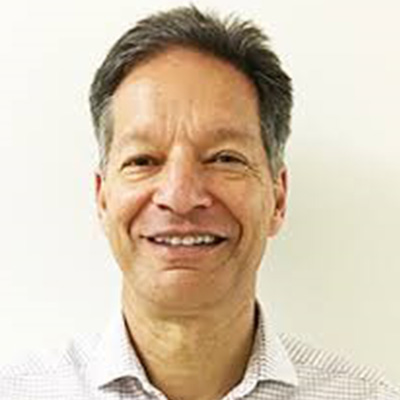
Dr. Ira Kurtz is a Professor of Medicine at the University of California, Los Angeles (UCLA), and Chief of Nephrology. He is also a Member of the Brain Research Institute. His research focuses on renal physiology, acid-base homeostasis, and molecular transport mechanisms, particularly within the SLC4 transporter family. His work spans structural biology, molecular dynamics, and clinical nephrology. His scientific contributions include structural characterization of SLC4 transporters using cryo-EM and molecular dynamics simulations, revealing key insights into ion translocation pathways and conformational dynamics. He has extensively studied the molecular basis of proximal renal tubular acidosis and electrolyte disorders, with particular emphasis on NBCe1 transporter function and regulation. Dr. Kurtz's publications demonstrate expertise in renal acid-base physiology, membrane transporter characterization, and clinical applications. His work connects fundamental molecular mechanisms with human diseases, including corneal endothelial dystrophies, thrombotic microangiopathy from anti-VEGF treatments, and genetic disorders affecting ion transport. His research methodology integrates computational biology, structural biology, and translational medicine approaches. He has developed novel quantitative models for acid-base analysis and electrolyte disorders, challenging established paradigms like the Stewart approach through critical evaluation of bicarbonate-centered models.
Andrea Robinson is a Professor in the School of Chemistry at Monash University and a member of the Victorian Heart Institute (VHI). Her research focuses on chemical biology, catalysis, cyclic peptides, disulfide replacement, and renewable chemistry. She has led numerous high-impact projects, including advancements in drug-eluting medical devices, toxin structure-function analysis, and sustainable drug discovery. Notable achievements include the development of novel photo-angioplasty devices and dicarba peptide analogs with enhanced therapeutic efficacy. Research Interests Her work bridges organic synthesis, medicinal chemistry, and biotechnology. Key areas include: - Design of bioactive peptides and peptidomimetics for pain management and diabetes treatment - Sustainable chemical processes using renewable feedstocks - Metathesis-catalyzed peptide synthesis techniques - Development of photothermal cancer theranostics - Exploring fungal pigments and their industrial applications Awards - Dean’s Excellence in Teaching Awards (2017) - Faculty of Science, Dean's Excellence in Teaching Awards (2017) - From grave to cradle: Hunting new antimicrobials through sustainable drug discovery Award (2022) Grants & Projects - ARC Training Centre for Advanced Radiochemical Technologies (2024–2029) - Collaborations on 18F-radiolabeling for cancer diagnosis (University of Melbourne, Cyclotek) - Development of novel chelating agents for medical imaging (2025–2028) - Agricultural pest monitoring systems using night vision technology (DAFF-funded) Labs & Teams Dr. Robinson leads research teams within the School of Chemistry and collaborates with the Victorian Heart Institute. Her lab specializes in: - Peptide synthesis and characterization - Metathesis reaction development - Biomedical device prototyping - Sustainable chemical engineering processes
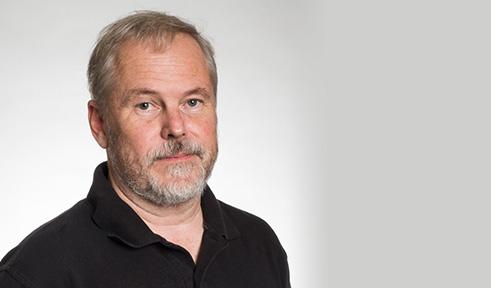
Professor Ertan Vuruşkan is a distinguished cardiologist and interventional specialist currently serving as Professor at Gaziantep University Faculty of Medicine, Department of Internal Medicine, with dual appointments in Cardiology. His academic career spans over two decades, progressing from Assistant Professor (2017-2018) to Associate Professor (2018-2023) before achieving full Professorship in 2023. His professional journey includes significant clinical experience at Gaziantep Dr. Ersin Arslan Education and Research Hospital (2016-2017) and Gaziantep Dr. Ersin Arslan State Hospital (2003-2015), following his initial training period at Özel Ankara Çağ Hospital (2001-2003). Dr. Vuruşkan's research interests focus primarily on interventional cardiology techniques, vascular diseases, coronary artery disease mechanisms, and cardiac imaging applications. His work demonstrates particular expertise in peripheral vascular interventions, transcatheter aortic valve replacement procedures, and management of complex coronary lesions. He has made significant contributions to understanding biomarkers in cardiovascular disease, including NRF2, bilirubin, and nutritional risk indices as predictors of cardiac outcomes. Analysis of his recent publications reveals a strong emphasis on innovative interventional techniques (particularly alternative vascular access methods), biomarker research connecting molecular pathways to clinical outcomes, and specialized applications of imaging technology in cardiac assessment. His work often bridges basic science with clinical practice, focusing on practical applications for improving patient outcomes in complex cardiovascular cases. Among his notable recognitions is the prestigious 'Kamu YILIN HEKİMİ ÖDÜLÜ' (State Physician of the Year Award) from the Ministry of Health in 2008. His academic leadership extends to supervising doctoral research, including Ferhat Coşkun's thesis on NRF2 and thiol/disulfide levels in coronary stent restenosis. Dr. Vuruşkan actively contributes to medical education as evidenced by his extensive teaching record at Gaziantep University, where he has delivered cardiovascular curriculum components to medical students across multiple academic years. His research program includes nationally funded projects investigating atherosclerosis mechanisms in thyroid disorders and molecular pathways in coronary restenosis.
Leonard Levin is a Professor at the Department of Ophthalmology, Faculty of Medicine and Health Sciences, McGill University , and an Investigator at the Research Institute of the McGill University Health Centre (RI-MUHC) . As a physician-scientist at the Montreal Neurological Institute (The Neuro), he bridges clinical practice with cutting-edge research in optic nerve diseases and neuroprotection. Education : Bachelor’s in Applied Mathematics, Harvard University (magna cum laude) MD via Harvard/MIT joint Health Science program PhD in Neurobiology, Harvard University (focusing on multiple sclerosis) His research focuses on retinal ganglion cell death mechanisms in optic neuropathies, emphasizing axonal degeneration , redox processes, and pharmacological neuroprotection . He has pioneered studies on phosphine-borane complexes and their role in delaying neuronal apoptosis. Recent publications highlight his work in translational research for eye diseases, including regenerative therapies , computational modeling , and oxidative stress in glaucoma. His studies span molecular biology, animal models, and clinical trials like QPI-1007 for ischemic optic neuropathy. Major research themes : Molecular mechanisms of axonal degeneration Neuroprotective drug development Computational modeling of drug properties Translational clinical trial design Role of superoxide and redox signaling Killam Institution affiliation
Massimo Degano is a Lecturer at San Raffaele Vita-Salute University , with a career spanning structural biology, biochemistry, and translational medicine. His work focuses on macromolecular structural characterization using X-ray crystallography and biophysical techniques, particularly in immunology and drug design. Education: Chemistry (1992) Key affiliations: Fondazione San Raffaele, Elettra-Sincrotrone Trieste, The Scripps Research Institute Research interests include: Structural Immunology – Investigating B-cell receptor dynamics in lymphoid malignancies (CLL, splenic marginal zone lymphoma) and antigen recognition mechanisms. Structure-Based Drug Design – Developing therapeutic strategies against cancers and infectious diseases through molecular modeling. Macromolecular Complexes – Analyzing protein interactions in immunoglobulins, proteases, and ribosomal components. Translational Medicine – Bridging structural insights to clinical gene therapy applications (e.g., mucopolysaccharidosis IVB). Recent publications (2025-2020) highlight structural studies on: ERC1/ELKS condensates in cell motility Somatic hypermutation in SARS-CoV-2 immune responses ClpP protease inhibition in multiple myeloma GPR17 receptor for remyelination therapy Scientific engagements include membership in the Società Italiana di Immunologia e Allergologia Clinica (2021-present) and editorial service at Frontiers in Molecular Biosciences (2020-present). His work emphasizes interdisciplinary collaboration and external grant funding for structural biology projects.
University of Applied Sciences and Arts Northwestern SwitzerlandSwitzerland
Prof. Patrick Shahgaldian is a Lecturer and Team Leader in Molecular Nanotechnology at the Institute for Chemistry and Bioanalytics , part of the School of Life Sciences at FHNW University of Applied Sciences and Arts Northwestern Switzerland. His research focuses on the bottom-up design of nanomaterials for molecular recognition and biocatalysis, particularly in developing enzyme-protected nanomaterials for applications such as enzyme replacement therapy and environmental bioremediation. Recent work includes studies on cyclodextrin-based derivatives for enzyme stabilization, reduction-responsive enzyme immobilization, and nanobiocatalysts for organic solvent tolerance. His interdisciplinary approach bridges chemistry, materials science, and biomedical engineering, with notable contributions to supramolecular engineering and nanoscale enzyme shielding. Key research trends include the design of functional nanomaterials for targeted drug delivery, sustainable biocatalytic processes, and the development of robust enzyme-based systems for industrial and medical applications. His publications emphasize the practical application of nanotechnology in addressing challenges in biocatalysis, environmental remediation, and pharmaceutical innovation. Patrick Shahgaldian’s lab at the Institute for Chemistry and Bioanalytics is actively involved in collaborative projects focusing on enzyme engineering, nanomaterial synthesis, and their integration into real-world systems.
Martin Kordesch is Professor in the Department of Physics and Astronomy at Ohio University's College of Arts and Sciences, affiliated with the Nanoscale Quantum Phenomena Institute. Education includes a Ph.D. in Physics from Case Western Reserve University (1984), M.S. in Physics from CWRU (1980), and A.B. in Physics from University of Chicago (1978). Research focuses on microscopy of surfaces, amorphous/crystalline semiconductors, and metal-oxide cathodes. Publications emphasize nanomaterials characterization, thin-film technologies, and electron emission phenomena, with recent work in spectroscopy, semiconductor alloys, and nanostructured materials. Awards include Distinguished Summer Fellowship (ASEE), Max Planck Fellowship, and Weston Fellowship. Professional associations include American Physical Society, American Vacuum Society, and Materials Research Society.
DWI – Leibniz Institute for Interactive Materials, AachenGermany
Prof. Dr. Ulrich Schwaneberg is Chair for Biotechnology at RWTH Aachen University and director of its Institute of Biotechnology; he is simultaneously co-appointed at the DWI – Leibniz Institute for Interactive Materials. He leads the Schwaneberg research group, globally ranked 3rd in directed-evolution output, and serves on the Scientific Board of the Bioeconomy Science Center and as speaker of the Henkel Innovation Campus for Advanced and Sustainable Technologies (HICAST). Education & career: Diploma & PhD in Chemistry, University of Stuttgart (Prof. R. D. Schmid) Post-doctoral fellow, Caltech, 1999-2001 (Prof. F. H. Arnold, Nobel laureate 2018) Professor, Jacobs University Bremen, 2002-2008 Full Professor & Institute Director, RWTH Aachen, since 2009 Co-director, DWI – Leibniz Institute for Interactive Materials, since 2010 Research interests: The group pioneers protein-engineering platforms (KnowVolution, SeSaM, CompassR) that merge directed evolution with computational design to uncover fundamental design principles of proteins. Major application areas are (i) interactive materials—engineering peptides that form dense, ambient-temperature monolayers on polymers, metals, ceramics, plant leaves or teeth to create antimicrobial, anti-fouling or pesticide-release coatings; (ii) biocatalysis—evolving P450s, laccases, phytases, cellulases and artificial metalloenzymes for selective oxy-functionalization, biomass degradation and green polymerization; and (iii) circular bioeconomy—microgel-based delivery systems that replace microplastics in seed coatings, textiles and foliar fertilizers, thereby reducing pesticide loads and environmental persistence. Recent publication trends (2016-2025): More than 220 peer-reviewed papers demonstrate continuous innovation: early work established nanopore-protein-polymer conjugates and redox-switchable enzyme nanogels; mid-period developed KnowVolution campaigns for ionic-liquid-tolerant lipases, high-molecular-weight hyaluronic-acid synthases and aryl-sulfotransferases; latest phase integrates machine-learning-guided recombination, microgel-enzyme reactors (MicroGelzymes), anchor-peptide functionalization of 3-D-printable materials and whole-cell artificial metalloenzymes for olefin metathesis and C–H activation. Scientific awards & patents: BMBF “Next Generation Biotechnological Processes” award 2016 (€1.7 M), BioRegions Innovation Award 2018 for greenRelease technology, visiting professorships at CAS (2013) and Osaka University (2015); co-inventor on >15 licensed enzyme patents and founder of SeSaM-Biotech GmbH offering directed-evolution services. Grants & collaborative infrastructure: Coordinator of the €multi-million Bio4MatPro competence centre (2022-2026) that transforms materials science through biological peptides, microgels and hybrid catalysts; leads projects EcoGuard, GreenProtect, BioCoat, PleuraPlug, Heart2.0 and KlarTEXt funded by BMBF, EU and industry partners. Team & facilities: >40 members (post-docs, PhD students, science-support staff) housed in modern laboratories at RWTH and DWI equipped with robotic screening, droplet microfluidics, anaerobic spectroscopy, SPR, NMR, MS, AFM and pilot-plant bioreactors for rapid translation from gene to product.
Prof. Dr. Luis Moroder (1940-2024) was Director of the Bioorganic Chemistry group at Max Planck Institute of Biochemistry, specializing in peptide and protein chemistry. Education: Ph.D. in Chemistry. Research Focus: Collagen mimetics, protease inhibitors, oxidative protein folding, insulin analogs, and photoresponsive peptides. Developed novel synthetic methods and structure-function relationships. Authored 600+ publications and books on peptide science. Editor-in-Chief of Journal of Peptide Science. No awards listed beyond honorary doctorate. Trained numerous doctoral students and postdocs. Research funded by collaborative projects.
Gerald Audette is a Professor in the Department of Chemistry at York University, Faculty of Science. He also serves as the Associate Dean (Faculty Affairs) in the Faculty of Science. His research focuses on structural biology and microbiology, particularly studying bacterial secretion systems and protein nanotechnology. Audette holds a PhD in Biochemistry from the University of Saskatchewan and a BSc in Biochemistry from the University of Alberta. He has held academic roles from Assistant Professor (2006) to his current rank since 2020. Education: PhD, Biochemistry, University of Saskatchewan (1995–2001) BSc, Biochemistry, University of Alberta (1991–1995) Research Interests: Audette’s work explores protein structures in bacterial secretion systems, including type IV pilin and conjugation machinery. His studies aim to uncover mechanisms of bacterial pathogenesis, protein function, and applications in nanomedicine. Techniques include X-ray crystallography, molecular replacement, and structural dynamics analysis. Publications: His recent work includes structural studies on Pseudomonas aeruginosa pilins, F-plasmid proteins (TraG, TrbB), and applications of protein nanotubes in biotechnology. His articles highlight advancements in structural biology and microbiology, with a focus on protein function and bacterial virulence mechanisms. Awards: Graduate Mentorship Award, Faculty of Science, York University (2014) Advising & Grants: Supervised over 20 graduate students and postdoctoral fellows since 2006 Recipient of multiple NSERC grants for structural and functional studies of bacterial systems Labs & Teams: Lab focuses on protein crystallization, X-ray diffraction, and bioinformatics Collaborates with the Centre for Research on Biomolecular Interactions (CRBI)
Dr. Nicola Boaretto is a Senior Researcher at CIC Energigune specializing in Electrochemical Energy Storage, with expertise in polymer and composite electrolytes for advanced lithium battery systems. His work focuses on developing ionic-conducting solid materials to enhance battery safety and energy density. He earned his PhD in Materials Science in 2016 from the University of Padua through a collaboration with Fraunhofer ISC Institute, where his doctoral research centered on hybrid inorganic-organic polymer electrolytes for lithium metal batteries. This foundational work led to postdoctoral positions at Fraunhofer ISC (2016-2017) developing lithium battery components, followed by IMDEA Energy Institute (2018) where he engineered flexible lithium-ion batteries. Boaretto's research spans polymer electrolytes, solid-state battery architectures, and applied electrochemistry, with particular emphasis on overcoming dendrite formation and interfacial instability. His projects address critical industry challenges including thermal runaway prevention and energy density limitations in next-generation storage systems. Analysis of his 2020-2021 publications reveals a concentrated research trajectory toward practical solid-state battery solutions. Key themes include the replacement of flammable liquid electrolytes with ceramic-polymer hybrids, development of binder-free anode architectures using nanomaterials, and fundamental studies of ion transport mechanisms. His work bridges fundamental materials science with automotive-scale applications, notably through the SAFELiMOVE project for vehicle electrification. Within CIC Energigune's research ecosystem, Boaretto actively collaborates with the Advanced Electrolytes and Cell Integration group while contributing to cross-functional initiatives including Modelling and Computational Simulation and Cell Prototyping teams. His conference presentations at GEP-SLAP 2022 and the 72nd Annual ISE Meeting demonstrate ongoing engagement with the international battery research community.
Dr. Shobha Muthukumaran is an Associate Professor in Civil Engineering at Victoria University's College of Sport, Health and Engineering, and a Research Fellow at the Institute for Sustainable Industries & Liveable Cities. With over twenty-three years of experience including nine years in industry with the Pollution Control Board, she brings substantial practical expertise to her academic role. Her career progression at Victoria University shows steady advancement from Lecturer (2010) to Senior Lecturer (2013) to her current position as Associate Professor (2020). Her research expertise spans membrane separation processes, advanced water treatment, water recycling, resource recovery, green infrastructure, and circular economy applications in water and waste management. She has developed numerous practical solutions through strong collaborations with national and international universities, industry partners, and government bodies. Her work addresses critical sustainability challenges aligned with UN Sustainable Development Goals including Clean Water and Sanitation (SDG 6), Sustainable Cities and Communities (SDG 11), Climate Action (SDG 13), and Industry, Innovation and Infrastructure (SDG 9). Dr. Muthukumaran has secured over $2 million in competitive research grants from organizations including the Victorian State Government, National Centre of Excellence in Desalination Australia, and Australian Water Recycling Centre of Excellence. Her recent publications show a strong focus on practical water management solutions, with particular emphasis on membrane technologies, nature-based treatment systems, and sustainable waste management approaches that address climate change impacts and urbanization pressures. Vice Chancellor's Peak Award Citation for Excellence in Research & Research Training (Research Team Category) Two-and-a-half-year teaching time relief award through Victoria University's Collaborative Research Network As an active supervisor, she has guided 9 PhD students to completion and currently mentors 5 ongoing research students. Her supervision portfolio demonstrates strong industry engagement with projects addressing real-world water management challenges. She also contributes extensively to academic service, serving as a Detailed Assessor for ARC grant funding schemes, editorial board member for Environmental Quality Management journal, and peer reviewer for numerous high-impact journals.
Min Lu is an Associate Professor in the Department of Biochemistry and Molecular Biology at Rosalind Franklin University's Chicago Medical School, where she leads structural biology research on membrane transport proteins. She is affiliated with the Center for Proteomics and Molecular Therapeutics and maintains active collaborations across the university's research ecosystem. Her academic background includes: PhD in Molecular Biophysics and Biochemistry from Yale University (2001) Research Fellowship at Memorial Sloan-Kettering Cancer Center (2002-2004) Research Associate position at Brookhaven National Laboratory (2005-2008) Dr. Lu's research program centers on X-ray crystallography of membrane transport proteins, with dual focus on bacterial nutrient transporters and human MATE transporters implicated in drug resistance. Her NIH-funded work on MATE transporters aims to elucidate structural mechanisms of multidrug efflux to develop resistance-countering strategies. The lab's publication record demonstrates expertise in solving challenging membrane protein structures, including those with crystallographic complications like anisotropy and twinning. Current funding supports active recruitment of graduate students and postdoctoral fellows, with emphasis on candidates possessing membrane protein purification skills. The lab leverages proximity to Argonne National Laboratory's Advanced Photon Source for cutting-edge structural studies. Dr. Lu's research bridges fundamental structural biology and therapeutic applications, particularly in overcoming antimicrobial and chemotherapy resistance through mechanistic understanding of transporter proteins.