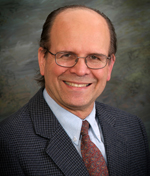
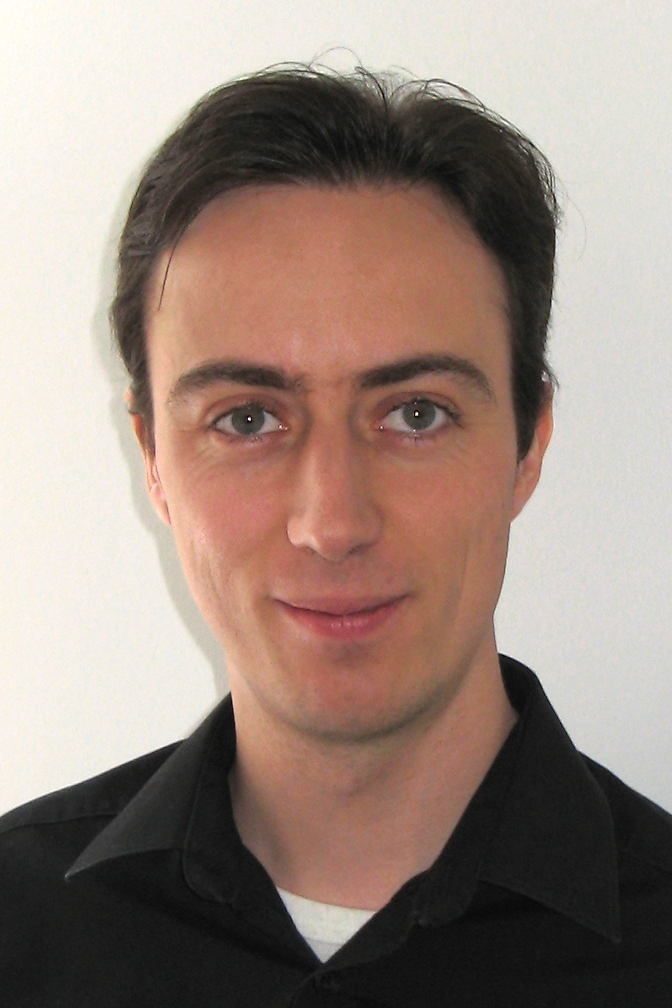
Dr. John Thistle is an Associate Professor in the Department of Electrical and Computer Engineering at the University of Waterloo, affiliated with the Waterloo Formal Methods (WatForm) research group. His research focuses on control of discrete event systems, formal synthesis/verification, and applications to software development, with emphasis on decidability and complexity of controller synthesis. He holds a PhD from the University of Toronto (1991) and has taught courses such as BME 356 (Control Systems), ECE 108/208 (Discrete Mathematics), and MTE 481/482 (Mechatronics Design Projects). Research interests include formal methods in hardware/software engineering, cybersecurity, and infrastructure integrity. His work bridges traditional control engineering with distributed software systems design. Publications span topics like parameterized network analysis (IEEE Transactions on Automatic Control, 2024) and deadlock analysis in ring topologies (2014). He currently supervises graduate students through Waterloo's formal methods research program.
Hongli Liu serves as Assistant Professor in the Civil and Environmental Engineering Department at the University of Alberta's Faculty of Engineering. Her research focuses on advancing hydrologic modeling for extreme event prediction and climate change impact assessment. Education: PhD, Civil Engineering (Collaborative Water Program), University of Waterloo, 2019 MSc, Environmental Science, Beijing Normal University, 2014 BSc, Geography, Shandong Normal University, 2011 Dr. Liu leads the Computational Hydrology Group , integrating machine learning with process-based hydrologic modeling to address critical water challenges. Her research tackles driving factors behind extreme hydrologic events, dominant hydrologic processes across regions, watershed delineation improvements, observational data uncertainty incorporation, and climate change impacts on water systems. The group utilizes in situ and remote sensing data while conducting large-domain simulations on supercomputers. Her publication portfolio demonstrates expertise in uncertainty quantification, ensemble methods, and sensitivity analysis within hydrological modeling. Current research trends emphasize machine learning integration with physical models and large-scale hydrological prediction under global change scenarios. Dr. Liu actively contributes to the scientific community through co-editing special issues including Advances in Large-Scale Hydrological Modeling and Prediction under Global Change (Water Resources Research) and Every Drop Matters: Resolving New Challenges in Flood and Drought Analyses and Forecasting (Meteorological Applications). The Computational Hydrology Group develops open-source tools including pyVISCOUS global sensitivity analysis toolbox, Parameter estimation toolbox for SUMMA, Watershed discretization toolbox, and Ensemble dressing of North American land data assimilation version 2 (EDN2), reflecting commitment to reproducible and collaborative research.
Dr. Aznam Yacoub is an Assistant Professor at the School of Computer Science, University of Windsor. His research focuses on cognitive modelling, computational intelligence, and formal methods in system engineering. He holds a Ph.D. in Computer Science from Aix-Marseille Université (2016). His work integrates simulation and formal verification techniques, particularly through extensions of PROMELA (DEv-PROMELA) for discrete-event systems. Key research areas include evolutionary algorithms, software/system engineering methodologies, and modelling complex systems such as mobile ad-hoc networks and virtual game architectures. He explores human-machine interaction, extended reality (metaverse), and computational philosophy. His educational interests span computer science pedagogy and the theory of computation. Dr. Yacoub's recent work emphasizes interdisciplinary applications like disaster response infrastructure simulation and adaptive storytelling in virtual environments. His technical contributions bridge formal verification with simulation frameworks, enhancing reliability in complex system design.
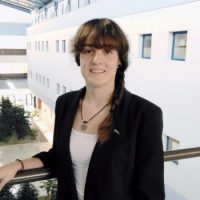
Cristina Ruiz Martín is an Assistant Professor, Teaching Stream at Carleton University's Department of Systems and Computer Engineering (Faculty of Engineering and Design). She holds a Ph.D. from both Carleton University (Canada) and Universidad de Valladolid (Spain) through a cotutelle program. Her academic background includes an MSc in Industrial Engineering (2014) and a Project Management degree (2013) from Universidad de Valladolid. Her research focuses on Organizational Resilience , Discrete-Event Modeling and Simulation , Agent-Based Modeling , and Network Theory . Recent work explores resilience in firms, pandemic modeling, and simulation frameworks like DEVS and Cell-DEVS. She has taught courses in Strategic Management and Managerial Economics at Universidad de Valladolid, and currently contributes to engineering education at Carleton. Her publications emphasize applications of simulation techniques to real-world challenges, including pandemic spread analysis, emergency communication systems, and organizational dynamics. She actively develops collaborative modeling tools and integrates simulation into interdisciplinary studies. Key technical contributions include methodologies for combinatorial auctions, real-time DEVS kernels, and integrating BDI agents with simulation environments. Her work bridges theoretical modeling with practical applications in manufacturing, healthcare, and crisis management.
Dr. Damian Vicino is an Adjunct Research Professor at the Faculty of Engineering and Design , Carleton University. He holds a Ph.D. from both Carleton University (Canada) and Université de Nice-Sophia Antipolis (France). With over 20 years of industry experience, he has held senior roles at companies like Alexa Communications and AWS, specializing in C++ SDK development and distributed systems. Affiliations: Carleton University (2023–present), Industry roles (1999–2023) Education: Ph.D. in Computer Science (Cotutelle), Carleton University & Université de Nice-Sophia Antipolis (France) Research Interests His work focuses on Discrete-Event Modeling and Simulation , Uncertainty Theory , Peer-to-peer Networks , and Distributed Systems . He has pioneered advancements in time representation for simulation frameworks and explored SDN's impact on P2P systems. Research Trends His articles emphasize precision in simulation models , uncertainty quantification , and hybrid network protocols . Recent work integrates SDN for reactive routing optimizations and evaluates advanced data types for temporal modeling. Awards & Grants No explicit awards or grants are listed, though his industry collaborations suggest applied research funding. Labs & Teams Not explicitly mentioned, but his work aligns with simulation and distributed systems research groups at Carleton.
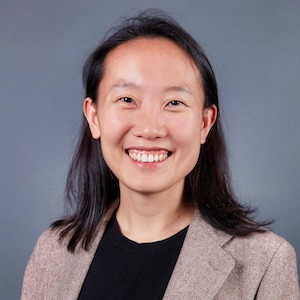
Dr. Amy Greer is an Associate Professor in the Department of Biology at Trent University, previously holding a Canada Research Chair in Infectious Disease Modelling at the University of Guelph. Her research focuses on understanding disease dynamics and informing public health strategies through mathematical models. She teaches courses in infectious disease biology and epidemiology, emphasizing a One Health Approach integrating human, animal, and environmental health. Education: BSc (Mount Allison University), MSc (Trent University), PhD (Arizona State University), Postdoctoral training at the Hospital for Sick Children. Research Interests: Population ecology, epidemiology of infectious diseases, mathematical modeling, network science, and disease control strategies. Current projects include SARS-CoV-2 dynamics, avian influenza, and climate change impacts on vector-borne diseases. Publications: Over 30 peer-reviewed articles in journals like PLOS ONE, Preventive Veterinary Medicine, and CMAJ Open. Recent work addresses pandemic responses, antimicrobial resistance, and equine disease networks. Awards: Inducted into the Royal Society of Canada College of New Scholars (2023). Grants & Collaborations: Funded by NSERC, CIHR, and the Canada Research Chairs Program. Collaborates with Public Health Ontario, Ontario Veterinary College, and international institutions. Teaching: Courses include BIOL4110 (Infectious Disease Biology) and BIOL4550 (One Health). Offers workshops on academic writing and graduate student productivity. Labs & Teams: Leads the math.epi.lab at Trent University, focusing on interdisciplinary research with undergraduate, graduate, and postdoctoral trainees.
Dr. Leslie Anne Campbell is an Associate Professor in the Department of Community Health and Epidemiology at Dalhousie University's Faculty of Medicine. She holds the Sobey Family Chair in Child and Adolescent Mental Health Outcomes Research and specializes in health services research, health technology assessment, and mental health policy. Her work focuses on improving healthcare decision-making in resource-constrained settings through interdisciplinary collaboration and mixed-methods approaches. Dr. Campbell has affiliations in Halifax, Nova Scotia, and Saint John, New Brunswick, Canada. Education: PhD (Dalhousie), MSc (Dalhousie), BScN (University of Toronto). Teaching includes courses on epidemiology and health data analysis at both undergraduate and graduate levels. She leads graduate courses such as EPAH 6054 (Secondary Data Analysis) and undergraduate courses like EPAH 4010 (Principles of Epidemiology). Research interests emphasize patient-centered outcomes, population screening strategies, and leveraging administrative health data to inform policy. Her studies explore topics such as vaccine uptake in neurodiverse populations, virtual mental health care models, and disparities in healthcare access for vulnerable groups. Recent work includes evaluating interventions to reduce inequities in cardiological care for individuals with mental illnesses. Key contributions include developing core outcome sets for pediatric anxiety trials and advancing knowledge management systems in mental health services. She chairs Canada’s Drug Agency Health Technology Expert Review Panel and contributes to federal chronic disease surveillance initiatives. Major awards: Sobey Chair (2015–2025), CIHR Banting Best Doctoral Scholarship (2010–2013). Over 120 peer-reviewed publications span simulation modeling of healthcare systems, mental health policy analysis, and epidemiological studies of chronic disease disparities.
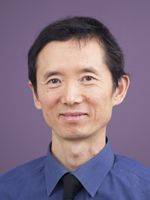
Jiandong Ren is a Professor and Acting Department Chair in the Department of Statistical and Actuarial Sciences at Western University. He holds a Ph.D. from Temple University (2003) and leads research in actuarial science, risk management, and insurance mathematics. His core research explores: Credibility theory and fuzzy logic applications in insurance Multivariate risk modeling and dependence structures Compound distributions and simulation methods Pareto-optimal reinsurance contract design Tail risk evaluation for extreme events Recent publications (2020-2024) demonstrate a strong focus on advanced statistical methods for insurance applications, including generalized Poisson models, risk constraint optimization, and catastrophe risk quantification. His work consistently appears in top actuarial journals like ASTIN Bulletin and Insurance: Mathematics and Economics . He actively supervises graduate students including Shiva Mehdipour Ghobadlou and Safoora Zarei.
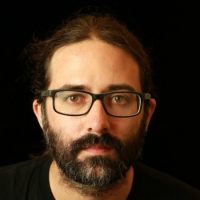
Vicente Gonzalez-Moret serves as Professor and Tier 1 Canada Research Chair in Digital Lean Construction within the Faculty of Engineering's Civil and Environmental Engineering Department at the University of Alberta. Appointed in October 2022, he rapidly secured over CAN$3.9 million in research funding during his first nine months and established the Infrastructure Human Tech Lab (IHT-Lab), pioneering commercialization-focused student research. Previously, he spent over 12 years at the University of Auckland where he founded the CAD$1.0 million Smart Digital Lab and currently holds an Honorary Academic position. His educational background includes: PhD in Construction Engineering and Management (Pontificia Universidad Catolica de Chile, 2008) ME in Construction Engineering and Management (Pontificia Universidad Catolica de Chile, 2004) BE (Hons) in Construction Engineering (Universidad de Valparaiso, Chile, 1999) Gonzalez-Moret's research pioneers the Lean Construction 4.0 concept at the intersection of Construction Engineering and Management with Computer Science. His work extensively applies extended reality technologies, digital twinning, AI, BIM, and serious games to construction engineering, safety, and evacuation problems. With over CAN$64 million secured in research and teaching grants - including the largest corporate sponsorship in University of Auckland history - his research demonstrates exceptional industry impact and technological innovation. His 15 most recent publications reveal a strong focus on digital transformation in construction, with recurring themes in lean-digital integration, socio-technical systems, and practical implementation frameworks. Key areas include digital twin applications for offsite construction, ethical AI deployment, blockchain governance, and immersive VR for production planning - all advancing his foundational Lean Construction 4.0 paradigm. Scientific recognition includes: Tier 1 Canada Research Chair (2022) Editorship of the seminal 'Lean Construction 4.0' book (Routledge, 2022) Associate Editor roles (Advanced Engineering Informatics, Lean Construction Journal) Leadership in international organizations (Former General Secretary, International Group for Lean Construction) As an educator, he has supervised completion of 88 BE(Hons) projects, 7 Master's theses, 15 PhD theses, and 2 postdoctoral fellows. Currently supervising 8 PhD and 1 MSc students, he founded Alberta's first ASCE student chapter. His grant portfolio includes major industry partnerships and leadership in the Infrastructure Human Tech Lab, which develops commercially viable student research. Additional leadership roles span Lean Design and Construction Canada (Founding Board) and indigenous advocacy (Bent Arrow Board).
Tom McFarlane is an Associate Professor in the Teaching Stream at the School of Pharmacy, University of Waterloo. He teaches courses in oncology, internal medicine, and autoimmunity to undergraduate students and conducts practice-based research focused on improving supportive care regimens for cancer patients. His clinical work is centered at the Odette Cancer Centre, Sunnybrook Health Sciences, Toronto, where he combines clinical practice, research, and student mentorship. PharmD, Idaho State University (2011) BScPhm, University of Toronto (1996) His research interests span pharmacist interventions in oncology, complementary medicine, cancer immunotherapy, biosimilars, and technology-driven support for cancer treatment. Recent publications analyze drug interactions, CAR T-cell therapy feasibility, and antiemetic strategies. At the University of Waterloo, he teaches courses such as Integrated Patient Focused Care (PHARM 320, 321, 323) and Advanced Therapeutic Concepts in Oncology (PHARM 464). He serves on multiple committees at the School of Pharmacy and holds leadership roles in the Canadian Association of Pharmacy in Oncology (CAPhO), including Chair of the Advanced Education Committee and Board of Directors membership.
Dr. Myron Hlynka is a Professor and Chair of the Actuarial Science Program in the Department of Mathematics and Statistics at the University of Windsor, part of the Faculty of Science. He holds a Ph.D. in Mathematics from Penn State University. His research focuses on Queueing Theory, Applied Probability, Stochastic Processes, and Operational Research, with notable applications to healthcare systems and disease modeling. He has advised multiple graduate students, including T. Sajobi, D. Chang, and C. Ramasundarahettige. His work explores theoretical queueing models across diverse domains, such as telecommunications, healthcare, and traffic systems. Recent research highlights include modeling medical interventions using game theory and Markov chains, analyzing parking lot dynamics, and studying sleep patterns as stochastic processes. Dr. Hlynka has contributed to software tools for queueing analysis and has published extensively on topics ranging from Laplace transforms to Fibonacci sequence applications. His research emphasizes practical applications of stochastic models to real-world challenges, including optimization of service systems, risk assessment, and performance evaluation. He maintains an active role in academic leadership through his chairmanship and contributions to curricula in actuarial science.
Fantahun M. Defersha is a Full Professor in the Department of Mechanical and Industrial Engineering at the University of Guelph, Ontario, Canada. He holds a PhD in Mechanical Engineering from Concordia University (2006) and has over 28 years of academic experience, including roles as Area Head in Mechanical Engineering. His research focuses on manufacturing systems optimization, cellular manufacturing, supply chain modeling, meta-heuristics, and parallel computing applications. Education: B.Sc. Mechanical Engineering (1995), Addis Ababa University MEng. Mechanical Engineering (2000), University of Roorkee (IIT Roorkee) PhD Mechanical Engineering (2006), Concordia University Research Interests: Manufacturing system analysis, flexible/cellular manufacturing systems, reconfigurable manufacturing systems, supply chain optimization, meta-heuristics, parallel computing, and additive manufacturing sustainability. His work integrates computational methods like genetic algorithms and machine learning to solve complex industrial problems. Publications: Over 50 peer-reviewed journal articles, emphasizing sustainable manufacturing, optimization algorithms, and industrial systems. Recent work includes hybrid machine learning approaches for additive manufacturing and cloud-based digital twin systems. Honors: Campaign for a New Millennium Graduate Scholarship (2004–2005) Concordia University International Tuition Fees Remission Award (2004–2005) Concordia University Graduate Fellowship (2004–2005) Teaching & Advising: Taught over 25 courses, including Optimization in Engineering, Discrete Event Simulation, and Manufacturing Systems Design. Actively advises graduate students in mechanical and industrial engineering. Current research funding includes NSERC grants for Industry 4.0 integration and digital twin technologies. Labs/Teams: Leads research on smart manufacturing systems, digital twins, and sustainable production processes through collaborations with industry partners like AVL Manufacturing Inc.
Fabian Bastin is a Full Professor in the Department of Computer Science and Operational Research (IRO) at Université de Montréal. He holds a prestigious academic position within the university's research and teaching community. His work focuses on optimization, stochastic programming, simulation, and their applications in transportation, energy systems, and finance. Teaching Responsibilities: Bastin teaches advanced courses such as IFT-2505 (Linear Optimization), IFT-3515 (Nonlinear Programming), and IFT-6512 (Stochastic Programming). He also contributes to graduate-level courses on dynamic programming and simulation techniques. His courses emphasize theoretical foundations alongside practical applications, often using tools like MATLAB and the ORATIO library he helped develop. Research Interests: Bastin's research spans stochastic optimization, simulation methodologies, and decision-making under uncertainty. Key areas include air traffic management optimization, hydroelectric reservoir scheduling, and synthetic population generation using copula-based models. He has pioneered work on scenario tree generation for multistage stochastic programming and developed algorithms for efficient mixed logit model estimation. Research Contributions: His publications highlight advancements in stochastic models for transportation systems, energy planning, and financial engineering. Notable works include contributions to the progressive hedging algorithm, recursive logit models for route choice analysis, and Monte Carlo methods for option pricing. Bastin is also actively involved in software development, notably the ORATIO simulation library used in discrete-event modeling. Professional Engagements: He has co-organized conferences on optimization and simulation, and his work has been supported by grants from NSERC and other funding bodies. Despite no explicit mention of awards in the text, his extensive publication record and methodological innovations suggest significant recognition in his field.
Keith Willoughby serves as Dean of the Edwards School of Business at the University of Saskatchewan and holds the academic rank of Professor of Management Science. He earned a Ph.D. from the University of Calgary and an M.Sc. from the University of British Columbia. His research focuses on applying analytical methods to practical decision-making areas such as healthcare operations, materials management, logistics, transportation, lean systems, and sports analytics. He also investigates pedagogical innovations in operations management, particularly spreadsheet-based approaches. Dr. Willoughby teaches courses including Introduction to Operations Management, Statistics II, Business Forecasting, and Field Investigation in Operations Management at both undergraduate and graduate levels. His recent publications span topics like supply chain resilience, healthcare process optimization, and sports scheduling systems. Notable works include developing a decision support system for Canadian Football League scheduling and models for improving emergency department patient flow. His research also addresses construction project delays, cable television delivery analysis, and transportation logistics optimization. Working papers under development explore decentralized healthcare homecare services, lean manufacturing applications, and analytical modeling in transportation and sports. He collaborates on interdisciplinary projects such as improving hospital pathology sample management and optimizing fuel replenishment strategies. His expertise combines quantitative modeling with real-world operational challenges across diverse sectors.