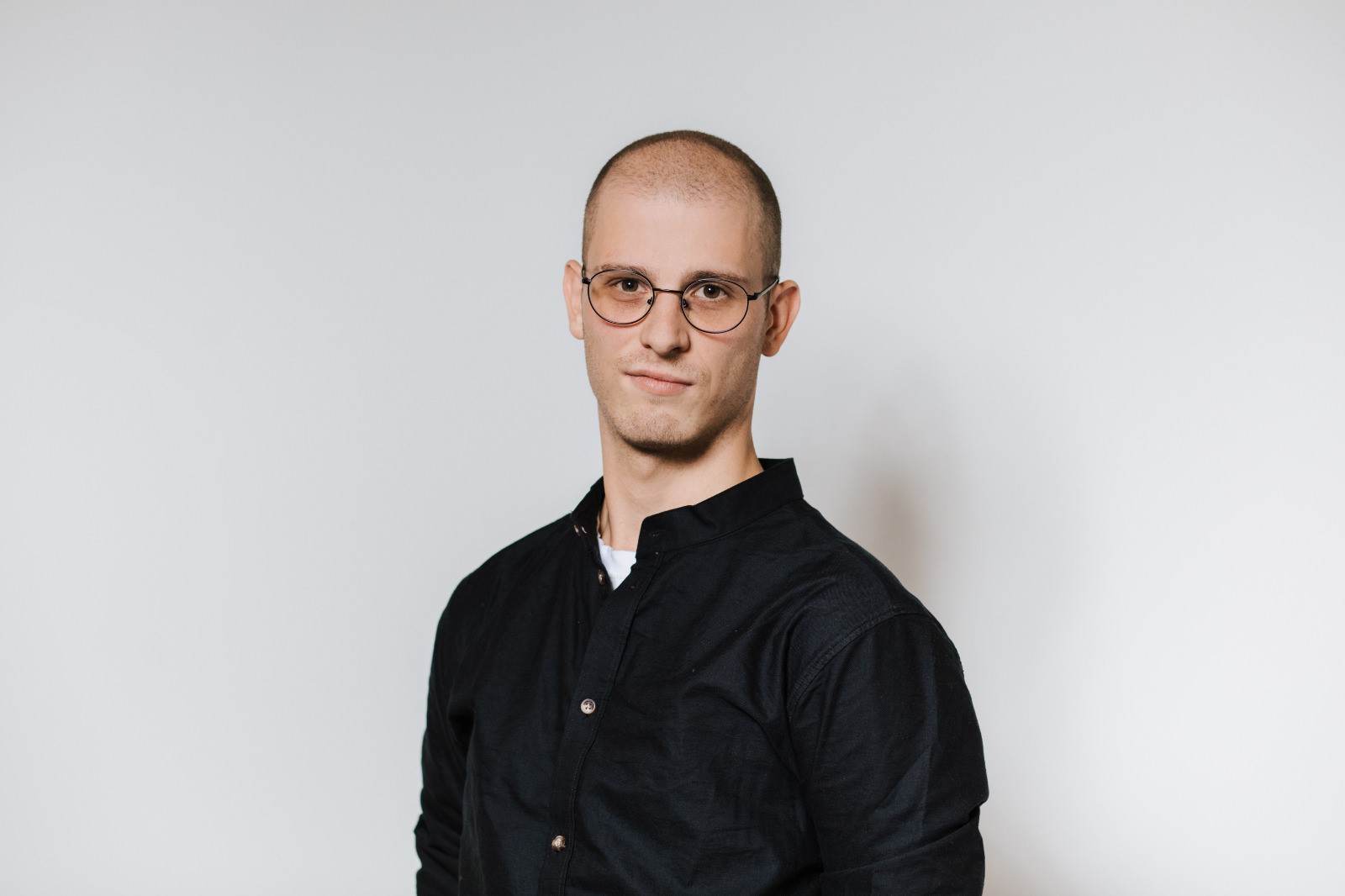
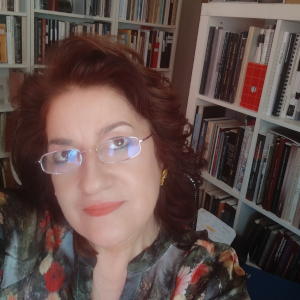
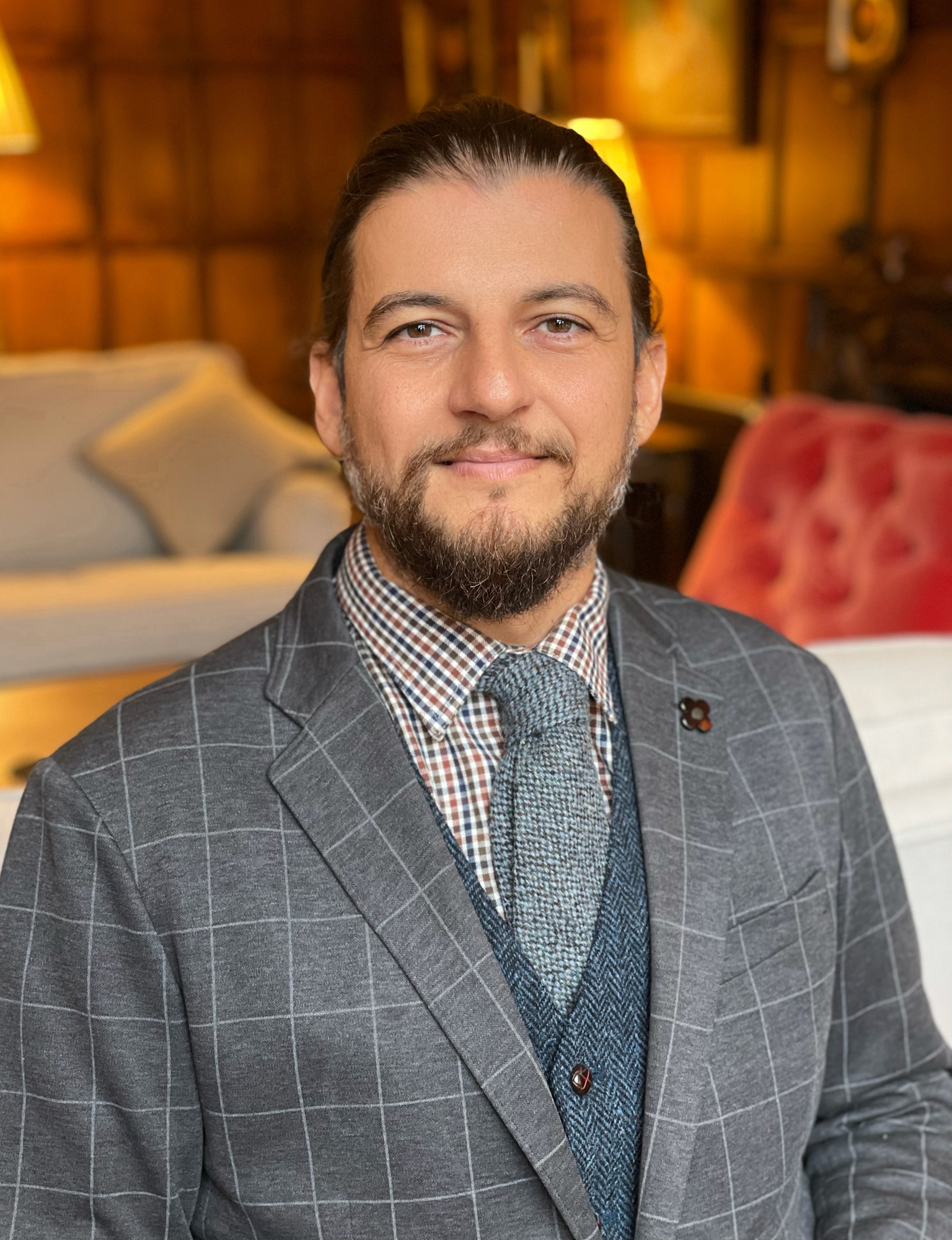
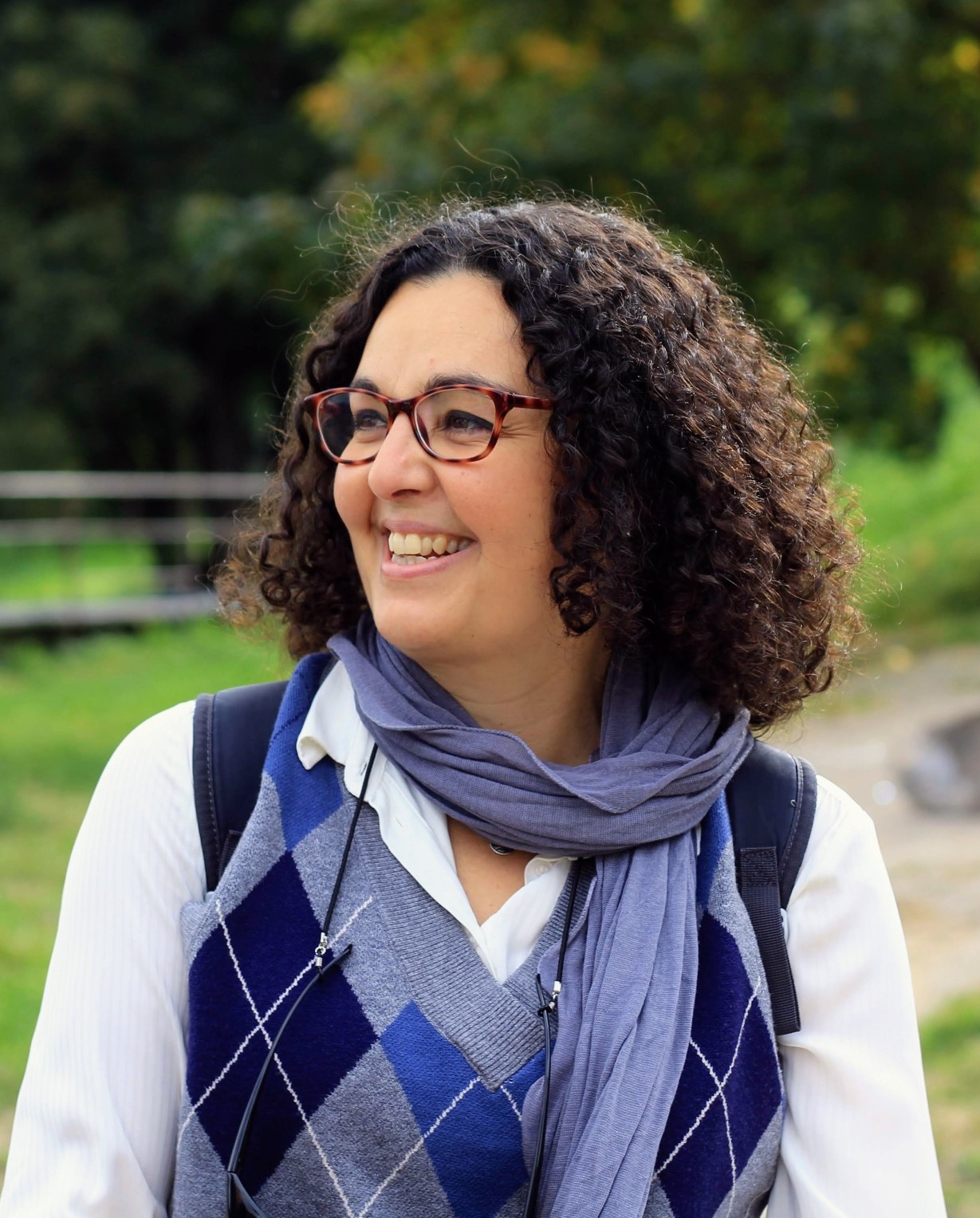
Max Müller is a Researcher at the Collaborative Research Center 'Affective Societies' at Martin Luther University Halle-Wittenberg, affiliated with the Department of Anthropology and Philosophy in the Faculty of Philosophy I. His research focuses on Vietnamese diaspora communities in Berlin, particularly exploring care practices around death, religious rituals, and anti-racist mobilization. Müller supports the threatened East Berlin pagoda community through engaged anthropology and volunteers with intercultural hospice service DongBangJa. Education: Studies in Social/Cultural Anthropology and Religious Studies at Georg-August University Göttingen and Vietnam National University Hanoi. Research themes include transnational mobilities, postmigration realities, and affective dimensions of care. Regional expertise in Vietnamese Berlin and transnational Vietnamese communities. Recent presentations address topics like digital deathscapes, pandemic-era care responses, and historical racism in GDR contexts. His work bridges ethnographic fieldwork with activist solidarity, highlighting intersectional challenges faced by migrant communities in healthcare and urban spaces.
Barbara Furlotti is an Associate Lecturer at The Courtauld Institute of Art, specializing in Renaissance art history with a focus on material culture and collecting practices. She earned her PhD from Queen Mary University of London and has held prestigious fellowships including at the Getty Research Institute and Warburg Institute. Her educational background includes: PhD in Art History, Queen Mary University of London (2009) Post-doctoral fellowship, Getty Research Institute (2009-2010) Marie Curie Fellowship, Gerda Henkel Stiftung (2012-2015) Census x Warburg x Hertziana Fellowship (2024) Furlotti's research explores the interplay between artistic production, market dynamics, and cultural consumption in Renaissance Italy. Her work examines how objects moved through networks of exchange and how collections functioned as expressions of identity and power. She investigates the materiality of art objects within their historical contexts, particularly focusing on antiquities markets and courtly display practices. Her publications demonstrate consistent attention to the economic and social dimensions of Renaissance art, with recent work focusing on authenticity, restoration ethics, and the materiality of artistic production. Exhibition catalogues co-curated on Giulio Romano showcase her ability to connect scholarly research with public engagement. Furlotti has received significant recognition including: Marie Curie Fellowship for research on antiquities markets Getty Research Institute residential fellowship Census x Warburg x Hertziana Fellowship for work on antiquarian manipulations Shortlist for the Charles Rufus Morey Book Award She has co-curated major exhibitions at Palazzo Te in Mantua, demonstrating her ability to translate academic research into public-facing projects. Her upcoming exhibition will examine the intersection of art and nature in European courts. As Secretary of the Research and Development Committee for the Society of the History of Collecting, Furlotti contributes to professional organizations advancing her research areas. She collaborates internationally on projects like the Digital Isabella d'Este archive at UC Santa Cruz, fostering interdisciplinary research networks.
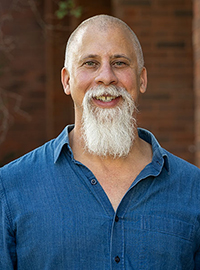
Robert Geraci is the Knight Distinguished Chair for the Study of Religion and Culture and Professor of Religious Studies at Knox College. His research focuses on religion, science, and technology with a particular emphasis on AI and digital cultures. He holds a Ph.D. in Religious Studies from the University of California, Santa Barbara, alongside degrees from UCSB and the University of Texas. Geraci’s work bridges global perspectives, including collaborations in India and Korea. He explores how religious narratives shape AI development and ethics, challenging apocalyptic AI visions through cultural analysis. His research spans AI ethics, South Asian religions, and virtual worlds, informed by fieldwork in India and academic grants including Fulbright awards. Education: Ph.D., Religious Studies, UC Santa Barbara (2000s); M.A., Religious Studies, UC Santa Barbara; B.A., Plan II Honors, University of Texas. Grants/Awards: Fulbright-Nehru (2018-19, 2012-13), NSF EAGER Grant (2011-2014), American Academy of Religion Collaborative Grants. His publications include Apocalyptic AI (2010), Temples of Modernity (2018), and Futures of Artificial Intelligence (2022). His research often bridges technical fields with religious thought, advocating for culturally grounded AI ethics.
Elguja Dadunashvili holds the title of Associate Professor at Ilia State University (ISU) and serves as a Lecturer/Researcher at the University of Jena's Department of Slavonic languages and Caucasus Studies since October 2013. His expertise spans South Caucasian languages, Caucasus minorities, comparative narratology, and digital research methodologies. He has held roles including Visiting Professor (2009–2013), Acting Professor (2008–2009), and researcher positions at the Shota Rustaveli Institute of Georgian Literature (1991–2010). His research focuses on digital humanities applications in folklore studies, with key contributions to comparative fairy tale research and regional data management platforms like LaZAR. He has supervised PhD and BA theses on topics ranging from Svaneti rituals to Georgian literature reception history. Awards include DAAD STAR Fellowship and Volkswagen Foundation support. Teaching includes seminars on digital research methods and comparative narrative analysis. His publications include monographs on Georgian magic tales and edited volumes on Georgian folk beliefs. Collaborative projects involve creating digital archives for traditional music and ethnographic field recordings.
Joshua G. Adair is an Associate Professor of English at Murray State University, where he also serves as Coordinator of Gender & Diversity Studies and Coordinator of Humanities. His academic work bridges literary studies, gender theory, and museum studies, with a focus on how institutions narrate and silence gender and sexuality. Education Ph.D., English, Northern Illinois University M.A., English, Western Illinois University B.A., British and American Literature, Blackburn College Graduate Certificates in LGBT Studies, Museum Studies, and Women's Studies from Northern Illinois University Research Interests Dr. Adair's research spans modern and contemporary British literature, queer theory, and museum studies. He examines how narratives of gender and sexuality are constructed and silenced in cultural institutions, particularly focusing on queer domesticity, historical representation, and the politics of memory. His work often centers on Beverley Nichols, house museums, and material culture. His scholarship reveals how seemingly neutral spaces like museums and historical sites actively shape cultural narratives about gender and sexuality, often marginalizing LGBTQ+ perspectives. Through critical analysis of literary texts and museum practices, he demonstrates the interconnectedness of all knowledge systems. Publication Trends Dr. Adair's recent publications show a consistent focus on queer narratives in museums and literary spaces. His work increasingly addresses contemporary issues like pandemic teaching, digital representation, and the intersection of race, gender, and sexuality in cultural institutions. The 2020 edited volume "Museums, Sexuality, and Gender Activism" represents a significant contribution to the field, examining global LGBTQ+ representation in museums. Scientific Awards Murray State Faculty Development Grant, 2016 Murray State Outstanding Research Award, 2016 Golden Key Fellowship, 2015 College of Humanities and Fine Arts Teaching Excellence Award, 2014 College of Humanities and Fine Arts Faculty Service Award, 2013 Regents Residential College Faculty of the Year, 2012 Teaching and Mentorship Dr. Adair teaches across multiple disciplines including English, Gender & Diversity Studies, and Humanities. His courses range from foundational writing classes to advanced seminars on queer literature and theory. He has developed innovative teaching approaches that connect literary analysis with real-world issues of gender and sexuality. His mentorship extends to supporting LGBTQ+ students and developing curriculum that challenges traditional academic boundaries. Professional Activities As Coordinator of Gender & Diversity Studies, Dr. Adair leads program development and community engagement initiatives. His work as an assemblage artist informs his academic perspective on material culture. He is active in professional organizations including the American Association of Museums, Modern Language Association, Midwest Modern Language Association, and National Women's Studies Association.
Ann Cassiman is an Associate Professor of Anthropology at the University of Leuven (KU Leuven), affiliated with the Institute for Anthropological Research in Africa (IARA). Her research focuses on youth in Muslim migrant communities (zongos) in Accra, Ghana, emphasizing themes like friendship, kinship, online relationships, and gender dynamics. She has conducted fieldwork on seamstresses in zongos, exploring DIY innovation and femininity. Earlier work centered on material culture and housing in Northern Ghana, resulting in books and exhibitions like *SONGO* and *Home Call*. She coordinates the Advanced Master in Cultural Anthropology and Development Studies (CADES). Teaching includes project management, economic anthropology, and interdisciplinary seminars. She lectures at the University of Antwerp and guest-lectures at institutions like Katholieke Hogeschool Mechelen. Her interests span urban development, migratory biographies, and the commodification of cultural dwelling. Recent publications explore photographic archives, cyber trickery, and mental health self-help groups in Accra's zongos. Key activities include supervising PhD projects on topics such as mental health in Burkina Faso, digital youth in Togo, and urban futures in Côte d'Ivoire. She collaborates on initiatives like *CityLabs* studying 'making' in African cities. Her work bridges ethnography with policy, emphasizing urban dynamics and social cohesion.
Alison Brown is a Personal Chair in the School of Social Science at the University of Aberdeen, specializing in museum anthropology and Indigenous heritage. Her work bridges academic research with community collaboration, focusing on cultural revitalization through museum collections. She has held curatorial roles at UK institutions including the Pitt Rivers Museum and Cambridge Museum of Archaeology and Anthropology. Current projects include the Leverhulme-funded 'Blackfoot Collections in UK Museums' network and the AHRC-supported 'Narrative Objects' project exploring Sakha cultural revival through festival artifacts. Her research interests center on colonial legacies, Indigenous knowledge systems, and ethical museum practices. She co-edits Museum Worlds: Advances in Museum Research and serves on the Smithsonian SIMA National Advisory Board. Brown directs the MLitt Museum Studies program and has led grants totaling over £600k from AHRC, Leverhulme, and other bodies. Recent work emphasizes digital access to heritage and virtual collaboration between museums and Indigenous communities globally. Key affiliations include the Scottish Centre for Himalayan Research and the Institute for Conflict, Transition, and Peace Research. She advises on museum ethics for institutions like the British Museum and collaborates internationally with Blackfoot and Sakha scholars on repatriation and cultural heritage initiatives.
Margaret Price is a Professor and Director of the Disability Studies Program at The Ohio State University. Their work focuses on rhetoric, disability studies, and qualitative research methods. They hold a PhD from the University of Massachusetts, an MFA from the University of Michigan, and a BA from Amherst College. Key research interests include academic accessibility, disability justice, and the intersection of mental health and education. Price co-leads the Transformative Access Project and has been recognized with the Alison Piepmeier Book Prize (2024) and a Fulbright Award (2020). Their writing explores concepts like 'access priming,' 'crip spacetime,' and institutional accountability. Recent publications address quiet rooms in higher education, nonclusive design, and temporal dynamics of disability. Price's work emphasizes proactive accessibility frameworks and radical inclusion practices, including their signature 'access invocation' ritual. They also engage in participatory research on accessible gatherings through interviews with community members. Grants include co-PI roles in the Transformative Access Project, and their advocacy extends to policy critiques around faculty accommodations and mental health support systems. Price's interdisciplinary approach bridges rhetoric, disability studies, and social justice activism.
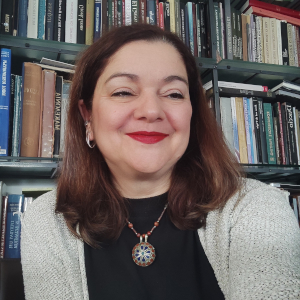
Professor Mona Moufahim is a leading scholar in Critical Marketing and Consumer Behavior at the Stirling Management School , University of Stirling. Her research interrogates the intersections of Political Branding , Religious Identity , and Social Inclusion , with a focus on marginalized communities, ethical consumption, and transformative pedagogies. Research Themes Critical Marketing and Political Economy Religion, Spirituality and Consumption Migrant Networks and Cultural Integration Community Development and Co-operative Models Transnational Education Marketing Intersectionality in Marketplaces Her recent work explores bullshit consumption during lockdowns, disability and marketplace access , and political branding in turbulent times . She advocates for critical pedagogies to address inequality and inspire systemic change in marketing education.
Soulé Déesse is a Haitian-American interdisciplinary artist and educator, currently serving as Professor of the Practice and Chair of Drawing and Painting at the School of the Museum of Fine Arts (SMFA) at Tufts University. Her work merges Afrofuturism, Vodou spirituality, and global Baroque aesthetics to explore identity, displacement, and social justice. Educational Background: BFA in Drawing and Painting & BA in Psychology (Wayne State University, Detroit) MFA (Tyler School of Art and Architecture, Philadelphia) Research Interests: Afrobaroque, digital Vodunism, colorism, post-human identity, and the interplay between tradition and technology. Her work challenges colonial legacies and promotes cross-cultural empathy through multimedia installations, video paintings, and performance. Exhibitions & Awards: Showcased globally: Indianapolis Museum of Contemporary Art, Mahmoud Darwish Museum (Palestine), Bogotá Arte Contemporaneo, and others. Awards: Best of Show (Migrations Film Festival), Yaddo Residency Grant, and a pending nomination for the Anonymous Was A Woman Award. Key Themes in Work: Reclaiming marginalized narratives, confronting colorism, and exploring ancestral wisdom through installations like Aphrocene (2023) and Granmé (2021–24). Her work often blends sculpture, video, and experimental sound to create immersive, thought-provoking experiences. Teaching & Leadership: As Chair of Drawing and Painting at SMFA, she fosters interdisciplinary creativity and critical dialogue in her courses, emphasizing the role of art in social change.
Anastasia Drandaki is an Associate Professor in Byzantine Archaeology at the Department of History and Archaeology, National and Kapodistrian University of Athens, where she specializes in Byzantine and Post-Byzantine painting and material culture. She has held this position since 2018, following many years as Curator of the Byzantine Collection at the Benaki Museum in Athens. As a 2013-2014 member of the Institute for Advanced Study in Princeton, NJ, she has established herself as a leading scholar in Byzantine material culture and icon studies. Drandaki was trained at the National and Kapodistrian University of Athens (NKUA) as an archaeologist and art historian, earning both her BA and PhD there, and also attended intensive computing courses at the University of Westminster, London, where she designed a documentation system for the Benaki Museum Byzantine Collection. Her research focuses on Late Antique and Medieval Metalwork; Art and Material Culture in Late Antique and Medieval Mediterranean; the Art and Cult of Icons; Pilgrimage; the arts of Sinai; Science and Technology in Archaeology and Museums; and the History of Byzantine Collections. She has curated or co-curated acclaimed Byzantine exhibitions worldwide, including Pilgrimage to Sinai (2004), The Origins of El Greco (2009-2010), Heaven and Earth (2013-2015), and Routes of icons (2023). Her publications include the comprehensive monograph on Late Antique copperwares (2020) and the first study on a newly discovered early Palaiologan Epitaphios (2023). Her scholarly output demonstrates consistent engagement with Byzantine material culture across multiple dimensions, from technical analysis of artifacts to the cultural contexts of religious art production and circulation. Her work increasingly integrates scientific analysis with traditional art historical approaches, particularly evident in her studies of metalwork and icon technology. Drandaki serves as Head Researcher for the Benaki Museum in the EU-funded ERC RICONTRANS project (2019-present) on Visual Culture, Piety and Propaganda: Transfer and reception of Russian Religious Art in the Balkans and the Eastern Mediterranean. She is also a member of the Scientific Expert Panel of the Science and Technology in Archaeology Research Center (STARC) and the APAC Labs in The Cyprus Institute, Nicosia, and since 2021 has served as Vice-president in the Board of the Christian Archaeological Society, responsible for the publication of the Deltion journal. Based in office 406 at the University Campus in Athens, Drandaki continues to bridge museum practice with academic research, bringing her extensive curatorial experience to bear on her scholarly work and teaching in Byzantine archaeology and art history.
Eurydice Kefalidou is an Associate Professor of Classical Archaeology at the National and Kapodistrian University of Athens, specializing in pottery and iconography of the Archaic and Classical periods (7th-4th century BC). She is affiliated with the Department of History and Archaeology within the School of Philosophy, where she focuses on the archaeology of ancient Greek life and culture with particular emphasis on material culture analysis. Dr. Kefalidou earned her undergraduate degree in History and Archaeology and her PhD in Classical Archaeology from Aristotle University of Thessaloniki. Prior to her current position, she worked at the Greek Ministry of Culture from 1993-2012 and taught at the Hellenic Open University from 2002-2020. She joined the National and Kapodistrian University of Athens in 2013. Her research interests span multiple dimensions of Classical Archaeology, with particular expertise in pottery analysis, iconography, and the cultural practices of ancient Greece during the Archaic and Classical periods. She has conducted extensive fieldwork in Aegean Thrace, focusing on the interactions between Greek colonists and indigenous Thracian populations. Her scholarly work also encompasses experimental archaeology, landscape studies, environmental archaeology, and the archaeology of religion, athletics, and theater. She has made significant contributions to understanding ancient Greek mythology as reflected in material culture. Analysis of her publication record reveals a consistent scholarly trajectory focused on pottery studies, particularly Attic and regional Greek ceramics, with increasing attention to landscape archaeology and colonial interactions in Thrace. Her recent work demonstrates sophisticated integration of environmental studies with traditional archaeological approaches, particularly through her leadership of major survey projects in the Xanthi region. The interdisciplinary nature of her research is evident in publications spanning art history, cultural studies, environmental science, and social anthropology. Dr. Kefalidou has established herself as a leading scholar through her substantial publication record, including three authored books, over fifty articles in Greek and international archaeological journals, and co-editorship of five volumes on Greek Archaeology. Her academic recognition is further evidenced by her leadership roles in major archaeological projects. She currently serves as co-director of the Archaeological Program of Abdera and Xanthi (APAX), an extensive systematic survey of the Xanthi region in Aegean Thrace that began in 2015, and as director of the TRAASH Project (Tracing Re-cycling: Archaeological and Anthropological Survey in the Habitat of Xanthi Region-Thrace), which she assumed leadership of in 2019. Through these projects, she has secured significant research funding and mentored numerous students and junior researchers in field archaeology methodologies. Her work with regional museums, including curation of permanent and temporary exhibitions both in Greece and abroad, demonstrates her commitment to public archaeology and making scholarly research accessible to broader audiences. She has co-organized archaeological conferences and experimental archaeology workshops that have fostered international scholarly collaboration.
Massimo Leone is a Full Tenured Professor of Philosophy of Communication, Cultural Semiotics, and Visual Semiotics at the Department of Philosophy and Educational Sciences , University of Turin , Italy. He also holds part-time and adjunct positions including Part-Time Full Professor of Semiotics at the University of Shanghai , Adjunct Professor at the Catholic University Andrés Bello in Caracas, Venezuela, and is Director of the Center for Religious Studies at the Bruno Kessler Foundation in Trento, Italy. He is also an associate member of Cambridge Digital Humanities at the University of Cambridge. Education & Academic Background: While specific degrees are not listed, his extensive academic career and editorial roles suggest a strong foundation in semiotics, philosophy, and cultural studies. Research Interests: His work spans semiotics , philosophy of communication , visual culture , religious studies , and digital transformation . He explores how signs, symbols, and narratives shape cultural and religious identities in both traditional and digital contexts. Grants & Funding: Leone has secured major international grants including the ERC Consolidator Grant (2018) and ERC Proof-of-Concept Grant (2022) , alongside others from FARE, HORIZON MSCA, Marie Curie, and COST Actions, totaling over €5 million in funding. Scientific Awards: ERC Proof-of-Concept Grant (2023) FARE Research Competitive Call (2022) HORIZON-MSCA-2021-DN Grant (2022) ERC Consolidator Grant (2019) Marie Curie Post-Doctoral Global Fellowship (2017) MIUR-DAAD Joint Mobility Program (2016) COST Action on Conspiracy Theories (2015) Multiple EU and national grants (2014–2006) Editorial & Leadership Roles: He is Editor-in-Chief of Lexia and Semiotica (De Gruyter), and co-editor of several book series including Semiotics of Religion and Advances in Face Studies . Publications: Leone has authored 15 monographs, edited over 60 volumes, and published 600+ articles in semiotics, religious studies, and visual culture.
Mariana Sueldo is an Associate Professor in the Department of Organizational Information and Communication Research at the Faculty of Communication, Vilnius University. She holds a doctoral degree and has been residing in Lithuania since 1995. Her research focuses on strategic organizational communication, intercultural communication, and internal communication management. She has actively contributed to international conferences and publications, exploring topics such as organizational sustainability, hybrid institutions, and cross-cultural challenges in education. Sueldo teaches courses on intercultural communication and digital strategies for international audiences. Her work emphasizes mission-driven communication and the role of communication in institutional excellence. Education: Doctoral degree in Argentina (specific program details not explicitly stated) Research Interests: International Communication, Stakeholder Communication, Organizational Culture, and Cross-Cultural Education Her research publications span 20+ years, with recent contributions analyzing communication strategies in universities and public institutions. She has collaborated with institutions in Spain, Argentina, and Lithuania, reflecting her interdisciplinary and global focus. Sueldo’s pedagogical activities include leading courses for Erasmus students and postgraduates, emphasizing practical applications of communication theories. Her recent work (2023–2024) explores institutional listening mechanisms and online reputation tools, advancing frameworks for evaluating communication effectiveness. She has also co-edited works on PR agency selection criteria and hybrid organizational models. Key Awards: None explicitly mentioned, though her prolific research output reflects sustained academic recognition. Advising & Grants: Led a postdoctoral research project (2020–2022) on qualification advancements in communication studies. Collaborations include international projects with Spain and Argentina. Labs/Teams: Engaged in cross-departmental initiatives at Vilnius University, focusing on communication management and organizational communication practices.
Penny Johnston is a Researcher in the Department of History, Politics and Philosophy at Manchester Metropolitan University, with a background in Archaeology and Digital Humanities. She holds a PhD in Digital Arts and Humanities from University College Cork (UCC) and has held roles at UCD School of Archaeology and organizations like Eachtra Archaeological Projects. Her research focuses on archaeobotany, oral history, and digital humanities, particularly in Bronze Age Ireland and medieval Novgorod. Education: B.A. in History and Archaeology, University College Cork M.Sc. in Environmental Archaeology and Paleoeconomy, University of Sheffield M.A. in Electronic Communication and Publishing, University College London Ph.D. in Digital Arts and Humanities, University College Cork Research Interests: Archaeobotanical analysis of Bronze Age settlements Oral history digitization and public engagement Environmental archaeology in Ireland and Europe GIS applications in archaeological excavation Medieval urban structures and food systems Key Projects: FOODSEC (Food Security in Bronze Age Ireland) at UCD (2023–2024) Project Time: Chronological modeling of late 4th/early 3rd millennia BC sites Analysis of plant remains from Novgorod and Irish archaeological sites Labs/Teams: Member of Environmental Archaeology in Ireland (EAI), contributing to standards and collaborative research projects.