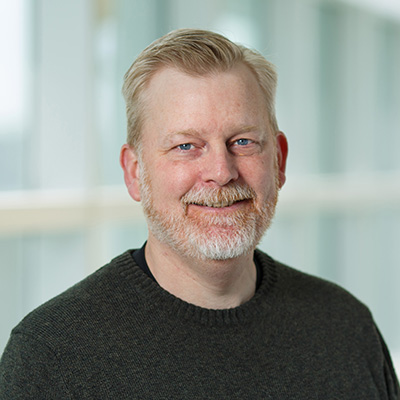
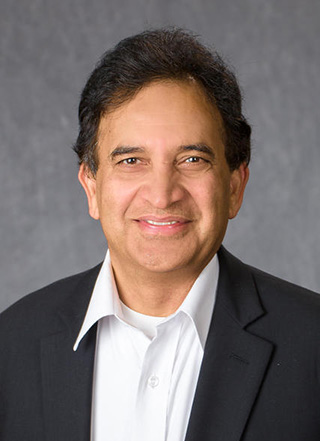
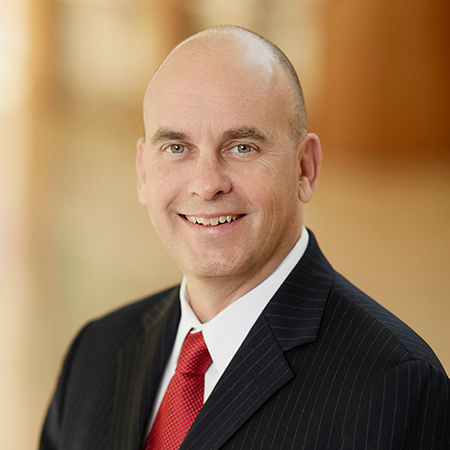
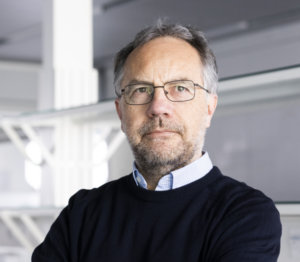
Giuseppe Faraco is an Assistant Professor of Neuroscience at the Brain and Mind Research Institute, Weill Cornell Medical College. His research focuses on neurovascular dysfunction, cognitive impairment, and the interplay between hypertension, immune responses, and brain health. Education: Ph.D. and M.D. from University of Florence Faculty of Medicine and Surgery. Research interests center on neurovascular biology, dietary impacts on brain function, and immune-mediated cognitive decline. His work explores hypertension, tau phosphorylation, gut-brain axis, and blood-brain barrier dynamics in neurodegenerative diseases. Recent publications highlight mechanisms linking hypertension, inflammation, and cognitive dysfunction, with a focus on endothelial-immune crosstalk and dietary factors. Grants include funding from Cure Alzheimer’s Fund and National Institute of Neurological Disorders & Stroke to study hypertension, neurovascular dysregulation, and gut immunity.
Carolyn Sevier is a Professor in the Department of Molecular Medicine at Cornell University's College of Veterinary Medicine. She leads a research laboratory focused on redox signaling and protein homeostasis, with affiliations to the Biochemistry, Molecular, and Cell Biology (BMCB) and Biomedical & Biological Sciences (BBS) PhD programs. Dr. Sevier mentors graduate students and postdoctoral researchers, providing guidance through Cornell's structured academic pathways. Research Focus Her work spans redox regulation mechanisms in the endoplasmic reticulum, protein folding, and cellular stress responses. Key areas include: Thiol-based redox signaling pathways Chaperone-mediated protein homeostasis Interorganelle communication (ER-mitochondria) Oxidative stress adaptation Disulfide bond formation/reduction Publication Trends Recent articles (2016-2024) demonstrate a consistent focus on endoplasmic reticulum redox dynamics, chaperone functions (BiP/Hsp70), and stress response mechanisms. Work integrates yeast genetics, mammalian models, and biochemical approaches to explore fundamental cellular processes with implications for metabolic and degenerative diseases. Academic Training Dr. Sevier actively advises graduate students through Cornell's BMCB and BBS programs and recruits postdoctoral scholars. Her laboratory provides training in biochemical, genetic, and cell biological techniques for studying redox biology.
Michael Marr is an Associate Professor of Biology at Brandeis University, specializing in mechanisms controlling gene expression. His research spans transcriptional and post-transcriptional regulation in metazoan cells, with a focus on Drosophila models. University: Brandeis University Department: Department of Biology Email: mmarr@brandeis.edu Research Interests Dr. Marr investigates how cells respond to developmental and environmental signals via changes in gene expression. Key areas include: Transcriptional activation by metal-dependent factors (MTF-1) under heavy metal shock Post-transcriptional control via insulin receptor pathways and IRES-mediated translation Functional coupling of transcription and translation to amplify signaling responses Role of co-activators in transcriptional regulation and redundancy analysis Notable Discoveries His lab demonstrated that the Drosophila insulin receptor (dINR) utilizes an internal ribosome entry site (IRES) for cap-independent translation, resolving how cells prioritize pathway-specific protein synthesis under stress. Article Trends His work focuses on molecular signaling, RNA biology, and transcriptional machinery across genomics, stress response, and developmental biology. Studies often bridge biochemical assays, RNA interference, and translational control mechanisms. Laboratory Located at the Rosenstiel Basic Medical Sciences Research Center, his lab employs Drosophila to dissect gene regulatory networks.
Subba Reddy Palli is a Professor and Department Chair at the Martin-Gatton College of Agriculture, Food and Environment , University of Kentucky . Additionally, he serves as the State Entomologist of Kentucky and Co-director of CAMTech (Center for Arthropod Management Technologies), an NSF I/UCRC. His academic profile includes leadership in entomology research with a focus on molecular mechanisms in insect pests. Ph.D., University of Western Ontario (1987) Research Focus: Palli's work spans molecular entomology , RNA interference , and epigenetic regulation in insects. Key areas include: Mechanisms of RNA interference Hormonal and nutritional regulation of development Epigenetic control of gene expression Molecular basis of insecticide resistance Genomics of pest species CRISPR/Cas9 genome editing in insects Scientific Contributions: Among his 15 most recent publications, Palli has advanced understanding of: RNAi delivery optimization via nanoparticles Epigenetic factors in mosquito and beetle reproduction Temperature effects on RNAi efficacy Mechanistic links between histone modifications and hormone action Awards & Recognition: Includes the Michael Goodin Global Aspirations Award . Academic Leadership: Overseeing the Department of Entomology and directing CAMTech research initiatives.
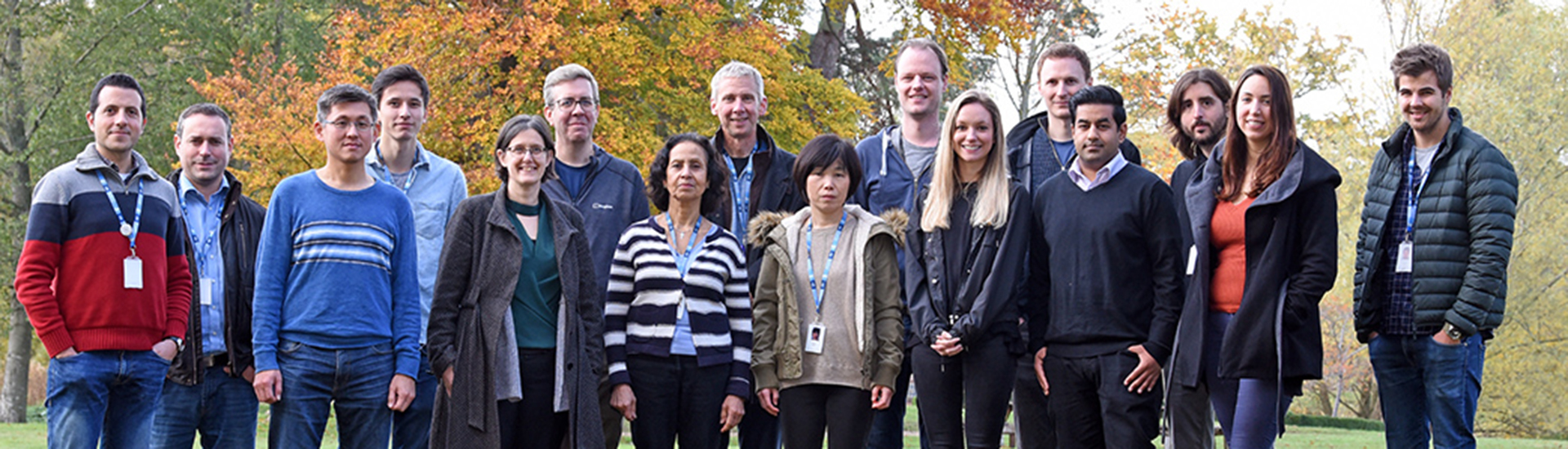
Phil H Jones is a Senior Group Leader at the Wellcome Sanger Institute and Programme Leader at the MRC Cancer Unit, University of Cambridge. He leads the Jones Group which focuses on understanding how cancer-associated DNA changes in normal stem cells alter their behavior, allowing them to spread through normal tissues—the critical first step toward cancer development. Institution: MRC Cancer Unit, University of Cambridge Research Program: Cancer, Ageing and Somatic Mutation Programme Professional Recognition: Fellow of the Royal Society, Fellow of the Academy of Medical Sciences Dr. Jones's research centers on how mutations that alter the competitive fitness of normal stem cells give mutant stem cells the ability to spread through normal tissues. His current work employs deep sequencing, advanced imaging, gene editing, and single-cell analysis to define how oncogenic mutations alter stem cell behavior during aging and the earliest stages of cancer development in skin and esophagus. His lab-based studies complement his clinical work at Addenbrooke's Hospital, where he treats patients with non-melanoma skin cancer. Analysis of his recent publications reveals a consistent focus on somatic mutations in normal epithelial tissues, particularly examining how specific mutations (such as those in p53, Notch1, and PIK3CA) confer competitive advantages to cells, enabling clonal expansion. His work demonstrates that normal tissues become extensively colonized by mutant cells with age, with some mutations increasing cancer risk while others may actually decrease it. A key finding across multiple publications is that mutant clones can outcompete and eliminate early-stage tumors, suggesting novel approaches to cancer prevention. Fellow of the Royal Society Fellow of the Academy of Medical Sciences Multiple high-impact publications in Nature, Science, and Cell journals Dr. Jones collaborates extensively with Cancer Research UK, the Department of Oncology at the University of Cambridge, and the Wellcome Trust-Medical Research Council Cambridge Stem Cell Institute. His research is highly translational, aiming to apply fundamental discoveries about somatic evolution in normal tissues to develop rational interventions that reduce cancer risk in high-risk patients. The Jones Group employs a multidisciplinary approach combining experimental biology with computational modeling to understand the evolutionary dynamics of mutant clones in aging tissues. The Jones Group operates within the Cancer, Ageing and Somatic Mutation Programme at the Wellcome Sanger Institute, utilizing advanced 3D culture methods, gene editing, live imaging, and single-cell analysis capabilities. Their research infrastructure supports studies of both skin epidermis and esophageal epithelium, with particular focus on how lifestyle factors (sun exposure, alcohol consumption) and aging influence the somatic mutation landscape of normal tissues.
Jefferson W. Kinney is a Professor and Founding Chair of the Department of Brain Health at the Kirk Kerkorian School of Medicine, University of Nevada Las Vegas (UNLV) . He co-directs both the Pam Quirk Brain Health and Biomarker Laboratory and the Translational Mechanisms and Drug Discovery Laboratory , focusing on neurodegenerative diseases. Colorado State University - PhD National Institute of Mental Health - Intramural Research Training Fellowship The Scripps Research Institute - Helen Dorris Fellowship Dr. Kinney's research spans cellular and molecular mechanisms of Alzheimer's disease , with emphasis on: Neuronal-glial interactions in AD pathogenesis Role of GABA B receptors in memory deficits Diabetes-induced AD risk (insulin signaling, hyperglycemia) Neuroinflammatory pathways in AD and traumatic brain injury (TBI) Translational biomarker discovery in clinical samples GPCR signaling in microglial activation His publications reveal a focus on GABAergic dysfunction , metabolic comorbidities , and translational models bridging preclinical and clinical AD research. Key techniques include: Transgenic mouse models (APP/PS1) Cellular/molecular biology (qRT-PCR, Western blot) Behavioral assays (Barnes maze, fear conditioning) Immortalized microglia cultures (BV2 cells) Scientific Honors: Reg Grundy and Joy Chambers-Grundy Chair for Brain Health Helen Dorris Fellowship in Neuropharmacology NIMH Intramural Research Training Fellowship Dr. Kinney leads two interconnected laboratories that synergize preclinical mechanisms ( Translational Mechanisms and Drug Discovery Laboratory ) with clinical biomarker discovery ( Pam Quirk Brain Health and Biomarker Laboratory ).
Maurizio Molinari is a Group Leader at the Institute for Research in Biomedicine (IRB) in Bellinzona, Switzerland, since October 2000. He earned his PhD in Biochemistry from ETH-Zurich in 1995 and conducted postdoctoral research at the University of Padua and ETH-Zurich. His work focuses on protein folding, quality control, and degradation mechanisms within the endoplasmic reticulum (ER), with implications for rare diseases and Alzheimer’s pathology. Affiliation: IRB Bellinzona, Adjunct Professor at EPFL since 2008 Education: PhD in Biochemistry (ETH-Zurich, 1995) Dr. Molinari’s research explores the ER-phagy pathway , proteostasis , and lysosomal degradation as failsafe mechanisms during ER stress. His studies link these processes to neurodegenerative diseases , myelin maintenance , and rare genetic disorders . Recent publications highlight his contributions to allosteric enzyme modulation , organelle fragmentation , and computational tools for autophagy quantification . He received the Friedrich-Miescher Award in 2006 for his work in molecular biology. Scientific Networks: European Research Council (ERC), Rare Diseases Platform (Switzerland) Leadership Roles: Advisory Board, Centro Malattie Rare della Svizzera italiana
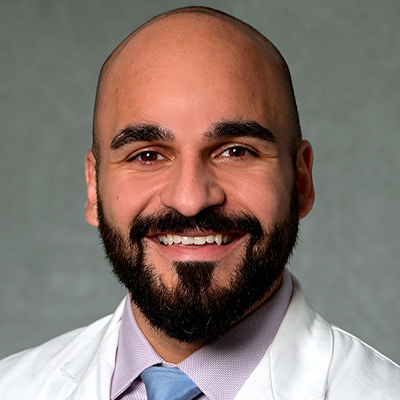
Theodore G. Drivas, MD, PhD is an Assistant Professor of Medicine at the University of Pennsylvania's Perelman School of Medicine. His research focuses on the genetic architecture of human disease, particularly examining interactions between common and rare genetic variants and their relationship to common and rare diseases. Academic Rank: Assistant Professor Institution: University of Pennsylvania School: Perelman School of Medicine Department: Department of Medicine Dr. Drivas's work spans multiple domains including: Genetic Medicine Genomics Human Genetics Precision Medicine Clinical Genetics Health Disparities Recent research trends show strong emphasis on: GWAS studies for inflammatory diseases like hidradenitis suppurativa Racial disparities in genetic testing access Polygenic risk score validation and implementation Multi-ethnic cancer susceptibility gene analysis Sex-specific genetic effects in cardiomyopathy Development of genomic implementation strategies
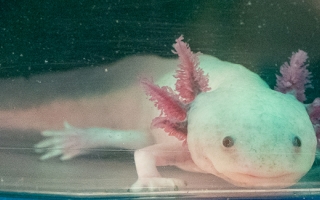
Karen Echeverri is a Researcher at the Marine Biological Laboratory (MBL), affiliated with the University of Chicago . Her work focuses on regeneration biology , particularly in spinal cord repair and scar-free wound healing using axolotls and Nematostella vectensis as model organisms. Education : Ph.D. in Zoology, Trinity College Dublin & Max Planck Institute (2003) B.Sc. Hons. in Biochemistry, National University of Ireland Galway (1998) Her research explores: Molecular mechanisms of spinal cord regeneration in salamanders Role of neural progenitor cells and glial cells in scarless healing Evolutionary conservation of regenerative pathways between invertebrates (sea anemones) and vertebrates (axolotls) Transcriptional profiling and in vivo imaging to track cellular responses to injury Publications highlight her contributions to understanding miR-200a regulation , AP-1 transcription factors , and SALL4 in tissue repair. Her team investigates how these mechanisms could inform human regenerative medicine .
Stephanie Borgland is a Professor at the University of Calgary and a member of the Hotchkiss Brain Institute . Her research integrates cellular physiology , pharmacology , and behavioral neuroscience to explore the neurobiological underpinnings of addiction , obesity , and motivational disorders . She leads a laboratory that uses brain slice electrophysiology , optogenetics , and immunohistochemistry to study synaptic plasticity and neuropeptide signaling in dopaminergic circuits. Research Interests: Neuropeptide modulation of synaptic plasticity in reward circuits Dopamine signaling in the ventral tegmental area (VTA) Obesity and compulsive eating behavior Drug addiction and reward processing Neuroadaptations following chronic drug exposure Her recent work has focused on how cannabis exposure during development affects metabolism and behavior, how orexin and dynorphin modulate dopamine neurons, and how diet-induced obesity alters decision-making and reward circuits. Her studies span from molecular mechanisms to behavioral outcomes, often incorporating sex differences and developmental perspectives . Contact & Support: Email: s.borgland@ucalgary.ca Office: HSC2107, University of Calgary Phone: 403-220-6967 Administrative Assistant: Dolma Dejikhangsar ( dolma.dejikhangsar@ucalgary.ca ) She maintains an active publication record with over 100 peer-reviewed articles indexed in PubMed and Google Scholar, reflecting her leadership in translational neuroscience research.
Thomas Voets is a full professor at the Faculty of Medicine, KU Leuven, and head of the Laboratory for Ion Channel Research (VIB-KU Leuven). He is a member of the VIB-KU Leuven Center for Brain Research and the KU Leuven Brain Institute. Department of Cellular and Molecular Medicine His research focuses on TRP channels, chronic pain mechanisms, ion channelopathies, and microglial roles in neurodevelopmental disorders. Recent projects include HumanBLISS (bladder wall sensory innervation), TRPM3 in chronic pain, and models for TRPM3-related developmental diseases. Key publications address TRP channel structures, pain pathways in cancer patients, and microglial cytoskeletal control in synaptic deficits. Collaborations span molecular spine development (GPR158-PLCXD2) and neurodegenerative models (APOE deficiency). Teaching includes courses in Cell Physiology, Biomedical Measurement Techniques, and Mathematical Models in Medicine.
Maria Jasin is a Professor at Memorial Sloan Kettering Cancer Center, holding the William E. Snee Chair. She is affiliated with the Gerstner Sloan Kettering Graduate School of Biomedical Sciences and leads the Developmental Biology Program . PhD, Massachusetts Institute of Technology Chair: William E. Snee Chair Her research focuses on homologous recombination and DNA repair , particularly double-strand break mechanisms and their implications in cancer biology . She investigates how BRCA2 and RAD51 proteins regulate replication fork stability , gap suppression , and genomic integrity . Recent publications highlight her work on saturation genome editing for BRCA2 mutation analysis, PRIMPOL activity in DNA repair, and PARP inhibitor resistance mechanisms. These studies span genetics , molecular oncology , and biochemical pathways . Awarded by prestigious institutions, she is a member of the National Academy of Sciences (2015), National Academy of Medicine (2016), and recipient of the Shaw Prize in Life Science and Medicine (2019). Her work is funded by multiple NIH/NCI grants. She mentors graduate students and postdoctoral fellows in DNA repair, including Su (Alex) Jia , Yi-Zhen Jiang , and Fang Zhang , while leading a team of senior researchers and lab alumni.
Dr. Ayşegül Doğan is an Associate Professor in the Department of Genetics and Bioengineering at Yeditepe University's Faculty of Engineering, with promotion to full Professor scheduled for 2025. Her academic journey began with dual undergraduate degrees in Biology and Molecular Biology and Genetics at Istanbul University, followed by Master's and PhD studies in Biotechnology at Yeditepe University. Her educational background includes: PhD in Biotechnology (2011-2015), Yeditepe University - Thesis: "A novel chemotherapeutic drug combination for prostate cancer" Master's in Biotechnology (2009-2011), Yeditepe University - Thesis: "Effect of P85, F68 and F127 pluronic block copolymers on osteogenic, chondrogenic and adipogenic differentiation of human tooth germ stem cells (HTGSCs)" Undergraduate degrees in Biology and Molecular Biology and Genetics (2005-2009), Istanbul University Dr. Doğan's research spans multiple frontiers of stem cell biology and regenerative medicine. Her work particularly focuses on: Stem cell differentiation mechanisms and signaling pathways Organoid development for regenerative medicine applications Boron compounds in wound healing and tissue regeneration Cancer treatment using novel drug combinations Stem cell applications in reproductive medicine and endocrinology Analysis of her recent publications reveals an increasing emphasis on stem cell-derived organoids, with particular expertise in parathyroid function, adipose tissue engineering, and neural differentiation. Her research demonstrates sophisticated approaches to creating functional tissue models from pluripotent stem cells, with strong translational potential. Her scientific recognition includes: Multiple patents related to stem cell technology and wound healing formulations Patent Bronze Medal from ISIF and Turkish Patent Institute TÜBA-GEBİP award from the Turkish Academy of Sciences Department and Faculty First Prizes from Istanbul University Dr. Doğan actively mentors graduate students, with seven Master's and PhD theses completed under her supervision in recent years. She serves as principal investigator for multiple research projects funded by TÜBİTAK and other institutions, with current work focusing on stem cell applications in regenerative medicine. Her laboratory develops novel stem cell-based therapies and tissue engineering approaches, with particular emphasis on neuromesodermal progenitors and their therapeutic applications. She maintains active membership in professional organizations including the London Stem Cell Network, AACR, and the International Society for Stem Cell Research (ISSCR).
Struan F.A. Grant is a distinguished Professor of Pediatrics (Human Genetics) at the University of Pennsylvania and a Professor of Genetics at the Perelman School of Medicine. He holds the Daniel B. Burke Endowed Chair for Diabetes Research and serves as Director of the Center for Spatial and Functional Genomics at Children's Hospital of Philadelphia (CHOP). His work bridges human genetics with pediatric disease genomics, focusing on obesity, diabetes, and bone disorders. Current affiliations: UPenn, CHOP Graduate group affiliations: Cell and Molecular Biology, Genomics and Computational Biology Research Focus : With over 25 years of experience, Grant's career highlights include discovering the COL1A1 polymorphic Sp1 site linked to osteoporosis and the TCF7L2 gene's role in type 2 diabetes. His current work leverages high-throughput genomics and bioinformatics to unravel pediatric disease mechanisms, particularly in obesity and metabolic disorders where genetic factors are more discernible due to limited environmental exposure. Scientific Awards : Wellcome Postdoctoral Fellowship Daniel B. Burke Endowed Chair for Diabetes Research Advising & Funding : Mentored numerous trainees including Max F. Dudek and Elizabeth A. Burton. Active funding includes grants from NIH (R01 HD056465, R01 HD100406, R01 AG072705, UM1 DK126194) and co-investigator roles in R01 NS135075, R01 AI154773, and P01 HL160471.
Karin Schon is an Associate Professor in the Department of Anatomy & Neurobiology at Boston University Chobanian & Avedisian School of Medicine, with secondary appointments in Psychological and Brain Sciences and Neuroscience at Boston University College of Arts and Sciences. She directs the Brain Plasticity and Neuroimaging Laboratory and serves as Assistant Dean for Diversity & Inclusion. PhD in Psychology (2005) from Boston University Joint BA/MA in Psychology (1998) from University of Hamburg Her research examines how aerobic exercise, aging, and psychosocial stress modulate brain health, particularly in hippocampal and amygdala systems. She pioneered anti-racist neuroscience studies on racial discrimination's impact on neurocognitive aging in Black/African American populations. Methodological approaches include high-resolution fMRI, structural MRI, and biomarker assays for neurotrophins like BDNF. Recent publications focus on 2024 studies of perceived discrimination's neuroanatomical effects, 2024 cortical thickness analysis in spatial cognition, and 2022-2020 investigations into hippocampal connectivity and exercise-induced neuroplasticity. Awards include NIH Pathway to Independence (2010), CCAD Junior Investigator (2013), and multiple NIH/NIA/NIMH grants. Scientific Leadership : Organized DEIA events, co-directed BU PREP pipeline program, and contributed to university-wide policy changes including the removal of Myles Standish name from campus housing in 2024 Service : Chair of BU Faculty Council Equity and Inclusion Committee (until 2024), active in GMS Diversity Steering Committee, and advocate for universal design in STEM education