Dr. Harold A. Singer is a Professor and Chair in the Department of Molecular and Cellular Physiology at Albert Einstein College of Medicine. His research focuses on calcium signaling mechanisms in vascular smooth muscle cells, particularly the role of CaMKII isoforms in regulating gene transcription and vascular remodeling. Research spans vascular biology , signal transduction , and cardiovascular pathophysiology Key interests include CREB phosphorylation , CaMKIIδ function , and vessel injury responses His recent work examines CaMKII-endothelium interactions in re-endothelialization and angiogenesis . Grants from the NIH (R01 HL049426, R01 HL092510) support his investigations into vascular remodeling and disease mechanisms .
Dr Jennifer Sun is a Lecturer at the UCL Institute of Ophthalmology, leading the Visual Plasticity Lab. Her research investigates how visual cortex integrates sensory and modulatory inputs to regulate neuroplasticity, with applications in vision recovery from aging, injury, and neurological disorders. PhD: University of Southern California (Circuit Computation, Sensory Cortical Development) Postdoc: University of California, San Francisco (Molecular Techniques, Electrophysiology, 2-Photon Imaging) Research interests focus on neuroplasticity mechanisms in visual systems using genetic, physiological, and computational approaches. Key areas include local circuit dynamics, brain region crosstalk, neuron-glial interactions, and translating findings into therapies via collaborations with clinicians at Moorfields Eye Hospital. Teaching roles include supervising PhD students (LiDo, Optical Biology, UCL-Birkbeck MRC DTP) and Master's students (MRes Brain Science, MSc Neuroscience). She organizes UCL's Visual Neuroscience (NEUR0017) and Systems and Circuit Neuroscience (ANAT0020) modules, plus Cold Spring Harbor's international Neural Data Science summer course. Labs/teams: Visual Plasticity Lab (UCL Institute of Ophthalmology), collaborating with Sainsbury Wellcome Centre, UCL bioengineers, and Moorfields Eye Hospital clinicians to explore health-disease plasticity differences.
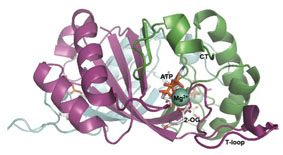
Karl Forchhammer is a full Professor at the University of Tübingen , chairing the Department of Microbiology/Organismic Interactions within the Interfaculty Institute of Microbiology and Infection Medicine Tübingen (IMIT) . He received his education at Ludwig-Maximilians-Universität München, earning a Doctorate in Microbiology with a thesis on selenocysteine biosynthesis in Escherichia coli , for which he received the VAAM Promotionspreis in 1992. His academic career includes a postdoctoral fellowship at the Institut Pasteur and associate professorship at the Justus-Liebig-Universität Giessen (1999-2007). Current Roles: Chair of Microbiology/Organismic Interactions, University of Tübingen Editor for FEBS Journal Scientific Advisory Board member, Max Planck Institute for Terrestrial Microbiology DFG panel member (Microbiology, Virology, Immunology) His research focuses on: PII Signal Transduction Proteins : Molecular mechanisms of 2-oxoglutarate sensing, ATP/ADP binding dynamics, and regulatory roles in carbon-nitrogen balance across bacteria, archaea, and chloroplasts. Nitrogen Starvation Response : Molecular basis of chlorosis in Synechocystis and Synechococcus species, including nblA gene regulation and sodium bioenergetics during dormancy. Metabolic Engineering Applications : Development of FRET sensors for metabolite detection and optimization of polyhydroxybutyrate (PHB) production in cyanobacteria. Carbon Regulation Systems : Structural analysis of SbtB redox-sensitive loops, c-di-AMP signaling in diurnal metabolism, and PirC-mediated phosphoglycerate mutase inhibition. Technological Innovations : Creation of SCAGE method for cyanobacterial transport and development of magnetic bead immunoassays for SARS-CoV-2 detection. Scientific contributions include: Discovery of plant kingdom's first glutamine sensory mechanism through PII evolution Elucidation of PII-NAGK functional conservation over 1.2 billion years Identification of 2-oxoglutarate binding site in PII proteins Demonstration of sodium bioenergetics' critical role in cyanobacterial developmental transitions Development of metabolite FRET sensors for real-time metabolic monitoring Establishment of PHB production platforms without nitrogen starvation His lab has trained 15+ PhD students and 3+ PostDocs, with collaborations spanning microbial biotechnology, structural biology, and environmental systems. Recent publications highlight: 2025 work on natural microbial community-enhanced bioplastic production 2024 structural studies of PII-regulated enzymes 2023-2024 investigations into glycogen metabolism and redox regulation 2022-2023 studies on c-di-AMP signaling and toxin-antitoxin systems
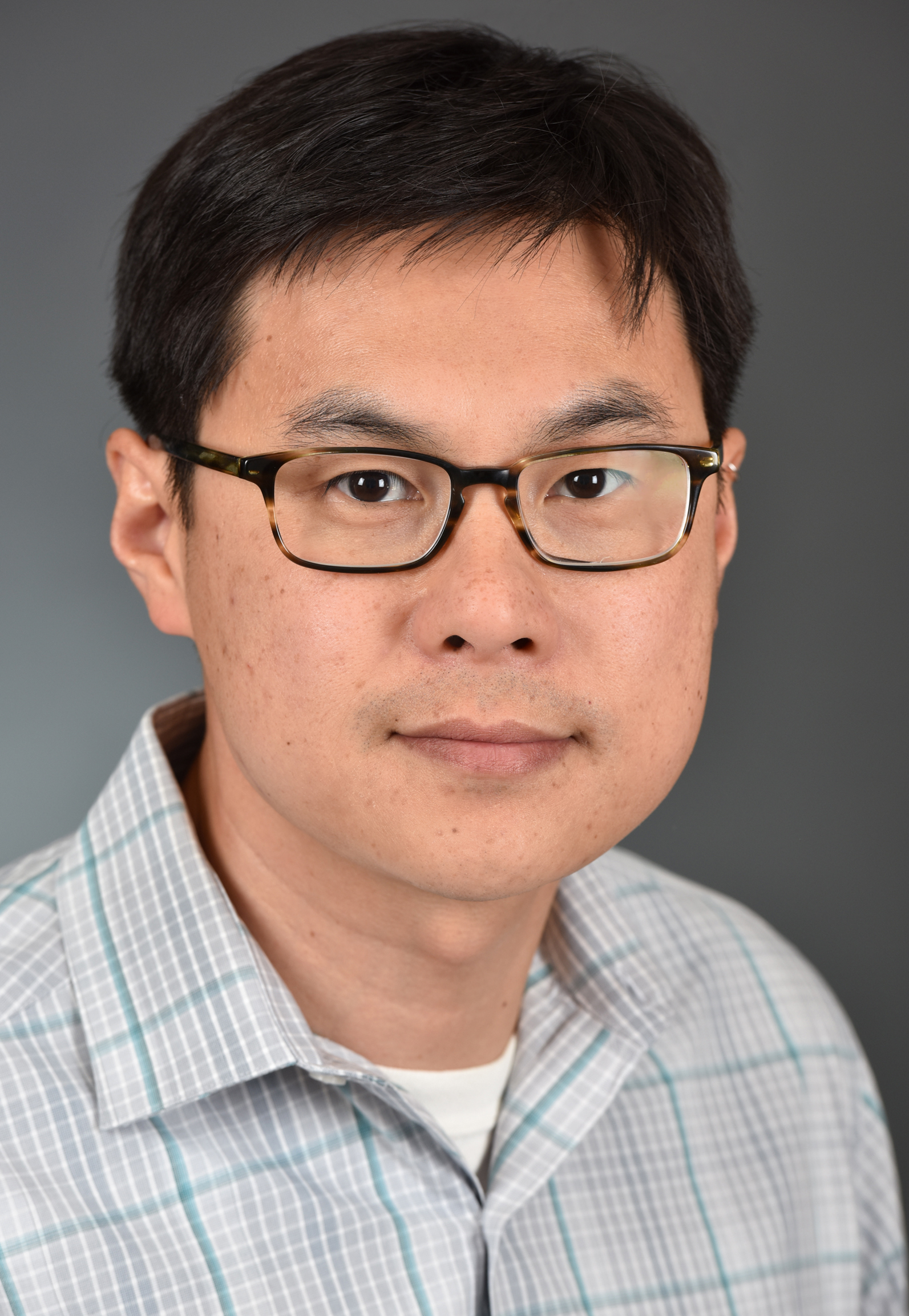
Wei-Chung Allen Lee, PhD, is an Associate Professor of Neurology and Neurobiology at Harvard Medical School. His research focuses on understanding how neural circuits enable behavior through functional connectomics, combining advanced imaging, machine learning, and computational modeling. The Lee Lab develops tools like X-ray holographic nanotomography and GridTape for high-resolution neural structure analysis. Key interests include circuit principles in Drosophila, cerebellar interneurons, and synaptic wiring in decision-making regions. His work explores structural-functional relationships in networks, conservation across species, and developmental constraints on neural architecture. Recent studies highlight connectomic reconstructions in Drosophila, cerebellar disinhibition mechanisms, and blood-brain barrier heterogeneity. Methodological innovations in microscopy and image restoration underscore his lab’s interdisciplinary approach. The Lee Lab is located at 220 Longwood Avenue, Boston, MA, and collaborates on large-scale neuroimaging pipelines like the Open Connectome Project.
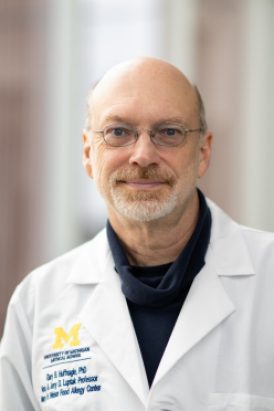
Gary B. Huffnagle is a Professor of Molecular, Cellular, and Developmental Biology at the University of Michigan, with joint appointments in the Medical School's Departments of Internal Medicine and Microbiology & Immunology, and the Mary H. Weiser Food Allergy Center. He holds the Nina and Jerry D Luptak Professorship in Food Allergy. His research focuses on mucosal immunity, microbiome interactions, and their roles in food allergies, respiratory diseases, and infectious processes. Key affiliations include the Huffnagle Lab and collaborative work across multiple interdisciplinary centers. Education: Ph.D., 1990 from University of Texas Southwestern Medical Center. Research emphasizes three core areas: 1) microbiota-driven immunological tolerance mechanisms in food allergies, 2) microbial ecology of Candida albicans and Lactobacillus johnsonii in mucosal surfaces, and 3) non-aeruginosa Pseudomonas species in respiratory inflammation. Recent work highlights microbiome shifts in chronic lung diseases and critical illness. Publications span over 20 years, with recent focus on microbiome contributions to COPD, pulmonary fibrosis, and asthma exacerbations. His work integrates computational biology, microbial genomics, and immunological approaches.
Berta Verd is the Peter Brunet Fellow in Biological Sciences at Jesus College, University of Oxford. She holds a BSc in Mathematics from the Polytechnic University of Catalonia, followed by an MSc in Medicine, Science and Society from King’s College London, an MRes in Systems and Synthetic Biology from Imperial College London, and a PhD in Biomedicine from Pompeu Fabra University. Her research focuses on evolutionary developmental biology, applying dynamical systems theory to biological problems such as embryonic axial elongation, segmentation, and cichlid fish evolution. She teaches Biology courses at Jesus College and actively contributes to interdisciplinary research in developmental dynamics. Her work explores the modularity of segmentation clocks, the role of cell movements in pattern formation, and evolutionary processes in African cichlids. Recent studies include analyses of skeletal diversity in Lake Malawi cichlids using micro-CT imaging and computational modeling of gene regulatory networks. She also investigates critical transitions in developmental systems and the interplay between morphogen gradients and positional information. Advising and grants: No student advisees or grant details are explicitly listed in the provided texts. Her research is supported through her fellowship and institutional affiliations. She is associated with labs focused on systems biology and evolutionary developmental biology at the University of Oxford and collaborating institutions. Labs/Teams: While specific lab names are not mentioned, her research aligns with interdisciplinary teams studying developmental dynamics, evolutionary biology, and systems approaches in the Biological Sciences department at Oxford.
Dr. Bruce Cushing is a Professor in the Department of Biological Sciences at the University of Texas at El Paso (UTEP), affiliated with the College of Science. His research program focuses on the neuroendocrine regulation of social and sociosexual behavior, emphasizing the role of neuropeptides like oxytocin, vasopressin, and estrogen in shaping social memory, pair bonds, parental behavior, and aggression. He primarily employs prairie voles as a translational model system due to their human-relevant social structure, which includes family units and monogamy. Dr. Cushing's recent publications highlight his work in Behavioral Neuroscience and Neuroendocrinology , with a strong emphasis on environmental and developmental influences. His research has explored the effects of substances like cannabis and methylphenidate on brain connectivity, the neuroanatomical basis of prosocial behavior, and comparative studies across different prairie vole populations. These studies often utilize multimodal MRI and molecular techniques to investigate neural mechanisms. The trends in his 15 most recent articles (2017–2024) reflect a sustained focus on social behavior regulation , neurochemical pathways , and environmental impacts on neural networks. Topics include stress-related depression models, epigenetic effects of early social experiences, and the translational potential of prairie voles for studying human social deficit disorders. His work bridges molecular biology, behavioral ecology, and biomedical applications.
Leon Grayfer is an Associate Professor of Biology at the Columbian College of Arts & Sciences, George Washington University. He leads the Grayfer Lab, focusing on comparative immunology and antimicrobial defenses in aquatic vertebrates, particularly amphibians like Xenopus laevis. His research emphasizes understanding innate immune mechanisms against pathogens such as ranaviruses, mycobacteria, and chytrid fungi. Key research areas include amphibian macrophage and granulocyte differentiation, viral immune evasion strategies, and myelopoiesis segregation in frogs. The lab investigates how immune cell subsets in tadpoles and adult frogs differ in resisting pathogens like Frog Virus 3 (FV3) and Batrachochytrium dendrobatidis (Bd). They also explore amphibian immune interactions with probiotics and environmental stressors like atrazine. Recent studies highlight unique myelopoiesis strategies in amphibians, with bone marrow and liver serving distinct roles in blood cell development. The lab’s work contributes to amphibian conservation efforts, particularly against global disease threats. Dr. Grayfer currently offers funded PhD opportunities for students interested in these topics. His research integrates molecular, cellular, and ecological approaches, with a focus on One Health principles to address amphibian and reptile disease challenges globally. Collaborative projects include studies on sea urchin immunity and interdisciplinary approaches to disease mitigation.
Dr. Tuyen Huynh is an Assistant Professor and inaugural Bridge to Faculty Postdoctoral Scholar in the Department of Psychology at the University of South Carolina. She holds a Ph.D. in Human Sciences from the University of Nebraska-Lincoln and completed postdoctoral training at the University of Wisconsin-Madison. Her research integrates mindfulness practices with family systems theory to address disparities in child and family well-being, particularly among underserved communities. She emphasizes health equity, maternal mental health, and community resilience through interventions targeting caregiver-child relationships. Dr. Huynh’s work combines qualitative and mixed-methods approaches, exploring topics like pandemic impacts on maternal mental health, mindfulness in prenatal care, and resilience in HIV-affected families. She is committed to diversity, equity, and inclusion in academia and mentoring first-generation scholars. Her research has been published in journals like Mindfulness , Midwifery , and Autism . Her academic background includes a focus on child development, contemplative science, and structural inequity. She is preparing to accept graduate students for the 2025-2026 academic year, continuing her dedication to training future psychologists from diverse backgrounds.
Linda Pollock is the John Christie Barr Professor of History at Tulane University, specializing in the social and cultural history of early modern England. She earned her PhD from the University of St Andrews in 1982. Her research examines childhood, family structures, emotional expression, medical practices, and religious influences in 1500-1800 Europe, with methodological emphasis on diary analysis and comparative social frameworks. Publications include award-winning books such as Forgotten Children: Parent-Child Relations from 1500 to 1900 (1983) and With Faith and Physic: The Life of a Tudor Gentlewoman (1993), translated into Japanese and Spanish. Recent work explores emotion ethics and merchant life in early modern economies. Notable honors include a national book prize (1984) and Choice Outstanding Academic Title recognition (2003). She teaches courses on Tudor-Stuart England, gender history, and historical methodologies. Dr. Pollock frequently delivers keynote addresses on affective bonds in historical contexts and directs graduate research on pre-industrial European society.
Alexander Sumich is Professor of Mental Health and Biopsychology at Nottingham Trent University , School of Social Sciences. He co-directs the Centre for Public and Psychosocial Health and co-leads the Affect, Personality and Embodied Brain (APE) Research Group . He also serves as Adjunct Professor in Psychology at Auckland University of Technology, New Zealand , and holds editorial and leadership roles in organizations like the British Society for the Psychology of Individual Differences (Treasurer) and Personality and Individual Differences (Associate Editor). Education: MA in Psychology (First Class Honors), University of Auckland PhD in Psychology as Applied to Medicine, Institute of Psychiatry, London His research spans neuroimaging and electrophysiological methods to investigate the neurobiology of affect-driven behaviors (depression, aggression, hallucinations) and the immune system's role in mental health . He employs virtual reality exposure therapy (VRET) , spiking neural networks , and computational models to enhance mental health interventions. Key areas include gaming disorder , mindfulness effects , and gut-brain axis interactions . Notable research grants include: BIAL Foundation (2023-2024): €58,765 for trauma-paranormal-mental health links MBIE-Catalyst Programme (2020-2024): NZ$2,134,847 for computational neurogenetics UKRI KTP (2021-2024): £204,000 for therapeutic digital displays His external roles include: Treasurer, British Society for the Psychology of Individual Differences Associate Editor, Personality and Individual Differences Co-host, APE2020 Conference
Maital Neta is a Professor in the Department of Psychology at the University of Nebraska–Lincoln, affiliated with the College of Arts and Sciences. Her research focuses on emotional ambiguity, decision-making processes, and neuroimaging techniques like fMRI. She has held postdoctoral fellowships at Harvard Medical School (2004–2006) and Washington University School of Medicine. Neta’s work is funded by grants such as the NSF CAREER Award and an R01 from NIMH. She serves as President-Elect of the Society for Affective Science and Consulting Editor for journals like Emotion and Social Cognitive and Affective Neuroscience . Her lab, the Cognitive and Affective Neuroscience Lab, explores valence bias and brain networks, collaborating with the Center for Brain, Behavior, and Biology (CB3) on trauma and concussion studies. Key research themes include how ambiguous expressions (e.g., surprise) are interpreted with negativity or positivity biases, influenced by individual differences and context. Neta teaches courses on personality psychology and social-affective neuroscience. Her awards include the Association for Psychological Science Fellowship and the Edgerton Junior Faculty Award. Current projects involve interdisciplinary studies on emotional ambiguity, stress regulation, and developmental neuroscience. She mentors undergraduate students and advises graduate/professional trainees interested in her lab’s focus areas.
Professor Maria Birbili serves as a Professor in the Department of Pedagogy at the School of Early Childhood Education, part of the Faculty of Education at Aristotle University of Thessaloniki. Her academic specialization lies in Applied Pedagogy within early childhood education, with a focus on curriculum development, teacher education, and child-centered learning practices. She holds a DPhil in Educational Studies (2000) and has contributed significantly to advancing educational methodologies through her research. Her academic career includes teaching courses such as *Assessment in Education*, *Early Childhood Pedagogy and Practice I*, and *Teaching Methodology*. Her research interests emphasize early childhood educational policies, teacher mediation in curriculum design, and the integration of computational thinking in K-12 education. She actively explores themes like parent involvement, professional development for educators, and cross-cultural curriculum comparisons, as seen in her work contrasting Greece and New Zealand’s early childhood policies. Birbili’s publications reflect a commitment to bridging theory and practice, addressing challenges in curriculum implementation, child questioning strategies, and pedagogical documentation. Her work often highlights the need for systemic reforms in Greece’s centralized educational framework to better support teachers and families. She is also engaged in digital initiatives, such as building online teacher communities and leveraging learning analytics for educational insights. Education: DPhil in Educational Studies (2000) Affiliation: School of Early Childhood Education, Aristotle University of Thessaloniki Contact: mmpirmpi@nured.auth.gr | +30 2310991273
Dr. Olga Smoliak is an Associate Professor in the Department of Family Relations & Applied Nutrition at the University of Guelph, part of the College of Social & Applied Human Sciences. She holds dual roles as a clinical/counselling psychologist and family therapist, with expertise in discursive and poststructuralist approaches to psychotherapy. Her research critiques the apolitical framing of therapy, emphasizing its role in reinforcing societal norms around gender, kinship, and inequality. She advocates for therapy’s potential as a tool for social change, particularly in addressing structural inequities. Research interests include critical discursive psychology, feminist therapy, and the intersection of neoliberalism with mental health practices. Dr. Smoliak’s work spans qualitative methodologies, focusing on how language and power shape therapeutic interactions. She is actively involved in training future clinicians through graduate supervision in the FRHD and SOPR programs, emphasizing social justice-oriented practices. Her recent publications (2022–2025) reflect a focus on gender dynamics in therapy, emotion regulation, and the sociopolitical dimensions of mental health. Key themes include the critique of neoliberal influences on selfhood, stigma around self-injury, and redefining collaborative practices in couples’ therapy. While no specific awards are listed, her work aligns with interdisciplinary efforts to democratize mental health discourse. Dr. Smoliak’s advising emphasizes graduate training in discursive research methods, with a commitment to ethical, client-centered approaches. Her office is located in Macdonald Stewart Hall, Room 228, and she can be reached at osmoliak@uoguelph.ca for academic inquiries.
Tina Daniels is an Associate Professor and Associate Chair in the Department of Psychology at Carleton University, affiliated with the Faculty of Arts and Social Sciences. Her research focuses on conflict and aggression, with a specialization in primary prevention strategies. She has developed and evaluated programs such as conflict resolution, social skills training, peer mediation, and anti-bullying initiatives. Recently, she has concentrated on relational aggression in children’s friendships and peer networks, aiming to improve conflict management in youth. She chairs the Ottawa Anti-bullying Coalition, a community group of over 50 members dedicated to combating bullying in children’s lives. Daniels also conducts workshops for educators, parents, and children on anti-bullying strategies. Education: Ph.D. in Psychology from the University of Waterloo. Office: B549 Loeb Building, Carleton University, Ottawa. Her research interests emphasize understanding the relational dynamics of aggression to design effective interventions. Her work spans local and international contexts, with a focus on child development and social-emotional learning. She collaborates with schools and communities to implement evidence-based anti-bullying programs. Publications span topics like social cognitions in withdrawn children, relational aggression in peer conflicts, and the role of sociometric status in child behavior. Her contributions include both empirical studies and applied initiatives to address bullying in educational and social settings.