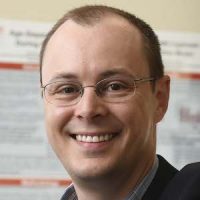
Dr. Pablo Loza-Alvarez leads research in bioimaging and advanced microscopy techniques at ICFO, focusing on interdisciplinary applications in photonics and biology. The group develops cutting-edge methodologies including beam engineering, wavefront control, and novel contrast agents for biomedical samples. Research integrates multiphoton/confocal microscopy, light-sheet fluorescence microscopy, and computational algorithms for image quantification. Current EU-funded projects include PROMPT (neurobiology of treatment response) and Psych-STRATA (early detection of treatment resistance). Recent publications demonstrate strong trends in neuro-immunology, retinal imaging, and nanotechnology interfaces, with significant cross-disciplinary applications in plant pathology and chemometrics. Collaborative networks span Aston University, CRG Barcelona, and multiple European institutions.
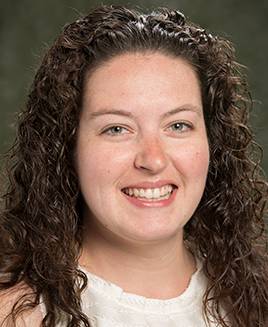
Emily Sylwestrak is an Assistant Professor in the Department of Biology at the University of Oregon , affiliated with the College of Arts and Sciences . Her research focuses on understanding molecular, cellular, and circuit mechanisms underlying motivated behavior, particularly in the habenula's role in reward processing and neuropsychiatric disorders like addiction and depression. The Sylwestrak Lab employs cell-type specific activity monitoring and behavioral analysis to dissect how neuronal populations drive behavior. Education details are not explicitly stated in the provided texts, but her work emphasizes advanced techniques like intact-tissue sequencing and hydrogel-based RNA detection. Her lab integrates molecular, genetic, and behavioral approaches to study neural circuits' functional specialization. Research highlights include studies on habenular neurons' reward computations, endocannabinoid signaling in sensory cortex plasticity, and synaptic refinement mechanisms. Her methods bridge molecular biology with systems neuroscience, focusing on circuit-level analysis. Lab philosophy emphasizes interdisciplinary collaboration and translational insights into neuropsychiatric disorders. The lab is affiliated with the University of Oregon's broader neuroscience community, contributing to interdisciplinary research initiatives.
Matthew Fisher is an Associate Professor in the Department of Biomedical Engineering at North Carolina State University (NC State) and an Adjunct Associate Professor in the Department of Orthopaedics at NC State. He is also the Director of Graduate Studies in Biomedical Engineering. Fisher joined NC State in 2014 as part of the Translational Regenerative Medicine cluster hire initiative. His research focuses on applying engineering principles to understand and improve regenerative therapies for musculoskeletal soft tissues, including ligaments, tendons, and menisci. Key areas include bioscaffold design, advanced manufacturing (e.g., 3D printing), and in vivo biomechanical studies using porcine models. Education: Ph.D., Bioengineering, University of Pittsburgh (2010) B.S., Biomedical Engineering, Columbia University (2005) Research Interests: The lab investigates tissue growth mechanics, bioscaffold fabrication, and translational strategies for soft tissue repair. Current projects involve 3D-printed fibrous scaffolds for tendon/ligament regeneration, robotics-based joint biomechanics analysis, and the role of growth factors in tissue healing. Fisher emphasizes bridging nanoscale material design with macroscale functional outcomes. Awards: Rising Star Award (BMES, 2020) NIH Postdoctoral Fellowship (2013) North Carolina State University Seed Award (2015) Teaching: BME 362: Biomaterials Characterization BME 590: Functional Tissue Engineering BME 484/584: Tissue Engineering Fundamentals Labs/Teams: Fisher leads the Regenerative Orthopaedics Lab, collaborating with NC State's Department of Mechanical Engineering and UNC-Chapel Hill. The lab integrates robotics, imaging, and biomaterials to develop preclinical models for translational research.
Professor Martin Griffin is a renowned biochemist and molecular biologist at Aston University's School of Biosciences, part of the College of Health and Life Sciences. He has dedicated over three decades to studying transglutaminases, enzymes critical for protein crosslinking in tissues like skin and blood clots. His research focuses on tissue transglutaminase (TG2), exploring its roles in cell death, fibrosis, tumor progression, and cystic fibrosis. He leads the Biosciences Research Group (BRG) and the Aston Research Centre for Health in Ageing, driving innovations in biomaterials for tissue repair. Griffin holds professional roles including President of the European Association for Higher Education in Biotechnology (2004) and Fellow of the Institute of Biology (2005). Qualifications: BSc (1st class honours) in Applied Biology from the University of Salford (1970), PhD in Microbial Biochemistry from Aberystwyth University (1974). Research Interests: Transglutaminase biochemistry, extracellular matrix dynamics, fibrosis mechanisms, biomaterial engineering, and enzyme-based therapies. His work bridges fundamental science and translational medicine, addressing clinical challenges like wound healing and organ regeneration. Recent projects include developing TG2 inhibitors for pulmonary fibrosis and using transglutaminases to engineer biocompatible materials. Article Trends: Over 119 publications highlight his focus on TG2 inhibition's antifibrotic effects, zebrafish transglutaminase models, and mesothelioma cell signaling. Collaborations span oncology, immunology, and biomaterials engineering. Awards: Fellow of the Institute of Biology (2005), European Biotechnology Leadership Role (2004). Professional Activities: Peer review for EPSRC, REF 2014 panel member, and conference participation (e.g., EMBO Cellular Signaling 2012). Labs/Teams: Leads interdisciplinary teams at Aston, integrating bioengineering and cellular biology to advance healthcare solutions.
Ashutosh Khandha is an Assistant Professor in the Department of Biomedical Engineering at the University of Delaware. He holds a Ph.D. in Biomedical Engineering from the University of Delaware (2016), an MS in Bioengineering from the University of Toledo (2004), and a BS in Biomedical Engineering from the University of Mumbai (2000). His research focuses on translational engineering education and biomechanical studies, particularly in knee mechanics, ACL reconstruction outcomes, and osteoarthritis development post-injury. Key research interests include analyzing gait mechanics post-ACL surgery, muscle co-contraction dynamics, and the biomechanical implications of surgical interventions like PEEK spacers in spinal fusion. He has contributed to understanding how early postoperative loading asymmetries correlate with long-term cartilage health and osteoarthritis progression. His publications highlight advancements in ACL rehabilitation protocols, gender differences in recovery, and the role of meniscal treatments. While no formal awards are listed, his work bridges clinical practice and biomechanical engineering, emphasizing practical training in education. Dr. Khandha’s research also explores innovative educational approaches, such as integrating bio-inspired design and STEAM methodologies into computer-aided design courses, to enhance student learning outcomes.
Dr. Tracy Hookway is an Associate Professor in the Department of Biomedical Engineering at Binghamton University's Thomas J. Watson College of Engineering and Applied Science. Her research specializes in developing predictive in vitro models of human cardiovascular tissues using multi-scale 3D cultures of stem cells. Key research areas include tissue development, homeostasis, pathophysiological states, and bi-directional cell-environment interactions. Research interests focus on: Stem cell-driven tissue morphogenesis Cardiovascular tissue engineering Age-specific tissue changes Bioprocessing optimization Cell-extracellular matrix dynamics Publication analysis reveals consistent focus on cardiac tissue engineering (73% of recent articles), stem cell differentiation (60%), and advanced imaging/bioprinting techniques (47%). Awards include the American Heart Association Postdoctoral Fellowship and multiple innovation awards from Worcester Polytechnic Institute.
Dr. Linna Zhou is a Researcher in the Department of Chemistry at the University of Oxford, affiliated with the Ludwig Institute for Cancer Research and Professor Hagan Bayley's group. She received the CRUK Oxford Centre Development Fund for her work on nervous system involvement in gastrointestinal cancer progression. Her research integrates bioengineering, neuroscience, and oncology to develop engineered tissue models. She investigates neural-immune-tumor interactions using advanced 3D bioprinting techniques and microfabrication technologies. Publications spanning 2006-2025 demonstrate her interdisciplinary approach, with recent emphasis on 3D-printed tissue models for cancer research, neural-tissue interfaces, and metabolic regulation in disease. Her work consistently bridges engineering precision with biological complexity.
Shadab Abadpour is a Postdoctoral Research Fellow at the University of Oslo, affiliated with the Institute for Molecular Biosciences (IMB) and the Hybrid Technology Hub . He is part of The Scholz Group , focusing on advancing bioengineering and regenerative medicine approaches for pancreatic islet research and diabetes treatment. His work integrates stem cell biology, organ-on-a-chip technologies, and proteomics to study islet function, transplantation outcomes, and metabolic interactions. Research interests include stem cell differentiation , bioengineered transplantation platforms , and metabolic crosstalk modeling . He collaborates extensively with teams in molecular biology, analytical chemistry, and clinical research, contributing to projects like improving islet preservation in 3D bioprinted scaffolds and developing organ-on-a-chip systems for disease modeling. Abadpour has published widely in journals such as Frontiers in Bioengineering and Biotechnology , Advanced Healthcare Materials , and Diabetologia . His recent studies explore age-dependent islet dynamics, glucose regulation in stem cell differentiation, and proteomic markers of islet homeostasis. He also investigates the role of prostaglandin signaling and adipose-derived stromal cells in enhancing islet survival post-transplantation. Key contributions include the development of a pump-less organ-on-chip platform to model islet-liver interactions and the use of LC-MS techniques for analyzing insulin secretion from stem cell-derived islet organoids. His work bridges fundamental research and translational applications in diabetes therapy.
David Rocke is a Professor at the University of California, Davis , affiliated with the Department of Public Health Sciences . His research focuses on proteomics , metabolomics , gene expression analysis , and statistical bioinformatics , with applications in molecular biology and radiation biology . Email: dmrocke@ucdavis.edu Research Interests: His work addresses statistical methods for analyzing high-throughput biological data, particularly in proteomics and metabolomics, with applications to disease mechanisms (e.g., diabetic foot ulcers, FOP), forensic identification, and radiation response. Recent studies emphasize comparative efficacy of regenerative therapies and environmental toxicology. Notable Contributions: Developed computational models for proteomic data in human identification and disease diagnostics Investigated radiation biology applications in wound healing and stress response
Geraldine Zimmer-Bensch is a Professor at RWTH Aachen University's Faculty of Mathematics, Computer Science, and Natural Sciences. Her research focuses on neuroepigenetics, particularly DNA methylation, histone modifications, and long non-coding RNAs in cortical development, neuronal function, aging, and neurodegenerative diseases. She leads a dynamic laboratory team and contributes to academic leadership as Prodekanin (Vice Dean) of her faculty. Primary affiliation: RWTH Aachen University, Germany Role: Academic leadership (Prodekanin) and research leadership Research themes: Epigenetic mechanisms in brain development and disease Her epigenetic research spans: Mechanistic studies of DNMT1 in cortical interneuron migration and survival Role of lncRNAs in glioma pathogenesis and brain evolution Epigenetic responses to trauma in psychiatric disorders Post-translational protein modifications in neurodegeneration 3D cell migration analysis using microfluidic systems Computational approaches to protein interaction hotspots Recent publications highlight her work on DNA methylation dynamics, ephrin signaling, and epigenetic contributions to neurodevelopmental and degenerative conditions. Her team develops advanced stem cell-derived models for studying retinal function and glioblastoma behavior.
Janet Oldak is a Professor at the University of Southern California (USC) and a leading expert in dental biomineralization. Her research focuses on protein-mediated enamel mineralization, particularly the roles of amelogenin and ameloblastin in enamel and dentin formation. Recent work highlights her development of amelogenin peptide-chitosan hydrogels for biomimetic enamel and dentin repair. These materials demonstrate triple functionality in clinical applications, including treating white spot lesions and non-carious cervical lesions. Her studies on ameloblastin’s multitargeting domain and its interactions with amelogenin and cell membranes provide critical insights into enamel development. Her publications emphasize the cooperative effects of enamel matrix proteins, hydrogel-based remineralization strategies, and the use of 3D cell culture models to study ameloblast polarization and matrix assembly. Despite her prolific contributions, no specific scientific awards are mentioned in the provided text.
Dr. Chris Elcombe is an Assistant Professor at Heriot-Watt University, affiliated with the School of Engineering & Physical Sciences and the Institute of Biological Chemistry, Biophysics and Bioengineering. He has been accepting PhD students since 2021 and focuses on environmental chemical mixtures' impacts on animal development, particularly in sheep. His research addresses UN Sustainable Development Goals related to environmental sustainability and health. Research Interests: Chemical mixture toxicity in mammals Developmental endocrinology Gene expression regulation in reproductive systems Offspring growth dynamics Recent Work Trends: Elcombe's publications (2021-2025) emphasize in vivo studies of environmental chemical mixtures' effects on sheep physiology, including disruptions to energy metabolism, gene expression, and reproductive systems. His work bridges environmental toxicology with developmental biology, often using sheep as a model organism. Awards: No scientific awards explicitly mentioned. Advising & Grants: No grants listed, but actively supervises PhD students. Collaborates internationally on environmental health projects. Labs/Teams: Affiliated with the Institute of Biological Chemistry, Biophysics and Bioengineering, focusing on interdisciplinary environmental health research.
Stephen Ward is a Professor in the Department of Life Sciences at the University of Bath, leading research on inflammatory mechanisms and immune system signaling. He holds roles in the Centre for Therapeutic Innovation and Centre for Bioengineering & Biomedical Technologies (CBio). His work focuses on phosphoinositide 3-kinase (PI3K) signaling pathways in immune cells, with translational applications in autoimmune diseases and fibrosis. Ward has authored over 98 publications and secured funding from major bodies like the MRC and Biotechnology and Biological Sciences Research Council. Education: Doctor of Science (DSc) in Signal transduction mechanisms in leukocyte activation, University of Bath (2022) PhD in Pharmacology, University of London (1988) BSc in Pharmacology, King's College London (1985) Research interests include: PI3K-driven inflammation, therapeutic target discovery for rheumatoid arthritis, sepsis, and fibrosis; spatio-temporal lipid signaling in T-cells; and immune checkpoint regulators in cancer. Ward's lab collaborates with clinicians at the Royal United Hospital, Bath, to bridge basic science and clinical practice. Notable achievements: Editor roles in Frontiers in Pharmacology and Cancers ; recipient of the 2024 Honorary Fellowship from the British Pharmacology Society. He supervises doctoral students and leads projects on advanced imaging technologies and drug development.
Justin W. Adams, PhD is a Senior Lecturer in the Centre for Human Anatomy Education within the Department of Anatomy and Developmental Biology at Monash University . He has been actively involved in fieldwork and faunal analysis in the Cradle of Humankind UNESCO World Heritage Site since 2003, focusing on Pliocene and early Pleistocene South African mammalian faunas and palaeocave taphonomy. His research integrates comparative methods and advanced 3D imaging to study living and fossil mammal anatomy, with an increasing emphasis on Australian marsupial adaptation and evolution. He collaborates with institutions like the University of Johannesburg as a Research Associate and contributes to UN Sustainable Development Goals through his work. Research trends from his recent articles highlight interdisciplinary approaches spanning Biomedical Engineering (medical device prototyping), Paleontology (saber-tooth evolution, marsupial fossils), and Imaging Studies (3D scanning, synchrotron microscopy). Key subfields include Biomechanical modeling Dental life history analysis Marsupial adaptation Paleoecology Comparative anatomy Medical education technology Scientific awards include ePoster Prize Winner (2015) Monash BDI Awards for Outstanding Achievement (2019) Poster Presentation Award (Sept 2017) He supervises PhD students and leads the Integrated Morphology and Palaeontology Lab , which specializes in 3D imaging and comparative analysis of fossil and extant mammals. His work has garnered significant media attention, including coverage in 49 news outlets in 2019.
Dr. Alex Combes is a Senior Lecturer in the Department of Anatomy and Developmental Biology at Monash University's Biomedicine Discovery Institute. He leads the Combes Laboratory, which focuses on kidney development and disease, and is actively accepting PhD students for research projects in bioinformatics, bioengineering, developmental biology, single cell genomics, advanced imaging, and stem cell differentiation. Dr. Combes' educational background includes: PhD in Molecular Genetics and Development from the University of Queensland BSc (Hons) in Biochemistry from the University of Queensland Dr. Combes' research focuses on understanding kidney development and disease through innovative approaches. His laboratory employs single cell sequencing, 3D imaging, and molecular genetics to investigate tissue formation during development and how disruptions in developmental programs can cause or contribute to disease. Key research areas include kidney organoid development, progenitor cell maintenance and differentiation, and the impact of cell migration on cell fate decisions. This work has significant implications for diagnostics, disease modeling, drug screening, and regenerative medicine applications. Analysis of Dr. Combes' publication history reveals a strong focus on kidney development and disease mechanisms. His research increasingly incorporates single-cell genomic approaches to understand cellular heterogeneity and signaling pathways during organogenesis. There's a clear trajectory toward translational applications, particularly in using stem cell-derived kidney organoids for disease modeling and regenerative medicine. Scientific recognition includes: ARC DECRA fellowship (2015) Dr. Combes serves as Primary Chief Investigator for multiple active research projects, including 'Scalable lentiviral screening of variants associated with kidney disease' and 'Imaging mammalian organogenesis with adaptive optics.' He also contributes as an Associate Investigator on collaborative projects related to nephron development and cardiovascular disease. His laboratory provides mentorship for postgraduate research students working on projects spanning bioinformatics, bioengineering, developmental biology, single cell genomics, advanced imaging, and stem cell differentiation. The Combes Laboratory is part of the Department of Anatomy and Developmental Biology at Monash University, collaborating extensively with researchers at Murdoch Children's Research Institute and other international institutions. The lab maintains strong connections with the broader kidney research community and participates in multi-institutional projects addressing congenital kidney diseases and regenerative medicine approaches.