Mayank R. Mehta is a Professor at the University of California, Los Angeles (UCLA), holding joint appointments in the Departments of Physics & Astronomy, Neurology, and Neurobiology. He is a member of the Brain Research Institute and the W. M. Keck Center for Neurophysics at UCLA. His research bridges experimental and theoretical neuroscience, focusing on how neuronal networks encode space-time, the role of brain rhythms in learning and memory, and the impact of sleep and virtual reality on neural dynamics. His recent publications highlight breakthroughs in understanding hippocampal spatiotemporal selectivity, dendritic activity during behavior, and the causal influence of visual cues on memory neurons. Notable findings include the discovery that dendrites generate ten times more spikes than neuronal cell bodies and the modulation of hippocampal theta rhythms in virtual reality. Research Themes: Neurophysics of spatial-temporal coding Dendritic contributions to learning Virtual reality and brain plasticity Neural oscillations in memory consolidation Key Collaborators: Bert Sakmann (Max Planck Florida Institute) Thomas Hahn (Bernstein Center Heidelberg/Mannheim) Maryam Ghorbani (UCLA) Mehta's lab at UCLA trains graduate and postdoctoral researchers in cutting-edge techniques combining hardware development, electrophysiological recordings, and biophysical modeling. His work has significant implications for treating learning and memory disorders like Alzheimer's disease.
Prof. Waldemar Kolanus leads the Molecular Immunology and Cell Biology department at the University of Bonn's Life & Medical Sciences Institute (LIMES) . His research bridges immunoregulation , stem cell dynamics , and metabolic stress responses in immune cells. Unit 2 member at LIMES Principal investigator in SFB 704 and ImmunoSensation Cluster Leads a multidisciplinary lab with postdocs, PhD students, and technical staff His work focuses on intracellular signaling pathways connecting immune activation to tissue homeostasis, particularly through: Cytohesin proteins in integrin-mediated adhesion and migration TRIM71 in stem cell regulation and congenital hydrocephalus High-salt environments affecting macrophage function Publication trends show expertise in immune cell migration , genetic models , and chemical inhibition , with frequent use of mice and zebrafish for in vivo studies. Key articles explore: TRIM71's dual role in auditory development and germ cell maintenance Cytohesin family's Golgi regulation and insulin signaling Ruxolitinib's off-target migration inhibition of dendritic cells Contact details: Address: LIMES Institute, Carl-Troll-Straße 31, Bonn Email: kolanus.sekretariat@uni-bonn.de Phone: +49 228 73-62788
Santiago F. González is a Group Leader at the Institute for Research in Biomedicine (IRB) in Bellinzona, Switzerland, and an extraordinary professor at the University of Italian Switzerland (USI). He earned dual PhDs in microbiology (University of Santiago de Compostela, Spain) and immunology (University of Copenhagen, Denmark), followed by postdoctoral work (2007–2011) at Harvard Medical School's Immune Disease Institute under Michael Carroll. PhD in Microbiology, University of Santiago de Compostela PhD in Immunology, University of Copenhagen His research focuses on immune system dynamics during respiratory viral infections, vaccination, and cancer metastasis. Key areas include influenza recognition , lymph node inflammation , and immune cell behavior in vivo. He pioneered studies on C-type lectin receptors (e.g., SIGN-R1) in viral immunity and epigenetic modulators for inflammation. Recent publications highlight his work in epigenetic drug development , nanovaccines , and computational tools for immune cell tracking. His group uses two-photon intravital microscopy and spatial-temporal modeling to dissect immune responses. Scientific awards include three EU Marie Curie Fellowships (2004–2013), enabling his transition to independent research. His collaborations span Harvard, USI, and European institutions, with grants from the EU and Swiss research bodies. His lab at IRB, established via the 2013 Marie Curie Career Integration Grant , develops novel imaging approaches and therapeutic strategies for infectious and immune-mediated diseases.
Anna Salvati is an Associate Professor specializing in nanomedicine and drug delivery systems. Her research focuses on nanoparticle-cell interactions, biomolecular corona formation, and the physicochemical properties governing nanomaterial behavior in biological environments. Key research themes include cellular uptake mechanisms, toxicity of nanomaterials, and nanoparticle targeting strategies. Recent publications highlight her work on nanoparticle stability, membrane interactions, and environmental impacts of microplastics. Her studies integrate multiomics approaches, advanced imaging, and interlaboratory validation to address challenges in nanomedicine design and safety testing. Current projects explore the role of high-density lipoproteins in nanoparticle functionality and the modulation of drug release kinetics through material engineering.
Igor Jurisica is a Professor at the University of Toronto and a Senior Scientist at the Krembil Research Institute’s Data Science Discovery Centre for Chronic Diseases. He also serves as Visiting Scientist at IBM CAS, Scientific Director of the World Community Grid, and Chief Scientist at the Creative Destruction Lab (Rotman School of Management). His research focuses on integrative computational biology, data mining, and AI-driven models for cancer mechanisms, drug discovery, and chronic disease management. Key affiliations include the Osteoarthritis Research Program, Schroeder Arthritis Institute, and leadership roles in open science initiatives like the World Community Grid, a global distributed computing platform with 810,000+ volunteers. Jurisica’s work bridges computational tools (e.g., NAViGaTOR visualization platform, MirDIP databases) and clinical applications, emphasizing explainable AI in healthcare. Research interests span proteomics, microRNA regulation, systems vaccinology, and multi-omics integration for disease stratification. Notable contributions include identifying prognostic signatures in cancer and osteoarthritis, machine learning models for drug repurposing, and sportomics analyses of athletic biomarkers. He has been recognized as a Thomson Reuters Highly Cited Researcher (2014-2016) and ranked among the Top 100 AI Leaders in Oncology (2023). His labs develop open-access tools like PathDIP, OsteoDIP, and miRAnno to advance translational research.
J. Christopher Love is the Raymond A. (1921) and Helen E. St. Laurent Professor of Chemical Engineering at MIT, with affiliations to the Koch Institute for Integrative Cancer Research, Broad Institute, and Ragon Institute. He earned a BS in Chemistry from the University of Virginia and a PhD in Physical Chemistry from Harvard University under George Whitesides, followed by postdoctoral work under Hidde Ploegh at Harvard Medical School. His research focuses on single-cell analysis, precision medicine, and biomanufacturing. The Love Lab develops technologies for drug discovery, vaccine development, and equitable biologic medicine production. Notable successes include pioneering single-cell analysis platforms, advancing metastatic cancer diagnostics via liquid biopsies, and engineering yeast-based vaccine manufacturing. Recent articles highlight innovations in liquid biopsy sensitivity, AI-driven ECG diagnostics, and CAR T-cell therapies. Awards include the Keck Young Scholar (2009), Dana Scholar (2009), and Camille Dreyfus Teacher-Scholar. He co-founded OneCyte, HoneyComb, and Sunflower Therapeutics, and advises multiple biotech companies. His lab emphasizes translational research, integrating chemical and biological engineering principles to address global healthcare challenges. Current work explores manufacturability-by-design for vaccines, tumor immunology, and mucosal vaccine delivery systems.
Dr. Maja Matis is a Group Leader at the University of Muenster's Center for Molecular Biology of Inflammation (ZMBE) within the Institute of Cell Biology. Her research focuses on understanding the mechanical role of microtubules in tissue morphogenesis, particularly how microtubule-generated forces contribute to tissue remodeling through coordinated cellular behaviors. She leads the Matis Lab, which employs advanced microscopy techniques and genetic approaches to study cytoskeletal mechanics in developmental contexts. Key research areas include the structural regulation of microtubules, mechanics-driven cell shape changes, and integration of forces at adherens junctions. Her interdisciplinary projects combine biophysics, developmental biology, and quantitative imaging to unravel mechanisms underlying collective cell behavior during tissue formation. Notable contributions include studies on microtubule compression dynamics in epithelial tissues and the role of PCP signaling in patterning microtubule networks. She collaborates with institutions like the Cells in Motion Cluster of Excellence and has mentored multiple PhD/MD students. Her work is published in high-impact journals such as Nat. Commun. and Nat. Cell Biol.
Baoyu Chen is an Associate Professor in the Department of Internal Medicine at UT Southwestern Medical Center and a member of its Division of Digestive and Liver Diseases. He holds a bachelor's degree in chemical engineering from Hunan University (China), a master's in biochemistry and molecular biology from Tsinghua University (China), and a doctorate in chemical biology from Pennsylvania State University (USA). His research integrates biochemical, biophysical, computational, and structural approaches to investigate molecular mechanisms linking membrane signaling to cytoskeletal dynamics. Education: BSc in Chemical Engineering, Hunan University, China MS in Biochemistry & Molecular Biology, Tsinghua University, China PhD in Chemical Biology, Pennsylvania State University, USA Research Interests: Dr. Chen’s work focuses on protein assemblies regulating actin polymerization and endosomal trafficking (WAVE, WASH, CCC-Retriever, Retromer complexes) and their roles in cellular processes like migration, adhesion, immune activation, and neural development. His lab employs cryo-electron microscopy and collaborations with clinicians to uncover disease mechanisms. Recent Research Trends: His publications emphasize structural insights into WAVE complex activation, endosomal trafficking regulation, and pathogen hijacking of cytoskeletal systems. These studies span cell biology, structural biology, and synthetic biology applications. Scientific Awards: His work is supported by prestigious grants including the NIH MIRA NSF CAREER Award Professional Affiliations: Active member of American Heart Association American Society for Cell Biology Society for Neuroscience Laboratory: The Stone Chen Lab at UT Southwestern investigates membrane-to-cytoskeleton signaling and its implications in human disease. The lab collaborates with biologists and clinicians and welcomes opportunities for collaboration.
Steve Luck is a Distinguished Professor at the University of California, Davis, holding appointments in the Department of Psychology and the Center for Mind and Brain (CMB). He served as CMB Director from 2009–2019 and is affiliated with the UC Davis MIND Institute and the Center for Neuroscience. His research focuses on attention, working memory, and cognitive dysfunction in psychiatric disorders (e.g., schizophrenia), employing ERP recordings, eye tracking, and behavioral methods. He is a leading developer of ERP methodologies, including the ERPLAB Toolbox and global ERP Boot Camp workshops. Education: Ph.D., Neurosciences, UC San Diego, 1993 M.S., Neurosciences, UC San Diego, 1989 B.A., Psychology, Reed College, 1986 Research Interests: Dr. Luck explores mechanisms of cognitive control, with a focus on working memory's role in guiding attention. His lab investigates ERP correlates of attentional deficits in schizophrenia and develops standardized ERP protocols. Recent work emphasizes multivariate decoding of EEG signals and transdiagnostic neurocognitive biomarkers. Awards: Troland Award (2001) APA Distinguished Scientific Award (1998) McGuigan Young Investigator Prize (2004) Elected Fellow, Society of Experimental Psychologists and AAAS Teaching & Leadership: Professor Luck pioneered hybrid course formats in Cognitive Science and teaches advanced topics in perception and cognitive neuroscience. He co-founded the UC Davis Cognitive Science major and advocates for innovative undergraduate education models. Labs & Collaborations: The Luck Lab integrates clinical and basic research, collaborating globally on ERP method development and schizophrenia biomarker studies. Key projects include ERP Core resources and the CNTRACS consortium for neurocognitive reliability studies.
Karl Farrow is a Senior Lecturer at the Faculty of Sciences , KU Leuven , affiliated with the Department of Biology and the Animal Physiology and Neurobiology unit. He is also a member of the VIB-KU Leuven Center for Neuro Electronics Research Flanders (NERF) and the KU Leuven Brain Institute . Dr. Farrow's research focuses on neurobiology and visual processing , particularly the role of retinal ganglion cells and neural circuits in the superior colliculus . His work explores direction selectivity, motion perception, and adaptive mechanisms in visual systems under varying ambient conditions. His recent projects include dissecting the neural basis of threat responses in the superior colliculus, studying evolutionary influences on innate behavior circuits, and developing tools like a single-objective light sheet microscope for 3D tissue analysis. Collaborative efforts involve synaptic transmission studies in amyloid-beta precursor protein interactions.
Silvia Arber holds a joint appointment as Full Professor for Neurobiology/Cell Biology at the Biozentrum, University of Basel, and serves as Senior Group Leader at the Friedrich Miescher Institute (FMI) in Basel, Switzerland. Her laboratory investigates the organization, function, and development of neuronal circuits controlling motor behavior, with a particular focus on how these circuits enable precise movement control. Arber obtained her PhD in 1996 from the Friedrich Miescher Institute under Pico Caroni, followed by postdoctoral training with Thomas Jessell at Columbia University (1996-2000), where she studied transcription factors in spinal cord neuronal differentiation. Her educational background includes Biology II studies at the Biozentrum of the University of Basel with graduation in Cell Biology (1987), a diploma thesis at the FMI (1990), and graduate work at the FMI (1992). Her research program centers on elucidating how neuronal circuits orchestrate accurate motor behavior in response to sensory cues and voluntary movement initiation. Using mouse as a model system, her laboratory employs multi-faceted approaches including advanced mouse genetics, viral technologies for transsynaptic circuit tracing, optogenetics and pharmacogenetics for functional manipulation, quantitative behavioral analysis, electrophysiology, and gene expression profiling. Her work has revealed precise synaptic interactions within dedicated motor circuit modules throughout the nervous system and how these impact function, with implications for understanding diseases causing motor deficits and spinal cord injury. Analysis of Arber's publication record shows a consistent focus on motor circuit organization, with particular emphasis on transcriptional control mechanisms, circuit connectivity mapping, and the relationship between developmental processes and functional circuit organization. Her work bridges molecular, cellular, and systems neuroscience, providing fundamental insights into how the nervous system controls movement. The Brain Prize (2022) Elected to the National Academy of Sciences of the United States (2020) Physiological Society Annual Review Prize Lecture (2019) Pradel Research Award (2018) W. Alden Spencer Award (2018) Louis-Jeantet Prize for Medicine (2017) ERC Advanced Grant (2010-2015) EMBO Member (2005) EMBO Young Investigator Award (2001) While specific students are not listed in the provided materials, Arber's laboratory has received significant research funding including an ERC Advanced Grant (2010-2015) and multiple prestigious awards supporting her research program. Her laboratory at the Biozentrum (Room 11.038) collaborates closely with the Friedrich Miescher Institute, where she serves as Senior Group Leader. The research group employs cutting-edge technologies for neural circuit analysis and has contributed fundamental insights into motor circuit organization, with implications for understanding and potentially treating movement disorders and spinal cord injuries.
Magnus Richardson is a Professor at the University of Warwick, affiliated with the Mathematics for Real-World Systems Centre for Doctoral Training (CDT), where he previously served as Director (2016–2020) and currently acts as Deputy Director. His research focuses on theoretical neuroscience, mathematical modeling of neural systems, and neurodegenerative diseases. He has led significant grants, including the UKRI-funded £5M renewal for the CDT, extending its operations until 2028. Richardson has supervised numerous doctoral students, including Alice Wang, Ivana Del Popolo, and alumni such as Dr. Emily Hill and Dr. Robert Gowers. His work bridges computational neuroscience and experimental biology, investigating topics like synaptic plasticity, adenosine signaling, and the impact of protein aggregates (e.g., tau, α-synuclein) on neuronal function. Richardson’s teaching includes modules on mathematical biology and machine learning. His GitHub repositories reflect his computational contributions, including neural modeling frameworks for integrate-and-fire neurons. Key research themes include understanding how synaptic inputs and neuromodulators influence neuronal dynamics, and developing mathematical tools to analyze neural systems under pathological conditions. Richardson’s grants and collaborations highlight his role in advancing interdisciplinary research at the intersection of mathematics, neuroscience, and computational biology.
Michael Dustin is the Kennedy Trust Professor of Molecular Immunology and Director of Research at the Kennedy Institute of Rheumatology , University of Oxford. His career spans leadership roles at Washington University School of Medicine (1993–2000) and Skirball Institute of Biomolecular Medicine at NYU School of Medicine (2001–2013). Education : B.A. in Biology, Boston University (1984) Ph.D. in Cell and Developmental Biology, Harvard University (1990) Prof. Dustin's research focuses on the immunological synapse , a specialized interface between T cells and antigen-presenting cells. His work has revealed supramolecular attack particles as autonomous killing entities, synaptic ectosomes for TCR cargo transfer, and mechanistic insights into T cell signaling pathways. His recent publications highlight advancements in vaccine adjuvant response , T cell receptor dynamics , and glycosphingolipid synthesis in immune cells. Collaborations span neuroscience, cancer immunology, and rheumatology. Scientific Awards : Wellcome Trust Principal Research Fellowship European Research Council Advanced Grant (SYNECT) As Director of the NIH-funded Nanomedicine Center for Mechanobiology (2009–2014), he pioneered mechanobiology applications in immunology. Current projects integrate intravital microscopy and clinical translation for human diseases. His laboratory at Oxford investigates T cell regulation in autoimmune and inflammatory diseases, supported by an international network of collaborators including Wenbiao Gan, Dan Littman, and Dorian McGavern.
Doron Betel serves as an Assistant Professor at Weill Cornell Medicine's Graduate School of Medical Sciences, with affiliations in both the Physiology, Biophysics & Systems Biology and Computational Biology programs. He directs the Applied Bioinformatics Core (ABC), a central service group providing specialized computational and analytical support for biomedical research across multiple institutions. Dr. Betel's research focuses on developing computational genomic tools for studying human diseases and cellular development, with emphasis on integrative analyses of genomic and epigenomic data from high-throughput assays. His work addresses specific questions related to disease progression, treatment response, stem cell differentiation, and neurological processes through two closely interacting research groups: the Applied Bioinformatics Core and his independent research lab. The analysis of his recent publications reveals a strong emphasis on single-cell and spatial genomics, cross-species data integration, and machine learning applications in cancer immunology and neurodegenerative disease modeling. His research spans multiple high-impact areas including cancer immunotherapy, stem cell biology, diabetes research, and cardiovascular regeneration, with numerous publications in top journals like Nature, Cell, and Nature Immunology. Through the Applied Bioinformatics Core, Dr. Betel provides extensive analytical support across various genomic platforms including single-cell RNA-seq, spatial transcriptomics, ChIP-seq, ATAC-seq, and variant calling. The Core serves as a vital resource for researchers at Weill Cornell Medicine and the broader Tri-Institutional network, offering specialized analysis, computational pipelines, and training services. Dr. Betel maintains extensive collaborations with leading researchers including Lorenz Studer at MSKCC for stem cell and neurodegenerative disease research, Tuomas Tammela for cancer genomics, and multiple immunology researchers studying T cell function in autoimmunity and cancer. His work bridges computational methodology development with direct biomedical applications across multiple disease areas.
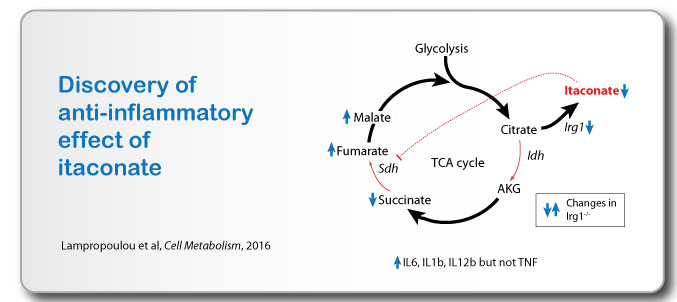
Maxim Artyomov is an Alumni Endowed Professor and Professor of Pathology and Immunology at Washington University School of Medicine , with affiliations to the Institute of Clinical and Translational Sciences (ICTS), Bursky Center for Human Immunology & Immunotherapy Programs (CHiiPs), and Siteman Cancer Center. His research spans Systems Immunology , Immunometabolism , and Cancer Immunology , focusing on integrating epigenetic, transcriptional, and metabolic regulation in immune cells. 2018 promoted to Associate Professor with Tenure 2017 awarded LEAP Inventor Challenge 2018 Unanue Prize for Innovative Research in Immunology Key research contributions include: Discovery of itaconate's anti-inflammatory role (2016) Metabolic reprogramming in macrophage polarization (2015) TREM2's function in microglial metabolic fitness (2017) Development of CORESH gene signature search engine (2025) His high-throughput omics pipelines enable cross-disciplinary analysis of immune responses in tuberculosis, Alzheimer's, and cancer. Notable collaborations include work with Schreiber's lab on immune checkpoint therapy (2018) and ITMO University on systems biology workshops (2017-2018). Awards and grants include the Unanue Prize (2018), LEAP Inventor Challenge (2017), and R01 grant from NIAID (2017). He mentors PhD/MSTP students and co-organizes international systems biology workshops.