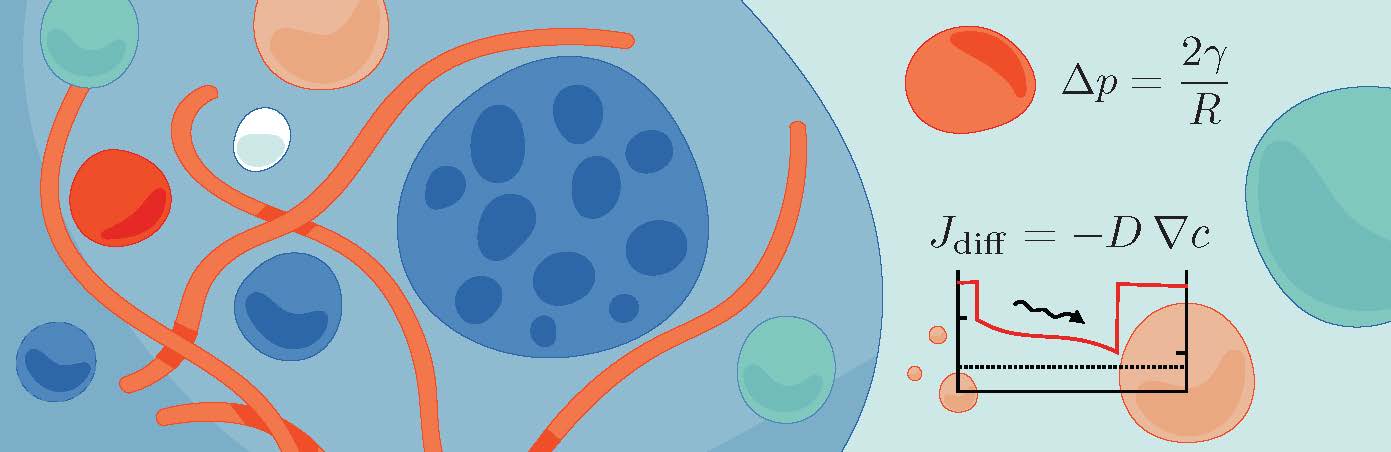
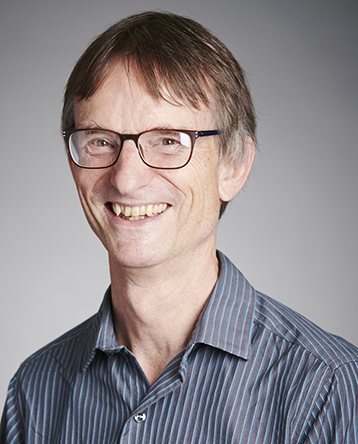
Thomas Michaels is an Assistant Professor at the Department of Biology, ETH Zürich, leading the Michaels Group . His research focuses on theoretical models of biomolecular condensates and protein aggregation in biological systems. Research Themes : Protein aggregation, liquid-liquid phase separation, membrane biophysics, and the role of condensates in neurodegenerative diseases like Alzheimer’s and Parkinson’s. Collaborative Approach : Integrates theoretical physics, control theory, and computational biology with experimental validation to design therapeutic strategies. Recent Publications highlight his work on amyloid formation mechanisms, lipid interactions, and phase-separated compartments as biochemical reactors. His group trains PhD students in systems biology and biocondensate physics.
Dr. Can Bayram is an Associate Professor in the Department of Electrical and Computer Engineering at the University of Illinois at Urbana-Champaign. He serves as a resident faculty member at the Nick Holonyak, Jr. Micro and Nanotechnology Laboratory and leads the Innovative Compound Semiconductor Laboratory (ICORLAB). His research focuses on semiconductor technologies, particularly cubic GaN and diamond-based devices for next-generation electronics and photonics. Current research includes cubic GaN quantum wells for green LEDs Diamond semiconductor devices for high-power applications Photonic technologies and nanoscale device fabrication Investigation of efficiency cliff phenomena in micro-LEDs Recent Article Trends : His work spans photonic devices, power electronics, and nanoscale systems, with particular emphasis on diamond photoconductive switches and cubic GaN efficiency improvements. Notable contributions include record-breaking diamond diodes and efficiency droop mitigation in green LEDs. Scientific Awards : IEEE Electron Devices Society Early Career Award NSF CAREER Award AFOSR Young Investigator Award Dean's Award for Early Innovation (2024) SPIE Fellow (2025) Editor's Pick & Front Cover Article, Applied Physics Letters (2024) Dr. Bayram teaches courses in electronics, including ECE 110: Introduction to Electronics, ECE 443: LEDs and Solar Cells, and ECE 500: ECE Colloquium.
Anthony Rollett is a Professor in the Department of Materials Science and Engineering at Carnegie Mellon University , where he has been a faculty member since 1995. He serves as the Principal Investigator and Co-Director of the NASA-supported Institute for Model-Based Qualification & Certification of Additive Manufacturing (IMQCAM) and co-director of the Next Manufacturing Center . Prior to CMU, he held leadership roles at Los Alamos National Laboratory (1991-1995). Education: Ph.D., Materials Engineering, Drexel University (1987) MA, Metallurgy and Materials Science, Cambridge University (1977) Research Interests: Rollett’s work focuses on microstructural evolution and microstructure-property relationships in 3D using experiments and simulations. His expertise spans additive manufacturing , metal 3D printing , materials for energy systems , grain growth , recrystallization , and stereology , with techniques like high-energy diffraction microscopy (HEDM) and dynamic x-ray radiography (DXR) . Scientific Contributions: He has over 320 peer-reviewed publications and an h-index >80 . His recent articles highlight machine learning for laser processing , fatigue analysis of additively manufactured alloys, and design optimization for heat exchangers in supercritical CO2 and solar thermal applications . Scientific Awards: Fellow of ASM International (1996) Fellow of the Institute of Physics (UK) (2004) Fellow of The Minerals, Metals & Materials Society (TMS) (2011) Cyril Stanley Smith Award (TMS, 2014) Member of Honor, French Metallurgical Society (2015) US Steel Professor (2017) Francqui International Professor (2020-2021) International FAME Award (2023) Leadership & Impact: Rollett co-led the development of a NASA Space Technology Research Institute for additive manufacturing and established a new master’s program in additive manufacturing (2018). His research group is funded by industry , federal agencies , and Pennsylvania state grants . He also serves on the Basic Energy Science Advisory Committee and Defense Programs Advisory Committee for the Department of Energy.
Rebecca Schulman is an Associate Professor in the Department of Chemical and Biomolecular Engineering at the Whiting School of Engineering, Johns Hopkins University. She holds secondary appointments in Chemistry and Computer Science and is affiliated with multiple interdisciplinary institutes, including the Institute for NanoBioTechnology, the Hopkins Extreme Materials Institute, the Chemistry-Biology Interface Program, the Center for Cell Dynamics, and the Laboratory for Computational Sensing and Robotics. She currently co-directs the Passport to Future Technology Leadership program for PhD students. Research Interests: Schulman's research lies at the intersection of DNA nanotechnology, synthetic biology, and smart materials. Her group develops intelligent, adaptive biomolecular materials and nanostructures by integrating concepts from materials science, biochemistry, circuit design, and soft matter physics. The team focuses on engineering dynamic self-assembly processes using DNA to create reconfigurable materials, molecular circuits, and autonomous soft micro-robots. Key themes include self-healing nanostructures, feedback-regulated crystallization, programmable hydrogels, and synthetic genetic networks for materials control. Publication Trends: Her recent publications demonstrate a consistent focus on using DNA-based chemical reaction networks to program spatial and temporal behavior in materials. The work spans from fundamental mechanisms like catalytic polymerization and crystal growth regulation to applications in soft robotics, self-wiring circuits, and synthetic pattern formation. The research is highly interdisciplinary, combining synthetic biology with materials engineering to achieve life-like functionalities in non-living systems. Scientific Awards: AIMBE Fellowship Award Vannevar Bush Faculty Fellowship Award Hartwell Individual Biomolecular Research Award President’s Early Career Award in Science and Engineering (PECASE) DARPA Young Faculty Award DARPA Directors Fellowship NSF CAREER Award Turing Scholar Award DOE Early Career Award Advising and Grants: Schulman mentors graduate students and leads a vibrant research group focused on next-generation biomolecular engineering. Her work is supported by major federal grants, including the NSF CAREER, DOE Early Career, DARPA, and the Vannevar Bush Fellowship—a prestigious Department of Defense award for basic research. She is actively involved in training future leaders through programs like the Passport to Future Technology Leadership. Labs and Teams: The Schulman Lab at Johns Hopkins is a multidisciplinary team working on DNA-powered materials and molecular programming. The lab is embedded within several collaborative centers, enabling strong cross-departmental and cross-institutional research. Their work combines experimental biochemistry with theoretical modeling to design and implement complex molecular systems.
Prof. Eleni Chatzi is a Full Professor and Chair of Structural Mechanics at ETH Zurich's Department of Civil, Environmental and Geomatic Engineering. She holds a PhD from Columbia University (2010) and has held roles from Assistant to Full Professor at ETH since 2010. Her research focuses on intelligent structural monitoring and data-driven asset management, emphasizing nonlinear dynamics and sensor integration. Affiliations : Institute of Structural Engineering, European Academy of Wind Energy (EAWE President), Swiss Community for Computational Methods (SWICCOMAS Chair) Research interests include Structural Health Monitoring (SHM), system identification, and advanced simulation tools. She pioneered work on data-driven diagnostics and self-aware infrastructure, supported by grants like the ERC Starting Grant (2015). Awards include the 2020 Walter L. Huber Prize and 2024 SHM Person of the Year Award. Her work spans wind energy infrastructure, metamaterials for vibration control, and AI-driven structural analytics. Over 600 publications and 200k+ citations highlight her impact. She teaches computational science and structural dynamics in ETH's programs and collaborates globally on sustainable infrastructure projects.
Dr. Rajesh Bera is a Research Fellow at ICFO's Functional Optoelectronic Nanomaterials group specializing in quantum-confined nanostructures. His research examines ultrafast carrier dynamics, excitonic properties, and optoelectronic applications of nanomaterials including quantum dots, nanoplatelets, and hybrid nanostructures. Current investigations focus on intraband transitions in doped nanocrystals, orientation-dependent excitonic behavior in 2D materials, and charge transfer mechanisms in heterostructure devices. Work bridges fundamental photophysics with applications in photodetection, sensing, and energy conversion. Recent publications demonstrate expertise in time-resolved spectroscopy of quantum materials, nanomaterial synthesis via colloidal chemistry, and rational design of optoelectronic devices. Continually develops novel characterization methods to probe ultrafast processes at nanoscale interfaces.
Prof. Gustau Catalán is an ICREA Research Professor and Group Leader of the Oxide Nanophysics Group at the Catalan Institute of Nanoscience and Nanotechnology (ICN2). He earned his PhD in Physics from Queen’s University of Belfast (2001) and held postdoctoral positions at IMEDEA (2002–2004), University of Groningen (2004–2005), and University of Cambridge (2005–2009). Since 2009, he has led pioneering research in flexoelectricity, domain wall physics, and strain-engineered oxide materials, supported by an ERC Grant. Education: PhD in Physics, Queen’s University of Belfast (2001) BSc in Physics, Universitat de Barcelona (1997) Research Interests: Gustau Catalán's work focuses on the interplay between ferroelectricity, flexoelectricity, and metal-insulator transitions in oxide materials. His research explores how these properties manifest at reduced dimensions, with applications in nanoelectronics, photovoltaics, and smart mechanical systems. Key areas include polarization dynamics, domain wall engineering, and strain-gradient effects. Recent Publications (2024–2025): The 15 most recent articles highlight advancements in flexoelectricity (e.g., water ice and halide perovskites), domain wall dynamics (e.g., tungsten trioxide), and strain-gradient-induced photovoltaic effects. These studies span materials like PbZrO3, BaTiO3, and BiFeO3, with implications for energy harvesting, memory devices, and nanoscale actuators. Scientific Awards: ERC Grant for flexoelectricity laboratory establishment Advising and Collaborations: While specific students are not listed, Catalán collaborates extensively with researchers across Europe. His group develops novel oxide-based systems and investigates their electromechanical and optoelectronic properties. Laboratory & Team: At ICN2, he established one of the world's first flexoelectricity laboratories, leading a team that explores oxide nanophysics through advanced characterization techniques like AFM, X-ray diffraction, and electrocaloric imaging.
Ranjan Singh is a Professor at the Division of Physics, Nanyang Technological University (NTU) Singapore, specializing in terahertz photonics and metamaterials. He holds an elected fellowship from OPTICA (OSA) for pioneering work in ultrafast terahertz photonics, active metamaterials, and sensors. His research focuses on hybrid THz-electronic-photonic technologies for 6G communications, topological photonics, spintronics, quantum materials, and high-Tc superconductors. Education: B.Eng. in Telecommunications (Bangalore University, 2001); M.Tech in Photonics (Cochin University, 2004); Ph.D. in Photonics (Oklahoma State University, 2009). Postdoctoral research at Los Alamos National Laboratory (2009–2013). Research emphasizes on-chip THz topological photonics for next-gen communication systems, with notable achievements including a $7M grant for TERACOMM (on-chip THz topological photonics). His work integrates AI-driven beamforming, reconfigurable metasurfaces, and phase-change materials for adaptive THz systems. Key awards include the 2020 Web of Science 'Top 1% Highly Cited Researcher' distinction. His lab, TeraX Labs (founded 2013), develops cutting-edge technologies like THz brain-computer interfaces, quantum emitters, and spintronic sensors. Over $12M in competitive grants has fueled innovations in THz integrated circuits, tunable optical coatings, and ultra-sensitive biosensors. Advancing 6G/XG wireless, Singh's team designs topological beamformers, intelligent reflecting surfaces (IRS), and terahertz metamaterials for multi-link systems. His work bridges theoretical physics and applied engineering, with a focus on energy-efficient, reconfigurable photonic systems.
Farhad Rachidi-Haeri is a Titular Professor and Head of the Electromagnetic Compatibility (EMC) Group at EPFL. His expertise spans EMC research, lightning electromagnetics, time reversal techniques, and fault location in power systems. He has led the EMC Group since the 1980s, with funding from the Swiss National Science Foundation, European Union, and private sector collaborations. His work involves international partnerships with institutions like the University of Toronto and KTH. Education: PhD in Electrical Engineering from EPFL (1991), M.S. from EPFL (1986). Roles: President of Swiss National Committee of URSI (2012–2020), Editor-in-Chief of IEEE Transactions on EMC (2013–2015), and member of the Academy of Sciences of Bologna Institute (2019). Research Focus: Lightning interaction with infrastructure, electromagnetic field modeling, time reversal applications for fault detection, and high-frequency transient analysis. His work bridges theoretical physics and engineering, addressing challenges in power systems, lightning protection, and aerospace. Awards: IEEE EMC Technical Achievement Award (2005), Berger Award (2016), and Distinguished Honorary Professor at Tsinghua University (2024). Over 400 peer-reviewed papers and 500 conference contributions reflect his prolific research output. Labs/Teams: Leads the EMC Laboratory at EPFL, focusing on experimental and numerical studies of electromagnetic phenomena. Collaborates with global networks on projects like Laser Lightning Control and structural lightning protection for wind turbines.
Dr. Arpit Dua is an Assistant Professor in the Department of Physics at Virginia Tech. Previously, he held positions including a joint Simons-IQIM postdoc at Caltech under Xie Chen and a PhD at Yale University under Meng Cheng and Liang Jiang. His research focuses on theoretical quantum information systems, with emphasis on quantum error correction, topological order, and integrating machine learning principles into physics frameworks. Education: PhD in Physics from Yale University, Postdoctoral research at Caltech. Research Interests: Quantum error correction (developing novel codes using conventional and machine learning methods), thermalization in topological systems, self-correcting models, and applying physics-based insights to AI architecture design. His current projects explore fault-tolerant protocols, fracton orders, and Floquet codes. Publications reflect contributions to topological codes, subsystem symmetries, and fracton physics. His work bridges quantum information theory with condensed matter physics.
Denis Fougerouse is a Senior Lecturer at Curtin University’s School of Earth and Planetary Sciences (EPS), specializing in structural and economic geology with a focus on nanogeoscience and advanced characterization techniques. He leads research using atom probe tomography (APT) to study mineral interfaces, fluid dynamics, and critical metal distribution. His work spans asteroid mineralogy (e.g., Ryugu samples), ore genesis, and nuclear geology (e.g., Chernobyl zircon re-equilibration). Fougerouse is a key member of Curtin’s Geoscience Atom Probe Facility, advancing applications of APT in geosciences. Research interests include gold remobilization mechanisms, sulfide chemistry, and shock metamorphism. He has contributed to landmark studies on pyrite microtextures, xenotime geochronology, and nanoparticle transport in gold deposits. Fougerouse’s awards include the 2024 Mineralogical Society of America Award for pioneering nanoscale mineral analysis. His interdisciplinary collaborations span planetary science, environmental geochemistry, and materials science, reflecting his role at the forefront of geoscience innovation.
Farhan Rana is the Joseph P. Ripley Professor of Electrical and Computer Engineering at Cornell University. He earned his BS, MS, and PhD from MIT and leads the Semiconductor Optoelectronics Group at Cornell, focusing on graphene, 2D materials, and semiconductor nanostructures. His research bridges experimental condensed matter physics and optoelectronic device engineering. Current Research Focus Ultrafast Spectroscopy Terahertz Microphotonics Quantum Optics Plasmonics and Nanostructures His group specializes in graphene optoelectronics , terahertz devices , and ultrafast semiconductor lasers . Recent work explores valley-dependent optical phenomena, exciton dynamics, and plasmon-phonon interactions in 2D materials. Key trends in his publications include graphene plasmonics , MoS2 photodetectors , and terahertz spectroscopy . He has contributed to foundational studies on carrier relaxation in graphene and quantum cascade lasers . 3× Michael A. Tien Excellence in Teaching Award (2006, 2010, 2017) NSF Career Award (2004) DARPA Young Faculty Investigator (2008) IEEE 'Most Downloaded Paper' (2008) MRS Best Paper Ribbon (2004) His students have received prestigious fellowships and awards, with alumni like Jared Strait (National Defense Science Fellowship) and Haining Wang (Cornell Best PhD Thesis). The group actively mentors graduate and undergraduate researchers.
Anne BOUTIN is a Research Director at the French National Center for Scientific Research (CNRS) and Professor at the École Normale Supérieure (ENS) in Paris, France. She leads the Department of Chemistry at ENS, focusing on the thermodynamics of confined fluids and molecular simulations of porous materials like metal-organic frameworks (MIL-53, ZIF-8) and zeolites. Education: Habilitation (1999), PhD in Chemical Physics (1992), Graduate of École Normale Supérieure (1992), MSc (1990) – all from University of Paris XI, Orsay. Positions: CNRS Research Fellow (1994–2009, University of Paris XI; 2009–present, ENS), Visiting Scientist at UC Santa Barbara (1999), Postdoctoral at Imperial College London (1993–1994). Research spans thermodynamic modeling of adsorption-induced structural transitions, polarizable force fields for charged materials, fluid dynamics in nanopores, and stability analysis of flexible frameworks. Google Scholar highlights recent work on electrolyte intrusion (2023) and defect impacts in zeolites (2023). Publications emphasize computational approaches to water confinement , gas separation , and material flexibility . Her 41+ peer-reviewed articles reflect expertise in Monte Carlo , molecular dynamics , and force field development . Awards: Nathalie Demassieux PhD Award (1993) CNRS Bronze Medal (1999) Legion of Honor (2017) Teaching: Statistical thermodynamics. Students: Supervised 17 PhD/postdoc directions.
Albert Lau is an Associate Professor of Civil and Environmental Engineering at the Norwegian University of Science and Technology (NTNU), located in Trondheim, Norway. He specializes in railway engineering, structural dynamics, and transportation systems. Lau holds leadership roles as the Study Program Leader for the MSc in Road, Railway, and Transportation Engineering, overseeing curriculum development and program coordination. His research focuses on railway track design, dynamic modeling of train-track interactions, and infrastructure maintenance, with projects such as the MeTinT initiative (Measurement with Train in Regular Traffic). He has extensive experience supervising master’s and PhD students, and his work emphasizes innovation in rail infrastructure and sustainable transportation solutions. Education and Professional Background: Lau earned his PhD from NTNU in 2018, focusing on numerical simulations of railway turnouts. Prior roles include Postdoc (2018–2020) and Assistant Professor (2017–2018) at NTNU, and teaching at Oslo Metropolitan University (2020). His industry experience includes roles as a Design Engineer (2010–2012) and Project Engineer (2013–2014) in Malaysia, where he managed construction projects and structural design. Research Interests: Lau’s work spans railway track dynamics, infrastructure health monitoring, and machine learning applications in transportation. Key projects include developing digital twins for railway test sites and analyzing ground displacement impacts on track anomalies. His contributions to the Road, Railway and Transport Group at NTNU aim to advance rail safety and efficiency through interdisciplinary approaches. Teaching and Outreach: Lau coordinates courses such as TBA4225 (Railway Engineering) and BA6012 (Fundamental Railway Technology). His outreach includes expert commentary on railway incidents, such as an interview on NRK (2024) discussing potential causes of a train accident. Current initiatives focus on revitalizing regional rail services and optimizing train positioning systems.
Dr. Yogambha Ramaswamy is a Senior Lecturer in the School of Biomedical Engineering at The University of Sydney and a member of the Sydney Nano Institute. She holds a Master’s in Biotechnology from the University of Queensland and a PhD in Biomedical Engineering from the University of Sydney (2009). Her postdoctoral career began as a Vice-Chancellor’s Postdoctoral Research Fellow at the University of New South Wales, followed by a Peter Doherty Early Career Fellowship in 2013 before joining the University of Sydney in 2015. Dr. Ramaswamy’s research focuses on biomaterials, tissue engineering, and mechanobiology, with a particular emphasis on developing calcium silicate-based ceramics and biopolymers for orthopedic and regenerative applications. Her recent work explores the role of physical cues in modulating stem and cancer cell behavior. She teaches courses such as AMME1961 (Introduction to Biomedical Engineering B) and AMME5962 (Introduction to Mechanobiology). Her research has been supported by grants including the NHMRC Early Career Fellowship and collaborations with institutions like the CSIR-Indian Institute of Chemical Technology and the University of Otago. Her publications span biomaterials, nanotechnology, and mechanobiology, with recent work addressing atherosclerosis, hydrogel design, and nanomedicine. She currently supervises PhD students Frank (biomaterials) and Alexander (atherosclerosis research).