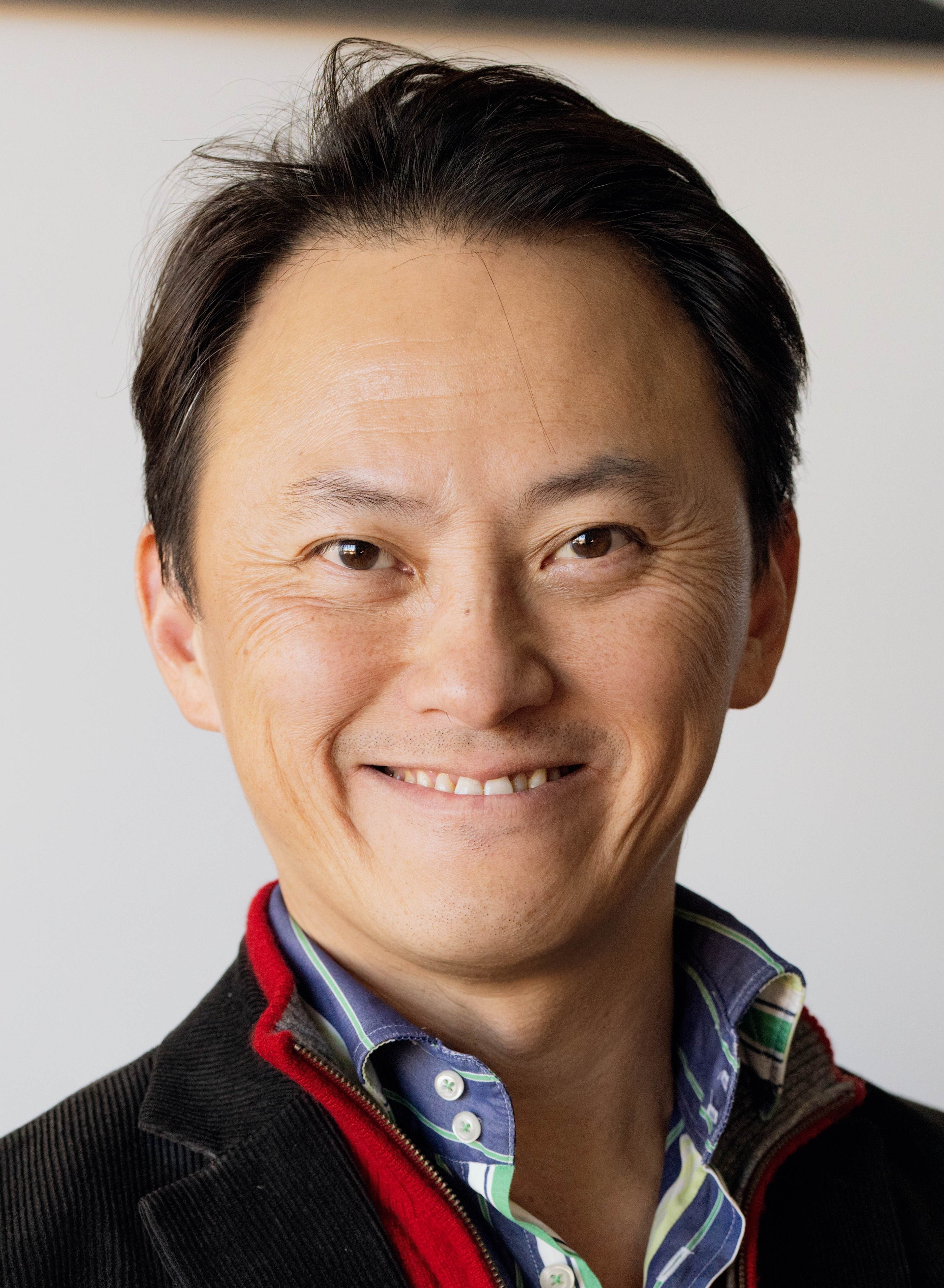
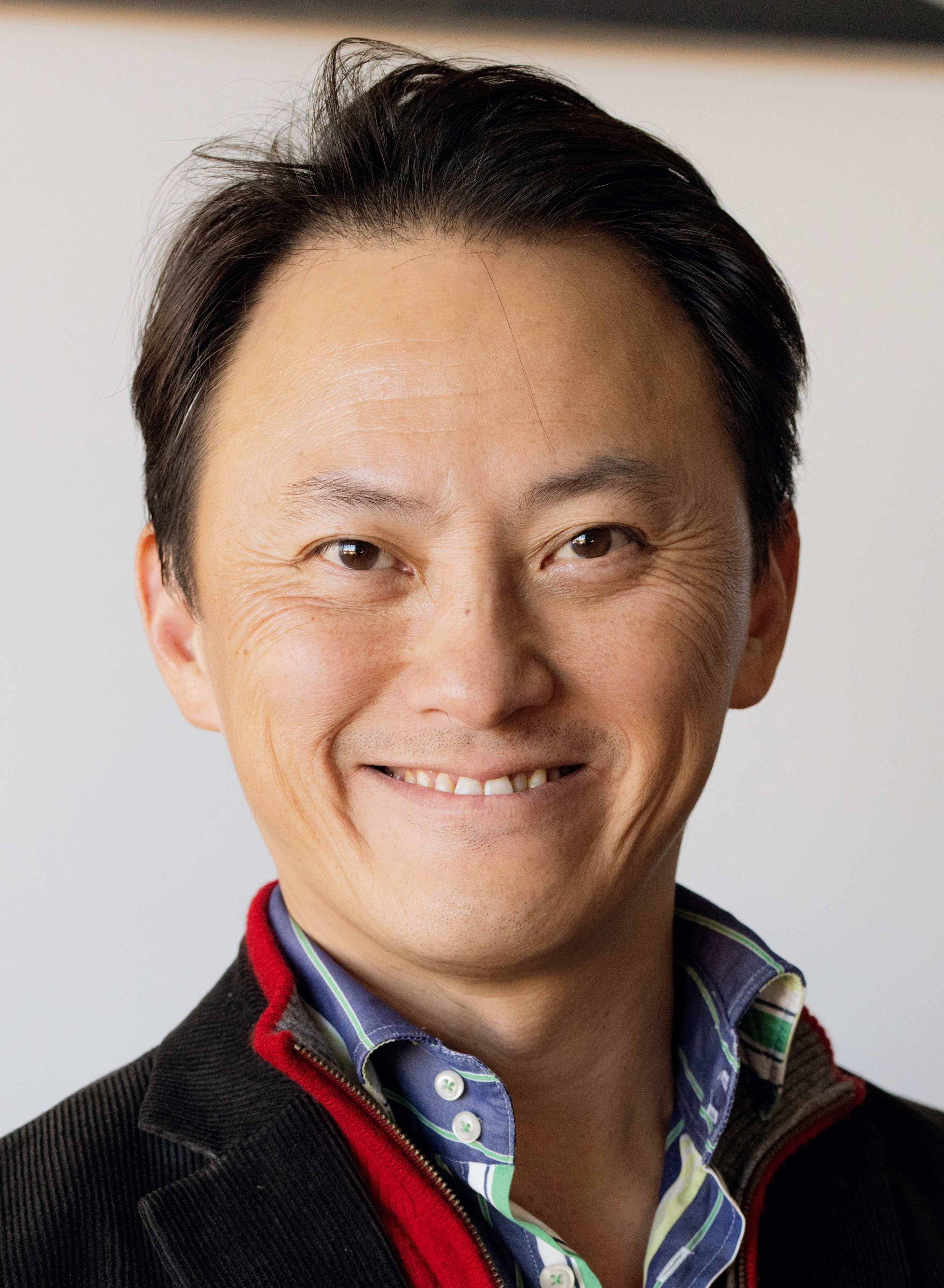
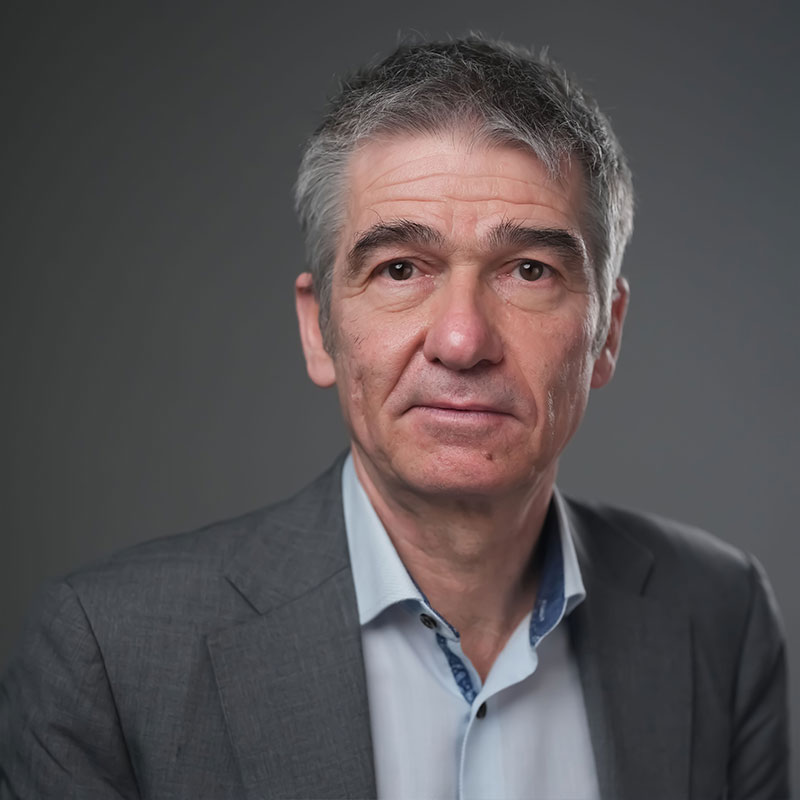
Professor Göran Roos is a distinguished Swedish academic, author, and businessman known for his contributions to innovation management, industrial policy, and strategy. He is a founder of modern intellectual capital science and currently holds a visiting professorship at the University of Adelaide. His global advisory work spans governments and organizations, with visiting roles in Australia, the UK, and Norway. Affiliations: University of Adelaide (Visiting Professor), SA Zero Partner. His research focuses on decarbonisation strategies, industry hubs, and green defence. He recently led a roundtable discussion on decarbonisation models in Europe and presented a public lecture titled "Accelerating Decarbonisation Through Industry Hubs: Lessons from Europe’s Experience" , emphasizing practical strategies for net-zero transitions. No specific scientific awards or grants are mentioned in the text. He advises on global sustainability initiatives but no student names or lab affiliations are provided.
Dr Muhammad Abid serves as Lecturer in Mechanical Engineering at Ulster University's School of Computing, Engineering and Intelligent Systems on the Derry~Londonderry campus, where he also coordinates Degree Apprenticeships for Mechanical and Manufacturing Engineering programmes, driving industry-academia collaboration for workforce development. His academic credentials include a PhD in Applied Thermodynamics from Ulster University and a Postgraduate Diploma in Academic Practice from the University of Liverpool, complemented by over 15 years of international experience across UK and Middle Eastern institutions. Research focuses on decarbonizing thermal systems through advanced heat pump technologies, with expertise spanning applied thermodynamics, energy efficiency optimization, and sustainable heating/cooling solutions for residential applications. His work directly addresses UN Sustainable Development Goals through climate-resilient engineering innovations. Recent publications demonstrate consistent investigation into heat supply temperature effects on system performance and economics, establishing critical relationships between operating parameters, housing characteristics, and decarbonization pathways for domestic heating. Professional recognition includes: Chartered Mechanical Engineer (CEng MIMechE) Fellow of Advance HE (FHEA) As an educator, Dr Abid implements Education for Sustainable Development principles across curricula while supervising postgraduate research. He actively shapes sector policy through IMechE's Energy, Environment and Sustainability Group Board membership and serves as a Climate STEM Ambassador advancing public engagement with climate solutions.
Dr. Reza Fazeli is a Research Fellow at the Zero-Carbon Energy for the Asia-Pacific Grand Challenge at the Australian National University's School of Engineering. He joined ANU in January 2020, following six years as a Research Analyst and Adjunct Lecturer at the University of Iceland. His research focuses on sustainable energy transitions, decarbonization strategies, and energy policy assessment. Education background: PhD in Sustainable Energy Systems, University of Porto (MIT-Portugal program) MSc in Energy Systems Engineering, Sharif University of Technology BSc in Mechanical Engineering, University of Tehran Dr. Fazeli's research spans energy modeling, system dynamics, and multi-criteria decision analysis. He investigates decarbonization pathways for transportation and energy systems, GIS-based sustainability assessments, and hydrogen economy transitions. His work combines technological and behavioral perspectives to develop sustainable energy solutions. His recent publications focus on hydrogen certification, emission accounting frameworks, and renewable integration challenges. Articles consistently address policy-technical interfaces in energy transitions, with increasing emphasis on international hydrogen trade and certification systems since 2021. Dr. Fazeli leads research on green hydrogen economy assessments and coordinates cross-disciplinary projects at the ANU Energy Change Institute.
Max Planck Institute for Research on Collective GoodsGermany
Ben McWilliams is a Research Fellow at Bruegel, focusing on Energy and Climate Policy . His work combines data-driven analysis to critique and inform European public policy, with particular emphasis on energy sector decarbonisation , industrial policy , and hydrogen-based economic geography . Recently, he has analyzed European energy crises and proposed policy responses , while tracking clean tech trends and natural gas dynamics across Europe. Education : MSc in Economic Policy (Utrecht University, thesis on carbon taxation in British Columbia); BSc in Economics (University of Warwick) with exchange year at Monash University Research Focus : Energy Security , Climate Policy , Hydrogen Economics , and Industrial Decarbonisation Key Contributions : Co-authored 15 major analyses (2021-2025) on topics including EU-Russia energy divorce , transatlantic clean investment , and hydrogen strategy Awards : No scientific awards mentioned in available records Affiliations : Bruegel (Affiliate Fellow), dual citizenship (British/Dutch)
Kingsley Fong is an Associate Professor of Finance at the UNSW Business School , specifically within the School of Banking and Finance . He holds a PhD from the University of Sydney and a BCom (Hons) from UNSW. His research focuses on market microstructure , investment , household finance , and sustainable finance , and he co-founded the RISE Finance Lab to explore finance's role in societal well-being. He also developed the DATKIS framework for systemic coherence in financial practices. Research Interests : Market microstructure, household finance, sustainable finance, and empirical finance. Teaching : Courses such as WEALTH MANAGEMENT AND CLIENT ENGAGEMENT , SUSTAINABLE INVESTING , and SUSTAINABLE FINANCE . Key Trends in Research : His work spans liquidity proxies, algorithmic trading impacts, broker-client dynamics, and sustainable finance innovations. Notable collaborations include studies on market quality, tax-driven trading, and household investment behavior. Scientific Awards : 2017 Review of Finance Spängler IQAM Prize 2021 Aspen Institute Ideas Worth Teaching Award 2022 S&P Global Decarbonisation Hackathon Engagement : Co-Founder of UNSW RISE Finance Lab (2025) Australian Sustainable Finance Institute Reference Group (2024) Deputy Head of School Banking and Finance (2011–2019) Contact : k.fong@unsw.edu.au | Location : UNSW Business School, Ref E12, Level 3, Room 344B.
Dr. Sophie Adams serves as an ARC DECRA Fellow in the Department of Sociology at La Trobe University, where she conducts interdisciplinary research at the intersection of human geography and Science and Technology Studies. Her work critically examines the social dimensions of climate change mitigation and adaptation, with particular emphasis on renewable energy transitions and the societal implications of technological solutions to environmental crises. Adams' research program centers on the politics of environmental knowledge , investigating how climate science informs policy formation and the negotiation of social objectives in decarbonisation processes. She employs qualitative and participatory methodologies to analyze climate change adaptation in energy systems , social license for technological interventions , and the redistribution of expertise in public health and environmental governance. Her scholarship consistently addresses power dynamics in knowledge production and the democratic challenges of sustainability transitions. Analysis of her publication trajectory (2019-2025) reveals increasing focus on energy-social interfaces, with significant contributions to understanding virtual power plants, demand-side management, and the role of modeling in climate policy. Her work demonstrates methodological innovation through participatory approaches while maintaining critical engagement with resilience thinking and adaptation frameworks. Scientific recognition includes: Australian Research Council Discovery Early Career Researcher Award (ARC DECRA) Supported by her DECRA fellowship, Adams leads independent research projects examining the societal dimensions of energy transitions. Her collaborative work spans geography, public health, and energy engineering, as evidenced by interdisciplinary co-authorship patterns. Current projects investigate Australian householders' conditions for participating in virtual power plants and the social implications of climate modeling in adaptation planning, reflecting her commitment to socially relevant environmental research.
Kingsley Yuen Lung Fong is an Associate Professor of Finance at the UNSW Business School, specializing in Banking and Finance. He has published extensively in leading international finance journals and co-founded the RISE Finance Lab to explore how finance can better foster well-being, relational trust, and long-term stewardship. Institution: University of New South Wales School: UNSW Business School Department: Banking and Finance His academic work is guided by the principle that finance is an evolving design for organizing life and activity across individuals and society. Fong's research expertise spans market microstructure, investment, household finance, and sustainable finance. He has made significant contributions to understanding the connections between finance, society, and nature for a flourishing future. The analysis of his 15 most recent publications reveals a strong focus on market microstructure, trading behavior, and sustainable finance. His work examines algorithmic trading impacts, liquidity measurement, household investment decisions, and regulatory aspects of financial advice. Fong's research demonstrates consistent interest in how financial systems can be designed to better serve societal needs while maintaining market efficiency. 2017 Review of Finance Spängler IQAM Prize 2021 Aspen Institute Ideas Worth Teaching Award 2022 S&P Global Decarbonisation Hackathon As an educator, Fong teaches Wealth Management and Client Engagement, Sustainable Investing, and Sustainable Finance. His leadership roles include serving as Deputy Head of School for Banking and Finance (2011-2019), Co-Founder of UNSW RISE Finance Lab (2025), and member of the Australian Sustainable Finance Institute Sustainable Finance Capability Reference Group (2024). Beyond traditional finance, he created DATKIS, an intellectual framework that grounds common sense and intelligence in truth, awareness, and design.
Dr. Ronita Bardhan is Associate Professor of Sustainable Built Environment at the University of Cambridge , where she leads the Cambridge Sustainable Design Group and serves as Director of Research & Deputy Head of the Department of Architecture . She holds courtesy roles at Cambridge Public Health and the Department of Computer Science and Technology , and is a Fellow at Selwyn College . Education: BArch, MCP, MA, PhD (Urban Engineering) Her research intersects built environment , climate change , and public health , focusing on data-driven strategies for precision prevention of health and energy burdens. She pioneers algorithmic approaches to identify decarbonisation potential in buildings and urban areas, with a particular emphasis on gender-inclusive climate adaptation in the Global South. The 15 most recent articles span topics such as urban cooling with tree canopies , heatwave impacts on social systems , and machine learning applications for building energy efficiency . Her work addresses climate justice , hybrid workspace design , and thermal comfort in low-income housing . Awards: Top 50 Finalist Women in Engineering, UK 2024 Exceptional Woman of Excellence, Women Economic Forum Felicitated by Ministry of Health, Maharashtra, India She advises World Bank and ADB on affordable housing and climate resilience, and chairs the Research Ethics Committee at the Department of Architecture. Her lab, the Sustainable Design Group , develops solutions for health and low-carbon potential in built environments.
Dr Andrew Woodhouse is a Lecturer in Law at the University of Liverpool and Director of the Liverpool Public Law Unit. He holds an academic position within the School of Law and Social Justice, Faculty of Humanities and Social Sciences. His research focuses on critical approaches to EU and UK public law, particularly through Marxist and political economy lenses, examining the EU’s climate policies and the role of national parliaments in EU governance. He completed his PhD in 2018 on national parliaments and EU law, leading to publications in top journals like the Common Market Law Review and European Law Review. Woodhouse has held visiting roles at the University of Antwerp and the University of Michigan (Grotius Research Scholar, 2019), and is currently a visiting fellow at the Amsterdam Centre for European Law and Governance (UvA). His recent work critiques the EU Emissions Trading System using commodity-form theory, arguing for democratic control over decarbonisation. He teaches EU law, public law, and comparative constitutional law, supervising critical dissertations and PhDs in these areas. Professional activities include organizing the EU Law and Critique of Capitalism webinar series (2021), and serving on the Education Team for the LLM program. His scholarly awards include the Grotius Research Scholarship (2019).
Dr. Kyle Parker serves as a Research Fellow at the University of Edinburgh within the School of Social and Political Science, affiliated with the Global Center for Biofoundry Applications. His current research focuses on socioeconomic dimensions of industrial decarbonisation through the TransFIRe (Transforming the Foundation Industries Research Hub) project under Professor Steve Yearley. Previously, from 2020-2022, he contributed to ClimateXChange's 'Energy Policy Effectiveness' project, producing systematic evidence reviews for the Scottish Government on green industrial strategy and low-carbon heating deployment. Parker's research spans decarbonisation, industrial strategy, renewable energy policy, Net-Zero transition, and innovation policy effectiveness. His work bridges a decade of academic chemistry experience with contemporary policy analysis, specializing in accelerating technology development for Scotland's marine renewable energy sector and evaluating policy mechanisms for energy efficiency. He emphasizes evidence-based approaches to bridge technical and social dimensions of sustainability transitions. His publication portfolio reveals a consistent focus on policy-practice interfaces, with the 2025 Nature Communications review examining engineering biology solutions for environmental challenges, while his 2021-2022 ClimateXChange reports critically analyze innovation agencies and cluster-based industrial strategies. Collectively, his work establishes expertise in translating complex research into actionable policy frameworks for decarbonisation and green economic growth. Dr. Parker actively collaborates with ClimateXChange and the Scottish Government through interdisciplinary teams integrating engineering, social sciences, and policy expertise. His research hubs include the TransFIRe project and Global Center for Biofoundry Applications, where he examines socioeconomic transformations in foundation industries and bio-based environmental solutions.
Professor Anna Korre is a leading academic in Environmental Engineering at Imperial College London's Faculty of Engineering. She serves as Associate Provost (Sustainability) and held the role of Co-Director of Energy Futures Lab (2018-2024). Her primary affiliation is with the Department of Earth Science & Engineering, where she leads the Minerals, Energy and Environmental Engineering Research Group. Her research focuses on risk modeling, environmental impact assessments, and engineering solutions for sustainable resource production and decarbonization. Key areas include carbon capture and storage (CCS), geothermal energy, and life cycle analysis of industrial systems. Affiliations: Energy Futures Lab, Institute for Molecular Science & Engineering, Minerals, Energy and Environmental Engineering Group Committee Roles: Chair of Earth Science & Engineering Sustainability Committee, member of University Sustainability Strategy Committee Her work integrates computational modeling, artificial intelligence, and multi-disciplinary collaboration to address global energy challenges. Over 150+ peer-reviewed publications and high-impact projects funded by UKRI, EU, and industry partners demonstrate her leadership in advancing sustainable technologies. She has appeared in media including BBC's The Life Scientific podcast discussing carbon capture innovations. Research highlights include optimizing CO2 storage networks, assessing geothermal reservoir risks, and evaluating lithium production sustainability. She champions industry-academia partnerships to translate research into real-world decarbonization solutions.
Professor Julia Race is a leading academic in the Department of Naval Architecture, Ocean and Marine Engineering at the University of Strathclyde’s Faculty of Engineering, where she also serves as Vice Dean (Academic). Her research focuses on the role of pipeline infrastructure in achieving net-zero emissions, particularly through carbon dioxide transport for Carbon Capture and Storage (CCS) and hydrogen energy systems. PhD, University of Cambridge – Carbon diffusion across dissimilar steel welds (1992) BEng, University of Sheffield (1989) Her research interests center on the adaptation of energy infrastructure for decarbonization, combining engineering, risk assessment, and socio-economic analysis. She investigates material specifications for CO₂ and H₂ pipelines, quantitative risk assessments, hydraulic design, and the wider economic impacts of energy transitions. Her work is closely tied to UN Sustainable Development Goals, particularly those related to climate action and sustainable industry. The recent publications reflect a strong trend toward interdisciplinary research at the intersection of engineering, economics, and policy. Her work increasingly emphasizes the socio-economic dimensions of decarbonization, including employment impacts, labour supply constraints, and regional economic benefits of CCS and hydrogen infrastructure. There is a clear focus on UK industrial clusters and the role of Scottish CO₂ transport systems in national and international markets. Julia Race has contributed to several policy briefings and collaborative reports with key stakeholders including the Scottish Government, OEUK, and Storegga. She is actively engaged in research projects funded by EPSRC, NERC, and the British Council, focusing on early-career development, maritime decarbonisation, and engineering education equity. Co-investigator, Strathclyde Engineering Scholars – Equal Outcomes for the Most Disadvantaged (2025) Principal Investigator, EPSRC/NERC CDT in Offshore Renewable Energy (IDCORE 2) (2019–2028) Co-investigator, Empowering Early Career Researchers to Advance Maritime Decarbonisation in Indonesia (2024–2026) Co-investigator, Green Hydrogen Integration at Sullom Voe (2023–2024) She plays a key role in policy outreach and professional engagement, regularly participating in workshops and meetings with government and industry stakeholders. Her leadership extends to diversity and inclusion in engineering education, where she contributes to initiatives aimed at supporting disadvantaged students.
Dr. Radu Jianu is a Lecturer in the Department of Computer Science at City, University of London , where he has been a faculty member since 2016. He is affiliated with the giCentre , a leading research group in information visualization. He earned his PhD and MSc in Computer Science from Brown University, USA, and a Diploma in Engineering from the Polytechnic University of Timisoara, Romania. His academic career includes a previous role as Assistant Professor at Florida International University (2012–2016). His research focuses on Data Visualisation, Visual Analytics, and Human-Computer Interaction . He conducts interdisciplinary collaborations with domains such as biology, food policy, and energy decarbonisation, aiming to develop interactive visual tools that enhance data understanding and decision-making. His methodological approach includes user studies, eye-tracking, and the design of novel visualization techniques. Dr. Jianu teaches Programming in Java and Cognition and Technologies , and he coordinates the Programming Bootcamp. He also holds administrative responsibilities as the Progression and Support Director in the Computer Science Department and is a member of its Executive Committee (ExCo). His recent publications reflect a growing interest in LLM-assisted visual analytics, gaze-aware systems, and collaborative human-AI analytical frameworks . He has published in top venues such as IEEE TVCG, CHI, EuroVis, and Nature Immunology, with several best paper awards. His work on the RAMPVIS project highlights his contributions to visualization in public health emergencies. Scientific Awards: Best Paper Award, Symposium on Graph Drawing (2018) Best Short Paper Award, EuroVis (2020) Advising and Grants: Dr. Jianu supervises multiple PhD and MSc students, including Dany Laksono (Energy Decarbonisation) and Maeve Hutchinson (NLP-mediated Visualization). His students have co-authored high-impact, award-winning papers. He has been involved in funded research initiatives such as RAMPVIS, which received support from UKRI/EPSRC for developing visual analytics infrastructure during the COVID-19 pandemic. Labs and Teams: He is an active member of the giCentre at City, University of London, a hub for visualization research. He also collaborates with interdisciplinary teams in epidemiology, immunology, and computer science, contributing to large-scale projects like the Immunological Genome Project and RAMPVIS.
Dr. Christian Calvillo Munoz is a Senior Research Fellow at the Centre for Energy Policy, University of Strathclyde. His work focuses on energy transition challenges, including energy system modelling, decarbonisation scenarios, and policy analysis. He holds a PhD from the Erasmus Mundus Joint Doctorate in Sustainable Energies Technologies and Strategies (SETS), with studies at Comillas Pontifical University (Spain), Delft University of Technology (Netherlands), and KTH Royal Institute of Technology (Sweden). His research interests span energy efficiency, industrial decarbonisation, carbon capture and storage (CCUS), and the socio-economic impacts of energy transitions. He leads projects such as the UK Energy Research Centre Phase 5 and a collaborative initiative on low-carbon heat transitions in Scotland. Dr. Calvillo collaborates internationally, contributing to UN Sustainable Development Goals related to affordable energy and climate action. Recent publications (2023–2025) highlight his expertise in CO2 transport infrastructure, heat pump economics, and workforce planning for decarbonisation. He actively engages in policy outreach, advising on energy affordability, tidal energy viability, and just transitions. His work bridges technical analysis with policy implications, emphasizing equitable and economically viable pathways to net-zero targets. Key projects include: UK Energy Research Centre Phase 5 (EPSRC-funded, 2024–2028) Mixed Methods Approach for Low-Carbon Heat Transition in Scotland (Energy Action Scotland, 2024–2027) Labs/Teams: Centre for Energy Policy. Current focus areas include CCUS sector impacts, regional employment dynamics, and policy coherence for energy affordability.
Christian Egenhofer is a Research Associate at the European University Institute's Florence School of Transnational Governance , where he focuses on climate change governance, energy economics, and regulatory policy. He also holds Visiting Professor roles at SciencesPo and the College of Europe . Education: Master's in Business Administration (University of Konstanz), LLM (Public Law, A-grade) Previous Affiliation: Senior Research Fellow and Head of Energy, Climate, and Resources team at CEPS (2000-2019) His research bridges energy innovation and transnational governance, with recent outputs analyzing EU clean industrial deals, carbon pricing frameworks, and energy efficiency policies. Collaborative work includes technical assessments for EU directives and comparative studies on climate-neutrality transitions. Key Research Themes: Climate finance mechanisms, electricity market reforms, decarbonization policy design, and carbon pricing strategies.