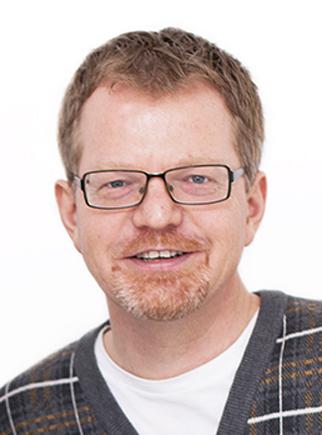
Jostein Kjærandsen is a Professor at UiT The Arctic University of Norway, affiliated with Tromsø University Museum. His research focuses on insect diversity patterns, taxonomic frameworks, and the functional evolution of organs like genitalia and wings within Diptera, particularly Sciaroidea (fungus gnats). Research Interests : Taxonomy, biosystematics, DNA barcoding, molecular phylogeny, and biodiversity assessment of Diptera, especially Mycetophilidae and Keroplatidae. Students : Supervised PhD candidate Jon Peder Lindemann. Email : jostein.kjarandsen@uit.no Recent Articles highlight integrative taxonomy using DNA barcoding, molecular phylogenies of fungus gnats, and the role of museum collections in species discovery. His work addresses taxonomic impediments for 'dark taxa' while advancing reference libraries for global biodiversity studies.
Professor Nozomu Yachie directs research at UBC's School of Biomedical Engineering, focusing on cellular/molecular engineering and computational biology. His lab develops DNA event-recording technologies to trace molecular dynamics using genome editing and high-performance computing. Key innovations include CloneSelect for retrospective cell isolation and computational tools like FRACTAL for large-scale lineage reconstruction.
Ilgaz Cakin is a Research Fellow at the Environmental Research Institute, University of the Highlands and Islands, based in Thurso, United Kingdom. Their research focuses on sustainable wastewater treatment technologies for Scottish whisky distilleries, particularly using constructed wetlands and metagenomic barcoding to understand microbial community dynamics. Their PhD work explores optimizing reed bed systems for distillery effluent treatment through advanced ecological and molecular analyses. Research Interests: Ilgaz’s work integrates microbial ecology, environmental engineering, and sustainable technologies to enhance wastewater treatment efficiency. They investigate factors influencing treatment variability in reed beds, leveraging metagenomic tools to link microbial community structures with system performance. Key projects include biochar-based pretreatment methods and substrate comparison studies for constructed wetlands. Publications (2024-2025): Ilgaz has published on topics such as microbial dynamics in distillery wetlands, biochar applications for pollution control, and wildlife toxicology studies. Their articles highlight interdisciplinary approaches to environmental challenges, including lead ammunition impacts on wildlife and peatland restoration effects. Awards: No scientific awards explicitly mentioned in the text. Supervisors: Dr. M.A. Taggart, Dr. B. Morrissey, Dr. L. Marcello, and Prof. P.P.J. Gaffney supervised Ilgaz’s doctoral thesis titled Understanding how microbial community contributes to wastewater treatment performance in constructed wetlands within Scotch whisky distilleries (2025). Collaborations: Ilgaz has collaborated with researchers across environmental microbiology, chemical engineering, and conservation biology, as evidenced by co-authored papers and interdisciplinary projects. Their work contributes to UN Sustainable Development Goals related to clean water and responsible consumption.
Nadir Alvarez is a Full Professor at the Department of Ecology and Evolution, University of Lausanne (UNIL). He holds a Master's in Evolutionary Biology (University of Montpellier) and a joint PhD from the Universities of Montpellier and Neuchâtel. His research focuses on evolutionary mechanisms underlying ecological diversification and species adaptation, particularly through genomic and museomics approaches analyzing historical/ancient DNA. He has held roles including Chief Curator at the Geneva Natural History Museum and Director of the Naturéum in Vaud. His work combines population genomics, environmental DNA (eDNA), and museum specimen analysis to study biodiversity dynamics. Key contributions include developing methods for capturing nuclear environmental DNA and exploring genetic responses to climate change. He serves as Director of the Naturéum, emphasizing applied conservation through genomic insights. Education & Career 2001: Master's, University of Montpellier 2004: PhD, Universities of Montpellier and Neuchâtel 2010–2017: Assistant Professorships at UNIL and University of Neuchâtel 2024–Present: Full Professor, UNIL Research Interests Museomics and ancient DNA analysis Ecological and evolutionary responses to environmental changes Population genomics of plants and insects Conservation genomics for biodiversity management Recent Article Trends Recent work emphasizes genomic approaches in biodiversity monitoring, combining eDNA and museum specimens to study population dynamics and adaptation. Topics include glacial refugia effects on megafauna, postglacial radiations in whitefish, and genetic strategies for conserving endangered species like Phengaris butterflies. As Director of the Naturéum, he bridges academic research with public engagement in natural sciences, promoting applied conservation through genomic insights.
James St Clair is a postdoctoral researcher at the Max Planck Institute for Evolutionary Anthropology in Leipzig, Germany, working within the Department of Linguistic and Cultural Evolution. His research focuses on behavioral ecology, with particular emphasis on understanding animal behavior in the context of environmental and evolutionary processes. He is actively involved with the CrowCoG research group, investigating the extraordinary tool-using behavior of New Caledonian crows. St Clair's primary research interest lies in the behavioral ecology of corvids, particularly the New Caledonian crow's tool manufacture and use. His work examines how these birds develop and transmit tool-related behaviors across generations, with implications for understanding cultural evolution in non-human species. He employs both experimental and observational approaches to study how environmental factors influence tool behavior, including the birds' ability to innovate, select appropriate materials, and maintain valuable tools. Analysis of St Clair's publication record reveals a consistent focus on avian behavioral ecology, with two main research streams: corvid cognition and tool use (accounting for approximately 65% of his work), and shorebird reproductive behavior (accounting for the remaining 35%). His corvid research demonstrates increasing sophistication in examining not just the presence of tool use, but the cognitive mechanisms behind tool innovation, modification, and transmission. The shorebird work often explores mating systems, parental care strategies, and responses to environmental change. While no specific scientific awards are documented in the available information, St Clair's research has been published in high-impact journals including Nature, PNAS, and Current Biology. His collaborative approach is evident in his extensive co-authorship networks, particularly with colleagues at the Max Planck Institute. St Clair works as part of the CrowCoG research group, which employs interdisciplinary methods combining field observation, experimental manipulation, and technological approaches like proximity logging to study crow behavior. His research contributes to broader questions about the evolution of complex behavior and cognition in animals.
Pranam Chatterjee is an Assistant Professor at the RNA Therapeutics Institute, UMass Chan Medical School, affiliated with the T.H. Chan School of Medicine. He holds a PhD in Media Arts and Sciences from MIT, with prior degrees in Computer Science and Molecular Biology. His research focuses on CRISPR-Cas systems, gene editing tools, and stem cell differentiation, particularly in reproductive medicine contexts. Chatterjee’s work includes developing novel genome editing technologies like PTM-Mamba and engineered Cas9 variants, as well as advancing methods for human oogonia-like cell specification and ovarian support cell co-cultures. His publications span topics in molecular biology, biotechnology, and computational biology, with contributions to improving CRISPR specificity, SARS-CoV-2 detection, and stem cell culture techniques. Chatterjee collaborates widely, including with institutions like Harvard and MIT, and his research has been highlighted in multiple news outlets and patents. His lab at the RNA Therapeutics Institute emphasizes interdisciplinary approaches, combining computational modeling with experimental biology to address challenges in genome editing, regenerative medicine, and disease modeling. While no formal awards are listed, his work has garnered significant citation impact, especially in CRISPR-Cas9 engineering and stem cell differentiation studies.
Laura Nagel is an Assistant Professor in the Department of Biology at Queen's University, Faculty of Arts and Science. Her research focuses on evolutionary biology and ecology, particularly the interactions between hosts and parasites, with an emphasis on insects and marine organisms. She investigates how parasites influence host behavior, life history traits, and evolutionary trajectories, while exploring mechanisms of resistance and adaptation in host species. Her work spans diverse systems including damselflies, sticklebacks, and coral reef fish parasites. Notably, she examines how environmental variation and parasite pressure drive evolutionary changes in host traits such as immune responses, flight performance, and reproductive strategies. Recent studies highlight the role of parasitism in speciation processes and the ecological consequences of host-parasite dynamics. In marine systems, she explores the phylogeography and behavior of ectoparasites like Gnathia spp., linking genetic divergence to ecological specialization. Her research also addresses the impact of climate change on coral resilience through studies of bleaching resistance mechanisms. Dr. Nagel’s publications reveal a consistent focus on quantifying selection pressures mediated by parasites, temporal variation in parasitism, and the interplay between host traits and parasite strategies. Her work bridges laboratory experiments, field observations, and genomic approaches to unravel complex ecological and evolutionary questions.
Dr. Torkild Bakken is an Associate Professor at NTNU University Museum's Department of Natural History, specializing in marine invertebrate biodiversity. As senior curator of marine invertebrates, he oversees zoological collections while researching polychaete worms and sea slugs in Norwegian waters. Research combines traditional taxonomy with molecular methods to study deep-sea ecosystems, species distributions, and evolutionary relationships. Current projects include PolyNor (mapping Norwegian Sea polychaetes) and biodiversity genomics initiatives. Fieldwork encompasses coastal surveys and Arctic deep-sea expeditions. Publications describe new species, analyze phylogenetic relationships, and develop DNA barcoding protocols for marine conservation. Recent work addresses ecological impacts of potential deep-sea mining operations.
Myles H.M. Menz is a researcher at James Cook University (JCU) with a focus on insect ecology, conservation biology, and technological applications in ecological monitoring. His work spans diverse topics including insect migration patterns, pollination dynamics, and the impacts of environmental stressors like pesticides and light pollution. He collaborates internationally on projects involving radar entomology, animal-borne sensors, and ecological genetics. Key research interests include the migration strategies of insects such as hoverflies, moths, and dragonflies, as well as conservation challenges facing endangered species like the orchid Caladenia xanthochila. His studies often integrate cutting-edge technologies (e.g., radar tracking, genomic analysis) to understand ecological processes at both individual and community levels. Notable contributions include demonstrating how hoverflies use sun compass navigation during autumn migration and revealing how insecticide exposure alters gene expression in honeybees. Menz also emphasizes interdisciplinary approaches, such as developing global databases for metacommunity ecology and advocating for landscape-scale ecosystem restoration frameworks. His work bridges applied and theoretical ecology, addressing critical issues like pollinator decline, urban biodiversity, and the ecological consequences of human activities.
Professor Paul Hebert is a leading academic at the University of Guelph, serving as Scientific Director of the International Barcode of Life (iBOL) project. A pioneer in biodiversity science, he earned his PhD in Genetics from the University of Cambridge in the 1970s and is renowned as the 'father of DNA barcoding.' His work focuses on revolutionizing species identification through DNA sequencing, aiming to catalog all multicellular life on Earth. His career has witnessed transformative advancements in molecular biology, from early protein-based studies to modern DNA sequencing technologies. The iBOL project, launched in 2010, has already cataloged half a million species and seeks to create a global bio-surveillance system. Hebert emphasizes the critical need for biodiversity monitoring akin to weather tracking, enabling real-time ecological insights. Despite challenges in securing funding and navigating international regulations on biological materials, Hebert envisions handheld devices enabling instant species identification within a decade. His research bridges technological innovation with ecological conservation, advocating for global collaboration to address biodiversity loss.
Panagiotis Karanis is a Professor of Anatomy and Coordinator of the Unit of Anatomy and Morphology at the University of Nicosia Medical School. He holds a PhD in Parasitology from Bonn University and a Habilitation in Parasitology from the Medical Faculty of Bonn University. His career includes former roles as Professor and Principal Investigator at institutions in Germany, Japan, and China, including leading the Center for Biomedicine and Infectious Diseases at Qinghai University. Affiliations: University of Nicosia Medical School (current), Bonn University, Cologne University, Obihiro University of Agriculture and Veterinary Medicine, Qinghai University Educational Background: PhD in Parasitology (Bonn University), Habilitation in Clinical Theoretical Medicine (Bonn University) His research focuses on waterborne, foodborne, and vector-borne diseases , emphasizing diagnostic method development, epidemiology, and the 'One World – One Health' framework. Key areas include parasitic infections (Cryptosporidium, Giardia, Acanthamoeba), antibiotic resistance, and environmental contamination pathways. He has authored over 160 Scopus-indexed articles with 9,354 citations (h-index 48), managed €10M+ in research funding, and been ranked in the top 2% of global scientists. Research Highlights: Investigates protozoan parasites in water systems, vegetables, and wildlife Develops molecular diagnostic tools for emerging pathogens Evaluates disinfection methods (chlorine, UV, microwave) for protozoan cysts Studies parasite prevalence in immunocompromised patients and livestock His recent articles address leptospirosis complications , Acanthamoeba viability in water , and antiparasitic plant extracts . Awards include Stanford University's Top 2% Scientists distinction. Grants & Collaborations: Over 60 projects funded across Europe, Asia, and Africa. Global partnerships include institutions in China, Egypt, Tunisia, and the Philippines. Labs & Teams: Leads interdisciplinary teams in parasitology, anatomy education, and One Health initiatives. Collaborates with clinicians, veterinarians, and environmental scientists.
Professor Ewald Langer serves as Head of the Department of Ecology at the Faculty of Biology, University of Kassel, Germany. With a distinguished career spanning over three decades, he has established himself as a leading authority in mycology, fungal ecology, and forest pathology. His research focuses on wood-inhabiting fungi, particularly their taxonomy, ecological roles, and relationships with forest trees. Professor Langer's research interests encompass fungal biodiversity across diverse ecosystems, from European old-growth forests to tropical regions in Africa and South America. He specializes in the systematics of Hymenochaetales and related wood-decay fungi, employing both traditional morphological approaches and modern molecular techniques. A significant portion of his work addresses forest health issues, particularly emerging diseases affecting economically important tree species like European beech (Fagus sylvatica) and ash (Fraxinus excelsior). His recent publications reveal a strong emphasis on fungal pathogenesis, with particular attention to ash dieback caused by Hymenoscyphus fraxineus and sooty bark disease (Cryptostroma corticale). Professor Langer's research integrates field studies with laboratory analyses, including next-generation sequencing for mycobiome characterization and geometric morphometrics for spore shape analysis to improve fungal identification. Professor Langer maintains an extensive international collaboration network, with co-authors from institutions across Europe, Africa, Asia, and the Americas. His work bridges fundamental taxonomic research with practical applications in forest management and conservation biology, contributing significantly to our understanding of forest ecosystem health and resilience in the face of emerging diseases and environmental change.
Daniel McLaughlin is a Professor in the Department of Biology at Concordia University. His research focuses on the ecology, biology, pathogenesis, and systematics of waterfowl helminths, with an emphasis on host-parasite interactions in aquatic ecosystems. Education PhD from the University of New Brunswick His work investigates the temporal and spatial dynamics of parasite communities in aquatic birds, including studies on trematode and cestode parasites in eider ducks, gulls, and coots. He employs traditional morphological methods alongside molecular techniques such as DNA barcoding to resolve species relationships and explore parasite-host interactions. Recent publications highlight his use of DNA sequencing to analyze parasite diversity and specificity in freshwater fish, examine immune responses in snail hosts, and model the ecological drivers of parasite community structure. His research spans both laboratory and natural environments, addressing seasonal transmission patterns and phylogenetic relationships of parasitic worms.
Paul Bremner is an Associate Professor in Teaching at the Leicester School of Pharmacy, Faculty of Health and Life Sciences, De Montfort University. His work bridges molecular authentication of herbal medicines, natural product chemistry, and public health implications of herbal product use. Research Interests: His expertise lies in DNA fingerprinting and HPLC profiling of medicinal plant drugs, particularly in compliance with EU Directive 2004/24/EC. He investigates the identity and quality of herbal products sold on the open market and their impact on public health. Research Trends: His recent publications reveal a strong focus on DNA-based identification of medicinal plants (e.g., Hypericum ), isolation of bioactive natural products, and evaluation of their cytotoxic, anti-inflammatory, and immunomodulatory effects. Techniques include PCR, HPLC, and cell-based assays. Scientific Awards & Recognition: Fellow of The Linnaean Society (since 2005) Fellow of the Higher Education Academy (since 2008) Peer reviewer for the Journal of Ethnopharmacology (since 2008) Advising and Grants: He has supervised MSc and PhD students, including Dr. Caroline Howard. Externally funded projects include a £60,000 British Council DelPHE-Iraq initiative and a €30,000 consultancy with Schwabe Pharma. He also led an internal PhD scholarship on DNA-based authentication methods. Professional Engagement: He was a member (2008–2011) of expert committees at both the British Pharmacopeia and European Pharmacopeia, ensuring quality standards for herbal medicines. He has presented at international conferences in South Africa, India, Switzerland, and the UK, including plenary and poster presentations.
Wayne Robinson is a Wildlife Ecologist and researcher at the Dr Gulbali Research Institute, Charles Sturt University, specializing in inland fisheries and ecological monitoring. He is actively involved in research projects related to fish passage, river health, and sustainable fisheries management in Australia and the Mekong River Basin. Education: Doctor of Philosophy, Charles Sturt University, 2012 Master of Applied Science, University of Canberra, 1996 Bachelor of Applied Science, University of Canberra, 1983 His research interests focus on fish passage , large-scale ecosystem monitoring , river health assessment , and sustainable Mekong River fisheries . With expertise in experimental design and long-term ecological data analysis, he contributes significantly to environmentally and socially sustainable natural resource management. His work aligns with UN Sustainable Development Goals, particularly those related to clean water and life below water. His recent publications show a strong trend in freshwater ecology , fish migration , bioassessment , and ecosystem monitoring , with applications in both Australian and Southeast Asian river systems. Techniques such as acoustic telemetry , DNA barcoding , and environmental DNA (eDNA) are frequently employed in his studies. Scientific Awards and Recognitions: Vice-Chancellor's Awards for Excellence (Research Excellence), 2015 CSU Excellence Award for the ACIAR fishway project, 2018 Distinguished Project Award, International Conference on River Connectivity, 2018 Successful grant recipient for Snowy Hydro and redfin risk assessment projects (2021–2022) Wayne Robinson is a registered supervisor and has co-supervised HDR students, including on projects related to Mekong fish migration ecology. He has secured competitive grants and contributed to policy and procedures. His research has significant environmental and economic impact , particularly through the Murray Darling Basin PIT data analysis project. He is actively engaged in collaborative research networks across Australia, Laos, and other Southeast Asian regions. He is involved in laboratory and field-based research teams focused on fish passage and river connectivity, contributing to both national and international conservation and management efforts.