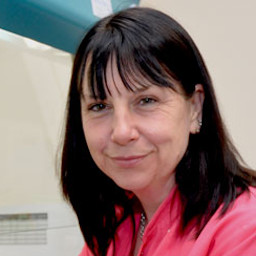
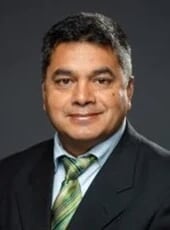
Professor Susan Brooks is a faculty member at Oxford Brookes University in the School of Biological and Medical Sciences . Her research focuses on glycobiology , cancer progression , and the role of extracellular vesicles in metastasis. Professor of Cell Biology Director of Researcher Development Focus on breast and ovarian cancer Specialized in glycosylation mechanisms Research Interests : Dr. Brooks' work explores how aberrant glycosylation of proteins and glycans influences cancer cell behavior, including metastasis and drug resistance . Her recent studies examine extracellular vesicles as diagnostic tools and therapeutic targets. Article Trends : Over 25 years, Dr. Brooks has published 15+ articles on glycosylation patterns in breast and ovarian cancer. Key areas include lectin binding , miRNA regulation , and radiation-induced metastatic changes . Her work bridges cell biology and clinical applications .
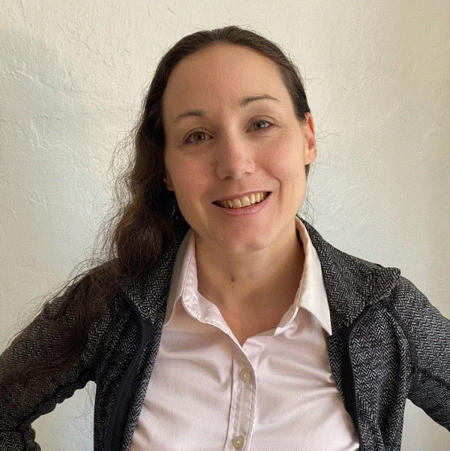
Jenn Brophy is an Assistant Professor of Bioengineering at Stanford University, developing technologies for genetic engineering of plants and microbes to address environmental stress resilience and agricultural sustainability. Her lab focuses on synthetic genetic circuits for plant root reprogramming and stress response optimization. B.S. in Bioengineering, UC Berkeley (2010) Ph.D. in Biological Engineering, MIT (2016) Postdoctoral Fellow, Stanford University (Biology) Research spans synthetic biology, plant genetics, and microbiome engineering, emphasizing climate adaptation and sustainable biotechnology. Current projects include: Plant-microbe interaction engineering Stress-responsive biosensors High-throughput genetic tool development Plant cell atlas integration Sustainable laboratory practices Her recent publications highlight advances in recombinase circuits, root architecture engineering, and plant cell mapping, with applications in climate resilience and microbiome design. Collaborators include José Dinneny (Stanford) in plant synthetic biology research.
Dr. Rosana Collepardo is a Winton Advanced Research Fellow at the Cavendish Laboratory, University of Cambridge, where she leads a research group within the Theory of Condensed Matter (TCM) Group and is also affiliated with the Biological and Soft Systems group. Her research focuses on developing multi-scale computational models to investigate chromatin nanostructure, epigenetic regulation, and biomolecular condensates, with applications in understanding genome organization and sustainable data storage. Her primary research interests include: Computational biophysics of chromatin and epigenetics Mechanisms of biomolecular condensates and phase separation Nanoscale structure of the genome and DNA accessibility Multi-scale modeling from atomistic to mesoscale Design principles for chromatin-inspired data storage Analysis of her recent publications (2023-2025) reveals a dominant focus on chromatin organization, epigenetic mechanisms, and biomolecular condensates. Key trends include the role of nucleosome spacing, linker histones, and epigenetic modifications in chromatin phase separation, alongside investigations into condensate aging, material properties, and the physical principles of phase transitions in RNA-protein systems. Her work consistently integrates computational modeling with experimental validation. Notable scientific awards include: Winton Advanced Research Fellowship ERC Starting Grant Dr. Collepardo actively mentors PhD and MPhil students, including Sivapalan Chelvaniththilan (MPhil in Physics, recipient of Gates and Winton Scholarships), Miguel Garcia Ortegon (MPhil in Scientific Computing), Stephen Farr (PhD in Computational Methods for Materials Science), Akshay Sridhar (MPhil in Scientific Computing), and Adiran Garaizar (PhD with EPSRC scholarship). Her group secures competitive funding through ERC grants and student scholarships. The Collepardo group, established in 2016 at the Maxwell Centre, Cavendish Laboratory, comprises postdoctoral researchers, PhD students, and MPhil candidates. They collaborate with experimental groups to study chromatin dynamics and biomolecular condensates using advanced computational techniques, contributing to fundamental biological understanding and potential biotechnological applications.
Julia Chamot-Rooke is a Principal Investigator and Researcher at the Institut Pasteur in Paris, France, affiliated with the Department of Structural Biology and Chemistry and the Mass Spectrometry for Biology unit (UTechS MSBio), a joint CNRS service and research unit (USR2000). She leads multiple projects in advanced proteomics and is the PI for the Institut Pasteur in the European Proteomics Infrastructure Consortium providing access (EPIC-XS). Her research focuses on developing innovative methods in top-down proteomics , cross-linking mass spectrometry , and structural proteomics to study intact proteins, post-translational modifications, and protein complexes. Her work has applications in microbiology, infectious diseases, and host-pathogen interactions. She has developed the ProteoCombiner software to integrate proteomics data for improved proteoform characterization. The recent publications reflect a strong emphasis on structural and functional proteomics , particularly in microbial systems and immune interactions. Trends include the use of advanced mass spectrometry techniques (HDX-MS, cross-linking MS, top-down MS) to investigate protein structure, dynamics, and interactions in pathogens and host systems. There is also a growing focus on software and tool development to enhance data analysis and reproducibility in proteomics. Principal Investigator, EPIC-XS at Institut Pasteur Coordinator, Joint Research Activity on Future and Emerging Proteomics Technologies Lead Developer, ProteoCombiner software She supervises PhD students and research engineers and collaborates widely on projects involving bacterial pathogenesis, immune evasion, and structural biology. Her lab is equipped with state-of-the-art Orbitrap mass spectrometers and participates in transnational access programs, providing cutting-edge proteomics services to the European research community.
Dr. Zhi-Ping Feng is a Bioinformatician at the John Curtin School of Medical Research (JCSMR), Australian National University (ANU). Her research focuses on integrating omics data with protein structure-function relationships to study interactions between macromolecules. She has expertise in analyzing genomic and transcriptomic data (e.g., RNA-Seq, ChIP-Seq) and protein structure determination via nuclear magnetic resonance (NMR) spectroscopy. Previously, she held a Senior Research Fellow position at the Walter and Eliza Hall Institute (WEHI) from 2009, working on quality control in omics research and genomic data analysis. Her postdoctoral work at WEHI (2002–2005) involved structural biology of malaria-related proteins, supported by an Australian Postdoctoral Fellowship. She holds a PhD in protein bioinformatics from China and a physics background from Peking University. Education: PhD in Protein Bioinformatics (China) Bachelor’s in Physics, Peking University Research Interests: Her work bridges computational biology and structural biology, with emphasis on: Intrinsically unstructured proteins (IUPs) and their applications in malaria proteomics Omics data integration for disease modeling (e.g., cancer, diabetes, neurodegeneration) Protein-protein interaction networks and structural bioinformatics Publications: Recent work spans cancer immunotherapy, miRNA regulation in retinal degeneration, and T cell biology, with contributions to understanding Wnt signaling in joint replacement complications and genetic fusions in pediatric brain tumors. Awards: Australian Postdoctoral Fellowship (2005) Grants/Teams: Currently affiliated with ANU Bioinformatics Consultancy, supporting translational medical research in immunology, cancer, and genomics. Labs/Teams: Collaborates with the JCSMR’s multidisciplinary teams focusing on biomedical informatics and translational research.
Daniela Strenkert is an Assistant Professor at Michigan State University, affiliated with the MSU-DOE Plant Research Laboratory, Plant Biology Department, Molecular Plant Sciences Program, BioMolecular Science Gateway, and Cell & Molecular Biology Program. Her research focuses on systems biology approaches to understand gene regulation in photosynthetic organisms. Ph.D., University of Kaiserslautern, Germany Her lab investigates photosynthetic performance through multi-omics analysis of chromatin structure, transcriptomes, proteomes, and metabolomes in Chlamydomonas reinhardtii . Key areas include environmental acclimation, histone modification mapping (GreENCODE project), and regulatory RNA characterization. Recent publications emphasize computational modeling of photosynthetic protein interactions, metal homeostasis under stress, and chloroplast protein import mechanisms. Articles span 2025-2010, with 15 most recent from 2025-2022. Her work integrates genome-wide datasets to decode algal regulatory programs under climate change-relevant stressors. She teaches BS 161: Cells and Molecules and maintains a lab at 106 Plant Biology Lab. Contact: strenke2@msu.edu .
Dr. Ramanjulu Sunkar is a Regents Professor in the Department of Biochemistry & Molecular Biology at Oklahoma State University. He leads research on epigenetic and small RNA mechanisms in plant stress responses, focusing on gene regulation under drought, heat, and abiotic stresses. His work integrates genomic tools like ChIP, RNA sequencing, and CRISPR/Cas9 to study stress tolerance in crops. Education: B.Sc. (Sri Venkateswara University), M.Sc. and Ph.D. (Sri Krishnadevaraya University, India), followed by postdoctoral research at the Weizmann Institute (Israel), University of Bonn (Germany), and UC Riverside (USA). He joined Oklahoma State University in 2006, becoming Professor in 2016 and Regents Professor in 2024. Research Interests: Epigenetic modifications (DNA methylation, histone changes), microRNA-guided gene regulation, plant stress memory, and translational control mechanisms. His lab uses model systems like Arabidopsis, rice, and sorghum to study adaptive responses to environmental challenges. Grants: Over 15 grants, including USDA-funded projects on microRNA roles in photosynthesis, epigenetic control of drought tolerance, and systems genetics in rice. NSF-EPSCoR support for bioenergy research. Teaching: Courses include 'Plant Biochemistry,' 'Epigenetics,' and graduate supervision through research credits. Developed new courses on plant stress biology and molecular techniques. Labs/Teams: Leads a research group focused on epigenomics and RNA regulation in plants. Collaborates internationally on projects like the Arabidopsis transcriptome and stress memory mechanisms.
Christopher S. Sullivan is a Professor in the Department of Molecular Biosciences within the College of Natural Sciences at the University of Texas at Austin. He directs an active research laboratory focused on viral non-coding RNA biology and host-pathogen interactions, with continuous funding evidenced by publications spanning 2005-2025. His work bridges molecular virology, immunology, and RNA biology through investigations of tumor viruses and host defense mechanisms. Research interests center on the role of non-coding RNAs in viral infection and host defense pathways, with particular emphasis on viral microRNAs , RNA interference mechanisms , and host-pathogen coevolution . His lab studies diverse virus families including Polyomaviridae, Herpesviridae, Retroviridae, and avipoxviruses, with key discoveries regarding viral miRNA functions in tumorigenesis and immune evasion. Research approaches integrate molecular virology, next-generation sequencing, and computational analysis to dissect RNA-based regulatory networks. Publications reveal consistent focus on viral non-coding RNA functions, particularly how viruses exploit host RNA machinery (notably DUSP11 phosphatase) to modulate immune responses. Recent work (2021-2025) expands into viral shedding dynamics, SARS-CoV-2 diagnostics, and circular RNA biology in polyomaviruses, demonstrating evolving yet cohesive research trajectory in RNA-virus interactions. Scientific contributions include: Pioneering identification of viral microRNAs across multiple virus families Discovery of DUSP11's critical role in RNA triphosphate regulation during infection Mechanistic insights into viral evasion of RNAi and innate immunity Development of novel RNA-based detection methods The Sullivan lab maintains active collaborations through the Center for Systems and Synthetic Biology, John Ring LaMontagne Center for Infectious Disease, and Interdisciplinary Life Sciences Graduate Programs. Lab culture emphasizes collective scientific inquiry with stated mission to 'increase understanding of pathogen-host interactions while enjoying the company of fellow lab members.' Current research directions include viral exploitation of RNA modification pathways and identification of novel host defense mechanisms using viruses as 'molecular divining rods.'
Professor Ulrich F Keyser is a faculty member at the University of Cambridge, affiliated with the Cavendish Laboratory and the Physics of Medicine department. His research focuses on applied physics in biological and soft systems, utilizing advanced techniques such as nanopore sensing, microfluidics, and DNA nanostructures. Keyser's work bridges biophysics, nanotechnology, and molecular biology, with applications in biomedical engineering and biomimetic systems. Research interests include: Single-molecule sensing and manipulation Nanopore-based diagnostics and RNA/DNA analysis Synthetic cell models and membrane biophysics DNA/RNA nanostructures and programmable sensors Ion transport and molecular dynamics in confined systems Biophysics of protein oligomers and nucleic acid modifications His recent publications highlight advancements in nanopore detection of RNA mutations, DNA structural studies, and programmable biosensing technologies. Keyser's laboratory employs interdisciplinary approaches combining physics, chemistry, and biology to address fundamental and applied questions in biomedical and soft matter systems.
Susanne Bornelöv is a Professor in the Department of Biochemistry at the University of Cambridge. Her research focuses on computational genomics and gene regulation, particularly exploring posttranscriptional mechanisms such as codon optimality-mediated mRNA decay and transposon silencing. She uses computational methods, ribosome profiling, and Drosophila models to study how codon usage, tRNA availability, and RNA modifications influence gene regulation and genome evolution. Her work integrates artificial intelligence (AI) and comparative genomics to model gene regulatory processes and design novel regulatory elements. Key research areas include piRNA clusters' roles in suppressing retroviruses, codon usage bias in pluripotent stem cells, and the interplay between mRNA methylation and protein synthesis. The Bornelöv Group collaborates widely, including with institutions like Cold Spring Harbor Laboratory, to advance understanding of fundamental gene expression principles. Publications highlight contributions to topics like deep learning in genomics, evolutionary conserved piRNA mechanisms, and transcriptional regulation. She leads a group open to interns, students, and researchers, fostering interdisciplinary approaches to address complex biological questions.
Amit Sachdeva is an Associate Professor of Bio-Organic Chemistry at the University of East Anglia (UEA), where he leads the School of Chemistry, Pharmacy and Pharmacology's Department of Chemistry. He serves as Director of Postgraduate Research in Chemistry, overseeing doctoral training and academic strategy. His research focuses on Chemical Biology and Synthetic Biology, with a specific emphasis on expanding genetic code capabilities to engineer novel proteins for biomedical applications. Dr. Sachdeva completed his PhD at the University of Illinois at Urbana-Champaign, investigating DNA-based enzymes, followed by postdoctoral work at the MRC Laboratory of Molecular Biology in Cambridge. His current work includes developing light-responsive antibodies for targeted therapies and ultrafast viral diagnostics. Notable achievements include pioneering photoactive antibody fragments and securing patents (e.g., WO-2020193981-A1) for light-controlled antigen binding. Key Projects: Designing cancer biotherapeutics (Leverhulme Trust), fluorescent switches for SARS-CoV-2 detection (Royal Society of Chemistry), and biomolecular wire development (Engineering and Physical Sciences Research Council). Grants: Over £5M from institutions like The Big C Appeal and Wellcome Trust. Research Interests: Genetic code expansion, protein engineering, non-natural amino acids, and their applications in diagnostics/therapeutics. His work contributes to UN Sustainable Development Goals, particularly in health and innovation. Publications: Over 25 peer-reviewed articles in top journals like Nature Chemical Biology , Angewandte Chemie , and Nature Reviews Chemistry , with several highly cited contributions (e.g., 99th percentile in 2023).
Dr. Athma A Pai is an Associate Professor at UMass Chan Medical School, holding primary appointments in the RNA Therapeutics Institute and the T.H. Chan School of Medicine. She maintains extensive secondary appointments across multiple departments including Genomics and Computational Biology, Systems Biology, and several graduate programs at the Morningside Graduate School of Biomedical Sciences, reflecting the highly interdisciplinary nature of her work. Education: BS in Biochemistry/Anthropology from University of Pennsylvania PhD in Human Genetics from University of Chicago Postdoctoral training in RNA Genomics from MIT Dr. Pai's research program centers on RNA biology with particular emphasis on RNA processing, splicing mechanisms, and the regulation of gene expression. Her work investigates how environmental factors influence RNA processing through biochemical, molecular, and genetic mechanisms. She employs cutting-edge genomic and transcriptomic approaches to study alternative polyadenylation, mRNA transcript initiation and termination, and the spatial organization of RNA processing events within cells. Her research has significant implications for understanding fundamental gene regulation mechanisms and their roles in disease processes. Analysis of Dr. Pai's recent publications reveals a strong focus on developing high-resolution profiling methods for understanding transcriptional and translational regulation. Her work increasingly integrates computational approaches with experimental biology to investigate how RNA processing events are coordinated across the transcriptome. A notable trend is her exploration of how RNA processing contributes to inflammatory responses and cellular defense mechanisms, with implications for therapeutic development. Dr. Pai actively mentors students through multiple graduate programs at UMass Chan Medical School, including Biochemistry and Molecular Biotechnology, Biophysical Chemical and Computational Biology, Interdisciplinary Graduate Program, MD/PhD Program, RNA Therapeutics and Biology Program, and Systems Computational and Quantitative Biology. She maintains an active laboratory (Pai Lab) that welcomes postdoctoral researchers interested in RNA biology. Her laboratory website provides additional information about ongoing research projects and opportunities for collaboration and training, and she maintains a professional presence through her Twitter account (@athmapai).
Dr. Steven Jacobsen is a Professor in the Molecular, Cell, and Developmental Biology Department at the University of California, Los Angeles (UCLA), where he leads the Jacobsen Lab. His work focuses on epigenetic inheritance and gene regulation in Arabidopsis thaliana and mammalian stem cells, utilizing genetic screens, genomics, epigenomics, and biochemical approaches. The lab also pioneers CRISPR-mediated genome editing techniques. University: University of California, Los Angeles Department: Molecular, Cell, and Developmental Biology Research Interests: Jacobsen's research spans multiple interconnected domains in epigenetics, including DNA methylation patterning, histone modification interplay, and transposable element silencing. His team investigates how chromatin structure influences gene expression and epigenetic inheritance, with applications from plant development to human health. Key areas include: CRISPR-based epigenetic modifications RNA-directed DNA methylation (RdDM) mechanisms Chromatin compaction via MORC proteins Histone variant functions in methylation Transposon control in plant genomes Comparative epigenomics across species Advising Legacy: Over two decades, Dr. Jacobsen has mentored 21 former lab members who now hold academic and industry positions globally, including professors at Chinese Academy of Sciences, University of Georgia, and Southern University of Science & Technology. His lab's publications reveal a consistent focus on DNA methylation dynamics, chromatin remodeling, and small RNA pathways, with recent work emphasizing CRISPR innovations and structural insights into epigenetic regulators.
Dukka KC is an Adjunct Professor in the Department of Computer Science at Michigan Technological University and a member of the Institute of Computing and Cybersystems (ICC). His research focuses on computational data science with applications in bioinformatics, computational biology, and health informatics, particularly leveraging machine learning and high-performance computing to develop predictive tools for protein and nucleic acid modifications. Ph.D., Informatics, Kyoto University, 2006 M.Inf., Informatics, Kyoto University, 2003 B.Eng., Computer Science, Kyoto University, 2001 Research interests include: Developing GPU-accelerated bioinformatics tools (e.g., GPU-I-TASSER) Predicting post-translational modification sites using deep learning (e.g., DeepNGlyPred, DeepRMethylSite) Machine learning approaches for malonylation, succinylation, and sulfenylation site prediction High-throughput analysis of next-generation sequencing data Interdisciplinary projects in biometrics, cybersecurity, and disaster prediction Recent publications highlight a strong trend in applying deep learning to protein structure and function prediction, GPU-parallelization for computational efficiency, and machine learning for both biological and cybersecurity applications. The lab also emphasizes cross-domain collaborations and the development of scalable bioinformatics workflows. Grants and funding include projects like the President's Convergence Science Initiative (PI, $300K), NSF III grants for protein function prediction ($111K), and multi-institutional collaborations on biometric test-beds and synthetic biology research. The KC Lab at Michigan Tech specializes in integrating computational data science with molecular biology, focusing on protein/RNA/DNA modification site prediction and contributing to large-scale proteome analysis through machine learning-driven pipelines.
Dr. Premdass Ramdas is a Senior Lecturer at Monash University Malaysia, affiliated with the Jeffrey Cheah School of Medicine and Health Sciences. He joined in October 2023 with over 13 years of experience in medical biotechnology and health sciences, focusing on cancer research and bioactive natural compounds. PhD in Cancer Proteomics and Genomics, University of Malaya MSc in Medical Sciences (Cancer Genomics and Natural Products), International Medical University BSc with First-Class Honors His research focuses on the anticancer mechanisms of tocotrienols, utilizing proteomics, genomics, bioinformatics, and mouse models. He explores epigenetics, nutrigenomics, RNA/microRNA analysis, exosome biology, and AI-driven big data in cancer. His work contributes to UN Sustainable Development Goals in health and well-being. Recent publications show a strong trend in systematic reviews and mechanistic studies on vitamin E analogues in cancer, particularly colorectal and breast cancers. His research integrates molecular biology with computational approaches, including molecular docking and data mining. First-class honors for BSc Malaysian Palm Oil Board Scholarship for MSc MyBrain15 Scholarship for PhD Dr. Ramdas has secured research grants such as FRGS and actively supervises research projects. He is currently accepting PhD students and has co-supervised non-HDR reviews, indicating active mentorship. He has no known labs or teams explicitly mentioned, but collaborates extensively, particularly with Prof. Radhakrishnan A.K.