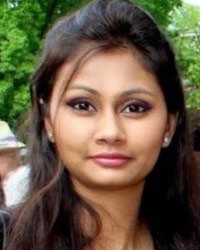
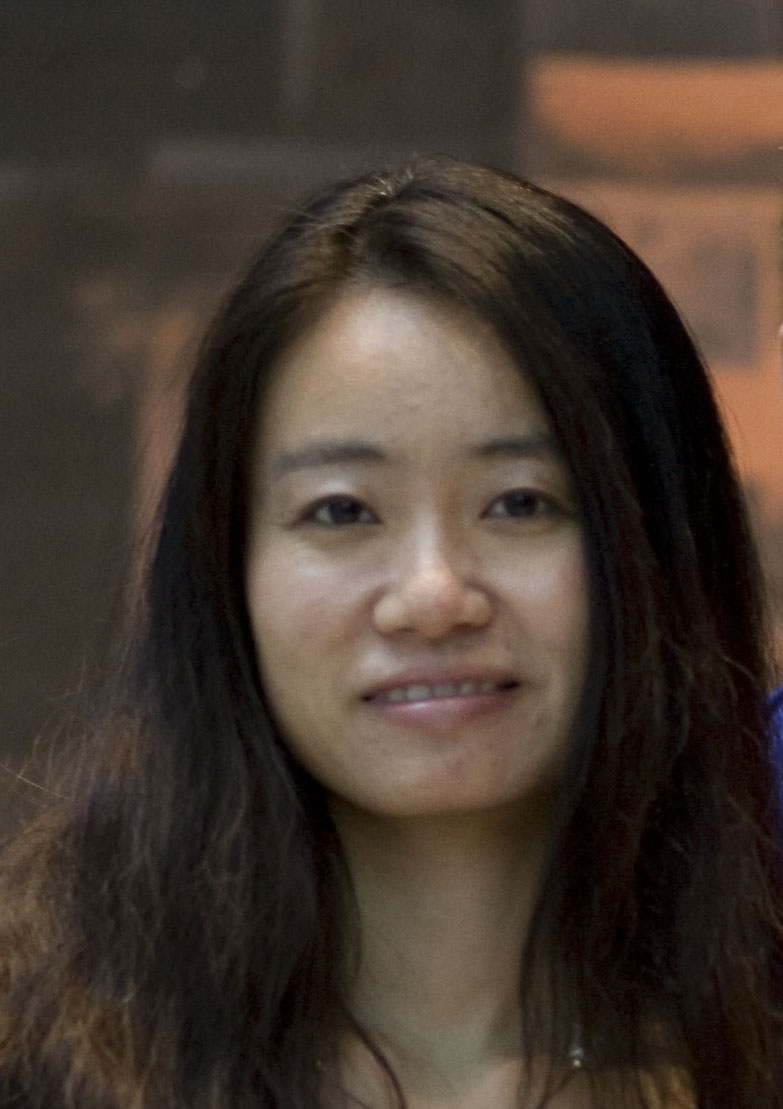
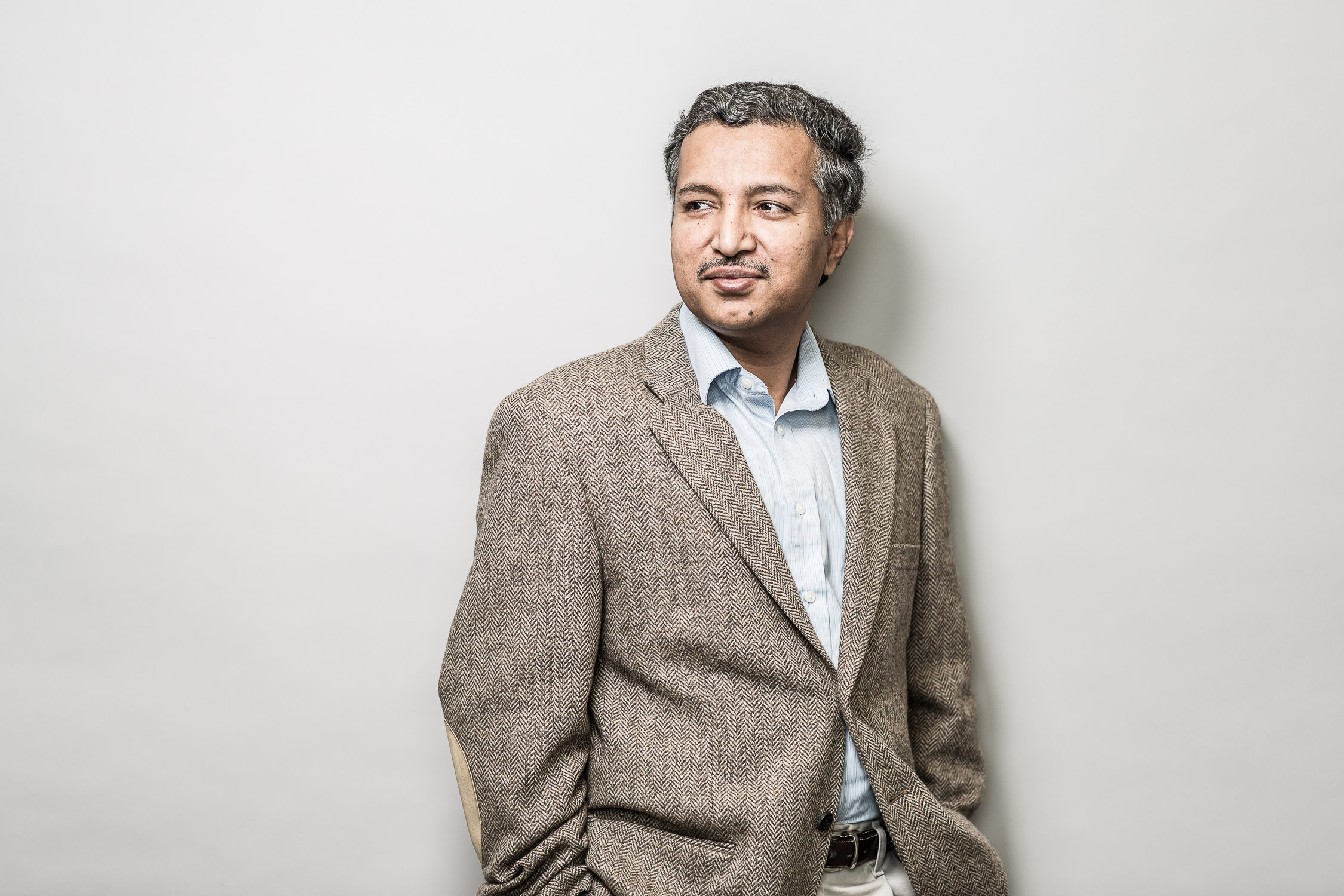
Don Adjeroh is a Professor and Associate Chair in the Lane Department of Computer Science and Electrical Engineering at West Virginia University (WVU). He serves as Graduate Coordinator for CS programs and has led multiple NSF-sponsored projects including Bridges in Digital Health and Multi-Scale Integrative Approach to Digital Health . His research focuses span Machine Learning , Bioinformatics , Computational Biology , and Data Compression . NSF CAREER Award recipient Collaborated with institutions like University of Central Florida and University of Canterbury Led workshops on Plant Image Analysis and Long Non-Coding RNA research His academic contributions include co-authoring the book The Burrows Wheeler Transform: Data Compression, Suffix Arrays, and Pattern Matching (Springer, 2008) and developing software tools like BSMP and PSA for data compression and protein family modeling. He teaches graduate-level courses in String Algorithms and Information Theory , with former projects involving undergraduate and graduate students in DNA microarray image processing and 3D video compression research. Key Scientific Awards : NSF CAREER Award NASA-WV Space Consortium funding WV-EPSCOR grants NSF-CITeR support DOD-ONR/DHS/DOJ/NIJ/NHPRC sponsorships
Ondřej Čepek is an Associate Professor at the Department of Theoretical Computer Science and Mathematical Logic, Faculty of Mathematics and Physics, Charles University in Prague. His academic career spans several decades with numerous publications demonstrating his expertise in theoretical computer science, particularly in Boolean logic, computational complexity, and operations research. Čepek's research primarily focuses on Boolean functions, Horn formulas, and computational complexity. His work explores structural properties of logical constructs, minimization techniques, and applications in knowledge representation. He has made significant contributions to understanding satisfiability testing complexity, CNF minimization, and Boolean function representations using interval structures. His research also extends to scheduling problems, particularly just-in-time scheduling with periodic time slots, where he has developed efficient algorithms for multislot scheduling on identical parallel machines and nonpreemptive flowshop scheduling with machine dominance. Analysis of his recent publications reveals a consistent research trajectory from theoretical foundations to practical applications. His work demonstrates expertise in tractable classes of Boolean formulas, knowledge compilation techniques, and the relationship between computational complexity and logical representations. The recurring themes include efficient representations for logical formulas, characterization of tractable problem classes, and development of optimization algorithms for discrete structures. His collaborations with researchers like Petr Kučera, Roman Barták, and Endre Boros have produced influential work in constraint programming and artificial intelligence. Distinguished Paper Award at CP2004 for 'Unary resource constraint with optional activities' While specific details about his advising activities are not provided in available sources, his extensive publication record spanning from 1989 to 2017 suggests substantial involvement in academic mentoring. His numerous collaborations both within Charles University and internationally indicate an active role in the academic community. His research has practical applications in knowledge-based systems, constraint satisfaction problems, and artificial intelligence. Čepek maintains an active research profile with publications continuing through 2017. His recent work has focused on knowledge compilation techniques, recognition of tractable DNFs, and the complexity of CNF minimization. He has also explored applications of Boolean techniques to DNA microarray data analysis, demonstrating the interdisciplinary nature of his research.
Dr Abu-Bakr Abu-Median is a Lecturer in Biomedical Science at De Montfort University's School of Allied Health Sciences since 2017. A veterinarian and molecular microbiologist with extensive experience in microbial diagnostics and pathogen research, he has contributed to developing portable molecular diagnostic devices for clinical and field applications. BVSc, University of Khartoum MSc in Applied Molecular Microbiology, University of Nottingham PhD in Molecular Bacteriology, University of Bristol His research focuses span antimicrobial resistance , molecular diagnostics , zoonotic diseases , and microarray technology . He has pioneered DNA-based assays and microarrays for multi-pathogen detection, particularly in rodent and avian species. Recent publications highlight his work in pathogen discovery , viral characterization , and computational homology modeling for microbial virulence factors. His expertise in lab-on-a-chip systems and bioinformatics has advanced wildlife disease surveillance methodologies. Associate Fellow, Higher Education Academy As an educator, he teaches molecular biology and infectious diseases to biomedical science students and supervises PhD candidates. His professional work includes collaborations with The Pirbright Institute and EU/BBSRC funded research projects.
Brent D Cameron is a Professor in the Department of Bioengineering at the University of Toledo's College of Engineering. His research focuses on biomedical engineering, with emphasis on biosensors, surface plasmon resonance, non-invasive glucose monitoring, and optical polarimetry. Over a career spanning decades, he has pioneered advancements in real-time physiological glucose sensing, DNA aptamer-based diagnostics, and wearable biosensing technologies. Research Trends: His publications reflect expertise in Biosensors for glycated hemoglobin and cortisol Aptamer microarrays and DNA origami Surface plasmon resonance and optical polarimetry Machine learning for glycemic prediction Transdermal biomarker detection Collaborations: He has published extensively with co-authors including Scott M. Pappada and Dong Shik Kim, covering areas from cancer therapy to diabetes management. His work has been referenced in patents and widely shared in academic and clinical settings.
Kristoffer Vitting-Seerup is an Associate Professor at the Department of Health Technology , Technical University of Denmark, specializing in Bioinformatics and Isoform Analysis . His research focuses on leveraging RNA sequencing, alternative splicing, and protein domain variants to advance cancer genomics and neuro-oncology. Current academic rank: Associate Professor Key collaborations: DTU, University of Copenhagen, international cancer research teams Supervisory role: 5 PhD students in projects spanning machine learning for single-cell sequencing and isoform-level systems biology His work demonstrates strong emphasis on transcriptomics in glioblastoma, with recent publications analyzing tumor infiltration, neurodevelopmental pathways, and therapy resistance mechanisms. Articles reveal expertise in alternative splicing's role in biological signaling, protein domain functional diversity, and genomic stability in cancer stem cells. Research tools developed include satuRn for transcript usage analysis and IsoformSwitchAnalyzeR for splicing variant characterization. Current projects aim to improve clinical diagnostics through machine learning frameworks and enhance understanding of isoform-level biology in diseases. Advising: Rasmussen, M. N. (PhD Student, 2025-2028) Zhen, Z. T. (PhD Student, 2024-2027) Hsieh, C.-Y. (PhD Student, 2024-2027) Kanakoglou, D. S. (PhD Student, 2023-2026) Dam, S. H. (PhD Student, 2021-2025)
Russell Finley is a Professor at Wayne State University, with joint appointments in the Departments of Molecular Medicine and Genetics and Biochemistry, Microbiology, and Immunology. He serves as Division Director for Education and Graduate Officer in CMMG and is a member of the Karmanos Cancer Institute. His research focuses on regulatory networks controlling cell proliferation, using high-throughput technologies like yeast two-hybrid systems and RNAi screens. PhD in Molecular Biology from SUNY Upstate Medical University (1990) Postdoctoral training at Harvard Medical School and Massachusetts General Hospital (1990-1995) Research keywords include protein interaction networks, Drosophila development, cancer biology, and systems biology. His 2024-2010 publications highlight work on cell cycle regulators, pathogen interactions, and bioinformatics methodologies. He teaches advanced courses in cancer biology, molecular genetics, and systems biology.
Mark Manuel Somoza is an Associate Professor at the University of Vienna's Faculty of Chemistry, Department of Inorganic Chemistry. His research focuses on nucleic acid microarrays, DNA synthesis, and molecular interactions in physiological systems. Research Interests: DNA encoding for data storage, bitter taste receptor mechanisms, zinc homeostasis, and nucleic acid photolithography. Recent Trends: Integrates biochemical engineering with computational approaches to optimize DNA-based information storage systems, while exploring how dietary peptides modulate gastric function via taste receptors. Projects: Leads studies on ribosomal synthesis of peptide microarrays and enzymatic DNA synthesis for combinatorial encoding.
Dr. Anja Rockstroh is a Research Fellow at the Queensland University of Technology (QUT), affiliated with the School of Biomedical Sciences. Her work focuses on bridging biochemistry and bioinformatics to translate genomic data into biological insights, particularly in prostate cancer research. She holds a doctorate in biochemistry from Friedrich Schiller University Jena (2007) and has over 15 years of experience in cancer genomics. Dr. Rockstroh has contributed to projects investigating cellular adaptive pathways in castrate-resistant prostate cancer, developing RNAseq and microarray analysis pipelines. She has published 17 peer-reviewed articles and secured grants including a $250K PCFA grant (2010) and a $200K Cancer Council Queensland grant. Education: Dr.rer.nat in Biochemistry, Friedrich Schiller University Jena (2007) Research Focus: Prostate cancer transcriptomics, lipid metabolism, and drug resistance mechanisms Grants: Co-investigator on PCFA-PG 4410 (2010) and APP1080379 (Cancer Council Queensland) Her research emphasizes translational applications, including identifying novel treatment resistance pathways through large-scale transcriptome profiling of over 600 prostate cancer samples. She collaborates with teams like APCRC-Q and the MRTA project, advancing understanding of androgen response pathways and metabolic reprogramming in cancer progression.
Dr Eric Belfield is a Research Fellow in the Department of Plant Sciences at the University of Oxford, where he is part of the Østergaard Group. His research focuses on plant growth and development in model species like Arabidopsis thaliana and crop plants such as pea (Pisum sativum), with an emphasis on legume biology and sustainable agriculture. Previously, he worked in Nick Harberd’s group at the John Innes Centre and later at the University of Oxford, investigating DNA mutation dynamics under environmental stressors like temperature, radiation, and soil salinity. He holds roles as Plant Growth Facilities Manager, Lecturer, and Tutor in the Biology degree program’s first-year Research Skills module. His work explores how environmental factors influence mutation rates and genomic stability, with applications to crop improvement and sustainable protein production. His research interests include legume nitrogen fixation, genomic consequences of DNA mismatch repair disruption, and the interplay between ethylene signaling and nitrate metabolism. He contributed to the development of bioinformatics tools like HANDS2 for polyploid genome analysis. Dr. Belfield’s publications span topics from mutation accumulation in Arabidopsis to isotope analysis in ancient agricultural systems. He serves on the Facilities Committee and Genetic Modification Safety Committee, ensuring compliance and safety standards in research activities. His academic contributions include over 20 peer-reviewed articles, with a focus on mutation dynamics, genomic instability, and the environmental drivers of genetic changes. His work bridges fundamental plant biology with applied agronomic challenges, aiming to enhance crop resilience and sustainability.
Dr. Fatma AKALIN serves as an Assistant Professor in the Department of Information Systems Engineering at Sakarya University's Faculty of Computer and Information Sciences. Previously, she held a Research Assistant position at the same institution starting in 2020. Her academic foundation was built through a Bachelor's and Master's in Computer Engineering from Sakarya University. Education: M.Sc. in Computer Engineering, Sakarya University (2018-2020) B.Sc. in Computer Engineering, Sakarya University (2014-2018) Dr. AKALIN's research bridges artificial intelligence with critical medical diagnostics challenges. She pioneers novel applications of deep learning architectures and bio-inspired optimization algorithms across diverse healthcare domains. Her work spans dental radiology for periapical lesion detection, cardiac diagnostics for arrhythmia and heart failure prognosis, gastrointestinal anomaly identification through capsule endoscopy, and genomic sequence analysis for leukemia classification. She has developed specialized techniques including the Crocodile and Egyptian Plover (CEP) optimization algorithm and synthetic data generation methods to address medical data scarcity. Analysis of her 2022-2025 publications reveals a strategic focus on medical image processing with consistent innovation in YOLO-based object detection, ensemble classifiers, and hybrid deep learning models. Her research trajectory demonstrates increasing sophistication in integrating domain-specific constraints with algorithmic advancements, particularly in overcoming data limitations through synthetic data generation and optimization techniques. Dr. AKALIN has not received documented scientific awards or fellowships. Available information does not indicate student advisement or external grant funding. No dedicated research laboratories or collaborative teams are specified in current materials.
Katrina Ramonell is an Associate Professor in the Department of Biological Sciences at the University of Alabama, where she focuses on plant-pathogen interactions using Arabidopsis thaliana as a model system. Her research investigates chitin signaling pathways and susceptibility factors in plant defense mechanisms. Education: PhD in Plant Physiology from Louisiana State University (1999); Postdoctoral research at the Carnegie Institution of Washington Research interests include plant innate immunity , signal transduction , and genomic approaches to understanding plant-fungal interactions . Her work leverages DNA microarrays, genetic mutants, and molecular techniques to identify defense-related genes. Key projects involve chitin perception and the role of ubiquitin ligases like ATL9 in defense responses. Recent publications highlight her contributions to receptor-like kinase functions , chitin signaling , and hormone-mediated defense pathways . She has published extensively in journals such as Plant Cell , PLoS ONE , and Molecular Plant-Microbe Interactions .
Sambriddhi Mainali serves as the Undergraduate Programs Director and Assistant Teaching Professor in the Department of Computer Science at the University of Missouri-St. Louis within the College of Arts and Sciences. Holding a Ph.D. in Computer Science from the University of Memphis (2021), she bridges computational theory with biological applications through her research and teaching. Education: Ph.D. in Computer Science, University of Memphis, 2021 Dr. Mainali's research program focuses on computational biology and bioinformatics, employing advanced machine learning, information theory, and molecular computing techniques to solve genomic challenges. Her work spans pathogenicity prediction, genomic sequence analysis, phenotype forecasting, and environmental DNA profiling, with particular emphasis on dimensionality reduction methods and species identification systems. This interdisciplinary approach integrates computer science fundamentals with biological data to advance precision medicine and biodiversity conservation. Analysis of her 14 publications from 2017-2022 reveals consistent innovation in genomic data science, with recent work emphasizing deep learning for DNA structure analysis (2022), information-theoretic dimensionality reduction (2021), and universal genomic positioning systems (2017-2020). Her research trajectory demonstrates increasing sophistication in applying computational frameworks to complex biological questions, particularly in translating genomic sequences into phenotypic predictions and environmental assessments. As Undergraduate Programs Director, she oversees curriculum development and student mentorship in computer science, maintaining office hours Tuesdays and Wednesdays 1:30-3:30 PM in ESH 313 with Zoom availability. Her contact details include email smbtk@umsl.edu and phone (314) 516-5239.
Tim Lenoir is a Distinguished Professor at the University of California, Davis, affiliated with Cruess Hall. His work examines the history of biomedicine, the societal impact of computational media (e.g., bioinformatics, robotics, AI), and the intersection of military simulation technologies with commercial gaming industries. He is known for interdisciplinary research on science policy, university-industry collaborations, and global nanotechnology trends. Lenoir also leads the Virtual Peace project, repurposing military simulations for conflict resolution education. Tim Lenoir holds the following academic degrees: Ph.D. in History & Philosophy of Science, Indiana University, Bloomington, IN, 1974 B.A. in Integrated Liberal Arts, St. Mary's College, Moraga, CA, 1970 His research interests span critical media studies, exploring how digital technologies reshape human-technology relationships and contemporary culture. He investigates themes like neuroengineering, regenerative medicine, and the ethical implications of emerging technologies. Lenoir’s work in critical game studies critiques the military-entertainment complex and the dual-use potential of virtual reality systems. His scholarship also addresses historical transformations in university-industry partnerships and the socio-political drivers of scientific innovation. Recent publications highlight his focus on global nanoscience dynamics, federal funding impacts on biomedicine, and the philosophical dimensions of technological singularity. These works reflect his commitment to analyzing how technological advancements intersect with cultural, economic, and political systems. Lenoir has received notable awards such as the NATO Postdoctoral Fellowship, Alexander von Humboldt-Stiftung Fellowship, and a John Simon Guggenheim Fellowship. He was also honored with the Peter Bing Distinguished Teaching Fellowship at Stanford University and a MacArthur Foundation grant for digital media initiatives. In advising and grants, Lenoir spearheaded the Virtual Peace project with MacArthur Foundation support, demonstrating his ability to translate military simulations into tools for social good. His teaching integrates historical analysis with contemporary debates on technoculture, offering courses on biotechnology ethics, media studies, and innovation policy. Collaborative work with Luke Caldwell on the military-entertainment complex underscores his engagement with interdisciplinary teams. Lenoir’s lab initiatives include the Virtual Peace project, which operates at the intersection of technology and conflict resolution. His research teams often address global science policy issues, such as China’s rise in bionanotechnology and the cultural production of scientific disciplines.
Zhijin Wu is a Professor of Biostatistics and Director of the Doctoral Program in Biostatistics at Brown University's School of Public Health. His research focuses on developing statistical methods for high-throughput genomic technologies, including RNA sequencing, DNA microarrays, and single-cell sequencing. Key areas include normalization techniques, differential expression analysis, and integrative genomic approaches for epigenetic studies and cancer research. Research interests span bioinformatics, epigenomics, and computational biology. Dr. Wu's work addresses challenges in data interpretation from technologies like NanoString nCounter and scRNA-seq, with applications in toxicology, cancer biomarker identification, and aging studies. His methodologies are applied to diverse biological systems, including diatom transcriptomics and murine models of colorectal cancer. Publications emphasize statistical innovations for genomic data, such as latent variable models and normalization frameworks. Collaborative projects include epigenetic variations in cancer, immune cell activation dynamics, and drug synergy studies with GSK-3 inhibitors. The Center for Biostatistics and Health Data Science, co-located with his department, supports these interdisciplinary efforts.
Suprakash Datta is an Associate Professor and Associate Dean Academic and Students at the Lassonde School of Engineering , York University , specializing in Electrical Engineering & Computer Science . His research spans Bioinformatics , Computer Networks , and Parallel & Distributed Computation . Contact: datta@eecs.yorku.ca Location: CSEB 3043, 4700 Keele Street, Toronto, ON M3J 1P3 Education B.Tech (E&ECE), IIT Kharagpur, India M.Tech (CSE), IIT Kharagpur, India Ph.D. (CS), University of Massachusetts at Amherst, USA Research Interests Dr. Datta's work focuses on communication networks and bioinformatics . He investigates mathematical models for packet-dropping networks, sensor network routing algorithms for realistic battery models, and genomic signal processing techniques for DNA sequence analysis. His recent projects include: Wireless Sensor Networks : Energy-efficient routing, MAC protocols, and hardware implementation challenges. Genomic Signal Processing : Deterministic algorithms for gene prediction, clustering microarray data, and modeling email virus spread. Network Algorithms : Competitive analysis of TCP, active queue management, and multicast tree inference. Recent Publication Trends Over the last decade, his publications have emphasized vehicular networks , evolved features for DNA classification , and connectivity-based positioning algorithms . Key themes include energy efficiency , localization in mobile networks , and theoretical bounds for network protocols . Students & Teaching Dr. Datta has supervised numerous M.Sc. and Ph.D. students in topics like wireless sensor routing and genomic algorithms. He teaches courses including CSE 2001 and has served as ACM programming contest coach.