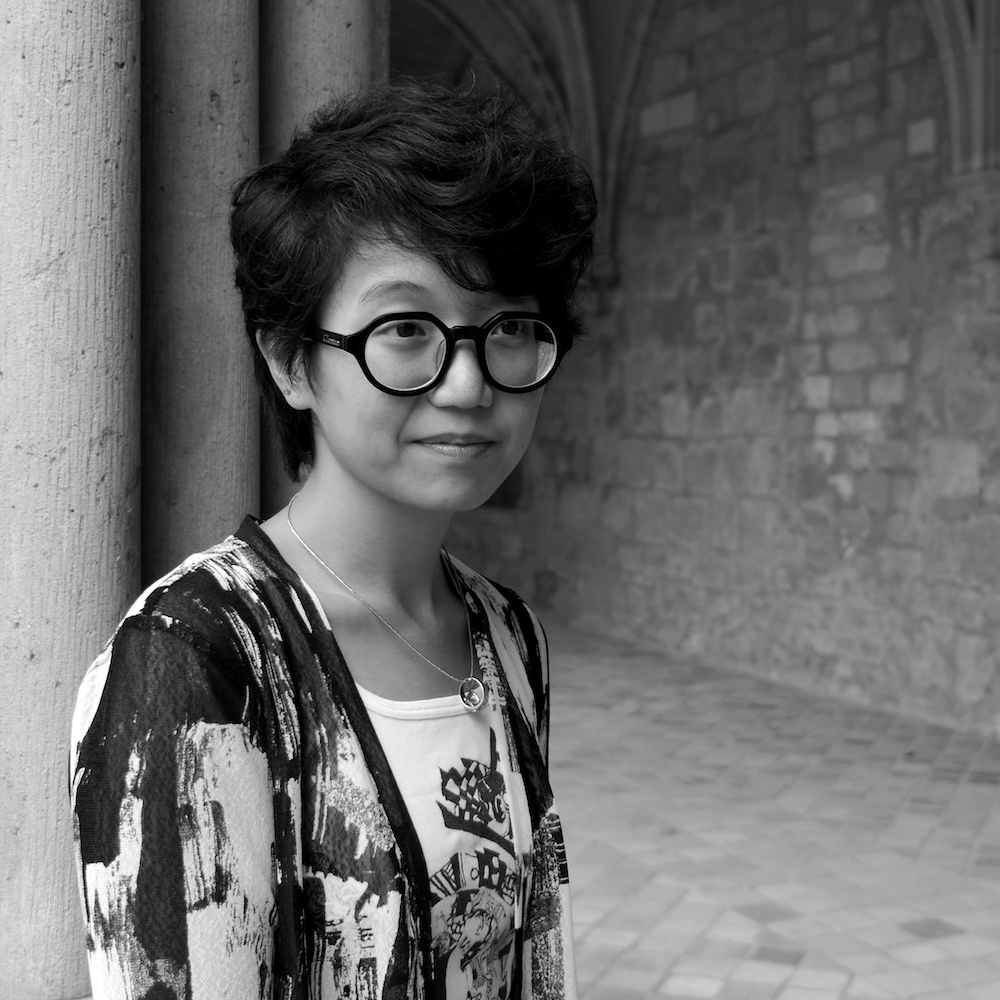
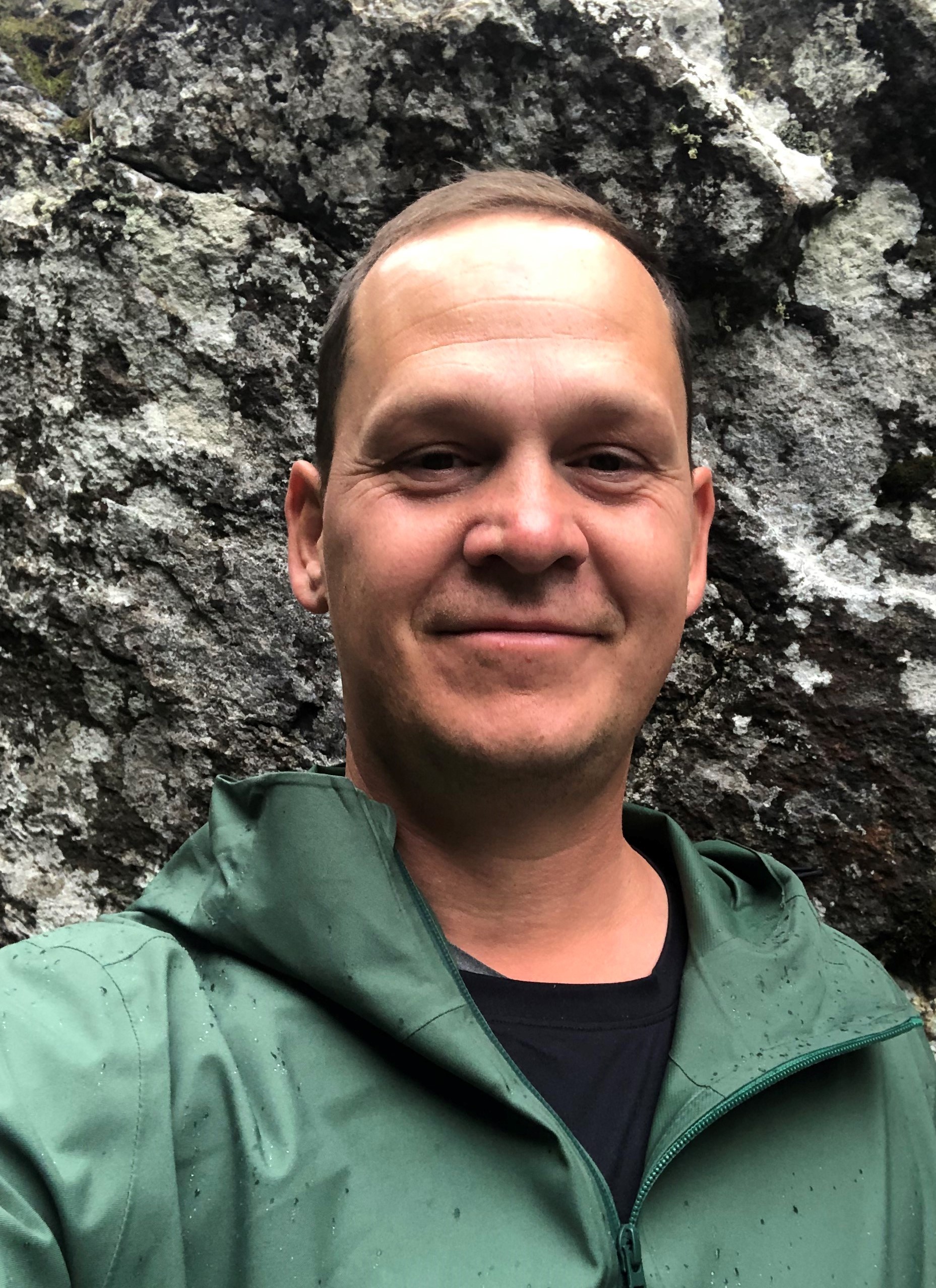
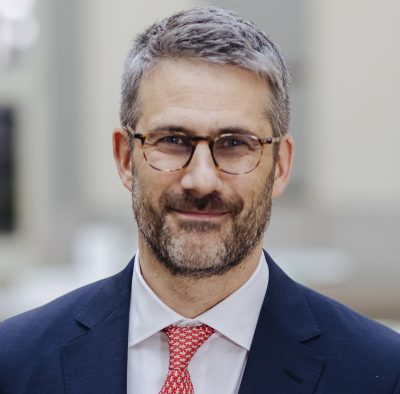
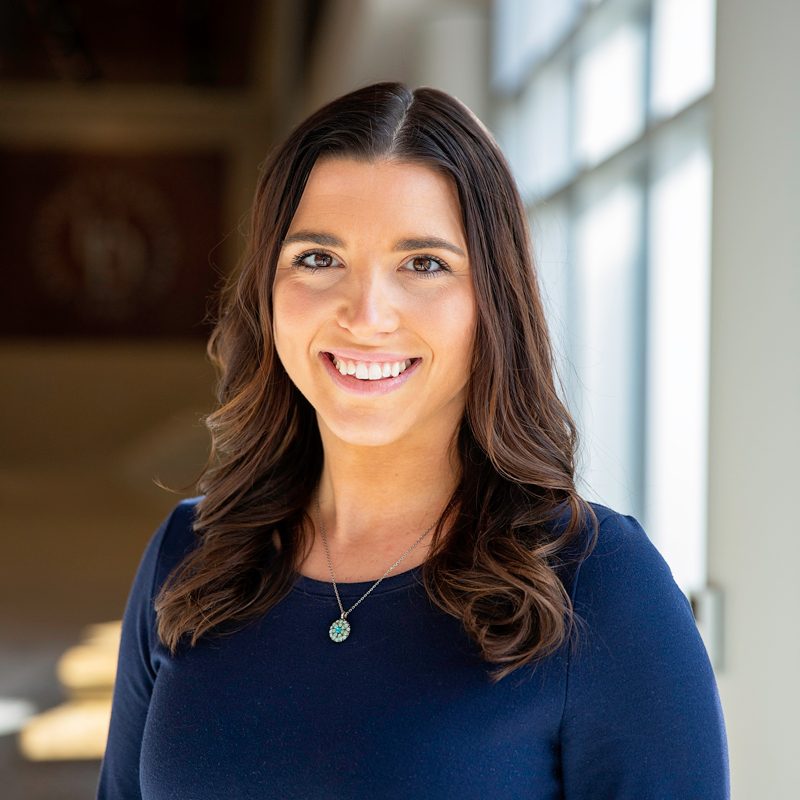
Megan Conrad is the Clare Boothe Luce Assistant Professor in the Department of Mechanical Engineering within the College of Engineering & Science at the University of Detroit Mercy. Previously, she led the Ergonomics and Human Performance Lab at Oakland University. Her research specializes in assessing human performance, particularly hand and arm function, to develop solutions enabling independence for elderly and disabled individuals. Key areas include assistive technology, ergonomics, biomechanics, and neuromechanics. Her publications (15 most recent shown) demonstrate a focus on hand biomechanics measurement, ergonomic design, human factors processes, STEM education challenges, and rehabilitation engineering. Trends include advanced instrumentation development, pressure distribution analysis, and investigations into workforce diversity and educational methods. She has been awarded the Clare Boothe Luce Assistant Professor Fellowship.
Annie Hui-Hsin Hsieh is an Associate Teaching Professor of electronic music and composition at Carnegie Mellon University's School of Music in Pittsburgh, USA. She holds a doctorate from the University of California, San Diego, and prior degrees from the University of Melbourne. Her work focuses on creating visceral physical experiences through acoustic and electroacoustic mediums, emphasizing spatial gestures and relational sociality in sound. Her music has been performed internationally by ensembles such as the BBC Scottish Symphony Orchestra, JACK Quartet, and ELISION Ensemble. Notable commissions include works for Symphony Services Australia, Lucerne Festival, and Wien Modern. She has received prestigious awards including the Belegura Composer Award (2022 Melbourne Prize) and the 2023 Monash Performance Art Centre Commission. Recent projects include collaborations with video artist Johannes DeYoung and roboticist Jean Oh, showcased at festivals like MaerzMusik Berlin and Digerati Emergent Media Festival. Her research explores intersections of sound, technology, and interdisciplinary art.
Professor Yi-Bing Lin is a distinguished faculty member in the Department of Computer Science at National Yang Ming Chiao Tung University, Taiwan, where he leads pioneering research in Internet of Things (IoT) systems and applications. His work primarily focuses on developing the IoTtalk platform and its numerous derivatives across various domains including smart agriculture, smart homes, environmental monitoring, and creative applications. His research interests span Internet of Things, Edge Computing, Smart Agriculture, Sensor Networks, AI Integration, Wireless Networking, and Smart Home Systems. Professor Lin has developed the IoTtalk framework that enables rapid development of IoT applications with numerous specialized implementations including VoiceTalk, SensorTalk, AgriTalk, and many others that address specific domain challenges. His work emphasizes practical implementations with real-world impact, particularly in precision agriculture where his team has developed systems for orchid disease detection, rice blast monitoring, turmeric farming, and watermelon ripeness prediction. Analysis of his recent publications (2023-2025) reveals a strong trend toward integrating AI with IoT systems, particularly for agricultural applications and smart environments. His work increasingly incorporates advanced techniques like continuous wavelet transform, deep learning, and computer vision to solve practical problems in precision farming and environmental monitoring. The publications also show growing interest in creative applications of IoT technology for performing arts, interactive experiences, and educational contexts. Professor Lin has received recognition through consistent high-volume publication output in top-tier venues including IEEE Internet of Things Journal, IEEE Access, and Sensors. His collaborative network is extensive, with frequent co-authorship with researchers like Yun-Wei Lin, Wen-Liang Chen, and Min-Zheng Shieh. His advising has produced numerous researchers who continue to work in IoT and related fields, with many former students maintaining collaborative relationships. Professor Lin's research has been supported by multiple grants enabling the development of practical IoT systems with real-world implementations. His lab has developed numerous specialized IoT applications through the IoTtalk framework, creating a cohesive research ecosystem. Current work shows expansion into new application domains including interactive miniature worlds, simultaneous performance across locations using IoT-based motion capture, and IoT-based musical instruments like piano playing robots and violin robots, demonstrating the versatility of his research approach.
Prof. Walter de Wit is a Full Professor of Tax Law at Erasmus School of Law, Erasmus University Rotterdam. He is also a tax lawyer at Ernst & Young Tax Advisors, specializing in indirect taxes and European law. He holds a PhD from the University of Amsterdam (1997), where his research focused on environmental policy implementation via fiscal instruments under EU law. Previously, he served as Advocate General at the Tax Chamber of the Supreme Court of the Netherlands (2004–2007), writing over 100 legal conclusions on customs law, VAT, and EU tax law principles like fiscal discrimination and free movement of goods. His research and teaching emphasize EU Customs Law, maritime/transport tax law, and compliance. He leads the prestigious Post-Master in EU Customs Law (via Foundation for European Fiscal Studies) and contributes to the 'Customs and Supply Chain Compliance' program with DelftTopTech and TU Eindhoven.
Prof. Dr. Christoph Herrmann is a full Professor of Constitutional and Administrative Law, European Law, and International Business Law at the University of Passau's Law School. He holds an LL.M. from the University of London and has served as Chairholder since 2009, leading the interdisciplinary research group focusing on European and global economic legal frameworks. His academic career includes habilitation at LMU Munich (2009), Jean-Monnet Fellowship in Florence (2006-2007), and teaching appointments across Europe. Research Focus: EU constitutional structures, international trade law, WTO jurisprudence, and investment protection Recent Activities: Co-edited Oxford Handbook on International Economic Integration (2025), presented at the 36th European Forum for Foreign Trade Law (2025), and contributed to Beck's trade law yearbook Awards: Multiple fellowships including DAAD and Jean-Monnet programs Teaching responsibilities include advanced courses on European constitutional law, international trade regulation, and EU external relations law. Active in student mentorship through the ELSA moot court program.
Prof. d-r Suzana Taleska is a Full Professor at the Faculty of Economics, Ss. Cyril and Methodius University in Skopje. Her expertise spans Financial Accounting, Government Accounting, and International Accounting Standards. She holds a PhD (1995), Master’s (1988), and graduated in 1979. PhD: 1995 Master’s: 1988 Bachelor’s: 1979 Her research focuses on financial reporting, expense analysis, and IT integration in business processes. She has contributed to 50+ publications and led projects on e-commerce, labor market analysis, and CRM implementation. Key projects include RWCT (2001-2002), CEP (2002), and USAID-funded accounting development initiatives. She advises on MBA programs and chairs the Department of Accounting, Finance, and Auditing.
Milena Nikolić is an Assistant Professor of Finance and Banking at Singidunum University (2021–present), with extensive experience in academia, banking, and insurance sectors. She holds a PhD in Finance and Banking from the University of Niš (2008–2018), an MSc in Finance, Banking, and Insurance (2010–2013), and a BSc in Financial Management (2002–2007). Her research focuses on sustainable finance, banking innovation, tourism economics, and pension systems. She has contributed to projects like 'Sustainable Tourism: Study Visits' (2022) and 'Capacity Building Program for Innovation Centers' (2024–2025). Key roles include leading insurance market research at Safe Life d.o.o. (2017–), training programs in economics education, and authoring over 20 peer-reviewed articles. Awards include scholarships from the City of Niš, Philip Morris, and Serbia’s Ministry of Education. Her work spans academic publications on digital banking, green finance, post-pandemic tourism recovery, and pension system reforms. She is a licensed insurance agent and active member of the Society of Economists of Niš.
Dag Jørgen Hveem is an Adjunct Associate Professor at the Department of Law and Governance, BI Norwegian Business School. His expertise spans Housing Property, Real Estate Law, Family Businesses, Insurance, Personal Finance, Taxation, and Currency Regulations. He has held academic roles since 1995, including Industrial Professor and Lecturer at BI, and has served on the Financial Industry Authorization Schemes Board since 2014. Education: PhD (2020, University of Bergen), Master of Laws (1995, University of Oslo), Cand.Mag (1991, University of Oslo), Bachelor (1990, BI). His research focuses on legal frameworks governing personal finance, consumer protection, and banking ethics. Notable publications include analyses of the Pledge Act, Guardianship Act, and consumer advisory obligations in financial contexts. He has authored textbooks on personal finance and contributed to policy discussions on financial regulation. He has held diverse roles including Judge at Oslo byfogdembete (2000–2001), Researcher at Copenhagen Business School (2007–2008), and advisor in banking and accounting sectors.
Erlend Sand Aas is an Assistant Professor at the Department of Economics, Innovation and Society, Høyskolen i Østfold. His academic roles include teaching courses such as Financing and Investment, Mathematics for Economists, and Technology Management. He specializes in financial markets, housing economics, and digital transformation in finance. His research focuses on topics like mortgage financing risks, cryptocurrency evolution, portfolio optimization using machine learning, and signaling effects of corporate buybacks. Recent work includes analysis of non-linear mortgage supply dynamics and the psychological drivers of cryptocurrency market behavior. Publications span peer-reviewed journals like Journal of Housing Research and platforms like SSRN, demonstrating expertise in both theoretical and applied economics. No specific awards were mentioned in the provided texts. Erlend has held his position since at least 2019 and maintains active research collaborations, particularly with Trond Arne Borgersen on housing finance and financial market dynamics. His teaching spans economics, mathematics, and technology management across undergraduate and graduate programs.
Bo Becker is the Cevian Capital Professor of Finance at the Stockholm School of Economics (SSE) and Director of the Swedish House of Finance (SHoF) . He previously served as a professor at Harvard University and the University of Illinois, and held roles such as Head of the Department of Finance at SSE. His research focuses on corporate credit markets, insolvency, debt contracting, and regulatory policy, with notable contributions to understanding credit rating quality, restructuring processes, and the impact of insolvency frameworks on financial markets. Research Interests : Becker investigates topics like corporate governance, cyclicality of credit supply, and the effects of regulatory reforms. His work emphasizes practical policy implications, particularly in resolving insolvency challenges and enhancing market resilience. Awards : He has received the Standard Life Prize (2013), Lamfalussy Fellowship (2005), and Teacher of the Year (2017). His research has been published in top journals like the Journal of Finance , Review of Financial Studies , and Journal of Financial Economics . Advisory Roles : Becker serves on the European Systemic Risk Board's Scientific Committee, advises AP7 and SEB, and contributes to policy inquiries (e.g., Swedish EU Banking Union membership). He chairs the Royal Stockholm Philharmonic Orchestra board and writes regularly for Affärsvärlden and VoxEU .
Suresh Sinduja is a researcher specializing in biomedical engineering and materials science, with a focus on additive manufacturing applications in healthcare. Their work involves developing patient-specific implants, bone scaffolds, and 3D-printed orthotic devices. They have collaborated extensively with institutions like the University of Queensland and Hannover Medical School, contributing to advancements in surgical implants, tissue engineering, and medical imaging technologies. Sinduja holds a PhD from Hannover Medical School (2020) and has published over 45 peer-reviewed articles between 2018 and 2025. Key Research Areas: Biodegradable materials, 3D printing workflows, bone regeneration, spinal orthosis design, and telemedicine solutions for rural healthcare. Affiliations: Hannover Medical School (PhD), collaborations with QUT, VU Amsterdam (through co-authorships), and industry partners. Notable projects include the development of modular bone scaffold design tools, semi-automated digital scoliometers for scoliosis assessment, and investigations into the mechanical properties of 3D-printed biomedical components. Their work bridges engineering and clinical practice, aiming to enhance patient outcomes through innovative manufacturing solutions.
Çiydem ÇATAK is an Associate Professor at the Department of Business Administration, Faculty of Economics and Administrative Sciences at Türkish-German University, Türkiye. He holds a PhD in Accounting Finance from Marmara University Institute of Social Sciences (2012-2017). His academic career includes roles as Assistant Professor (2018) and Research Assistant (2014) at Türkish-German University. Research Interests: Entrepreneurial Finance and Venture Capital Behavioral Finance and Investor Behavior Energy Derivatives and Financial Markets Islamic Banking and Cross-Cultural Economics Corporate Governance and Family Businesses Digital Asset Management and FinTech Innovations Publications Overview: His recent work focuses on government roles in entrepreneurial ecosystems, behavioral finance determinants, energy market dynamics, and cross-border financial innovations. Key themes include venture capital policy impacts, risk tolerance modeling, renewable energy pricing, and regulatory challenges in emerging markets. Grants & Sponsorships: His 2018 study on innovation and growth was supported by the German Academic Exchange Service (DAAD). Labs/Teams: No specific lab affiliations mentioned, but collaborates on interdisciplinary projects involving finance, technology, and policy analysis.
Alyssa Lanzi, PhD, CCC-SLP is an Assistant Professor in the Department of Communication Sciences & Disorders within the College of Health Sciences at the University of Delaware. Her work focuses on developing and applying cognitive communication outcome measures for individuals with neurocognitive disorders. Education: Postdoctoral Fellowship, University of Delaware (2020) PhD, University of South Florida (2019) MS, Duquesne University (2016) BS, Duquesne University (2015) Research Interests center on compensatory cognitive rehabilitation, functional memory aid assessment, and the study of communication challenges in mild cognitive impairment and Alzheimer's disease. She leads advancements in patient-centered treatment planning and remote cognitive diagnostics. Research Trends across her publications reveal a focus on: Cognitive-communication biomarkers in neurodegenerative diseases Telehealth applications for memory assessments Development of standardized memory aid tools Interdisciplinary approaches to dementia risk reduction Cultural adaptation of clinical instruments Integration of bioenergetics with cognitive outcomes Affiliations: Director of the Resilient Cognitive Aging Lab (RECALL) Member of the Delaware Center for Cognitive Aging Research Co-founder of the DementiaBank multimedia database
Miguel Angel Borrella Mas is a Researcher at the Universidad de Navarra, affiliated with the Faculty of Economics and Business Sciences (FCEE) and the Department of Economics. He is part of the NCID Navarra Center for International Development research group. Borrella holds a PhD in Economics from the Universitat d'Alacant/Universidad de Alicante, where his thesis focused on Essays on applied microeconometrics (2015), supervised by Dr. M. Dolores Collado Vindel. His research interests span applied microeconometrics, tax policy, market competition dynamics, and political economy issues such as corruption and social trust. Notable areas include analyzing tax pass-through mechanisms in vertical markets, evaluating unconditional cash transfers, and studying the socio-political consequences of secession movements like Catalonia's independence push. Borrella's recent work explores topics like clean technology adoption in taxi industries, partisan alignment effects on corruption in Spain, and fiscal federalism's impact on regional stability. His articles frequently bridge theoretical models with empirical evidence from Spain, Bolivia, Georgia, and other regions. No scientific awards are explicitly listed in the provided materials. Advising and grants details are not disclosed here. He is associated with the NCID, focusing on international development challenges through interdisciplinary economic research.
Gustav Jarl is an Associate Professor of Medicine at Örebro University in Sweden, affiliated with the School of Health Sciences. He is a member of the Research Enabling an Active Life (REAL) research environment and the Treatment in Upper and lower limb Malformation or Amputation (TUMA) research group. His primary research focuses on diabetic foot complications, including developing assistive devices to prevent ulcers, studying regional variations in lower limb amputations, and investigating patient adherence to therapeutic footwear. He actively collaborates internationally, particularly with the International Working Group on the Diabetic Foot (IWGDF) on guideline development and systematic reviews. Dr. Jarl has participated in projects such as analyzing socioeconomic risk factors for amputations and validating clinical instruments for disability assessment. He serves on regional healthcare committees like Kompetensgrupp Sår (Wound Competence Group) and reviews for international journals. His recent work includes studies on post-stroke fatigue comorbidities and adherence to prescribed footwear among diabetic patients. His research outputs span over 60 peer-reviewed articles, with topics ranging from diabetic foot ulcers to stroke recovery. Key collaborations include the IWGDF’s 2023 updated guidelines on foot ulcer offloading and studies on innovative therapeutic footwear designs. His contributions bridge clinical practice and assistive technology, emphasizing patient-centered care and evidence-based interventions.