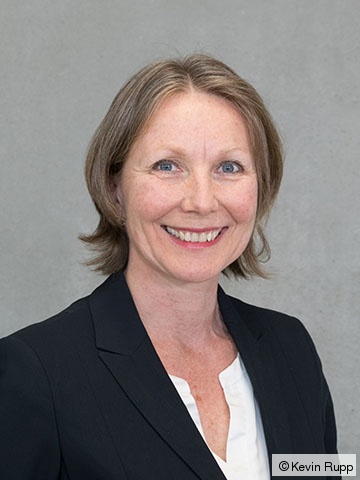
Sarita MalikView profile
Professor
- Cultural Diversity in Creative Industries
- Race and Ethnicity Representation
- Public Service Broadcasting Policy
- +5 more
Professor Sarita Malik serves as Associate Pro Vice Chancellor – Research Impact and Professor of Media, Culture and Communications at Brunel University London's College of Business, Arts and Social Sciences. She leads the Social and Political Sciences division with expertise spanning cultural theory, media sociology, and screen studies since her 2016 professorial appointment. Education: PhD in Sociology (Open University) - AHRB collaborative studentship at British Film Institute supervised by Stuart Hall MA in Film and Television Studies (University of Warwick) BA (Hons) in English and Media (Sussex University) Malik's research centers on inequality, representation, and participation within cultural and technological contexts, with pioneering contributions to diversity frameworks in creative industries since the 1990s. Her work critically examines racialized terminology in organizational cultures, diasporic cinema, and community-based creative activisms. Current projects analyze longitudinal BFI diversity standards data and screen sector racial inequality through Guardian/BFI collaborations. Her publications reveal consistent focus on cultural policy evolution, Black British representation, and grassroots resistance methodologies. Recent works demonstrate increasing emphasis on data-driven diversity analysis while maintaining critical race theory foundations. Major projects like Creative Interruptions (2014-2020) showcase transnational comparative approaches across UK, Palestine, Northern Ireland, and India. Key Awards: BAFTSS 2024 Outstanding Achievement Award Fellow of the Royal Society for the Encouragement of Arts (FRSA) REF 2021 Sub-Panel 34 Membership DCMS College of Experts Appointment (2022) As principal investigator on four Connected Communities projects and multiple AHRC grants exceeding £1.5M, Malik champions collaborative knowledge exchange between academic, community, and policy stakeholders. Her supervision of six doctoral researchers reflects commitment to developing critical race scholarship. The Creative Interruptions project established a transnational network examining arts-based resistance to marginalization through co-created methodologies. Research Infrastructure: Leads the Creative Interruptions consortium with British Film Institute partnerships, maintaining longitudinal datasets on UK film sector diversity through Guardian collaborations. Current work develops frameworks for analyzing institutional diversity moral economies through intersectional lenses.