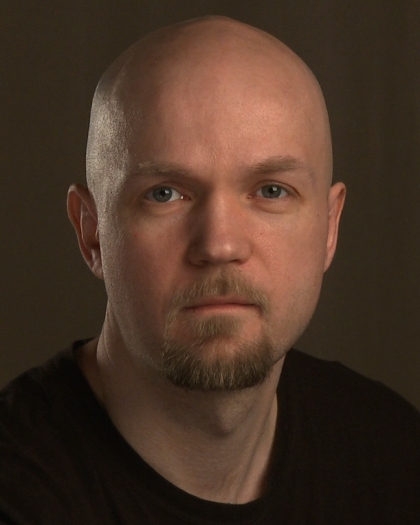
Erlend LavikView profile
Professor
Erlend Lavik is Professor at the Department of Information Science and Media Studies, University of Bergen, Norway. Specialising in television studies, film history, and digital criticism, he leads research on cinematic television, narrative complexity, and the scholarly video essay. He is a key figure in the study of HBO’s The Wire , which he frames as emblematic of the medium’s “third golden age.” Education 2008 – PhD, Changing Narratives. Five Essays on Hollywood History , University of Bergen 2001 – MA (hovedoppgave), Kjærlighet i seriemonogamiets tidsalder. Romantiske komedier i Hollywood , University of Bergen Research Interests Lavik’s work interrogates the intersection of aesthetics, narrative theory, and media policy. Core themes include: Serial television and long-form storytelling Film and television authorship (showrunner model, copyright aesthetics) Digital criticism and the video essay as scholarly genre Hollywood historiography from classical to post-classical cinema Documentary ethics and truth claims in factual media Publication Trends Across more than 60 publications, Lavik moves fluidly between peer-reviewed journals, academic monographs, trade-press essays, and experimental video essays. Recurrent case studies include The Wire , The Sopranos , Succession , and blockbuster cinema, examined through lenses of narrative complexity, intertextuality, and cultural memory. Selected Public Engagement & Service Chairman of the jury, Best Norwegian Documentary, Bergen International Film Festival 2012 Keynote speaker, Nordic Media Conference, Akureiri 2011; NTNU seminar on video essays 2012 Public lectures at NRK Drama, University of Tromsø, Bergen Public Library, and numerous film clubs Labs, Teams, Collaborations Lavik is affiliated with the research group Film, Television, and Visual Culture at the University of Bergen, where he collaborates on projects concerning production studies, visual aesthetics, and digital distribution. While specific grant numbers are not listed, his sustained output and conference presence indicate ongoing funded research within Norwegian and European media-studies networks.