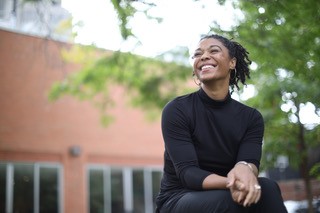
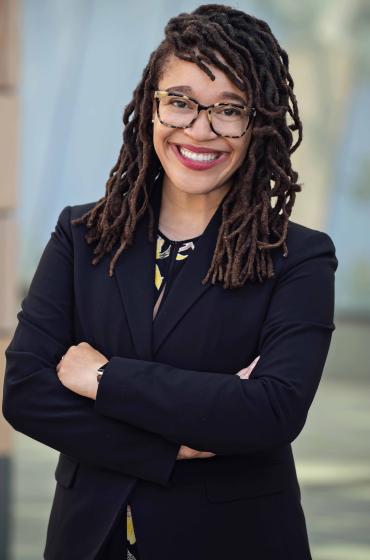
Lauren M. Cramer is an Assistant Professor in the Cinema Studies Institute at the University of Toronto, affiliated with Innis College. Her work focuses on the aesthetics of Blackness, hip-hop visual culture, and spatial practices, with a particular emphasis on digital visual culture. She is a founding member of the liquid blackness research collective and co-editor of the liquid blackness: journal of aesthetics and black studies (Duke University Press). Her current book project explores hip-hop visual culture and Black spatial practices. Dr. Cramer’s research has been published in Journal of Cinema and Media Studies , Black Camera , and Los Angeles Review of Books , among others. She has co-edited special journal issues including “Close-Up: Contemporary Black Horror” (2023) and “ Modes of Black Liquidity: Music Video as Black Art” (2020). Her writing critically examines topics such as racial representation in cinema, anti-Black violence, and the intersections of art and Black studies. Awards include the 2020 Connaught New Researcher Award. She holds a PhD from Georgia State University, an MA from Emory University, and a BA from Villanova University. Her interdisciplinary approach bridges film studies, cultural theory, and visual arts, with a focus on Black creative practices and their socio-political dimensions.
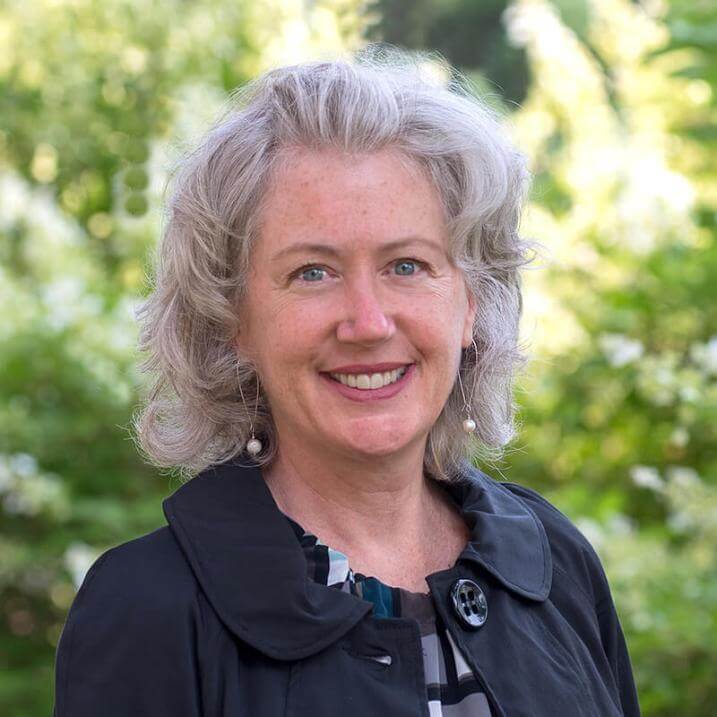
Professor Kelly Clark/Keefe holds the rank of Professor of Education at the University of Vermont (UVM), affiliated with the Department of Education within the College of Education and Social Services (CESS), and the CESS Dean's Office. Her work bridges material feminist theory with arts-based methodologies to address educational inequities and embodiment. Education: Ed.D. in Educational Leadership and Policy Studies from University of Vermont M.A. in Counseling Psychology from Assumption College Certificate of Advanced Graduate Study in Expressive Arts from Appalachian State University Research Focus: Professor Clark/Keefe’s research explores embodiment, epistemic injustice, and marginalized knowledge production through feminist and arts-based approaches. She examines how somatic literacy and creative practices can challenge systemic inequities in education. Her work often engages philosophies of habit and creativity, particularly in addressing contemporary educational challenges. Publications & Exhibitions: She has authored books such as *Invoking Mnemosyne: Art, Memory, and the Uncertain Emergence of a Feminist Embodied Methodology* (Sense Publishers) and co-authored *Humanizing Methodologies in Educational Research: Centering Non-Dominant Communities* (Teachers College Press). Her scholarly artworks have been exhibited at institutions like Columbia University Teachers College and Manchester Metropolitan University. Awards: Judith A. Aiken Award for Relational Leadership (UVM CESS, 2025) North Carolina Board of Governors Excellence in Teaching Award Reich College of Education Annual Outstanding Teaching Award New England Educational Research Organization John Schmitt Award American College Counseling Association Meritorious Service Award NASPA Region I Outstanding New Professional Award Advising/Grants: While no specific advising or grant details are provided, her research is supported through collaborative projects and interdisciplinary initiatives. Her work emphasizes centering non-dominant communities in educational research and practice. Labs/Teams: Her scholarly practice integrates visual art and academic writing, creating dialogues between embodied inquiry and institutional critique. Collaborations include exhibitions and interdisciplinary research teams focused on narrative and displacement studies.
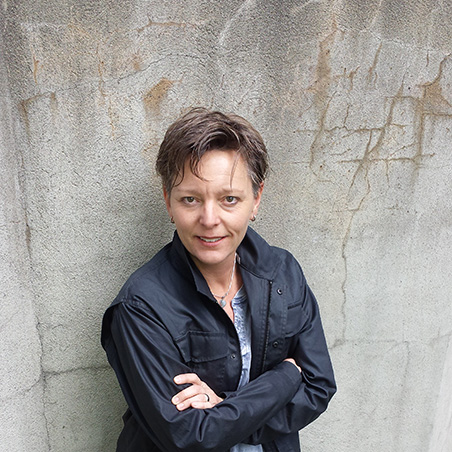
Anne van Eldik is a Researcher and External PhD candidate at Erasmus University Rotterdam, affiliated with the Department of Media and Communication within the Erasmus School of History, Culture and Communication. Her research focuses on urban media engagement, particularly how young people construct urban identities through creative media use. She is part of the Erasmus Research Center for Media, Communication & Culture and the Erasmus Initiative Vital Cities and Citizens. Van Eldik holds a Bachelor’s in English Language & Culture (American Studies) from Radboud University Nijmegen (2014), followed by a Master’s in Media, Culture & Society (2015) and a Research Master’s in Sociology of Culture, Media and the Arts (2016) from Erasmus University Rotterdam. Her master’s theses explored social media norms on Mobile Instant Messaging platforms and social media use during international students’ adaptation in the Netherlands. Her research interests include social media’s role in identity formation, youth culture, media literacy, and urban studies. Key projects analyze how adolescents use platforms like YouTube and Instagram to express local identity in super-diverse cities like Rotterdam. She has investigated influencers’ content, peer coaching for refugee youth, and the interplay between digital media and urban belonging. Van Eldik’s work bridges media studies and urban sociology, emphasizing participatory media practices. She has presented at international conferences and published on topics ranging from urban identity construction to the socio-cultural impacts of digital media. No scientific awards are listed, though her research has been widely disseminated through academic and public channels.
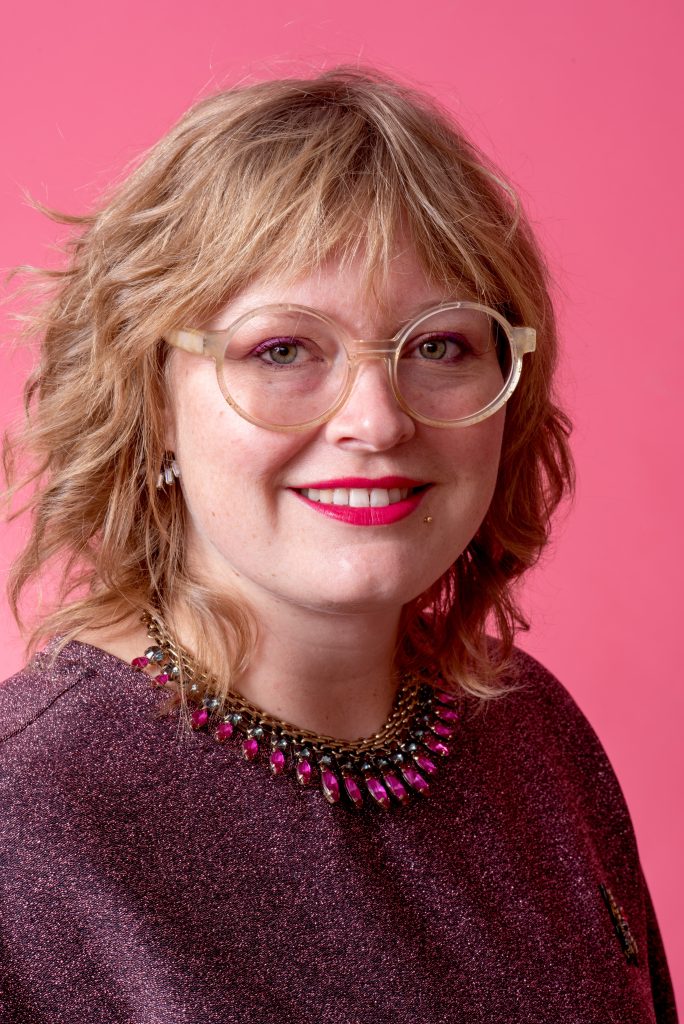
Natalie Meisner is a Professor at Mount Royal University where she teaches creative writing, drama, and literature. As Calgary's Poet Laureate (2020-2022), she serves as an artistic ambassador bridging academia and community engagement. Her interdisciplinary research examines LGBTQ+ representation in literature and uses comedy as a tool for social change. Research explores queer narratives in contemporary theatre, poetic expressions of identity, and feminist reinterpretations of literary forms. Her influential work connects artistic practice with social justice advocacy, particularly in LGBTQ+ rights and family structures. Publications include award-winning plays addressing historical injustice (Legislating Love) and memoirs documenting queer parenting experiences (Double Pregnant). Recent poetry collections (Baddie One Shoe, It Begins in Salt) examine female empowerment and coastal identity through lyrical narratives.
Dr. Eric Skytterholm Egan serves as Associate Professor of Composition in Durham University's Department of Music and holds an Associate Fellowship at the Institute of Advanced Study. An Irish-Norwegian composer based in northern England, Egan's creative practice centers on formal clarity through the synthesis of historical musical elements and innovative instrumental techniques, resulting in expansive textural palettes across diverse ensembles. Egan completed his PhD in Composition in May 2010 under Richard Rijnvos at Durham University. His scholarly trajectory demonstrates deep integration of academic research with practical composition, evidenced by extensive collaborations with leading international ensembles and performances at major venues including Konzerthaus Wien and Southbank Centre. Egan's research explores contemporary composition through dual lenses of historical synthesis and technical innovation. His work systematically investigates textural complexity, extended instrumental techniques, and formal architecture across solo, chamber, and orchestral contexts. Key thematic strands include political narratives (e.g., North Korea conflict studies), literary engagement (James Joyce), and environmental soundscapes (Arctic fieldwork), often manifested through experimental notation and spatialized performance practices. Recent publications reveal intensified focus on geopolitical themes and interdisciplinary collaboration. The 2025 Geohumanities journal article on Arctic soundscapes exemplifies his expansion into environmental fieldwork, while compositions like 'Conflict as Artefact' demonstrate sustained political engagement. His output increasingly integrates technology with acoustic performance, particularly through ensemble residencies exploring real-time sound processing and spatial audio techniques. Egan actively cultivates next-generation musicians through hands-on leadership of Durham's performance ecosystems. As producer of Ensemble 7Bridges and E7B SoundLab, director of student ensemble NAME, and curator of the annual KLANG festival, he creates vital platforms for emerging composers. These initiatives facilitate direct mentorship with professional ensembles like Arditti Quartet while connecting academic research with public performance at venues including Sage Gateshead and National Concert Hall Dublin. Through Ensemble 7Bridges' residency program and E7B SoundLab's experimental studio, Egan has established Durham as a hub for contemporary music innovation. These platforms enable collaborative development of new works with ensembles including Roentgen Connection and Cikada, while KLANG festival serves as the department's flagship public engagement vehicle, featuring premieres from international composers and student works alike. His leadership fosters a distinctive creative ecosystem bridging academic research, professional performance, and community outreach.
Dr. Anne Bentley is a Senior Lecturer in Counselling and Psychotherapy at Plymouth Marjon University. She holds a Doctorate in Education from the University of Plymouth and is a BACP Accredited Counsellor. Her research focuses on student mental health services, international student wellbeing, and gender issues in higher education. Dr. Bentley managed Student Wellbeing Services at the University of Plymouth (2012-2021) and chaired the British Association for Counselling Heads of University Counselling Services (2019-2021). She developed peer-support frameworks for postgraduate mental health and online suicide prevention training for university staff. Her research combines qualitative insights with quantitative validation, developing reliable instruments to assess student wellbeing. Recent work addresses accessibility of counselling services for international students and gender-based competency development in education programs. She has received recognition for innovation in international education and contributes to Epigeum's International Student Success Programme as an expert reviewer.
Professor Vic Cavalli is a faculty member at Trinity Western University's Faculty of Humanities & Social Sciences, holding a position in the English & Creative Writing department. He specializes in early-modern religious literature (focusing on St. Robert Southwell) and creative writing, with notable publications in both academic and literary journals. His creative work spans poetry, short fiction, and visual art, appearing in venues across Canada, the US, UK, Australia, and North Africa. Education: MA from the University of British Columbia and BA from St. Thomas University. Research focuses on intersections between religious history and creative expression, with peer-reviewed scholarship in Recusant History and Ushaw Magazine . Publications showcase a prolific output in literary journals like CIRQUE , Third Wednesday , and The New Quarterly , alongside a novel ( The Road to Vermilion Lake , 2017). His visual art often accompanies creative writing pieces, blending textual and visual storytelling. Received the Deans' Innovative Teaching Award (2007) for pedagogical excellence. Teaches courses ranging from introductory literature to creative writing workshops, emphasizing both traditional literary analysis and innovative creative practices. Active in literary communities through editorial contributions, art exhibitions, and participation in interdisciplinary projects, maintaining a strong presence in both academic and artistic spheres.
Ashley Cureton is an Assistant Professor at the University of Michigan’s School of Social Work and holds a courtesy appointment in the Marsal Family School of Education. Her research focuses on refugee youth integration, school safety, mental health disparities, and culturally responsive social work practices. She explores topics such as refugee resettlement policies, the impact of racism on Latinx youth mental health, and the role of arts-based interventions in fostering social justice. Dr. Cureton’s work emphasizes practical solutions for creating inclusive educational environments and addressing systemic barriers faced by marginalized populations. She has published extensively on school-based suicide prevention strategies, the effects of abrupt refugee policy shifts, and the mental health implications of sport participation among adolescents. Her research highlights the intersection of education and social policy, particularly in contexts involving displaced populations. While no specific scientific awards are listed, her scholarship demonstrates a commitment to advancing equity in education and social work practices. Dr. Cureton collaborates with schools and community organizations to design interventions that promote resilience among youth. Her recent articles reflect a focus on both macro-level policy analysis and micro-level program evaluations aimed at improving outcomes for vulnerable communities.
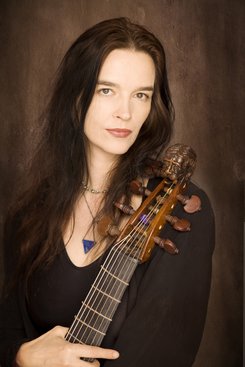
Prof. Hille Perl is a passionate Professor of Viola da Gamba at the University of the Arts Bremen, specializing in early music performance and pedagogy. Her career spans decades of international concert tours with ensembles and as a soloist, notably collaborating with lutenist Lee Santana. She emphasizes teaching emotional expression and non-competitive collaboration among students. Her research focuses on bridging historical and contemporary musical practices through improvisation and interpretation. Notable achievements include three Echo Klassik Awards for her recordings of Baroque and early Classical repertoire. Her work explores 17th-century improvisational techniques, cross-cultural musical fusion, and the revival of neglected Viola da Gamba works. She has released acclaimed albums such as Doulce Memoire (2000), which won the Echo Prize, and TINTO (2003) with her trio Los Otros. Prof. Perl also organizes annual workshops like the International WinterAcademy of Early Music in Bremen, fostering global exchange among early music practitioners. Her teaching philosophy integrates historical performance practices with modern pedagogical approaches, encouraging students to embrace both technical mastery and artistic creativity.
Prof. Dr. Christel Hoffmann is an Adjunct Professor at the Institute of Theater Pedagogy, part of the Faculty of Management, Culture and Technology at Osnabrück University of Applied Sciences. She holds a PhD from Humboldt University Berlin and has over five decades of experience in theater education and drama. Her career includes roles as Chefdramaturgin at Berlin's Theater der Freundschaft, academic leadership in DDR theater education, and international workshop facilitation. Key focuses include Brechtian methods, theater for youth, and educational theater techniques. Education: Studied Theater Sciences at Leipzig University (1954–1958), with a PhD from Humboldt University (1970–1973). Research highlights include projects like 'Fremdsein sinnlich machen' (integrating Bosnian refugee children through theater) and 'Halt suchen-Haltung finden' (democracy education via theater). She has authored/co-edited influential books including 'Spiel.raum.theater' (2006) and 'Theater spielen mit Kindern und Jugendlichen' (2004). Teaching roles include adjunct positions at Zurich University of the Arts and Berlin University of the Arts. Her work emphasizes theater as an educational tool, with workshops in Germany, Switzerland, Austria, and the UK. Current affiliations include leadership in theater pedagogy networks and contributions to international theater education initiatives.
Dr. Julie Hollenbach is an Assistant Professor in the Division of Art History and Contemporary Culture at NSCAD University. Her work intersects queer feminist decolonial methodologies with critical race theory to examine craft's role in settler colonialism, cultural appropriation, and identity formation. She holds a PhD from Queen’s University (2017), funded by SSHRC, focusing on craft’s entanglement with gender, race, and class under colonial frameworks. Her research explores craft as a 'contact zone,' analyzing how colonial logics shape material practices and how contemporary craftivism reflects raced and classed identities. Notable projects include curating Unpacking the Living Room (2018) and co-editing ReImagining Depression (2021). She actively engages public dialogue through panel discussions like Encounters: Challenging Limits (2022) and podcast conversations on decolonization. Her scholarship critiques extractive practices in craft historiography and interrogates how amateur crafting reinforces white middle-class privilege. Hollenbach’s work bridges academic research with curatorial practice, advocating for ethical frameworks in art and material culture studies.
Jeff Crosby is a Senior Lecturer at the Cambridge School of Art (Anglia Ruskin University), serving as Course Director for the BA (Hons) Animation & Illustration program. His expertise spans illustration, animation, graphic design, and book art, with a focus on children’s picture books and graphic novels featuring fantastical themes. He holds an MFA in Illustration from the School of Visual Arts (New York) and a BFA in Communication Design from the University of North Texas. His career includes 30 years of freelance illustration for major publishers, alongside academic roles at Texas State University and ARU. Crosby is a Fellow of the Higher Education Academy (FHEA) and active in professional organizations like the Association of Illustrators and Society of Children’s Book Writers & Illustrators. Recent creative work includes the 'Dino Knights' trilogy (Scallywag Press), exploring prehistoric worlds through sequential art. His style blends acrylic painting, ink drawing, and digital tools to address themes of empathy, identity, and environmentalism.
Dr. Rachel Drury is a Lecturer in Learning and Teaching in the Performing Arts at the Royal Conservatoire of Scotland (RCS) and Co-Programme Lead for the MA Psychology in the Arts (Music). She also supervises PhD students focusing on music psychology, early years development, and community arts. Her work bridges research, creative practice, and healthcare advocacy. Education: PhD (University of St Andrews, 2012), MMus and BA (Royal Scottish Academy of Music and Drama), and FHEA (Higher Education Academy). Research focuses on music psychology, therapeutic songwriting, and arts in palliative care. Notable projects include BabyO and SensoryO —groundbreaking operas for infants—which have toured internationally. She is Music Specialist at Rachel House Children’s Hospice (CHAS) and advocates for arts access in marginalized communities. Honors include the 2021 Collaborative Doctoral Award from the Scottish Graduate School for Arts and Humanities. She leads initiatives like Scotland's Singing for Health Network and contributes to journals such as Approaches: International Journal of Music Therapy .
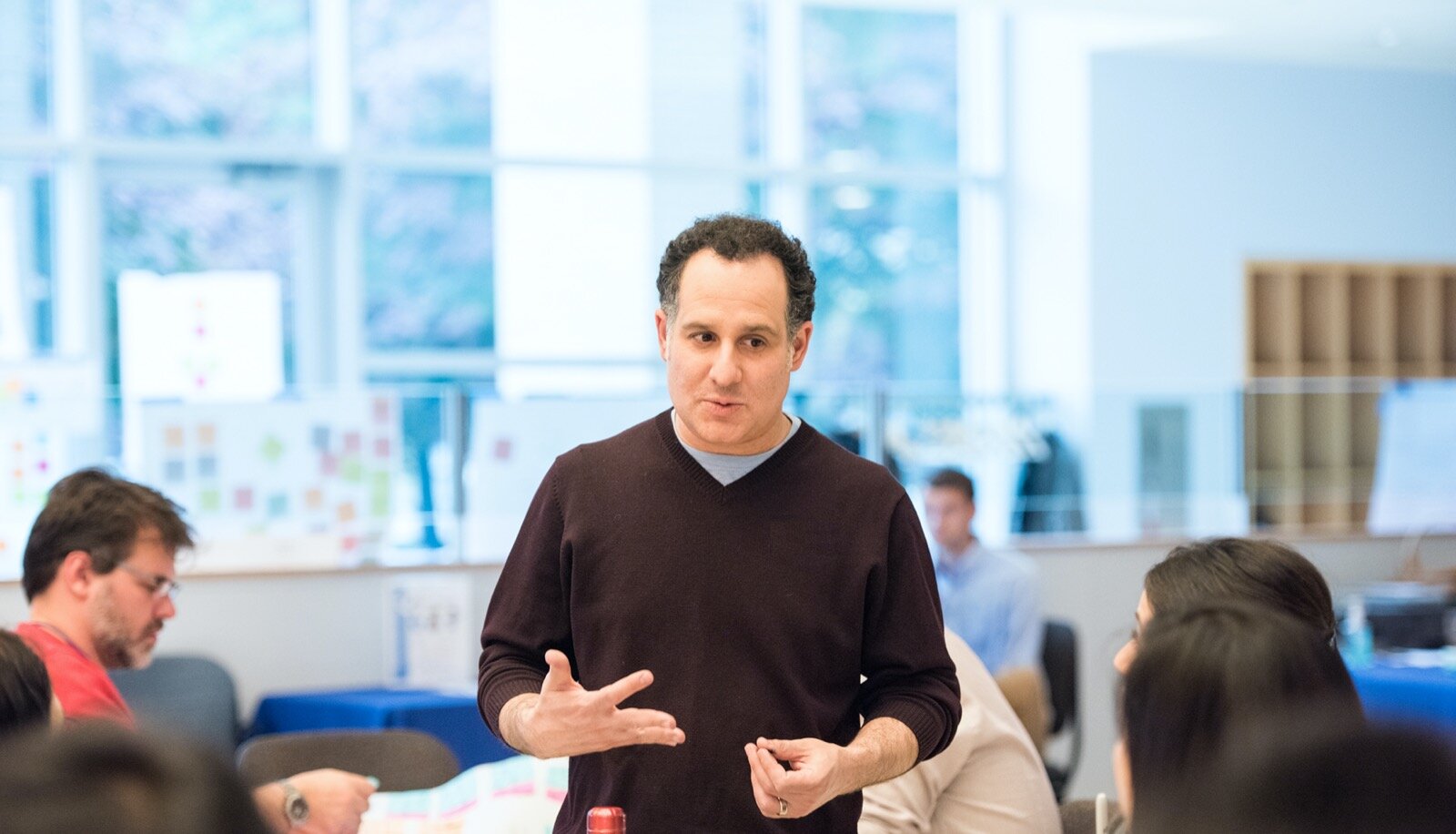
Jonathan M. Adler is a Professor of Psychology at Olin College of Engineering, specializing in narrative identity and its relationship to psychological well-being. His work bridges academic research, artistic expression, and clinical practice, with a focus on disability, illness, and storytelling. Research interests include narrative identity development, the impact of adversity on self-concept, and applications of storytelling in healthcare. He leads initiatives like the Health Story Collaborative, empowering patients and providers through narrative practices. Collaborations with The Story Lab involve annual story slams and theater productions that integrate psychological science with creative arts. Adler’s scholarship emphasizes interdisciplinary methods, including qualitative research and scale development (e.g., the Narrative Identity Self-Evaluation Scale). He advocates for open science practices in academic publishing, contributing guidelines for editors. His current projects explore identity integration in disability contexts and the role of interdependence narratives in well-being. Advising and grants include directing theater productions and mentoring interdisciplinary collaborations. He co-authored an Off-Broadway play and teaches courses merging psychology with storytelling and performance. Ongoing work includes a book on identity development and a longitudinal study on disability narratives during the pandemic.
Luca Tateo is a Professor at the Department of Special Education, University of Oslo. He coordinates the International Master's in Special Needs Education (R-SNE) and teaches courses such as 'Cultural-historical and decolonial approaches to learning' and 'Qualitative research methods'. His research focuses on cultural psychology, inclusive education, and the mediation of grief through aesthetic experiences. He has held previous roles at Aalborg University, Sydney University, and the Federal University of Bahia. Research interests span decolonizing psychology, epistemic injustice, and the role of art in education. He leads projects like AMUSE (2025–2027) on inclusive education in Ukraine and contributes to global initiatives like the Re-N.E.T. network. Editorial roles include co-editing the journal Human Arenas and the book series Innovations in Qualitative Research . Recent publications explore environmental justice in psychology, performative identities in autism narratives, and pandemic impacts on special needs education. His work bridges cultural theory with practical educational strategies, emphasizing marginalized voices and cross-cultural dialogue.