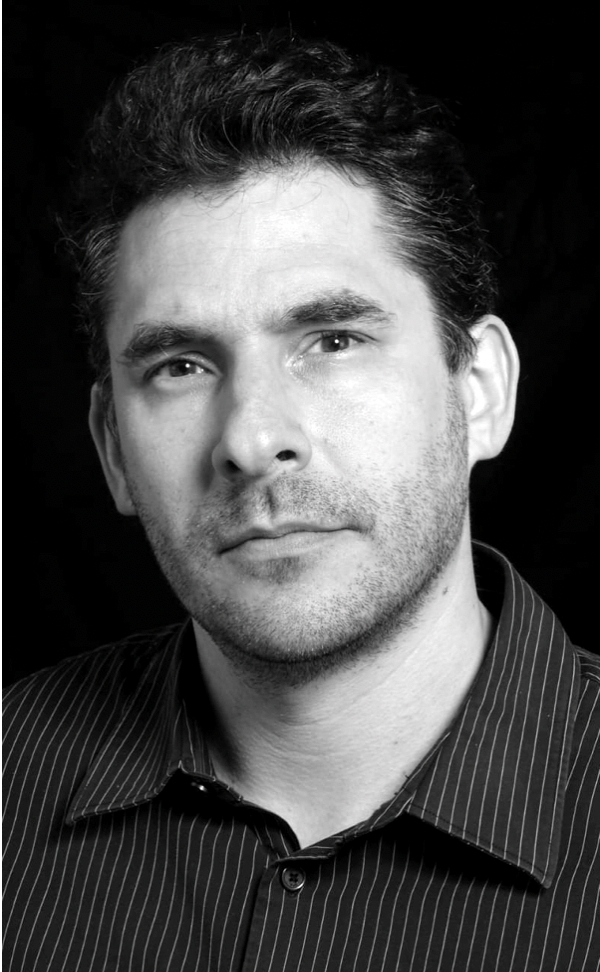
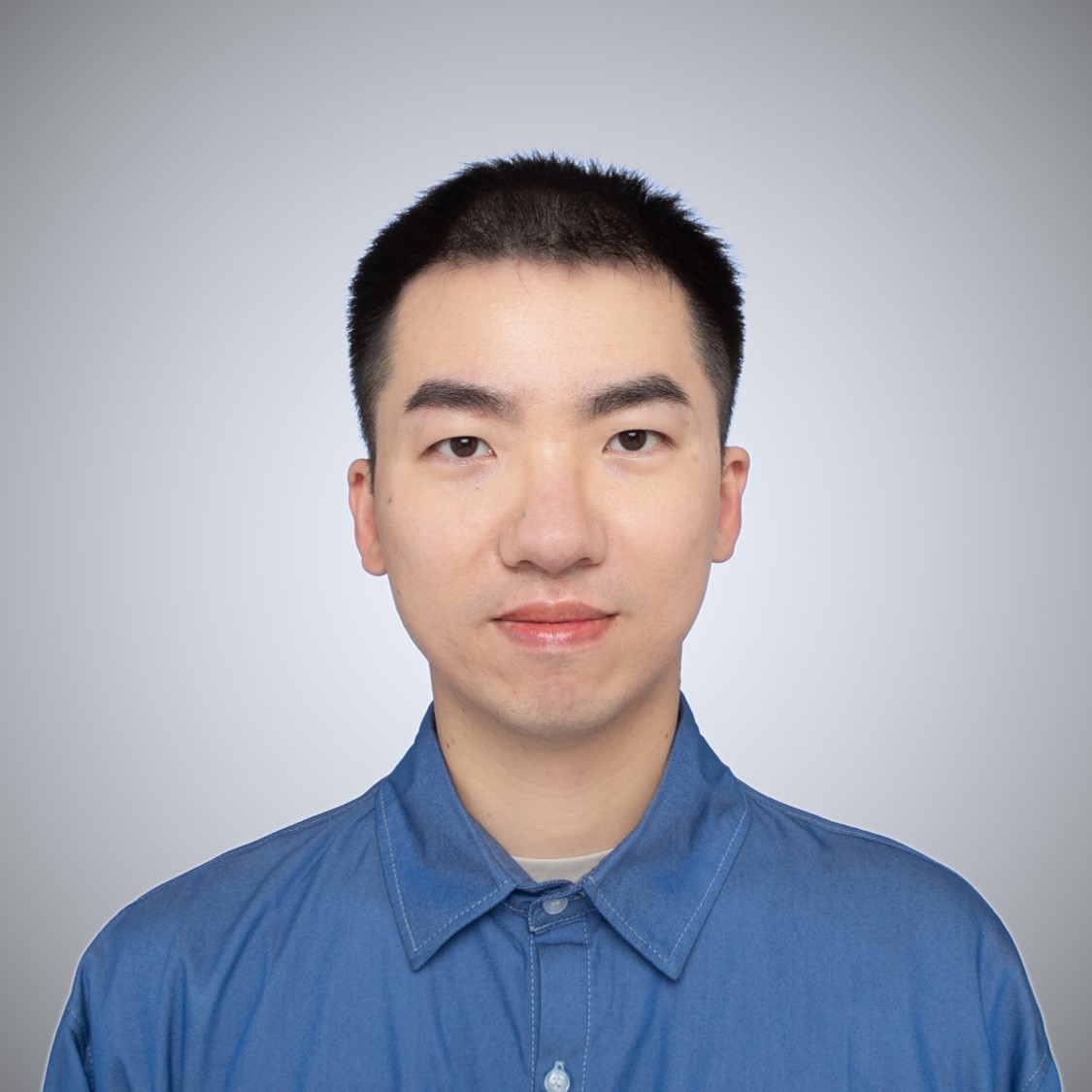
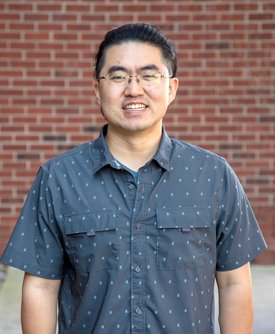
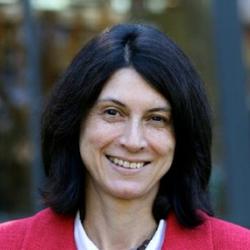
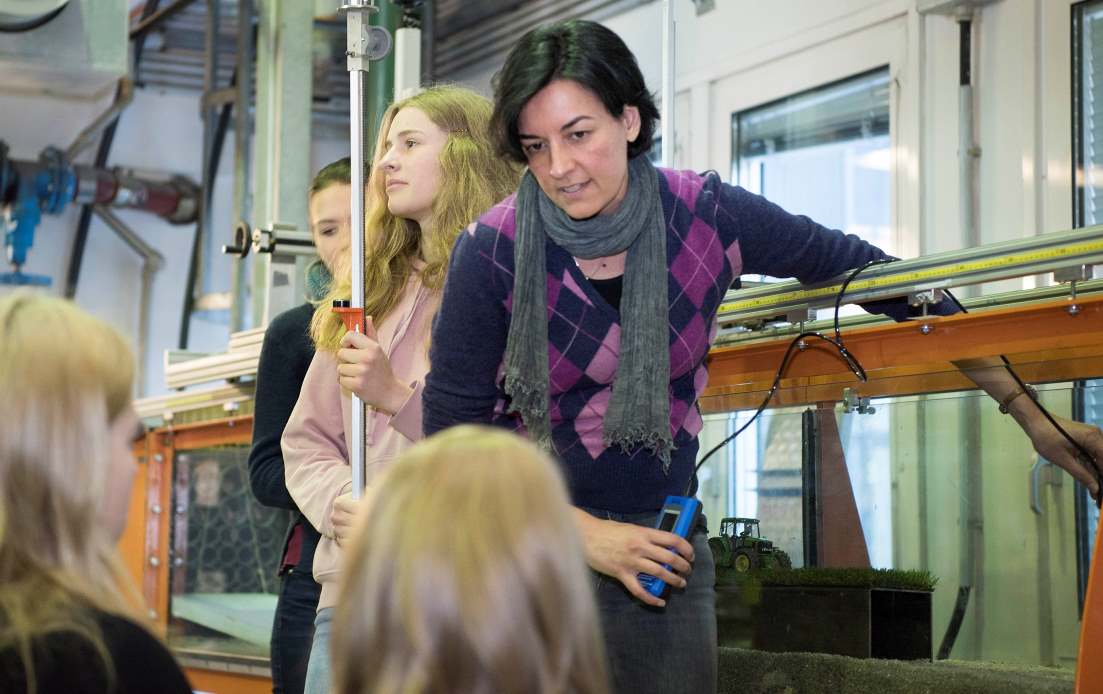
Prof. Florian Zaussinger is a faculty member at the Faculty of Applied Computer and Life Sciences at Mittweida University of Applied Sciences. His research focuses on thermal convection, fluid dynamics, and numerical simulations in both geophysical and astrophysical contexts. He has contributed extensively to studies on microgravity experiments, including the GeoFlow and AtmoFlow projects conducted on the International Space Station (ISS). University: Mittweida University of Applied Sciences Faculty: Applied Computer and Life Sciences Department: Mathematics Contact: +49 3727 58-1381 | florian.zaussinger@hs-mittweida.de | Building 6, Room 6-131 His research involves advanced numerical modeling of complex fluid systems, including spherical convection, dielectric heating, and double-diffusive processes. He has developed and applied computational tools like the ANTARES code to simulate convection in DA white dwarfs, planetary atmospheres, and Earth's mantle. His work bridges theoretical fluid mechanics with experimental validation in space-based microgravity environments. Recent publications highlight his expertise in thermo-electrohydrodynamic convection, planetary fluid flow analysis, and microgravity-induced instabilities. While the scraped data does not list scientific awards or students directly, his academic profile emphasizes interdisciplinary collaboration with engineering and life sciences, particularly in applied mathematics for fluid dynamics and experimental data processing.
Jeffrey G. York is a Professor at the Leeds School of Business , University of Colorado Boulder, with affiliations as Associate Dean for Strategic Initiatives , Faculty Director of the Deming Center for Entrepreneurship , and Fellow of the Renewable and Sustainable Energy Institute . His career spans roles as Chair of Social Responsibility & Sustainability and Organizational Leadership & Information Analytics divisions, alongside editorial responsibilities at the Journal of Business Venturing . His research focuses on environmental entrepreneurship , emphasizing how entrepreneurs reconcile ecological and economic value creation. Key areas include institutional logics in sustainability markets, founder identity dynamics, and policy-entrepreneurship interactions. Analysis of his 15 most recent publications reveals trends in hybrid venture survival , prosocial organizational behavior , and regional sustainability transitions , with methodologies spanning case studies, longitudinal analyses, and institutional theory frameworks. His work appears in top journals like Academy of Management Journal and Strategic Management Journal . Scientific awards include Fellowship at the Renewable and Sustainable Energy Institute . He has mentored students and collaborated with leading scholars across entrepreneurship, organizational theory, and sustainability fields.
Xiaobo Li is a Professor in the Department of Bio-Medical Engineering at New Jersey Institute of Technology. Holding a Ph.D. in Computer Aided Geometric Design from the University of Birmingham and a B.S. in Automation from Nanjing University of Aeronautics, their research bridges computational methods with neuroimaging and psychiatric disorder analysis. Ph.D., University of Birmingham (Computer Aided Geometric Design, 2004) B.S., Nanjing University of Aeronautics (Automation, 1999) Dr. Li’s work focuses on applying machine learning and graph theory to understand brain network abnormalities in conditions like ADHD , schizophrenia , and traumatic brain injury . Their studies analyze structural-functional connectivity , reward processing , and gut-brain axis interactions using fMRI , fNIRS , and diffusion tensor imaging . Recent publications highlight their development of tools like the GAT-FD MATLAB toolbox for brain network analysis and their exploration of multimodal MRI in schizophrenia diagnosis. They also investigate the neurobiological effects of photobiomodulation and vision therapy interventions.
Claudia Crocini is a DZHK junior research group leader at the Max Rubner Center for Cardiovascular Metabolic Renal Research, Charité - Universitätsmedizin Berlin. Her work bridges cardiac physiology, epigenetics, and sex-specific medicine to address critical gaps in cardiovascular research where female hearts have been historically neglected. Her research program centers on sex-dependent differences in human cardiac cells, investigating how biological sex influences contractility, ionic currents, gene expression, and epigenetic regulation. By leveraging induced pluripotent stem cell technology, tissue engineering, and computational modeling, her lab identifies fundamental mechanisms underlying sex-specific cardiac responses to disease. This approach integrates cardiac mechanobiology with molecular analysis to uncover targets for precision medicine. Analysis of her publication record reveals a consistent trajectory toward understanding sex-dimorphic cardiac function, with recent work emphasizing sarcomere mechanics, RNA splicing, and nuclear mechanosensing. Her methodology combines voltage/calcium imaging, contractility assays, and next-generation sequencing to establish sex-specific biomarkers and therapeutic pathways. Dr. Crocini's scientific contributions have been recognized through competitive awards: First prize: Best Postdoc at the MDC (2022) Marie Skłodowska-Curie Fellowship for 'TiGER: Titin can govern epigenetic remodelling' (2021) American Heart Association Postdoc Fellowship (2020) Biophysical Society Travel Award (2020) HSFP Long-Term Fellowship (2017) As principal investigator of her DZHK-funded research group, she directs projects examining sex-dependent cardiac adaptation mechanisms while securing major grants including the Marie Skłodowska-Curie and American Heart Association fellowships. Her work directly addresses the urgent need for sex-inclusive cardiac research to improve clinical outcomes. The Crocini Lab operates within the Max Rubner Center, utilizing stem cell differentiation platforms, engineered cardiac tissues, and advanced imaging to dissect sex-specific cardiac physiology. Current projects focus on translating cellular findings into clinically relevant insights for sex-tailored cardiovascular therapies.
Timothy G. Strein is a Professor of Analytical Chemistry at Bucknell University, where he also held a Presidential Professorship from 2014-2017. He earned his B.S. from North Carolina State University in 1988 and his Ph.D. from Penn State University in 1992, working on electrochemistry at microvoltammetric electrodes with Dr. Andrew G. Ewing. Following a Camille and Henry Dreyfus Postdoctoral Fellowship at Bucknell (1992-1994), he joined the chemistry faculty where he has served as Department Chair (2010-2014), Acting Chair (2006-2007), and Graduate Coordinator (1998-2006, 2015-). His educational background includes: B.S. in Chemistry from North Carolina State University (1988) Ph.D. in Chemistry from Penn State University (1992) Camille and Henry Dreyfus Postdoctoral Fellowship at Bucknell University (1992-1994) Professor Strein's research focuses on bioanalytical chemistry, with particular expertise in capillary electrophoresis (CE), bile salt micelle structure, chiral separations, aqueous NMR spectroscopy, and isothermal titration calorimetry (ITC). His current work (2025) centers on developing rapid, inexpensive methods for chiral separations using CE, investigating the mechanisms that give rise to chiral separations with bile salt micelles by MEKC-CE, and the underlying thermodynamics driving chiral selection. He also conducts collaborative research using NMR to study bile micelle structure and ICP-MS to determine lithium ion concentrations in human blood, correlating endogenous Li levels with neurological health issues. Analysis of his recent publications (2005-2023) reveals a strong focus on chiral separations using bile salt micelles, with particular emphasis on understanding the molecular mechanisms of chiral recognition. His work spans analytical methodology development, fundamental studies of micellar structure, and applications in bioanalysis. The interdisciplinary nature of his research is evident in publications spanning chemistry, biochemistry, materials science, and medical applications. His scientific recognition includes the Henry Dreyfus Teacher/Scholar Award (TH-98-025). His external funding portfolio demonstrates sustained research support: George I. Alden Trust (2025-2030): $150,000 for HPLC instrumentation Bucknell-Geisinger Research Initiative (2024-2025): $20,000 for lithium concentration studies NSF-ROA Supplement (2021-2022): $29,600 for CE-MS interface development NSF-RUI Grant (2018-2021): $211,552 for chiral separation mechanisms Multiple previous NSF, NIH, and private foundation grants totaling over $1.5 million Professor Strein has mentored numerous undergraduate and MS students, many of whom have gone on to successful careers in academia, industry, medicine, and government. His teaching encompasses analytical chemistry, chemical equilibria, instrumental analysis, forensic chemistry, and general chemistry. He has served the department in various leadership roles and promotes undergraduate research as a central component of his scholarly activities.
Prof. ZHUANG Yizhou is an Assistant Professor in the Department of Geography at Hong Kong Baptist University. His research focuses on weather and climate extremes, climate change attribution, and land-atmosphere coupling. With a Ph.D. in Meteorology from Peking University and extensive postdoctoral experience at UCLA, he brings significant expertise in atmospheric sciences to his academic role. Dr. Zhuang's educational background includes: 2019-2024: Postdoctoral Scholar, University of California, Los Angeles (UCLA), USA 2017: Visiting Graduate Researcher, University of California, Los Angeles (UCLA), USA 2015-2017: Visiting Research Scholar, University of Texas at Austin, USA 2013-2019: Ph.D., Meteorology, Peking University, China 2009-2013: B.S., Atmospheric Sciences (Remote Sensing Focus), Nanjing University of Information Science and Technology, China Dr. Zhuang's research spans multiple critical areas in climate science. His work on weather and climate extremes examines phenomena like wildfires, droughts, and floods. In climate change attribution , he investigates the human influence on extreme weather events, with several publications in PNAS demonstrating how anthropogenic warming has altered drought mechanisms and fire risks. His research on land-atmosphere coupling explores the complex feedback mechanisms between Earth's surface and the atmosphere. Additionally, he applies machine learning techniques and remote sensing technologies to analyze cloud formations and precipitation patterns. Analysis of Dr. Zhuang's recent publications reveals a consistent focus on drought mechanisms and fire weather risk in western North America. His work frequently employs advanced statistical methods like self-organizing maps and canonical correlation analysis to understand complex climate phenomena. A notable trend is his investigation of how anthropogenic climate change is fundamentally altering the nature of droughts, shifting from precipitation-deficit dominated to temperature-driven events, with significant implications for water resource management. Dr. Zhuang has received several prestigious awards for his research contributions: JIFRESSE Outstanding Leadership/Service Award, UCLA, 2023 Richard P. and Linda S. Turco Exceptional Research Publication Award, UCLA, 2023 China Scholarship Council (CSC) Joint Ph.D. Scholarship, 2015-2017 As an academic mentor, Dr. Zhuang supervises graduate students, with evidence of at least one student (G. Wang) whose work has been published under his supervision. He serves as a reviewer for numerous high-impact journals including Proceedings of the National Academy of Sciences (PNAS), Earth's Future, and Geophysical Research Letters. Additionally, he has mentored students in the UCLA Joint Institute for Regional Earth System Science and Engineering (JIFRESSE) Summer Internship Program, with his mentee Annie Rosen winning the 2024 Best JSIP Presentation Award. Dr. Zhuang maintains an active research group, as indicated by his personal website www.zhuangyz.org. His team focuses on climate extremes, attribution studies, and land-atmosphere interactions, with ongoing projects examining drought mechanisms, fire weather risks, and precipitation variability across different regions of the United States, particularly the western states and Great Plains.
Prof. Dr. Andrzej M Oleś serves as a Professor at the Institute of Theoretical Physics within the Faculty of Physics, Astronomy and Applied Computer Science at Jagiellonian University in Kraków, Poland. His research centers on condensed matter theory with emphasis on quantum materials and electronic structure phenomena. His primary research interests include spin-orbital coupling in transition metal compounds, electron correlation effects, doping mechanisms in metal oxides, and magnetic phenomena in antiferromagnetic/ferromagnetic systems. He employs advanced theoretical frameworks including model Hamiltonians and density functional theory to investigate quantum phases, lattice dynamics, and topological states in complex materials. Recent publications reveal a strong focus on kagome lattice systems (FeGe, RhPb), infinite-layer nickelates, and quantum computation optimization. His work demonstrates consistent exploration of charge density waves, topological surface states, and nonadiabatic quantum control across high-impact journals including Physical Review series and Condensed Matter. Oleś maintains an extensive international collaboration network with researchers from Italy, the United States, and other European institutions, as evidenced by co-authorship patterns across his publication record. His theoretical contributions address fundamental challenges in strongly correlated electron systems and quantum material design.
Tao Wen serves as an Assistant Professor in the Department of Earth and Environmental Sciences at Syracuse University's College of Arts and Sciences, where he joined the faculty in 2020. He directs two specialized research laboratories: the Hydrogeochemistry And eNvironmental Data Sciences (HANDS) Lab and the Noble Gases in Earth Systems Tracing (NEST) Lab, focusing on human-natural system interactions in water and elemental cycles. Education: Ph.D. in Geology, University of Michigan (2017) M.S. in Geology, University of Michigan (2014) B.S. in Environmental Sciences, University of Science and Technology of China (2011) Dr. Wen's research integrates field measurements, laboratory analyses, and advanced computational methods to investigate water-carbon cycles across spatial and temporal scales. His group employs noble gas geochemistry (He, Ne, Ar, Kr, Xe), isotopic tracing (O, H, C, N), and machine learning to assess impacts from energy extraction, urbanization, and climate change on freshwater systems. Key methodologies include ion chromatography, mass spectrometry, and geostatistical modeling for environmental data science applications. Recent publications demonstrate a pronounced shift toward data-intensive environmental science, with machine learning models increasingly central to analyzing freshwater salinization, methane migration pathways, and shale gas impacts. The research portfolio spans regional groundwater contamination studies to continental-scale freshwater analyses, consistently emphasizing the interplay between anthropogenic activities and natural processes in Earth-surface systems. Scientific Awards: Excellence in Review Award from Applied Geochemistry, International Association of GeoChemistry (2021) Dr. Wen serves as Editor for Applied Geochemistry (2023-present) and previously for Frontiers in Earth Science (2021-2024). He secured NSF funding for developing climate change data search engines and advises students through senior thesis projects and laboratory research in the WEN group. Media coverage of his work includes features in Popular Mechanics, Yahoo News, and AGU press releases regarding freshwater salinity trends and shale gas environmental impacts. The HANDS Lab develops machine learning tools for environmental data analysis while NEST Lab specializes in noble gas applications for tracing fluid migration and tectonic events, together supporting comprehensive investigations of water quality degradation mechanisms across diverse geological settings.
Adrian Whitty is an Associate Professor in the Department of Biology at Boston University . His research focuses on protein-protein and protein-ligand recognition, particularly in developing mechanistic understandings of growth factor receptor activation and advancing drug discovery for protein-protein interaction inhibition. Education: B.Sc. (Honors) in Chemistry from King’s College, University of London (1985); Ph.D. in Organic Chemistry from the University of Illinois at Chicago (1991); Postdoctoral Research Fellow at Brandeis University's Biochemistry Department (1990-93). His work integrates biochemical and cell-based assays using advanced technologies like FRET, Time-Resolved Fluorescence, and Surface Plasmon Resonance (Biacore 3000). He collaborates with computational chemists, organic synthesis experts, X-ray crystallographers, and biologists to develop novel approaches for designing small molecule inhibitors of protein-protein interactions. Recent publications highlight trends in machine learning applications for molecular scientists, structural analysis of enzyme mechanisms, macrocycle-based drug design, and quantitative studies of protein interaction energetics. His lab emphasizes rigorous hypothesis-driven experimental design, preparing students for careers in academia or industry. Advisory and leadership roles include membership in The Protein Society (2008-present), the American Society of Biochemistry and Molecular Biology (ASBMB) Governing Council (2007-present), and founding roles in the Council for Systems Biology in Boston (CSB2) and the Institute for Chemical Biology and Drug Discovery at SUNY Stony Brook. His laboratory is equipped with state-of-the-art facilities for fluorescence, analytical ultracentrifugation (AUC), dynamic light scattering (DLS), isothermal titration calorimetry (ITC), and tissue culture, supporting diverse techniques including flow cytometry and reaction pathway modeling with Mathematica and MATLAB.
David Holman is a Professor in the Organisational Psychology Group at Manchester Business School, The University of Manchester. His research focuses on employee gentleness, emotion regulation at work, job design, and job quality. He leads a project funded by the Lord Alliance Research Grant exploring employee gentleness in social care settings through ethnographic studies. Holman serves on the editorial boards of Human Relations and the Journal of Business and Psychology , and has received a Best Paper award from the Journal of Occupational Health Psychology (2015-16). His work examines institutional factors shaping job quality across Europe, emphasizing divergent trends in job design. He collaborates internationally, contributing to risk regulation studies and safety culture development in high-risk industries. Research Highlights: Employee gentleness in care settings: Understanding organizational influences on caregiving practices. Emotion regulation dynamics: Investigating interpersonal emotion regulation in healthcare and supervisory relationships. Job quality variation: Analyzing cross-national institutional effects on European job design trends. Awards & Grants: Lord Alliance Research Grant (2023-2025) for studying employee gentleness in social care. Best Paper Prize, Journal of Occupational Health Psychology (2015-2016). Professional Roles: Editorial Board Member: Human Relations , Journal of Business and Psychology . Speaker: Delivered keynote on job redesign interventions at EAWOP conferences.
Igor Francetic is a Research Fellow at the Division of Population Health, Health Services Research & Primary Care at the University of Bristol. He holds a PhD in Public Health from the University of Basel (2019) and has expertise in health economics, applied microeconomics, and econometric analysis. His research focuses on healthcare organization, health behaviors, and policy evaluation, with a particular emphasis on emergency care prioritization, primary care workforce dynamics, and health inequalities. He has contributed to policy-oriented projects in Switzerland and Tanzania, including studies on hospital networks, patient safety, and health systems governance. **Education**: PhD in Public Health (University of Basel, 2019) MSc in Economics (University of Lausanne, 2016) BA in Economics (University of Lugano, 2012) BSc in Business Administration (SUPSI, 2011) **Research Interests**: His work explores cancer screening, spillover effects in healthcare, emergency care disparities, and primary care networks. He employs microeconometric and network analysis tools, leveraging platforms like R and Stata. Recent studies include evaluating skill-mix changes in primary care (England), socioeconomic disparities in emergency care access, and the impact of social accountability monitoring in Tanzania. **Awards & Fellowships**: SSPH+ Fellow, Swiss School of Public Health (2024–) SNSF Ambizione Fellow, SUPSI (2024–) **Teaching**: Co-lecturer for the Health Economics unit (ECON 32202) at the University of Bristol. **Professional Memberships**: Health Economists' Study Group UK (HESG) Royal Economic Society (RES) Swiss Society of Health Economics (sggö) Croatian Health Economics Association (CHEA) – Co-founder and board member
Professor Usha Goswami is a leading academic in Cognitive Developmental Neuroscience at the University of Cambridge, serving as Professor of Cognitive Developmental Neuroscience and Director of the Centre for Neuroscience in Education. She is also a Fellow at St John's College, Cambridge. Her work focuses on understanding the neural and cognitive foundations of language acquisition, reading development, and developmental disorders such as dyslexia. Key areas of interest include the role of rhythm perception, speech processing, and EEG-based studies of neural entrainment in typical and atypical development. Her research integrates insights from neuroscience, cognitive psychology, and education, emphasizing translational approaches to improve literacy interventions. She has conducted longitudinal studies on infants and school-aged children, examining predictors of language outcomes and the impact of rhythmic training on executive function. Her work bridges developmental linguistics, auditory neuroscience, and educational policy, with a focus on universal speech structures in child-directed communication. Professor Goswami’s contributions include pioneering studies on the neural basis of phonological awareness and the application of machine learning to decode speech information from EEG data in infants. She has also explored cross-linguistic patterns in poetry and infant-directed speech, highlighting universal acoustic features underlying language acquisition. Her research has significant implications for understanding and remediating developmental disorders, particularly dyslexia and developmental language disorder. Her lab, the Centre for Neuroscience in Education, focuses on translating neuroscientific findings into practical educational strategies. Current projects include investigating rhythm-based interventions for children with language difficulties and analyzing the acoustic properties of speech in diverse linguistic contexts.
Max Fathi is a Professor of Mathematics at Université Paris Cité, affiliated with the Laboratoire Jacques-Louis Lions (LJLL) and Laboratoire de Probabilités, Statistique et Modélisation (LPSM). He concurrently holds a part-time teaching position at the Department of Mathematics and Applications (DMA) at École Normale Supérieure (ENS). Since 2023, he has been a member of the Institut Universitaire de France (IUF), a prestigious national research fellowship in France. He completed his PhD in 2013 at Université Pierre et Marie Curie under Cédric Villani, followed by a postdoctoral position at the University of California, Berkeley with Lawrence C. Evans and Fraydoun Rezakhanlou. Previously, he was a CNRS researcher at the Institut de Mathématiques de Toulouse before joining Université Paris Cité. His habilitation thesis (2019) focuses on optimal transport applications in analysis and probability. Fathi's research centers on optimal transport theory, particularly its applications to analysis, probability, and statistical physics. Key topics include interacting particle systems, functional inequalities (e.g., Poincaré, log-Sobolev), high-dimensional phenomena, Ricci curvature in discrete/continuous spaces, Stein's method, concentration of measure, and numerical methods for stochastic dynamics. His work is supported by the ANR project 'Conviviality.' He has delivered courses on functional analysis at ENS and participated in summer schools, including an MSRI course on functional inequalities and localization techniques. His teaching materials include lecture notes on optimal transport and stochastic processes. His contributions have been recognized through awards such as the IUF membership. Notable research collaborations include work with Thomas Courtade, Matthias Erbar, and Gabriel Stoltz on topics ranging from stability estimates of inequalities to hypocoercivity and numerical analysis of stochastic systems.
Bano Mehdi-Schulz is an Assistant Professor at the University of Natural Resources and Life Sciences, Vienna (BOKU), leading the 'Eco-hydrological and Land Use Modelling' group at the Institute of Hydrology and Water Management. She is a Substitute Member of the Ethics Committee. Her research focuses on ecohydrology, integrating hydrological and agricultural sciences to address water quality impacts from anthropogenic changes and future climate scenarios. Education: B.Sc. in Soil Science, M.Sc. in Agricultural Engineering, and Ph.D. from McGill University's Department of Geography. Awards include the Alexander Graham Bell Canada Graduate Scholarship (2009) and FWF Elise Richter Fellowship (2019). Her work bridges natural and social sciences, employing models to assess land use change and water resource management. Research Interests: Quantifying impacts of land use and climate change on water quality, ecohydrological modeling uncertainty, sustainable intensification strategies, and nitrate transport dynamics. Her team explores how farming practices and climate interact to influence water systems, with projects like ALUCSI (FWF-funded) and NitroClimAT (ACRP). Grants & Projects: Recent projects include ALUCSI (2019-2023), NitroClimAT (2018-2022), and UnLoadC3 (2014-2017). Current student advisees include researchers studying SWAT model uncertainty, sustainable intensification pathways, and water quality in East African basins. Labs/Teams: Leads the Eco-hydrological and Land Use Modelling group, collaborating with institutions like IIASA and SEC. Research emphasizes model coupling (e.g., SECLAND-SWAT) and satellite data integration for data-scarce regions.
Jakob Körbelin is a Principal Investigator at the University Medical Center Hamburg-Eppendorf (UKE), affiliated with the Faculty of Medicine and the II. Medical Clinic and Polyclinic. His research focuses on vascular biology, gene therapy, and neurological disorders, particularly targeting the blood-brain barrier using adeno-associated viral (AAV) vectors. He leads studies on pulmonary hypertension, neurovascular interactions, and genetic diseases like Niemann-Pick type C2. His work bridges basic science and translational medicine, emphasizing AAV engineering and therapeutic applications. Key research interests include endothelial cell biology, neuroinflammation, and the pathophysiology of vascular diseases. Notably, he received the UCCH Hubertus Wald Young Investigator Award 2013 for his contributions. His lab explores mechanisms of vascular dysfunction, gene delivery optimization, and the impact of viral vectors in treating rare diseases. Collaborations span molecular neurobiology, immunology, and translational oncology. Publications highlight breakthroughs in AAV-mediated therapies, such as reversing neurodegeneration in NPC2 models and identifying novel targets for pulmonary hypertension. Ongoing projects address microvascular brain pathology in SARS-CoV-2 infection and the role of transcription factors in vascular diseases.