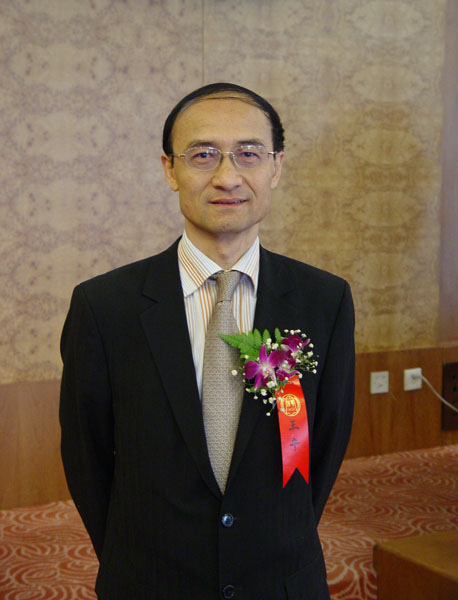
Wang Ning is a distinguished Professor of English and Comparative Literature with affiliations at Tsinghua University (part-time) and Shanghai Jiao Tong University. His career spans prestigious roles including Zhiyuan Chair Professor (2009–present) and Changjiang Distinguished Professor (2013–present). Born in 1955, he holds academic qualifications from institutions in China, Europe, and North America. Research interests focus on cosmopolitanism, translation studies, Northrop Frye's mythopoeia, cultural studies, and Chinese-Western comparative literature. He has secured over ten grants since 1991 aimed at introducing European theory to China and has conducted research across Europe, North America, and Australia as a visiting professor/research fellow. Key achievements include the Changjiang Scholars Award (2013), membership in Académé de la Latinité (2010), and fellowships at Cambridge and Gottingen Universities. He co-founded Chinese editions of New Literary History and Critical Inquiry , advancing transnational literary discourse. Wang has delivered keynote lectures globally and led initiatives to bridge Chinese and Western literary traditions. His work emphasizes global literary dynamics, translation’s role in cultural exchange, and reinterpreting modern Chinese literature within global contexts.
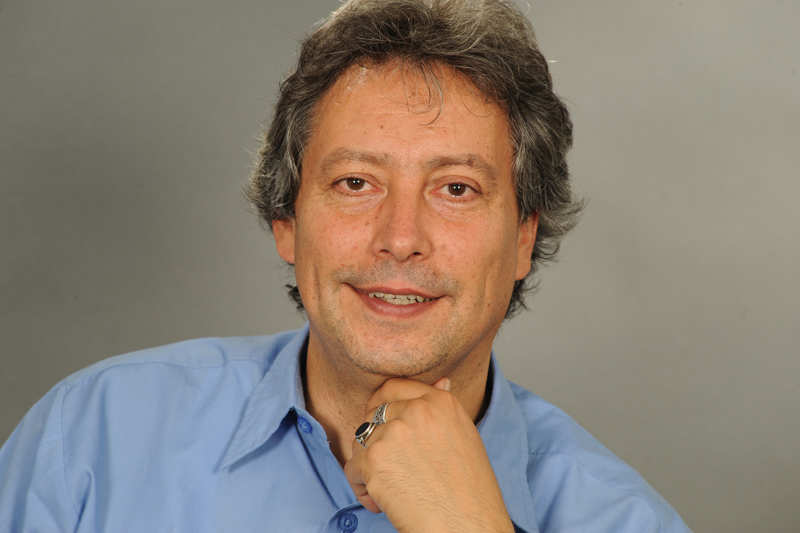
Ottmar Ette is Chair of Romance Literature at the University of Potsdam, Germany, where he has held a professorship since 1995. A leading scholar of Alexander von Humboldt and comparative literature, Ette has established himself as a major intellectual figure through his development of TransArea Studies and the conceptual framework of 'Lebenswissenschaft' (science of life). His academic career spans multiple continents with significant contributions to understanding the intersections of literature, globalization, and cross-cultural knowledge. Ette's research interests form a rich interdisciplinary tapestry exploring literary studies as life science , conviviality (living together), and the poetics of movement within TransArea Studies. His work examines how literary knowledge functions as essential repository of human experience, particularly regarding ethically relevant themes such as migration, belonging, and survival. The scholar has pioneered approaches to understanding literature beyond national boundaries, focusing on 'literatures without fixed abode' and the 'vectorial imagination' that transcends traditional dichotomies between national and world literature. His extensive publication record reveals consistent engagement with globalization processes across historical periods, with particular emphasis on the works of Alexander von Humboldt as a lens for understanding interconnected knowledge systems. Ette's scholarship demonstrates remarkable breadth, spanning from 18th century francophone literature to contemporary transareal literary phenomena, while maintaining focus on how literary texts generate knowledge for living in increasingly interconnected worlds. 2014 Research Award Escuela Nacional de Altos Estudios from UNAM 2014 Honorary Member of the Modern Language Association of America 2013 Ordinary Member of the Berlin-Brandenburg Academy of Sciences 2012 Chevalier dans l'Ordre des Palmes Académiques (France) 2010 Ordinary Member of the Academia Europaea 2001 Hugo Friedrich/Erich Köhler Research Award 1991 Young Scholars Award for Romance Literature 1987 Heinz-Maier-Leibnitz Award Ette has directed significant research projects including the 3-year Research Project on Humboldt's American Travel Diaries (2014-2017) and the 18-year project 'Travelling Humboldt - Science on the Move' at the Berlin-Brandenburg Academy of Sciences. He co-founded multiple DFG-funded Research Training Groups including 'lebensformen + lebenswissen' (2006), 'Zwischen Räume' (2009), and 'Sichtbarkeit und Sichtbarmachung' (2011). His editorial work encompasses founding the electronic journal HiN - Alexander von Humboldt in the Net and serving as co-editor of Iberoamericana and Istmo. As co-founder of the ForLaBB (Research Network Latin America Berlin-Brandenburg), Ette has created important institutional frameworks for transnational scholarly exchange. His academic leadership extends through organizing numerous international conferences on topics ranging from 'Caribbean(s) on the Move' to 'Conviviality in Difference,' fostering collaborative research environments that bridge disciplinary and geographical boundaries.
Galin Tihanov is the George Steiner Professor and Chair of Comparative Literature at Queen Mary, University of London, with a distinguished career spanning institutions like the University of Manchester, Lancaster University, and Oxford. His scholarship focuses on cosmopolitanism, exile, transnationalism, and the intersections of literary and cultural theory with intellectual history. Key affiliations: Wissenschaftskolleg zu Berlin (Fellow), Academia Europaea (member), European Research Council (Starting Grants Evaluation Panel) Research themes: 20th-century European/American culture, Russian literary theory between the World Wars Leadership roles: Founding Co-Director, Research Institute for Cosmopolitan Cultures (Manchester) His work has been recognized through major awards and fellowships, including the Efim Etkind Prize and multiple international visiting professorships. Tihanov also contributes to editorial boards and grant evaluation panels globally.
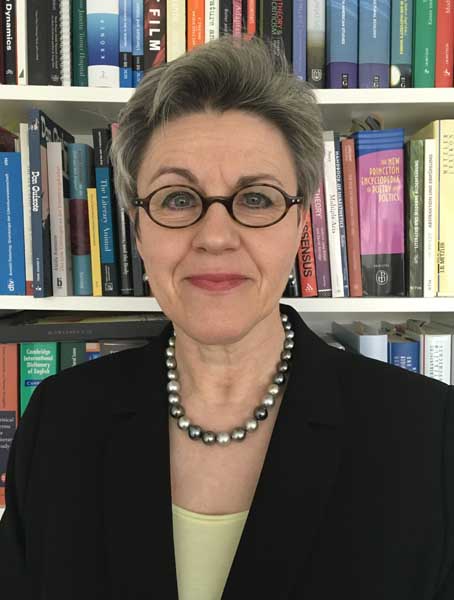
Prof. Dr. Gabriele Rippl is a Full Professor and Chair of Literatures in English/North American Literature and Culture at the University of Bern, Switzerland, where she has served as Director of the Department of English since 2005. She previously held professorial positions at the University of Göttingen (2003-2005), and lecturing positions at the Universities of Freiburg, Zurich, Bern, Tübingen, and Bielefeld. Her extensive administrative experience includes serving as Dean of the Faculty of Humanities (2021-2023), Vice-Dean (2019-2021), and President of the Collegium generale (2007-2015) at the University of Bern. Her educational background includes a 'Habilitation' at the University of Constance (2002), a PhD in English and American Studies from the same institution (1995), and a DFG doctoral grant at the postgraduate school 'Theory of Literature and Communication' (1989-1995). She has held numerous prestigious fellowships including at Sidney Sussex College, Cambridge (2002), the University of Wales (2003), UCLA (2015), and the Center for Advanced Studies in the Humanities Morphomata Kolleg, Cologne (2017). Current Research Focus: Cultural Sustainability Key Area: Intermediality (text-picture relationships, particularly ekphrasis and eco-ekphrasis) Specialization: Anglophone world literatures across historical periods Theoretical Framework: Literary theory with emphasis on postcolonial and transcultural perspectives Additional Interests: Autobiography and life writing, literature and anthropology, seriality studies Prof. Rippl's recent publications demonstrate a clear trajectory toward environmental humanities, particularly through the lens of eco-ekphrasis, while maintaining her longstanding expertise in intermedial studies. Her work bridges literary analysis with broader cultural, ecological, and sustainability concerns, reflecting an increasingly interdisciplinary approach that connects literary studies with environmental science and cultural sustainability frameworks. The publications reveal a sophisticated integration of visual culture studies with contemporary ecological concerns, particularly in how literary texts represent and engage with environmental imperatives. 2020-present: Member and President of Specialised Committee Careers, Swiss National Research Council 2017: Fellowship at Center for Advanced Studies in the Humanities Morphomata Kolleg, Cologne 2015: Visiting Scholarship at UCLA supported by SNSF 2014-present: Member of AcademiaNet – European Expert Database of Outstanding Female Academics 2008: Fellowship at University of Western Ontario As an advisor, Prof. Rippl has supervised numerous doctoral candidates working on diverse topics including world literature, intermediality, postcolonial studies, and environmental humanities. Her current research projects include 'Anglophone Life Writing Today: Transcultural Figurations – Intermedial Constellations,' 'Mediating the Ecological Imperative: Modes and Formats of Engagement,' and interdisciplinary work on 'Cultural Sustainability.' She leads the 'Der ökologische Imperative' SNSF Sinergia project (2021-2024), which brings together scholars from English studies, art history, and social anthropology. She also serves on multiple Swiss National Science Foundation committees, demonstrating significant influence in national research policy. Prof. Rippl directs the interdisciplinary Walter-Benjamin-Kolleg research platform 'Auto_Bio_Graphie,' collaborating with Dance Studies, Spanish Literature, and Visual Anthropology. She previously led the SNF Doctoral research group on 'Seriality and Intermediality in Graphic Novels' and the project 'Cosmopolitanism and Identity in Contemporary Indian Literatures in English.' Her editorial work includes the peer-reviewed journal Anglia and the Anglia Book Series, where she has published extensively on intermediality, cultural sustainability, and world literatures.
Helena Carvalhão Buescu is a Professor of Comparative Literature at the University of Lisbon, with a focus on 19th and 20th century Portuguese literature and theoretical frameworks in comparative and world literature . She has held visiting professorships at King’s College London, Indiana University, and institutions in Brazil, China, and the UK. Executive board member of ICLA, CHCI, IWL, and ESF Founded and directed the Research Centre of Comparative Studies (U Lisboa) for 15 years Recipient of Portuguese literary awards: Prémio Máxima Revelação (1990), Grande Prémio de Ensaio (1995), Prémio Jacinto do Prado Coelho (2001) Her research explores cosmopolitanism , transnational literary networks , and modern Portuguese fiction . She has over 100 essays in international periodicals and leads the project Comparative World Literature – Perspectives in Portuguese . Her publications analyze intersections between European and Lusophone literatures , including critical editions of works by Camões and Herberto Helder. Scientific Awards: Prémio Máxima Revelação (1990) Grande Prémio de Ensaio (APE, 1995) Prémio Jacinto do Prado Coelho (AICL, 2001) Honorary Fellow (Institute of Germanic and Romance Studies, 2009) Her teaching and research emphasize global literary perspectives , with collaborations spanning Europe, the Americas, and Asia. She is a lifelong member of St. John’s College, University of Cambridge, and a member of Academia Europaea.
Max Saunders is a Professor of Modern Literature and Culture at the University of Birmingham. Previously, he held roles including Director of the Arts and Humanities Research Institute at King's College London (KCL) and Founding Director of the Centre for Life-Writing Research at KCL. His academic career spans over three decades, with a focus on modernism, life writing, and the intersection of literature with visual arts and science. Saunders studied at the Universities of Cambridge and Harvard, and his research has been supported by prestigious grants like the ERC Advanced Grant (2013) for his 'Ego-Media' project on digital life writing. Education: BA, University of Cambridge AM, Harvard University PhD, University of Cambridge Research Interests: Modernism and its intersections with visual arts and science Life writing and autobiographical fiction First World War literature and its cultural impacts Futurology in inter-war literature Editing and textual criticism of modernist works Key Achievements: Author of seminal works like Self-Impression (2010) and Imagined Futures (2019) Leverhulme Major Research Fellowship (2008–2010) Edited critical editions of Ford Madox Ford’s works Co-directed major research initiatives like the ‘Ego-Media’ project Current Projects: Interdisciplinary studies on future thinking and modernist literature Research on the painter Alfred Cohen’s legacy
Helena Carvalhão Buescu is a distinguished Professor of Comparative Literature at the University of Lisbon's Faculty of Letters, where she has held a full professorship since 2000. She founded and directed the Centre of Comparative Studies for 15 years and currently coordinates the "Comparative World Literature – Perspectives in Portuguese" project. Her extensive international collaborations include visiting professorships at King's College London, Indiana University Bloomington, and institutions across Europe, the US, Brazil, Beijing, and Macao. Professor Buescu's research centers on theoretical issues in comparative and world literature, with particular expertise in 18th, 19th, and 20th century Portuguese literature. Her scholarly approach emphasizes global literary circulation, transcultural reading practices, and the formation of literary canons within Portuguese-speaking contexts. She has developed significant theoretical frameworks for understanding literature beyond national boundaries while maintaining deep engagement with Portuguese literary traditions. Her impressive publication record includes over one hundred essays in Portuguese and international periodicals, along with numerous influential monographs that have shaped contemporary approaches to world literature studies. Buescu's work demonstrates consistent innovation in comparative methodologies and has significantly contributed to the international recognition of Portuguese literary scholarship. Her major awards include: Prémio Máxima Revelação (1990) Grande Prémio de Ensaio (APE) (1995) Prémio Jacinto do Prado Coelho (AICL) (2001) Honorary Fellow of the Institute of Germanic and Romance Studies (2009) Longlife membership at St. John's College, Cambridge University Professor Buescu has held leadership positions in major international academic organizations including the International Comparative Literature Association (ICLA), the Consortium of Humanities Centers and Institutes (CHCI), the Institute of World Literature (IWL), and the European Science Foundation (ESF). Her ongoing research continues to explore the intersections between Portuguese literature and global literary networks, with particular attention to how literary works circulate and transform across linguistic and cultural boundaries.
Dorota Kołodziejczyk is an Associate Professor at the School of British and Comparative Studies , Institute of English Studies , University of Wrocław , Poland. She chairs the Olga Tokarczuk Ex-Centre , an academic research unit established under the initiative of Nobel laureate Olga Tokarczuk, and founded the Postcolonial Studies Centre in 2008. Additionally, she co-founded the Postdependence Studies Centre , a research network addressing dependence and emancipation processes in Poland and Central/Eastern Europe. Current Positions: Associate Professor (School of British and Comparative Studies), Chair of Olga Tokarczuk Ex-Centre Founding Roles: Postcolonial Studies Centre (since 2008), Postdependence Studies Centre (since 2011) Collaborations: Academia Europaea Knowledge Hub Wrocław (2016–2018), SUNY Buffalo (Visiting Scholar, 2002–2004) Research Interests span postcolonial studies, comparative literature, narratology, disability studies, translation studies, and postdependence studies. Her work explores literary cosmopolitanism, world literature, speculative narrative creativity, and posthumanist perspectives on disability. She has organized international conferences like Relocating Central Europe and contributed to academic networks focusing on systemic transitions post-historical breakthroughs. Publications emphasize Central/Eastern European contexts within postcolonial frameworks, cultural landscapes, nationalism, and resistance. She has translated seminal postcolonial theorists (Spivak, Chakrabarty) into Polish and edited key texts in postcolonial studies. Academic Leadership includes founding research centers and co-editing special issues of journals such as European Review and Miscellanea Posttotalitaria Wratislaviensia .
William M. Barton is an Assistant Professor at the Institut für Klassische Philologie und Neulateinische Studien, Universität Innsbruck. He holds a PhD in Classics from King’s College London (2015) and has held research roles at institutions including the Ludwig Boltzmann Institute for Neo-Latin Studies (since 2011). His academic career includes postdoctoral fellowships in Helsinki, Paris, and Spain, and he leads the FWF-START project 'LAGOOS: A Life in Ancient Greek.' Education: BA Classics (UCL), MA Greek and Roman Studies (University of Calgary), PhD Classics (King’s College London) Key Roles: Research Group Leader (2017–2022), Project Leader (LAGOOS since 2023), Guest Professorships in Barcelona and Mexico Research focuses on Neo-Latin & Neohellenic literature, Classical Reception, Ecocriticism, and early modern science. Major publications include monographs on mountain aesthetics and the Pervigilium Veneris, and editing works on Vicente Mariner and Karl Benedikt Hase. Awards: FWF START Prize (2022), King’s College Outstanding Thesis (2015) Projects: €1.19M LAGOOS project digitizing Hase’s Greek diaries Teaching includes courses on classical reception, Neo-Latin literature, and digital humanities. Active in conference organization and editorial roles for journals like Journal of Latin Cosmopolitanism .
Gerhard Katschnig is a Lecturer at the Institut für Kulturanalyse (Department of Empirical Cultural Studies/Cultural Anthropology) at Alpen-Adria-Universität Klagenfurt. His research spans cultural history, theory, and anthropology, focusing on Enlightenment intellectual history, historical mentalities, and the Alps-Adriatic region's transnational dynamics. Research Interests : Cultural History (18th-21st centuries) Cultural Theory (interdisciplinary approaches) History of Mentalities (Enlightenment, World Wars) Translation Studies (medieval knowledge transfer) German as Academic Language (Habsburg universities) Selected Research Trends : Analysis of ethnographic works and nationalization in Habsburg Empire Enlightenment responses to cultural melancholy and ruins Historical debates on vampirism and medical rationality Intersections of bourgeois cosmopolitanism and nationalism in Trieste Translation networks and Islamic-Latin knowledge exchange Grants : Austrian Science Fund (FWF) and Slovenian ARIS for 'Discourses of the In-Between' project (2024) Teaching : Offers courses on cultural history and theory at AAU Klagenfurt Examination organization and community-focused instruction Labs/Teams : Collaborates with international scholars (e.g., Ute Holfelder, Walter Iber) Engaged in Austrian-Slovenian transnational research
Stefan Helgesson is Professor of English Literary Studies at Stockholm University's Department of English since March 2011, previously serving as Associate Professor (2010-2011) and holding research positions at Uppsala University. Elected to the Academy of Europe in 2018, he specializes in postcolonial and world literature with particular focus on South African and Brazilian contexts. His research explores the intersections of postcolonial theory , world literature , and translation studies , examining how literary values circulate globally through cosmopolitan-vernacular exchanges. Helgesson investigates temporal dimensions in colonial contexts, linguistic decolonization, and the institutional frameworks shaping global literary production. His publication portfolio reveals consistent engagement with Southern African literary traditions, transnational literary systems, and the theoretical frameworks governing world literature. Key themes include the ethics of historical representation, inequality in print culture, and the dynamics of language in postcolonial contexts. Major grant from Riksbankens Jubileumsfond (2015) - largest single humanities grant in Swedish history (SEK 43.8M) Principal Investigator for 26-member research program 'Cosmopolitan and Vernacular Dynamics in World Literatures' (2016-2021) As principal investigator for major research programs and recipient of substantial Swedish Research Council funding, Helgesson leads significant collaborative projects while supervising doctoral candidates. His editorial work on major handbooks establishes him as a key figure in shaping contemporary world literature studies.
Stefan Helgesson is a Professor of English literary studies at the Department of English, Stockholm University. His academic career spans institutions like Uppsala University and the University of KwaZulu-Natal, with a focus on postcolonial and world literature theories. 2018 : Elected as an Ordinary Member of the Academy of Europe in Literary & Theatrical Studies. 2011–present : Professor of English literary studies at Stockholm University. 2007–2009 : Research Fellow at Uppsala University's Department of Literature. 2003–2005 : Postdoctoral work at the University of KwaZulu-Natal. Research Interests include: Postcolonial theory and its intersection with global historical narratives. World literature frameworks and transcultural exchange in literary production. Translation theory's role in reshaping authorship and identity. Analysis of print culture inequalities in Southern African literary contexts. Temporal dynamics in postcolonial and anthropological literary analysis. Selected Publications demonstrate a consistent focus on transnational literary phenomena, particularly in South African and Brazilian contexts. His editorial work on the De Gruyter Handbook of Anglophone World Literatures (2020, in preparation) reflects his leadership in global literary scholarship. Scientific Awards : 2015 : Major grant from Riksbankens Jubileumsfond, recognized as the largest single humanities grant in Sweden. Grants and Collaborations : His 2015 grant highlights institutional recognition of his research significance. Collaborations with scholars like Christina Kullberg and Annika Mörte Alling underscore his interdisciplinary approach.