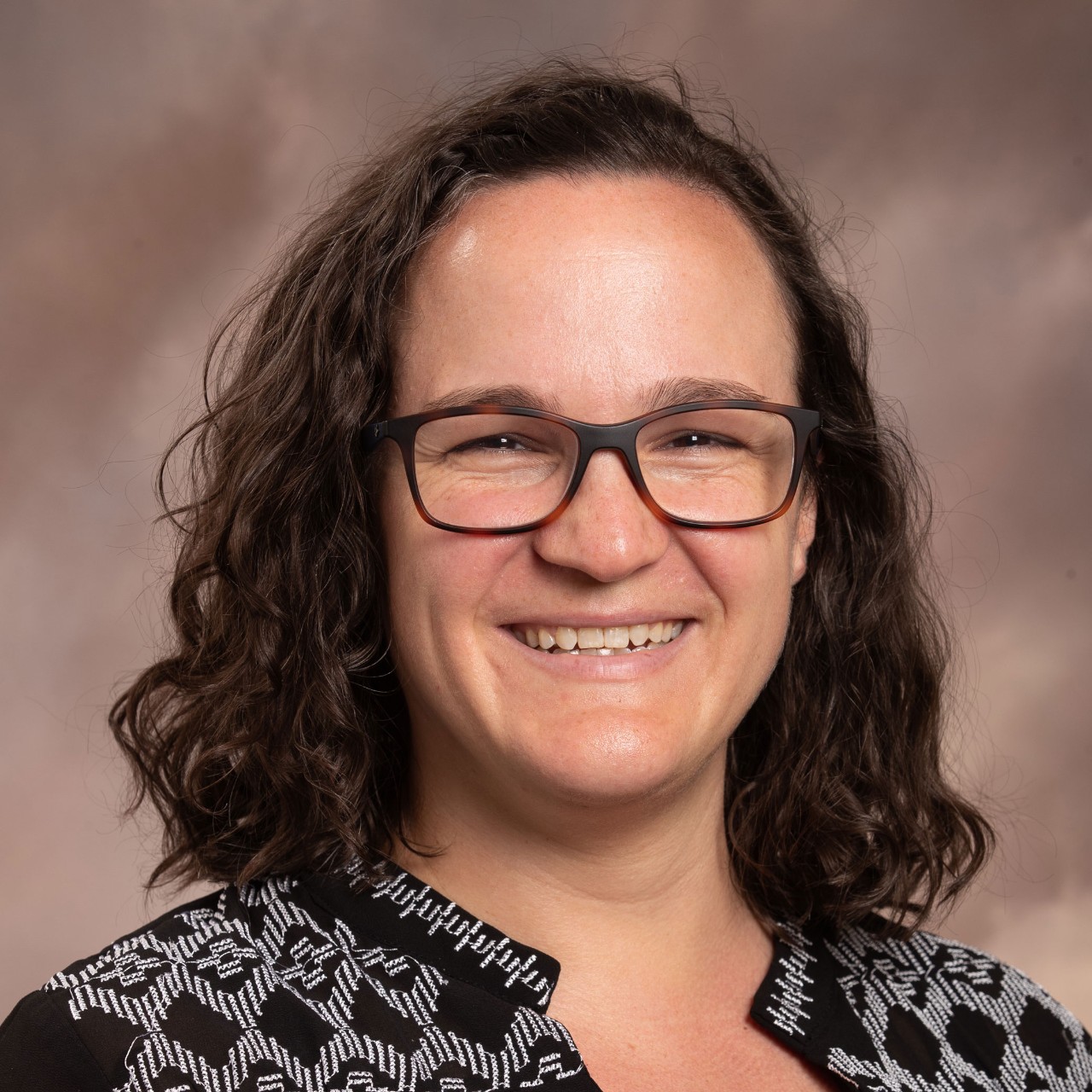
Guanghua Xiao is a Professor at the O'Donnell School of Public Health with secondary appointments in the Departments of Bioinformatics and Biomedical Engineering at UT Southwestern Medical Center. His work focuses on developing computational models and algorithms for big data analysis in biomedical contexts, particularly for predicting patient outcomes and treatment responses.
Dr. Fereydoun Hormozdiari is an Associate Professor in the Department of Biochemistry and Molecular Medicine at the University of California, Davis School of Medicine. His research focuses on developing computational methods for analyzing genomic data, particularly in structural variation discovery, genome assembly, and disease prediction using omics data. He leads a lab that integrates machine learning and combinatorial algorithms to address challenges in understanding complex disorders like autism and cancer. Key research areas include: Structural variation discovery and genotyping using next-generation sequencing technologies. Development of novel algorithms for de novo genome assembly. Identification of genetic modules and pathways linked to neurological disorders. Prediction of complex disorders through integrated analysis of genomic and transcriptomic data. Recent work includes advancements in early-stage cancer detection using cell-free RNA biomarkers and AI, as well as tools for tumor phylogeny reconstruction and structural variant genotyping. His contributions span over 80 publications in high-impact journals like Nature, Cell, and Genome Research. Lab and team collaborations involve interdisciplinary approaches, combining computational biology with clinical applications. Ongoing projects emphasize translating genomic insights into predictive models for personalized medicine and disease intervention.
Dr. Laura Donker Kaat is a researcher in Clinical Genetics at Erasmus University Medical Center, focusing on neurodegenerative disorders. Her work integrates genetics, epigenetics, and neuropsychology to study frontotemporal dementia phenotypes and genetic syndromes. Her research examines: Genetic and epigenetic markers in frontotemporal lobar degeneration C9orf72-related dementia manifestations DNA methylation episignatures for rare disease diagnosis Personality changes in presymptomatic dementia Survival factors in neurodegenerative disorders Recent publications demonstrate her focus on translating genetic findings into clinical applications, particularly through DNA methylation analysis and neuropsychiatric assessment tools.
Professor Faye Gishen serves as Professor of Medical Education and Palliative Medicine, Director of UCL Medical School, and Head of the MBBS Programme at University College London. With medical qualifications including MBBS (1997), MRCP (2000), FRCP (2014), and EdD, she bridges clinical practice with academic medicine while maintaining an honorary consultant contract at the Royal Free London. Her research spans two interconnected domains: clinical palliative care through collaborations with the Francis Crick Institute on tumor heterogeneity, and medical education innovation focused on curriculum mapping, student resilience, and diversifying medical education. She pioneered UCL's electronic curriculum map which has improved student assessment experiences, and her work on Schwartz Rounds for medical students has informed national practice and enhanced reflection and wellbeing. Her research portfolio demonstrates a consistent focus on improving medical education through evidence-based innovation. Professor Gishen has received numerous awards recognizing her educational leadership, including multiple UCL Provost Awards, Excellence in Medical Education Awards, and was shortlisted for the Royal College of Physicians Excellence in Patient Care Award. She has organized national symposia on medical student resilience attended by 28 of 41 UK medical schools and contributes to curriculum reviews at institutions worldwide including St George's University, King's College London, and international institutions in Singapore, Jordan, and Egypt. UCL Provost Award (2020) UCL Faculty Award UCL Excellence in Medical Education Award (EMEA) UCL Provost Education Award Shortlisted for Royal College of Physicians Excellence in Patient Care Awards (2019) Inaugural Provost Team Award for Embedding Equality, Diversity and Inclusion (2020) As an educator, Professor Gishen has transformed medical education through innovative modules on Sustainability & Climate Change in Healthcare, Doctor as Data Scientist, and Patient Safety. She has supervised numerous postgraduate students and nurtured early career researchers. Her leadership extends nationally as she sits on the Medical Schools Council Executive, the national body for UK medical schools, shaping medical education policy across the country.
Katarina Pelin is a Senior University Lecturer at the University of Helsinki, affiliated with the Faculty of Biological and Environmental Sciences and the Molecular and Integrative Biosciences Research Programme. Her work focuses on Genetics, Developmental Biology, and Physiology , particularly in neuromuscular disorders like nemaline myopathy. 1985–present: Active researcher in neuromuscular disorders 2012–present: Co-PI and administrative leader at Folkhälsan Institute of Genetics Her recent publications (2021–2025) highlight advancements in genetic diagnostics for muscle diseases, including linked-read sequencing , ddPCR methods , and phenotype-genotype correlations . Key genes studied: TNNT1 , NEB , ACTA1 , and TPM3 . She actively contributes to peer review (Acta Neurologica Belgica, BMC Pediatrics, Science Translational Medicine) and doctoral supervision . Her research emphasizes copy number variations , gene expression , and muscle regulatory proteins .
John Manak serves as Professor and Biomedical Sciences Program Director in the Department of Biology at the University of Iowa, conducting research at the intersection of genomics, genetics, and neurobiology. His work employs model organisms including Drosophila and Xenopus to investigate human genetic disorders and develop translational therapies. His academic background includes: PhD from Columbia University Dr. Manak's research focuses on identifying causative mutations for congenital anomalies such as spina bifida, branchio-oto-renal syndrome, renal agenesis, and cleft lip/palate. His lab discovered ISM1 as a critical craniofacial patterning gene and elucidated PRICKLE's role in epilepsy-ataxia syndromes using fly models. Current work explores glial immune responses and oxidative stress pathways in seizure progression, with potential for repurposing anti-inflammatory drugs as novel anti-epileptic therapies. Analysis of his 2019-2023 publications reveals consistent emphasis on copy-number variation analysis in craniofacial disorders and epilepsy mechanisms. Key trends include identification of novel clefting genes (COBLL1, RIC1, ARHGEF38), chromatin organization studies involving Dm-Myb, and translational approaches targeting neuroinflammation. His work bridges fundamental genetic discovery with clinical applications through integrated genomic and physiological analyses. No scientific awards were specified in the source material. As principal investigator, Dr. Manak mentors graduate students and postdoctoral researchers while securing research funding evidenced by his publication record in high-impact journals including Nature, PNAS, and Cell Reports. His leadership extends to directing the Biomedical Sciences Program and contributing to departmental research initiatives. His laboratory maintains active research programs utilizing Drosophila for epilepsy modeling, Xenopus for craniofacial studies, and mammalian systems for neuroprotection research. The lab collaborates extensively with University of Iowa core facilities including the Carver Center for Genomics and Carver Center for Imaging, employing techniques ranging from CRISPR-based gene editing to electrophysiological analysis of neural circuits.
Michael Baudis is a Professor of Bioinformatics and Tumorgenomics at the Institute of Molecular Biology , Faculty of Science, University of Zurich. He leads the development of the Progenetix database, a global reference for cancer genomic copy number alterations, and contributes to international standards through his membership in the Global Alliance for Genomics and Health (GA4GH) . Research focuses on genomic data representation , cancer subtype classification , and data sharing protocols Key projects include Beacon networks , Phenopackets , and GA4GH standards Email: michael.baudis@uzh.ch His recent work explores short tandem repeat variations , attention-based deep learning for CNAs , and heterogeneity in cancer classifications . Methodological contributions include segment_liftover , CNARA , and pgxRpi for genomic data calibration and analysis.
Abby Hare is an Associate Professor of Biology at the Department of Biological and Allied Health Sciences , Bloomsburg University of Pennsylvania . She earned her Ph.D. in microbiology and molecular genetics from Rutgers University and a B.S. in biochemistry and molecular biology from Ursinus College with a minor in biostatistics. Teaching: Genetics, Bioinformatics, Anatomy and Physiology, Concepts in Biology Research Focus: Identification and phenotypic characterization of rare genetic variants in neuropsychiatric disorders using genomic datasets and electronic health records. Research Trends: Her publications highlight interdisciplinary work bridging genomics , neurodevelopmental disorders , and clinical phenotyping . Key areas include copy number variants , gene-gene interactions in autism and language impairments, and environmental influences on mental health.
Caleb Webber is a Researcher at the Department of Physiology, Anatomy and Genetics, University of Oxford. He is actively engaged in collaborative research through the Genetics of Cognitive Dysfunction (Gencodys) Consortium and the IMI StemBANCC consortium, where he leads the Data Interpretation package. Education: PhD in 2003 from the European Bioinformatics Institute and the Department of Genetics, Cambridge University His research focuses on understanding the genetic basis of diseases, particularly the role of copy number variations (CNVs) in neurodevelopmental and neurodegenerative disorders such as autism and Parkinson's disease. Using computational biology and genomics approaches, he investigates gene clustering, functional interactions, and therapeutic targets related to these conditions. The recent publications highlight his work in genetics, neuroscience, and computational biology, with a focus on CNVs in autism, iPSC-derived neuronal models for Parkinson's disease, and the application of omics studies to understand disease mechanisms. He is affiliated with the Oxford Parkinson's Disease Centre and contributes to large-scale international research initiatives.
Elizabeth Sargent serves as an Assistant Professor in the School of Marine Science and Policy within the College of Earth, Ocean and Environment at the University of Delaware. Her office is located in 112B Robinson Hall on the Newark campus, with primary contact through esargent@udel.edu. Her academic credentials include: Ph.D. in Biological Oceanography from the University of Southampton, National Oceanography Centre (2014) B.A. in Marine Biology from Roger Williams University (2009) Dr. Sargent's research spans Scholarship of Teaching and Learning (SoTL), biogeochemistry, phytoplankton ecophysiology, and algal ecology. Her recent scholarship demonstrates a strategic pivot from marine biogeochemistry toward educational innovation, with concentrated focus on developing and evaluating Course-based Undergraduate Research Experiences (CUREs) and the Remote Mentoring of Undergraduate Research Students (ReMentURS) framework. She investigates pedagogical effectiveness across instructional modalities while maintaining connections to marine science through earlier foundational work. Publication trends reveal a distinct transition from marine biogeochemistry (2011-2016) to educational research dominance (2018-2023), particularly in forensic chemistry CURE development, remote mentoring infrastructure, and assessment of flipped instruction techniques. Current work emphasizes evidence-based STEM education practices with strong focus on accessibility and mentorship scalability. Scientific Recognition: No formal awards documented in provided materials Dr. Sargent actively cultivates undergraduate research capacity through structured mentoring initiatives and curriculum innovation. Her ReMentURS program addresses critical gaps in remote research guidance, while forensic chemistry CURE development expands authentic research opportunities at primarily undergraduate institutions. She contributes significantly to faculty development through workshop series on mentoring best practices and evidence-based teaching strategies.
Maria Rasmussen is a Clinical Associate Professor at the Department of Regional Health Research , affiliated with the Faculty of Health Sciences at the University of Southern Denmark and the Research Unit of Human Genetics (Vejle) at Lillebælt Hospital. Her research focuses on genetic and molecular mechanisms underlying kidney diseases and metabolic disorders. Key Research Areas: Genetics, Medical Genetics, Nephrology, Genomics, Molecular Biology, Hypophosphatasia PhD Supervision: Supervised Granhøj, J.'s project on monogenic causes of hypertensive nephropathy and genetic tubulopathies Recent publications include studies on MUC1-associated kidney disease, Liddle syndrome phenotypes, and NADSYN1 deficiency, with emphasis on genomic disorders and clinical correlations. Her work has been cited in nephrology and genetics journals, with open-access availability for multiple studies.
Professor Sonya Clegg is a Professor of Evolutionary Ecology and Tutorial Fellow at St Anne's College, University of Oxford. Her research focuses on understanding the processes driving genetic, morphological, and ecological divergence in wild vertebrate systems, particularly birds. She leads a long-term field project on silvereyes in Australia and explores genomic diversification, avian malaria, and evolutionary patterns in island populations. Her work emphasizes the 'island syndrome'—repeated evolutionary changes in island-dwelling species—and integrates field studies with molecular genetics. Key projects include studying silvereyes on Heron Island, genomic drivers of dispersal, and the ecological impacts of avian malaria. Professor Clegg collaborates extensively with researchers at the Edward Grey Institute of Field Ornithology and the Natural History Museum (London). Her lab supports graduate students and visiting researchers, including Abby Williams, Ernest Ting Yu Wu, and Hisham Ali, among others. No scientific awards are explicitly mentioned, but her contributions to evolutionary ecology and island biogeography are widely recognized. Her research spans conservation genetics, population connectivity, and the genetic basis of adaptation, with a focus on avian systems.
Michael Schatz is the Bloomberg Distinguished Professor of Computational Biology and Oncology at Johns Hopkins University, with joint appointments in the Department of Computer Science at the Whiting School of Engineering and the Department of Biology at the Krieger School of Arts and Sciences. He also serves as a member of the Cancer Prevention and Control Program at Johns Hopkins' Sidney Kimmel Comprehensive Cancer Center and maintains an adjunct position at Cold Spring Harbor Laboratory. Dr. Schatz's research focuses on computational biology and genomics, with particular expertise in DNA sequencing analysis and scalable computing solutions for genomic data. His work spans medical applications for understanding autism spectrum disorders and cancer, as well as agricultural applications for crop improvement. He founded and directs the Schatz Lab, which has developed numerous widely-used computational tools including NGMLR, Sniffles, Scalpel, GECCO, Ginkgo, FALCON, Assemblytics, CloudBurst, and Crossbow. His recent work has made significant contributions to understanding structural variations in cancer genomes, analyzing South Asian genomic diversity, and identifying genes responsible for size variations in nightshade plants like tomatoes and eggplants. Dr. Schatz has pioneered the use of cloud computing in genomics and remains at the forefront of developing algorithms for large-scale biological sequence analysis. Alfred P. Sloan Foundation Fellowship (2015) NSF CAREER Award (2014) Genome Technology's Young Investigator of the Year (2010) Winship Herr Award for Excellence in Teaching (twice) TIME100 recipient (2022) Dr. Schatz actively advises PhD students including Arun Das (recently defended) and Mahler Revsine (NSF GRFP fellow). He serves on editorial boards for Genome Biology, GigaScience, and Cell Systems, and regularly participates in major genomics conferences including the Cold Spring Harbor Laboratory meetings. His lab continues to develop innovative computational approaches at the intersection of biotechnology and algorithmics, with applications spanning human health, agriculture, and evolutionary biology.
George Vasmatzis, Ph.D., is an Associate Professor in the Department of Molecular Medicine at Mayo Clinic, Rochester, and holds a joint appointment in Cancer Biology within the Department of Quantitative Health Sciences. He serves as co-director of the Biomarker Discovery Program in the Center for Individualized Medicine, where he leads a multidisciplinary research team integrating bioinformatics, molecular biology, and computational genomics to advance cancer diagnostics and personalized treatment. Education: Ph.D. in Biomedical Engineering, Boston University M.S. in Electrical Engineering, Purdue University B.S. in Electrical Engineering, Texas Tech University Postdoctoral Research Fellowship, Laboratory of Molecular Biology, National Cancer Institute, NIH Postdoctoral Research Associate, Boston University Research Interests: Dr. Vasmatzis specializes in biomarker discovery for cancer diagnosis, focusing on large genomic alterations such as breakpoints, rearrangements, and copy-number variations. His work addresses lineage relationships in cancer progression, genomic changes distinguishing indolent from aggressive tumors, viral integration sites, and targetable genomic alterations. He employs next-generation sequencing and computational models to enable non-invasive cancer monitoring via liquid biopsy. A significant focus is on allelic dependence and phasing of mutations to understand functional impacts. Publication Trends: His recent publications reflect a strong emphasis on translational genomics, leveraging cutting-edge technologies like nanopore sequencing and 3D tumor models. Research spans oncology, bioinformatics, immunology, and nanotechnology, with applications in early detection, therapy monitoring, and precision medicine. Key journals include Genome Biology , Cancer Genetics , and Frontiers in Immunology . Scientific Awards: Innovation Accelerator Award, Mayo Clinic, 2023 Member, NCI Special Emphasis Panels (2008–2010) Participant, NCI Early Detection Research Network, 2008 Member, National Biospecimen Network Informatics Task Force, 2005–2007 Grants & Advising: Dr. Vasmatzis has served as Principal Investigator on NIH-funded projects, including the NCI-funded 'CORE--GENE DISCOVERY BIOINFORMATICS' and co-PI on the SPORE in Prostate Cancer. He mentors a research team of bioinformaticians, molecular biologists, and pathologists. While specific student names are not listed, his lab actively trains researchers in computational and molecular genomics. Laboratories & Collaborations: His lab is embedded within the Center for Individualized Medicine and collaborates extensively with Rashid Bashir, Ph.D., at the University of Illinois at Urbana-Champaign, on nanopore-based DNA detection technologies. This work has potential for stool-based early colon cancer detection. He is also involved in Mayo Clinic’s Cancer Biomedical Informatics Grid and multiple institutional research committees.
Miguel Rivera, MD is an Associate Professor of Pathology at Harvard Medical School and Assistant Molecular Pathologist at Massachusetts General Hospital (MGH), with additional affiliation as Associate Member of the Broad Institute and Thomas F. Ryan MGH Research Scholar. His clinical expertise centers on molecular pathology for adult patients, supported by board certifications in Molecular Genetic Pathology and Anatomic Pathology. His educational foundation includes an MD from Harvard Medical School and residency training at Brigham and Women's Hospital. Rivera's research laboratory, embedded within MGH's Molecular Pathology Unit and Krantz Family Center for Cancer Research, pioneers genomic approaches to dissect gene regulation abnormalities in pediatric cancers. Research focuses on chromatin remodeling mechanisms in Wilms tumor, Ewing sarcoma, and medulloblastoma, with seminal work on the WTX tumor suppressor gene and prion-like domains in oncogenesis. His group integrates genome-wide chromatin profiling, functional genomics, and in vivo modeling to uncover therapeutic targets in pediatric solid tumors. Publication trends reveal consistent innovation in cancer epigenomics since 2004, with recent emphasis on intrinsically disordered protein domains and 3D chromatin architecture. Key contributions include elucidating EWS-FLI1's divergent chromatin remodeling mechanisms and developing DisP-seq for mapping disordered protein functions. Major recognitions include: MGH Research Scholar designation 2024 Krantz Breakthrough Award for targeting disordered protein domains in cancer Rivera directs a multidisciplinary team advancing $19 million in pathology research at MGH, with current projects exploring microsatellite repeat perturbation and WTX family functions in stem cell regulation. His work bridges genomic discovery with clinical translation in molecular diagnostics.