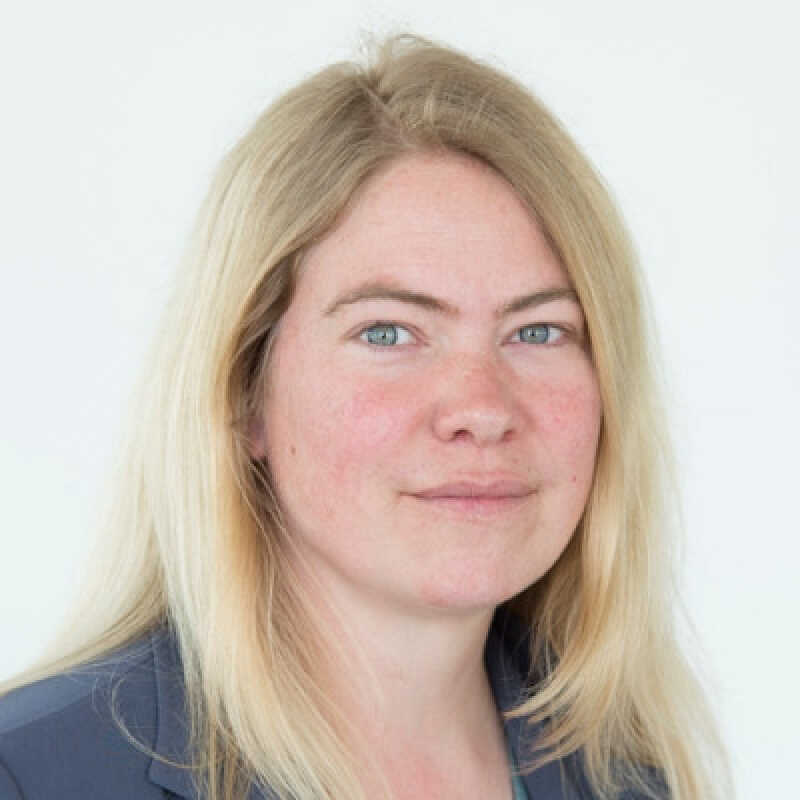
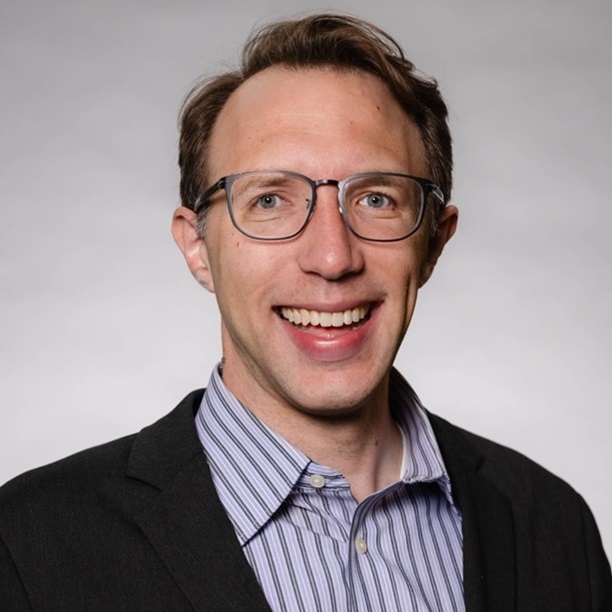
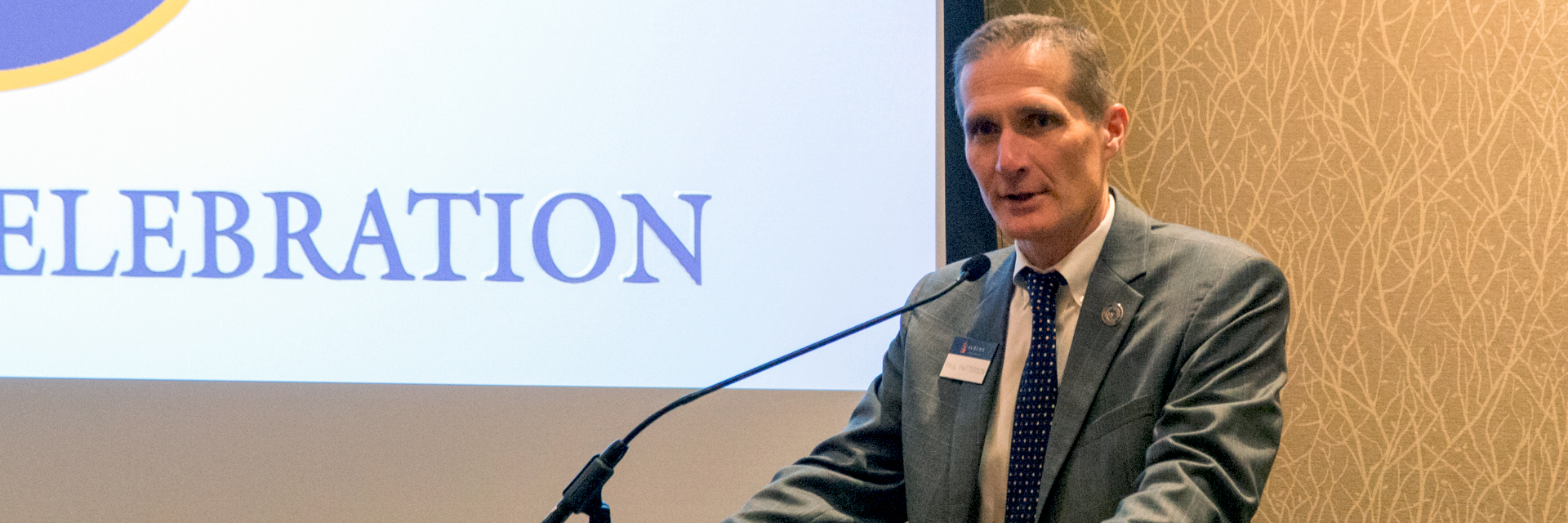
Matheus Belucio is a postdoctoral researcher affiliated with the University of Évora, holding a PhD in Economics (2023) and a Master in Economics (2018) from the University of Beira Interior. His research focuses on Tourism Economics, Urban Economy, and Economic Growth with significant environmental and religious tourism dimensions.
Dr. Elham Delzendeh is an Associate Professor and College Academic Lead for Employability at the College of Built Environment, Birmingham City University. She specializes in Digital Built Environment and Technological Design, with research emphasizing cutting-edge digital technology, building energy performance, occupant behavior, and Building Information Modelling (BIM). Her academic background includes a PhD in Architecture and Built Environment, an MSc and BSc in Architectural Engineering. PhD in Architecture and Built Environment MSc in Architectural Engineering BSc in Architectural Engineering Her research bridges practical and academic expertise in design and construction, focusing on occupant behavior analysis, energy-efficient building simulation, and Industry 4.0 technologies like digital twins. She has contributed extensively to energy performance modeling, occupant-driven systems, and sustainable urban interventions. Selected scientific awards include Fellow of the Higher Education Academy (FHEA) . She has supervised postgraduate research in digital built environments and occupant behavior, integrating real-world industry insights into her pedagogy.
Gideon Nave is the Carlos and Rosa de la Cruz Associate Professor of Marketing at The Wharton School, University of Pennsylvania. He holds a prominent position within the Department of Marketing and contributes significantly to the school's research and teaching missions in consumer behavior, marketing analytics, and decision sciences. His academic journey began with B.Sc and M.Sc degrees in Electrical Engineering from the Technion – Israel Institute of Technology, specializing in Signal Processing. He then pursued and earned his PhD in Computation & Neural Systems from the California Institute of Technology (Caltech), establishing the interdisciplinary foundation for his current research program. Nave's research focuses on how technological developments in measurement instruments have granted unprecedented access to individual-level data. His work spans several interconnected domains: Consumer neuroscience and neuroeconomics Applications of genetic data in marketing AI's impact on creativity and consumer research Ethical implications of new data collection technologies Decision-making processes across various contexts He investigates how digital footprints of online behavior, MRI, genotyping, and hormonal assays can help understand consumer preferences and behavior, while critically evaluating the ethical challenges these technologies present. His publication record demonstrates a clear trajectory toward understanding the intersection of emerging technologies and consumer behavior. Recent work particularly emphasizes AI applications in marketing research, genetic data utilization for personalization, and neuroscientific approaches to understanding decision-making processes. His methodological approach often combines large-scale datasets with rigorous experimental designs, contributing significantly to both theoretical advancement and practical applications in marketing. Nave's contributions to the field have been recognized with several prestigious awards: National Science Foundation Faculty Early Career Development (CAREER) Award (2020-2025) Association For Consumer Research (ACR) Early Career Award (2024-2025) APS Rising Star Award (2020) Poets & Quants Selection as one of the "World's Best 40 B-School Professors under the Age of 40" (2021) As a recipient of the NSF CAREER Award, Nave leads significant research initiatives examining the applications and ethical implications of new measurement technologies in marketing and consumer behavior. His work has attracted considerable media attention, with features in major outlets including The New York Times, The Guardian, CNN, and The Economist, reflecting the broad relevance and impact of his research. While specific lab names aren't prominently featured in his public profile, Nave's research appears to involve extensive interdisciplinary collaborations spanning neuroscience, genetics, computer science, and marketing. His publications frequently include co-authors from diverse disciplinary backgrounds, suggesting a team-based research approach that bridges traditional academic boundaries.
Carey W. King is a Research Scientist at the Energy Institute and Lecturer in the Department of Business, Government, and Society at the Red McCombs School of Business, both at The University of Texas at Austin. He also holds appointments in the Jackson School of Geosciences and the LBJ School of Public Affairs. His interdisciplinary research focuses on energy systems, their interactions with economic and environmental systems, and policy implications. King earned his Ph.D. and B.S. in Mechanical Engineering from The University of Texas at Austin. Education Ph.D., Mechanical Engineering, 2004 B.S. with High Honors, Mechanical Engineering, 1997 Research Interests King’s work bridges economic and biophysical perspectives, emphasizing rigorous analysis of energy systems, net energy metrics (e.g., EROI), and long-term sustainability. He explores trade-offs in energy policy, climate change mitigation, and resilience of infrastructure to extreme weather. His recent focus includes modeling the energy-water-food nexus and systemic drivers of economic growth. Key Contributions He authored The Economic Superorganism (Springer, 2021), a seminal work on energy-economy interactions. His peer-reviewed publications span energy policy, climate science, and systems modeling. Key contributions include frameworks for assessing energy transitions, resilience to climate impacts, and metrics for sustainability. Awards & Recognition Rosenfeld Plaque (2010), Environmental Research Letters Best Paper Award, ASME Energy Sustainability Conference (2010) National Science Foundation Graduate Fellowship (1998) Professional Activities King advises numerous graduate students and has served on thesis committees across disciplines. He has delivered keynote speeches at global conferences and testified on energy-water policy. His research has been featured in outlets like The Wall Street Journal , Marketplace , and American Scientist . Labs & Teams His research group focuses on interdisciplinary systems analysis, integrating energy, economics, and environmental data. Collaborations include the Biophysical Economics Institute and the Planetary Limits Network.
Michael Friedman is an Assistant Research Professor and Lecturer in the Department of Kinesiology at the University of Maryland, specializing in the Physical Cultural Studies Program. His research examines the intersections of public policy, urban design, and professional sports in postindustrial cities, with a focus on how spaces like stadiums and arenas reflect and perpetuate power dynamics, social identities, and societal structures. Friedman’s work bridges cultural studies and geography, analyzing the commodification of sports spaces and their role in urban development. He has published widely in journals such as Sociology of Sport Journal , International Review for the Sociology of Sport , and Journal of Urban Affairs , and authored a notable chapter in Critical Geographies of Sport (2016). His research highlights the cultural and economic tensions in mallparks—hybrid spaces merging stadiums with shopping malls and theme parks—as emblematic of late capitalism’s consumption-driven logic. Friedman’s scholarly contributions include analyses of urban governance, environmental justice in stadium development, and the historical narratives embedded in sports facilities. He received the 2008 Barbara S. Brown Outstanding Student Paper Award for doctoral research. His work often critiques the economic and social impacts of sports infrastructure projects, emphasizing the need for equitable urban policies.
Drew Fudenberg is the Paul A. Samuelson Professor of Economics at MIT, where he has made significant contributions to economic theory, game theory, and behavioral economics. He received his A.B. in applied mathematics from Harvard College in 1978 and his Ph.D. in economics from MIT in 1981. His research focuses on several key areas: Game theory, including foundational work on learning and equilibrium, repeated games, and reputation effects Theoretical industrial organization, analyzing competition between firms and market dynamics Behavioral economics and decision theory, particularly self-control and stochastic choice Fudenberg's recent publications reveal a continued focus on learning under misspecification, strategic behavior in complex environments, and the intersection of behavioral economics with traditional game theory. His work often combines theoretical rigor with practical applications to real-world economic phenomena. His notable scientific achievements include: Fellow of the Econometric Society (and President in 2017) Member of the National Academy of Sciences Member of the American Academy of Arts and Sciences Recipient of fellowships from the Guggenheim Foundation and Alfred P. Sloan Foundation Past editor of Econometrica Co-founder of the open access journal Theoretical Economics Fudenberg has advised numerous doctoral students who have gone on to prestigious academic and industry positions. His research has been supported by various grants throughout his career, though specific grant details are not provided in the source material. He has also authored four influential books in his field.
Leslie Paris is an Associate Professor in the Department of History within the Faculty of Arts at the University of British Columbia. Her research focuses on modern American social and cultural history with particular expertise in childhood, youth, gender, sexuality, and popular culture. Currently working on a history of American childhood during the 1960s and 1970s, she examines how social and political movements shaped children's culture while also publishing on middle-aged American women and generational cohorts. Her research interests span multiple interconnected fields including modern American social history, cultural history, childhood history, youth history, generational studies, gender history, sexuality history, and popular culture history. Dr. Paris has made significant contributions to understanding American summer camps, twentieth-century American girlhood, and the cultural significance of toys and play. Her work often bridges historical analysis with contemporary cultural concerns, particularly regarding how age and generational identity function in American society. Dr. Paris's publications reveal consistent engagement with how cultural institutions shape and reflect American identity formation, particularly through childhood experiences. Her scholarship demonstrates particular strength in analyzing how gender, age, and generational identity intersect in American cultural production and consumption. The recurring theme across her work is the examination of seemingly mundane cultural practices—summer camps, dolls, children's media—as sites where broader social transformations occur. National Endowment for the Humanities Fellowship, 2017 SSHRC Connections grant, 2014-15 Yasuo Sakakibara Prize (awarded twice by American Studies Association) Multiple UBC research grants including Humanities and Social Sciences Research Grant Multiple Social Sciences and Humanities Research Council of Canada grants Undergraduate research mentorship awards Dr. Paris has received substantial research funding including multiple Social Sciences and Humanities Research Council of Canada grants, UBC research awards, and prestigious external fellowships. Her mentorship of undergraduate researchers has been formally recognized through multiple AURA Undergraduate Research Awards and Undergraduate Research Opportunities Mentorship Awards at UBC. While specific grant amounts aren't detailed, her sustained funding record demonstrates significant scholarly impact and recognition within her fields of expertise.
Dr. Mel Ó Cinnéide is an Associate Professor at the School of Computer Science, University College Dublin. He holds a PhD from Trinity College Dublin (2001) and has over three decades of experience in academia and industry. His research focuses on automated refactoring, search-based software engineering, design patterns, and energy-efficient software development. He leads the Masters in Advanced Software Engineering program at UCD and has received multiple research grants and best paper awards. Prior to academia, he worked as a software engineer at Philips (Netherlands) and Motorola (Cork). Education: BSc in Computer Science, University College Cork MSc in Computer Science, University College Cork PhD in Computer Science, Trinity College Dublin Diploma in Gaeilge Fheidhmeach (Computing Irish), UCD Research interests emphasize practical applications of refactoring techniques to improve software quality and energy efficiency. He pioneers tools like Code-Imp and RefDetect for automated refactoring, integrating multi-objective optimization and interactive systems. His work bridges theoretical software engineering principles with real-world industry challenges. Awards and Grants: - Best Paper Awards in peer-reviewed conferences - Competitive research grants supporting software engineering projects Advising & Leadership: - Director of UCD's Masters in Advanced Software Engineering - Supervisor of numerous academic and industrial projects Labs & Projects: - Co-lead of the CodeImp Project (automated search-based refactoring) - Involved in international workshops on refactoring and software engineering
James O'Donnell is an Associate Professor in the School of Mechanical and Materials Engineering at University College Dublin (UCD). He joined UCD in 2013 after working at Lawrence Berkeley National Laboratory. His research focuses on multi-scale energy modeling, interoperable BIM solutions, and sustainable building design. He contributes to buildingSMART’s Energy Modelling Expert Panel and teaches modules on building physics and energy analysis. Education: B.E. Civil and Environmental Engineering, University College Cork Ph.D. in Holistic Building Performance Analysis, University College Cork Professional Diploma in University Teaching & Learning, University College Dublin Research Interests: James specializes in energy informatics, building energy simulation, and semantic web technologies for the built environment. His work bridges BIM integration with energy modeling to optimize urban-scale performance. Grants & Funding: PROBONO (2022–2026): Integrator-centric approach for energy-efficient buildings NexSys (2022–2026): Next-Generation Energy Systems ALIVE (2020–2024): Indoor Environmental Quality in Energy-Efficient Buildings Teaching & Editorial Roles: James coordinates courses like Energy Systems in Buildings and serves as an Associate Editor for Journal of Building Engineering and editorial board member of Advanced Engineering Informatics . Professional Affiliations: Member of Engineers Ireland, International Building Performance Simulation Association (IBPSA), and European Council on Computing in Construction.
Kathy-Ann Fletcher is a Lecturer in Marketing at the Division of Accounting, Business and Management within Dundee Business School, Abertay University since December 2018. She holds a PhD from the University of East London (UEL) focused on social media’s role in consumer-brand relationships, alongside an MSc in International Marketing Management. Her research explores consumer behavior, digital media’s impact on consumption patterns, and brand communities, with a focus on identity creation and social media’s role in emerging markets. Teaching includes modules such as Marketing, Digital/Social Media Marketing, Strategic Marketing, and Customer Relationship Management. She has co-coordinated Research Seminars and chairs the Staff Engagement Team in her School. Her work contributes to UN Sustainable Development Goals, particularly Education and Gender Equality. Key research areas include social media brand communities, consumer identity dynamics, and digital consumer behavior. Recent studies investigate Ghanaian women entrepreneurs’ sustainability practices, luxury brand adaptation in dynamic markets, and live-streaming’s influence on consumer decisions. She has presented at international conferences (e.g., British Academy of Management) and co-authored chapters on topics like religion’s role in consumer decision-making and Caribbean/Latin American Gen Y consumption patterns.
Dr. Teresa Crew is a Senior Lecturer in Social Policy at Bangor University's School of History, Law and Social Sciences. Her research focuses on social inequality, working-class academics, Gypsy/Roma/Traveller communities, and higher education policy. She holds a PhD in Sociology from Bangor University (2014), MA in Social Research (2008), and BA in Criminology (2006), all from the same institution. Her teaching includes modules on gender perspectives, social divisions, and tackling inequalities. Notable awards include the Policy Press Outstanding Teaching Award (2018) and Senior Fellowship of the Higher Education Academy (2019). She has presented at conferences worldwide and contributes to editorial boards of journals like Journal of Class and Culture . Research highlights include exploring mental health challenges among working-class academics, class barriers in clinical psychology training, and systemic discrimination faced by marginalized communities. She co-edits a handbook on class and culture and has authored two books addressing working-class academics' experiences. Editorial Roles: Journal of Class and Culture Professional Memberships: British Sociological Association Key Projects: Collaborative autoethnography on information literacy, Gypsy/Traveller rights advocacy Dr. Crew's work integrates qualitative methods like autoethnography and ethnography, emphasizing transformative pedagogy and inclusive practices. Her research often bridges academia and policy, advocating for equity in education and labor markets.
Professor Caroline Chatwin is an Honorary Professor at the University of Kent’s School of Social Sciences, part of the Kent Criminology Group. Her work focuses on global drug policy, new psychoactive substances (NPS), internet drug markets, and the prison system. She leads a Ministry of Justice-funded evaluation of interventions for prison leavers and teaches modules on illegal drugs and imprisonment, including an innovative Inside-Out prison exchange program at HMP Swaleside. Key Research Areas : Global drug policy reform, EU drug governance, technological impacts on drug markets, gendered analysis of Modafinil use, and seasonal drug market dynamics. Teaching : Convenes courses on criminology, drugs, and imprisonment, emphasizing experiential learning through prison exchange programs. Professional Contributions : Editorial roles in drug policy journals, media commentary on drug policy failures (e.g., Guardian, LSE blogs), and participation in international drug policy discussions. Her research critiques current drug policy frameworks, advocating for evidence-based approaches. Recent studies challenge assumptions about drug markets via explorations of rural magic mushroom economies and gendered online drug commerce.
Marco Aldinucci is a Full Professor and Head of the Parallel Computing group at the University of Torino's Computer Science Department. He leads the HPC Key Technologies and Tools (HPC-KTT) national lab under CINI, involving 38 Italian universities. His expertise spans parallel programming models, HPC systems, federated learning, and energy-efficient computing. Aldinucci has secured over €10M in EU research funding, contributed to frameworks like Fastflow and Streamflow, and pioneered initiatives like the HPC4AI lab and the CINI HPC-KTT lab. His research focuses on advancing exascale computing, cloud-HPC integration, and AI-driven medical solutions. Notable projects include the Gaia AVU-GSR solver for exascale systems and the DeepHealth Toolkit for medical AI. He has held governance roles in EuroHPC and chairs the Observatory on Trends and Applications of Supercomputing in Italy. Aldinucci’s publications (150+) address parallel algorithms, distributed learning, and sustainable HPC infrastructure. His work has been recognized with awards from HPC Advisory Council, NVIDIA, IBM, and Autodesk. Current initiatives include the Software & Integration lab at the Italian National HPC Centre (ICSC) and leadership in the OpenScience working group at Torino. His advising includes Iacopo Colonelli, whose thesis won CINI’s 2023 best award. He actively engages in EU projects, workflow systems, and standards for hybrid computing environments. Aldinucci’s labs and collaborations drive innovations in HPC portability, energy efficiency, and AI scalability.
Mark T. Hauser is an Assistant Professor in the Department of History at the University of South Florida. His scholarly work intersects American cultural history, business practices, and military studies, focusing on the late 19th and early 20th centuries. Education: Ph.D. from Carnegie Mellon University (2019) His research examines how U.S. Army welfare programs during World War I influenced mass culture, production systems, and consumption patterns. Current projects include a contracted book manuscript with Johns Hopkins University Press. Hauser's scholarship has received institutional support from prestigious organizations including: Smithsonian Institution's National Museum of American History Hoover Institution Hagley Museum and Library He also contributes to public history initiatives through roles like: Advisory work for Hillsborough County Veterans Memorial Park Education & Cultural Center Collaboration with Carnegie Mellon University on WWI-era campus life exhibits Teaching focuses span American history, capitalism, and entertainment industry evolution.
Paul Patterson is the current Dean of the College of Agriculture and Director of the Alabama Agricultural Experiment Station at Auburn University. He has held academic roles since 1995, including Professor in Agricultural Economics, Associate Dean, and interim and permanent Dean positions at Arizona State University. Educated at Purdue University (Ph.D., 1994) and Auburn University (B.S., 1985), his expertise spans agricultural economics, food marketing, and policy. His research focuses on consumer behavior in food systems, retail pricing strategies, and the economic impacts of agricultural policies. Notable awards include the 2016 Outstanding Advising Award and the 2007 Best Article Award for work on obesity economics. Patterson has led over $300,000 in grants studying local food systems, potato promotion programs, and fruit and vegetable policy. Education Ph.D., Agricultural Economics, Purdue University, 1994 M.S., Agricultural Economics, Purdue University, 1987 B.S. (High Honors), Agricultural Business & Economics, Auburn University, 1985 Research Interests Patterson’s work bridges economic theory and practical application, addressing critical issues in agricultural markets. He investigates how pricing strategies and marketing channels affect consumer choices, particularly in fresh produce and obesity-related consumption patterns. His studies on state branding programs and export promotion highlight the economic value of strategic marketing in competitive global markets. Recent projects explore the sustainability of local food systems and the role of policy in shaping agricultural innovation. Grants & Awards 2025–Ongoing : Leadership in drought resilience and forage production initiatives at Auburn 2016 : Multiple advising excellence awards for administrative leadership 2001–2002 : Researcher of the Year (Arizona State University) Leadership Patterson chairs national committees on agricultural policy and budget advocacy, including roles in the Association of Public Land-Grant Universities. He has organized leadership programs like LEAD21 and served on grant review committees for major agricultural associations.