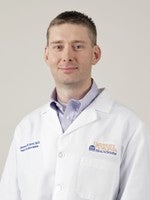
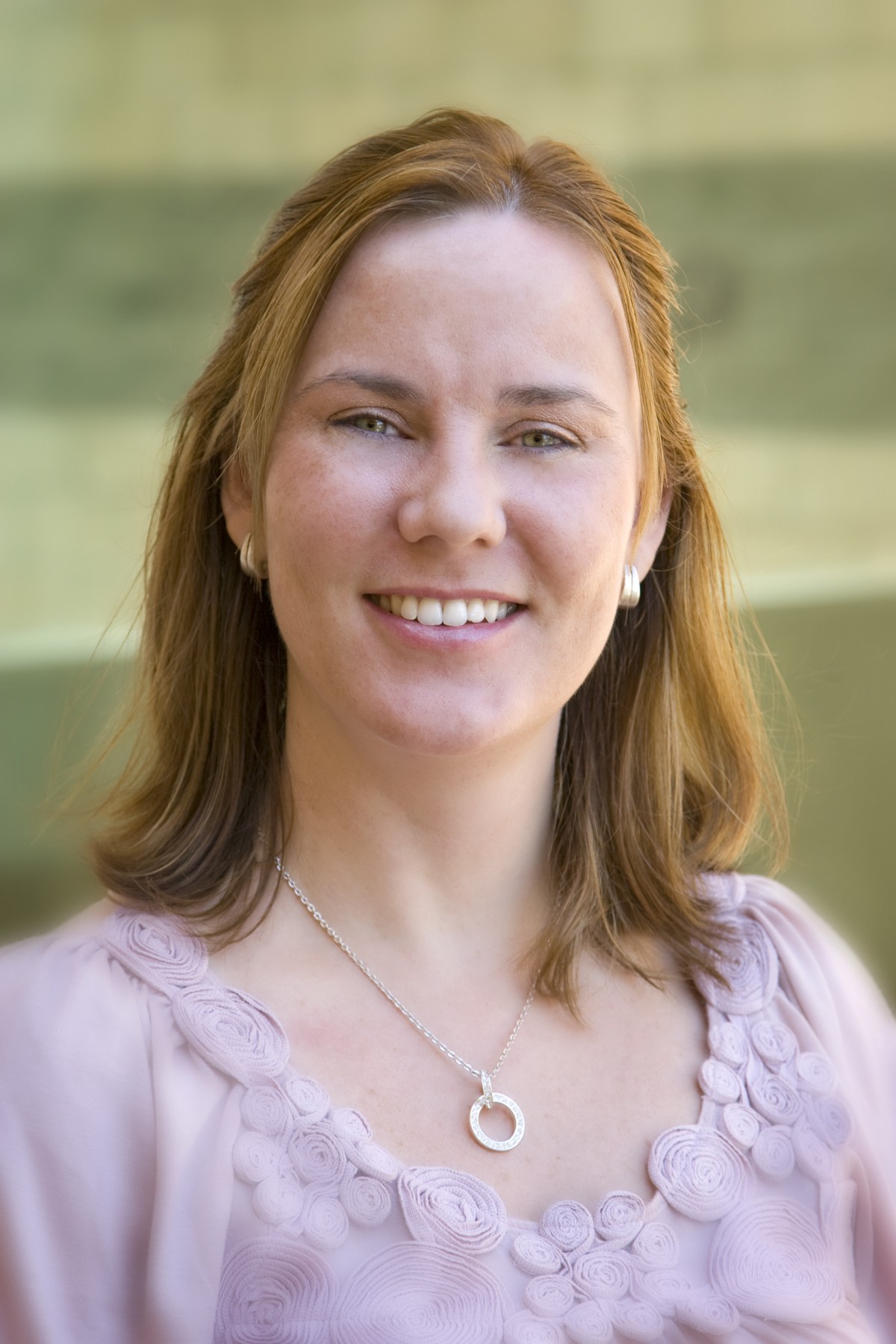
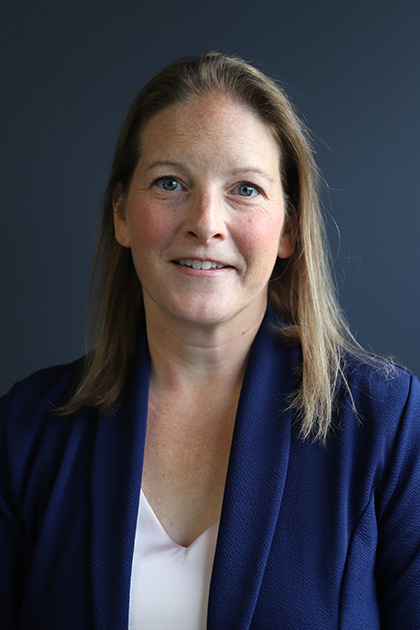
Jeremy B. Kent, MD is an Assistant Professor in the Department of Family Medicine at the University of Virginia School of Medicine. A native Virginian and UVa alumnus, he combines clinical practice, education, and research while serving as a family medicine physician and sports medicine specialist. Education: MD from Eastern Virginia Medical School; residency in Family Medicine at Tripler Army Medical Center. Certifications: Board-certified in Family Medicine (2009) and Sports Medicine (2014). Professional Roles: Cares for UVa student-athletes, covers sporting events, and teaches medical students/residents in sports medicine. Research Focus: Specializes in sport-related concussion, regenerative medicine, and musculoskeletal ultrasound applications, with openness to integrative medicine approaches.
Dr. Nicholas P Murray is a Professor and Director of the Visual Motor Lab at East Carolina University's College of Health and Human Performance , Department of Kinesiology. His research bridges oculomotor behavior, biomechanics, and traumatic brain injury diagnostics through advanced technologies. Member, International Society of Biomechanics (2022) Member, American Society of Biomechanics (2017) Member, Society for Neuroscience (2017) Member, North American Society for Sport Psychology (2016) Research focuses include: Oculomotor biomarkers for mTBI and concussion Virtual reality applications in balance assessment Visual search strategies in sports and law enforcement Neural connectivity during motor skill acquisition Stress-reactivity in high-stakes environments Notable recent publications examine eye movement differences in Olympic athletes, cognitive load effects on police decision-making, and postural control impairments post-COVID. As principal investigator on multiple Department of Defense and NSF grants, he develops mobile health platforms and sensorimotor assessment systems. Academic service includes program chair for NASPSPA conferences and extensive peer review for journals like Journal of Motor Behavior and Neuroscience Letters . The Visual Motor Lab (78 Minges, 100 Ficklen Dr) investigates motor control and visual processing across diverse populations.
Zac Domire serves as Professor in the Department of Kinesiology within East Carolina University's College of Health and Human Performance. His research integrates biomechanical engineering principles with clinical rehabilitation to investigate human movement disorders, injury mechanisms, and recovery processes. His primary research domains include: Muscle-tendon biomechanics using ultrasound elastography and computational modeling Postural control mechanisms in concussion, fatigue, and post-COVID conditions Sports injury prevention with focus on ACL, UCL, and foot/ankle pathologies Application of virtual reality for balance perturbation training Effects of footwear, aging, and neuromuscular fatigue on movement Recent publications reveal evolving research trajectories toward pandemic-related movement disorders and advanced neural signature analysis for concussion diagnosis. His work demonstrates consistent methodological innovation through combined experimental-computational approaches across 40+ publications since 1999. Current emphasis includes validating non-invasive biomarkers for sports-related injuries and developing targeted rehabilitation protocols for sensorimotor deficits. Professor Domire actively contributes to undergraduate research training through ECU's biomedical engineering simulation program, emphasizing hands-on experience in imaging and modeling techniques for future biomechanics professionals.
Louise A Kelly serves as Associate Professor of Exercise Science at California Lutheran University, where she has held a faculty position since 2008. Her academic foundation includes a PhD in Pediatric Exercise Science from the University of Glasgow and advanced training through a postdoctoral fellowship at the University of Southern California. Education: PhD in Pediatric Exercise Science, University of Glasgow, Scotland (2005) Postdoctoral Fellowship in Preventive Medicine, University of Southern California (3 years) Research Focus: Dr. Kelly's work centers on pediatric obesity and metabolic disorders with critical attention to health disparities in minority youth populations. She investigates etiological factors, prevention strategies, and treatment interventions for obesity-related conditions including type 2 diabetes and obesity-associated cancers. Her current research emphasizes exercise-based solutions for pediatric metabolic health, utilizing sophisticated methodologies such as doubly labeled water analysis, indirect calorimetry, accelerometer monitoring, and comprehensive nutritional assessment. Scientific Recognition: Provost Distinguished Scholar award (2019) Leadership and Funding: Dr. Kelly directed the Centre for Academic Service Learning (CASL) for three years and served as site Principal Investigator for a major NCAA and Department of Defense-funded longitudinal study examining concussion impacts. Her grant portfolio demonstrates significant external research support in high-impact health domains.
Dr. Catherine Holt serves as Assistant Professor and Coordinator of Clinical Education in the Department of Health, Nutrition and Exercise Sciences at Immaculata University, transitioning to full-time faculty in 2023 after two years as adjunct professor. With 19 years of clinical experience including 17 years at Episcopal Academy and two years at Lower Merion High School, she integrates athletic training expertise into academic leadership. Her educational credentials include: DHSc in Health Sciences & Exercise Leadership, California University of Pennsylvania MS in Rehabilitative Science, California University of Pennsylvania BS in Athletic Training, Duquesne University Research focuses on gender-specific concussion mechanisms with emphasis on: Hormonal fluctuations (natural and synthetic progestin) in female athlete recovery Epidemiological patterns of concussion symptom severity Interprofessional curriculum development for athletic training education As Clinical Education Coordinator, she oversees the Masters of Athletic Training program's clinical sequence while teaching across the curriculum from foundational courses (EXS 301: Prevention & Care of Athletic Injuries) to advanced clinical practicums (ATP 551-556) and specialized topics (ATP 651: Exploring Unique Sport Populations).
University of California, Los AngelesUnited States
John B Birath serves as an Assistant Clinical Professor in the Department of Psychiatry and Biobehavioral Sciences at the David Geffen School of Medicine, University of California, Los Angeles (UCLA). His academic work bridges clinical neurology and psychiatric research with a focus on substance abuse disorders and neurological conditions. Dr. Birath's research interests center on cognitive neuroscience , particularly examining the neurological underpinnings of substance abuse disorders and cognitive impairment. His work spans several key areas including methamphetamine addiction recovery, sports-related concussion outcomes, and genetic neurological disorders. His research employs clinical and translational approaches to address complex neuropsychiatric conditions. His publication record demonstrates a focus on clinical translational research , with publications appearing in specialized neurology and psychiatry journals. His research shows a clear trajectory examining the intersection of substance abuse, cognitive function, and neurological disorders. Dr. Birath has established research collaborations with prominent UCLA faculty including Dr. Tsuang, Dr. Fogel, and Dr. Nelson, indicating strong integration within the university's neuroscience research community. His work has been cited in multiple contexts including news outlets and social media.
Melanie B. Elliott is an Associate Professor in the Department of Neuroscience at Thomas Jefferson University, serving as Director of the Physiology Thread for JeffMD (Sidney Kimmel Medical College) and Director of the Masters Program in Neuroscience. Her research centers on traumatic brain injury (TBI), particularly mild-moderate TBI and concussion, investigating pathophysiological mechanisms driving post-concussion headache, sleep disruption, anxiety, and cognitive deficits. She specializes in the trigeminal pain pathway and endocannabinoid system modulation, with a focus on CB2 receptor-mediated anti-inflammatory and analgesic effects. Her work explores therapeutic strategies targeting endogenous cannabinoid ligands, receptors, and enzymes to alleviate neurological symptoms without psychotropic side effects. Dr. Elliott leads a neuroscience research laboratory studying mitochondrial dysfunction, blood-brain barrier disruption, and neuroimmune responses in TBI models, contributing to translational approaches for post-traumatic headache and pain management.
Yufen Chen, PhD, serves as a Research Associate Professor in the Department of Radiology at the Feinberg School of Medicine, Northwestern University. Her academic appointment resides within the Basic and Translational Radiology Research division, where she conducts pioneering work in neuroimaging and cerebrovascular health. Dr. Chen maintains active affiliation with the Northwestern University Clinical and Translational Sciences Institute (NUCATS), leveraging its resources for translational research that bridges laboratory discoveries with clinical applications in neurological disorders. Her academic foundation includes a Bachelor of Science from Washington University in St. Louis (2001), followed by a PhD from Northwestern University (2008). She completed specialized postdoctoral training in Neurology at the University of Pennsylvania (2011), establishing her expertise in brain imaging and vascular physiology. Dr. Chen's research program centers on cerebral vascular health using advanced quantitative MRI methodologies, with arterial spin labeling (ASL), cerebral vascular reactivity (CVR), and dynamic susceptibility contrast (DSC) imaging forming the core of her investigative toolkit. Her work spans critical neurological domains including stroke recovery mechanisms, traumatic brain injury pathophysiology, hypoxia-induced vascular changes, and neurologic complications in systemic diseases. She has developed particular expertise in studying vascular dynamics in stroke-induced aphasia, mild traumatic brain injury in athletic populations, and genetic-hormonal interactions affecting cerebral perfusion. Analysis of her recent publications (2021-2025) reveals a cohesive research trajectory focused on cerebral perfusion dynamics across diverse clinical populations. Her studies consistently integrate advanced neuroimaging with behavioral and physiological outcomes, demonstrating how vascular function mediates responses to interventions ranging from behavioral therapy for aphasia to hormonal treatments for stress symptoms post-concussion. The work shows increasing sophistication in correlating imaging biomarkers with genetic factors and environmental exposures. Dr. Chen holds significant professional service roles as an Editorial Board Member for Frontiers in Neuroscience and Frontiers in Neuroimaging (2022-present). She maintains longstanding membership in the International Society for Magnetic Resonance in Medicine (2002-present) and previously contributed to the American Congress of Rehabilitation Medicine (2019-2020). No major scientific awards are documented in her current profile. While specific student mentorship details are not enumerated, her position as Research Associate Professor indicates active involvement in training graduate students and postdoctoral fellows. Her research is institutionally supported through NUCATS infrastructure and departmental resources, though specific grant awards are not detailed in the available information. Dr. Chen operates within Northwestern's Basic and Translational Radiology Research ecosystem, collaborating with multidisciplinary teams across neurology, rehabilitation medicine, and sports science. Her work contributes significantly to NUCATS' mission of accelerating clinical translation, with current projects examining vascular biomarkers for brain injury recovery and personalized intervention strategies based on neuroimaging phenotypes.
Valerie Ito, MD serves as Assistant Professor in the Department of Physical Medicine and Rehabilitation at Northwestern University's Feinberg School of Medicine, practicing clinically at Shirley Ryan AbilityLab in Chicago. Her work bridges neurorehabilitation research and patient care within one of America's premier rehabilitation institutions. Dr. Ito earned her MD from Rush Medical College in 1984 followed by residency training at Northwestern University's McGaw Medical Center in 1988. This dual institutional background established her expertise in both academic medicine and specialized rehabilitation. Her research focuses on trauma-related neurological conditions, particularly post-concussion syndrome, hydrocephalus management, medication complications, and hearing rehabilitation. Publications demonstrate interdisciplinary approaches combining neuropsychology, neurosurgery, and otolaryngology to address complex rehabilitation challenges. Key contributions include investigating stress-coping dynamics in concussion recovery and evaluating cochlear implant efficacy for trauma-induced hearing loss. Analysis of her 1990s publications reveals consistent emphasis on physiological and psychological rehabilitation mechanisms across diverse trauma contexts. Work spans neuropsychological assessment, surgical interventions for hydrocephalus, pharmacological complications, and auditory prosthetics - reflecting rehabilitation medicine's holistic nature. No major scientific awards are documented in her current profile, though her research appears in high-impact journals including Archives of Clinical Neuropsychology and Archives of Physical Medicine and Rehabilitation. While the profile lacks specific student mentoring records, her faculty role implies supervision of medical trainees and residents. Grant activity remains undisclosed, though her Shirley Ryan AbilityLab affiliation suggests involvement in institutional rehabilitation research initiatives. As part of Shirley Ryan AbilityLab's interdisciplinary ecosystem, Dr. Ito collaborates with neurologists, surgeons, audiologists, and engineers in advancing rehabilitation science. The institution's focus on translational research provides infrastructure for developing clinical applications from basic science discoveries.
James K. Buskirk is an Assistant Professor in the Department of Physical Therapy at Rosalind Franklin University's College of Health Professions. He teaches Physiology, Orthopedic Clinical Medicine, Cardiovascular/Pulmonary PT, Pharmacology, and Clinical Skills courses, while also instructing at the William Scholl College of Podiatric Medicine. His clinical certifications include Sports Physical Therapy (ABPTS), Vestibular Rehabilitation (AIB-VR), Concussion Management (AIB-CON), Manual Therapy (MTC), and Exercise Physiology (ACSM). Dr. Buskirk directs the Physical Therapy Faculty Clinical Practice at RFU Health Clinic and mentors the Interdisciplinary Community Clinic, which provides pro-bono care to underserved populations. His research focuses on: Sports-related concussion (SRC/mTBI) rehabilitation Vestibular and balance dysfunction measurement techniques Development of novel neurocognitive assessment technologies Executive function quantification in athletes His recent publications (2017-2021) demonstrate concentrated research in vestibular disorder management, mTBI assessment protocols, and validation of portable neurocognitive testing devices. Key thematic focuses include sports medicine diagnostics, vestibular pathophysiology, and rehabilitation technology innovation. Honors: Clinical Education Award (1983) from University of Health Sciences/The Chicago Medical School He maintains active memberships in 12 professional societies including APTA, AASPT, ACSM, and the International Council of Motorsports Safety.
Bloomsburg University of PennsylvaniaUnited States
Jody Russell serves as Professor and Graduate Program Director for the Master of Science in Athletic Training program within the Department of Biological and Health Sciences at Commonwealth University. Her academic credentials include: Ph.D. in Kinesiology, The Pennsylvania State University (2007) M.Ed. in Health and Physical Education, Valdosta State University (1997) B.S. in Physical Education (K-12 and Athletic Training), Salisbury State University (1995) Her research examines athletic training students' experiences during standardized patient encounters, neurological impacts of trauma, and trauma-informed care for neurodivergent populations. She specializes in concussion management, therapeutic modalities, and mental health applications in sports medicine, with conference presentations addressing mental health in athletic contexts. No scientific awards were documented in the source material. She mentors students through clinical placements, capstone projects, and career development in sport management while serving on the Commission on Accreditation of Athletic Training Education (CAATE) Peer Review Committee and as an Independent Medical Spotter for the Big Ten Conference. Outside academia, she coordinates foster/adoption support services for non-profit Dwell and practices as a Trust-Based Relational Intervention Practitioner, reflecting her personal commitment to adoption advocacy.
Erica O'Neill serves as a Certified Athletic Therapist and Lecturer in the Faculty of Kinesiology and Health Studies at the University of Regina, providing clinical treatment for musculoskeletal injuries and concussions while delivering emergency medical coverage during athletic events. She instructs KIN 375: Care and Prevention of Athletic Injuries, introducing students to sports medicine fundamentals. Education: Master's degree with thesis research focused on concussion management and injury prevention Research Interests: Her work centers on optimizing athlete recovery through evidence-based concussion protocols and proactive injury prevention strategies. She integrates clinical experience with academic instruction to advance sports medicine education, emphasizing practical applications in athletic settings. Special attention is given to neuromuscular rehabilitation techniques and return-to-play decision frameworks. Professional Activities: Clinical treatment of University of Regina athletes for acute and chronic injuries On-field emergency medical response during competitions Curriculum development for athletic injury prevention education Implementation of standardized concussion assessment protocols
Lucas Van Horn serves as a Lecturer in the Department of Health and Human Performance at Norwich University's College of Arts & Sciences, contactable via lvanhorn@norwich.edu or (802) 485-2733. His educational background includes a Ph.D. in Human Functioning & Rehabilitation Science from the University of Vermont (in progress), an M.S. in Exercise Science from West Chester University, and a B.S. in Exercise Science and Biology from Shippensburg University. Van Horn's research centers on mild traumatic brain injuries and concussions, specifically investigating cascading effects on posture, movement, and vision synchronization post-injury. He emphasizes classroom communication and active mentorship of student-led undergraduate research projects. His recent publications (2019-2021) demonstrate interdisciplinary work spanning rehabilitation science, exercise physiology, and public health, addressing persistent postural perceptual dizziness diagnostics, exercise-cognition interactions, and traumatic brain injury epidemiology in student populations. He teaches core courses including Kinesiology (HHPR 365), Applications of Exercise Testing and Prescription (HHPR 404), and Applications of Exercise Science (HHPR 202), while actively guiding undergraduate research in health sciences.
Uniformed Services University of the Health SciencesUnited States
Kwang H Choi serves as Associate Professor in the Department of Psychiatry at Uniformed Services University of the Health Sciences (USUHS) School of Medicine, with secondary appointments in the Neuroscience Program and Graduate School of Nursing. His research bridges military medicine and translational neuroscience to address combat-related neuropsychiatric conditions. His educational background includes: BSc and MA from Dong Guk University, South Korea PhD from University of Alberta, Canada Postdoctoral training at UT Southwestern Medical Center Choi's research focuses on molecular mechanisms underlying traumatic brain injury (TBI), posttraumatic stress disorder (PTSD), and substance use disorders in military populations. He employs integrated approaches combining preclinical animal models, molecular biochemistry, microPET/CT neuroimaging, and clinical service member data analysis to identify neurobiological risk factors and develop targeted interventions. Current work emphasizes sex-specific responses to trauma and novel therapeutics like ketamine. His 15 most recent publications reveal strong trends in military neuropsychiatry, with 60% examining ketamine's effects on fear memory and neuroinflammation, 30% analyzing TBI-PTSD comorbidity in service members, and 10% exploring opioid interventions in combat trauma. Key subfields include sex-dimorphic neuroimmune responses, biomarker discovery, and translation of rodent fear conditioning models to human PTSD. Scientific recognition includes: Joint Meritorious Unit Award from Defense Centers of Excellence Top View Papers Certificate from International Journal of Molecular Sciences Alberta Heritage Foundation Medical Research Scholarship As Dissertation Advisor for PhD students and Thesis Committee Member in Neuroscience, Choi mentors the next generation of military health researchers. He directs the Behavioral Neuroscience graduate course (NSO 530) and leads the Preclinical Behavior and Models Core. Current grants focus on Defense Department-funded projects examining ketamine's impact on stress hormone dynamics and fear memory renewal in trauma models. His laboratory integrates molecular techniques with advanced neuroimaging to study neuroplasticity changes following combat-relevant injuries, maintaining active collaborations with the Defense Centers of Excellence for Psychological Health and Traumatic Brain Injury.
Thomas P. Dompier is an Associate Professor in the Department of Athletic Training at Lebanon Valley College, holding LAT and ATC credentials. His expertise spans Athletic Training, Biostatistics, Clinical Epidemiology, Evidence-Based Practice, and Research Methods, with a primary focus on Sports Injury Epidemiology. Dr. Dompier's research examines traumatic and catastrophic injuries in youth and collegiate athletics, particularly concussion dynamics and ACL injury mechanisms across developmental stages. His work integrates large-scale surveillance data from initiatives like the National Athletic Treatment, Injury and Outcomes Network (NATION), emphasizing evidence-based clinical applications. He has published over 80 peer-reviewed articles and delivered 110+ presentations internationally. Analysis of his publications reveals dominant trends in sports injury epidemiology, especially concussion incidence in football, catastrophic injury patterns, and sex-specific risk factors for musculoskeletal injuries. His methodological rigor in biostatistics and surveillance design underpins these contributions. Dr. Dompier serves as a Consortium Member for the National Center for Catastrophic Sports Injury Research (UNC Chapel Hill), Scientific Advisory Board Member for Veritas Sports Injury Network, and Editorial Board Member for the Journal of Athletic Training. He has secured $1.6 million in research funding from entities including the National Athletic Trainers’ Association and PAC-12 Student-Athlete Health programs, though specific student advisees are not documented.